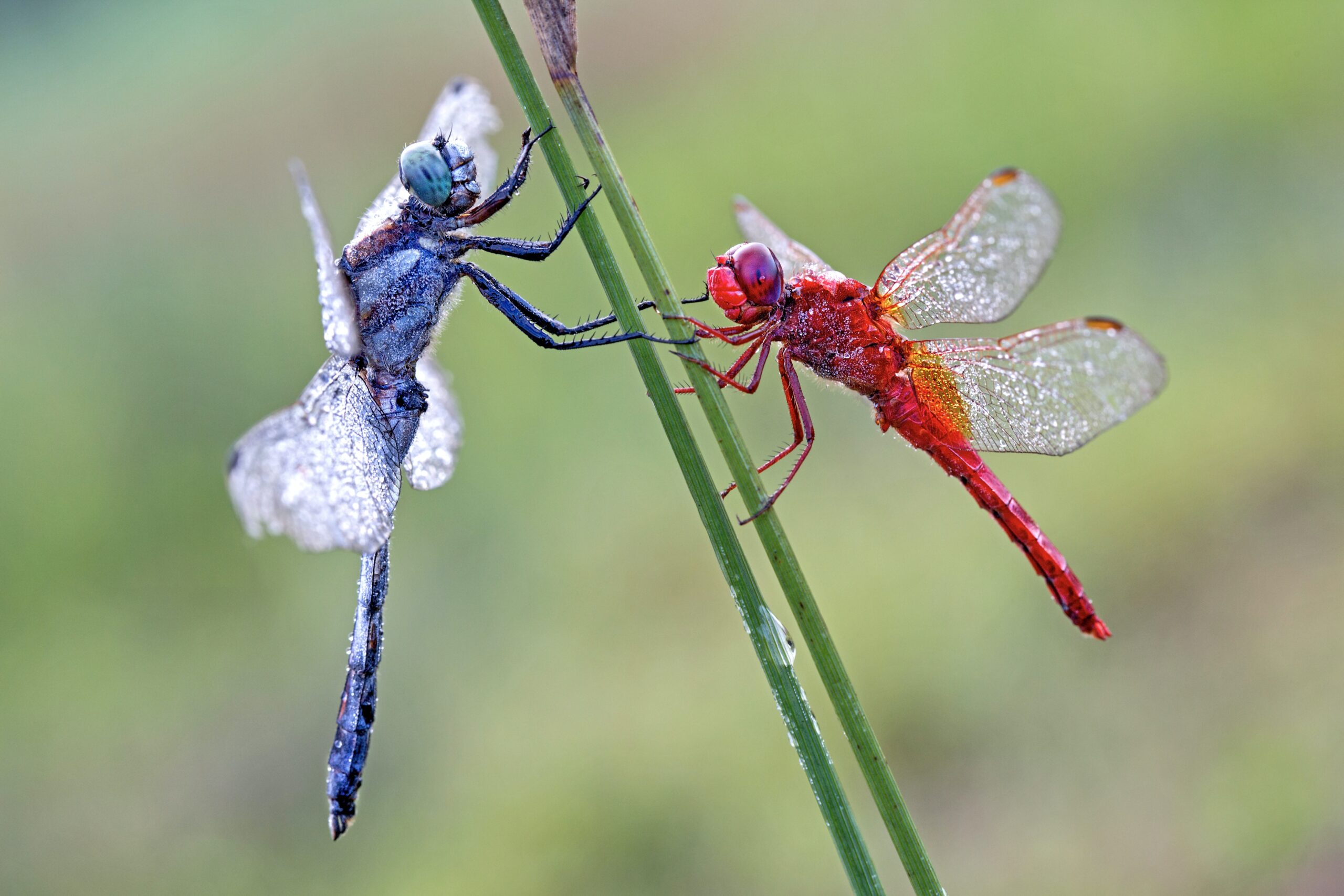
Two species with similar resource requirements respond in a characteristic way to variations
in their habitat—their abundances rise and fall in concert. We use this idea to learn how bacterial
populations in the microbiota respond to habitat conditions that vary from person-toperson
across the human population. Our mathematical framework shows that habitat
fluctuations are sufficient for explaining intra-bodysite correlations in relative species abundances
from the Human Microbiome Project. We explicitly show that the relative abundances
of closely related species are positively correlated and can be predicted from
taxonomic relationships. We identify a small set of functional pathways related to metabolism
and maintenance of the cell wall that form the basis of a common resource sharing
niche space of the human microbiota.
Variable habitat conditions drive species covariation in the human microbiota
Year: 2017