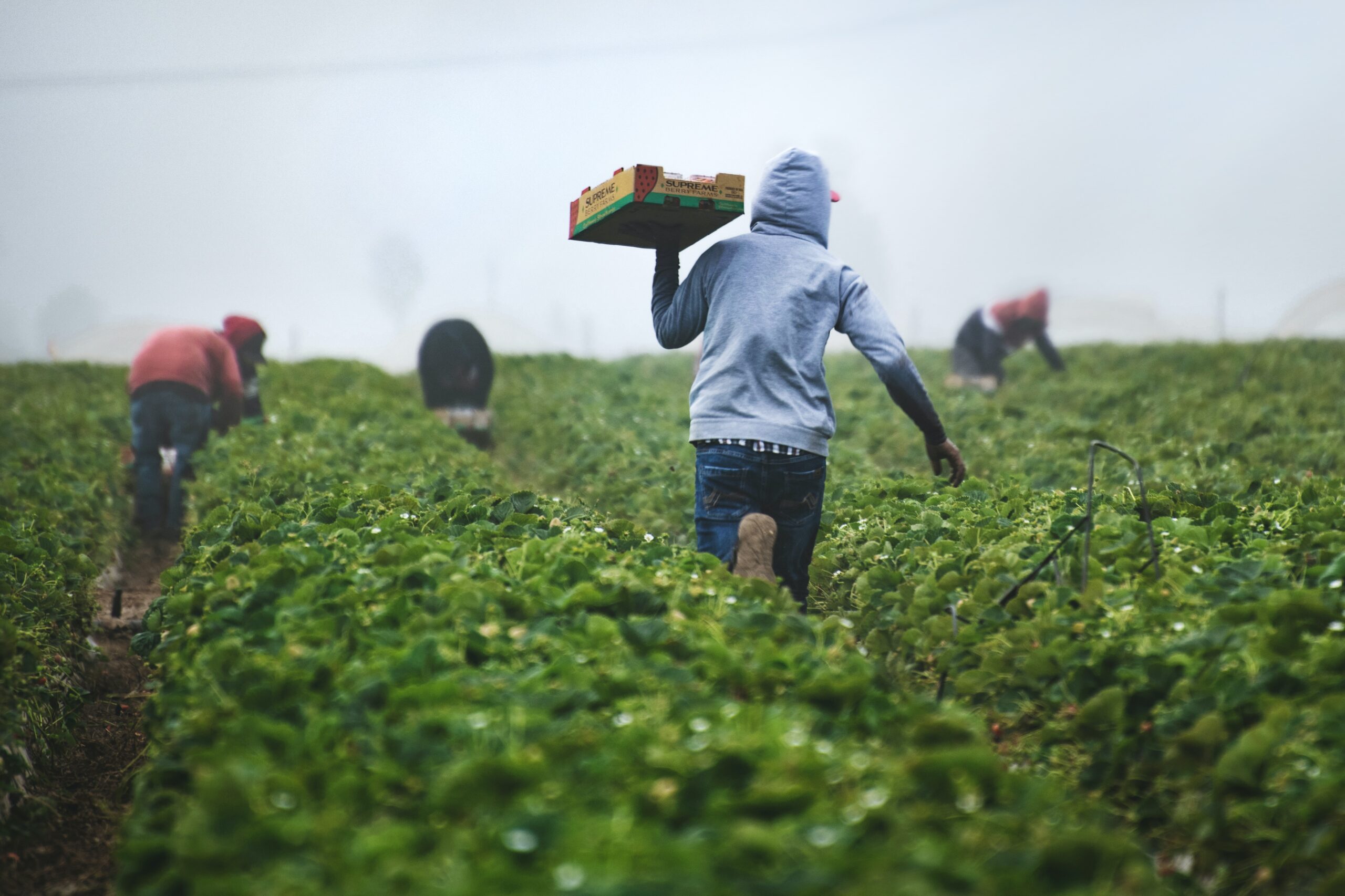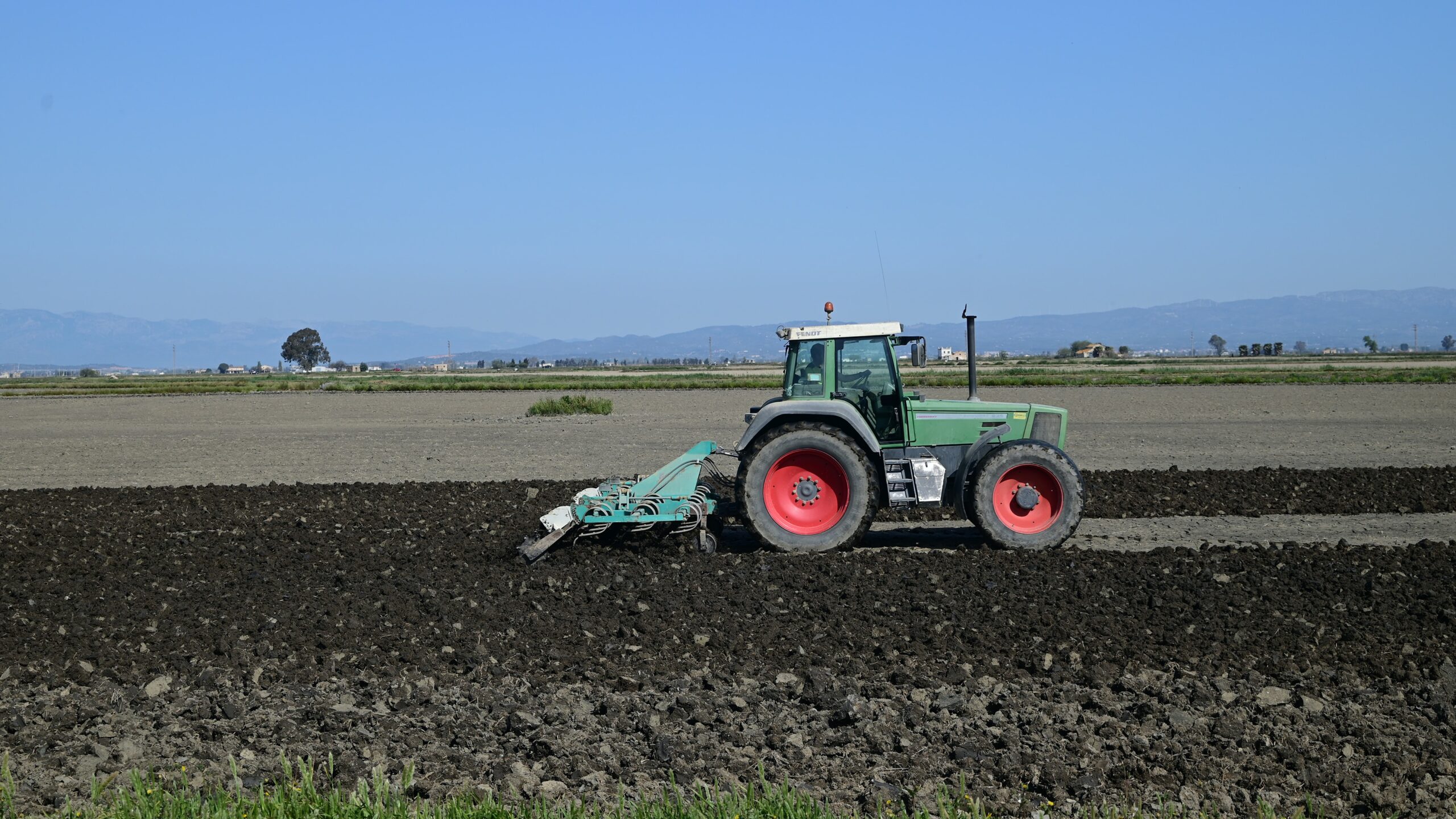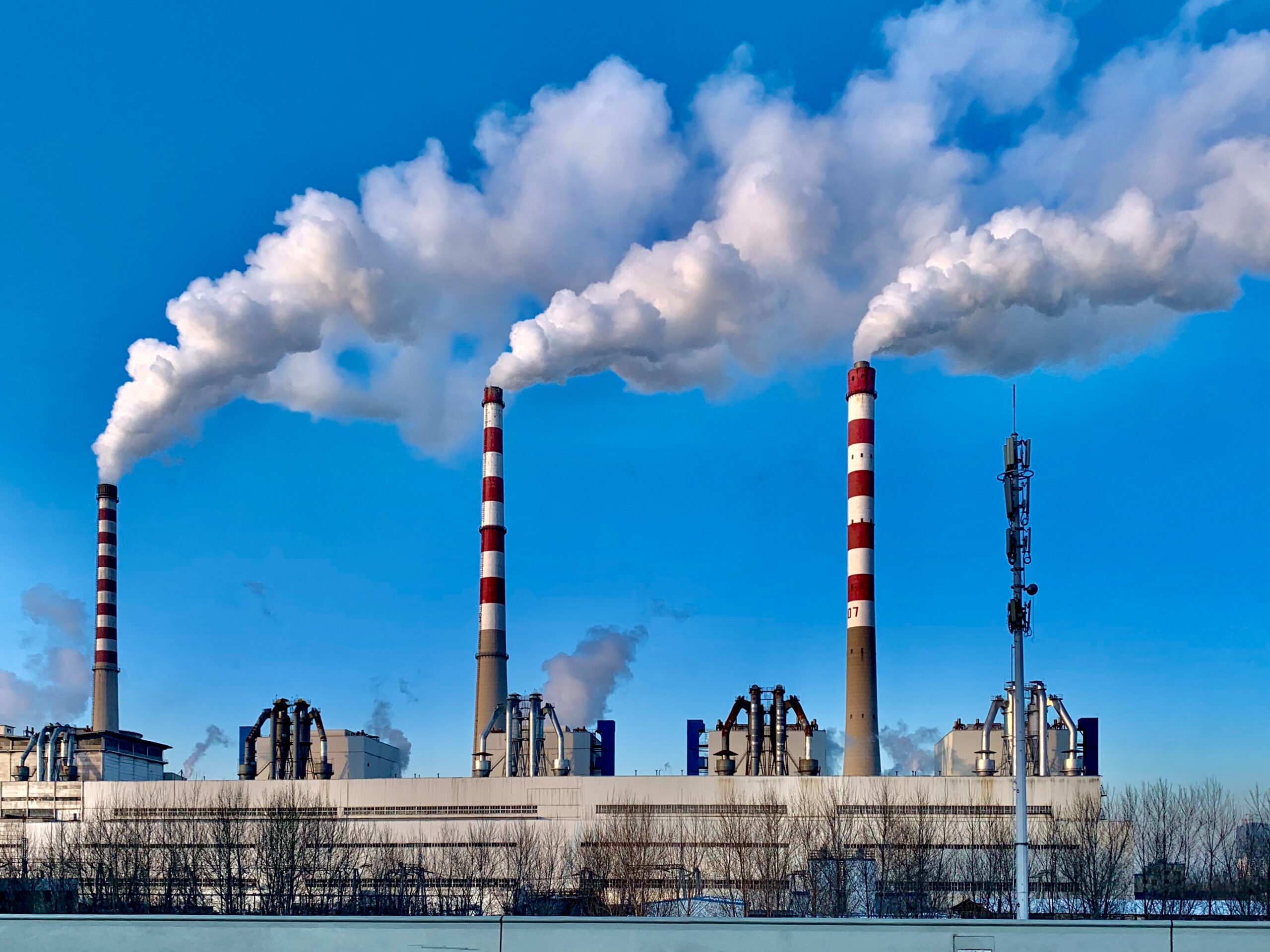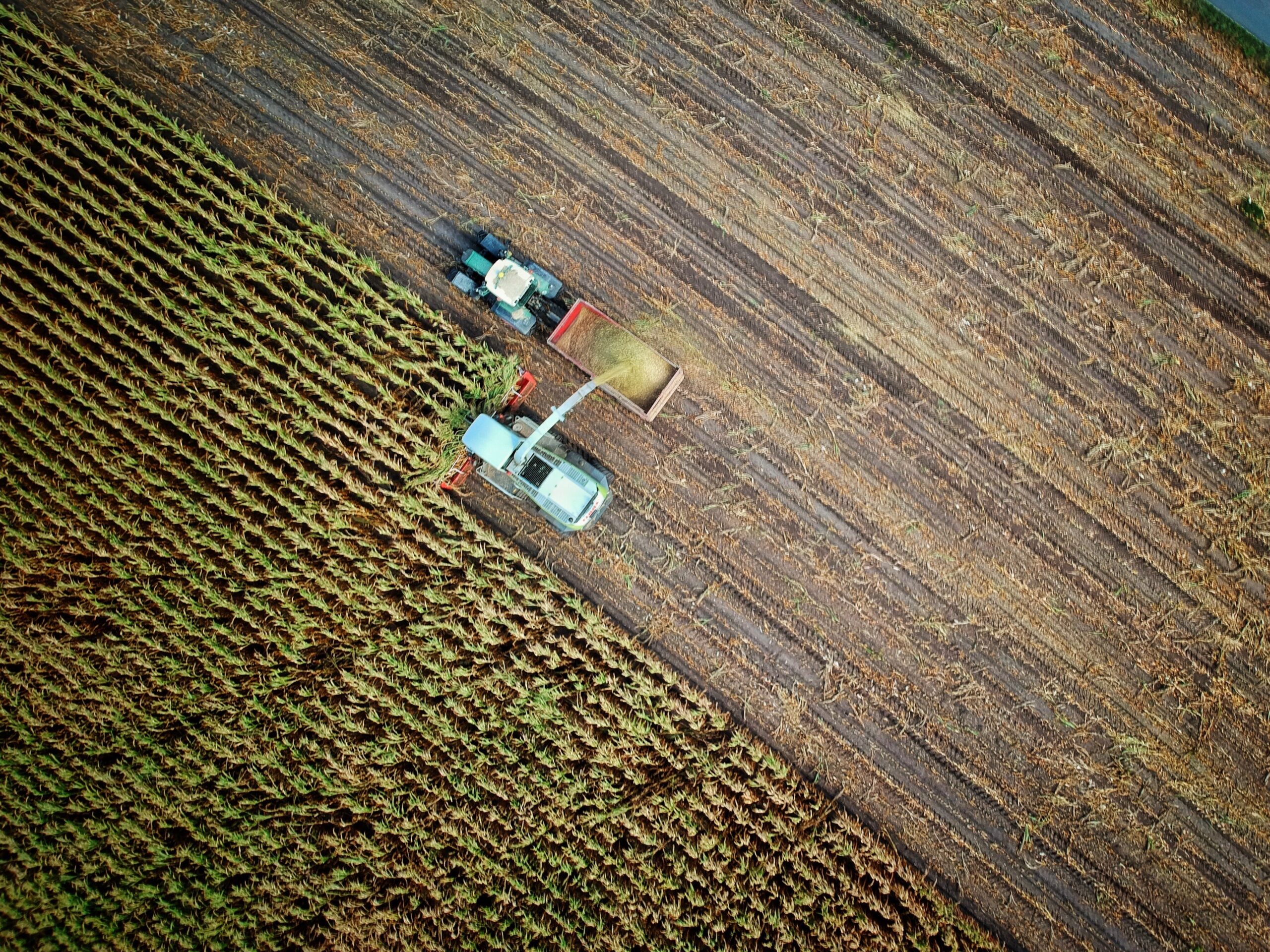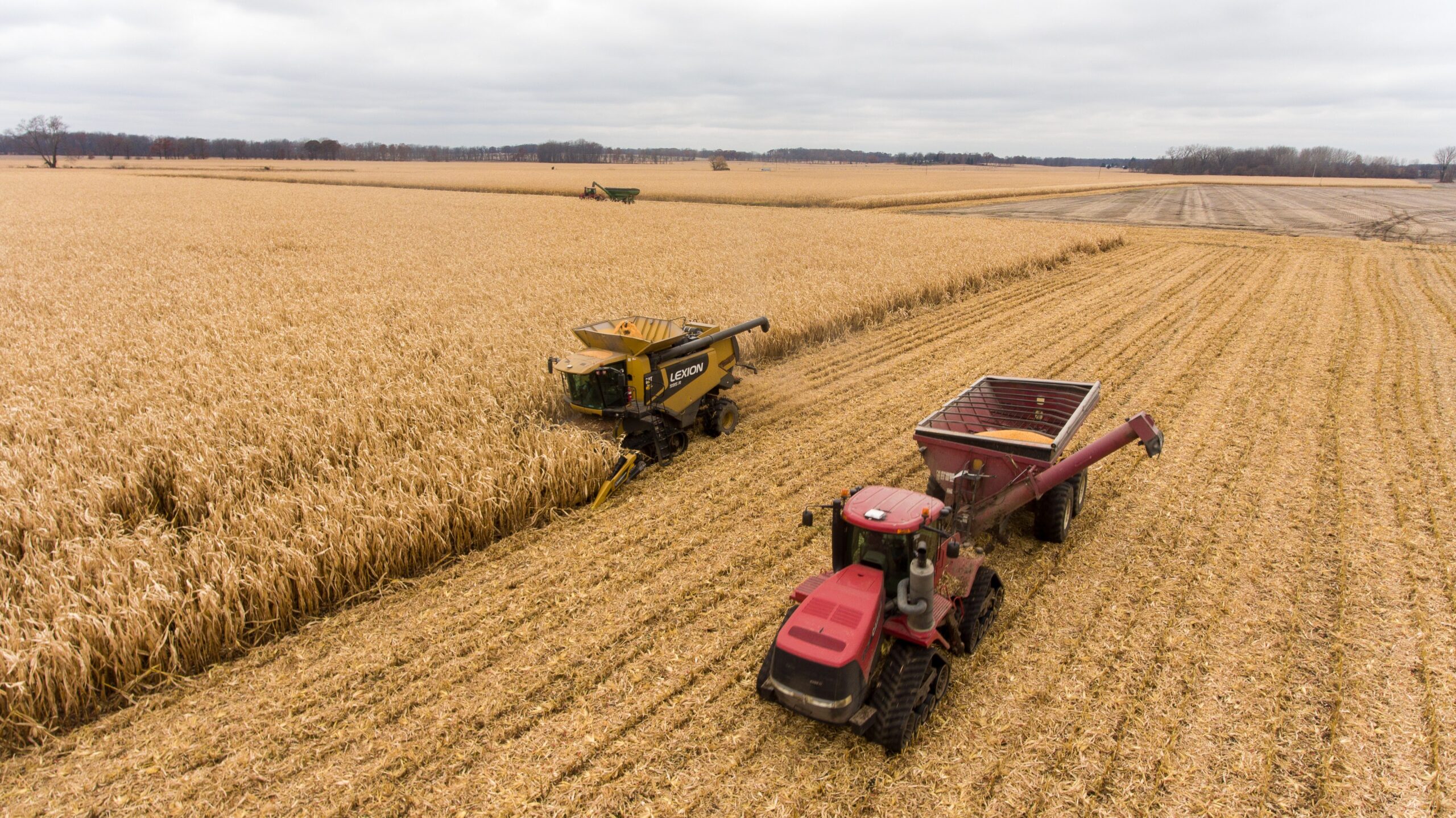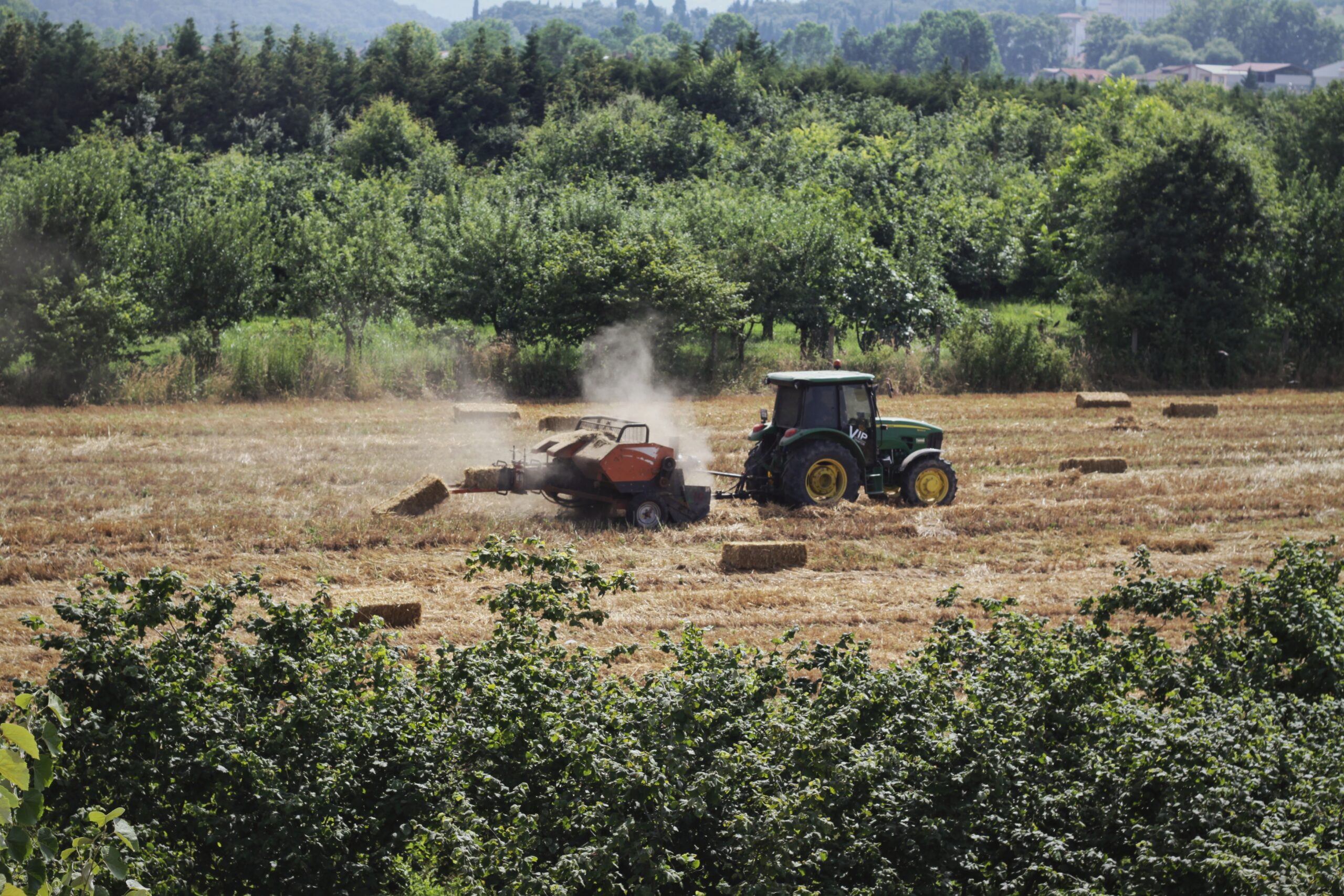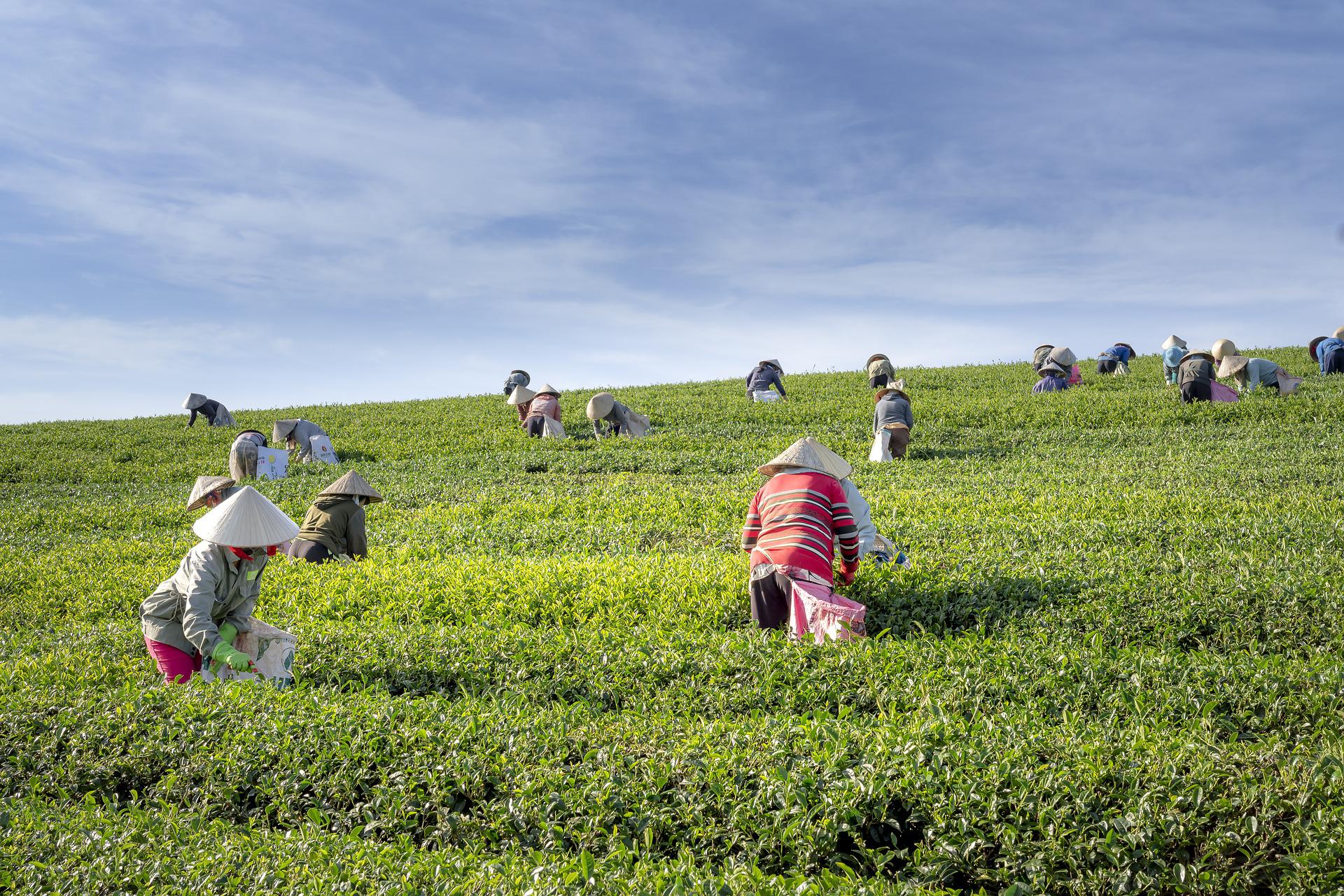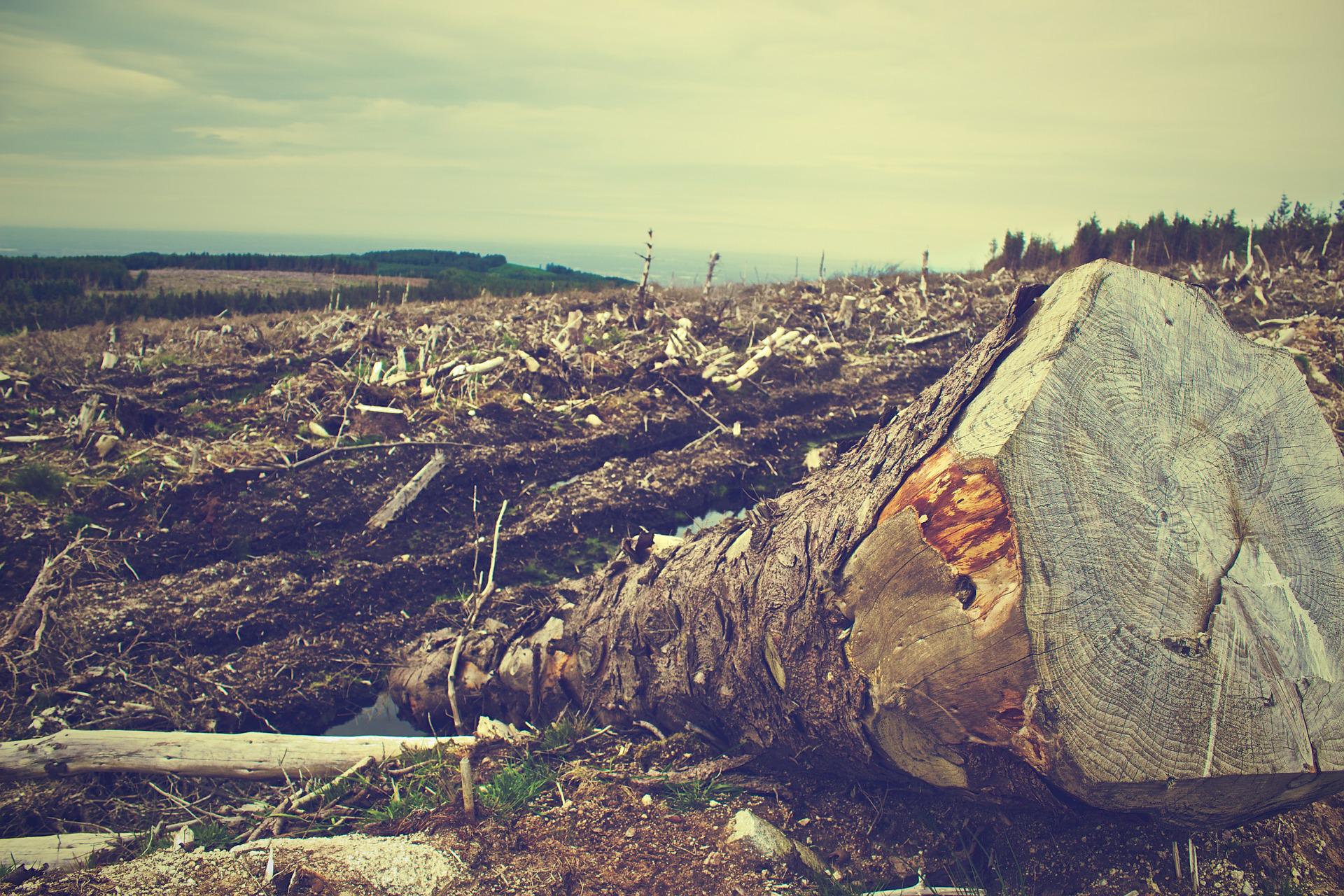
The world’s food system annually produces roughly 17 gigatonnes of CO₂-equivalent emissions, accounting for nearly one-third of all human- generated GHGs (Babiker et al. 2022). This share is likely to increase once the transition towards a low-energy and low- carbon economy reduces GHG emissions from the other sectors, in particular from the energy sector.
While land use, agriculture, and food systems are part of the problem, they can also become a central part of the solution. Adopting win-win solutions can boost food security and climate change mitigation at the same time (Pingault and Martius 2023; Martius et al. 2024; Pingault et al. 2024). Indeed, land use and food systems hold huge mitigation potential, estimated at around 15 GtCO2eq per year, globally. This represents 30% of the global effort needed until 2050 to meet the Paris Agreement’s target of limiting the increase in global average temperature to 1.5°C compared with pre- industrial levels (Roe et al. 2019).