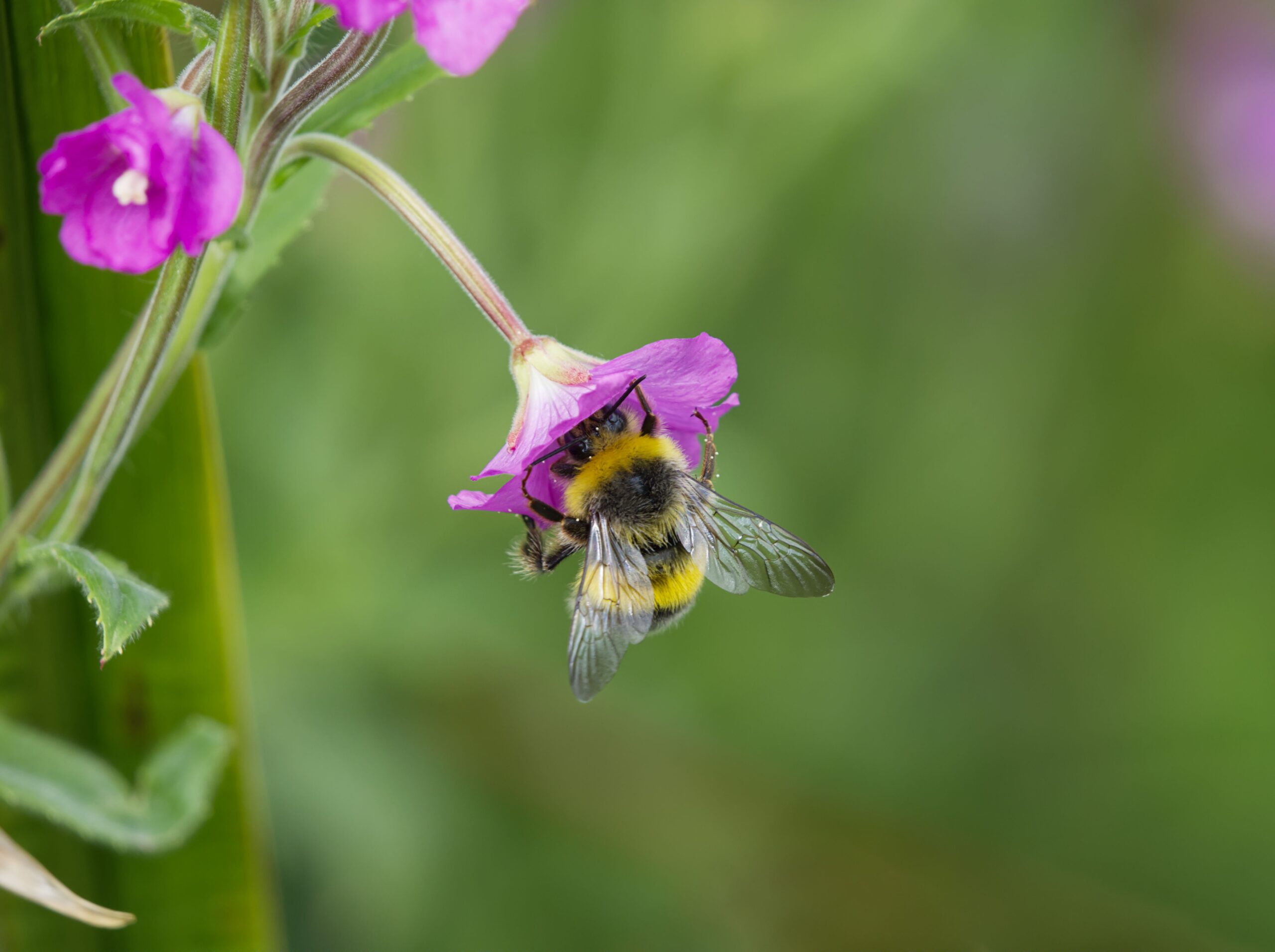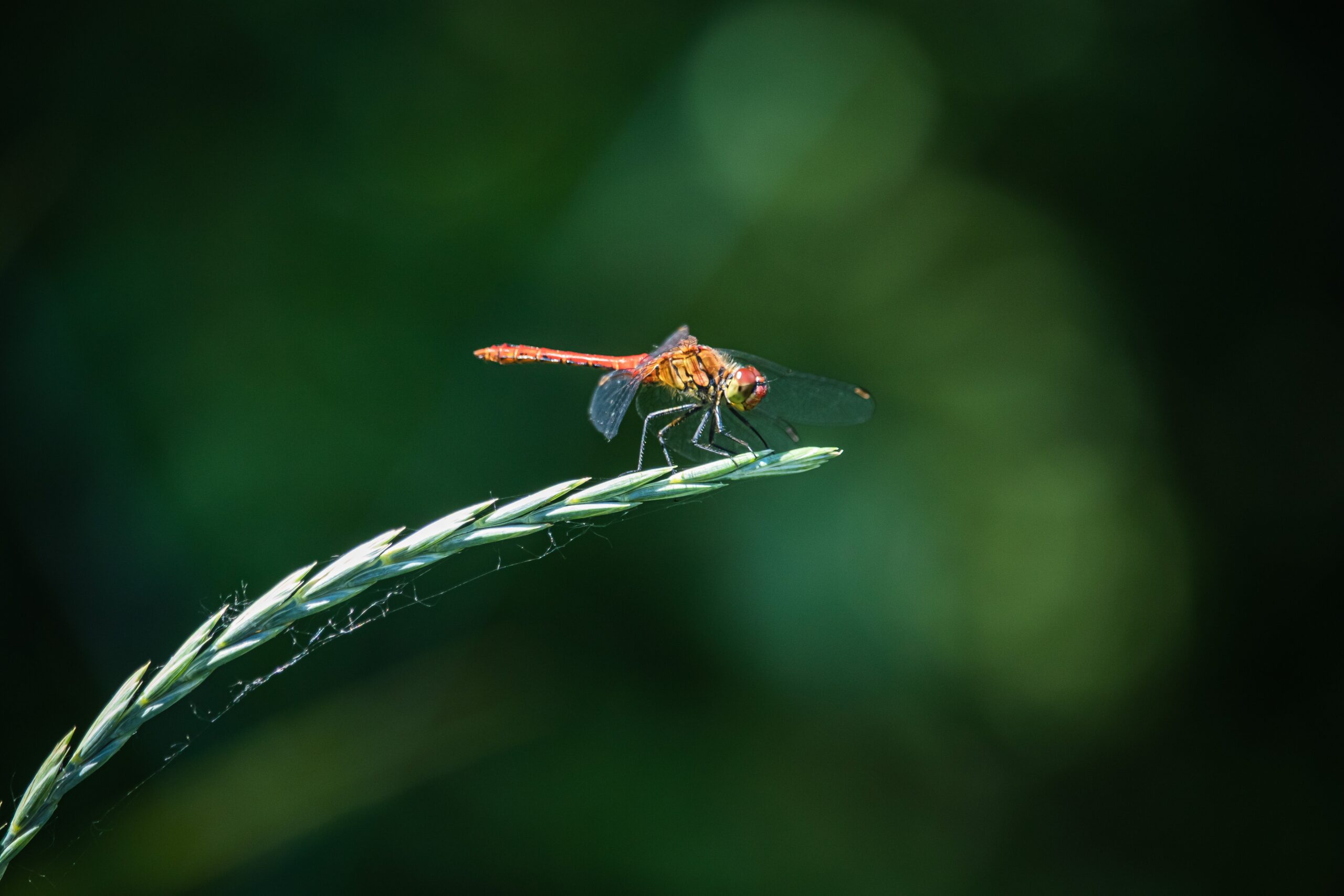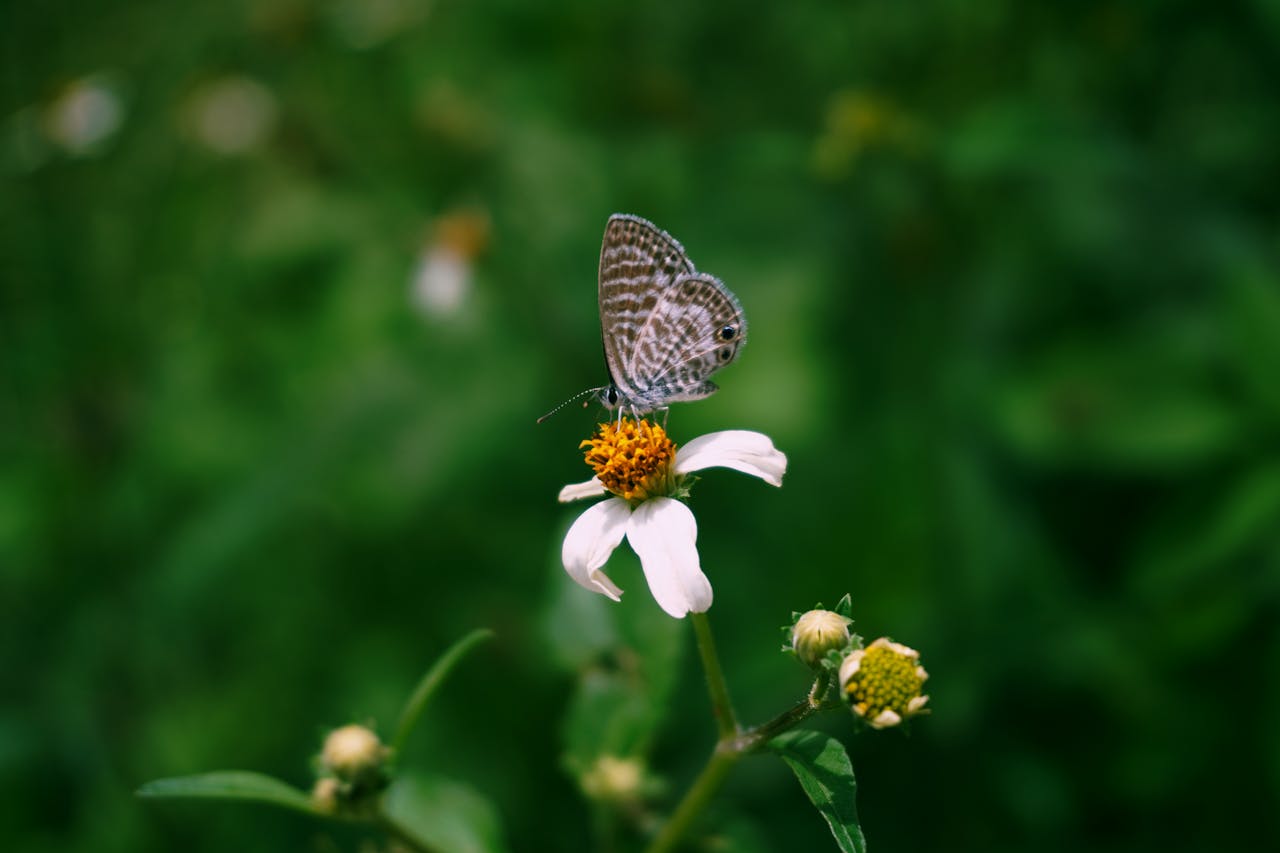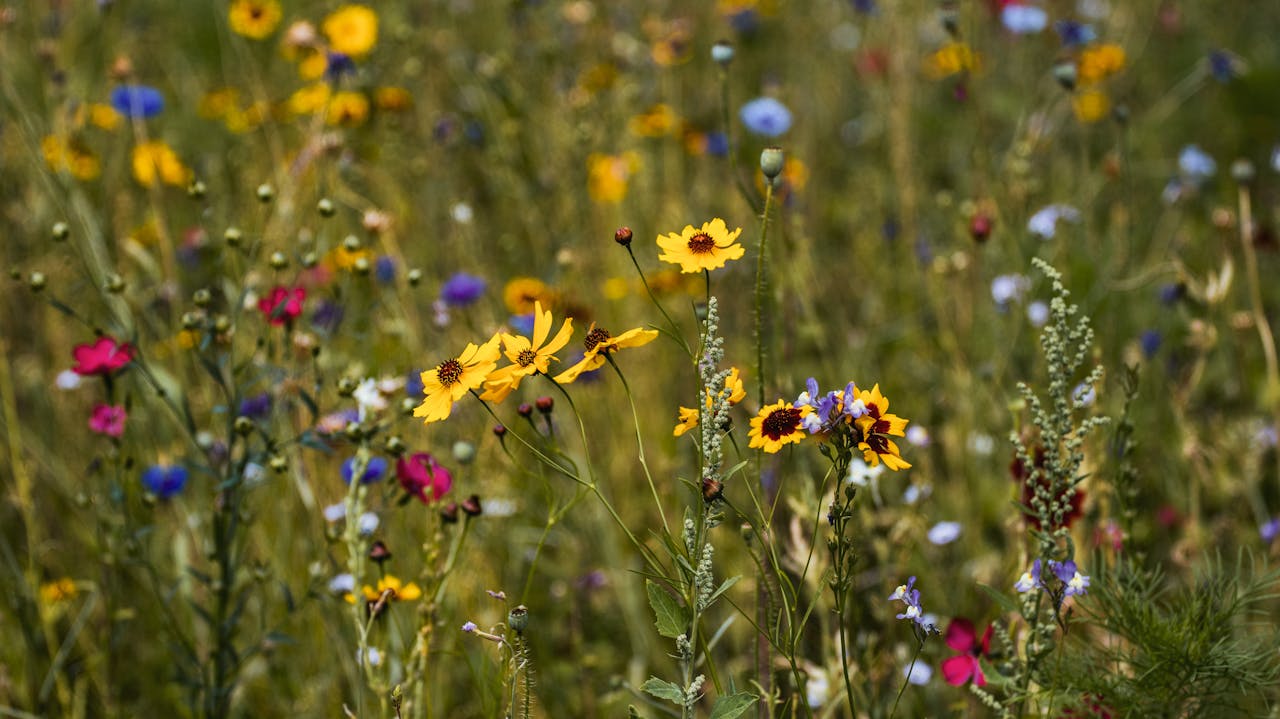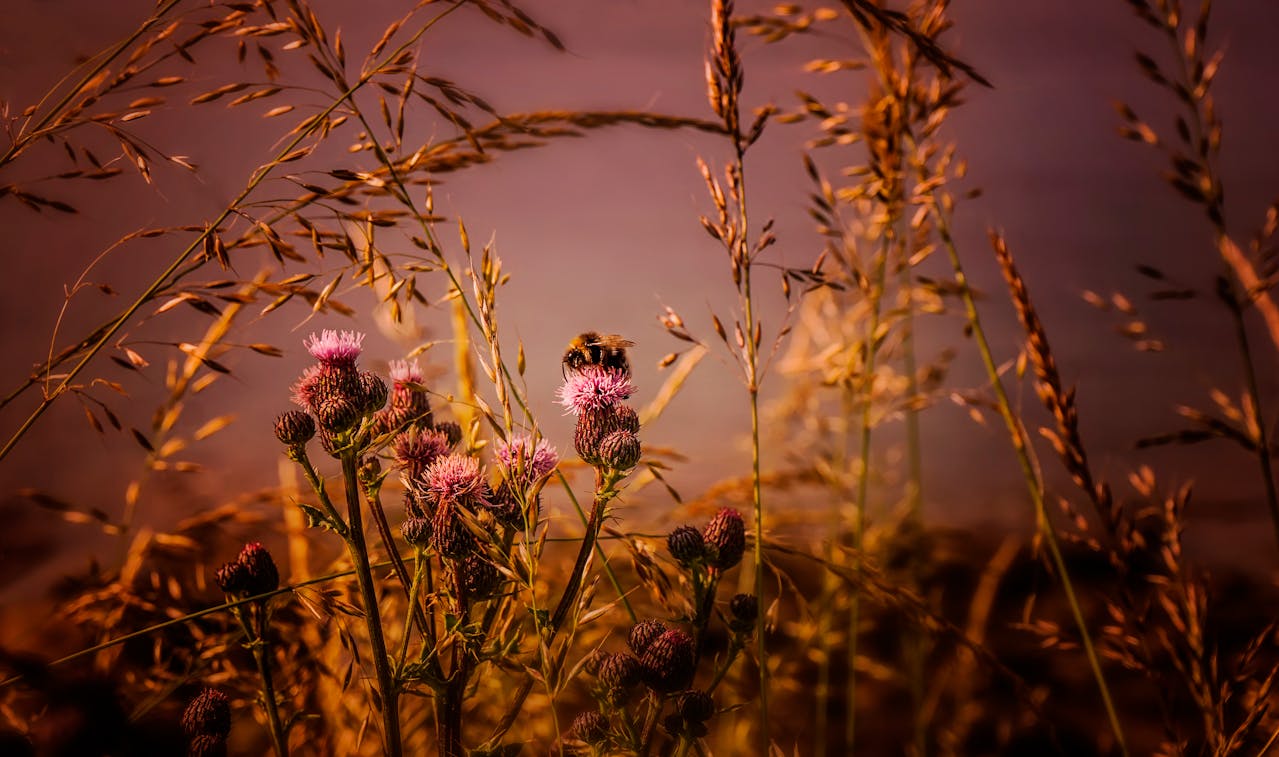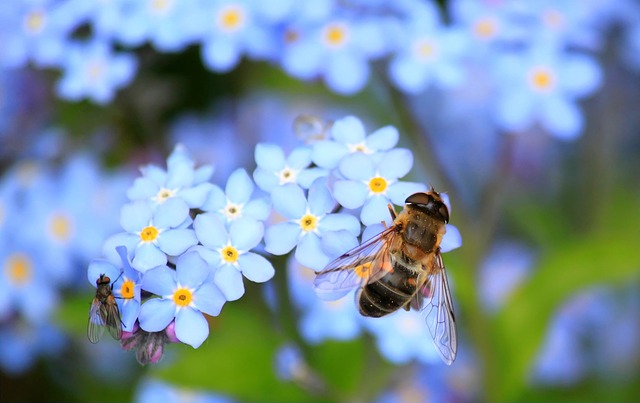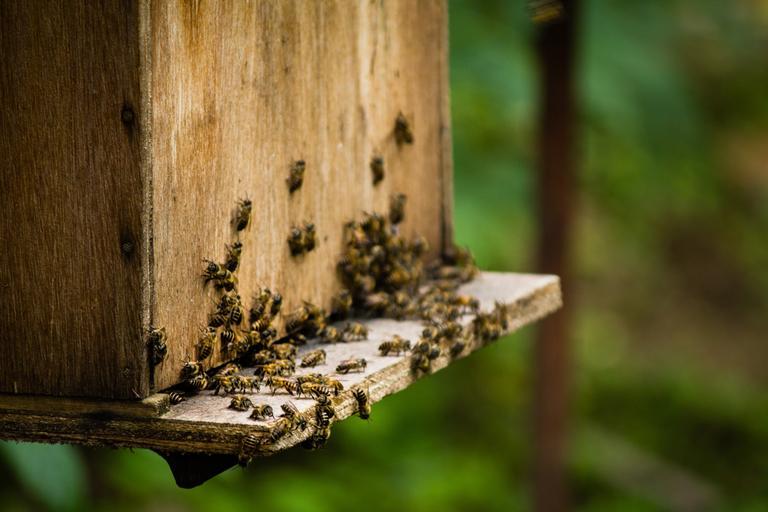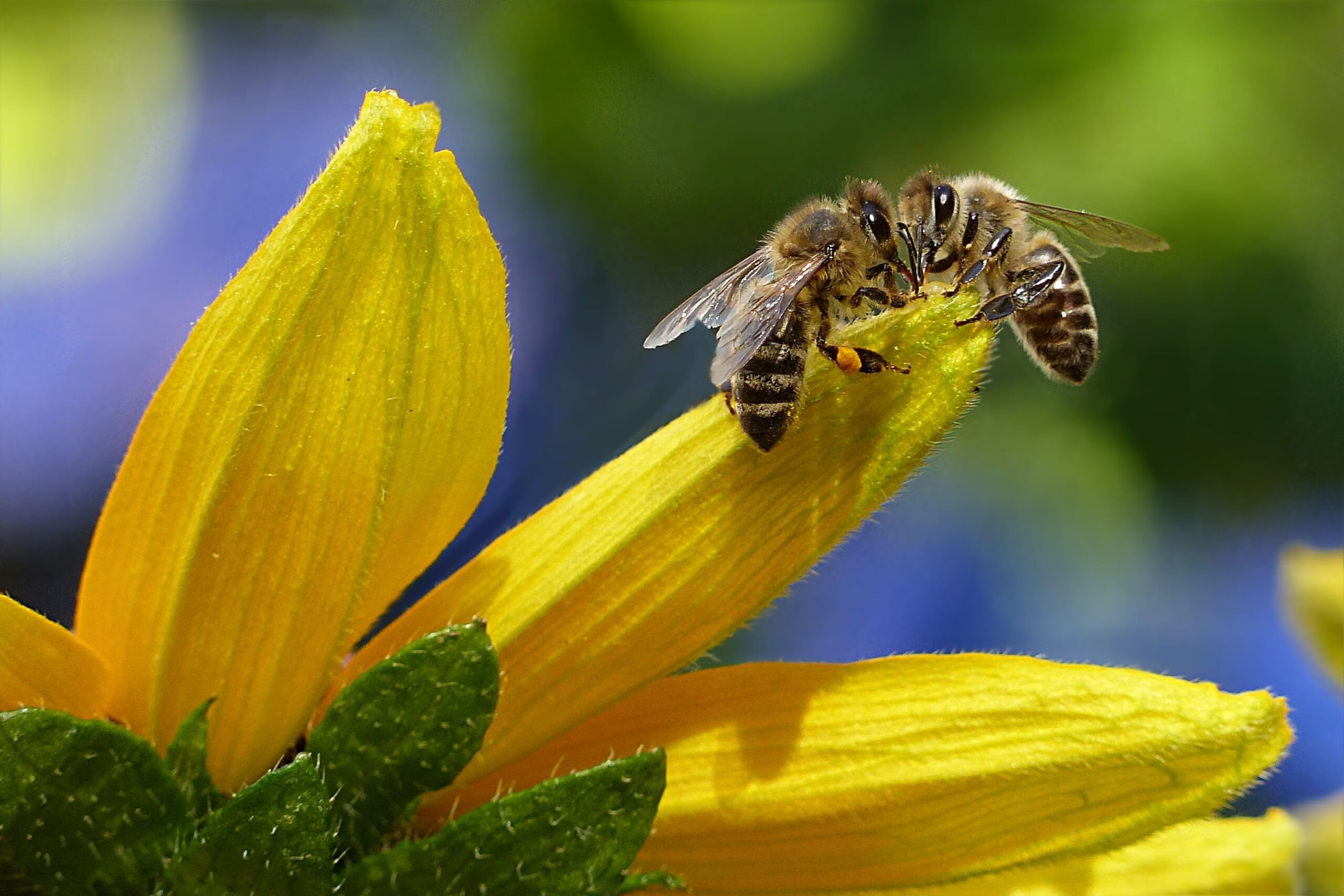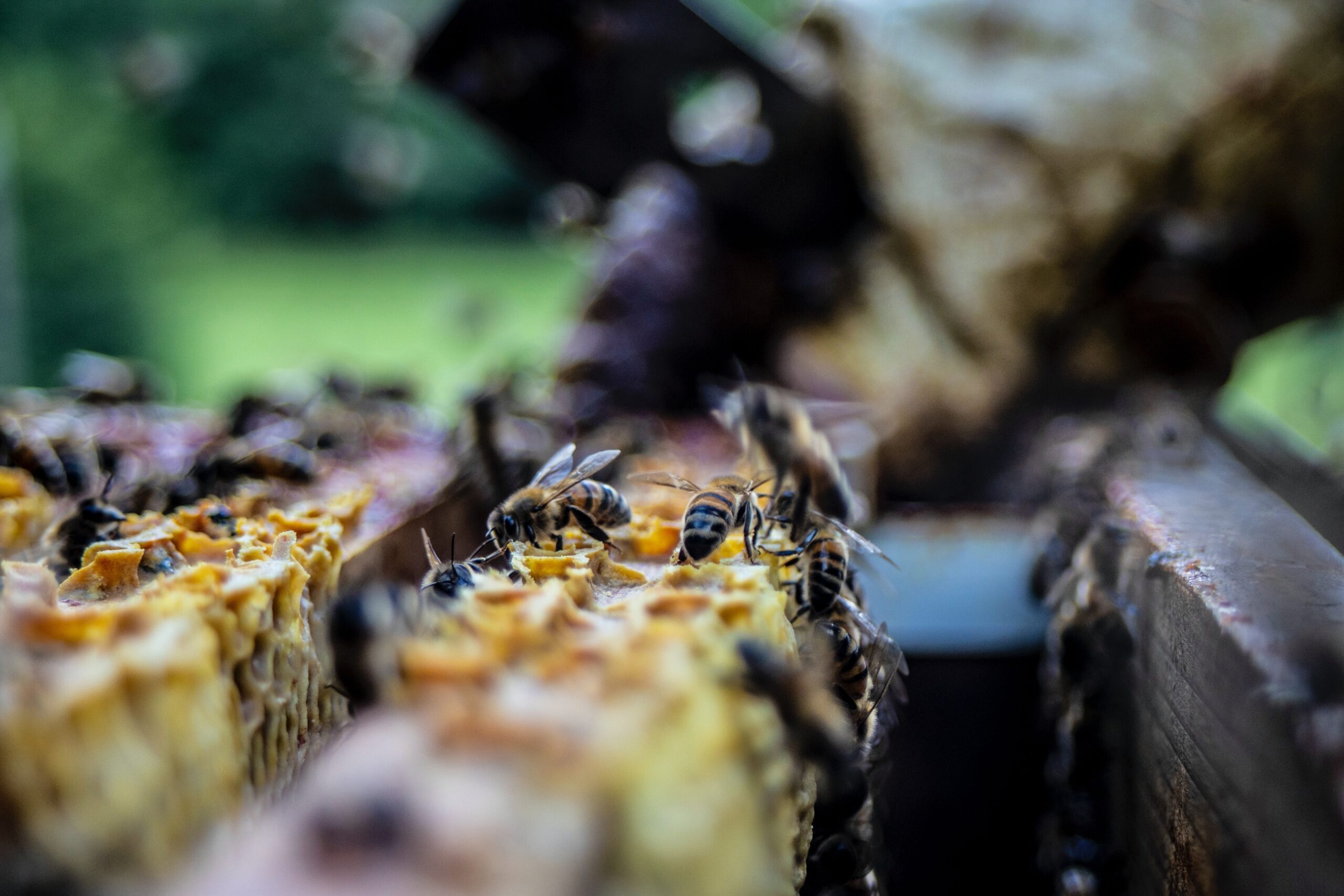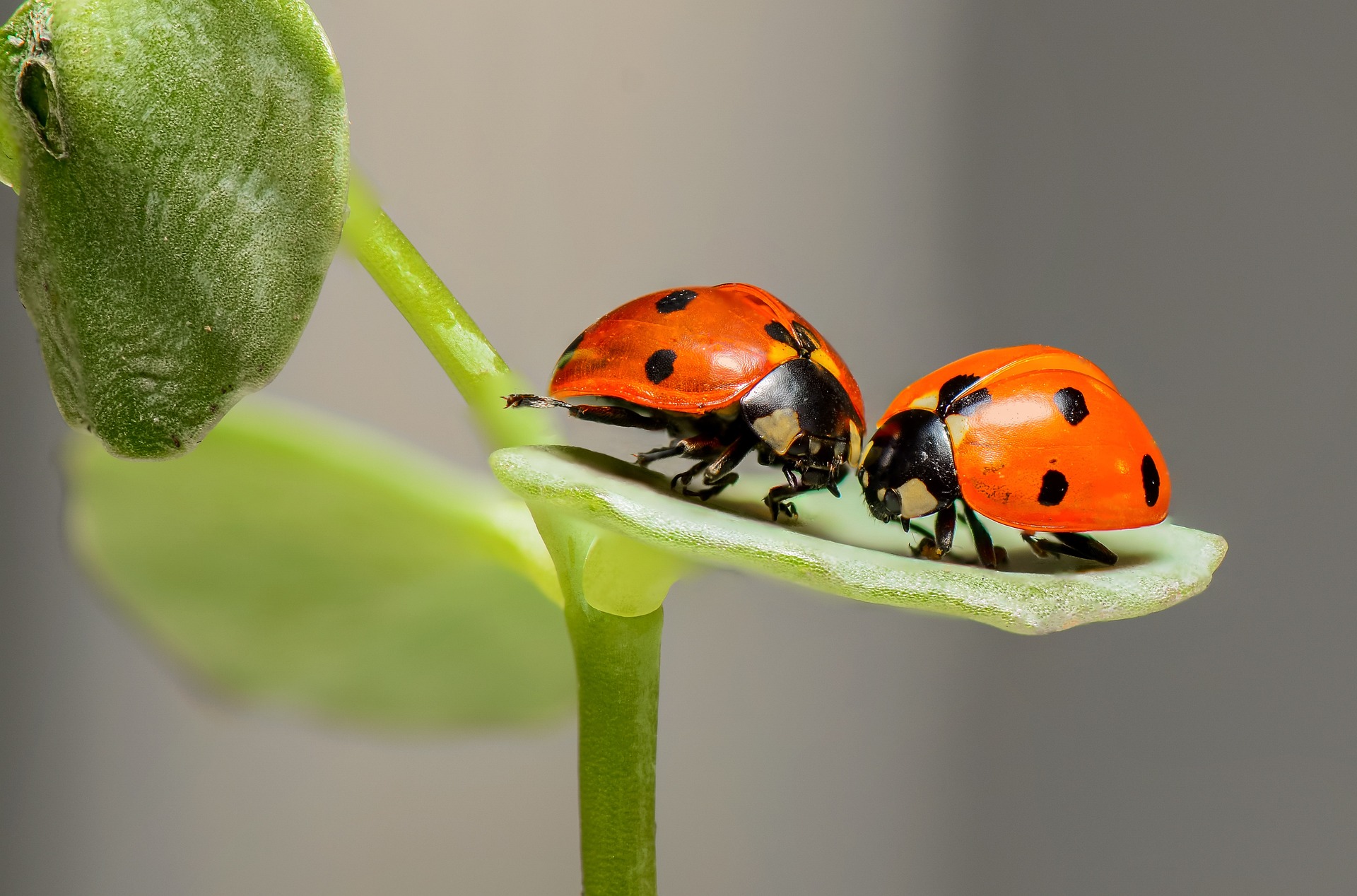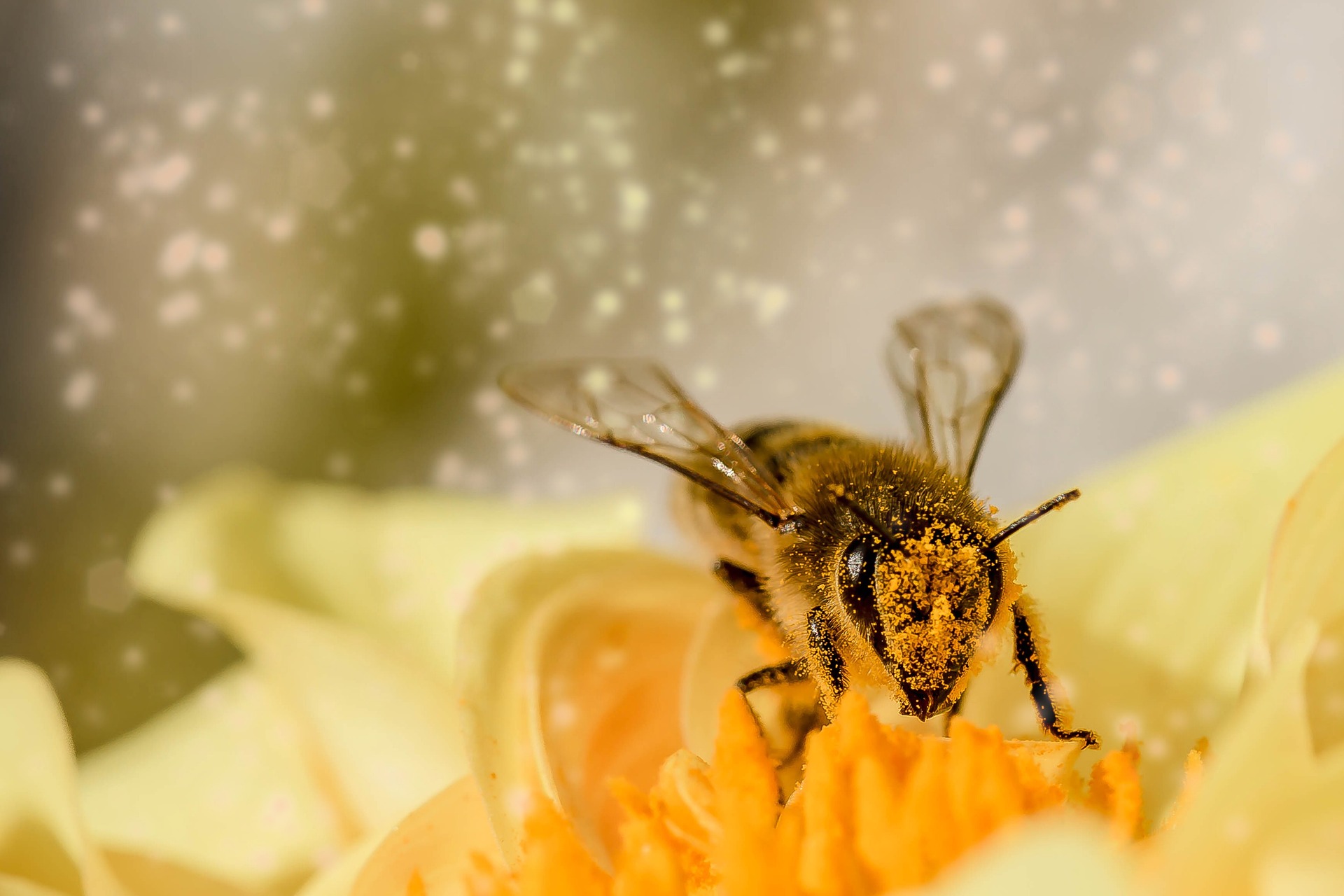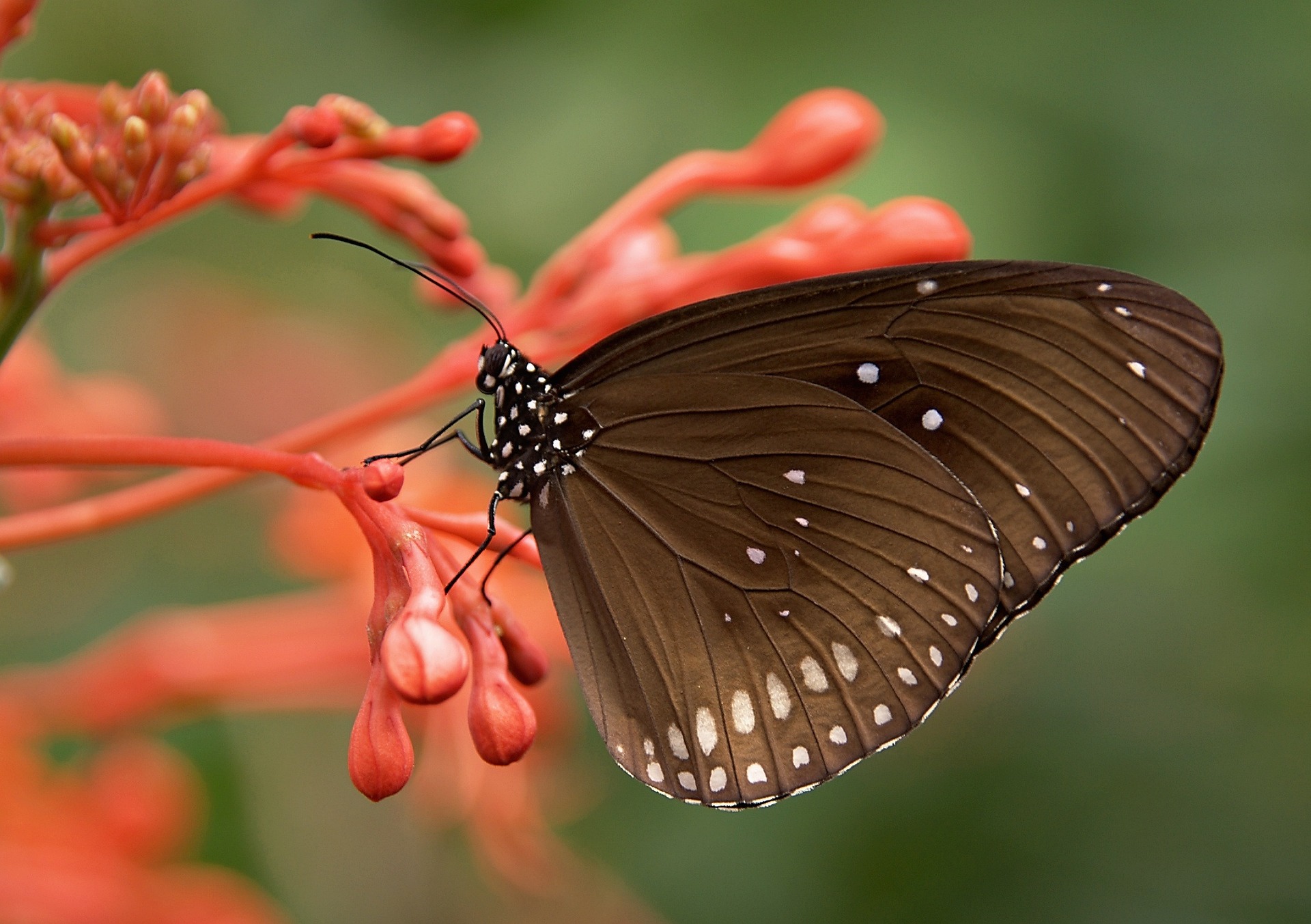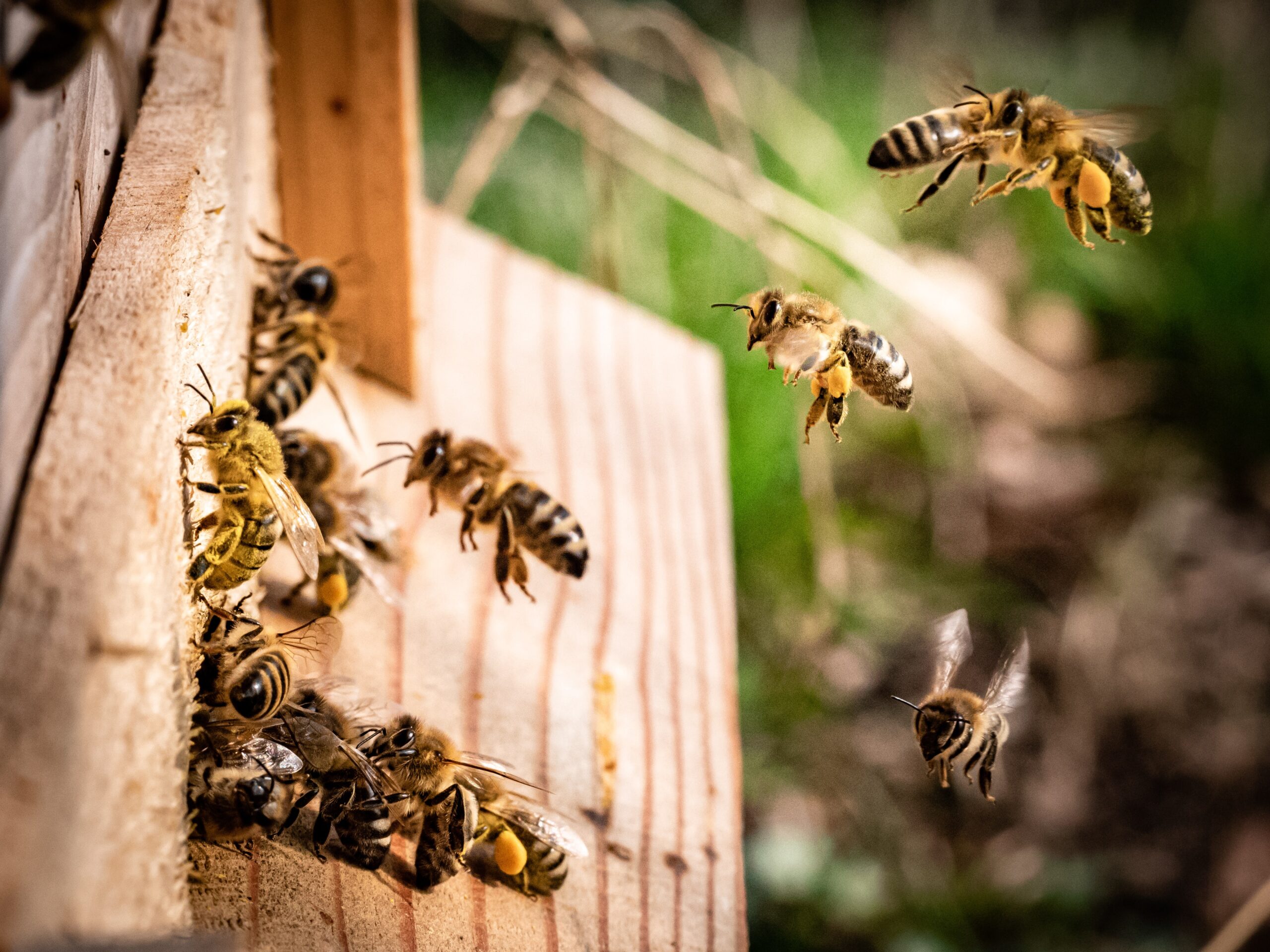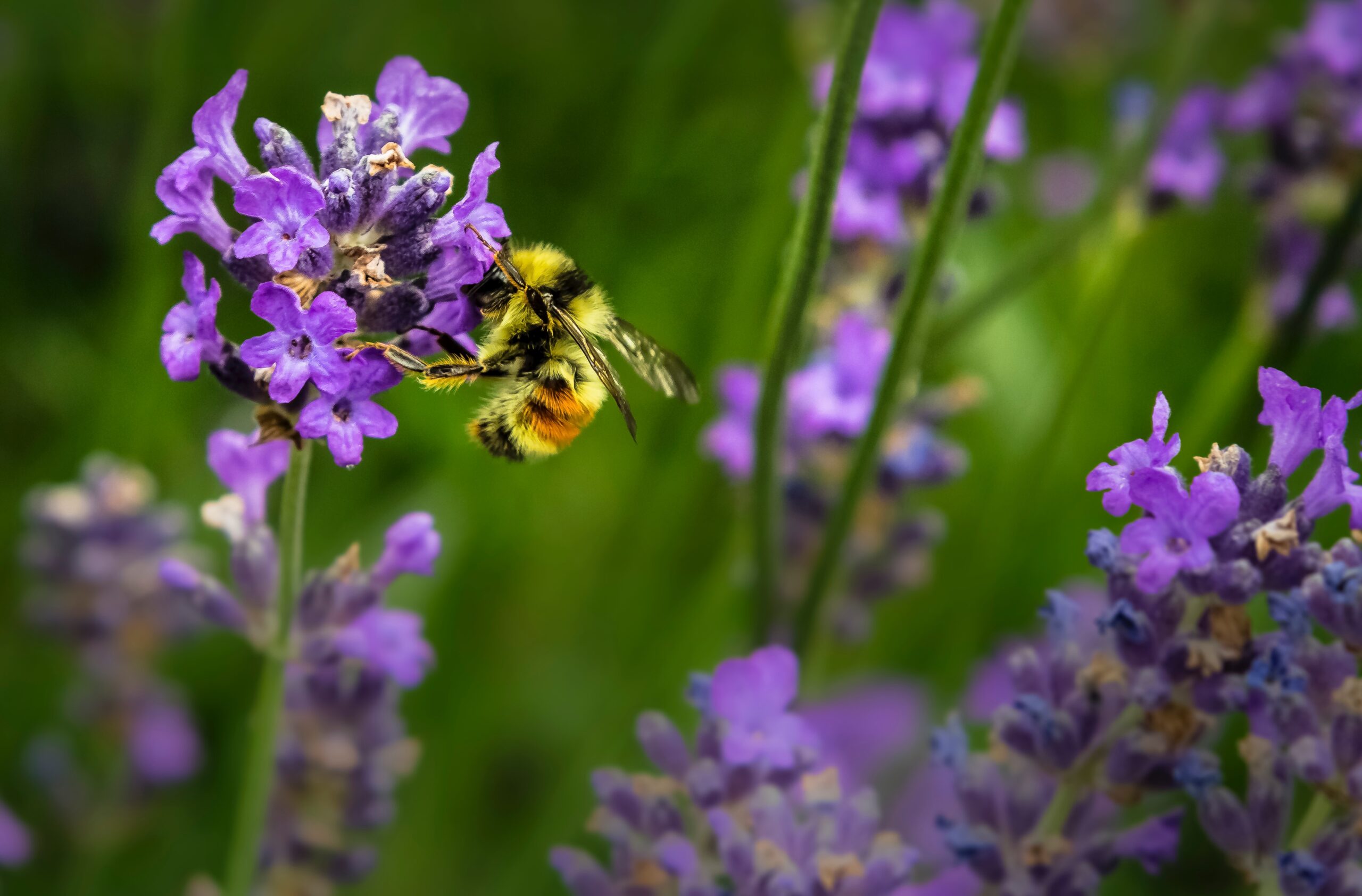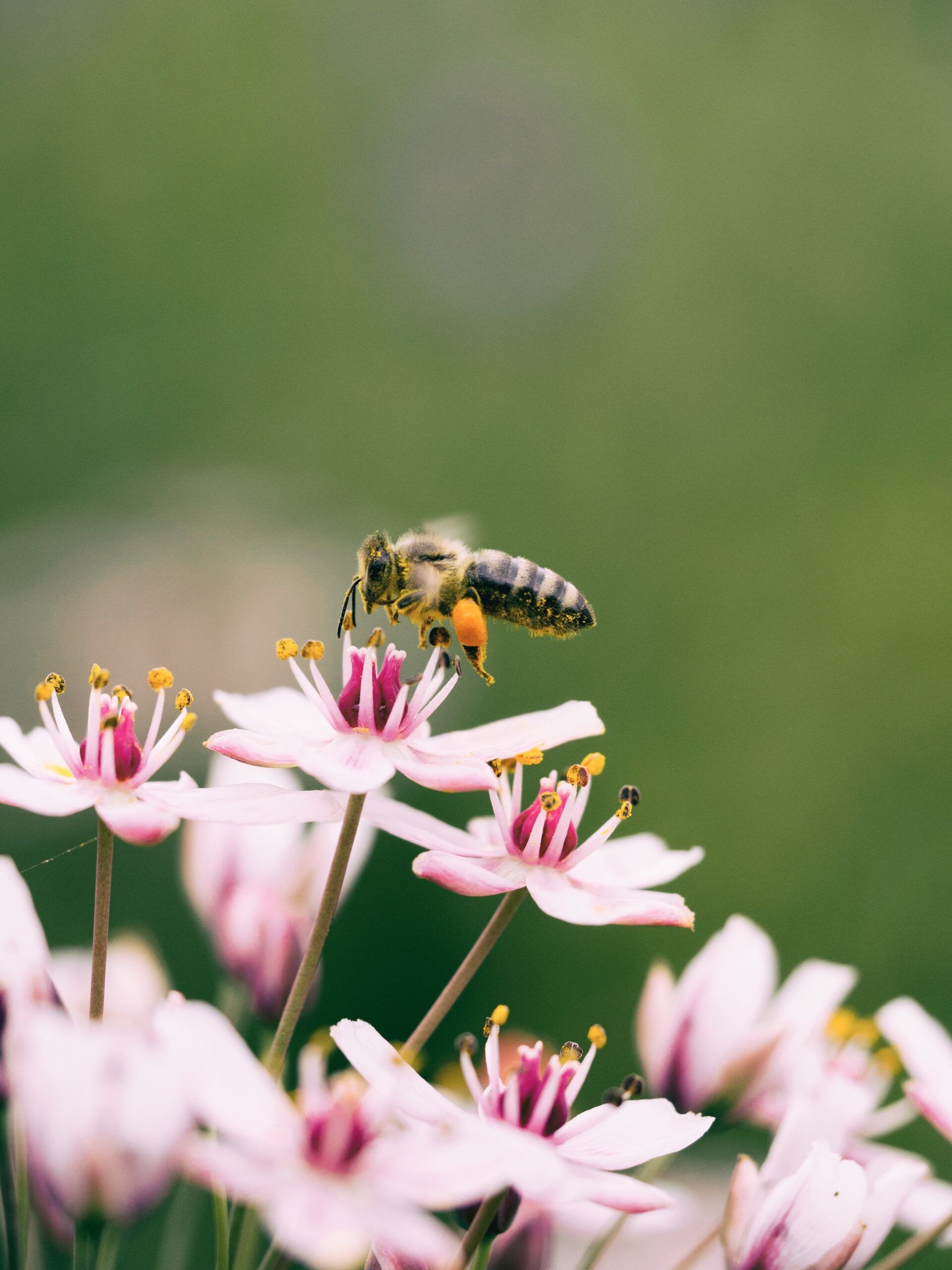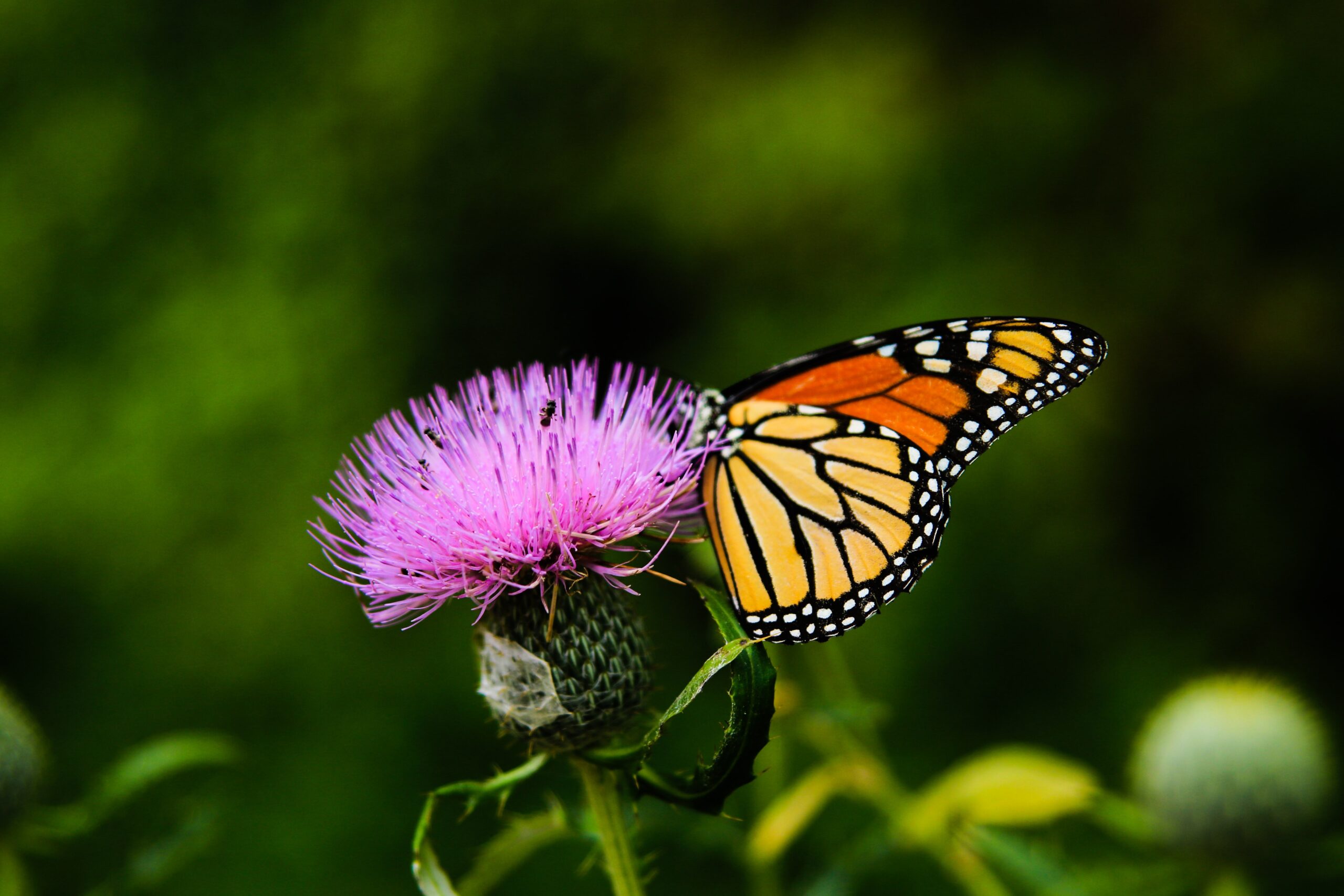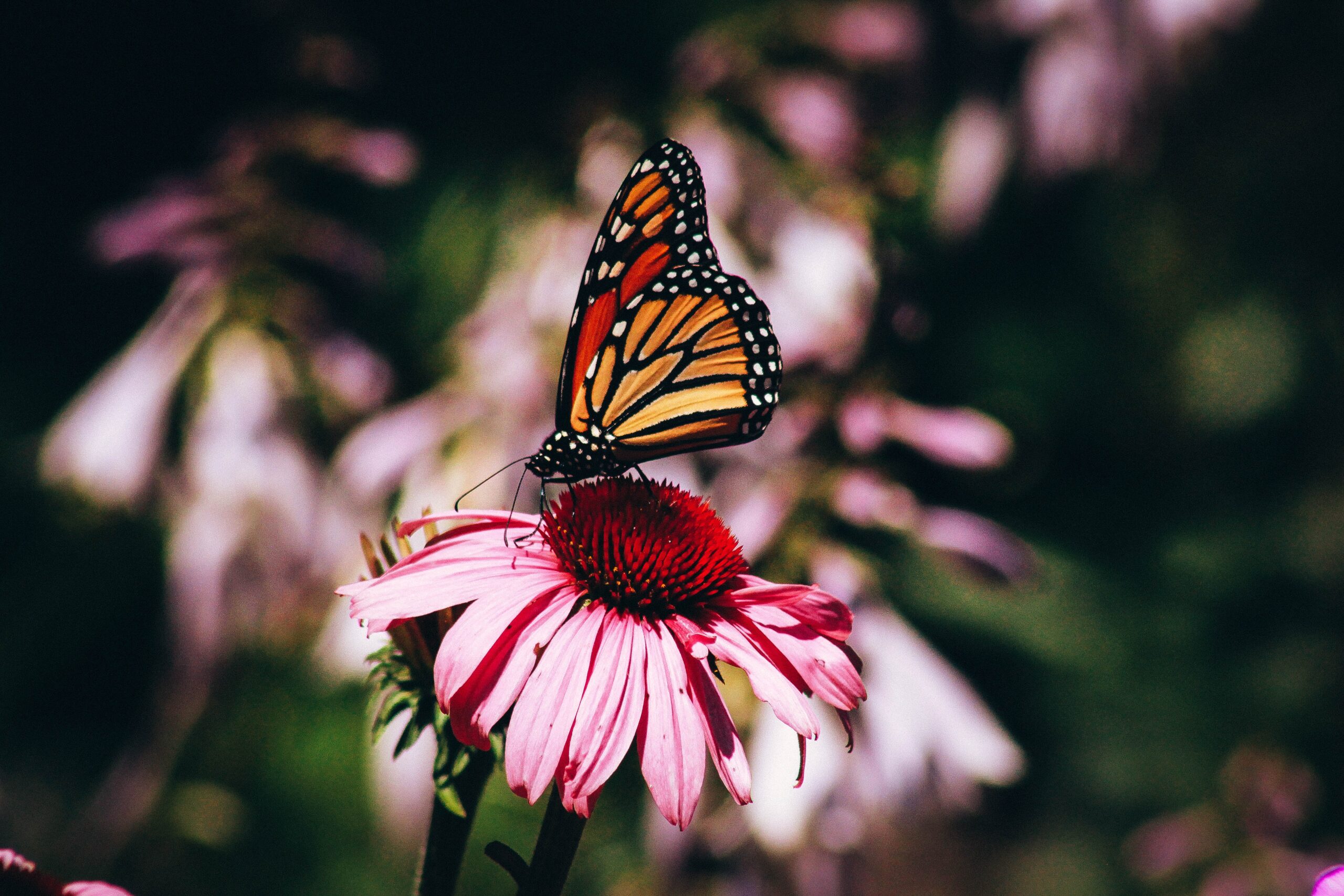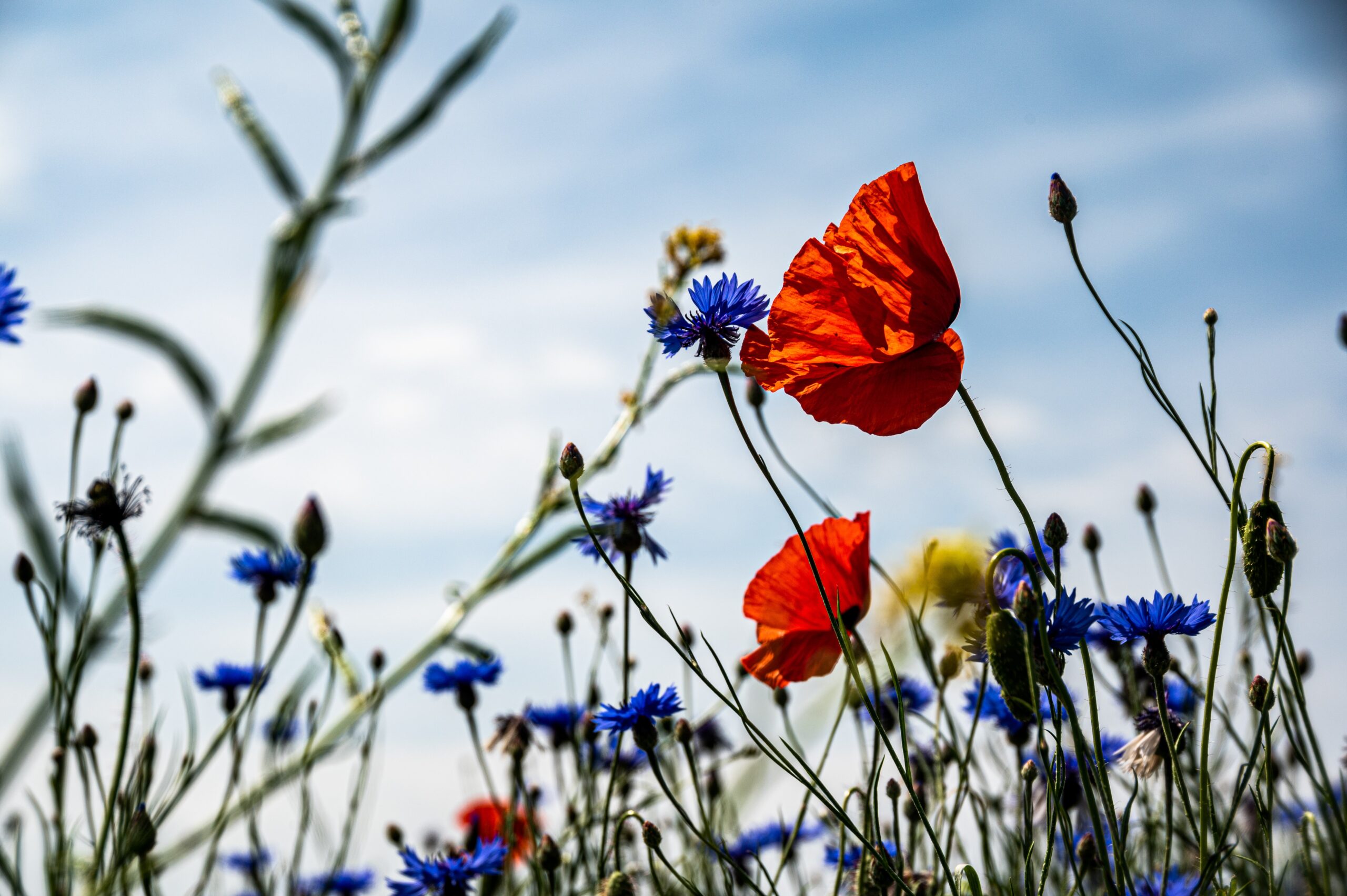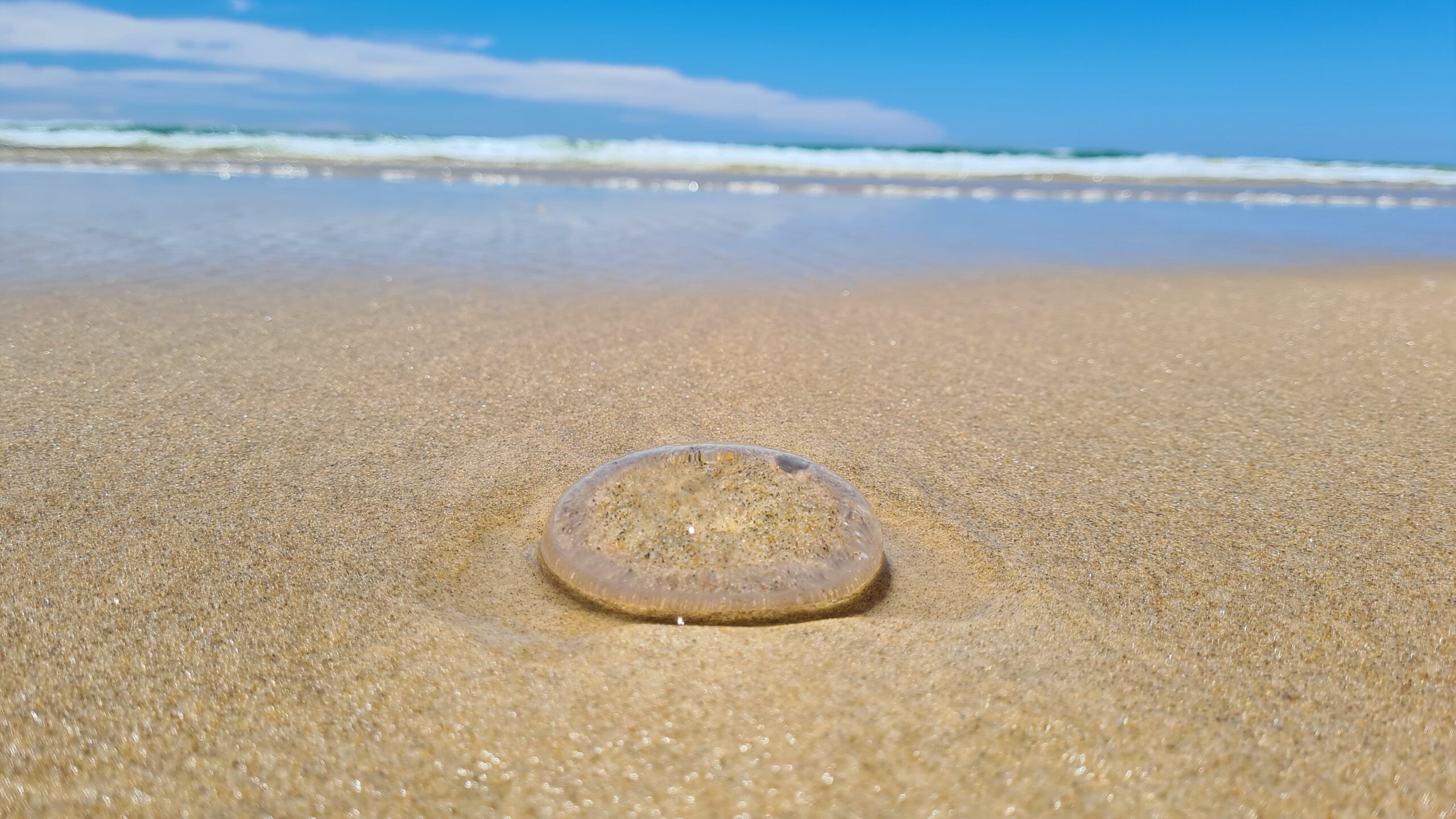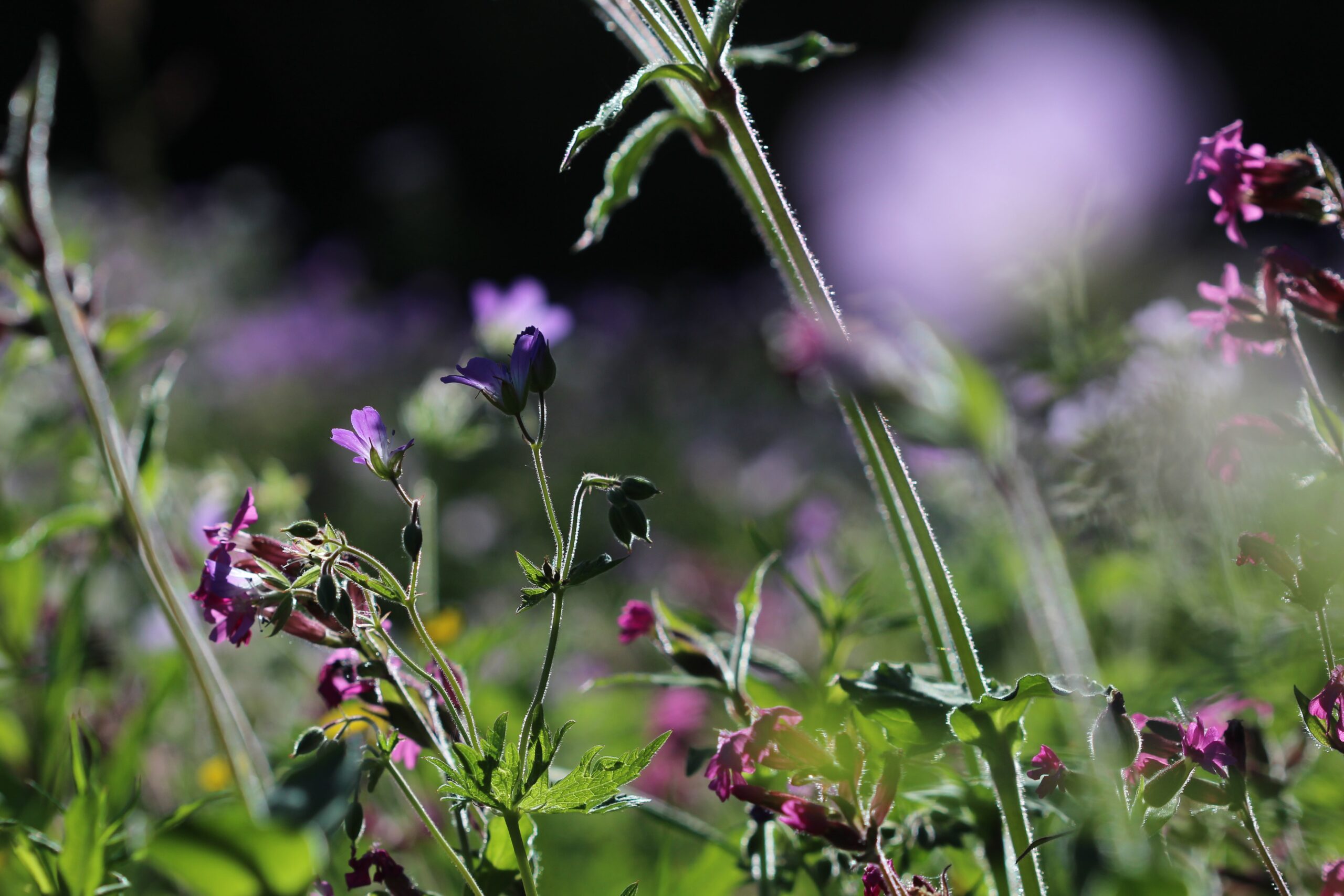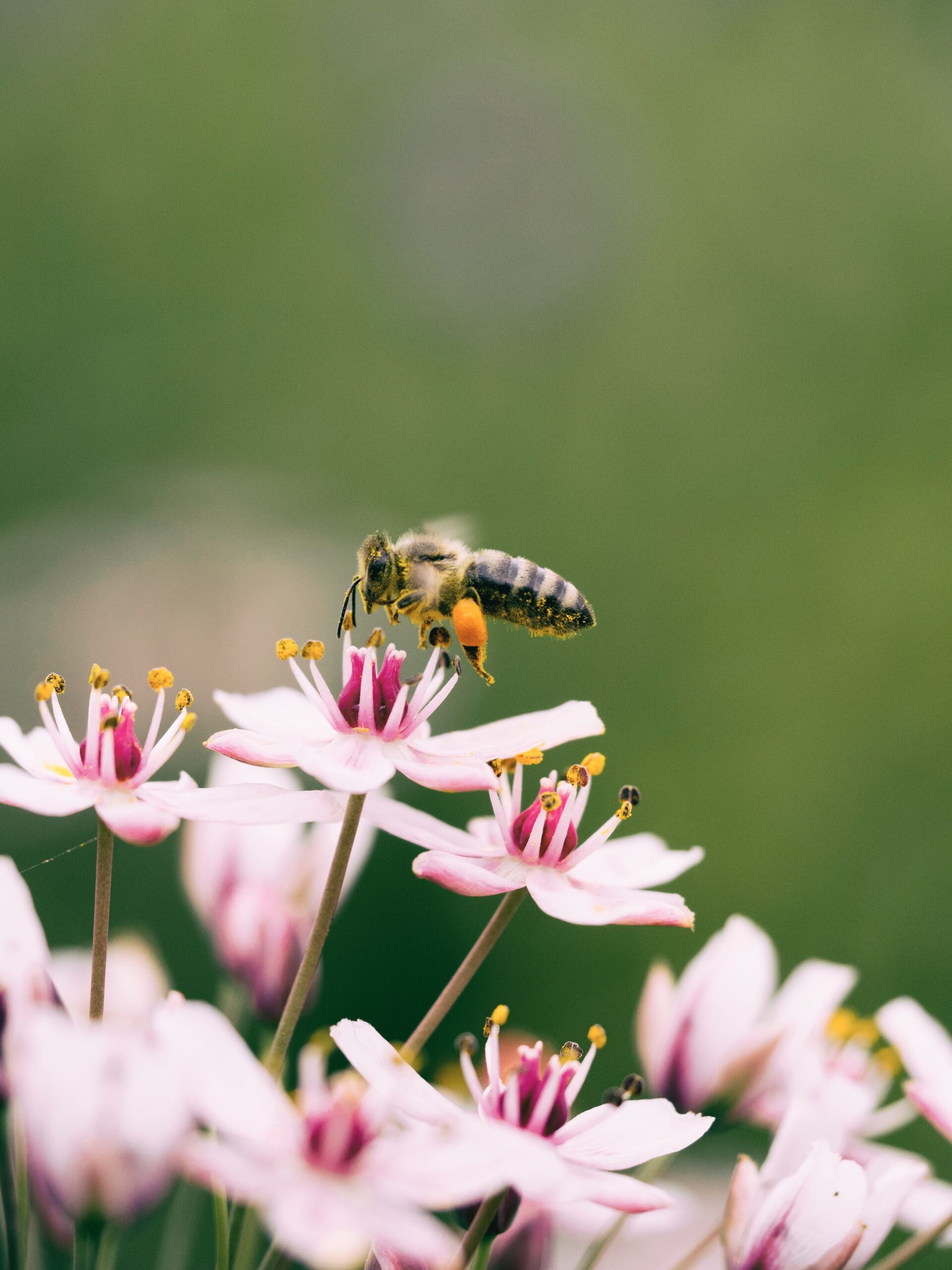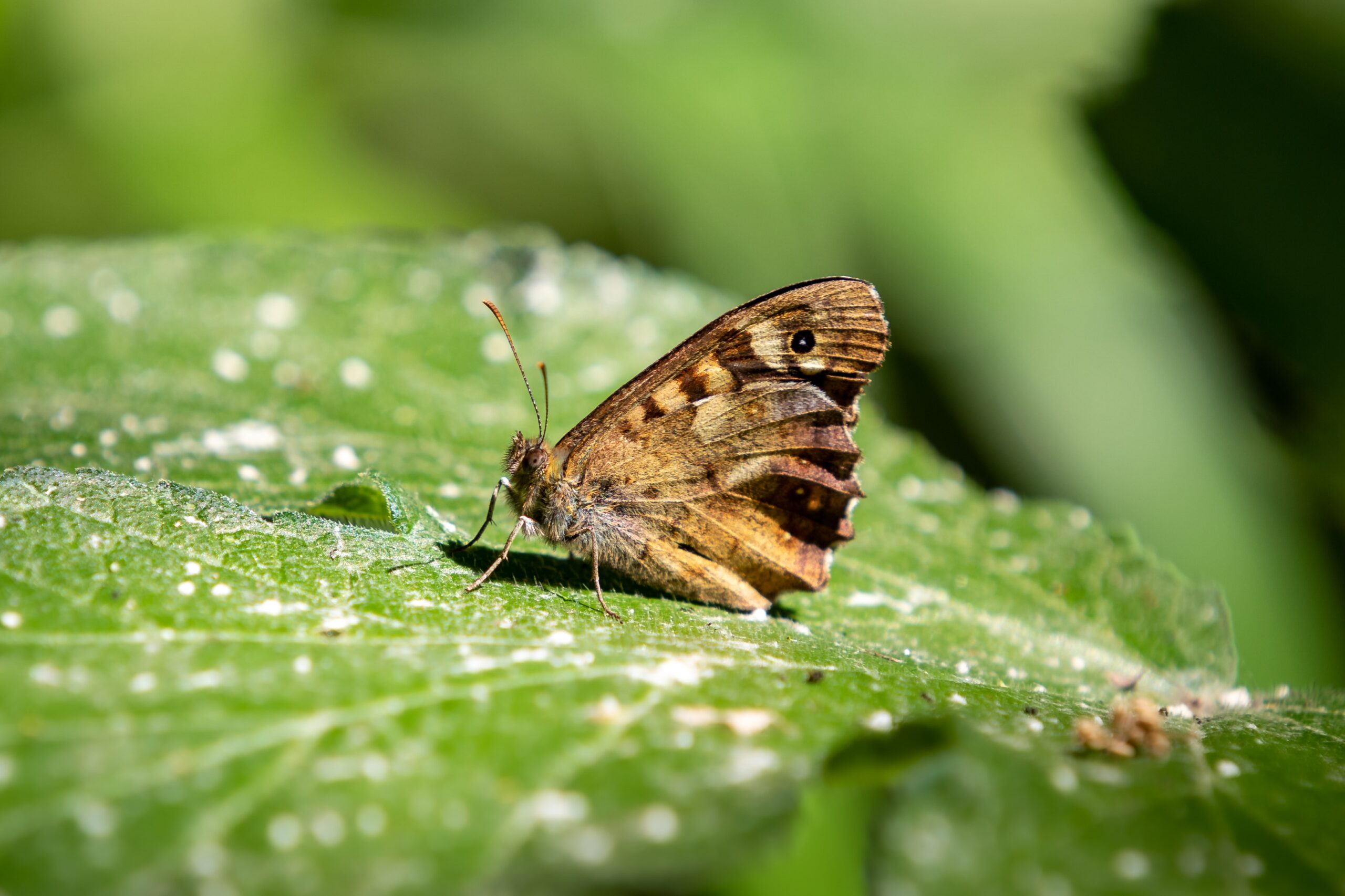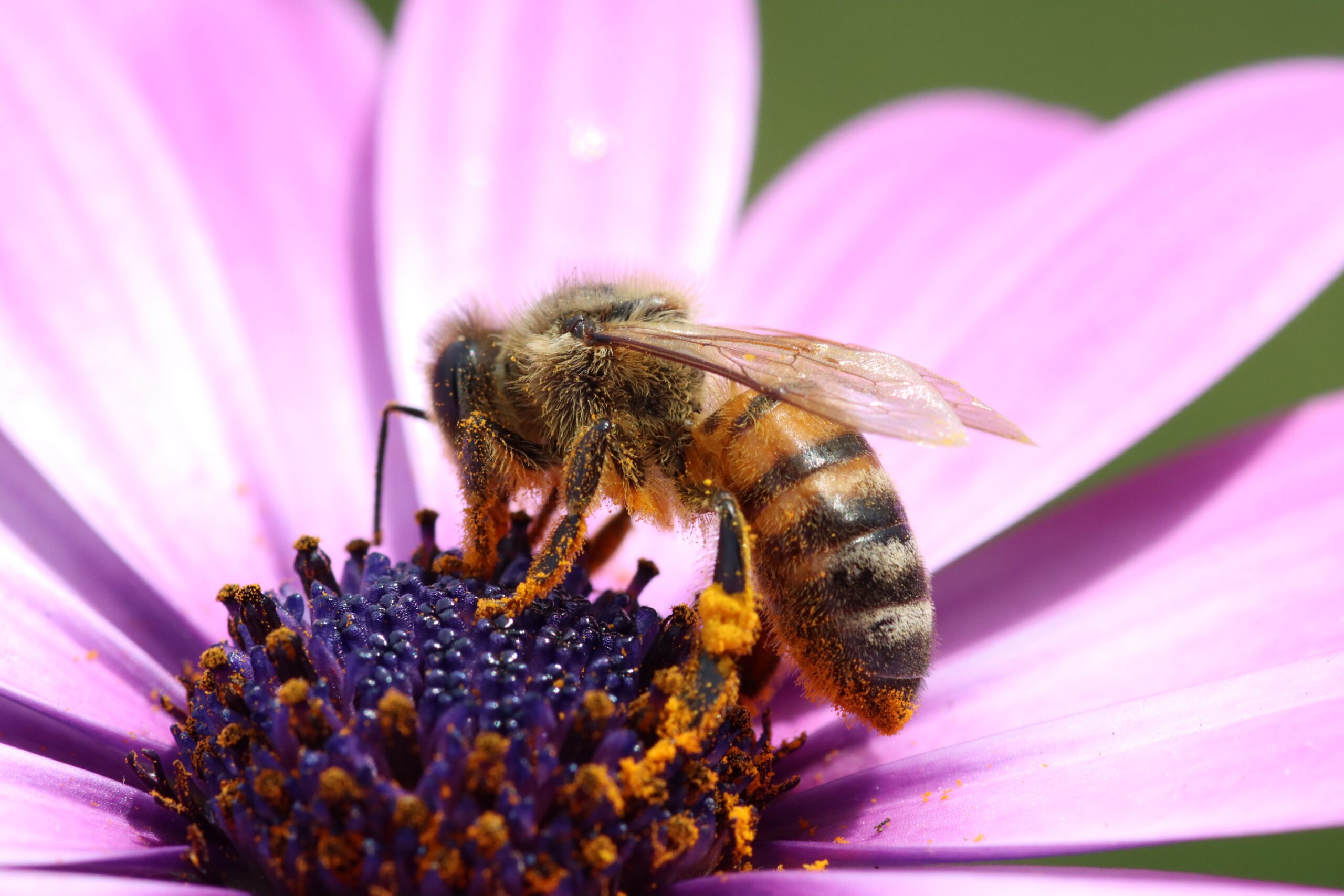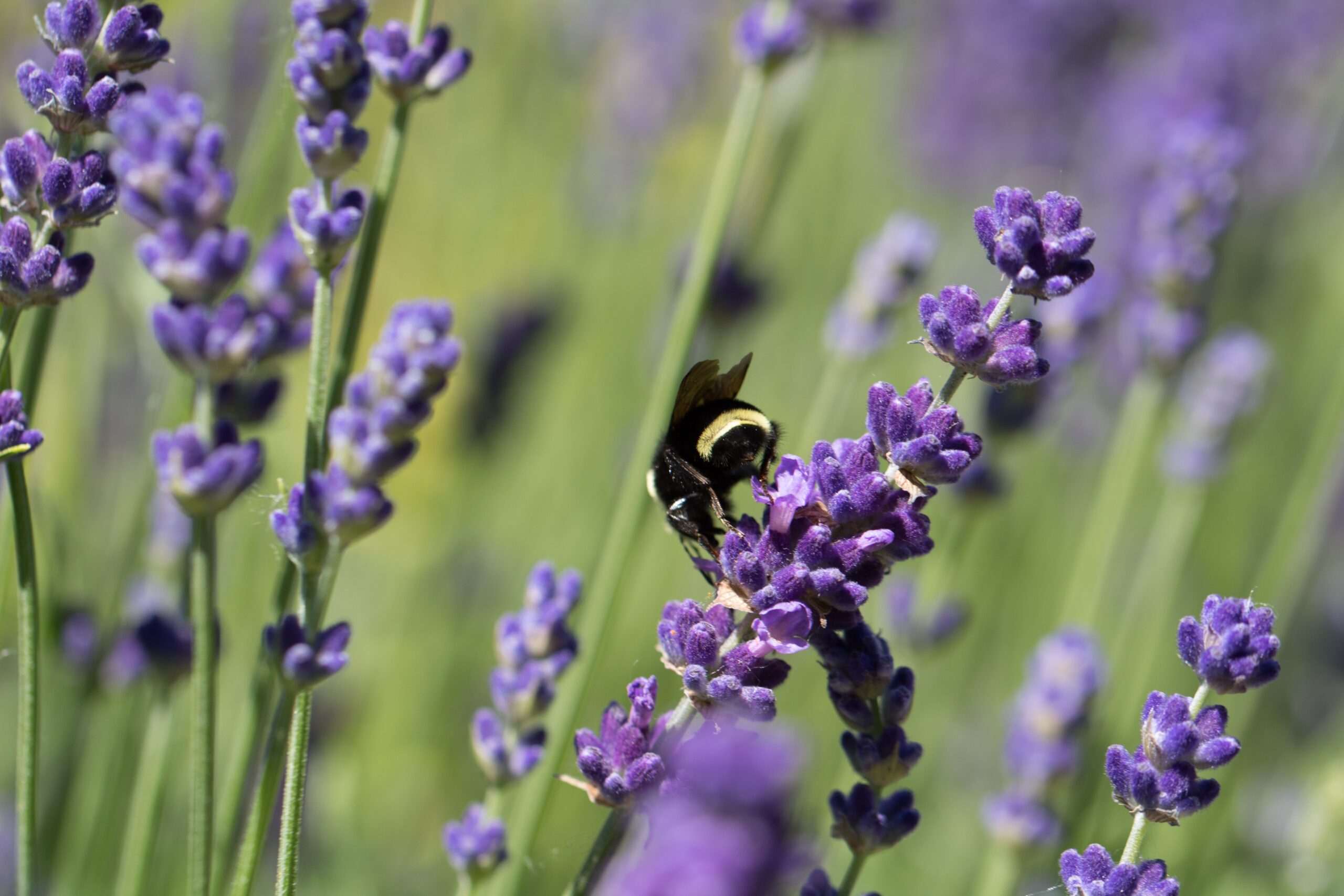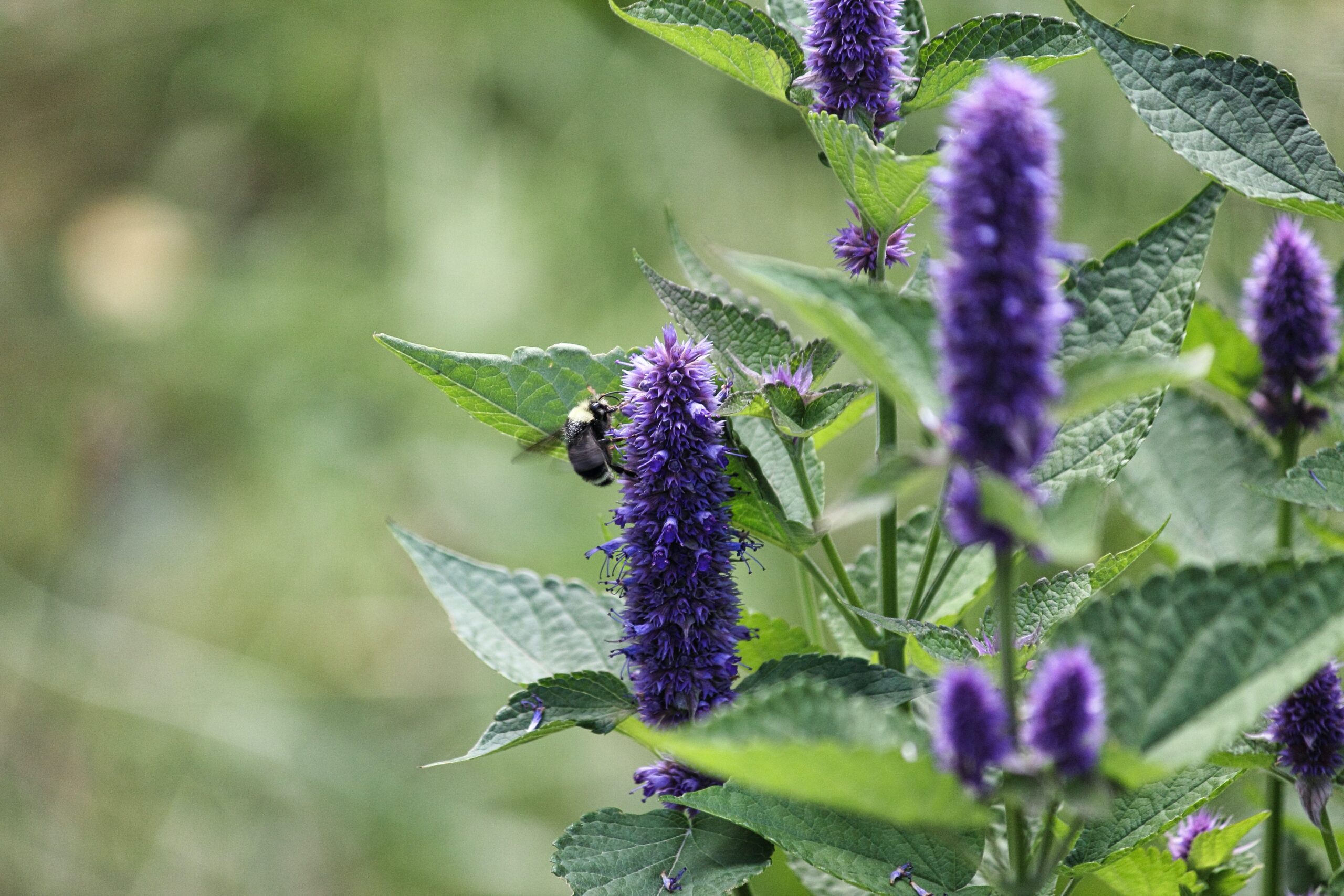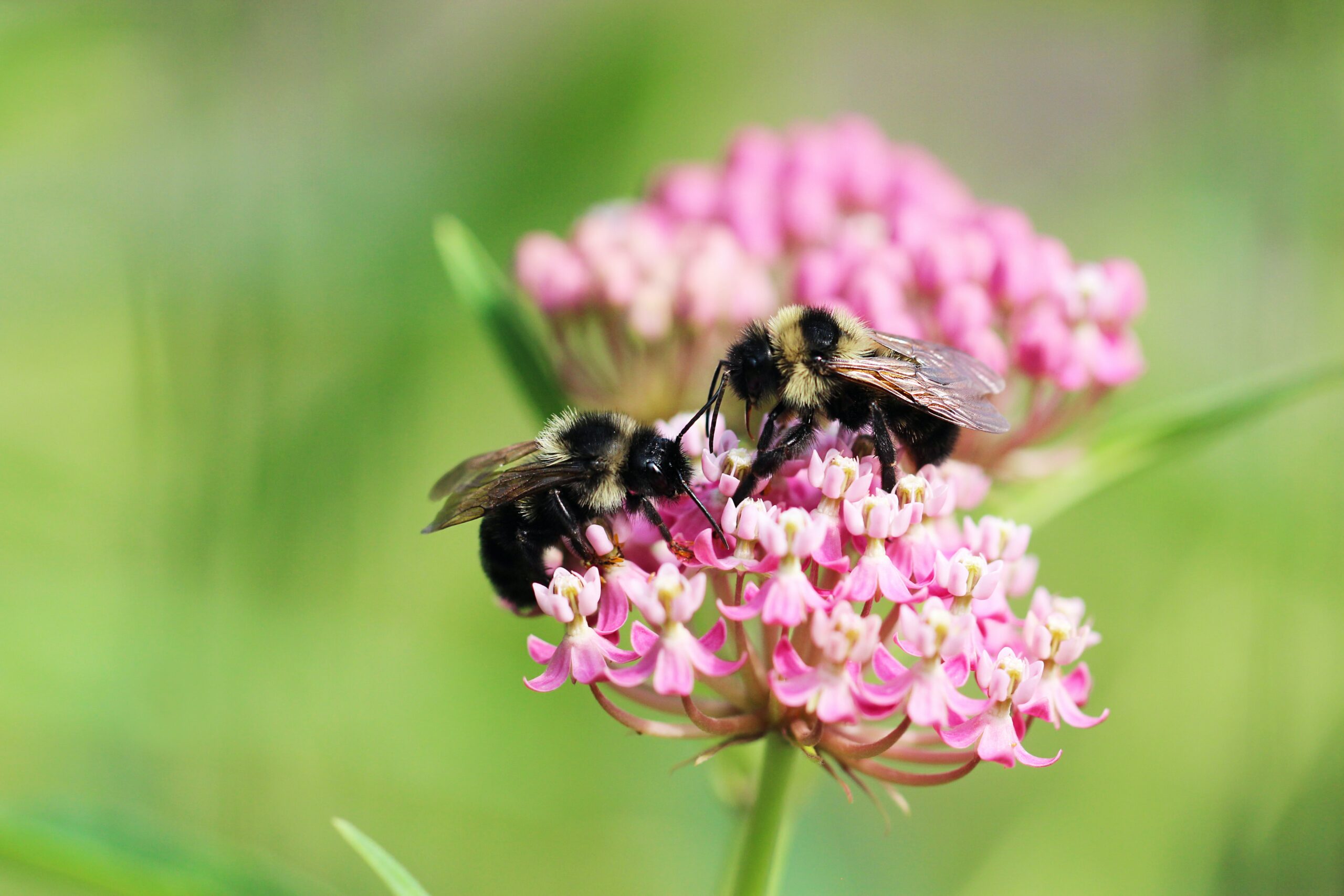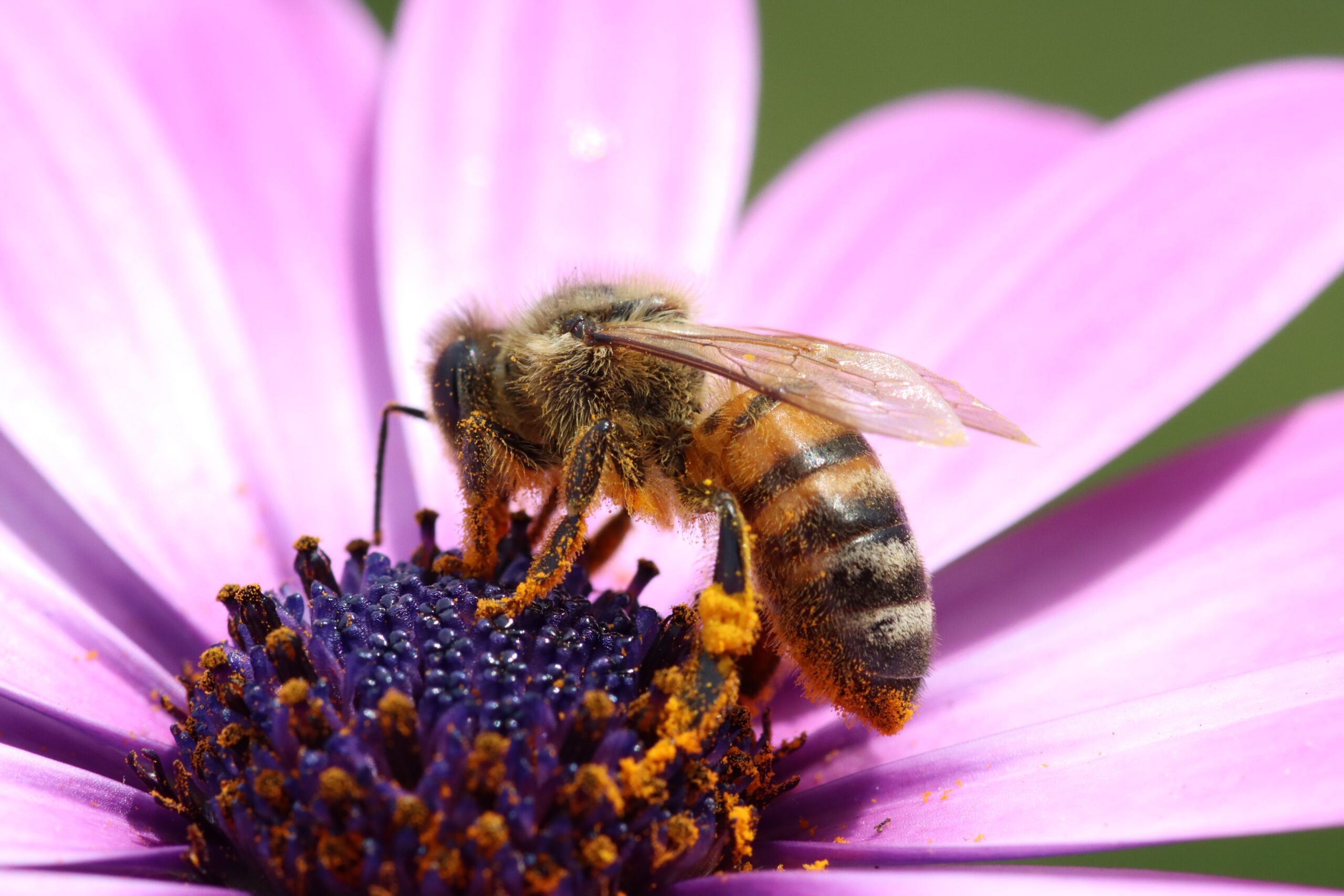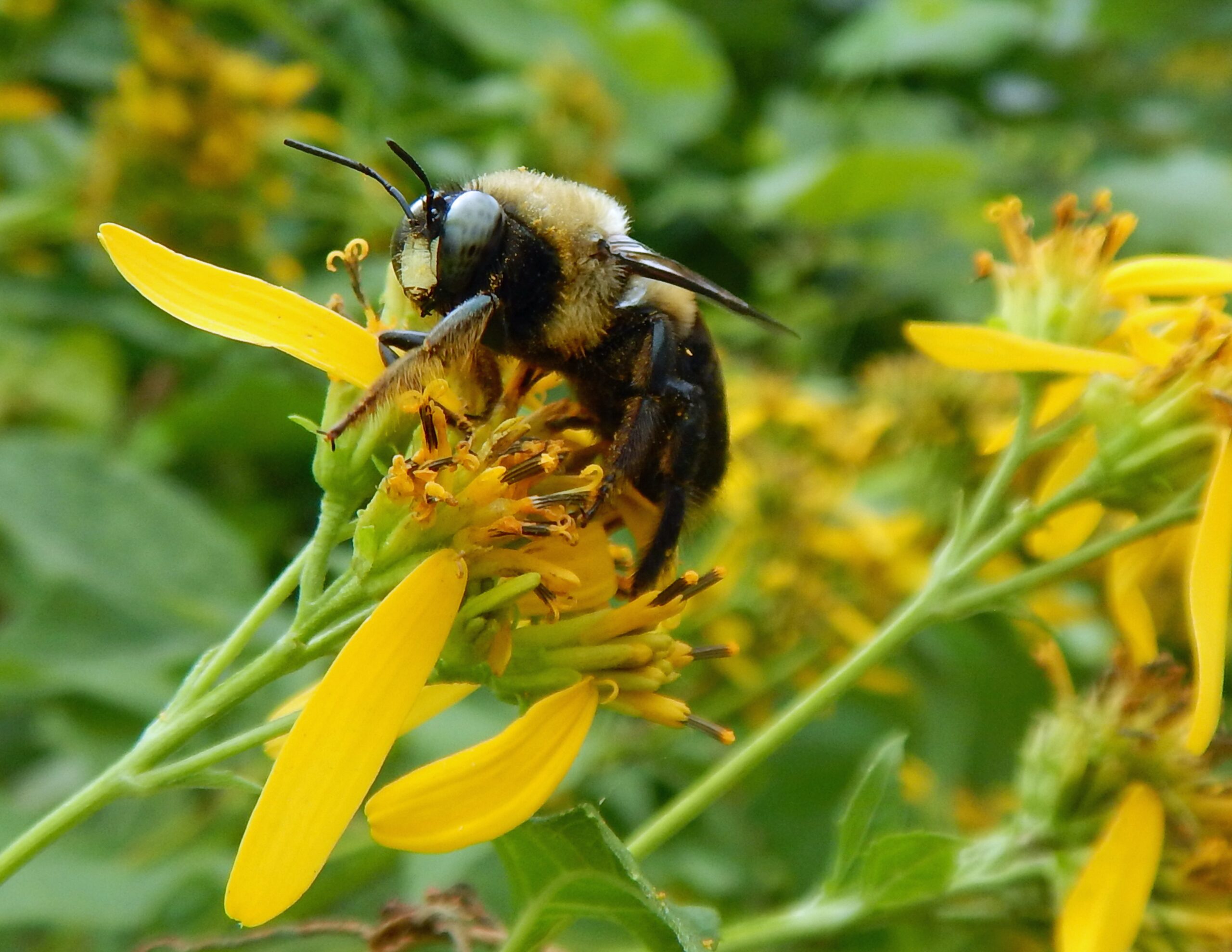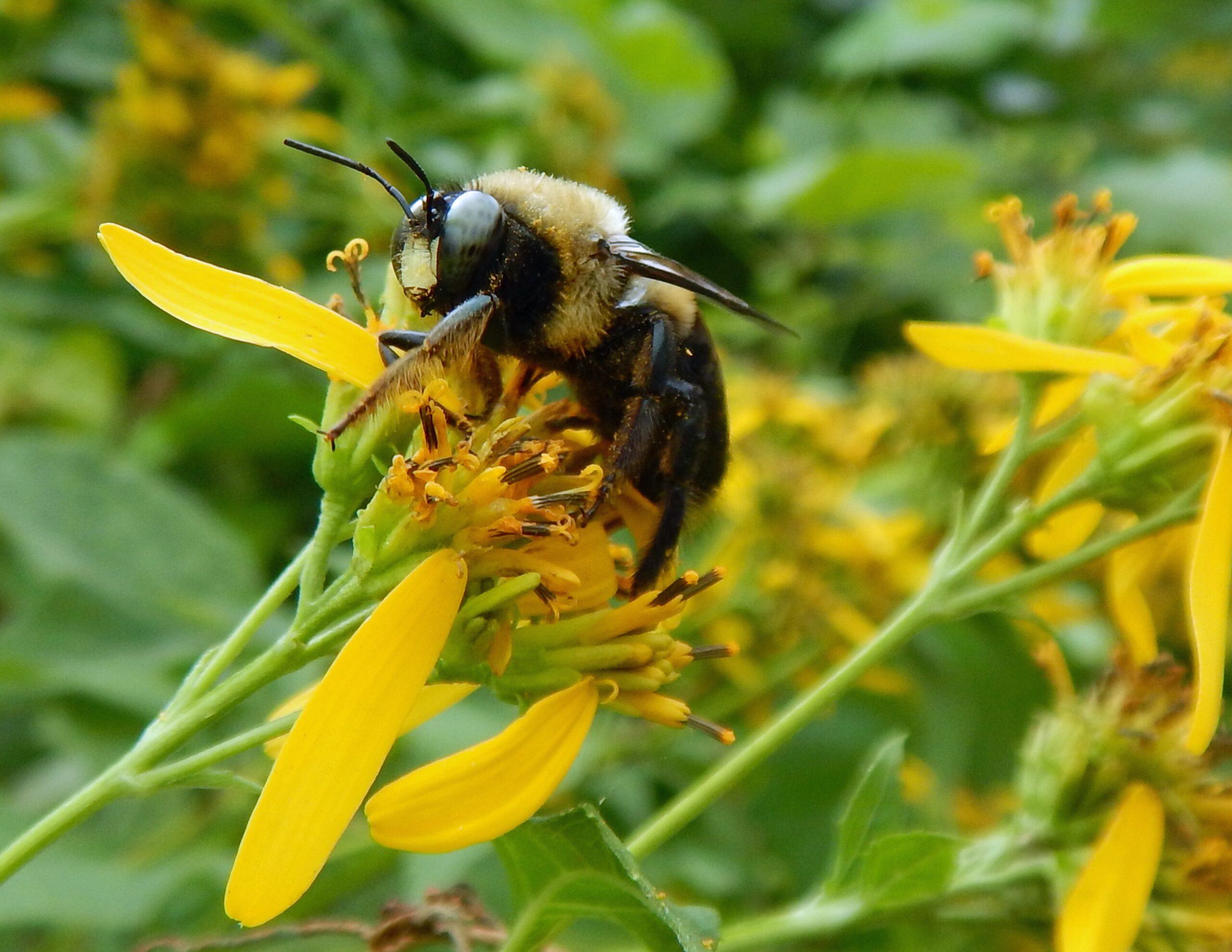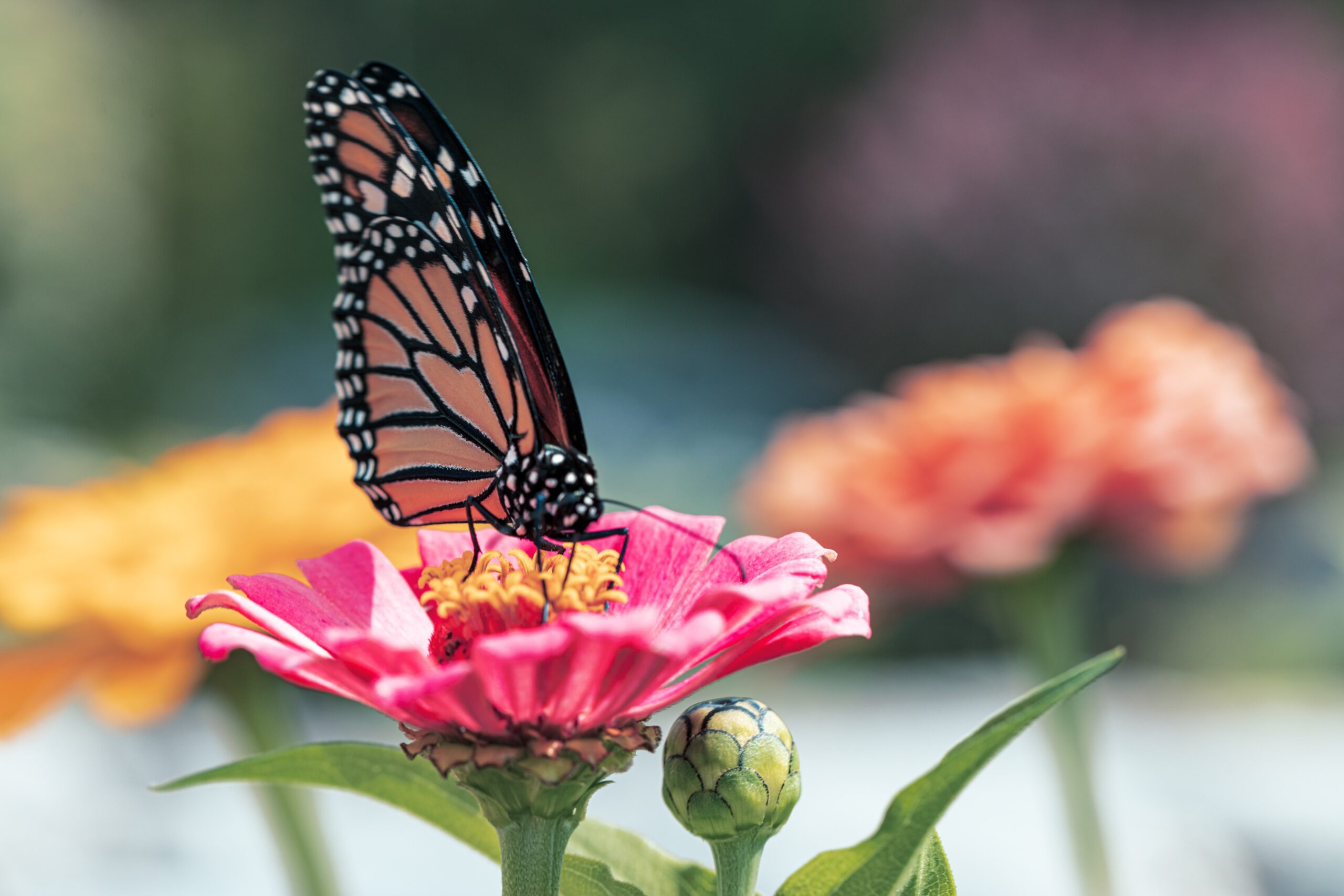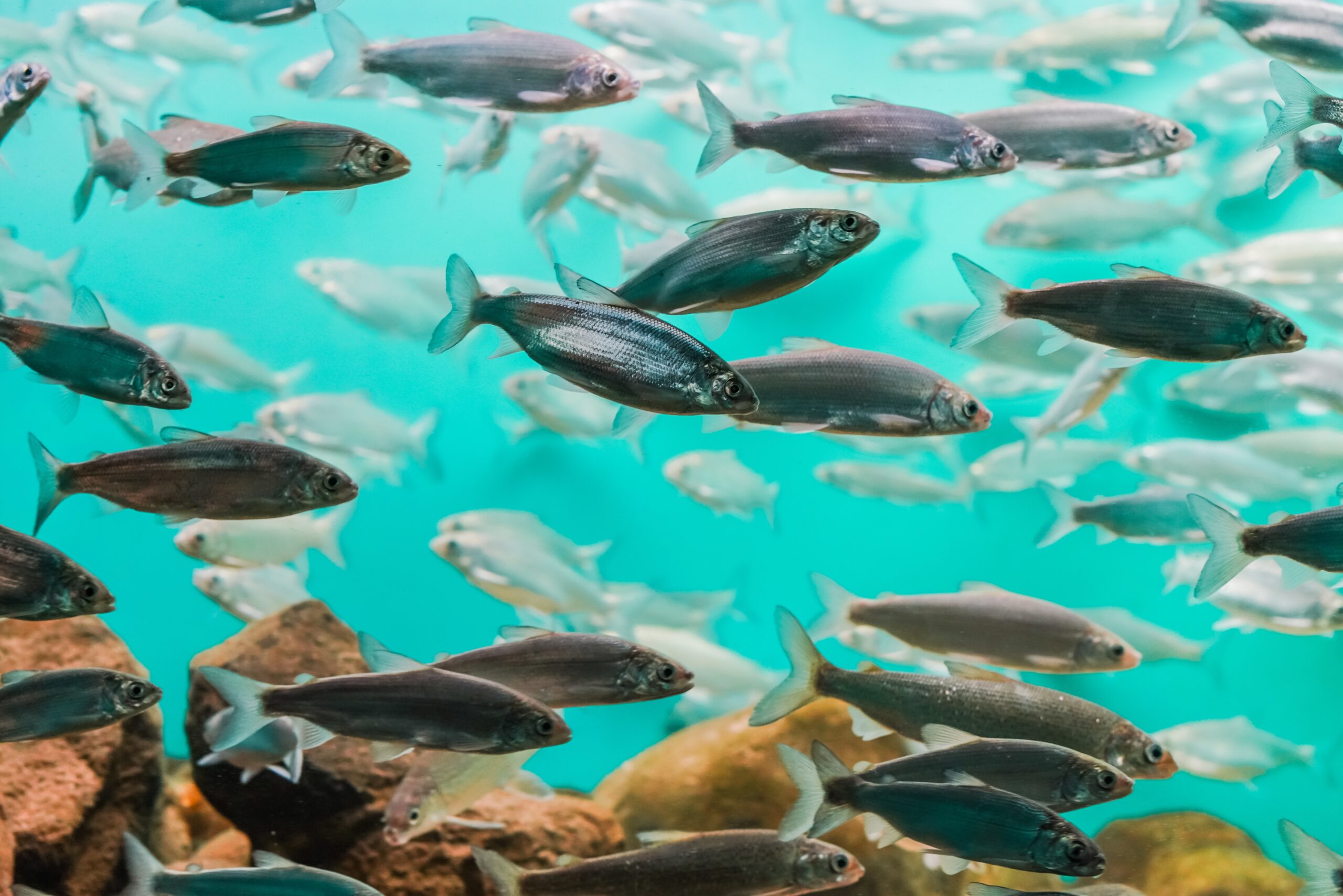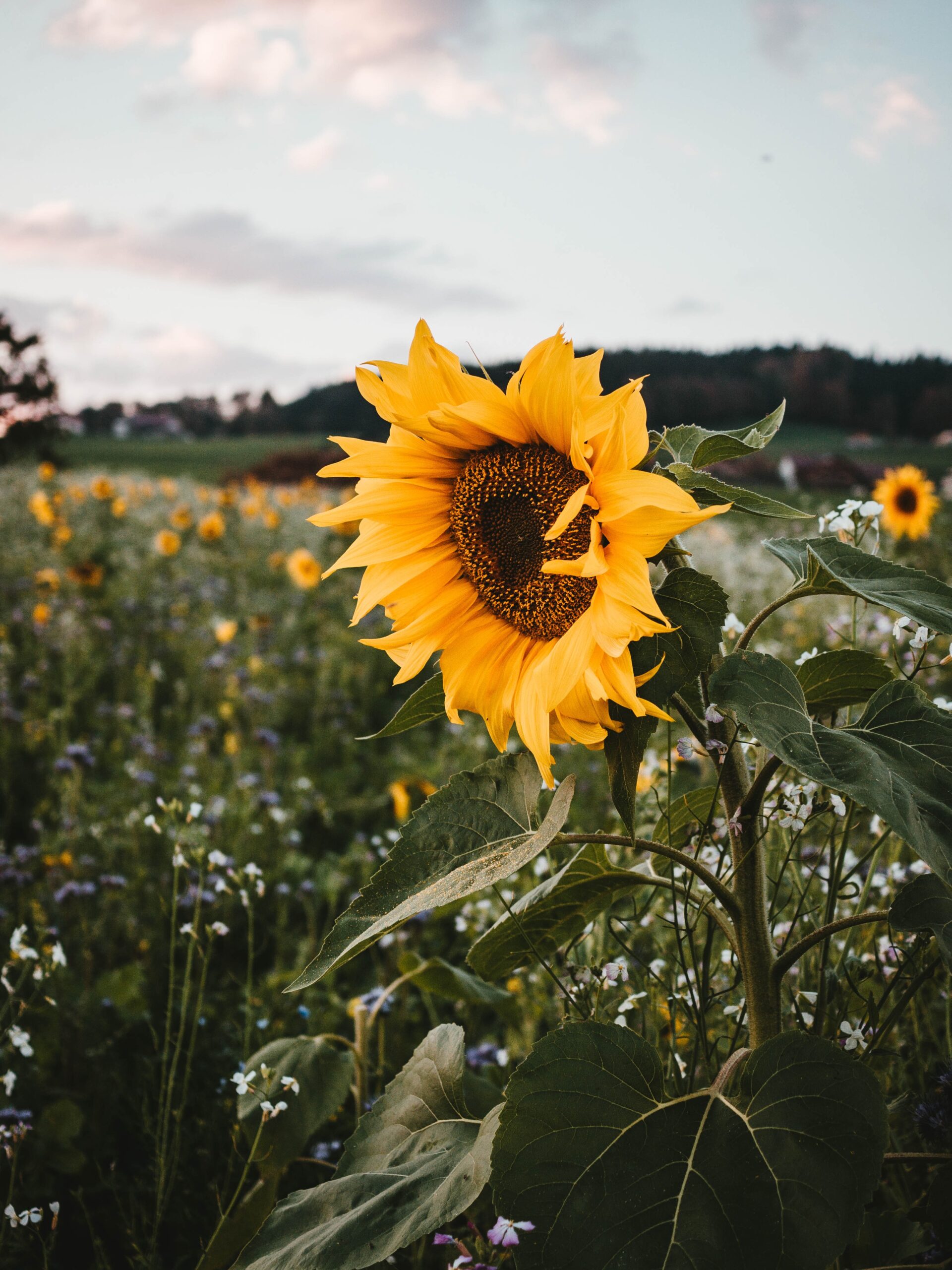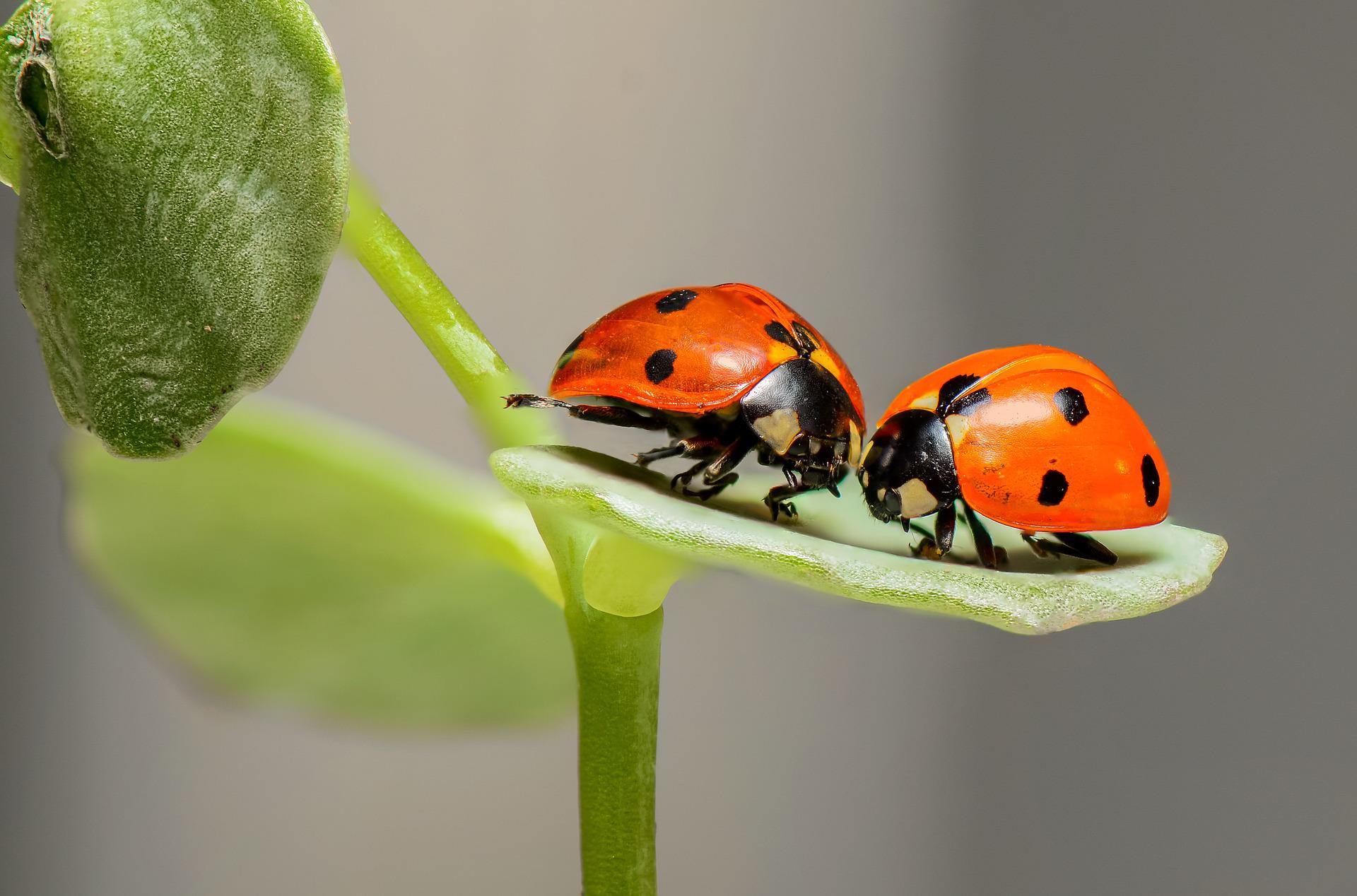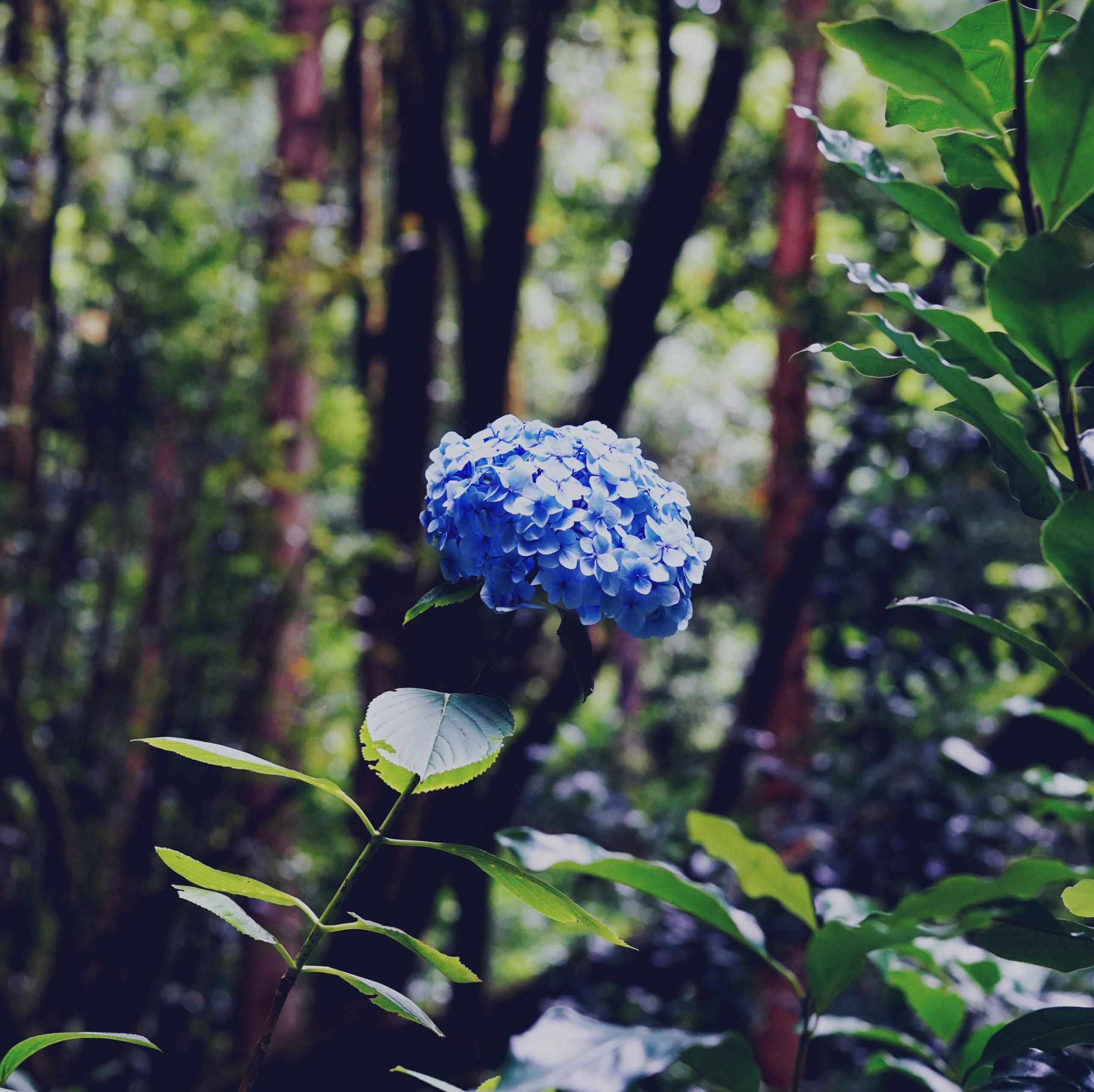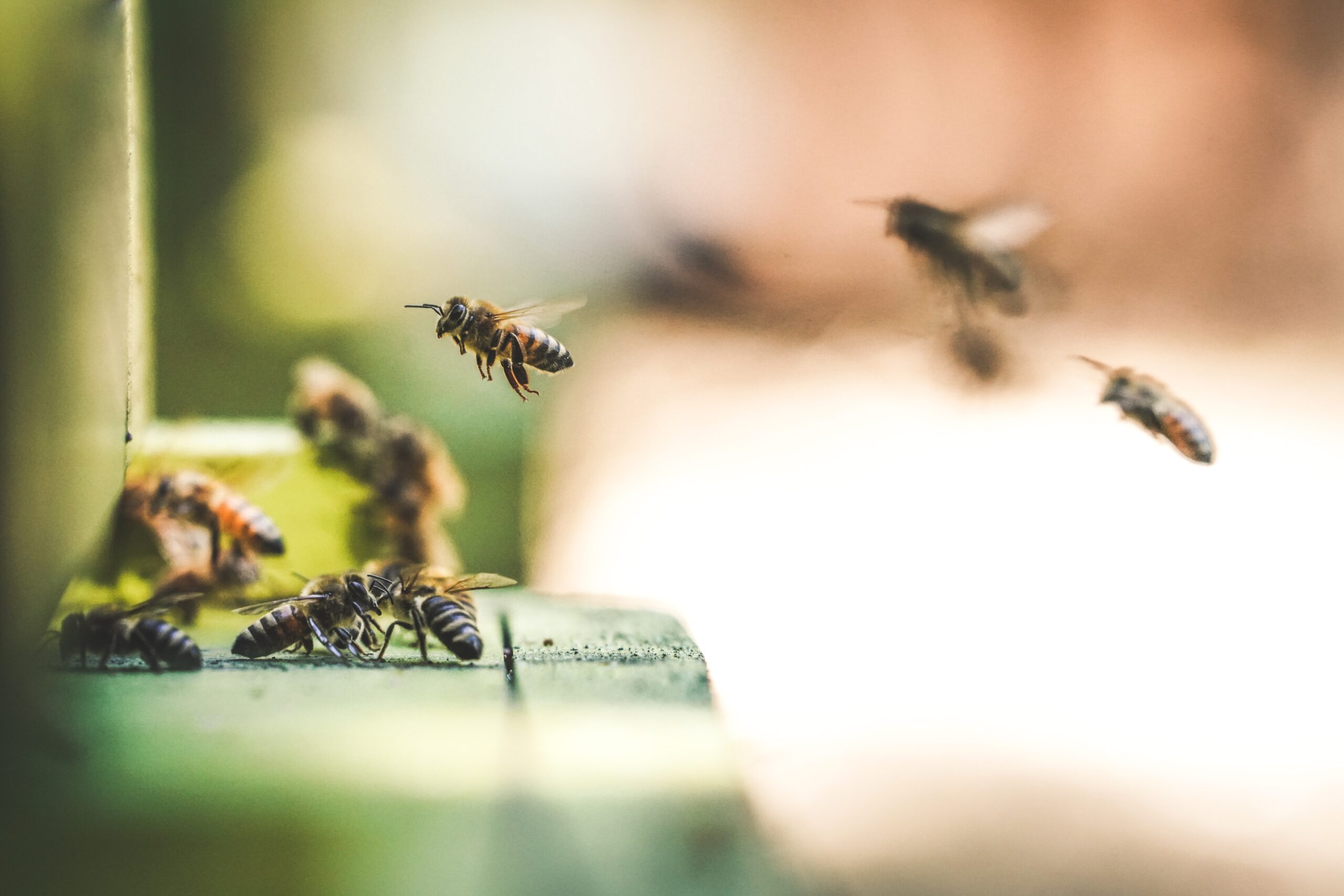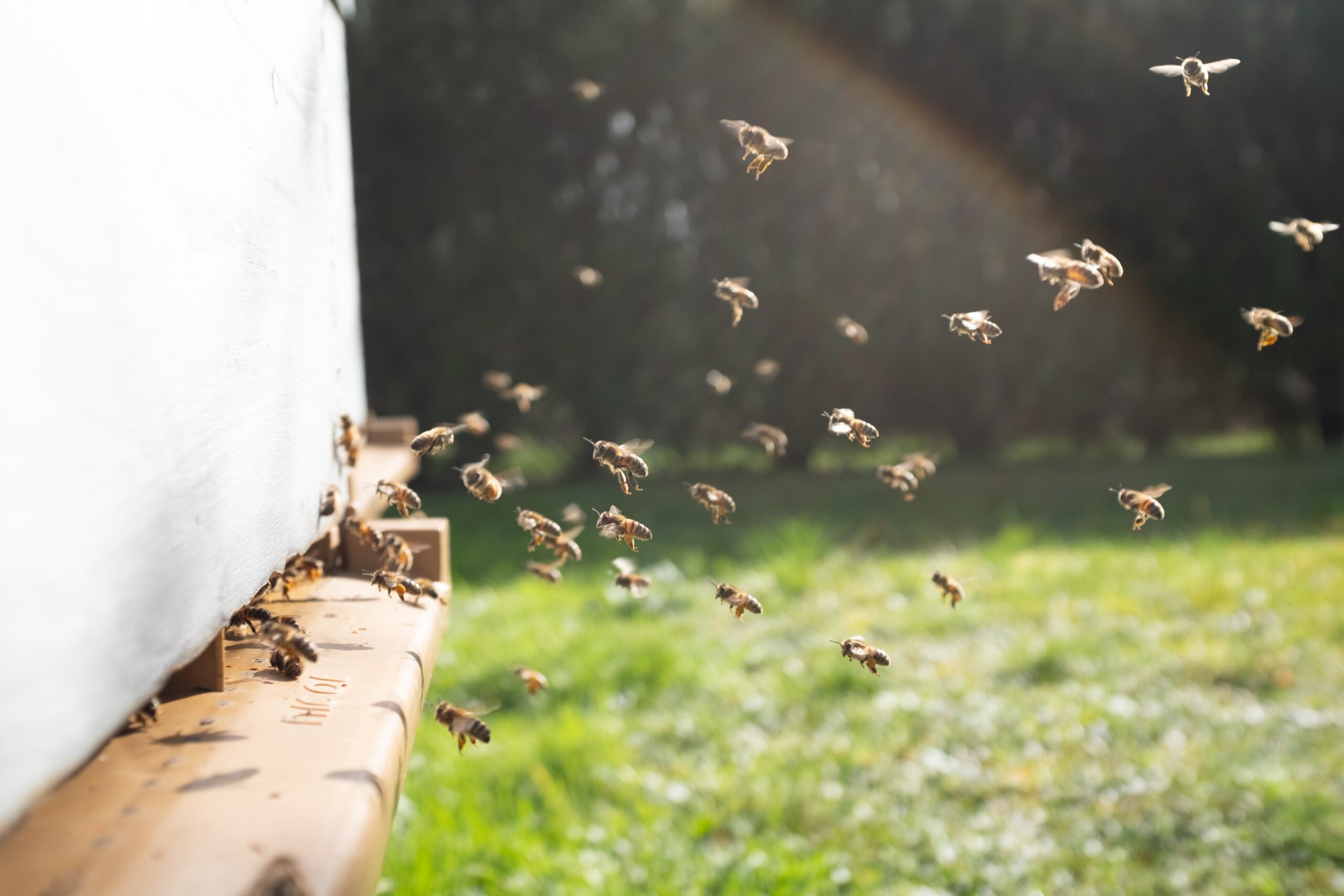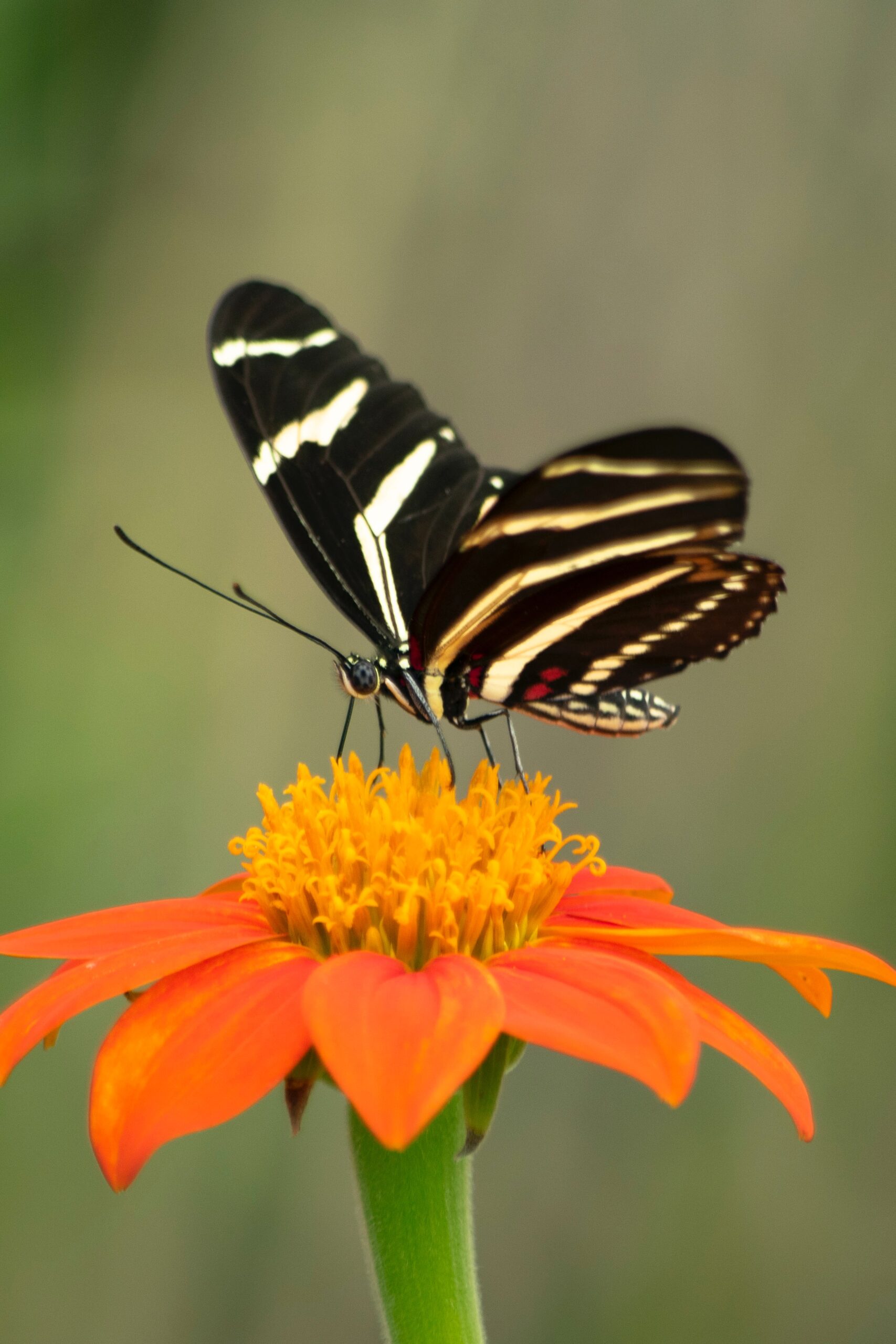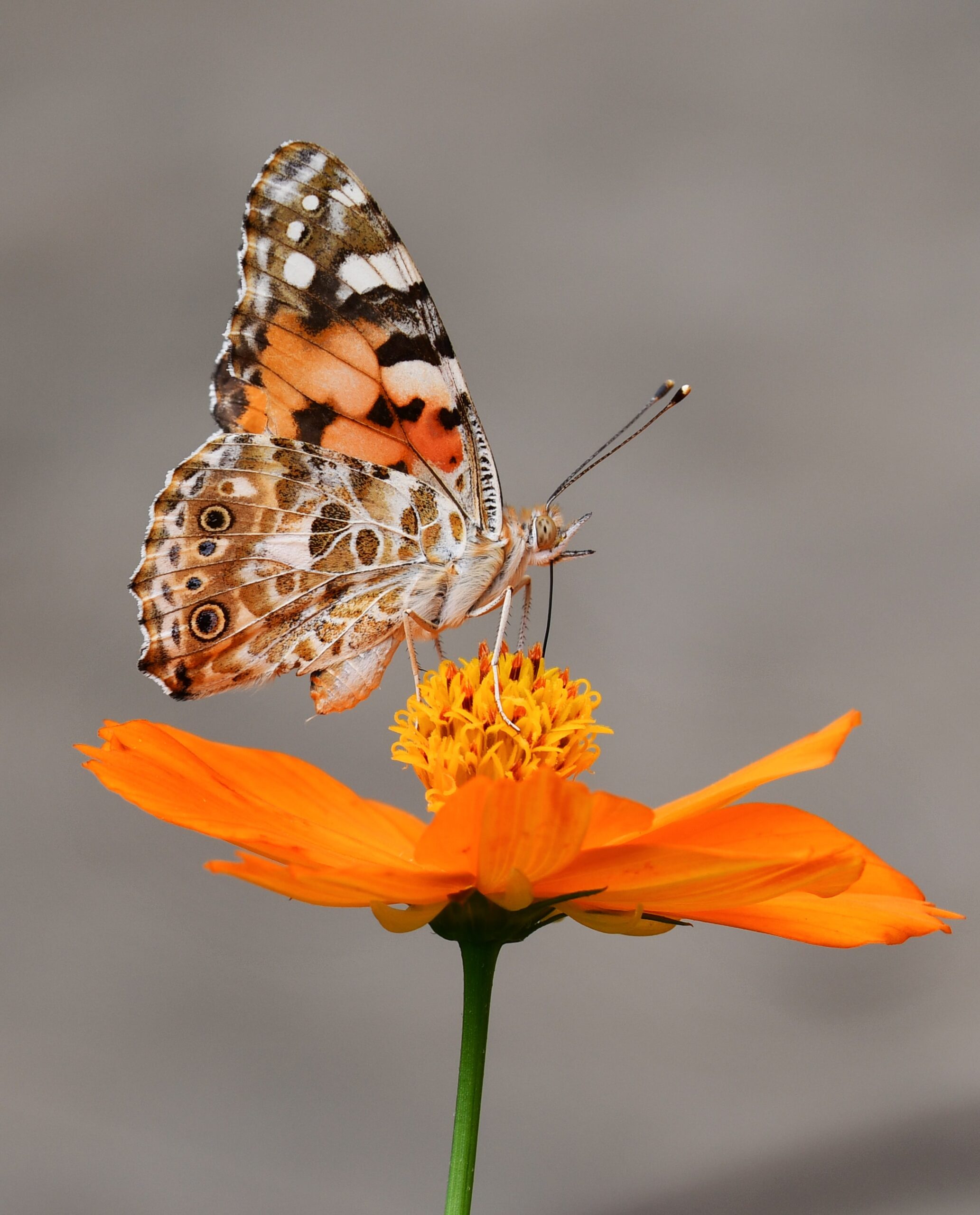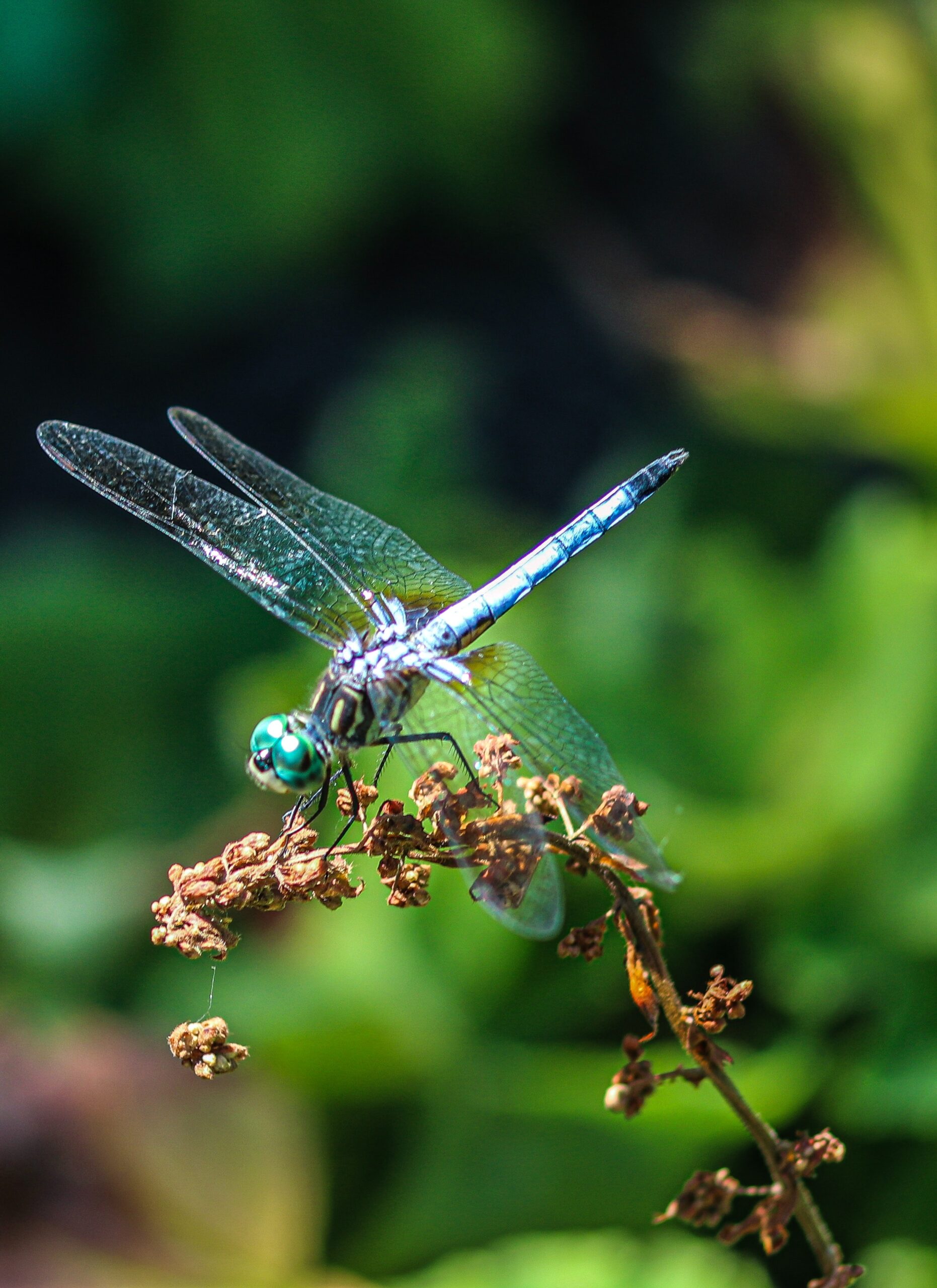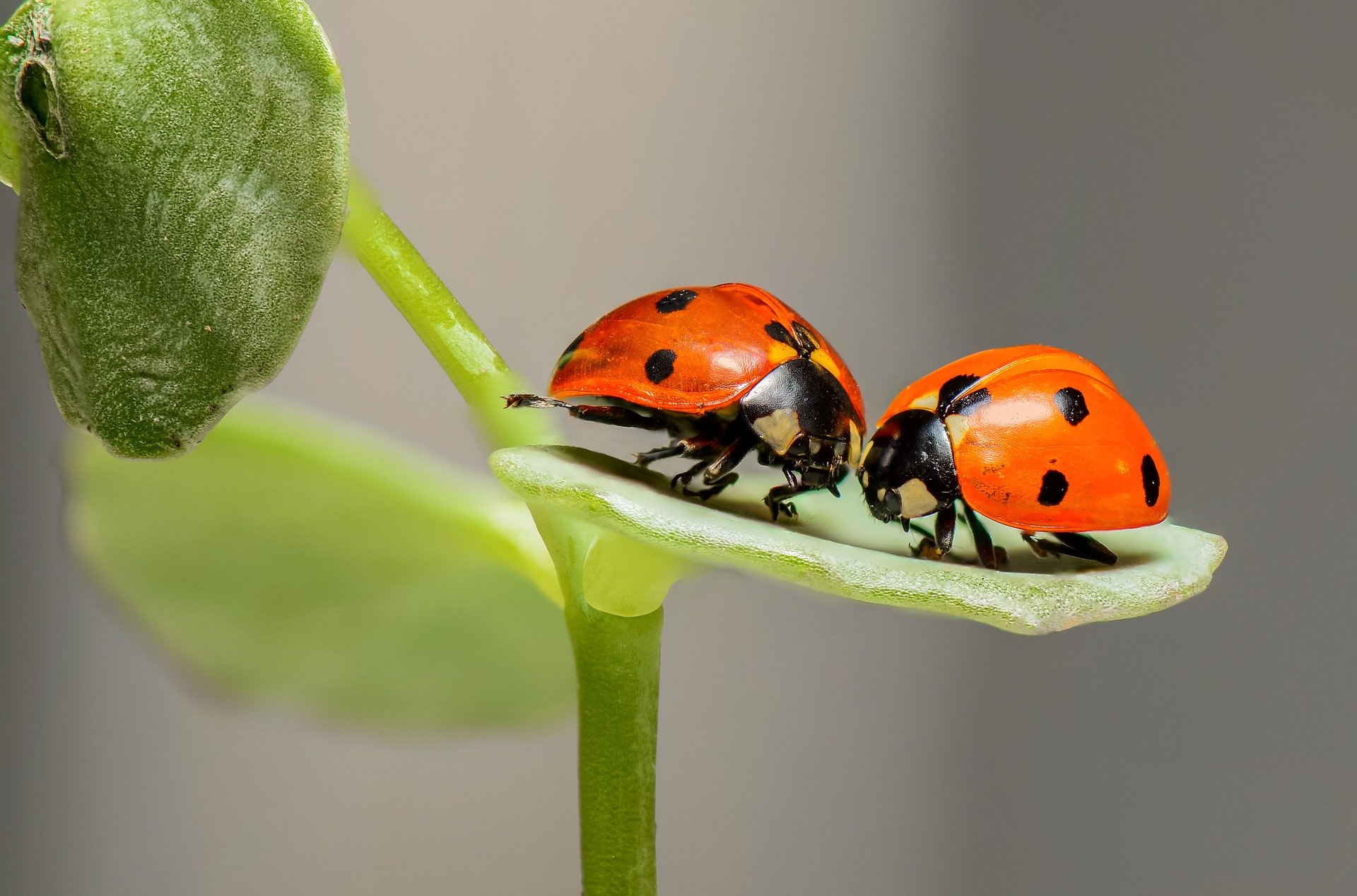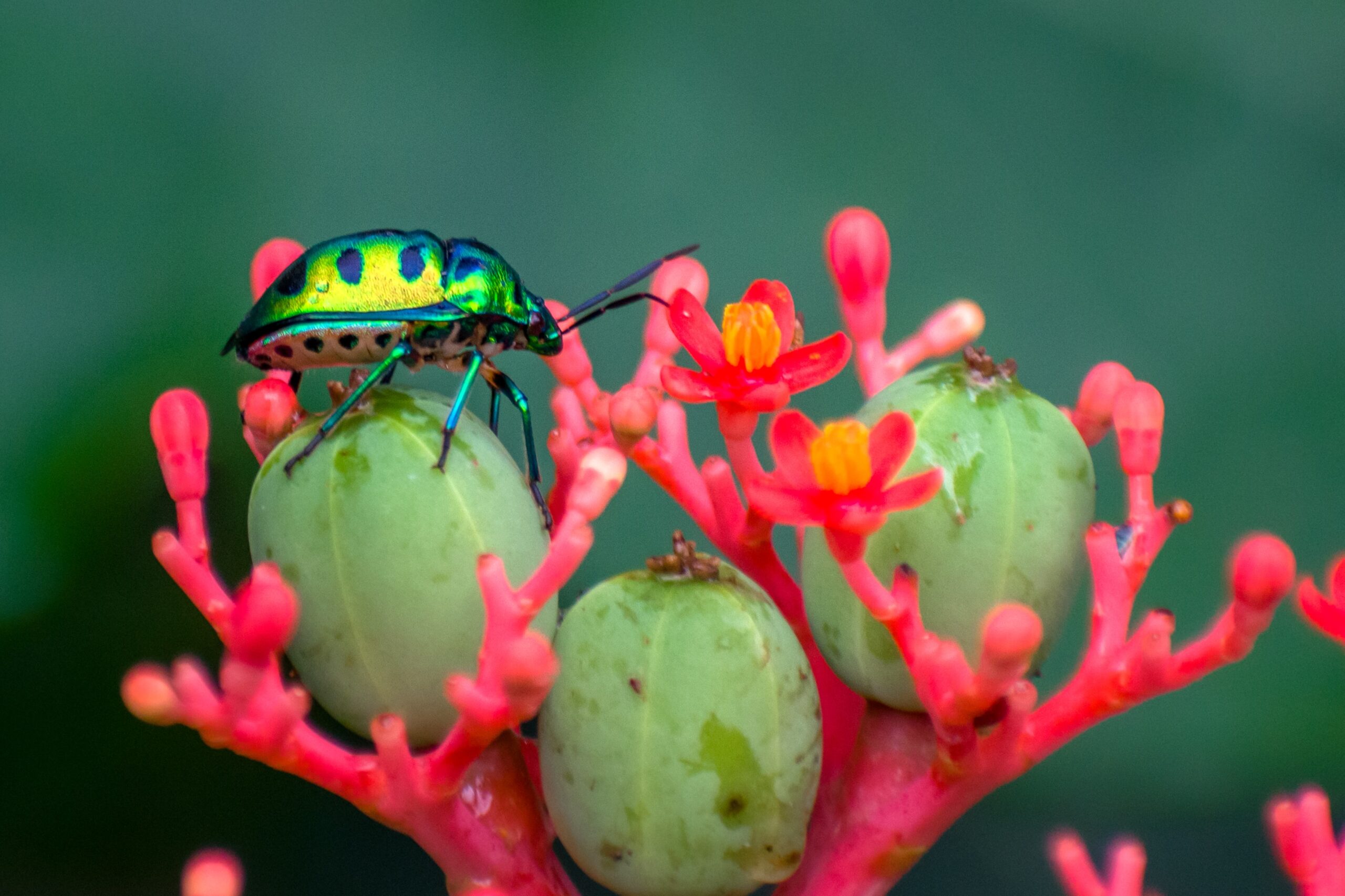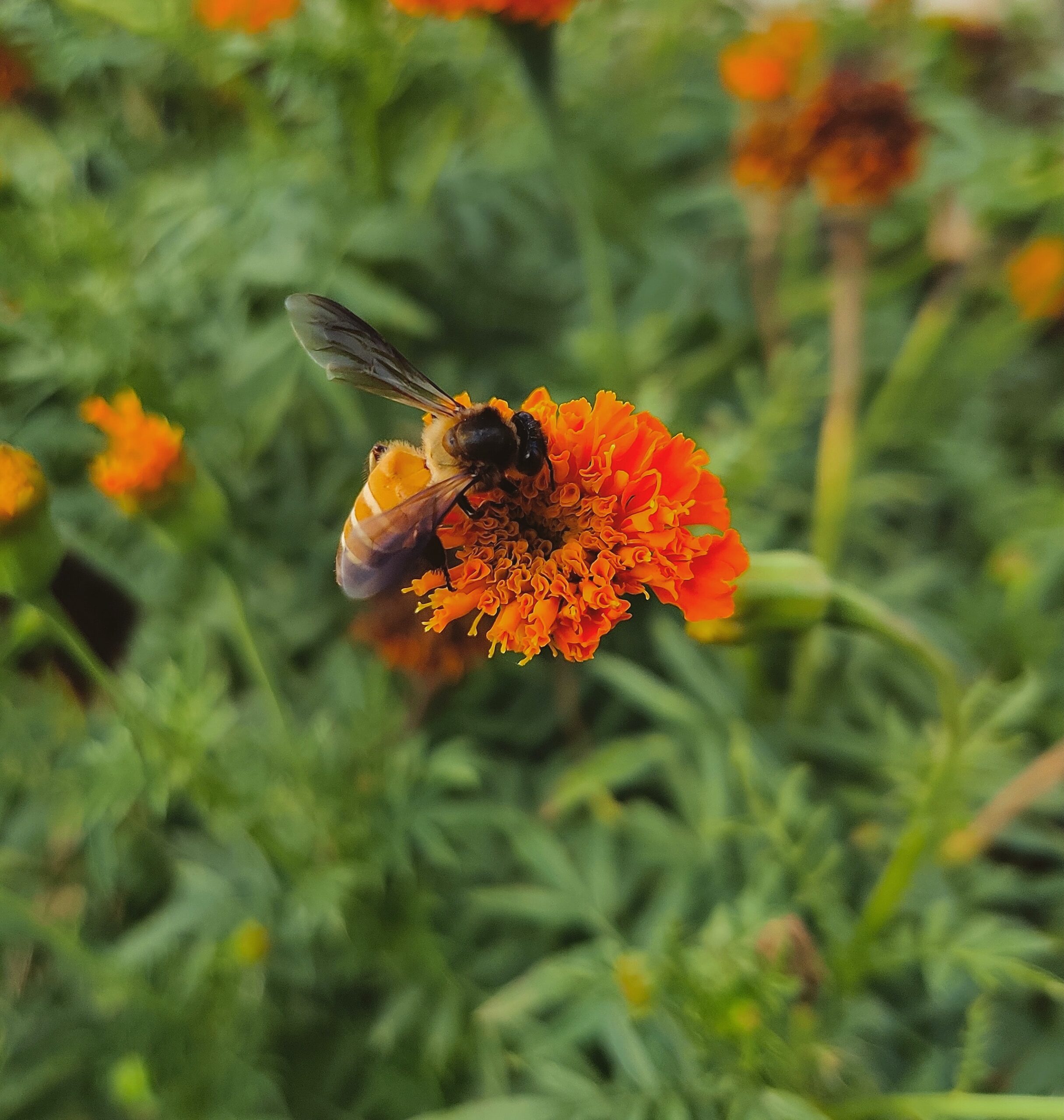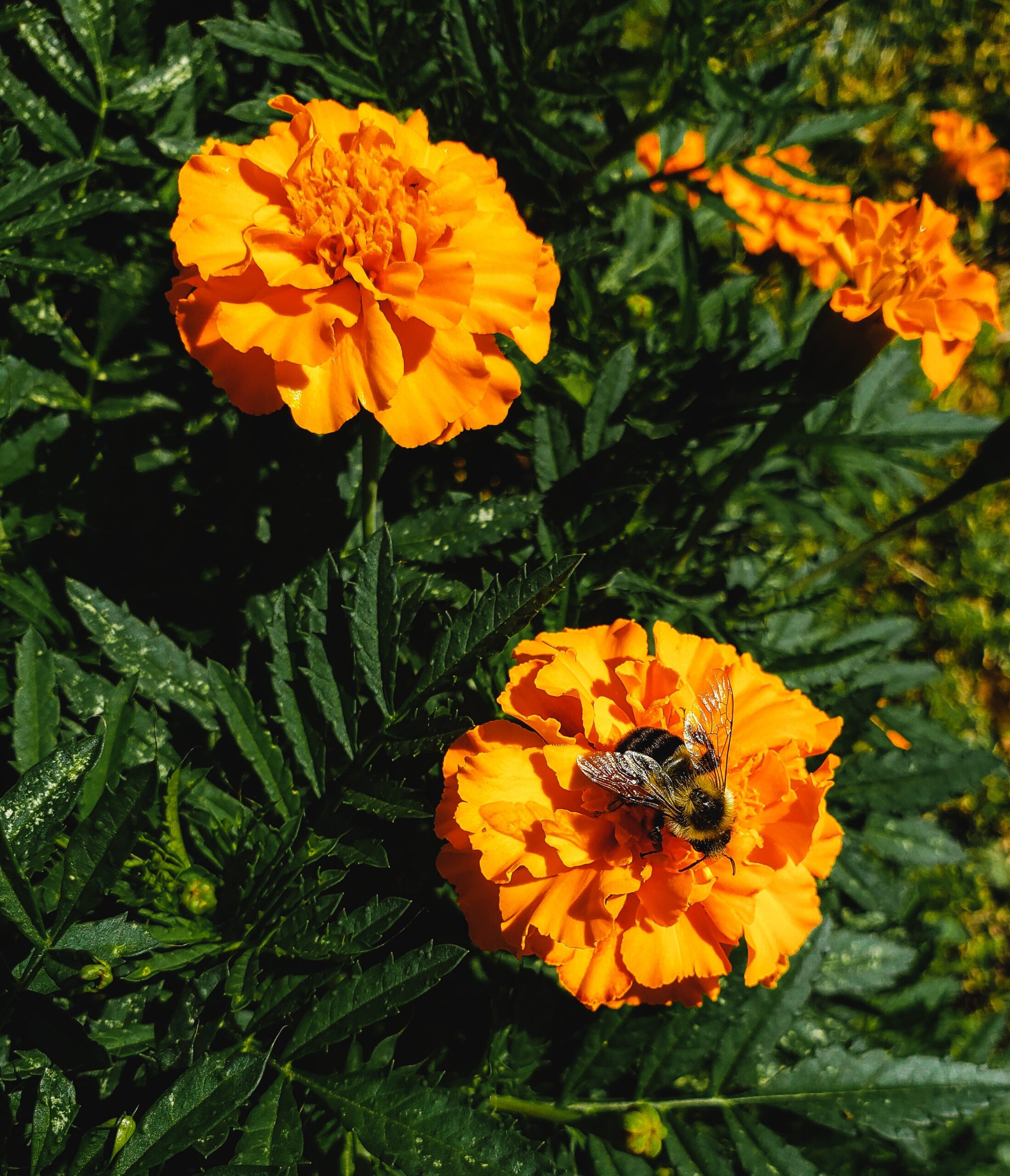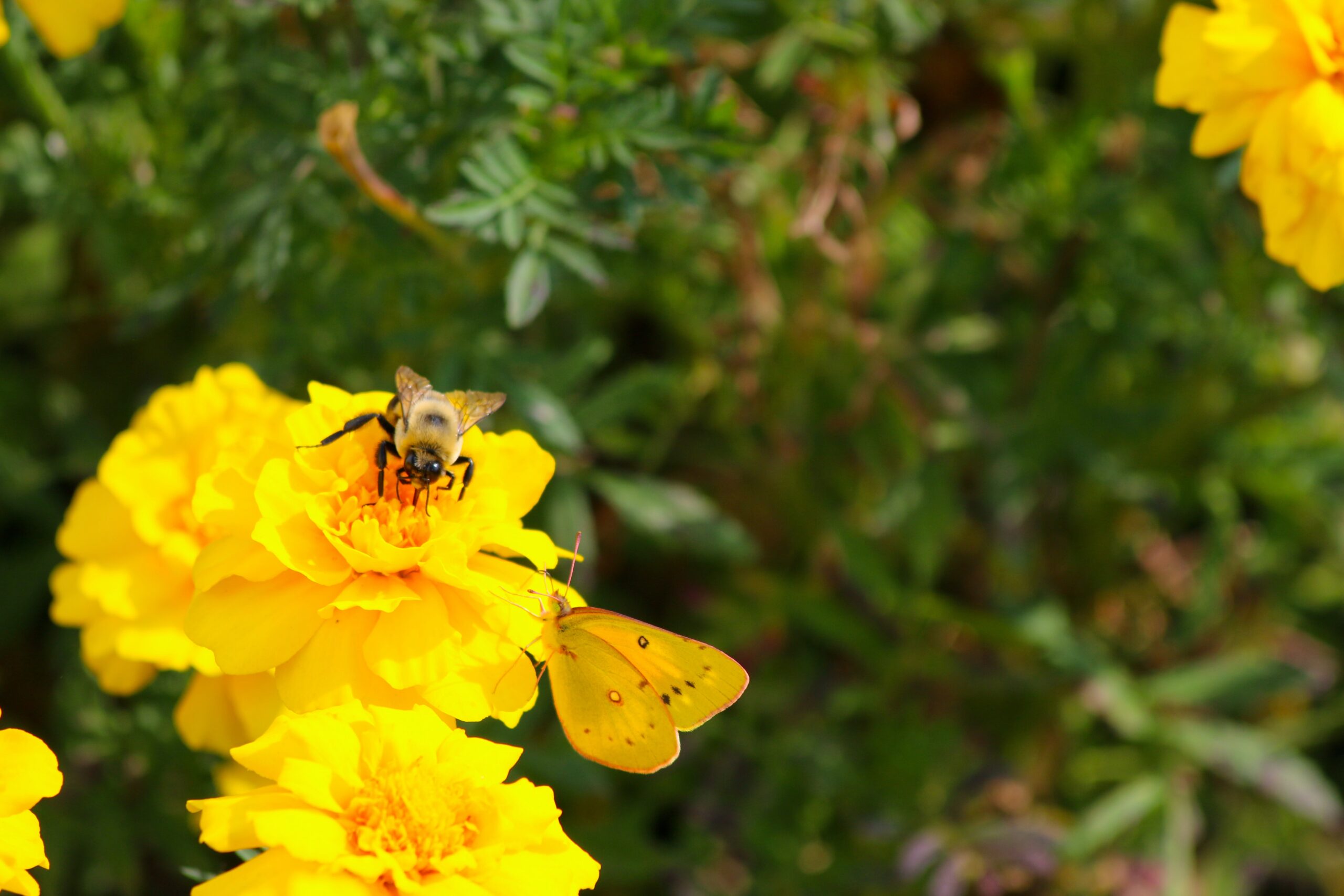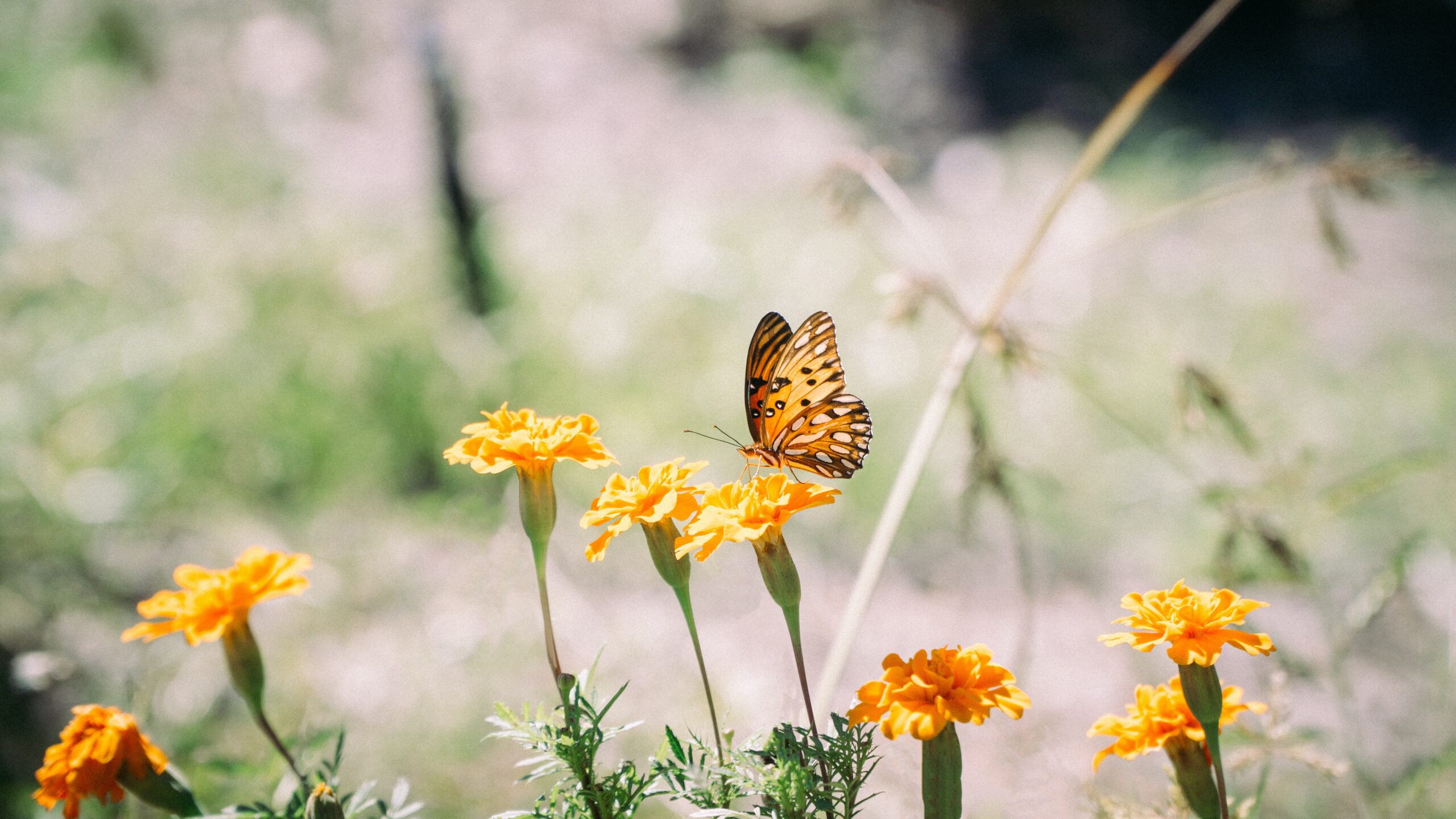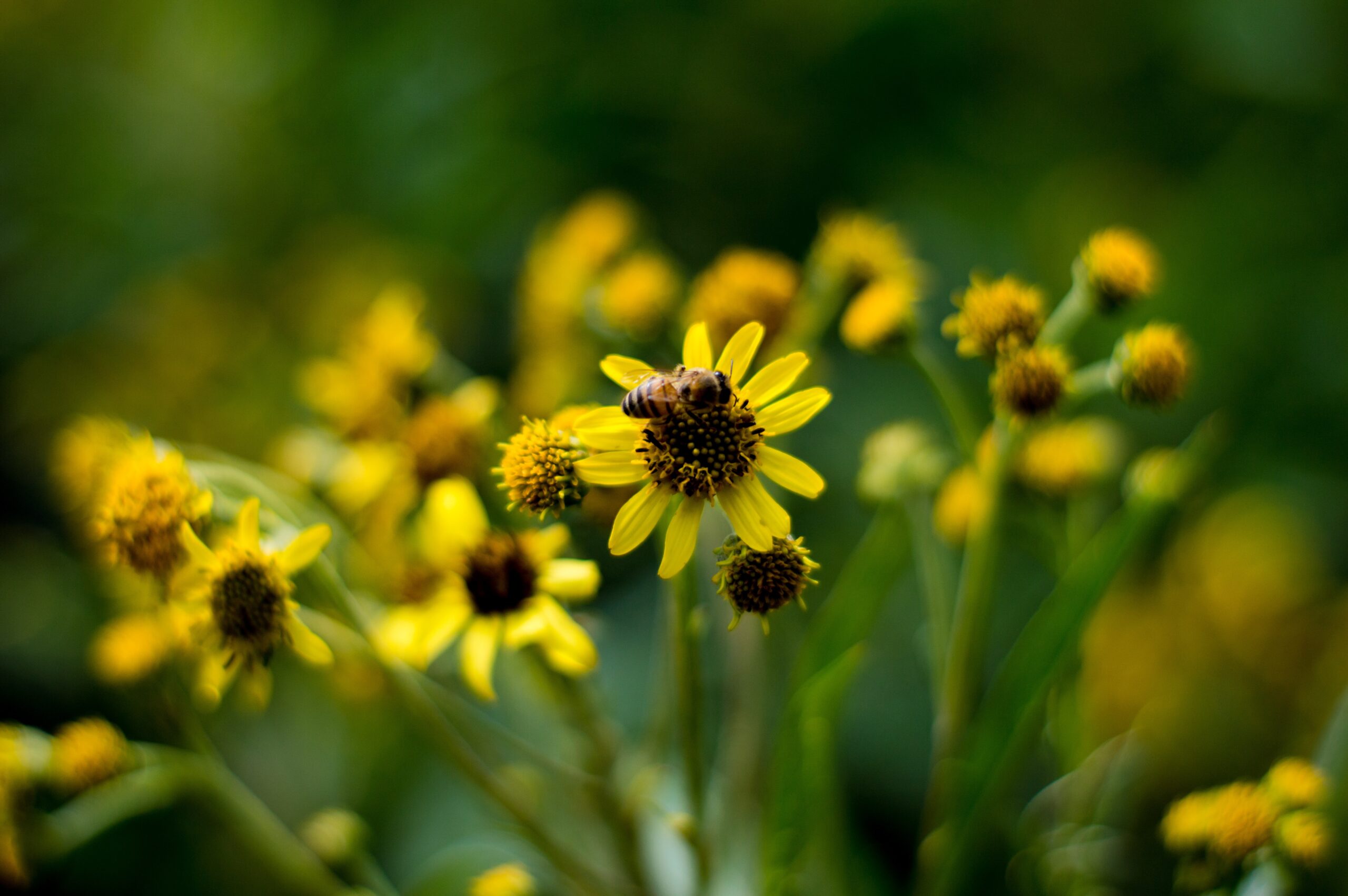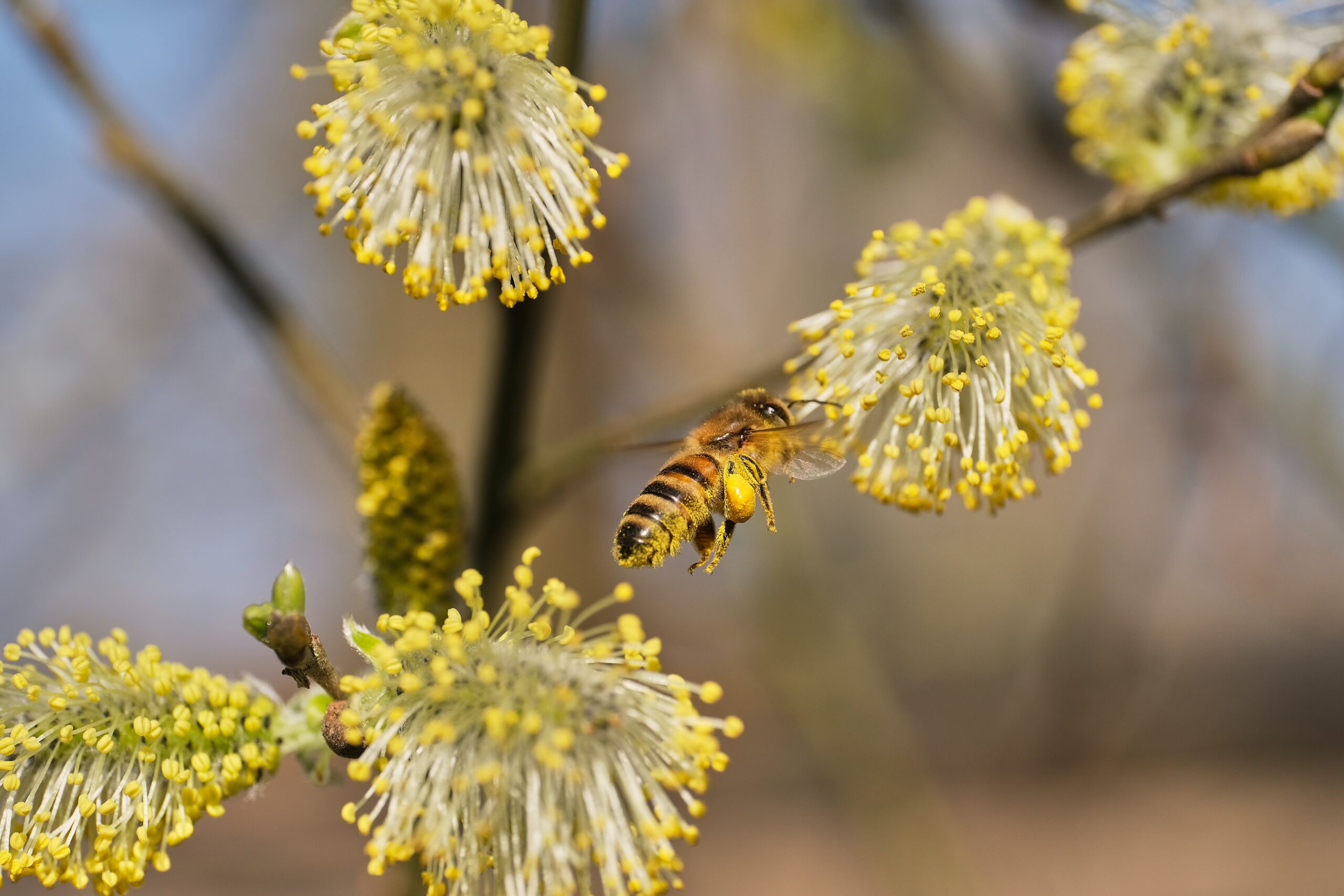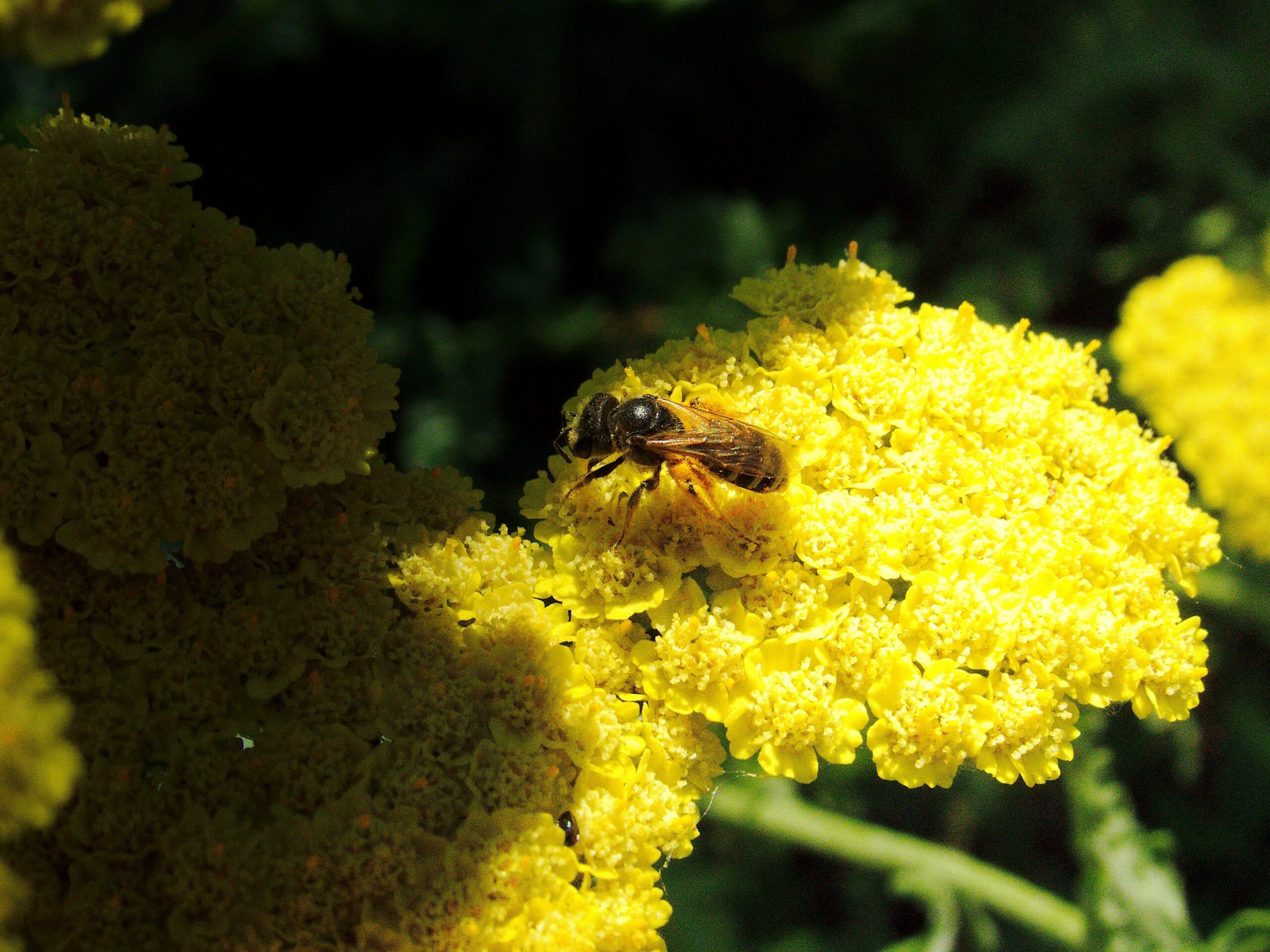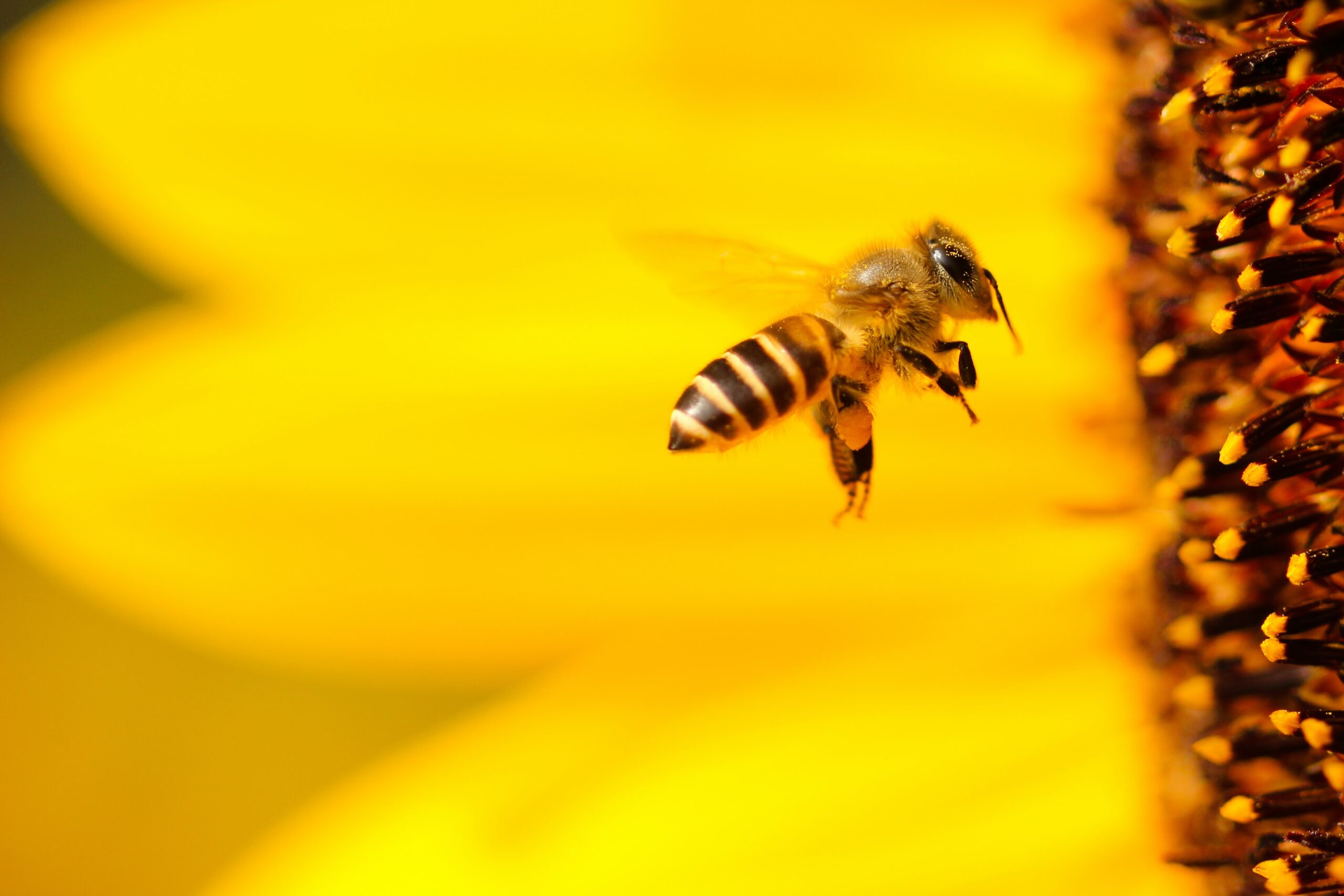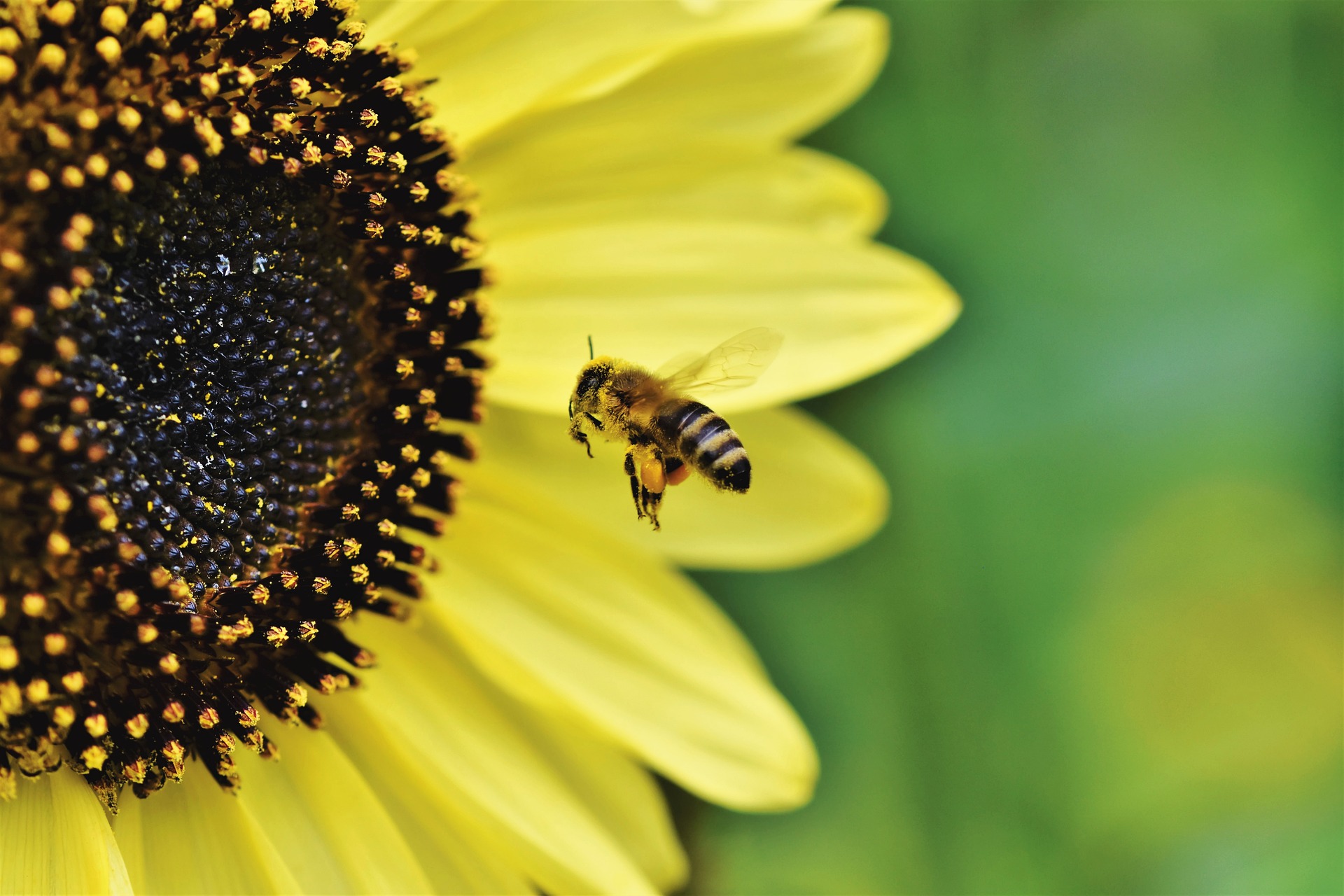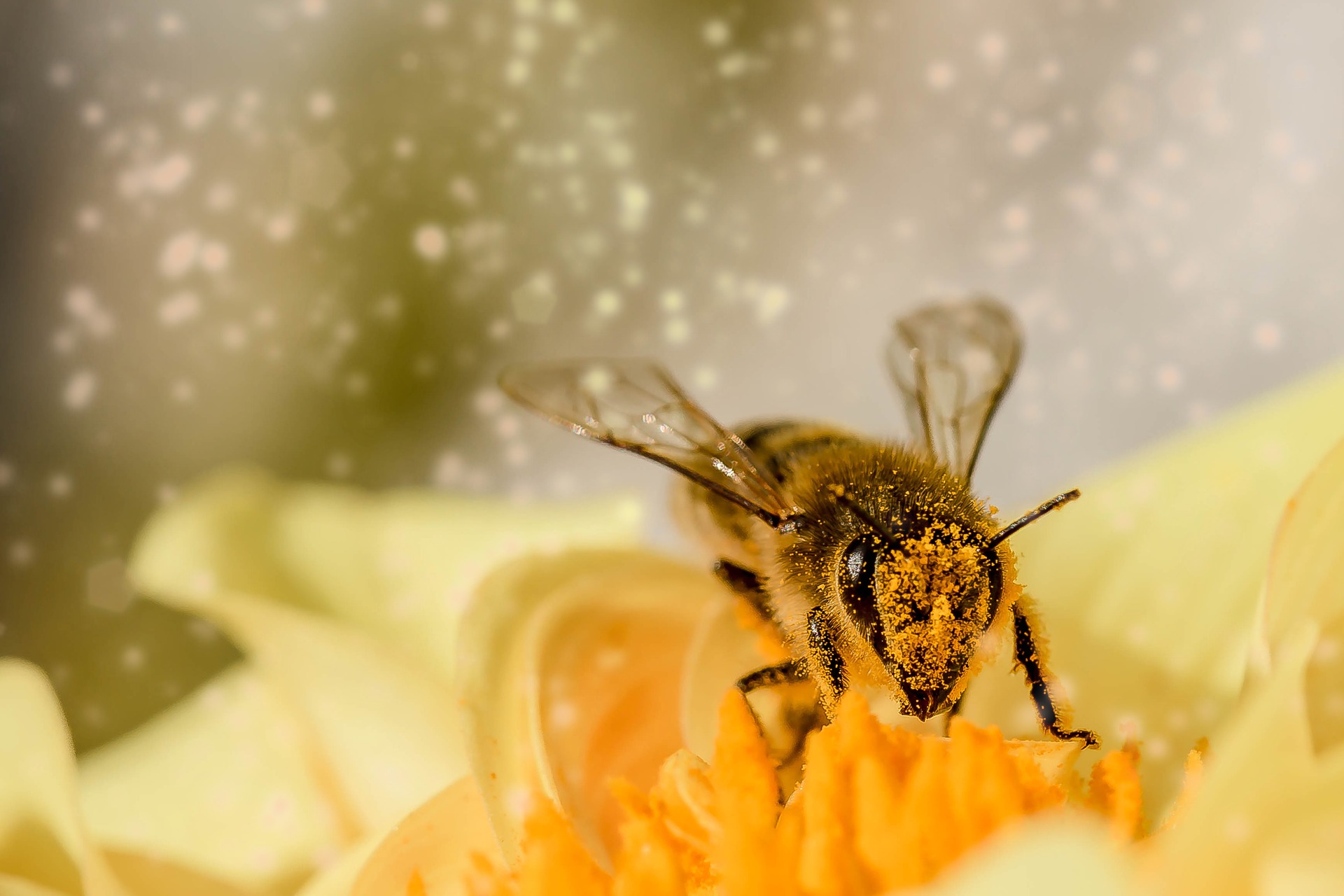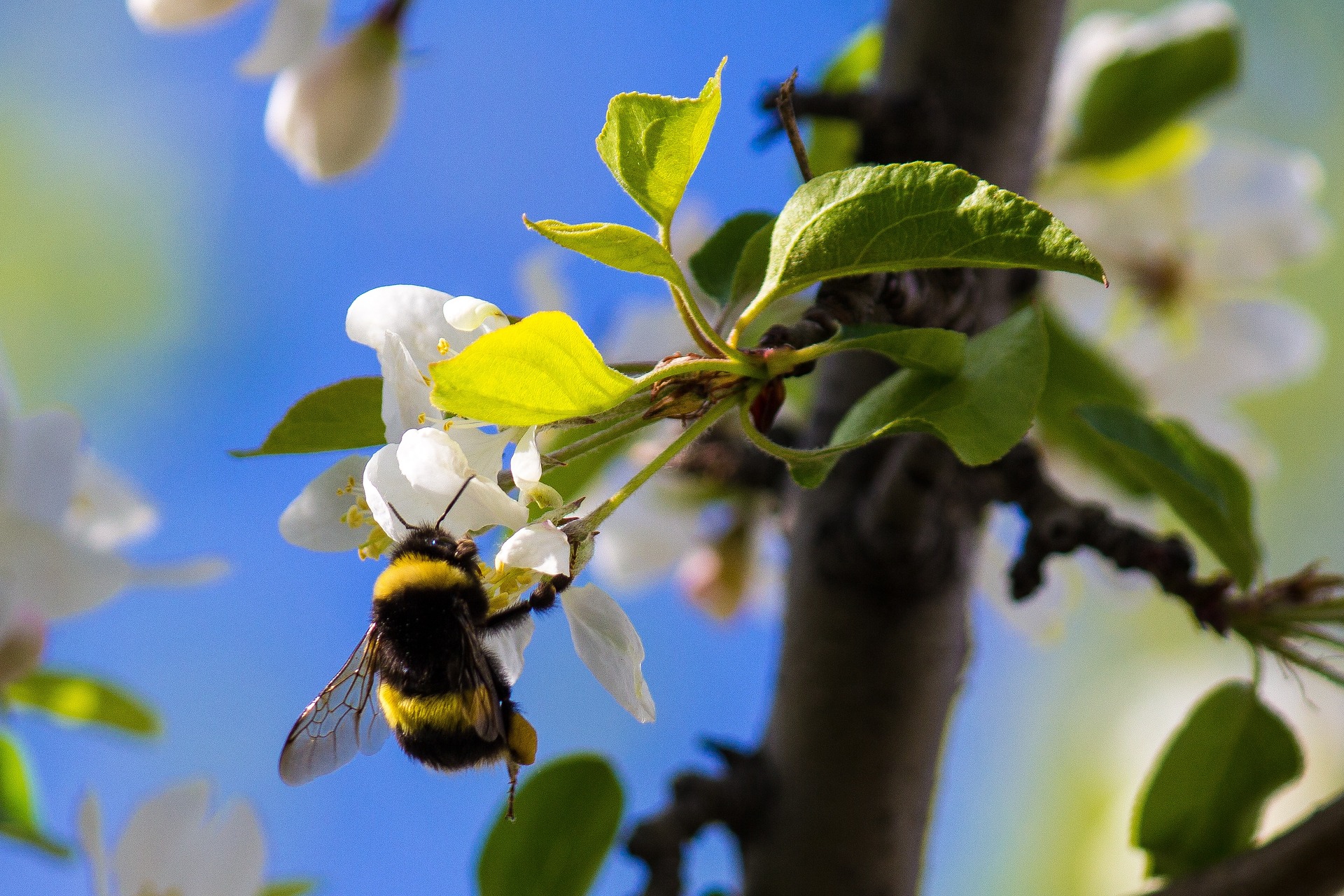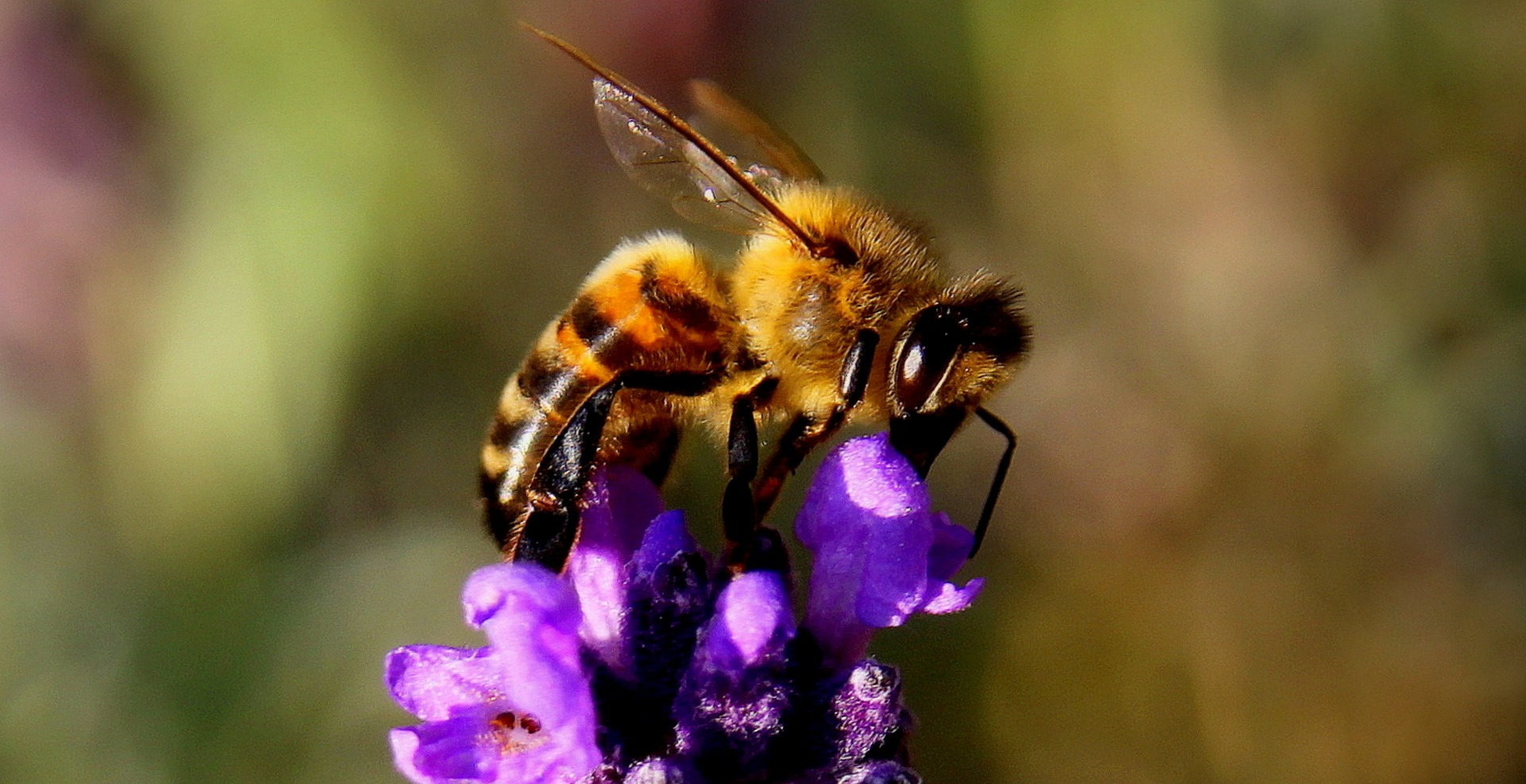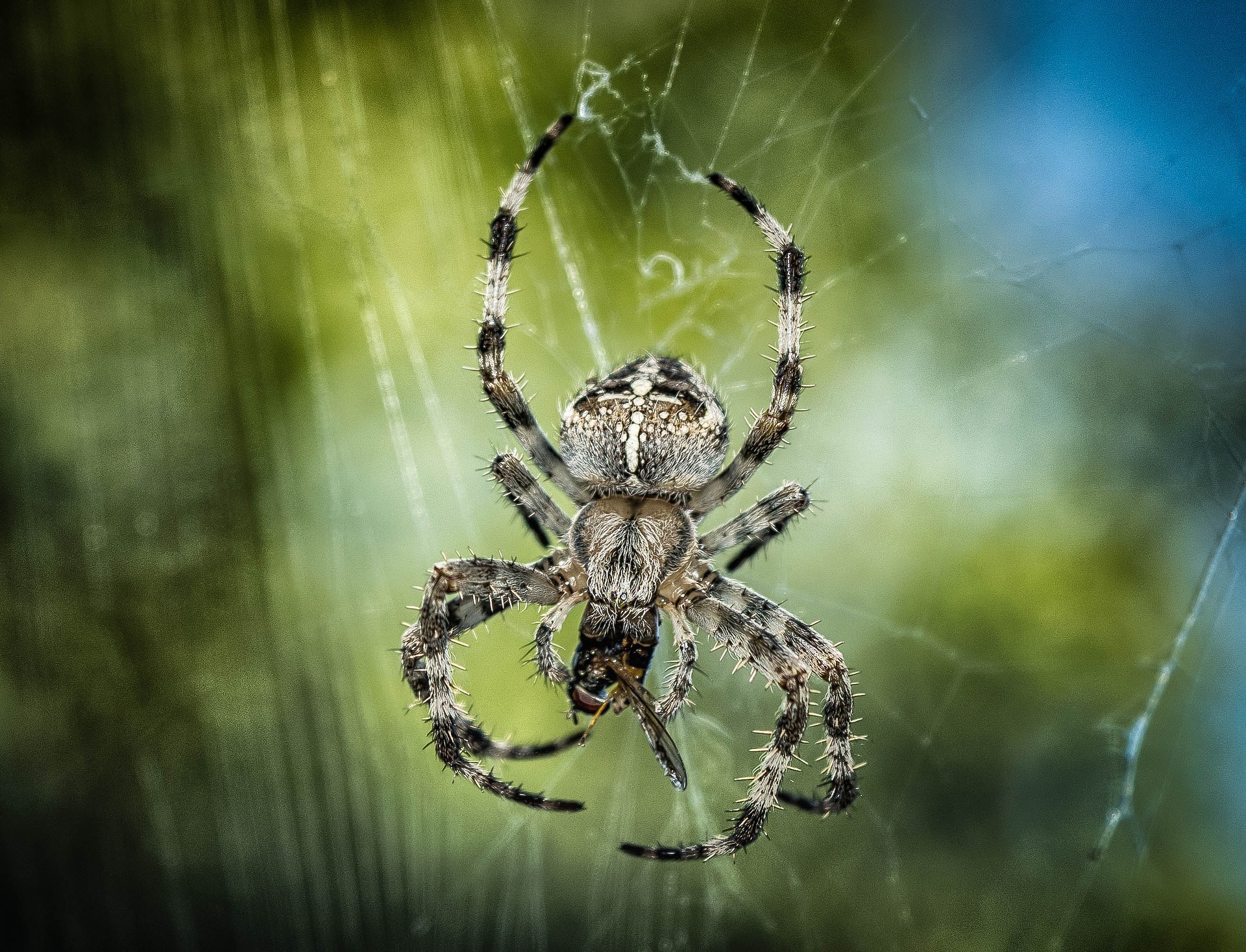
Invertebrates are tremendously diverse and ecologically valuable. They filter water, recycle nutrients, pollinate flowers, and are food for other wildlife. Pollinators are especially vital because of the ecosystem services they provide by pollinating crops and wildflowers.
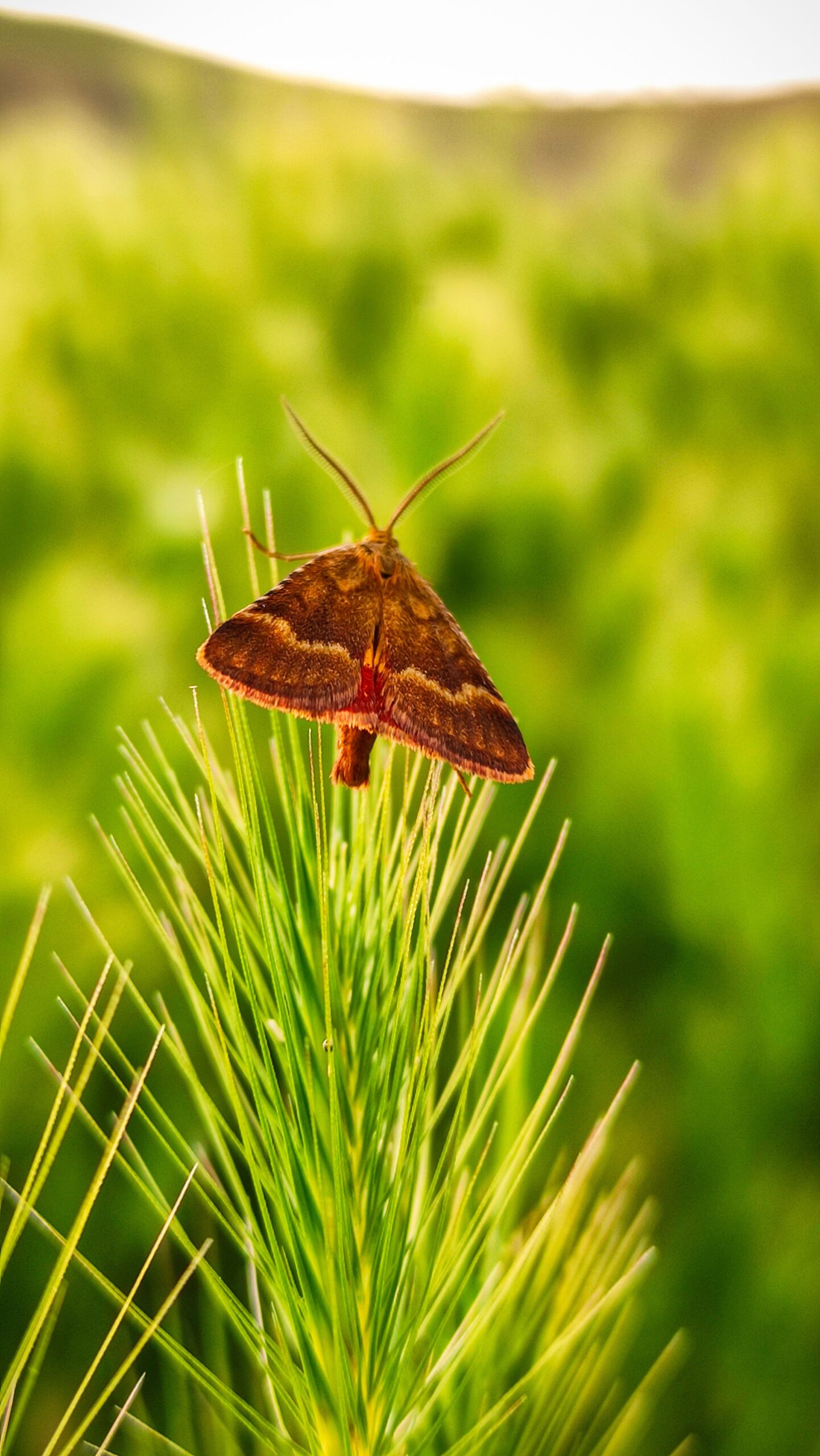
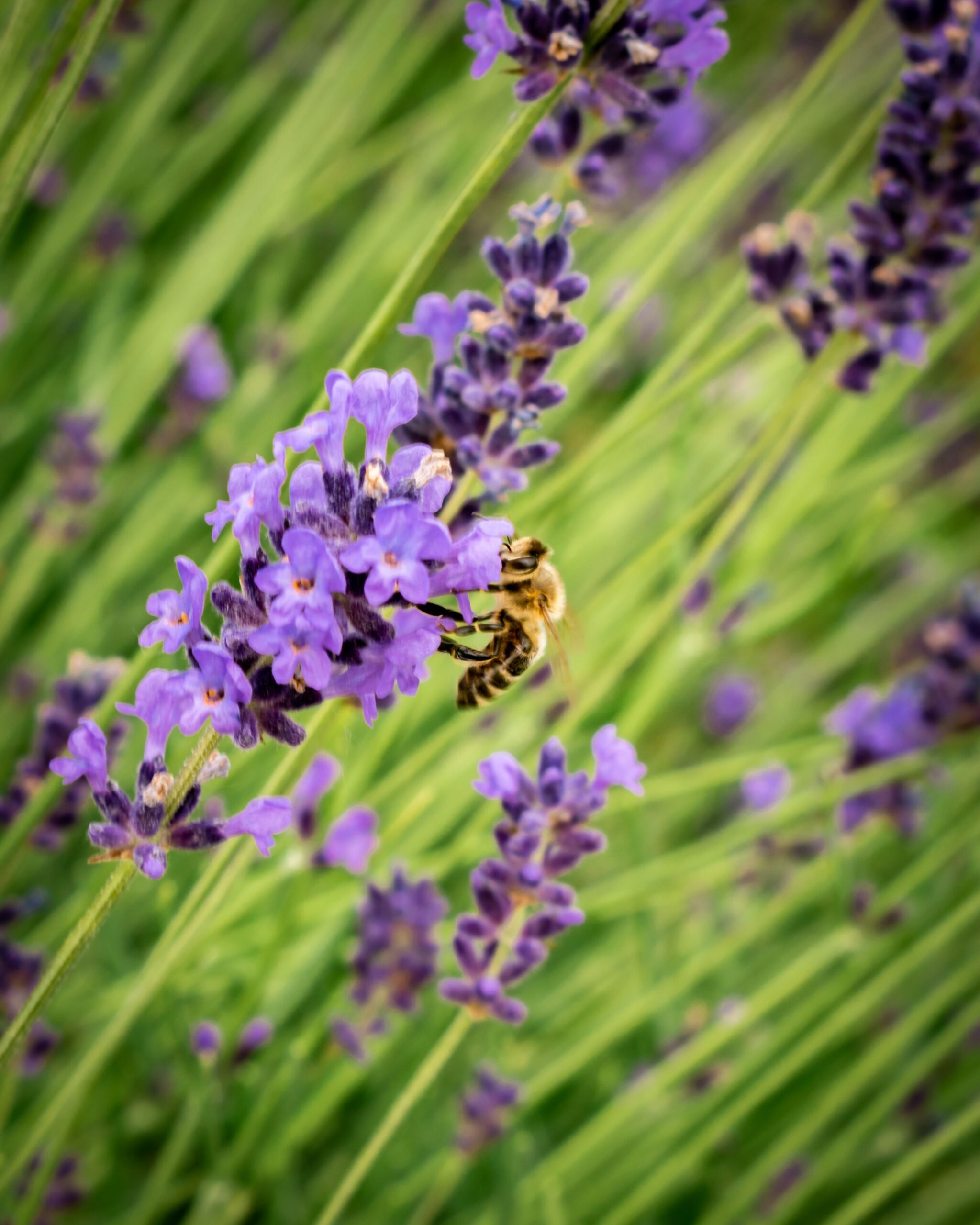
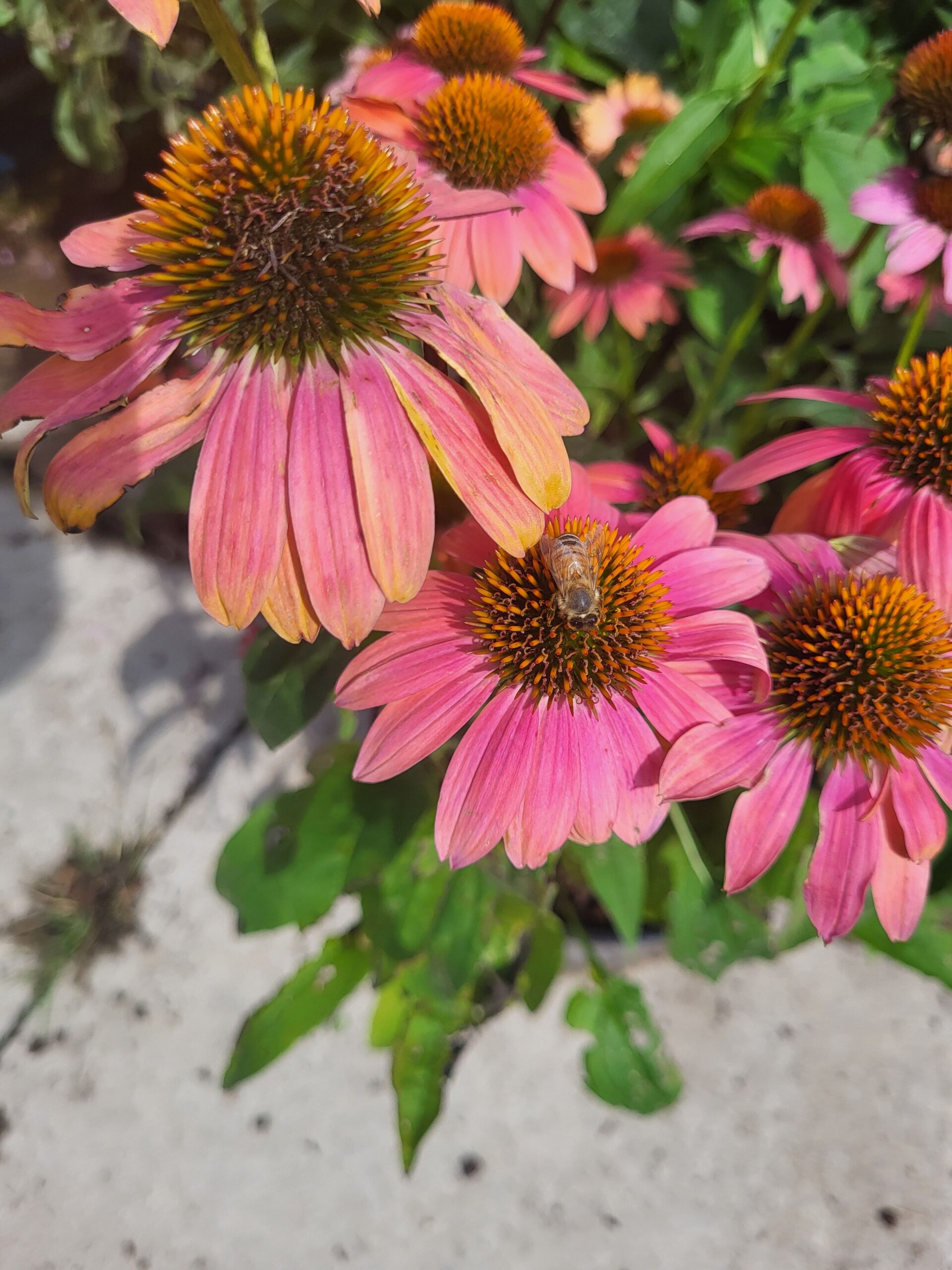
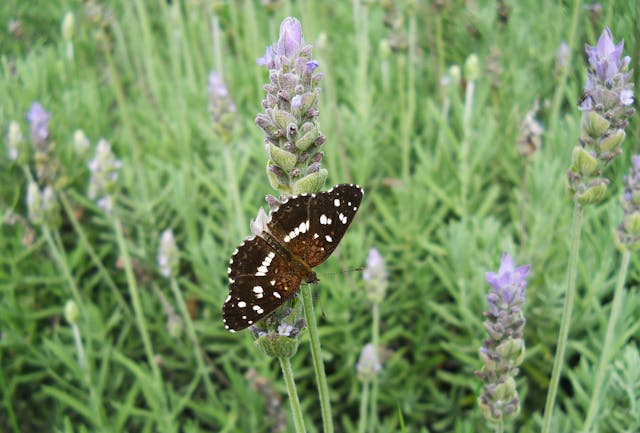
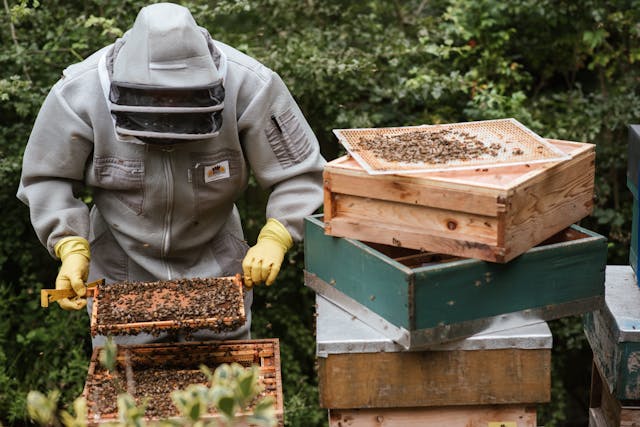
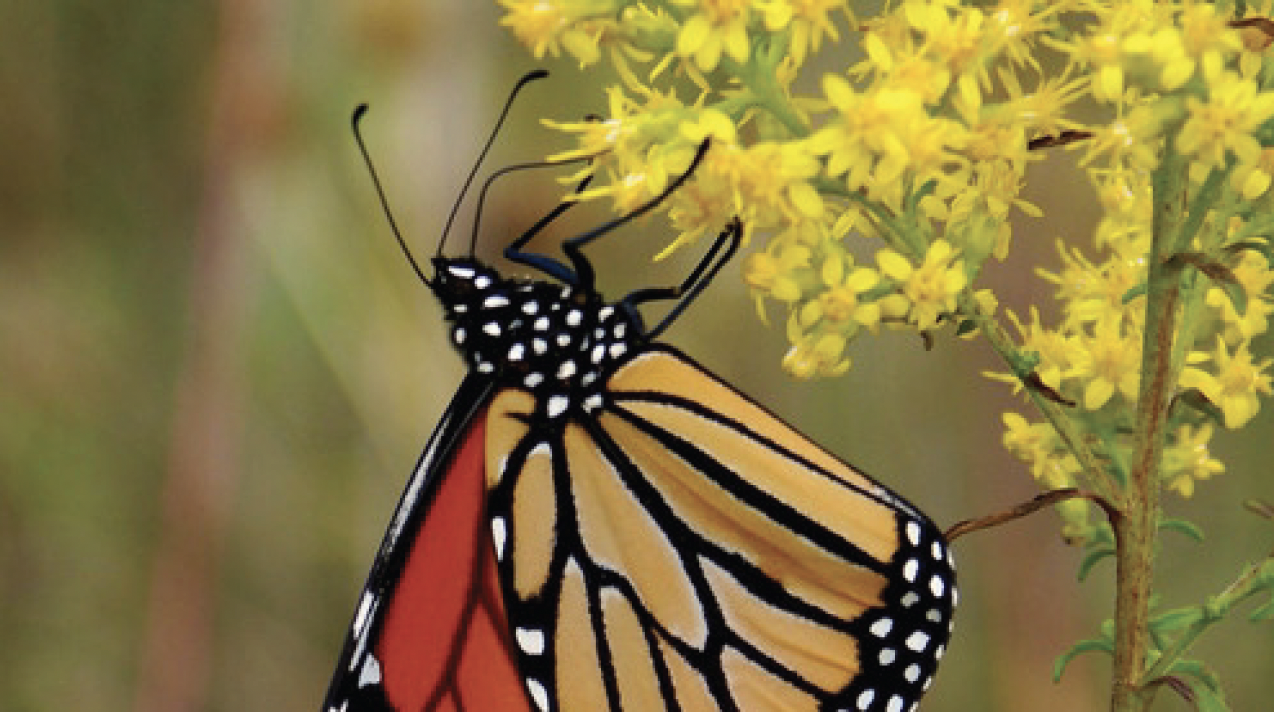
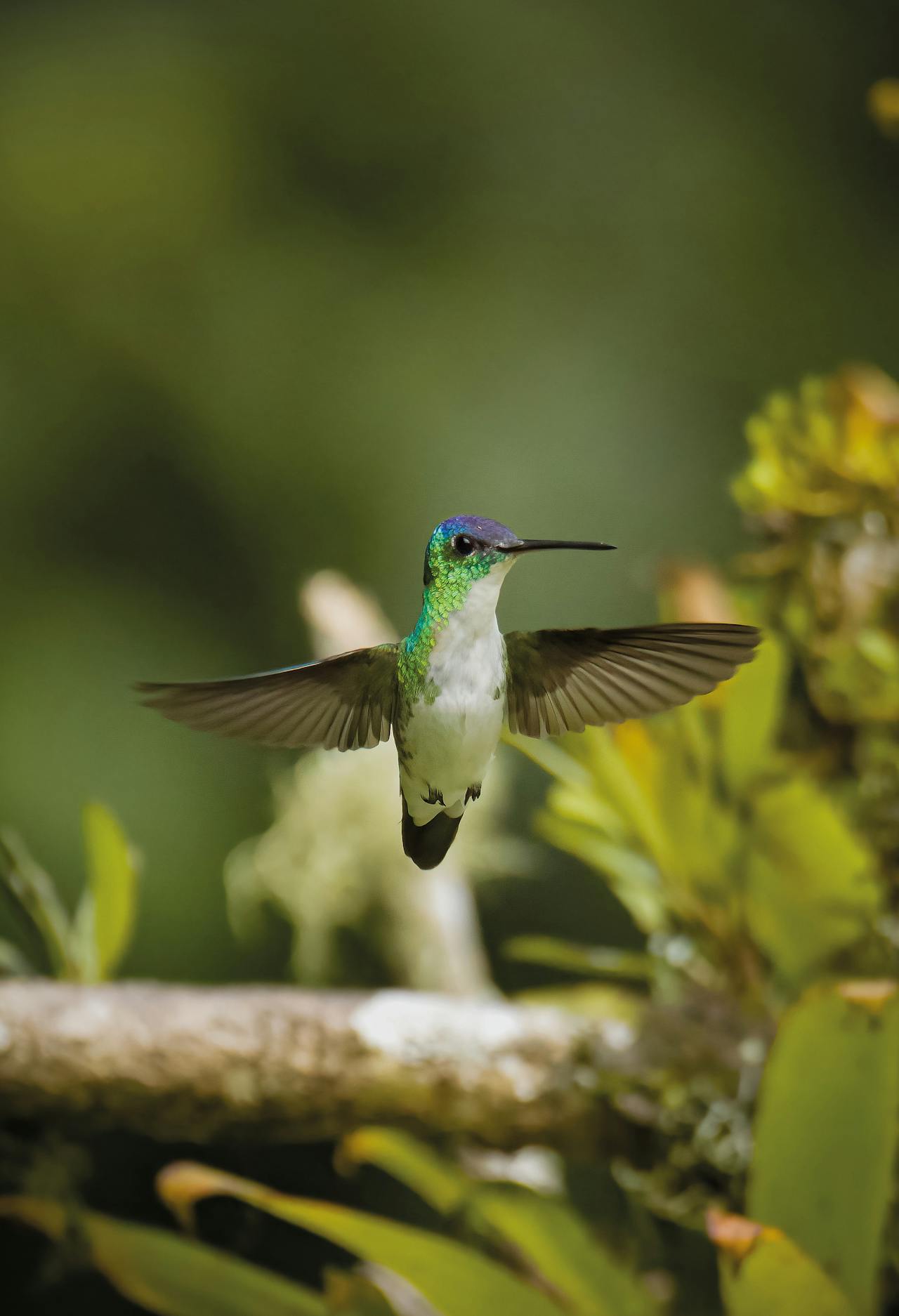
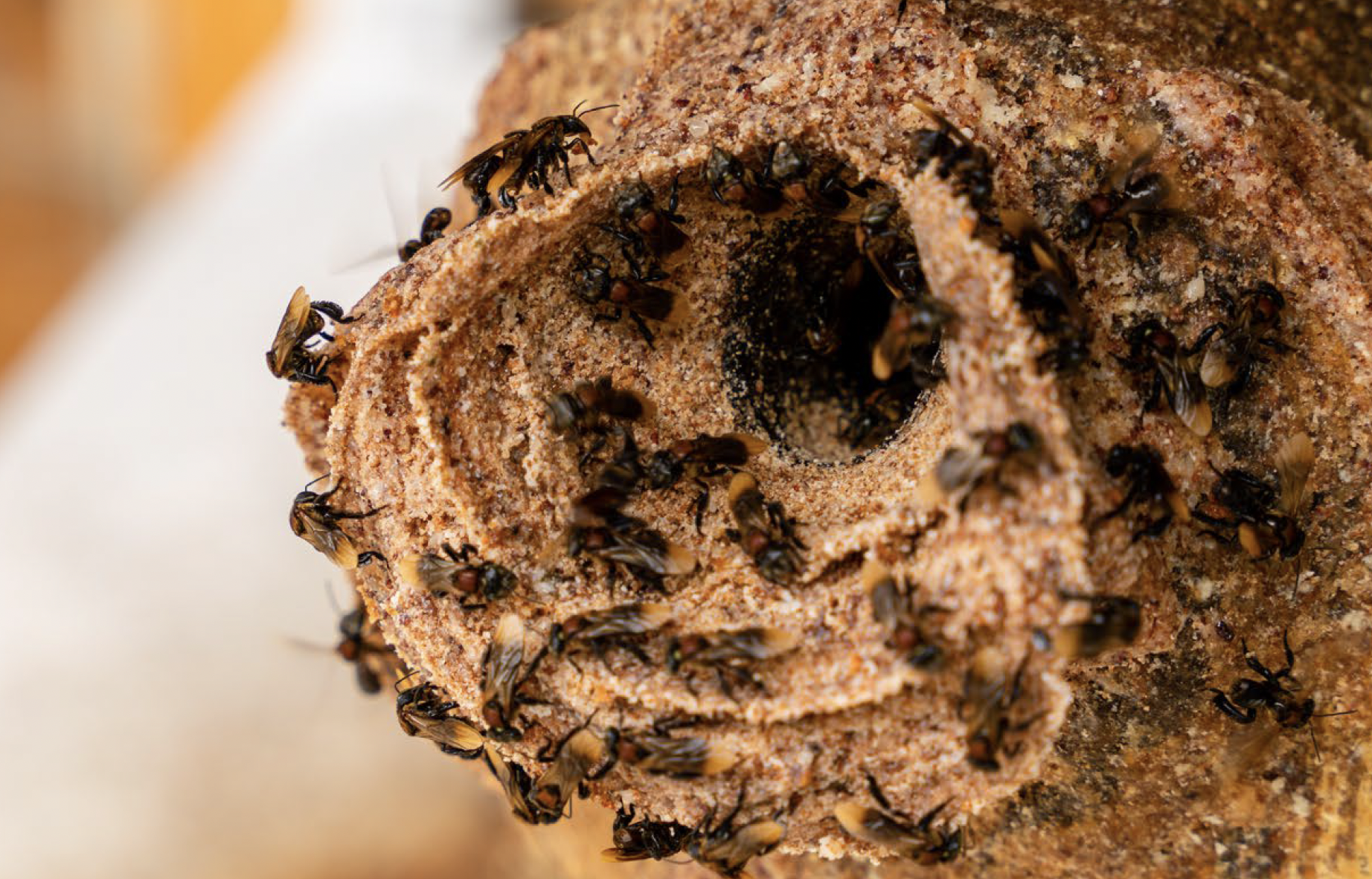
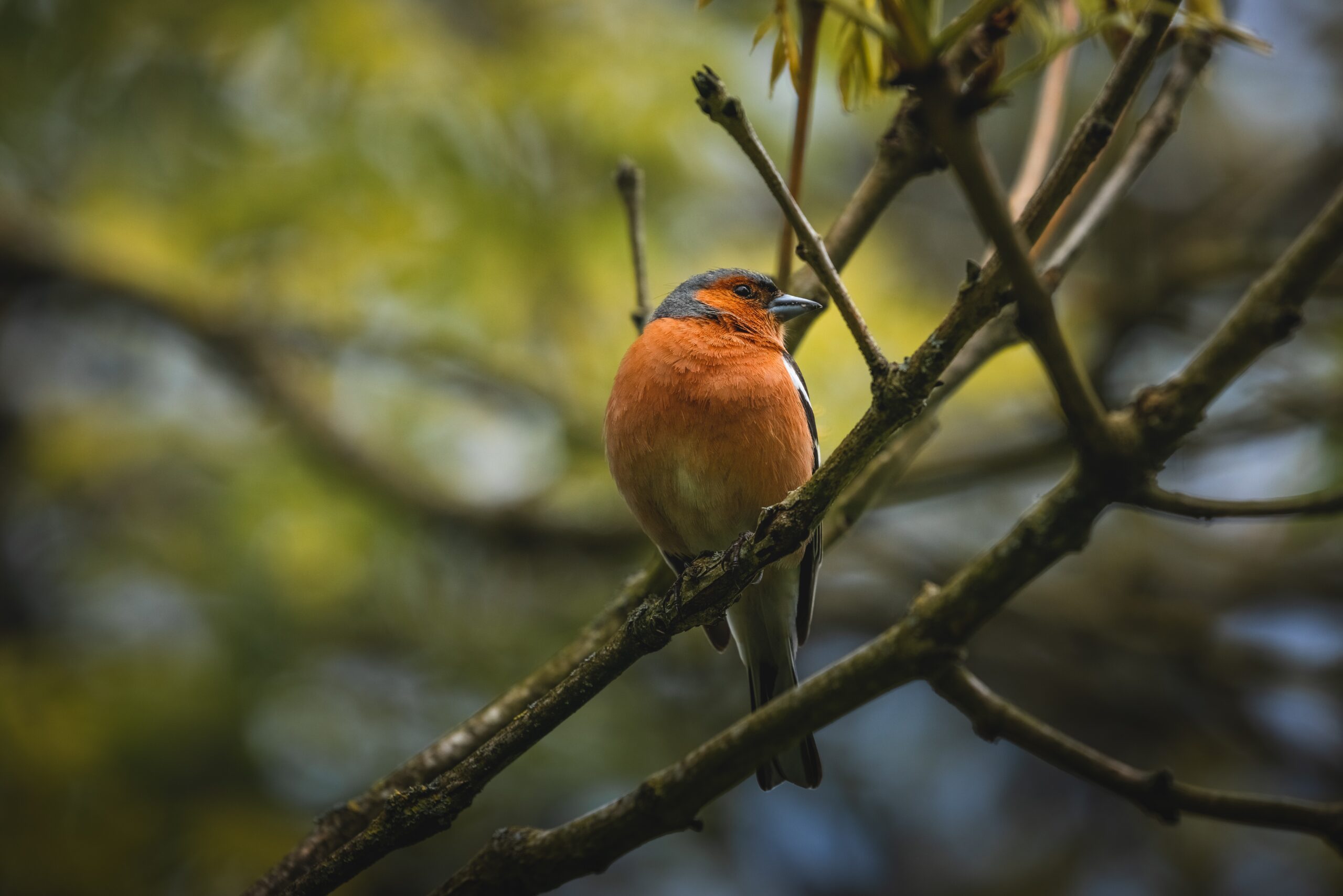
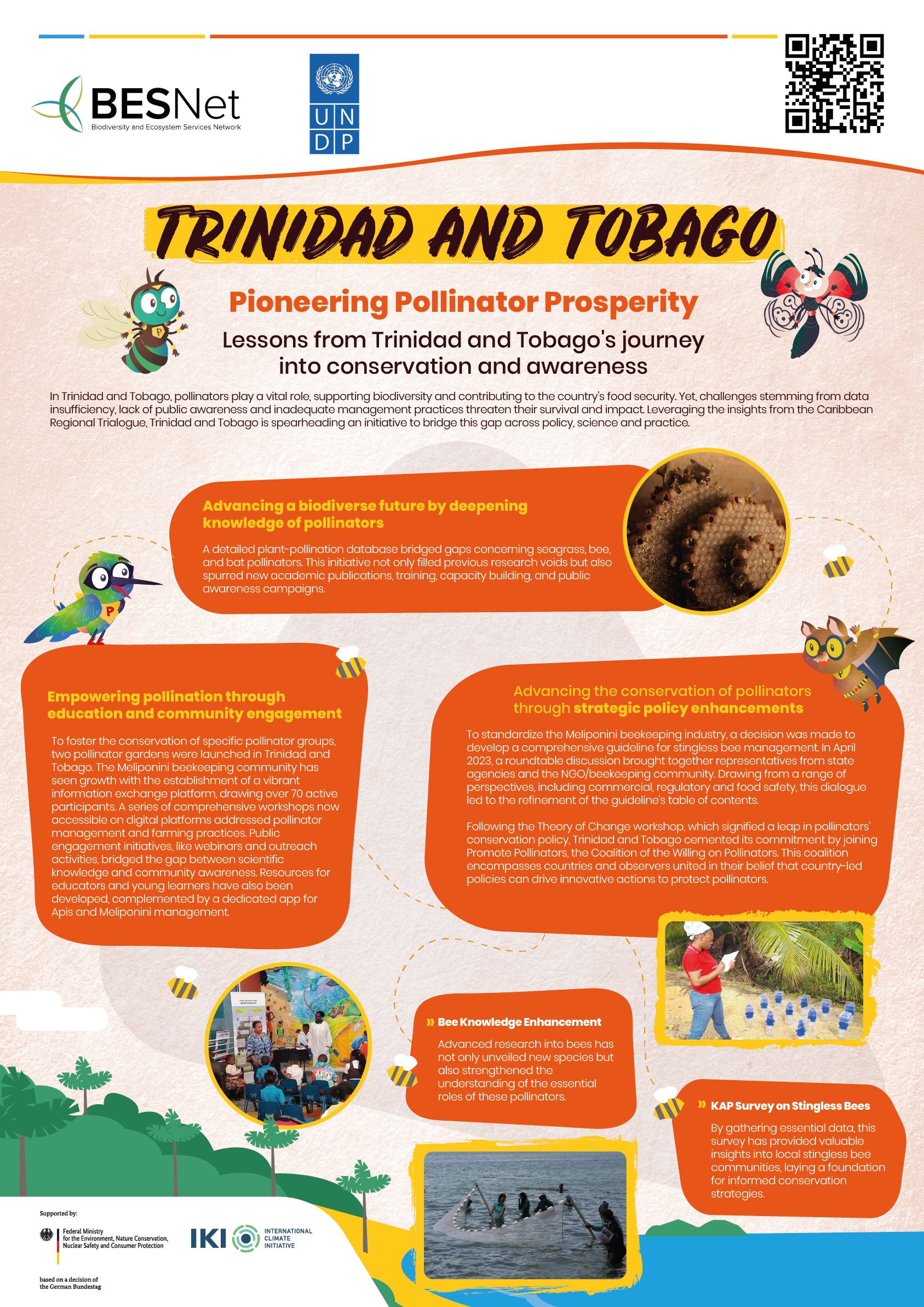
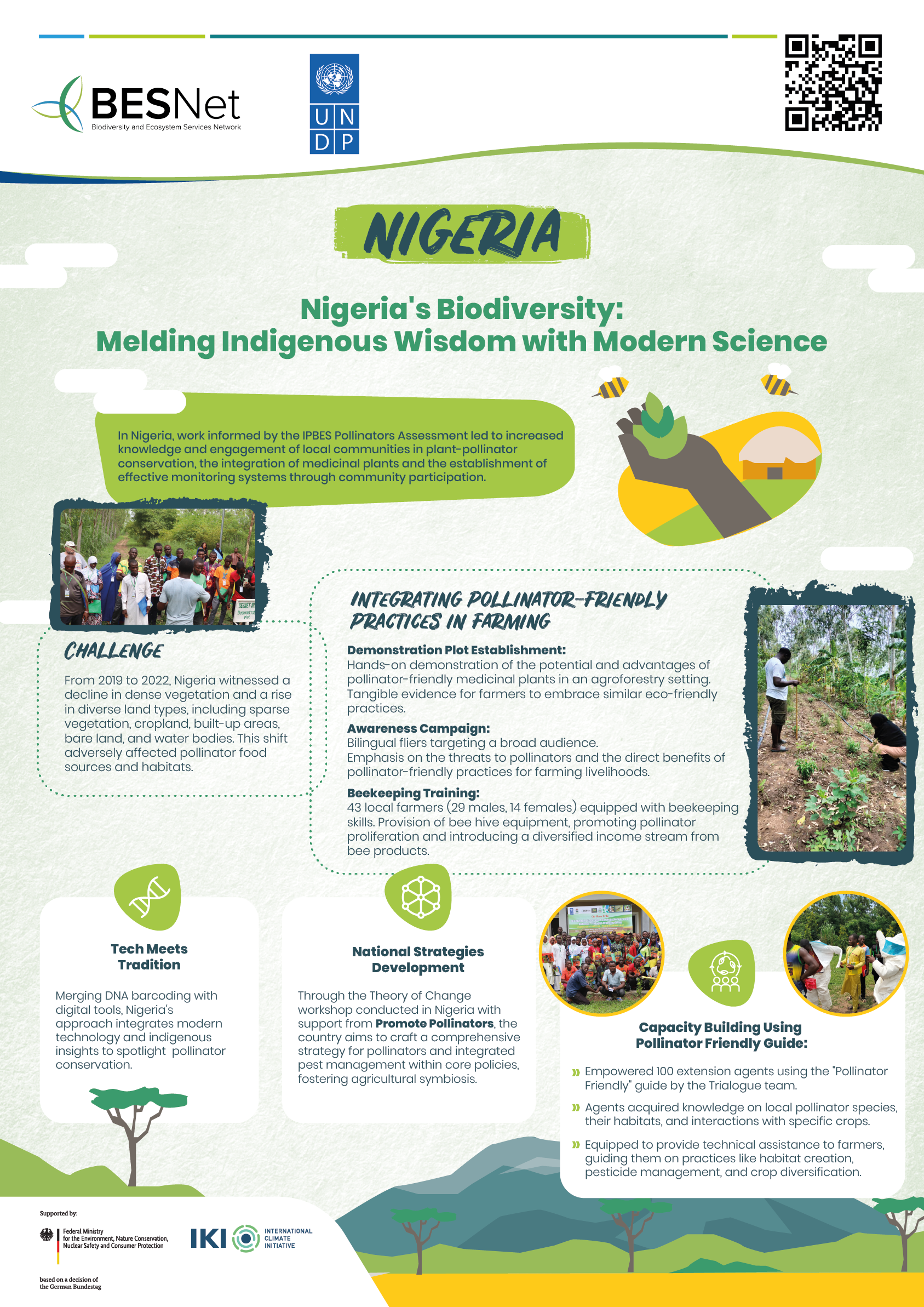
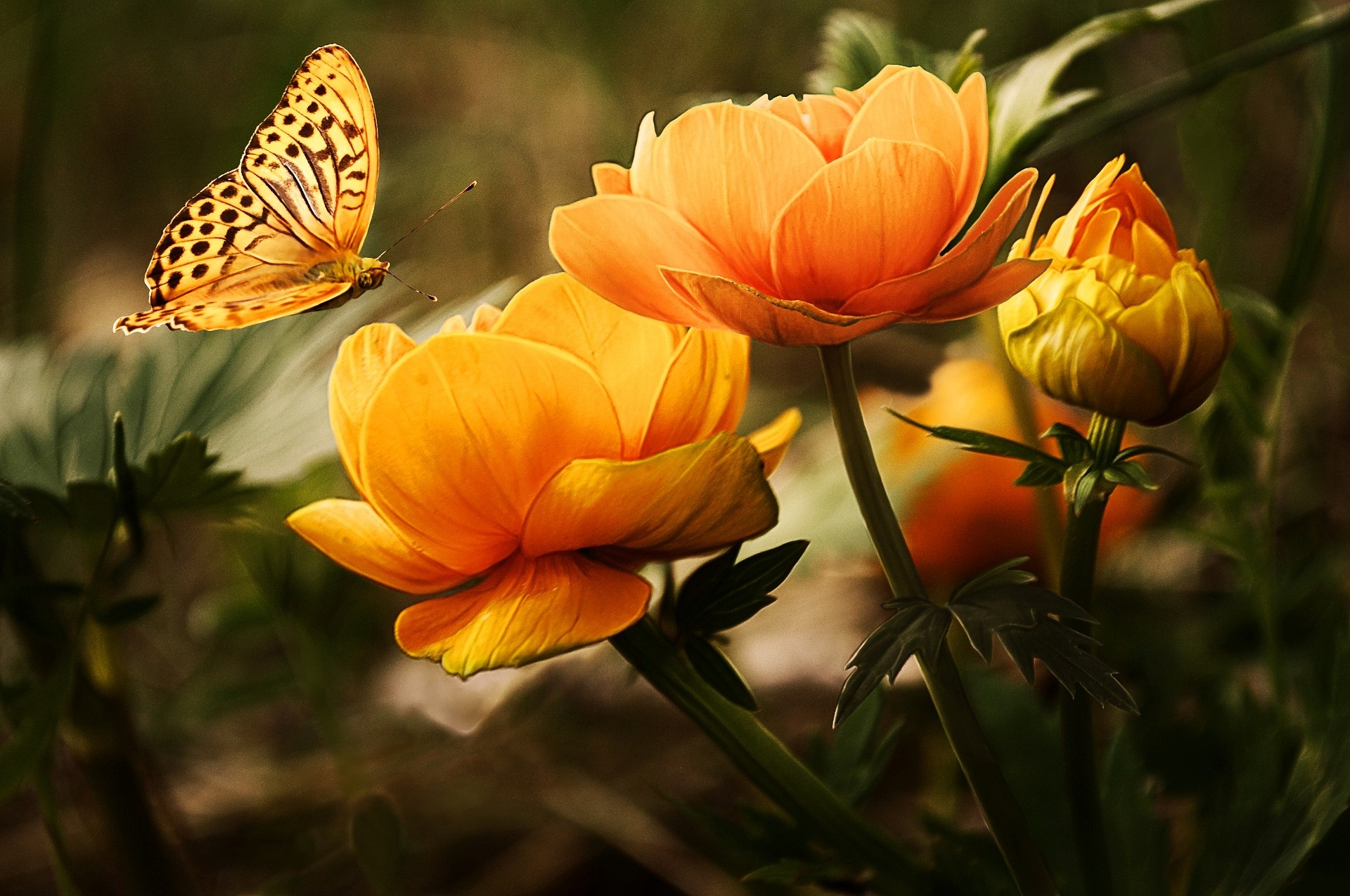
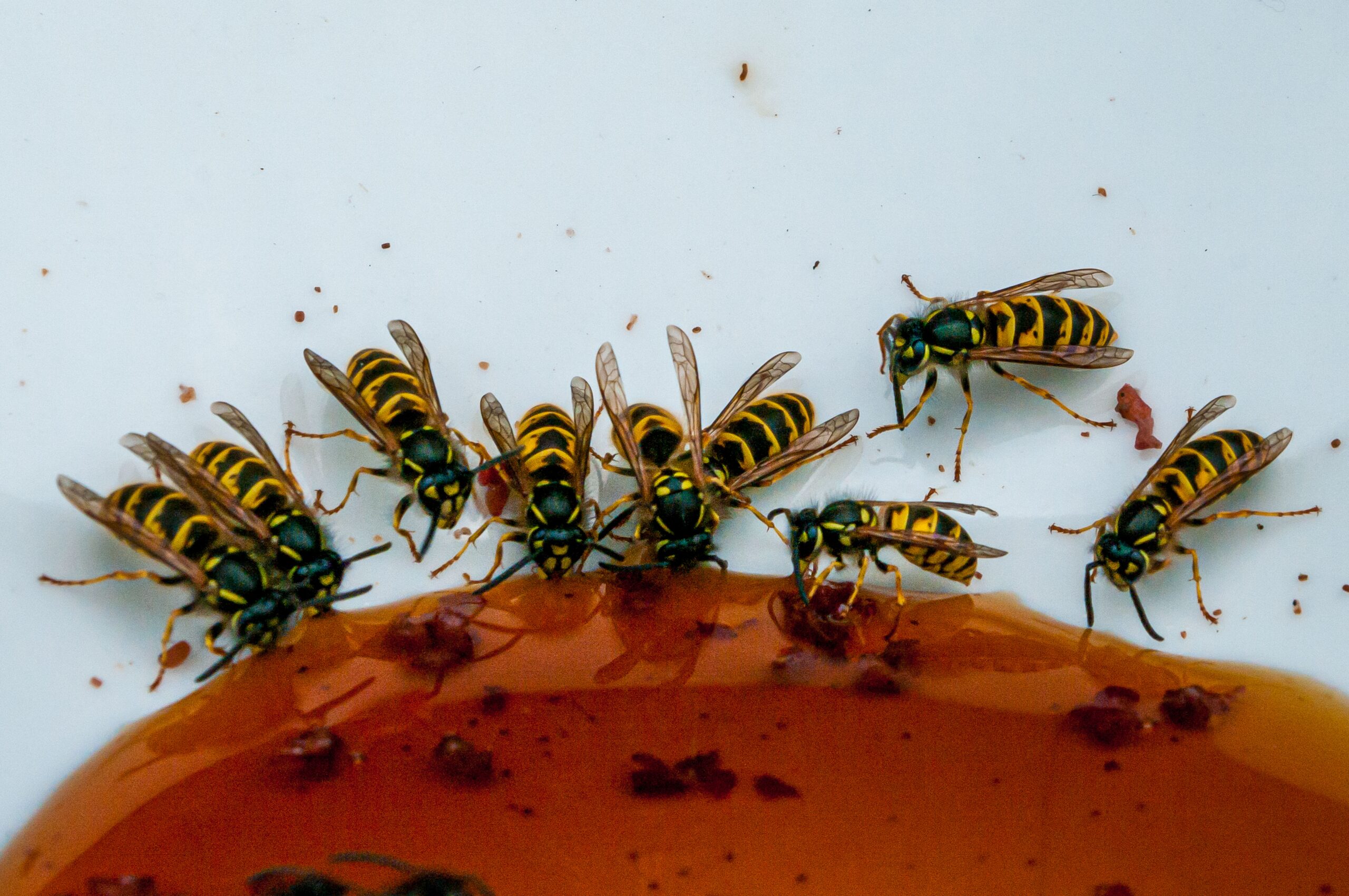
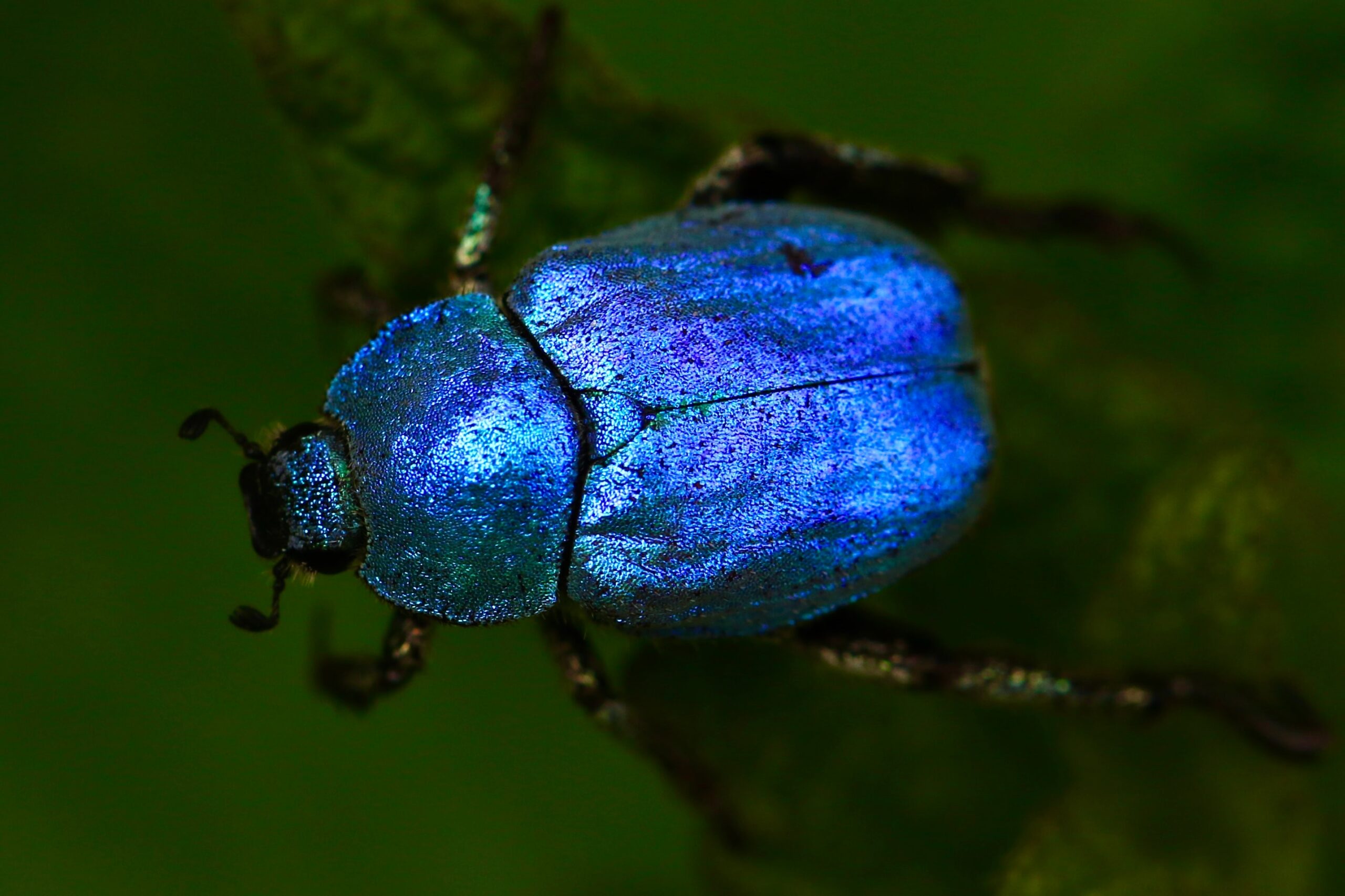
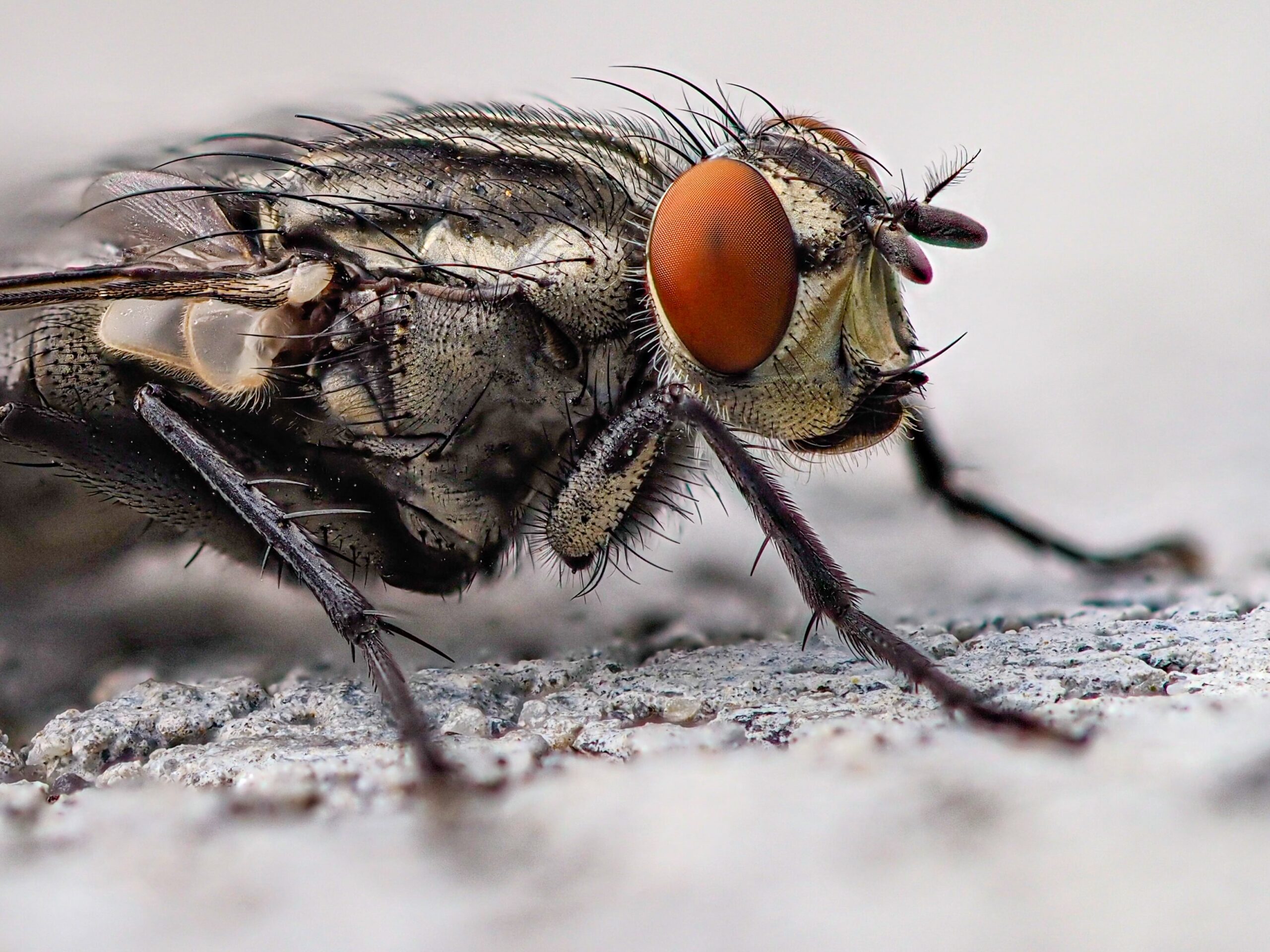
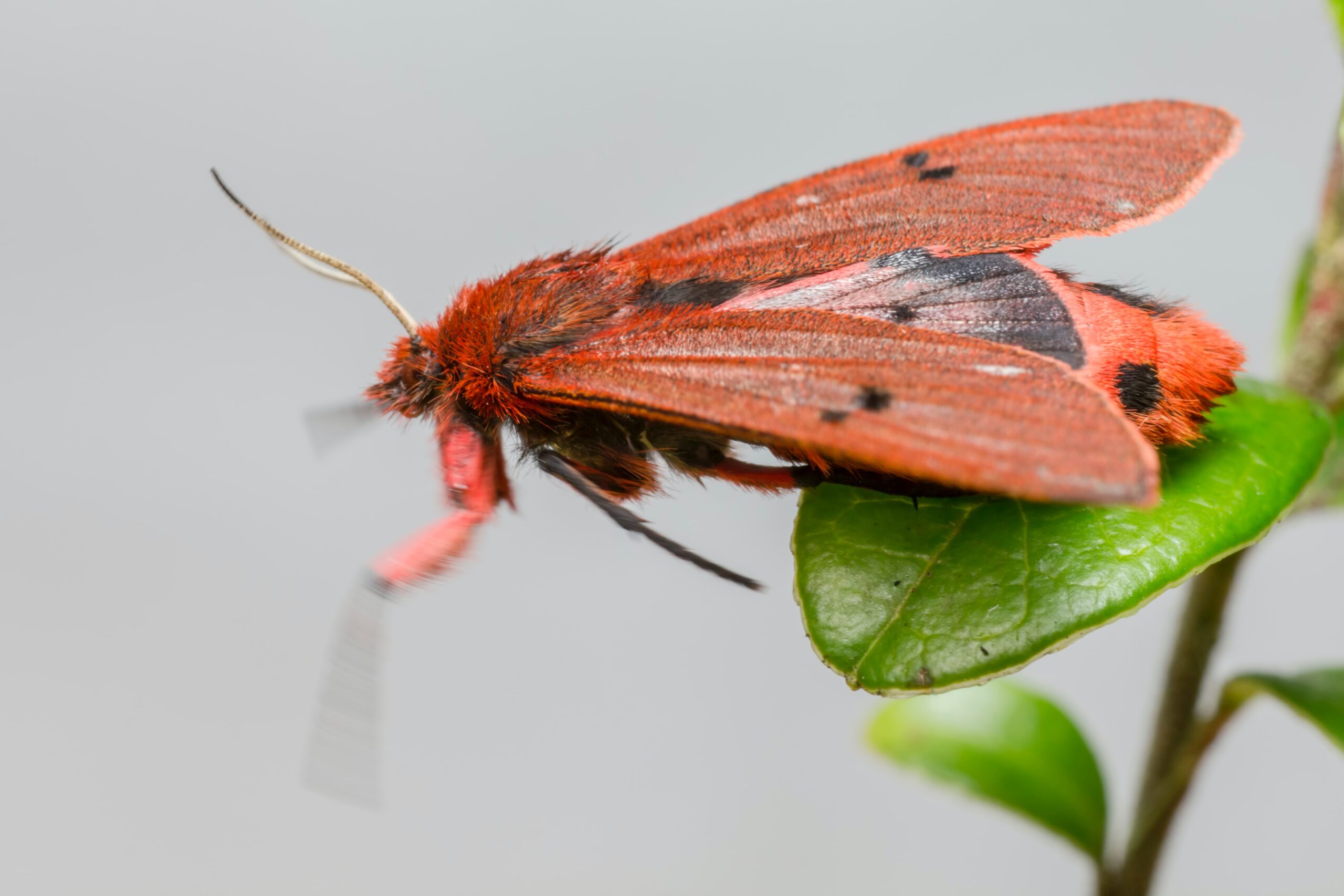
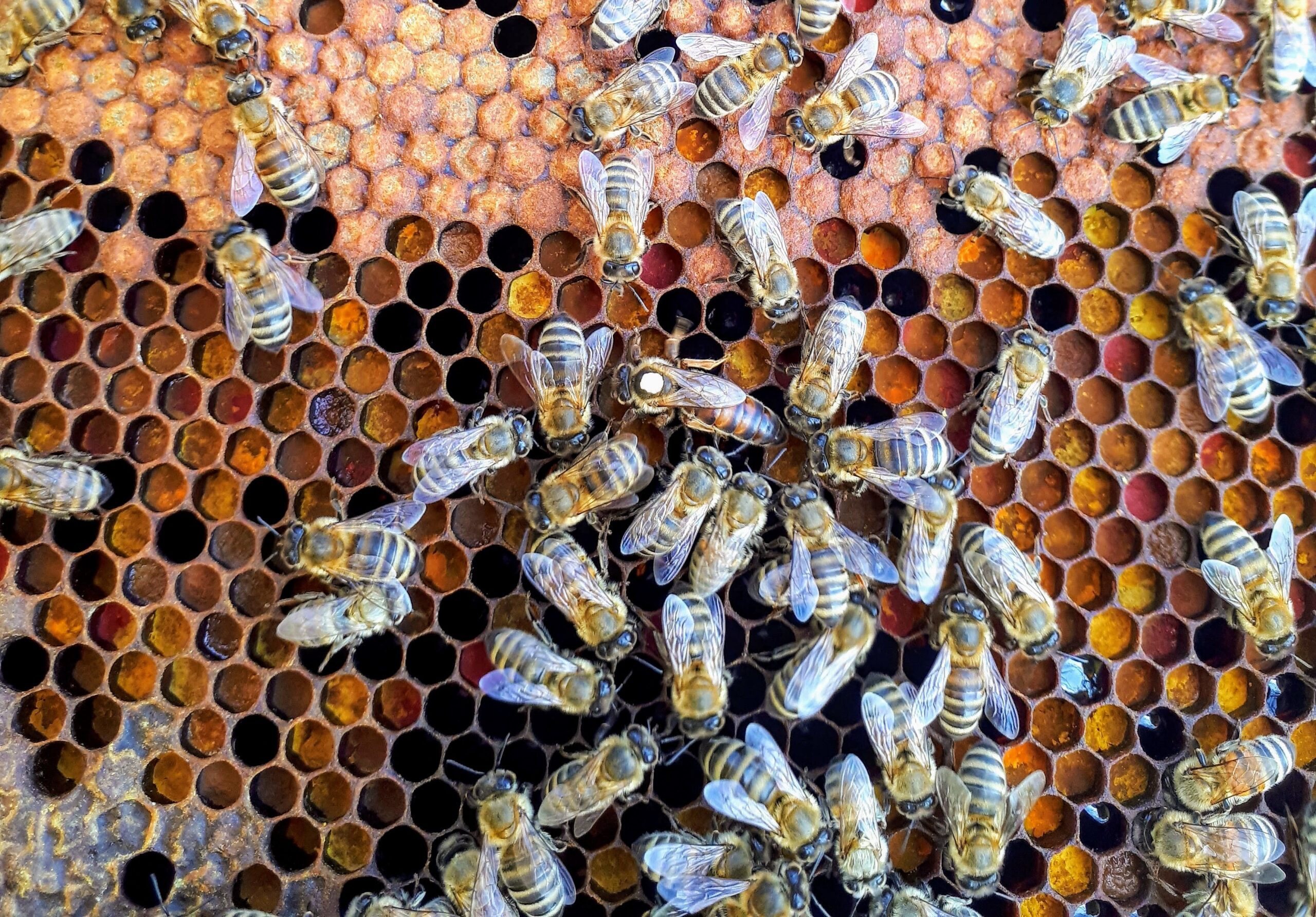
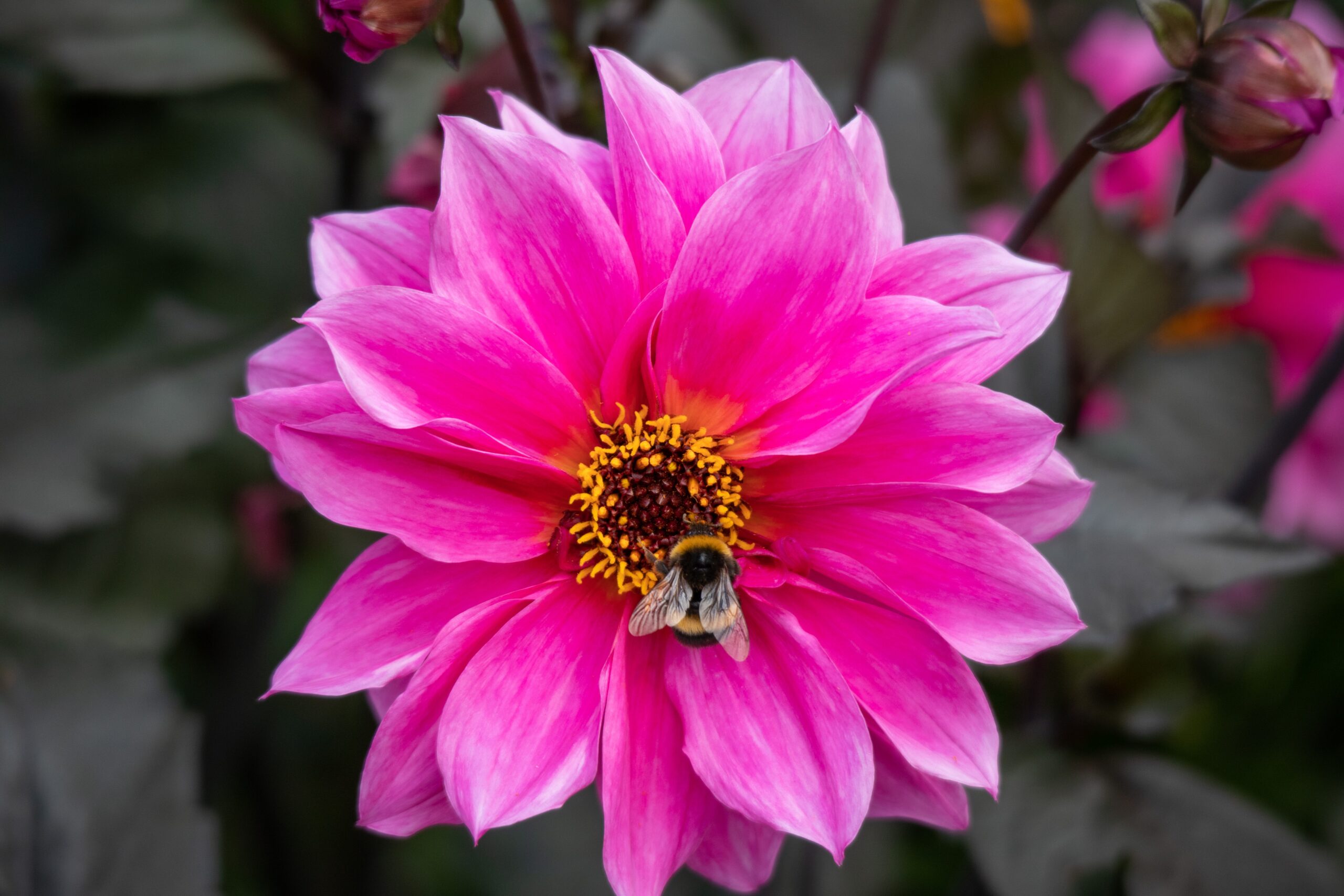
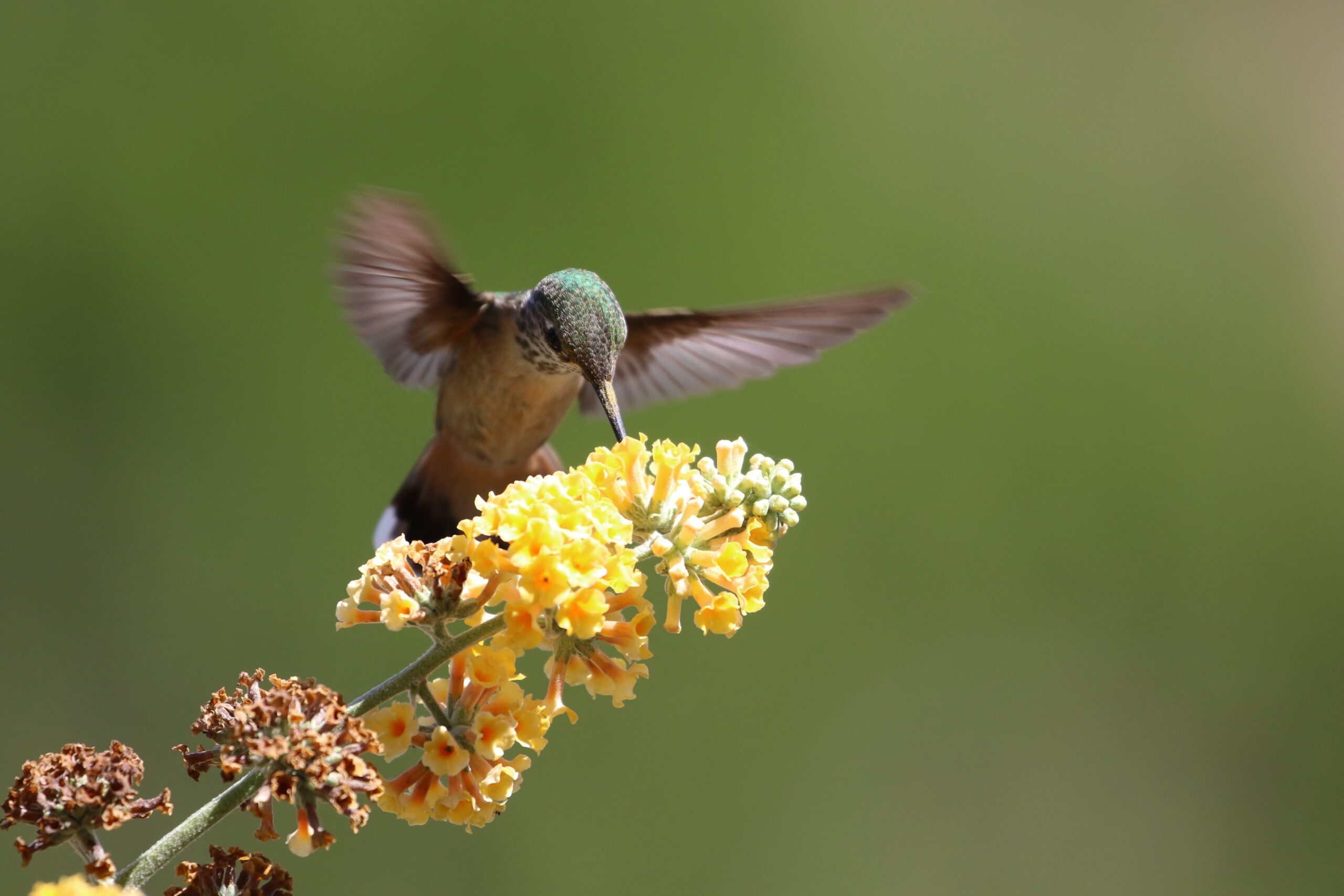
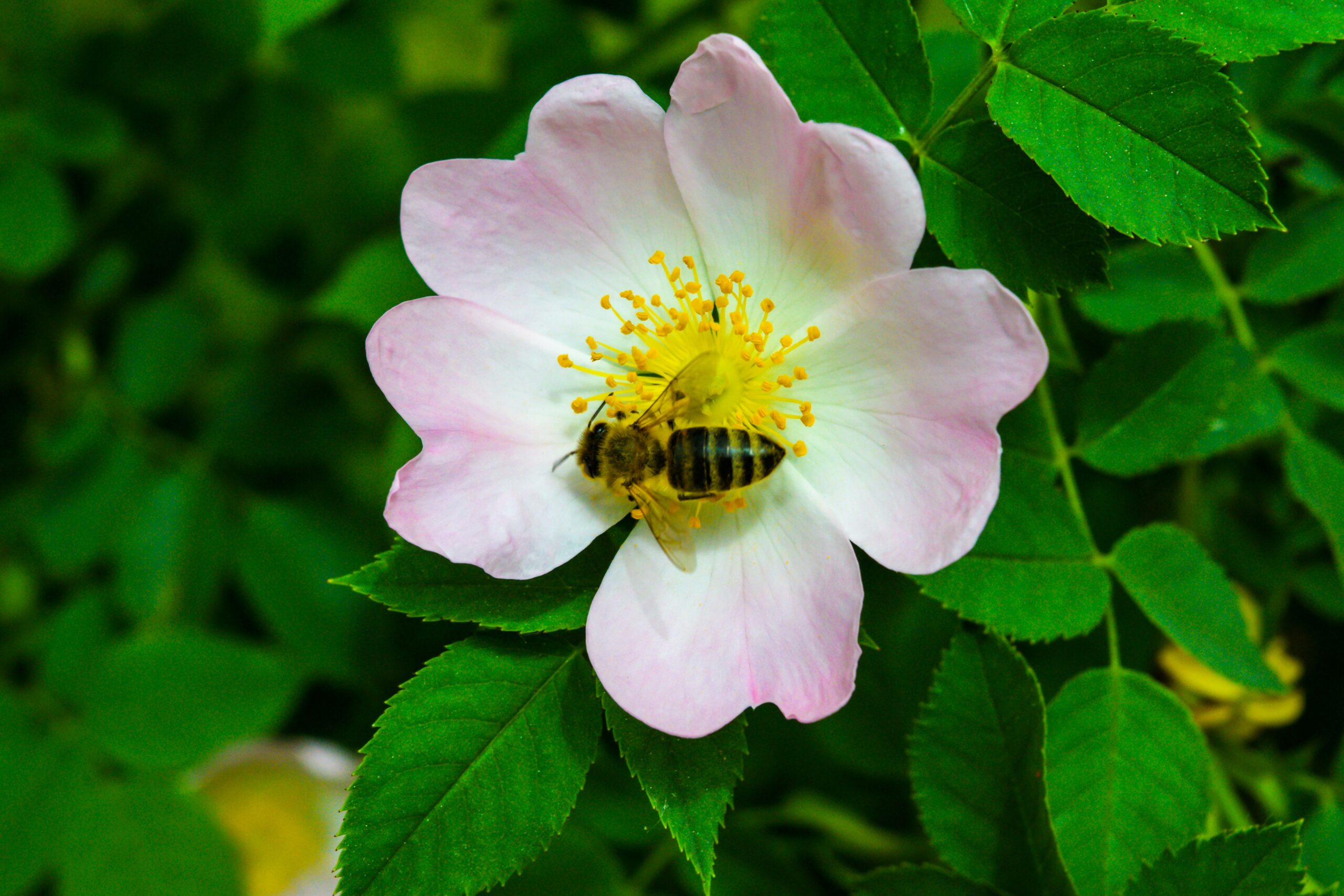
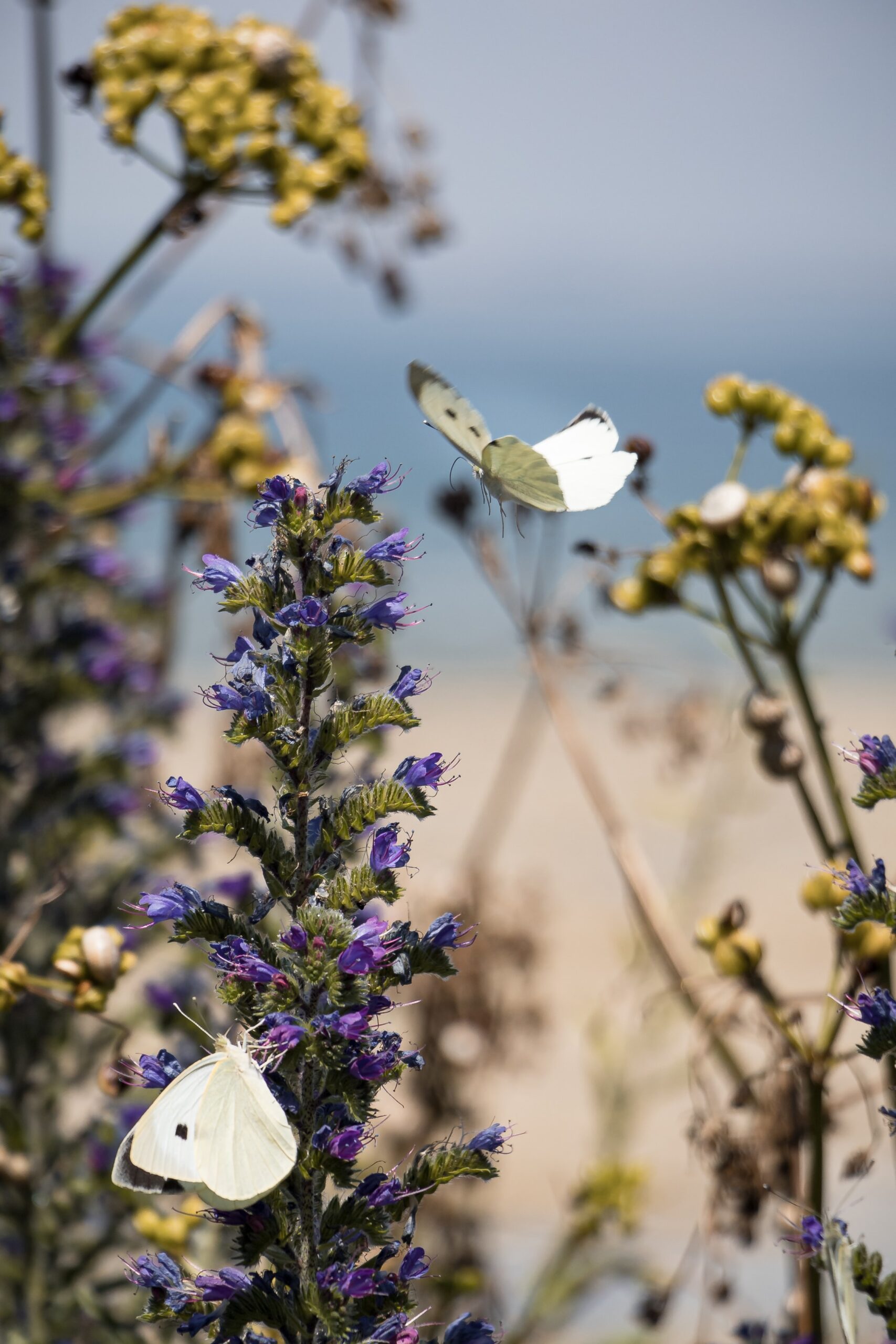
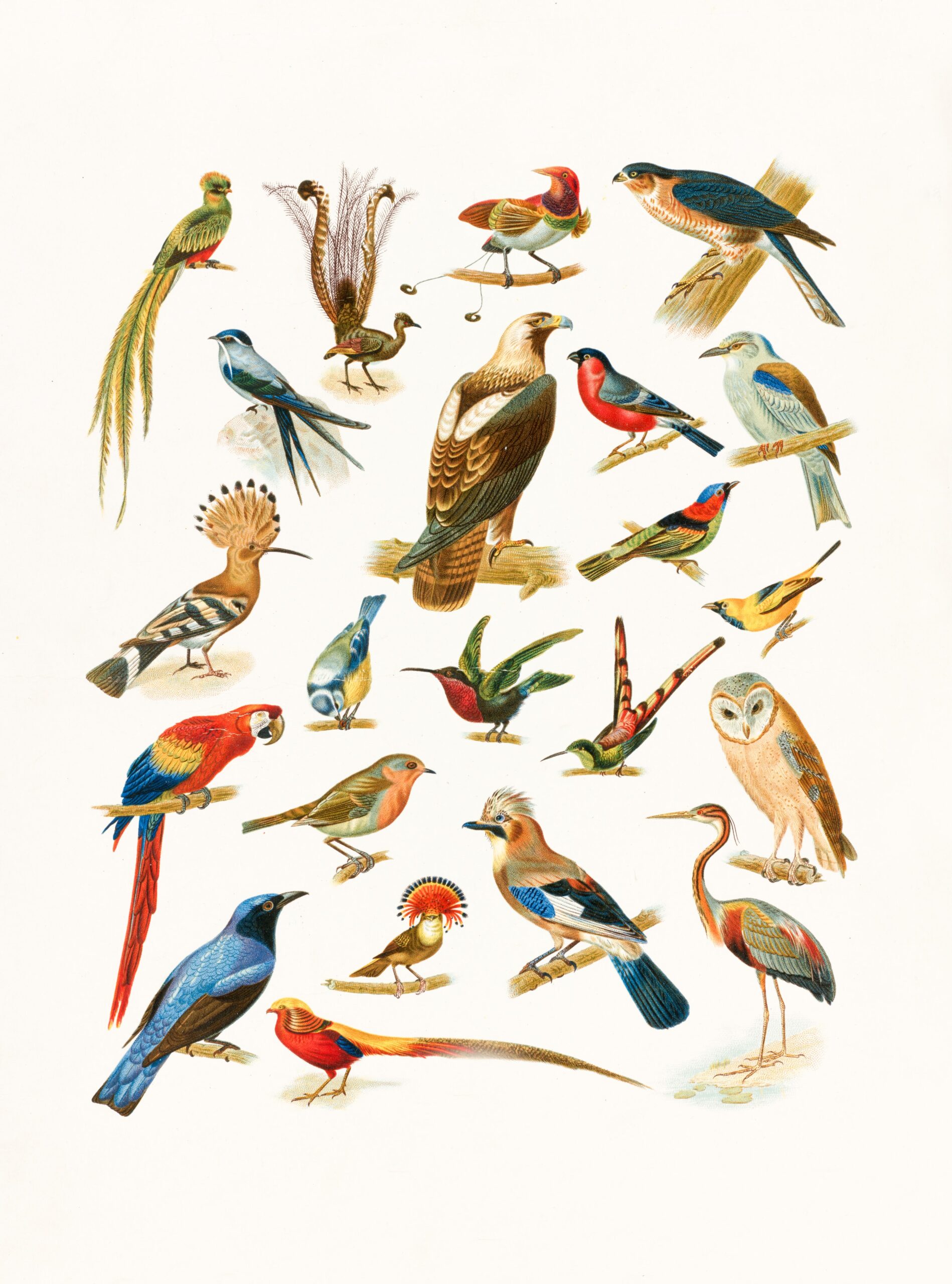
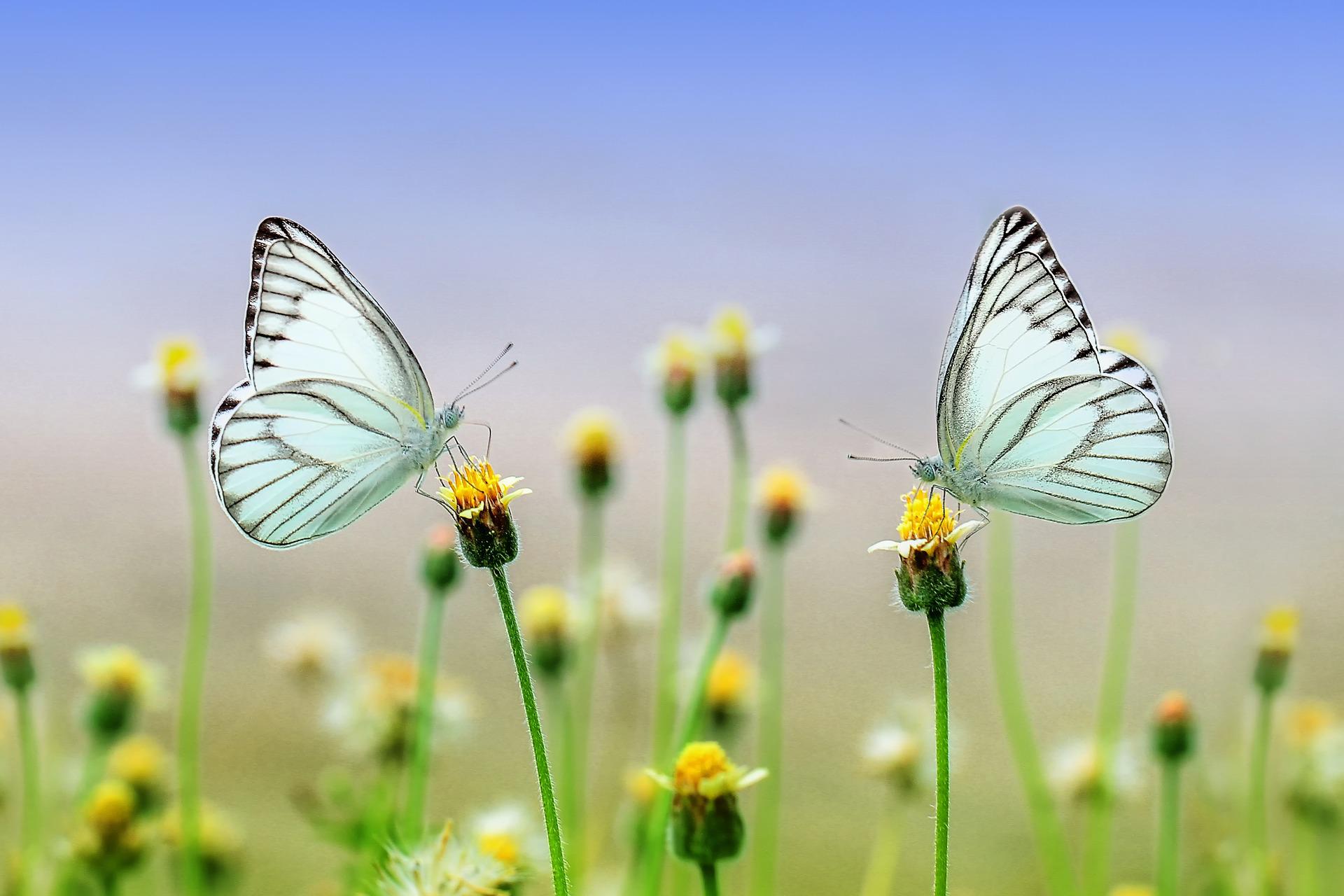
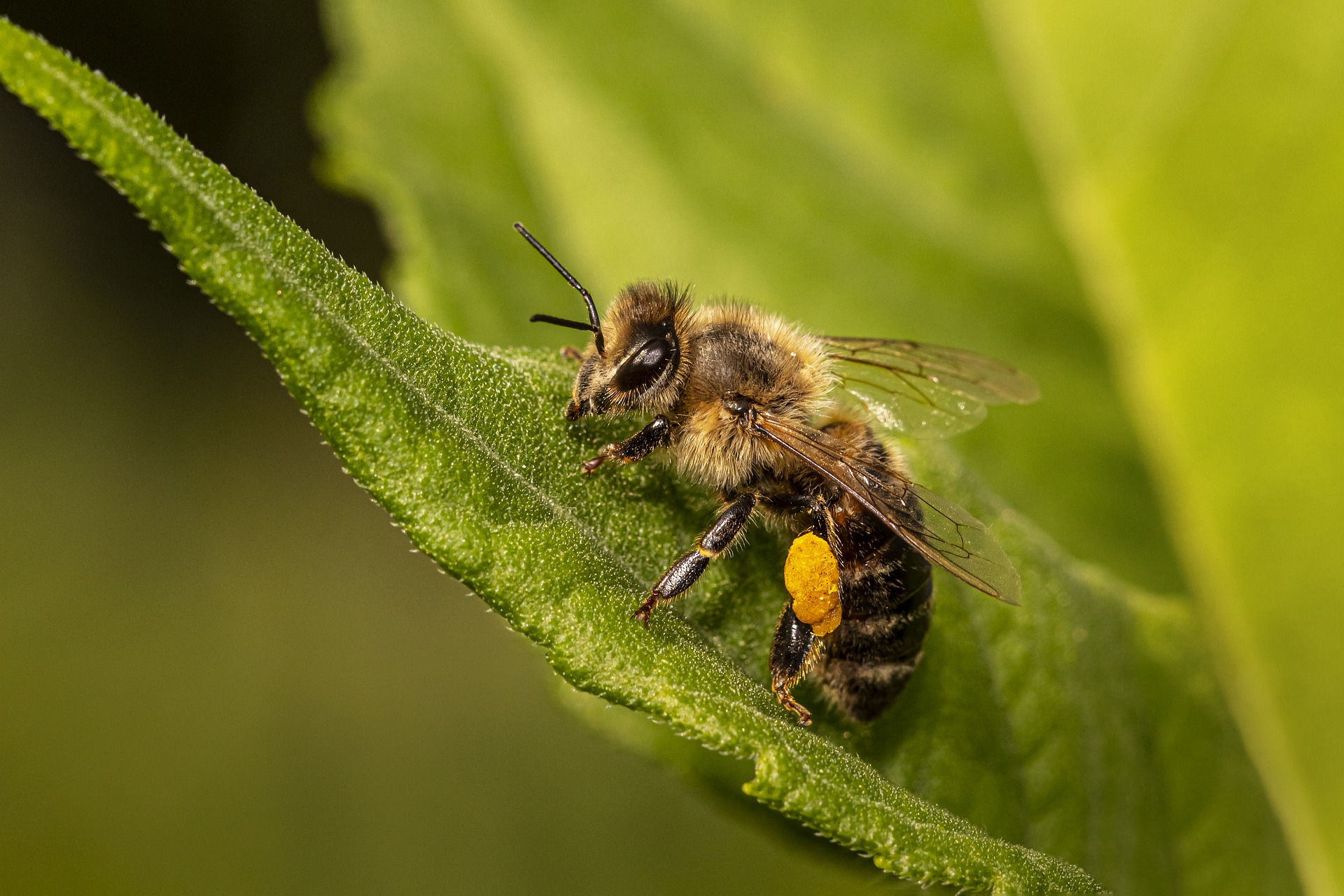
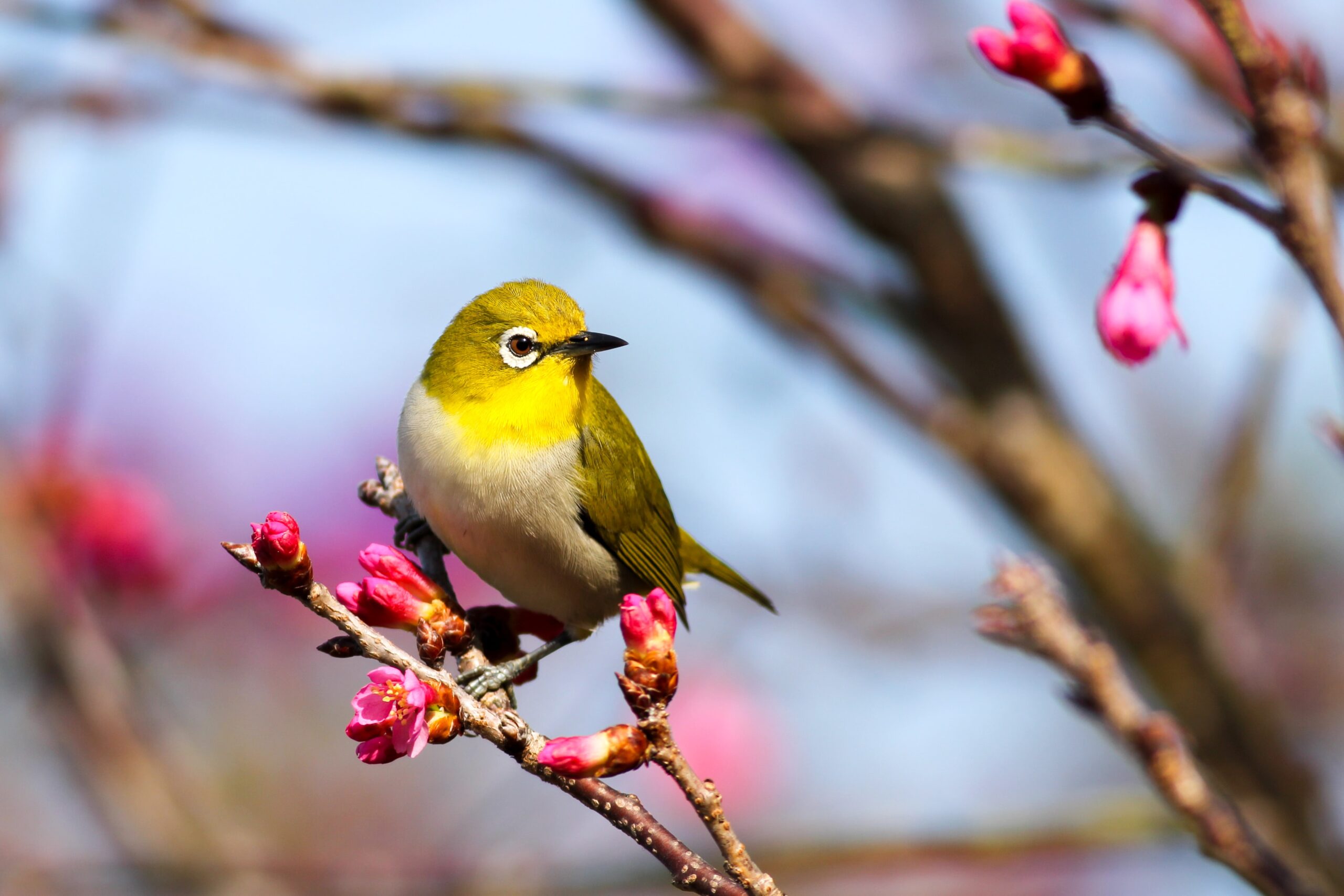
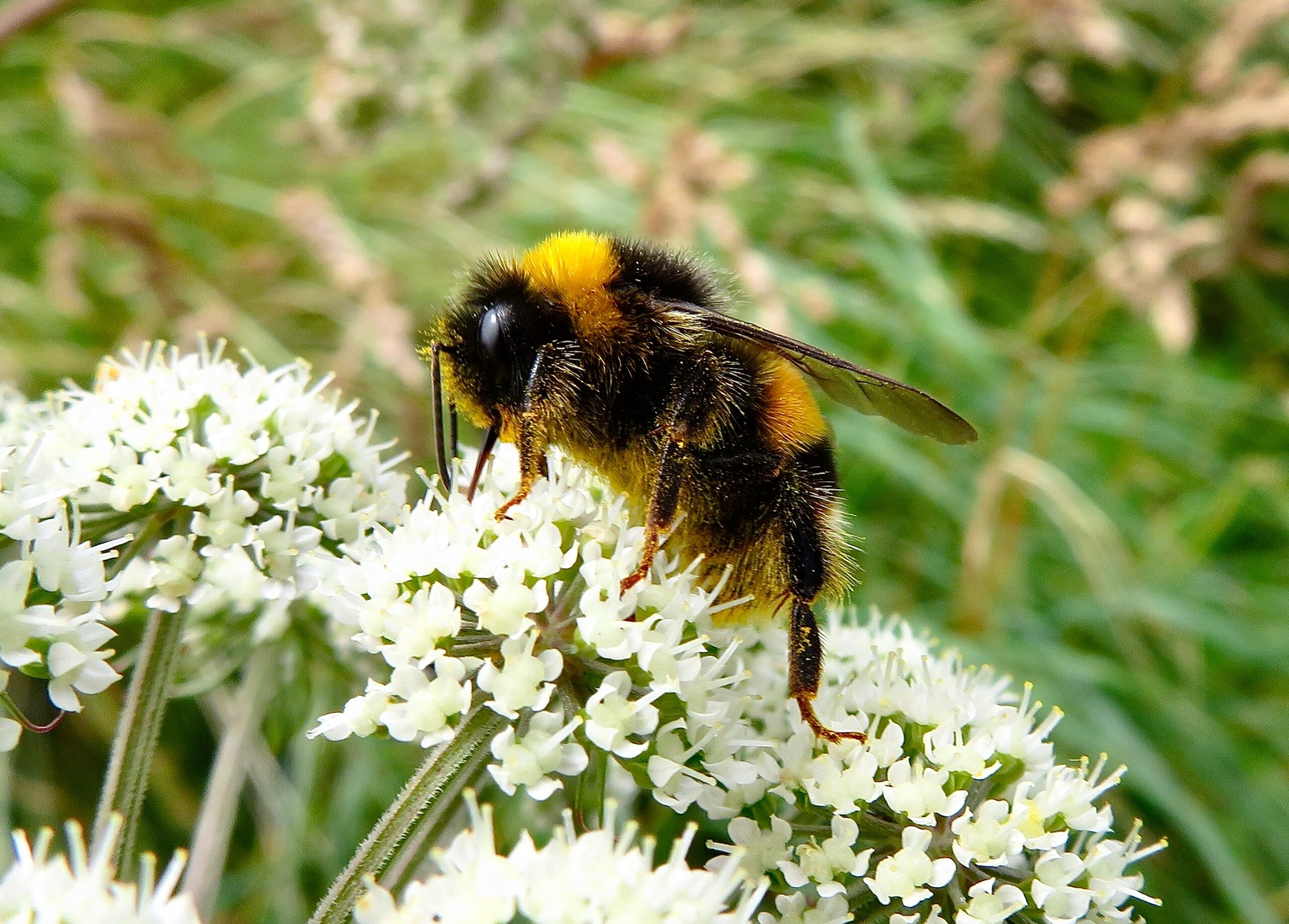
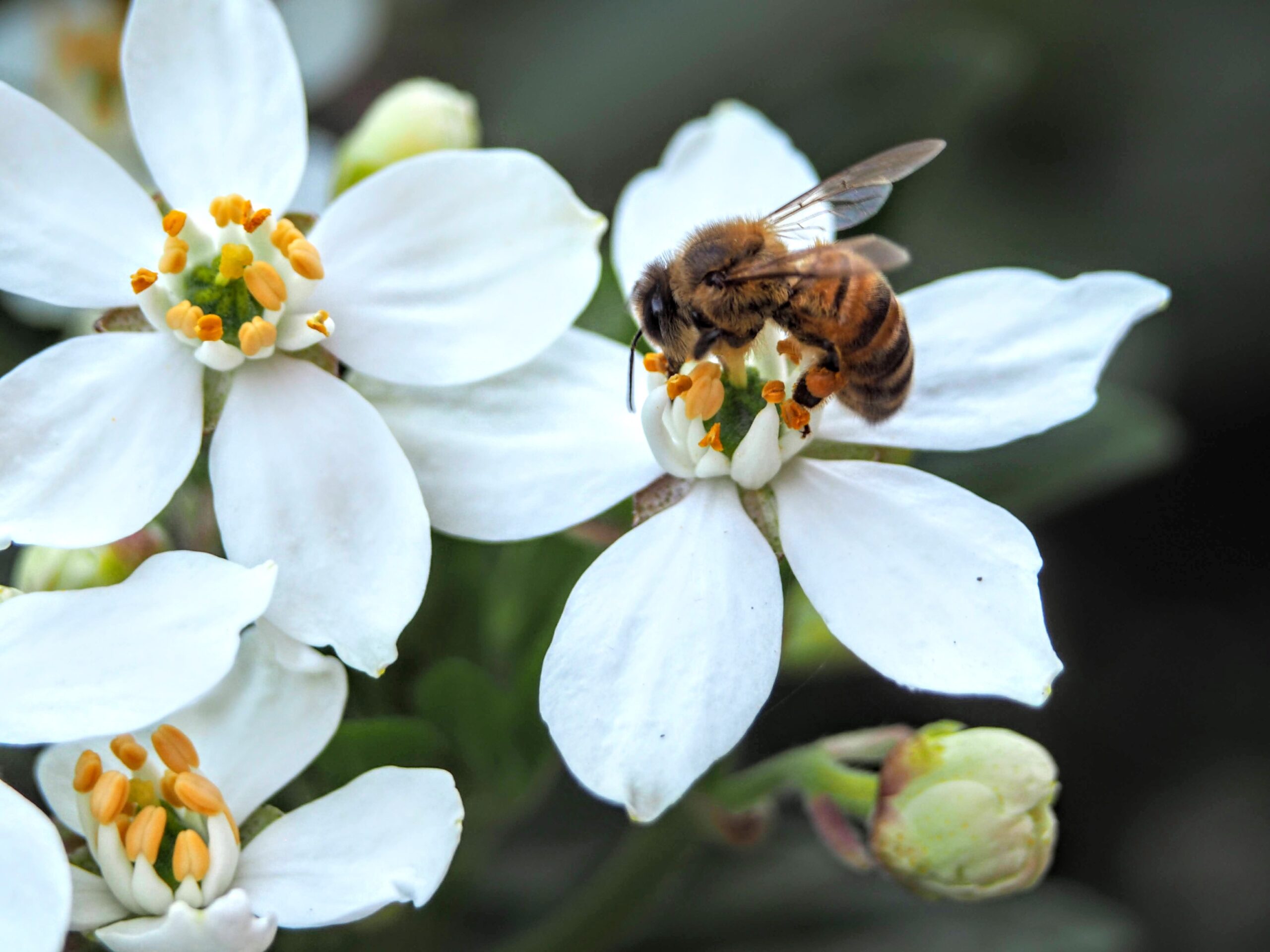
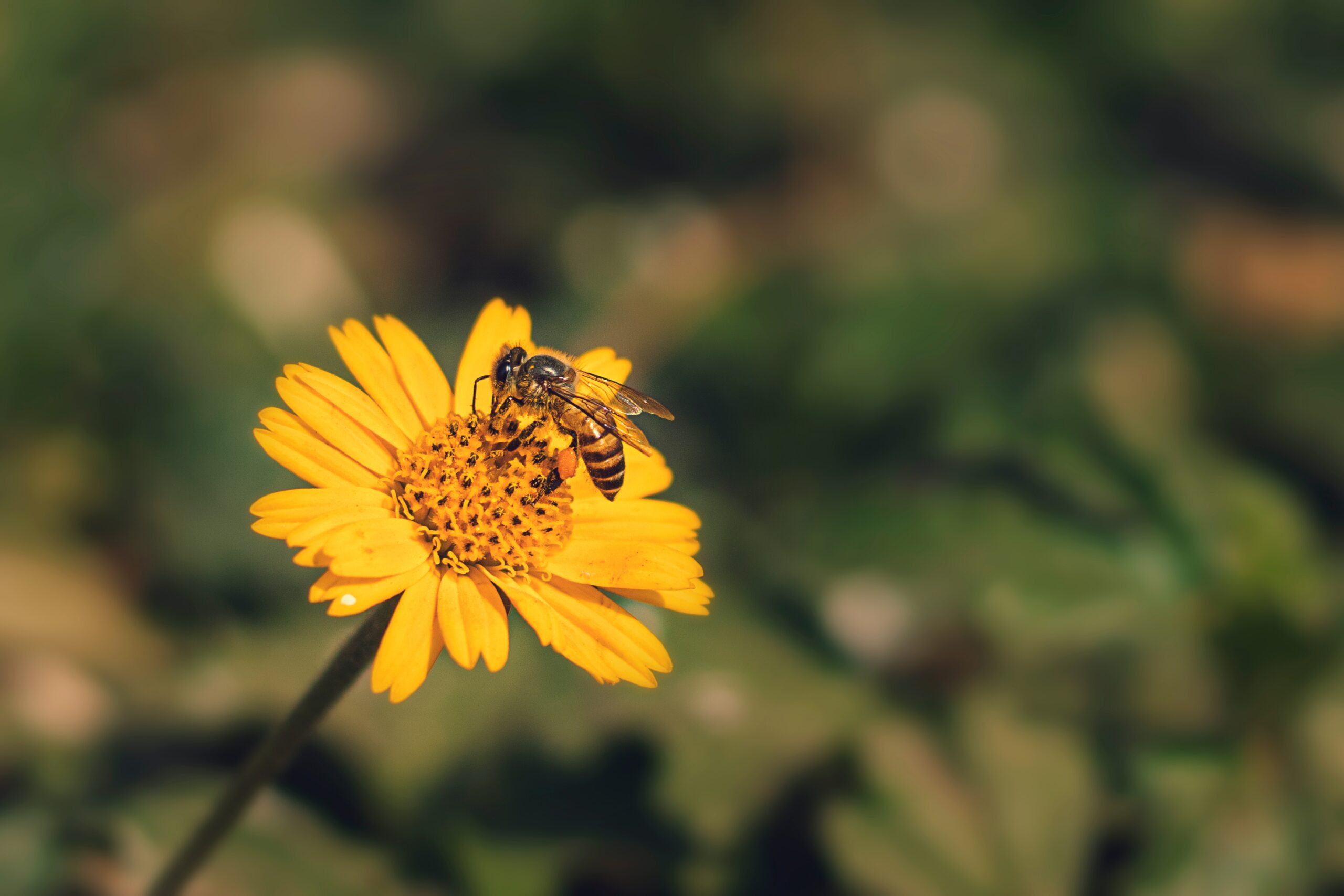
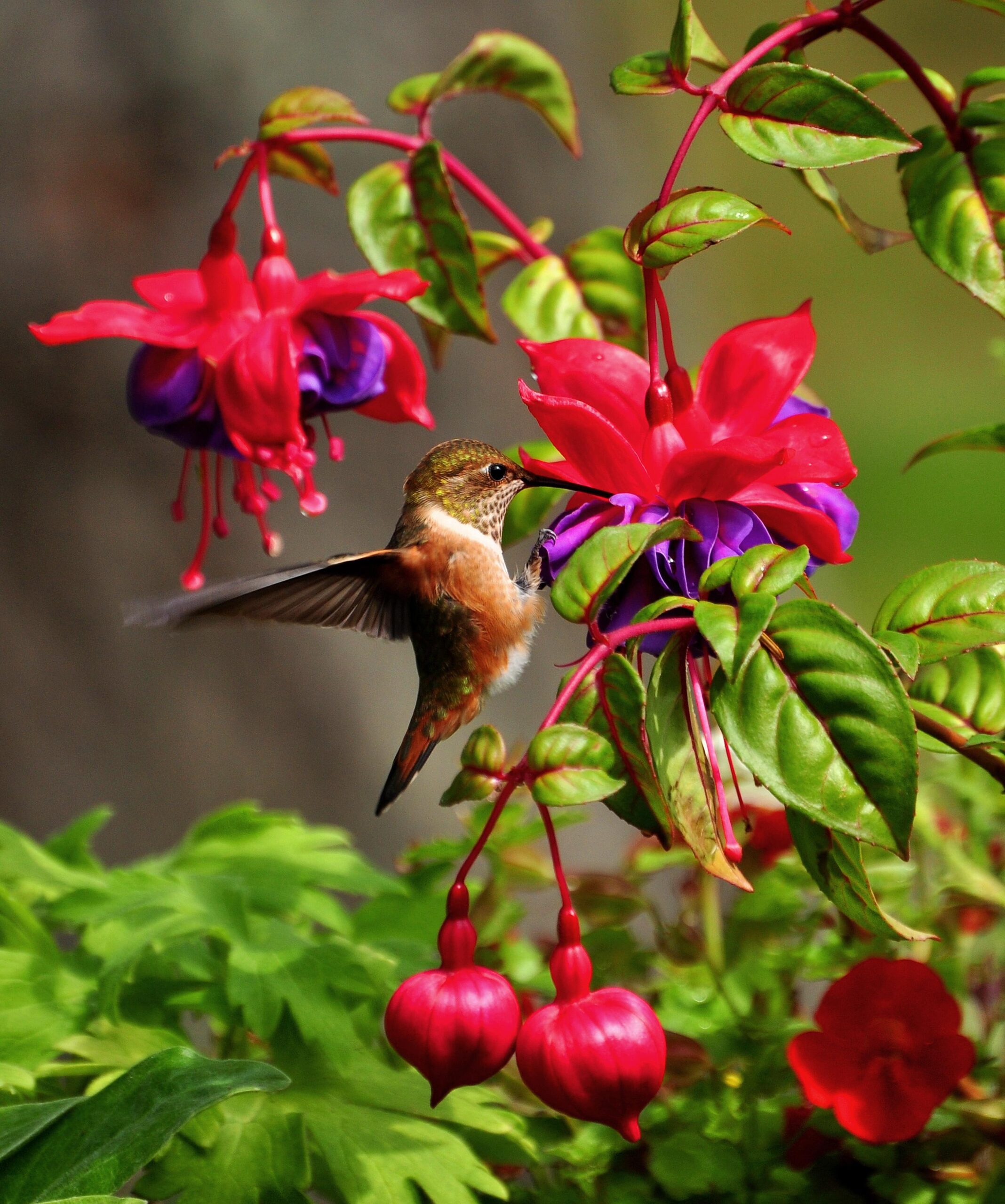
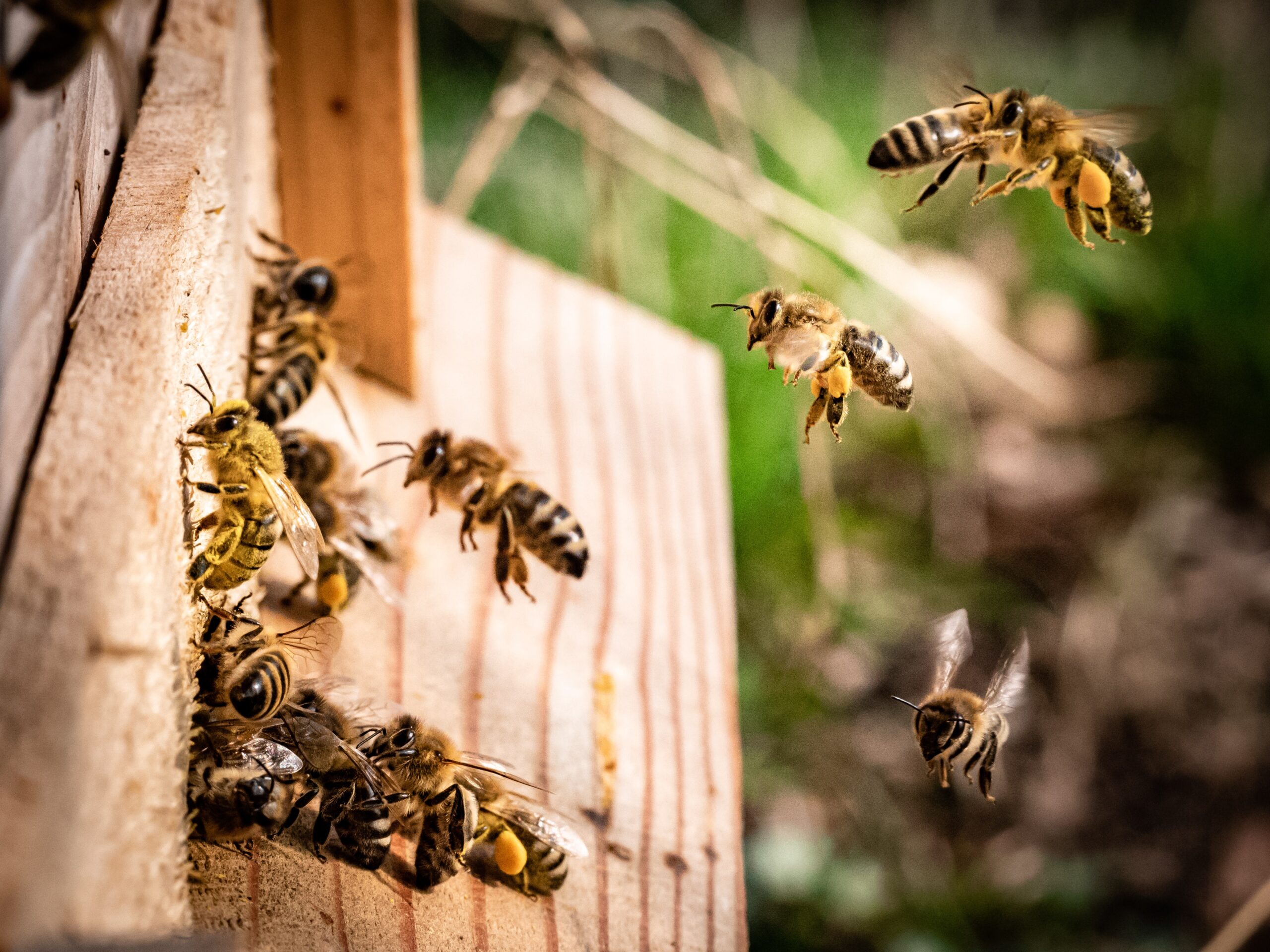
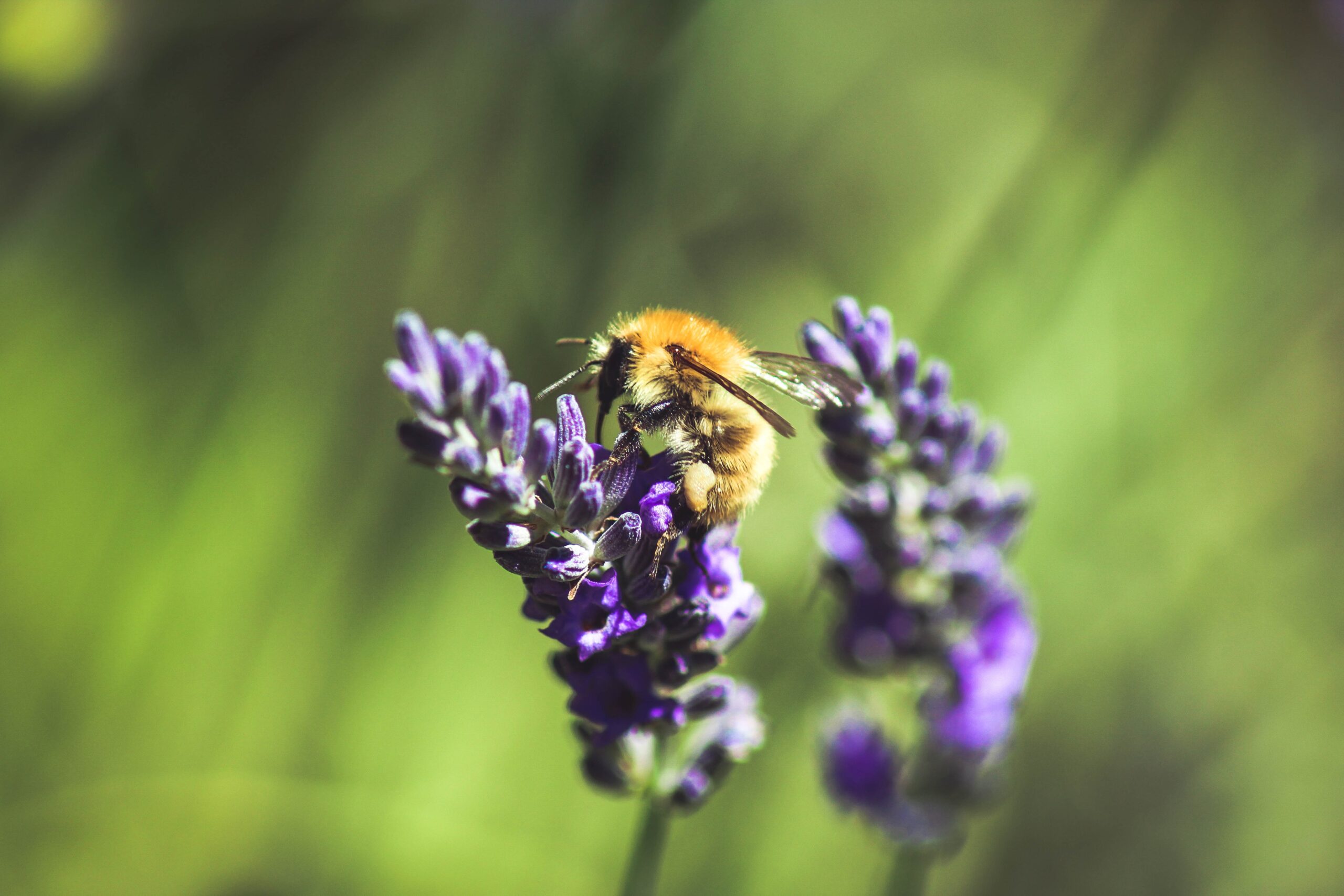
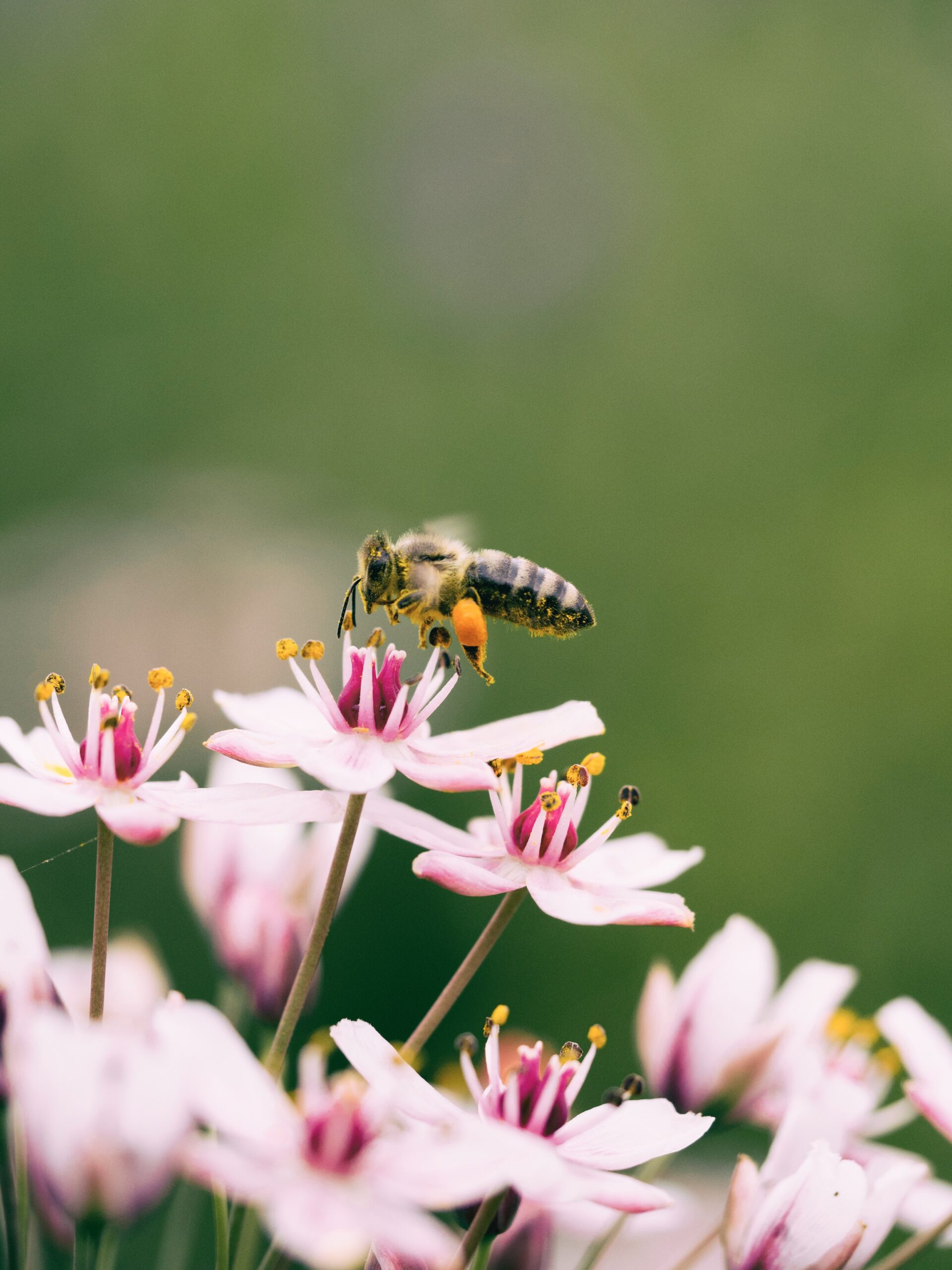
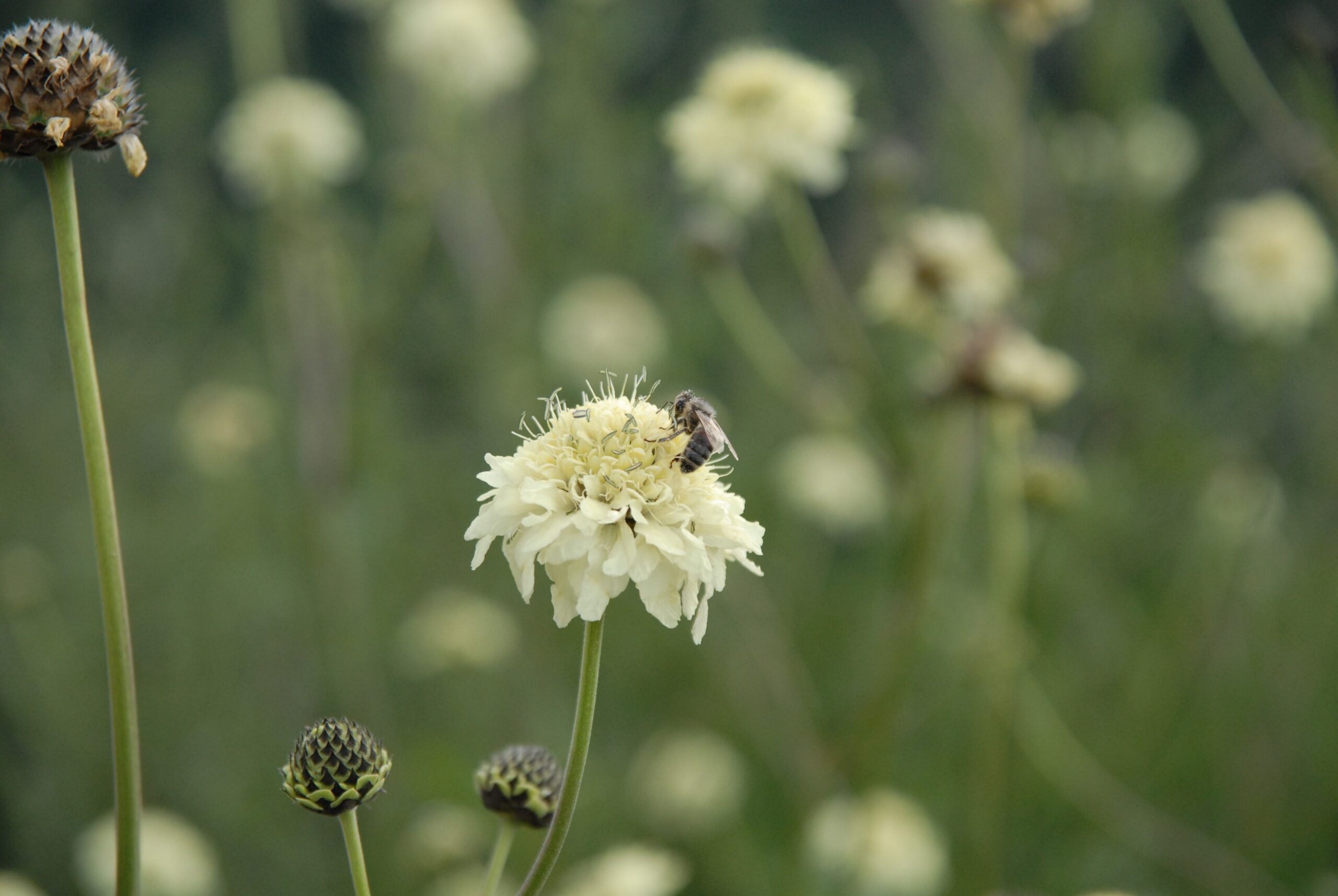
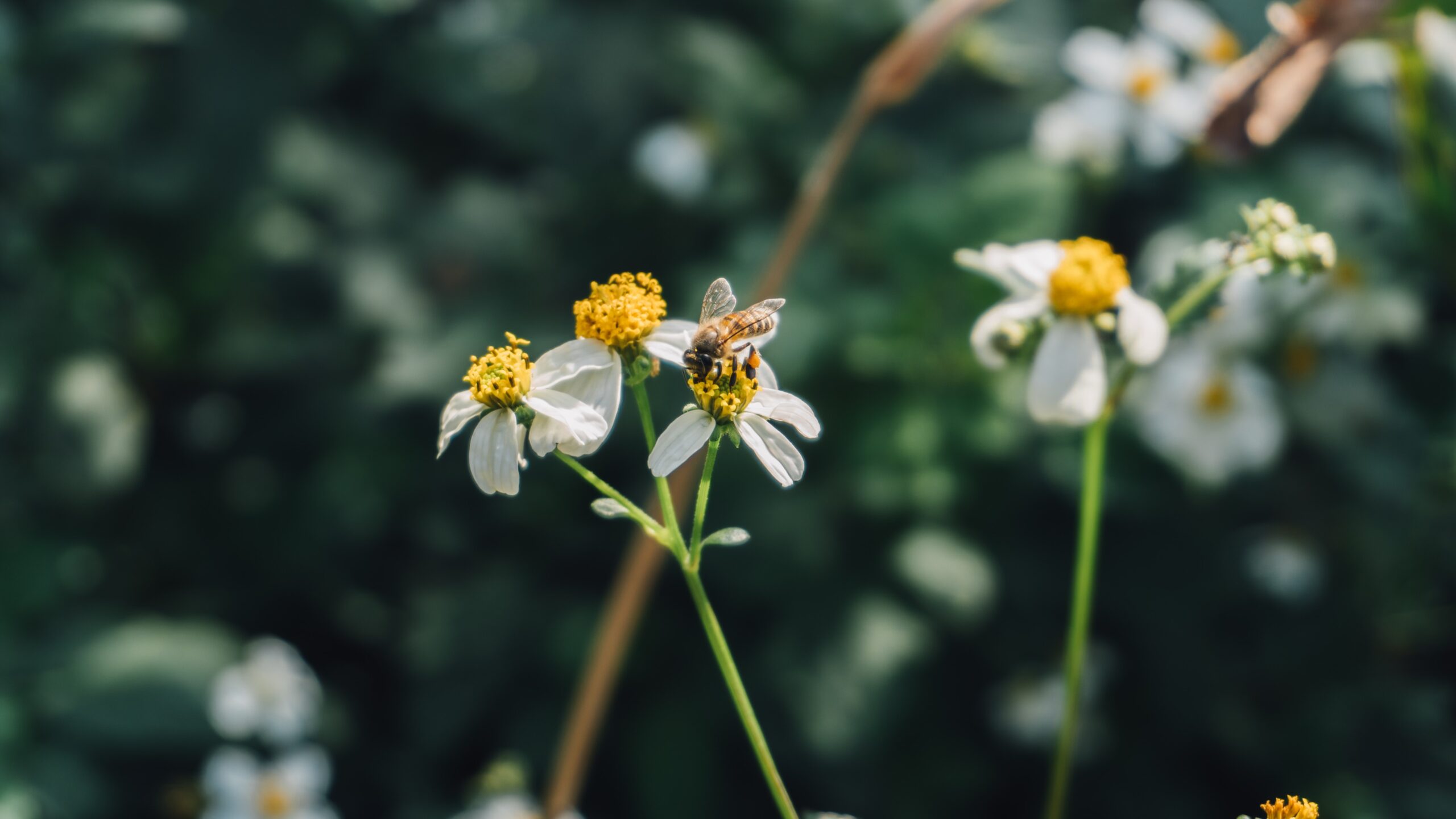
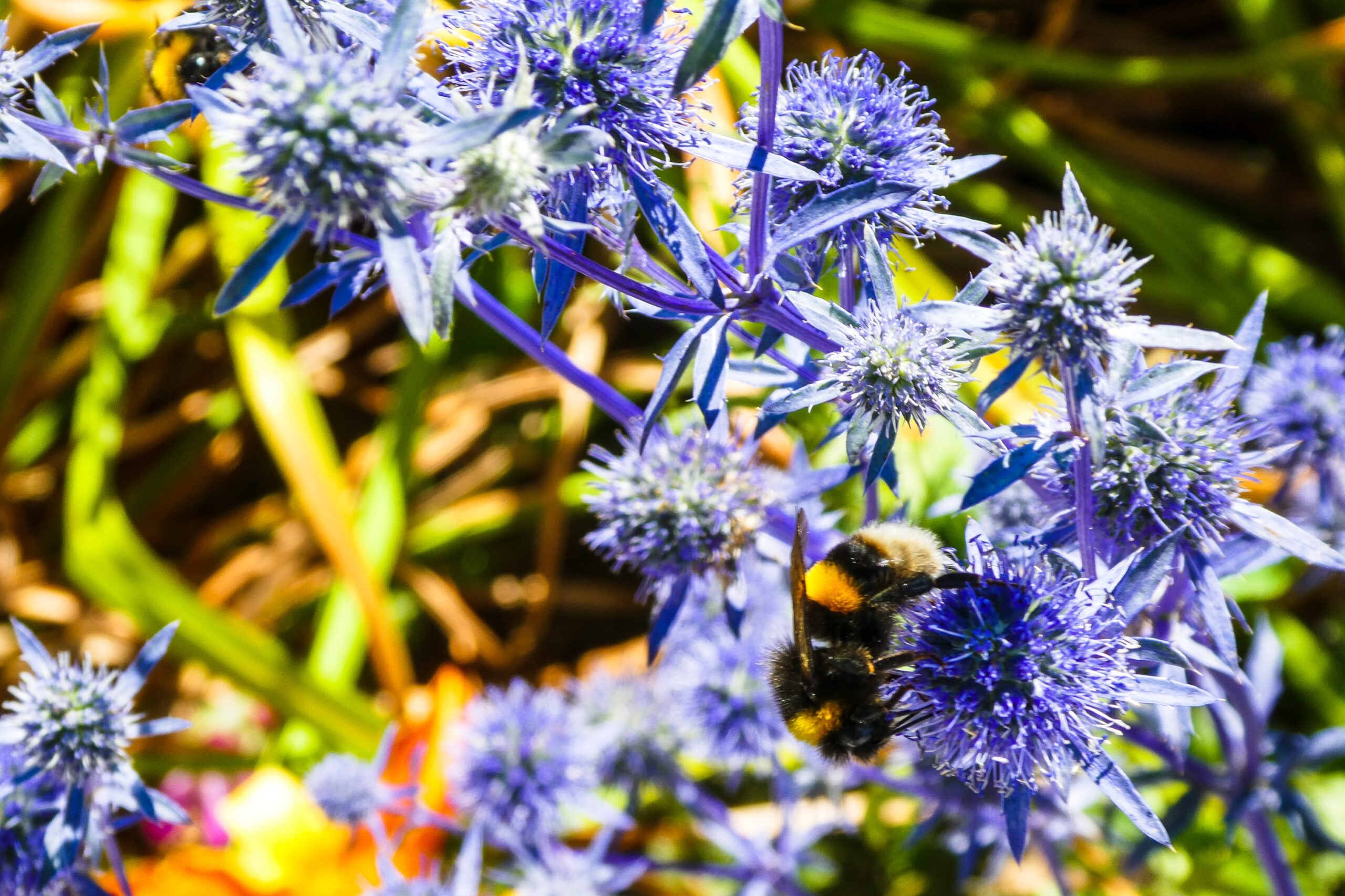
Insect pollinators include bees, wasps, flies, beetles, butterflies, and moths. Of these, bees are often the most effective pollinators because (with a few exceptions) they are the only group that actively collects pollen to feed their young and therefore have bodies that are very effective at carrying large amounts of pollen. Many other species are also involved in pollinating plants. Birds and bats are some of the more notable ones, especially in the Caribbean.
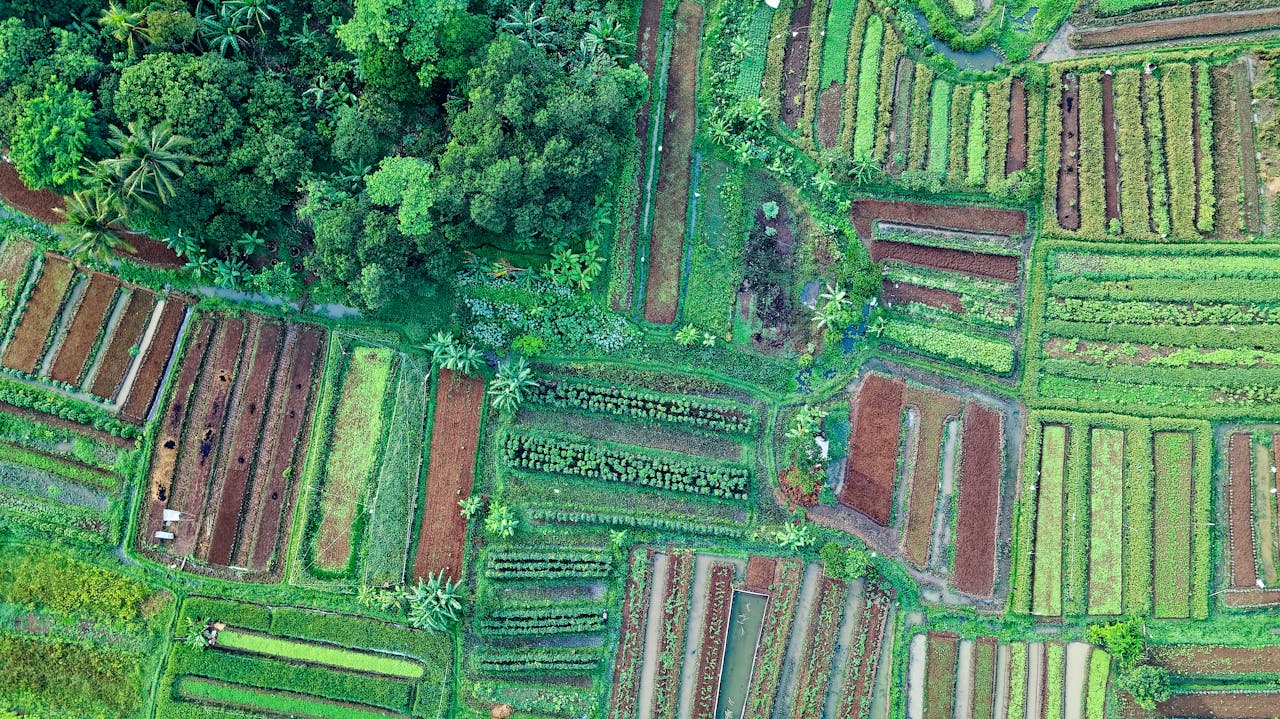
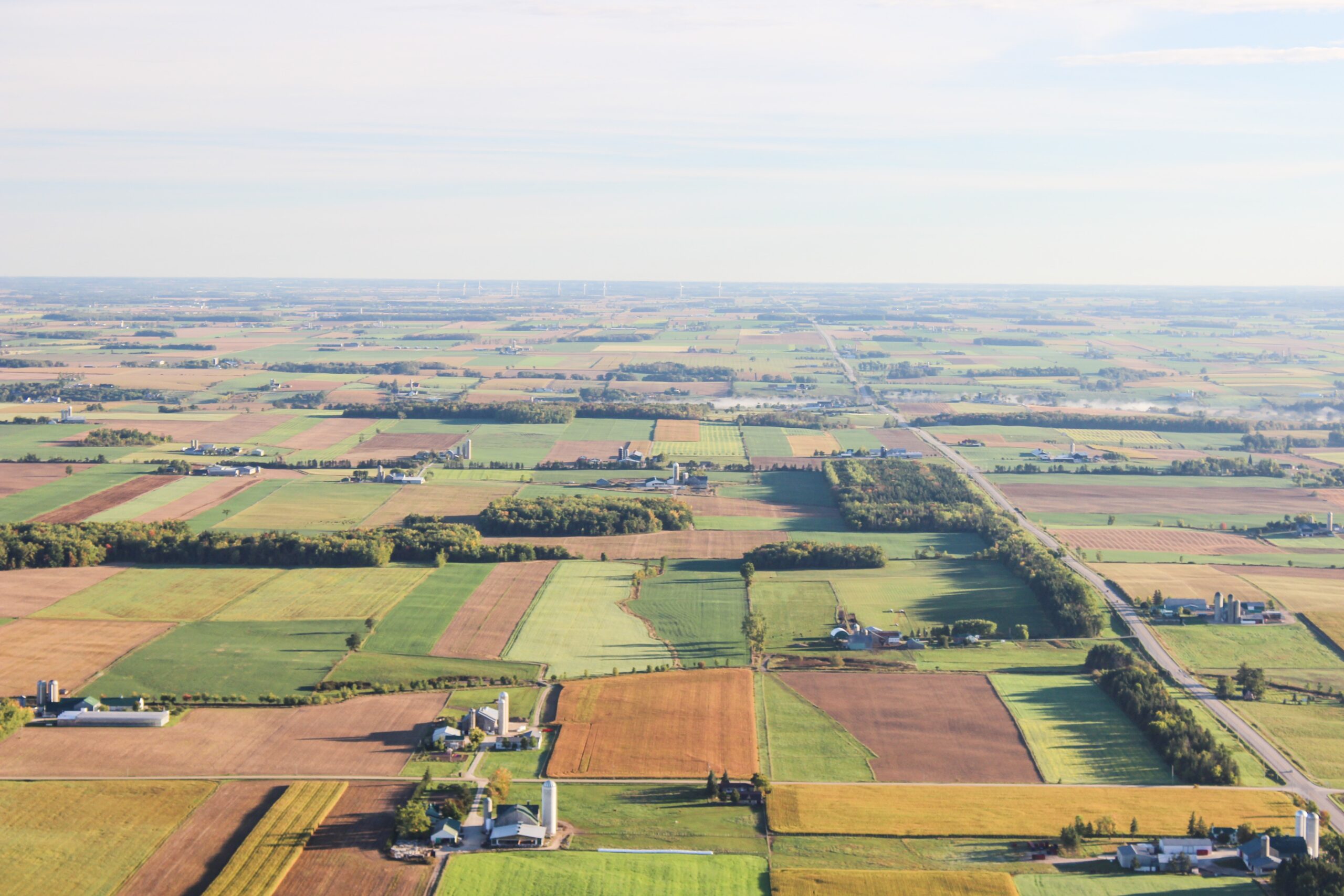
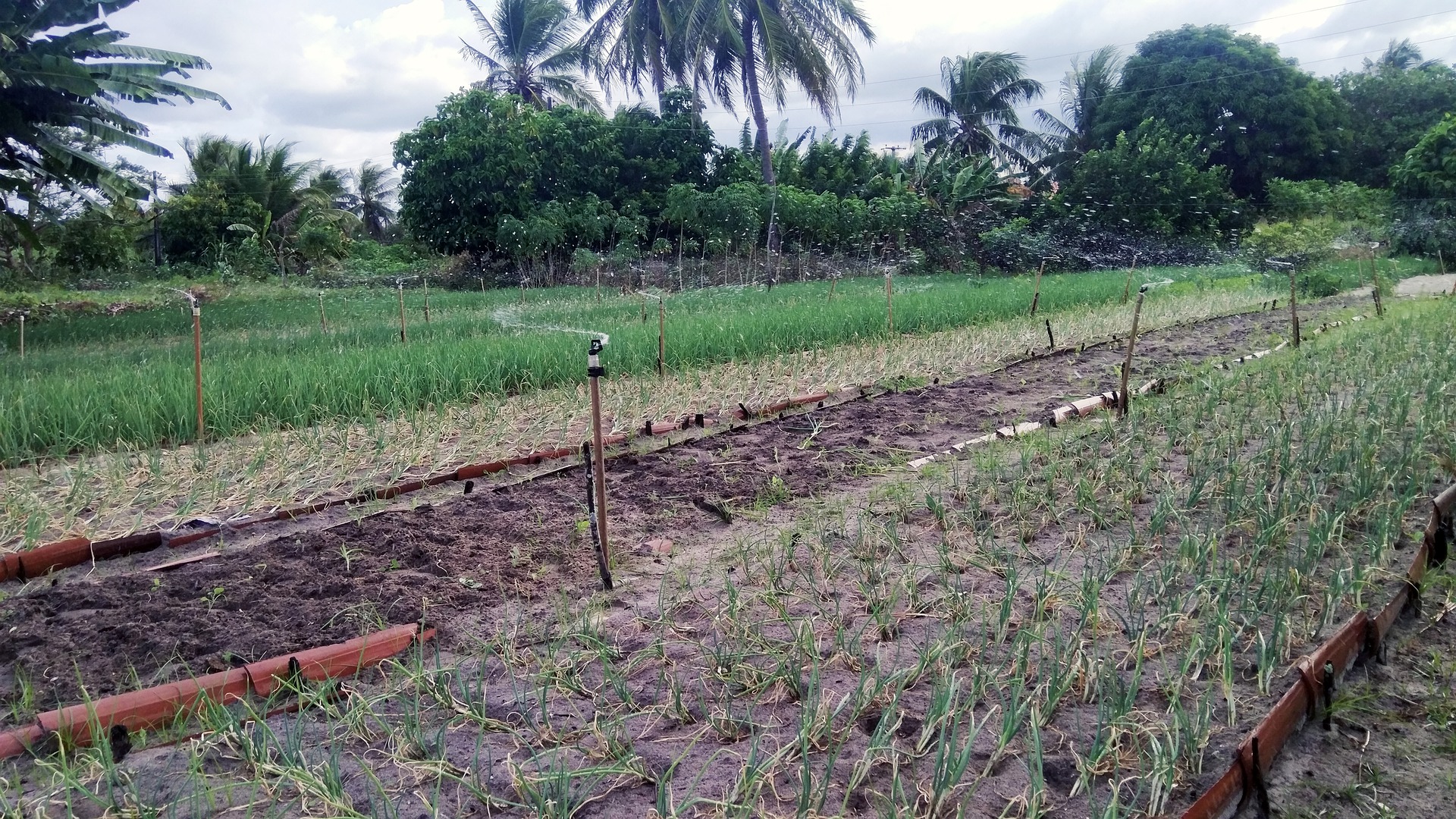
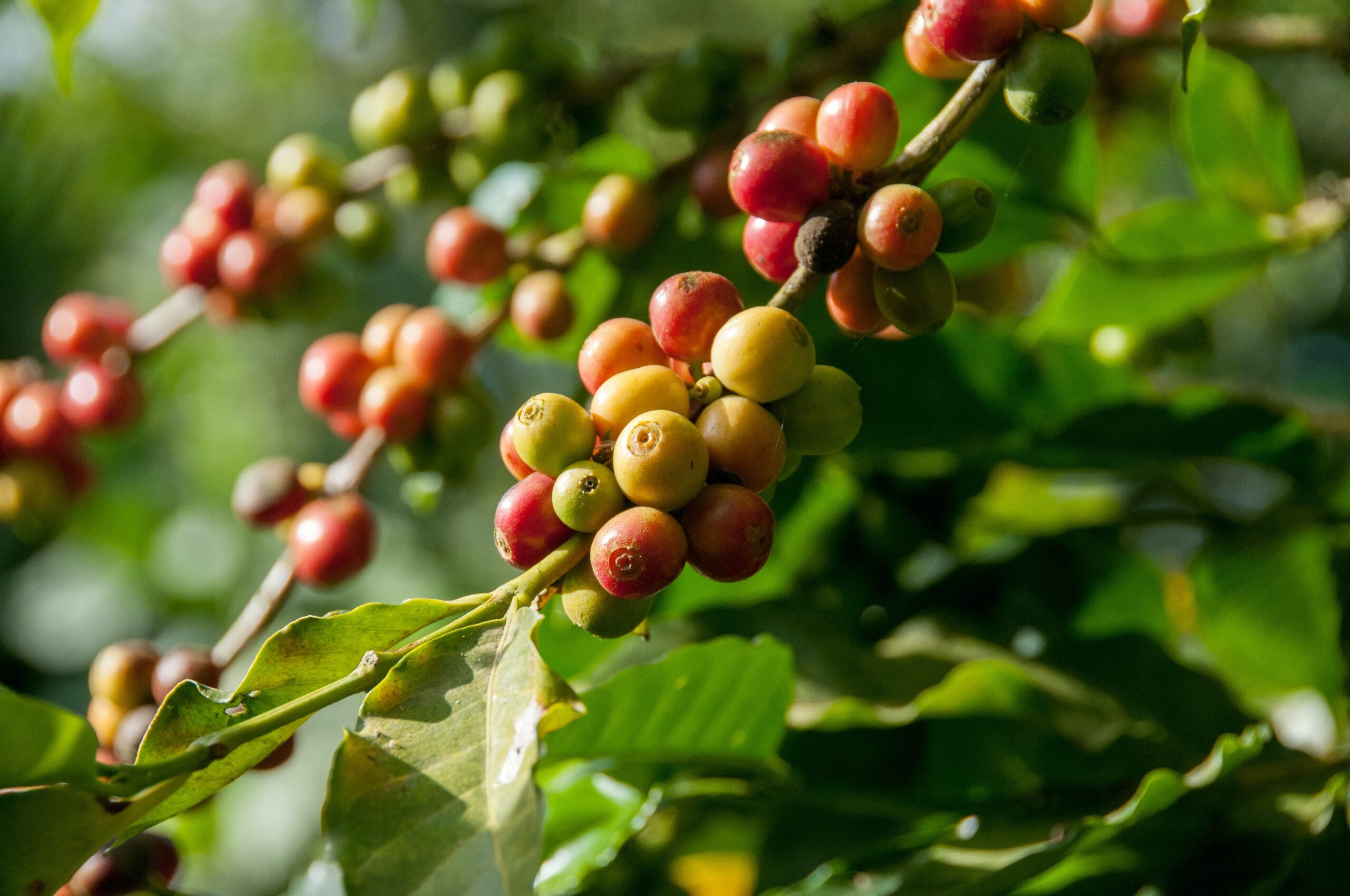
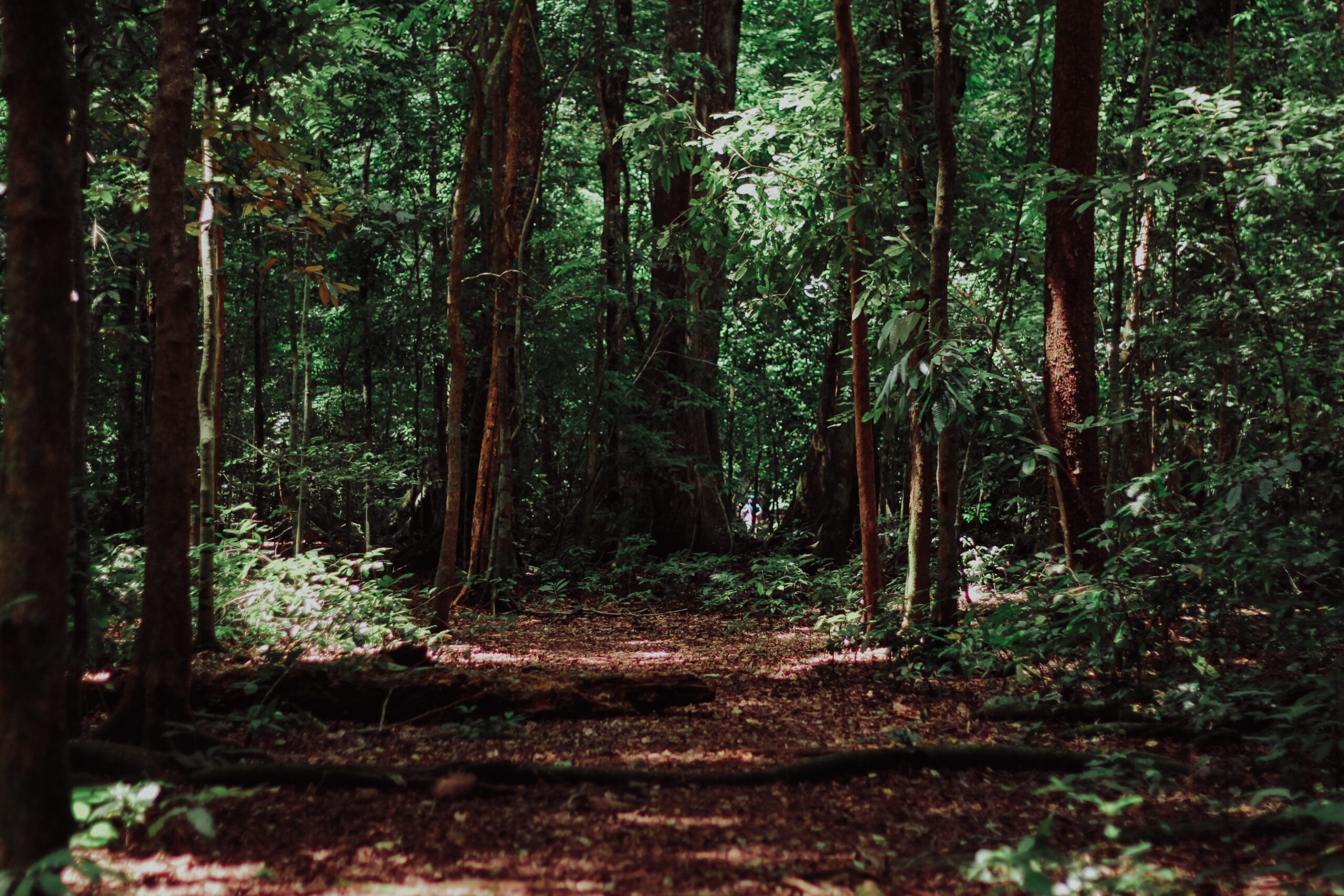
This Citizen Science Monitoring Guide will allow you to track richness and abundance of various pollinator groups in a variety of sites including gardens, agricultural areas, restoration sites, tropical forests, and almost any habitat where they occur.