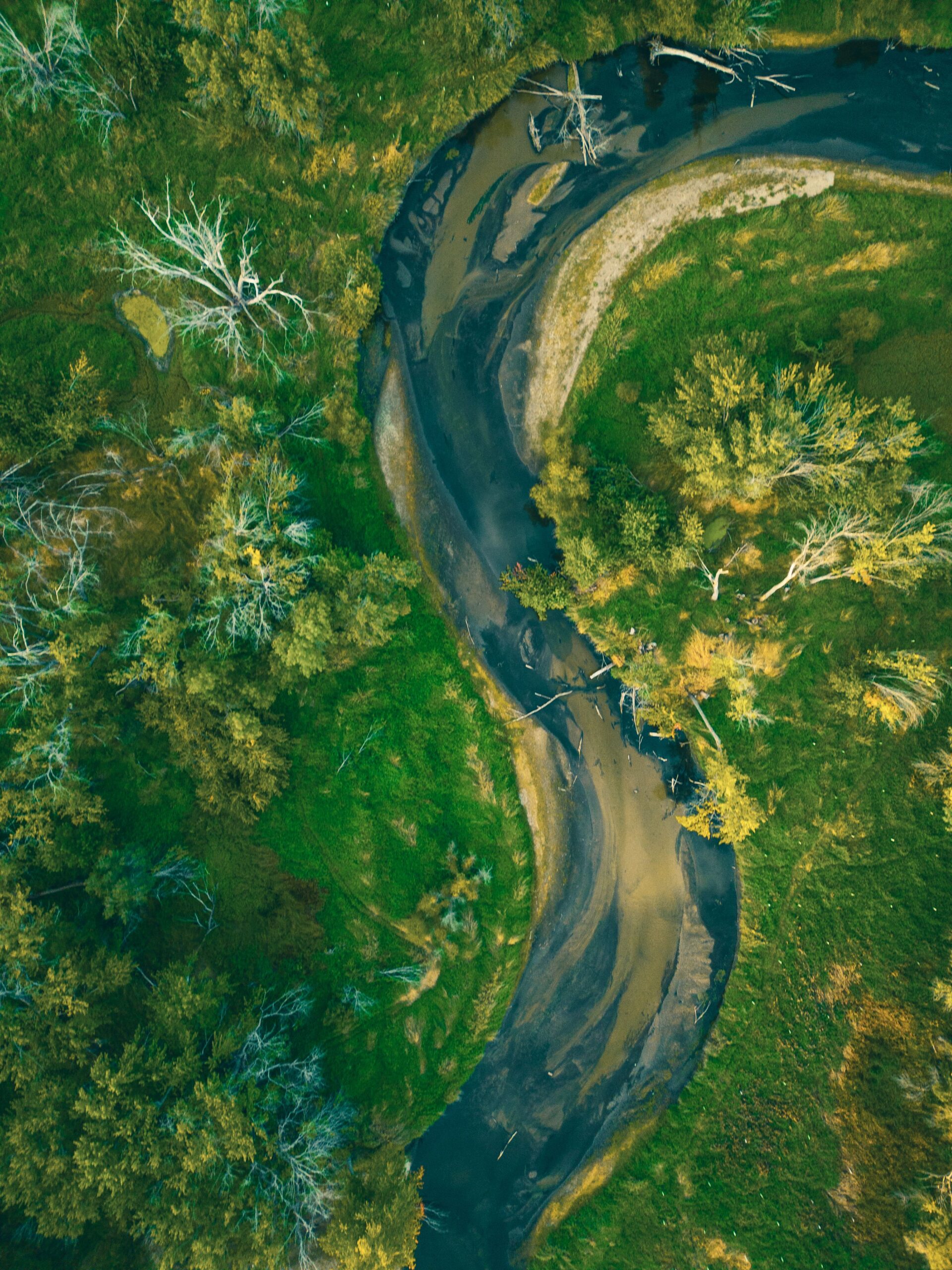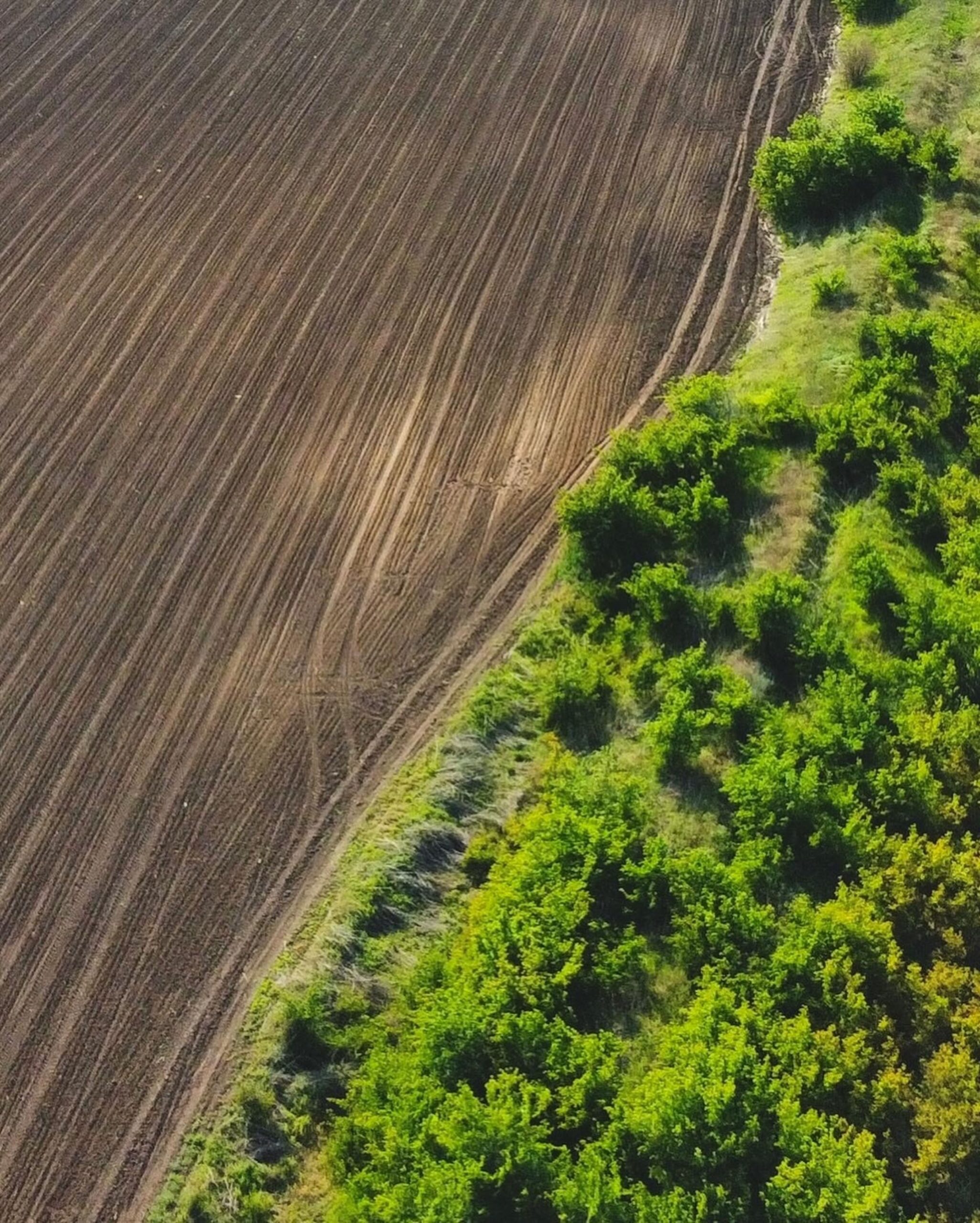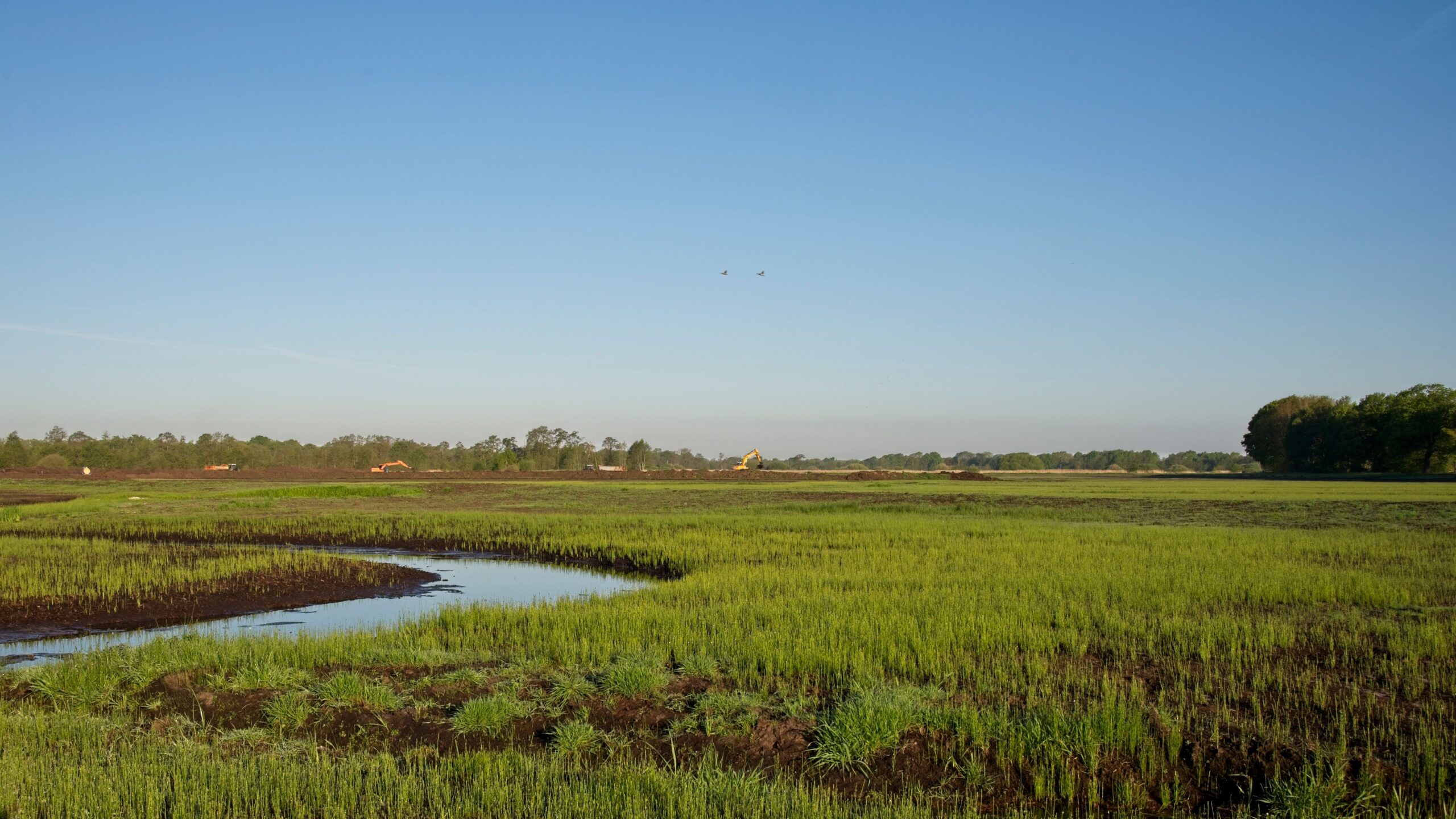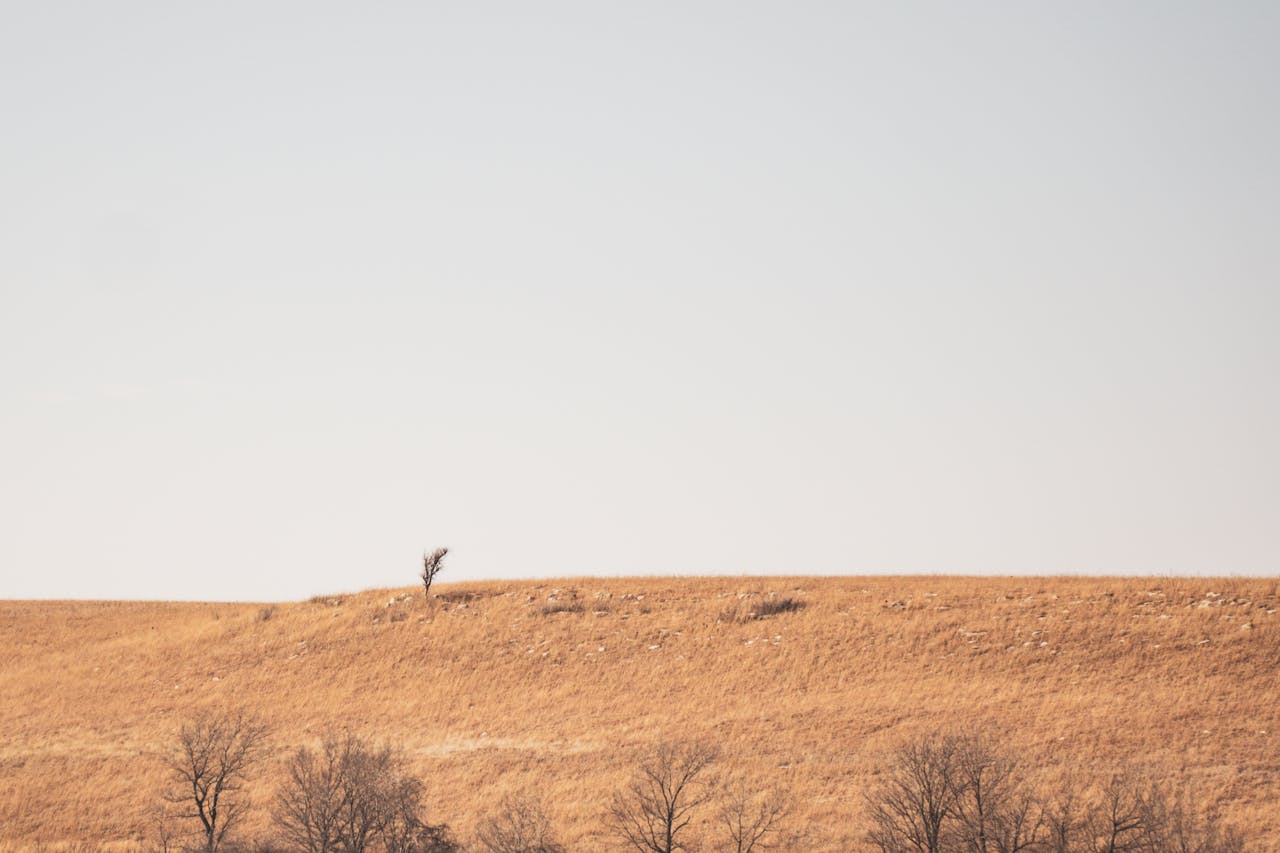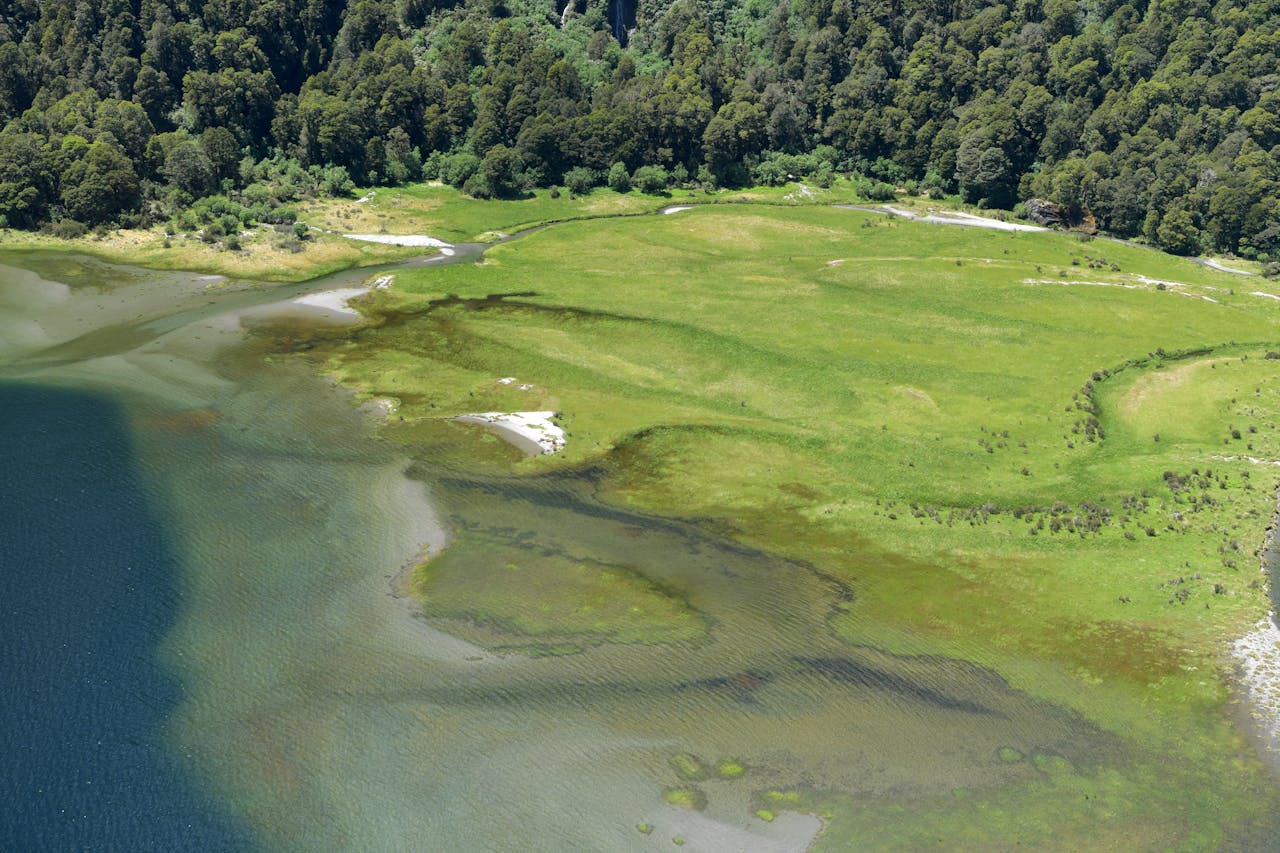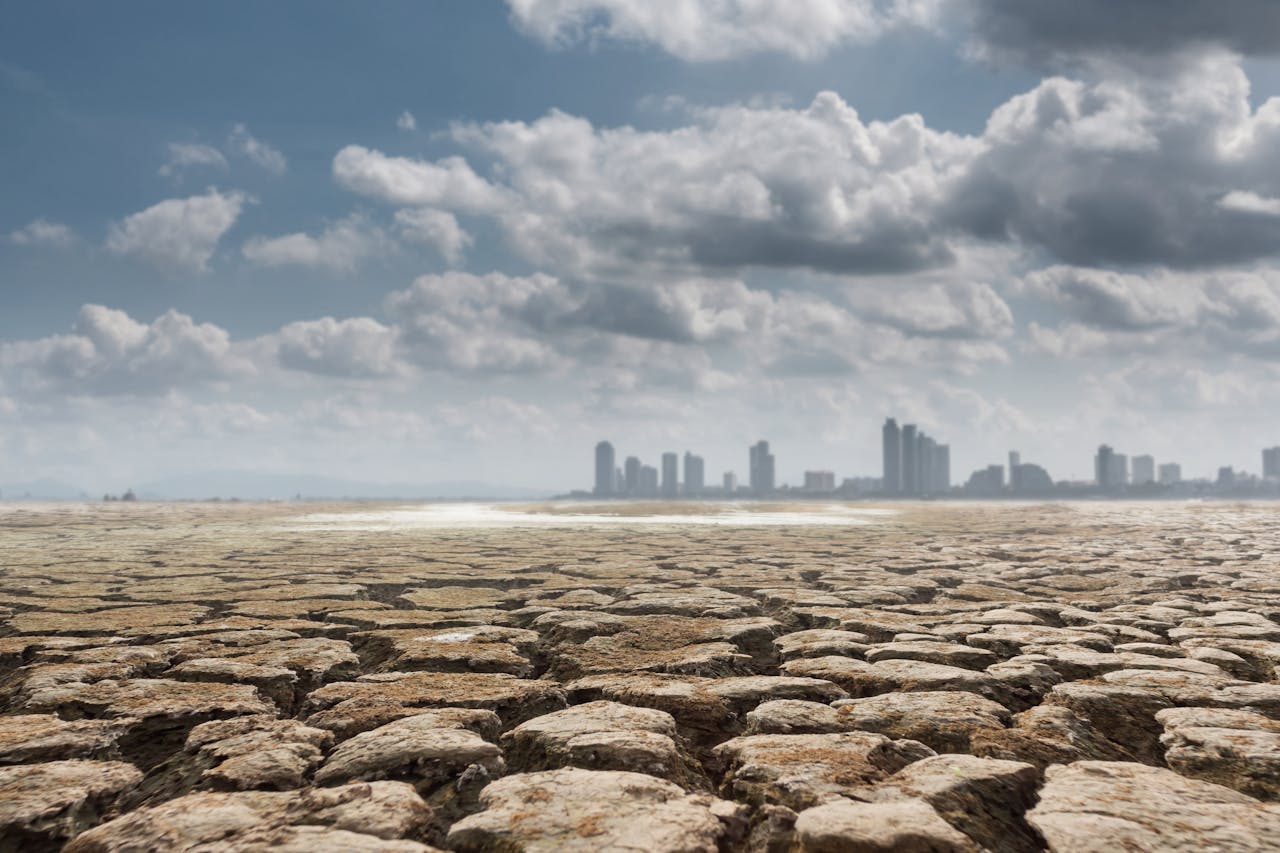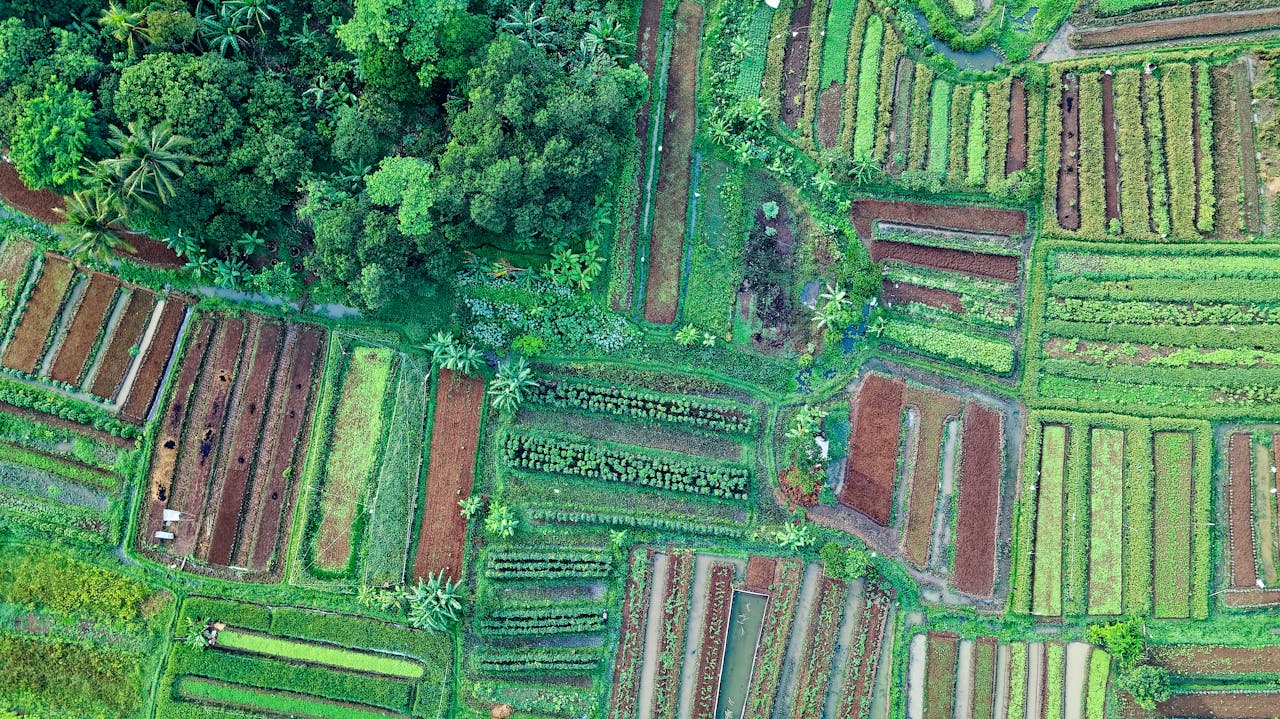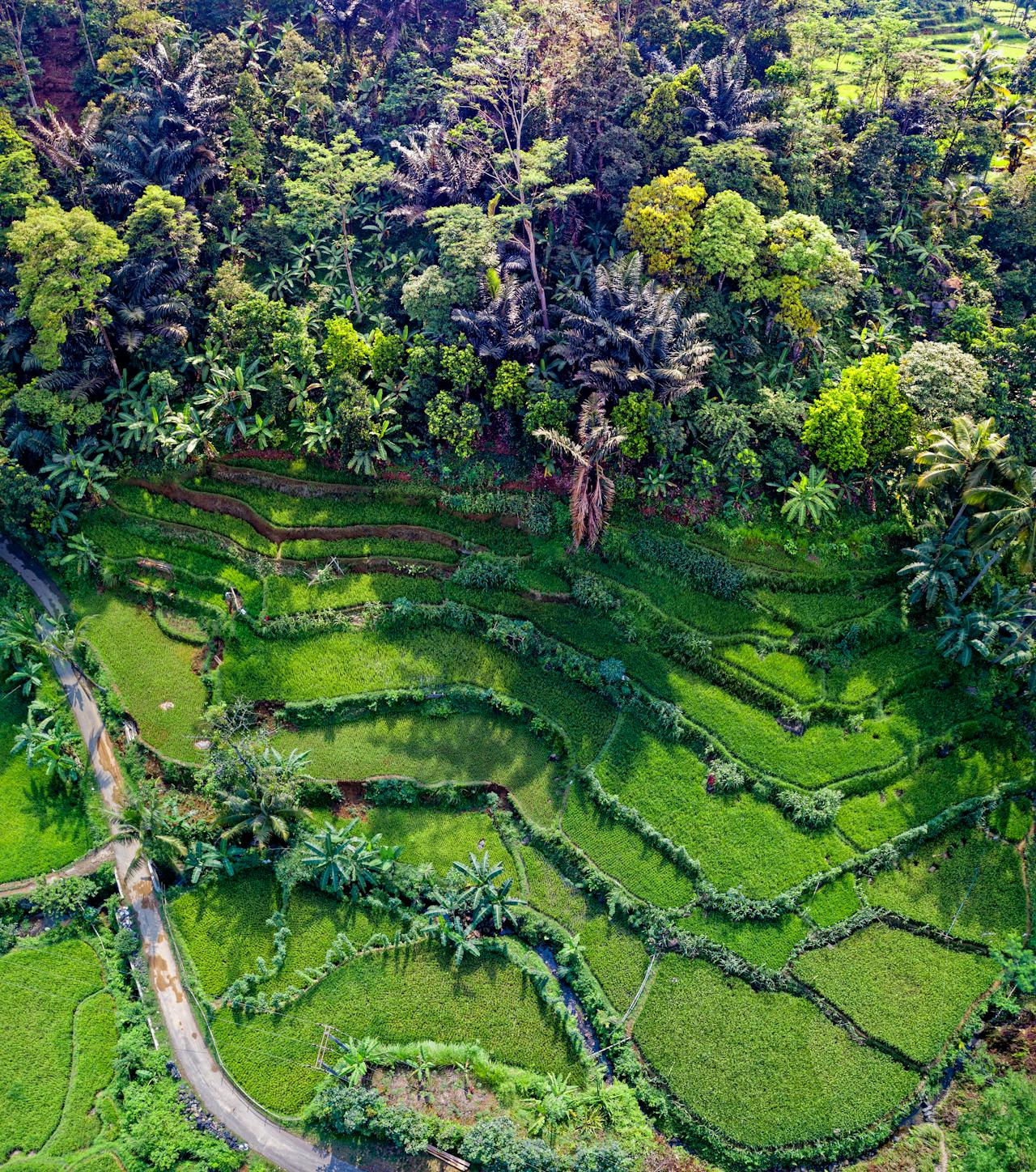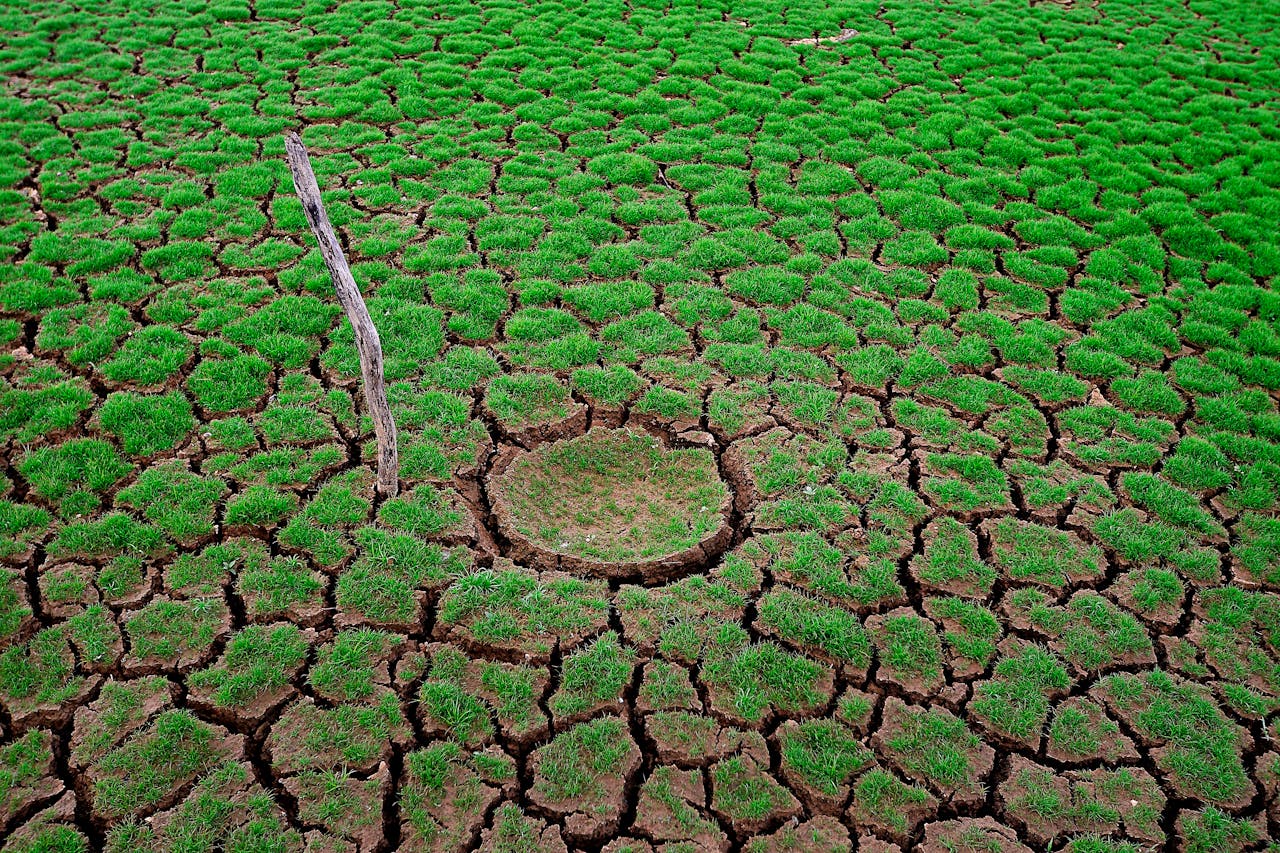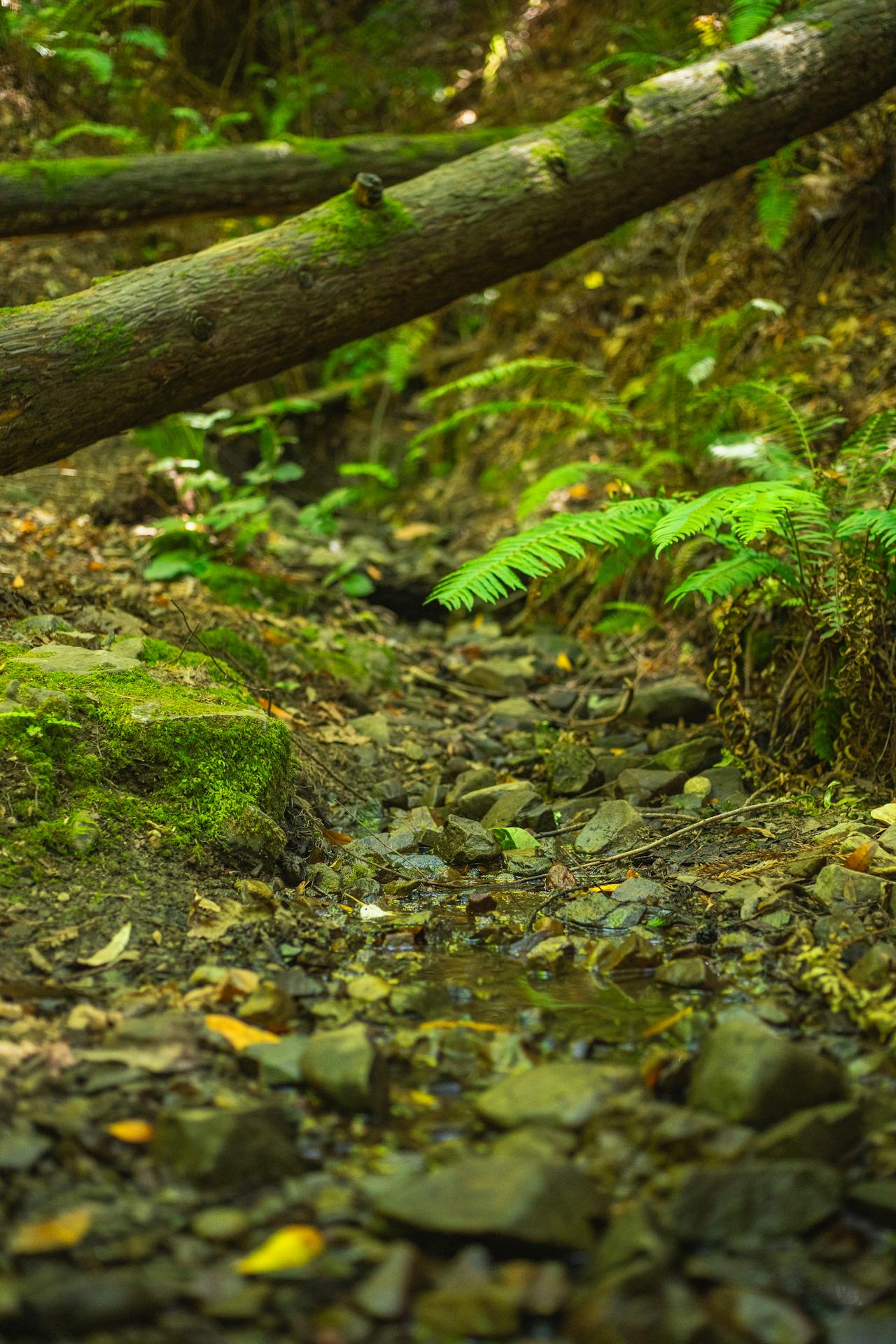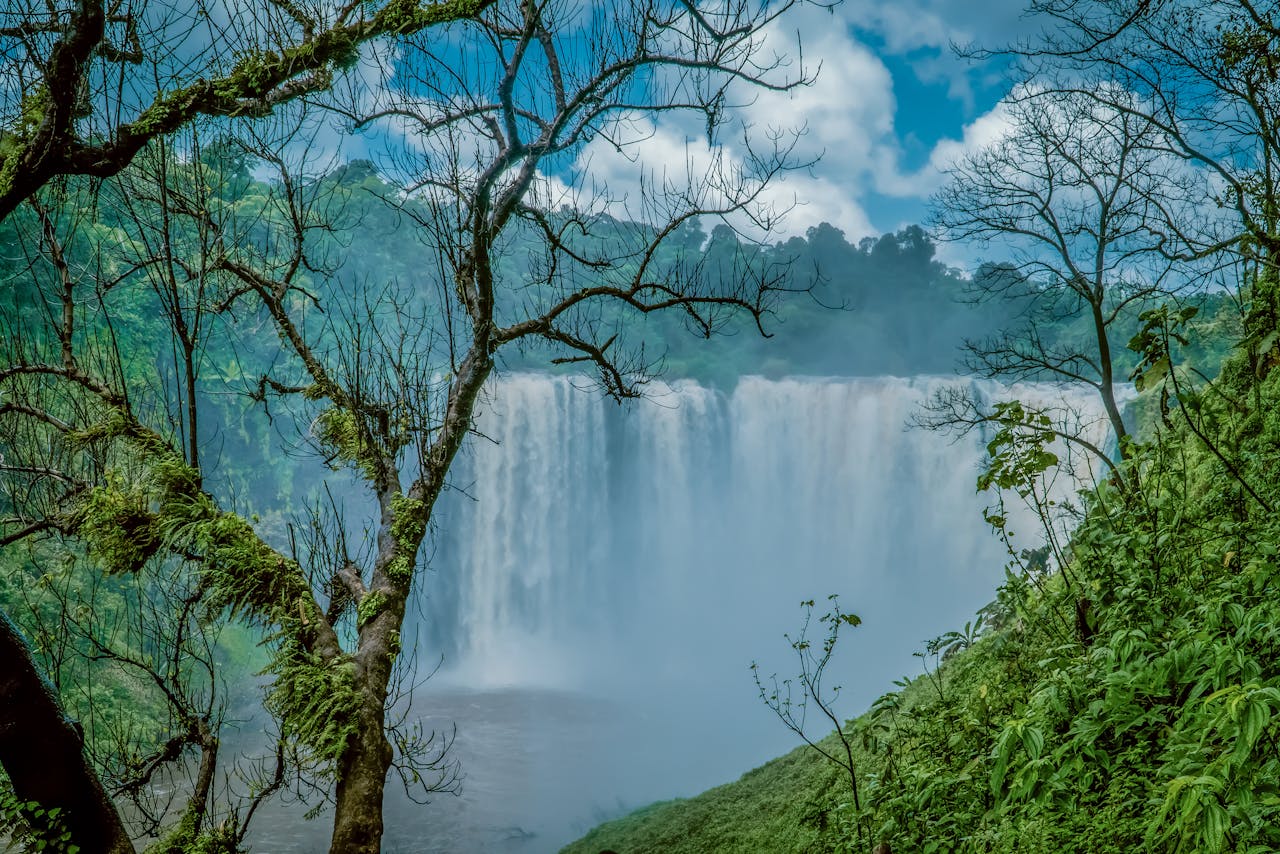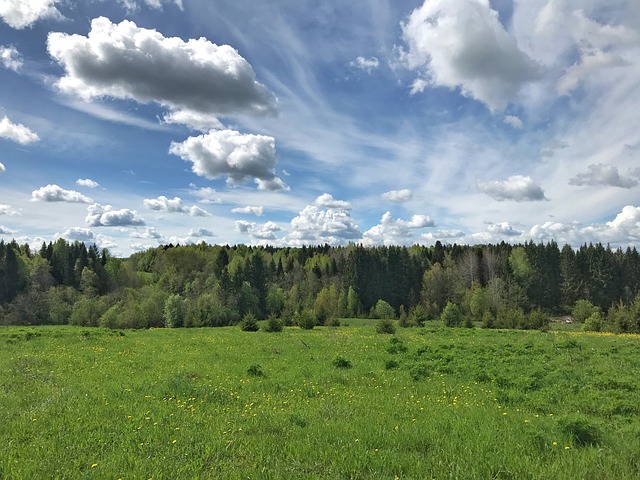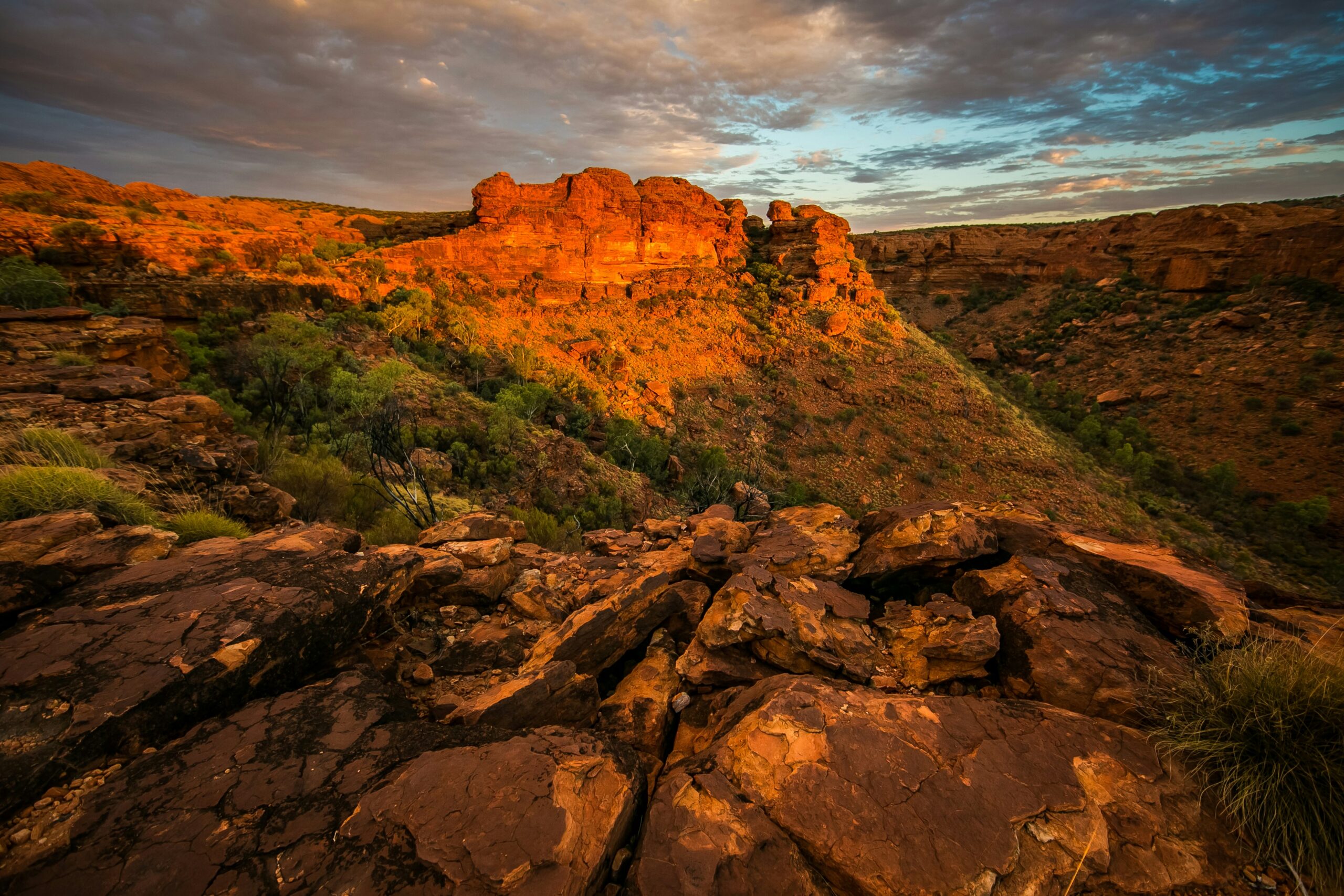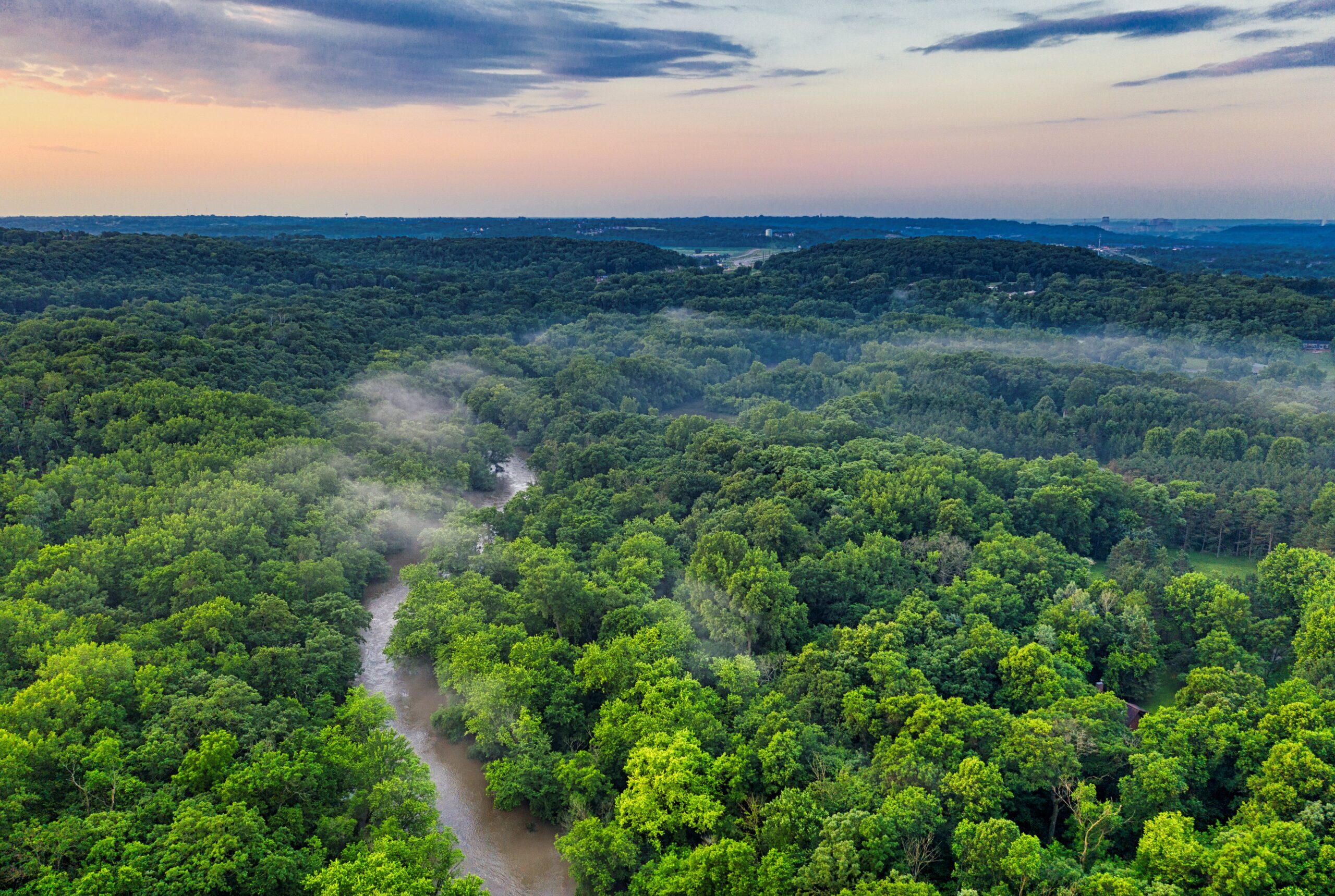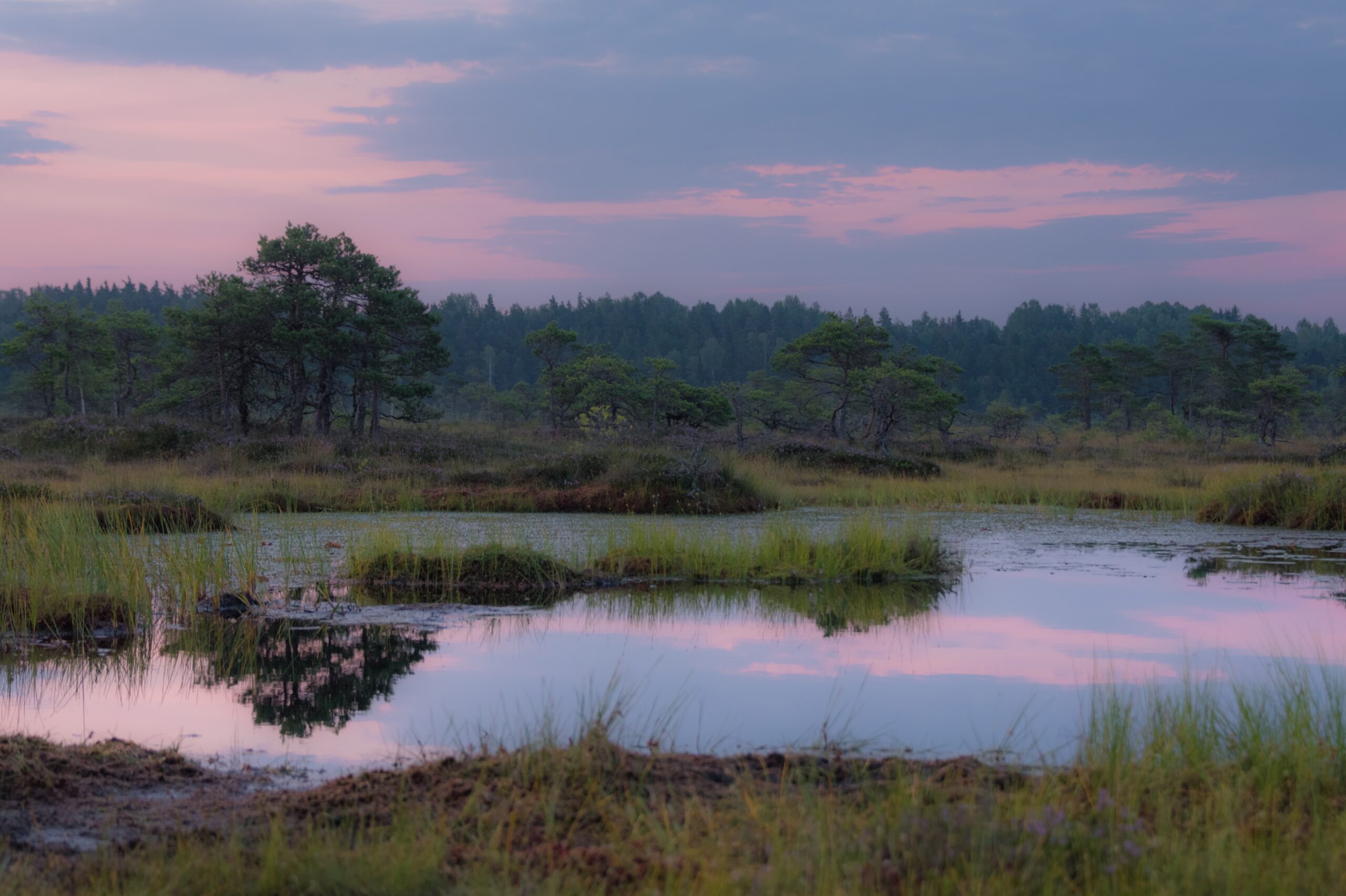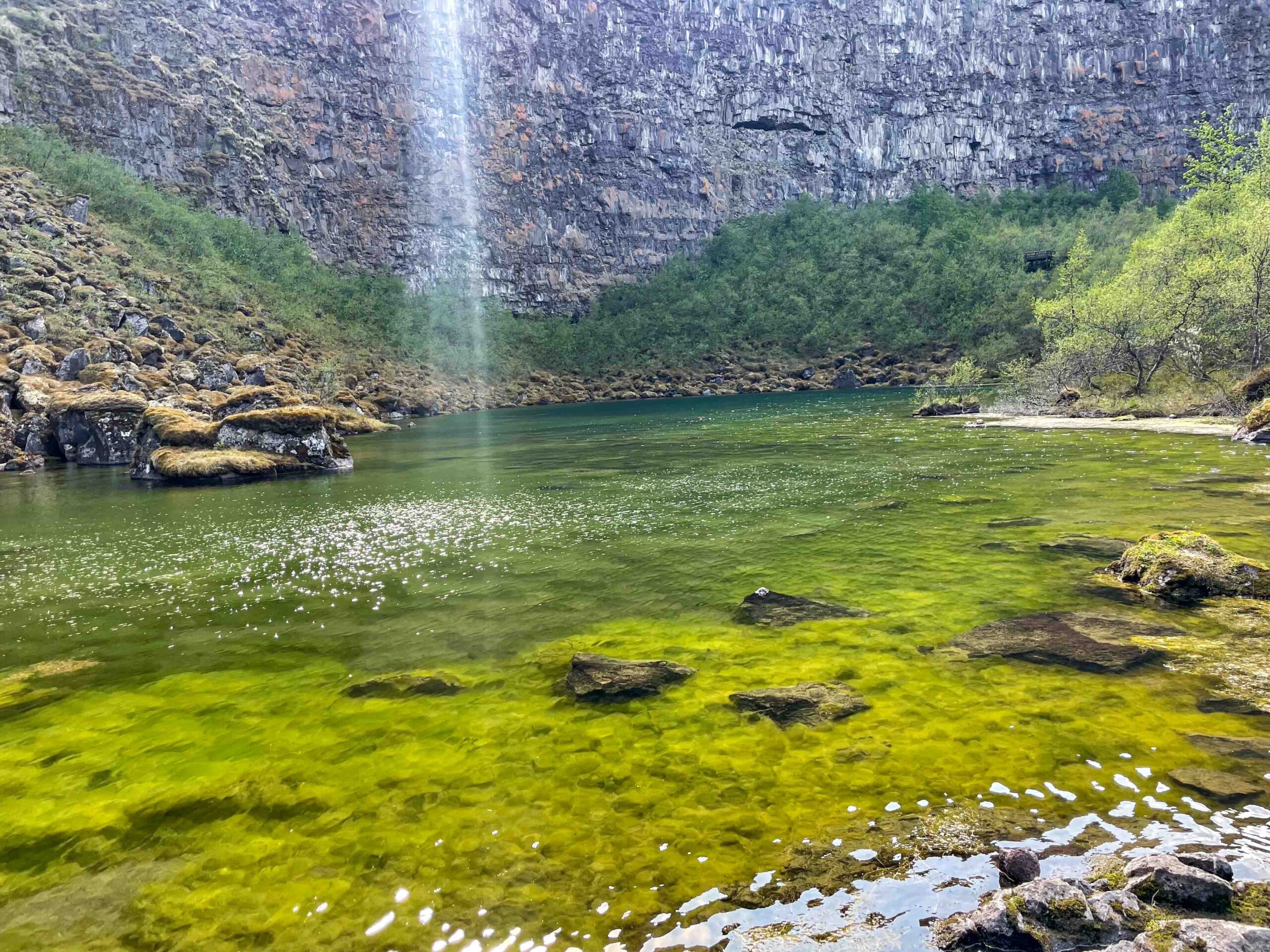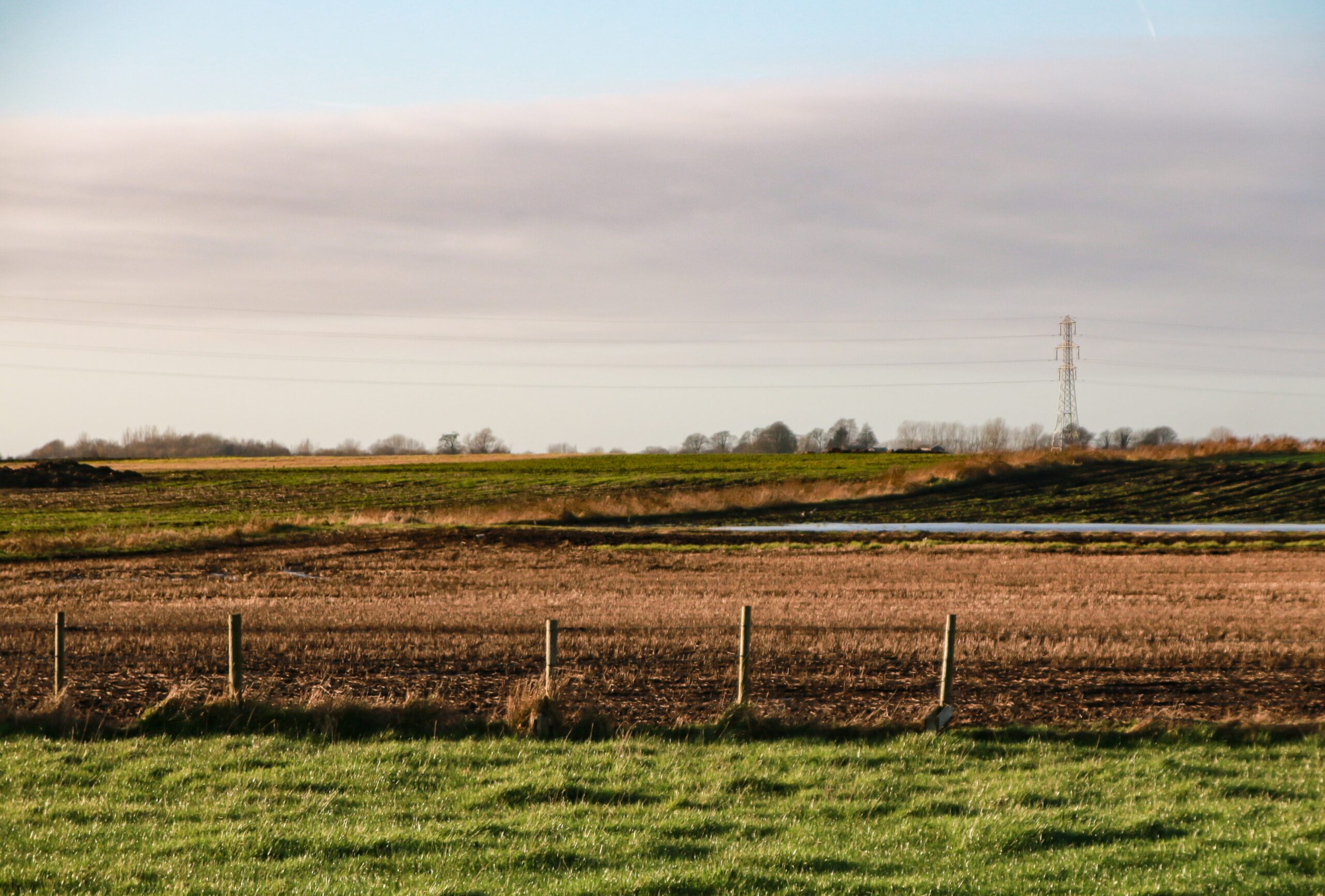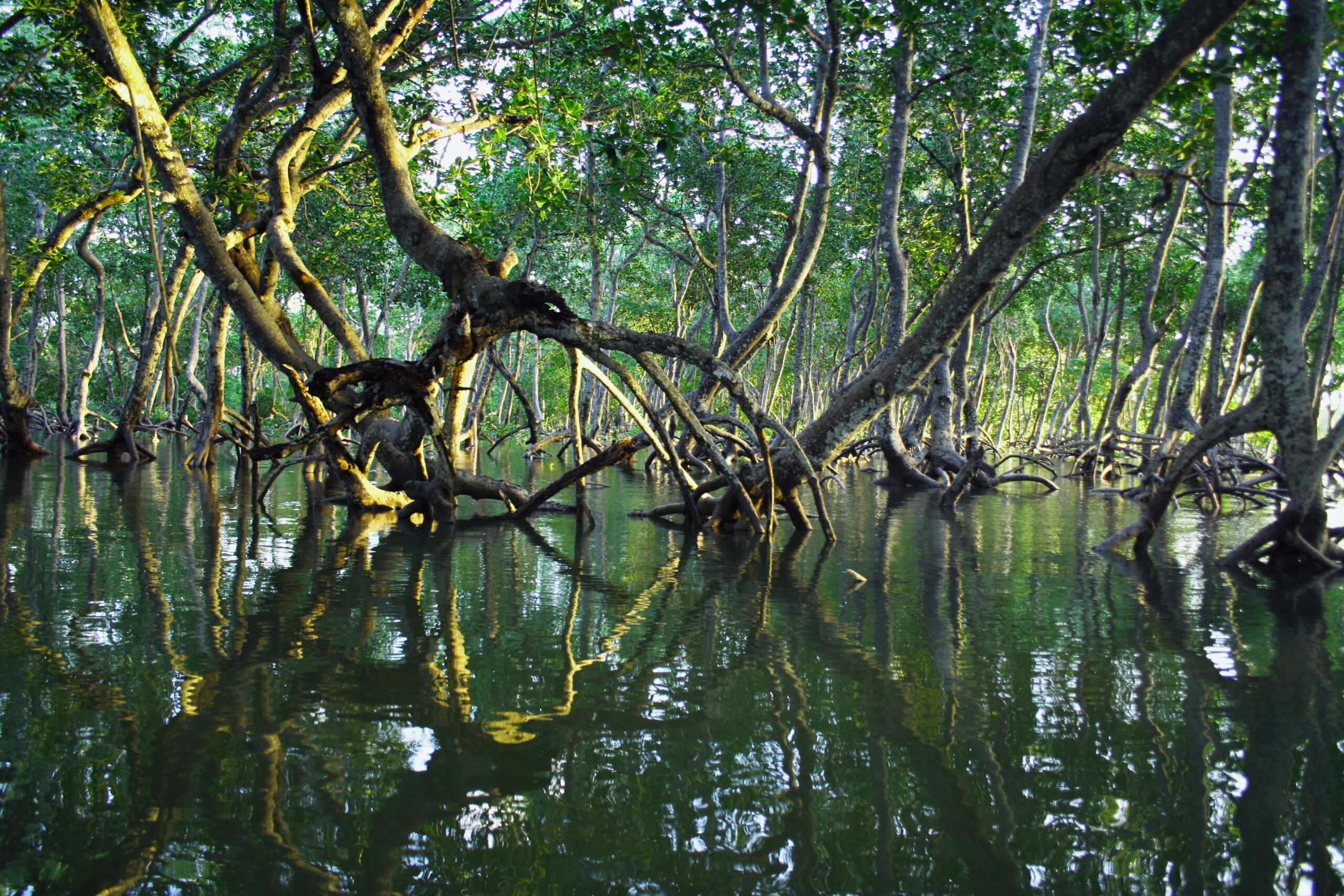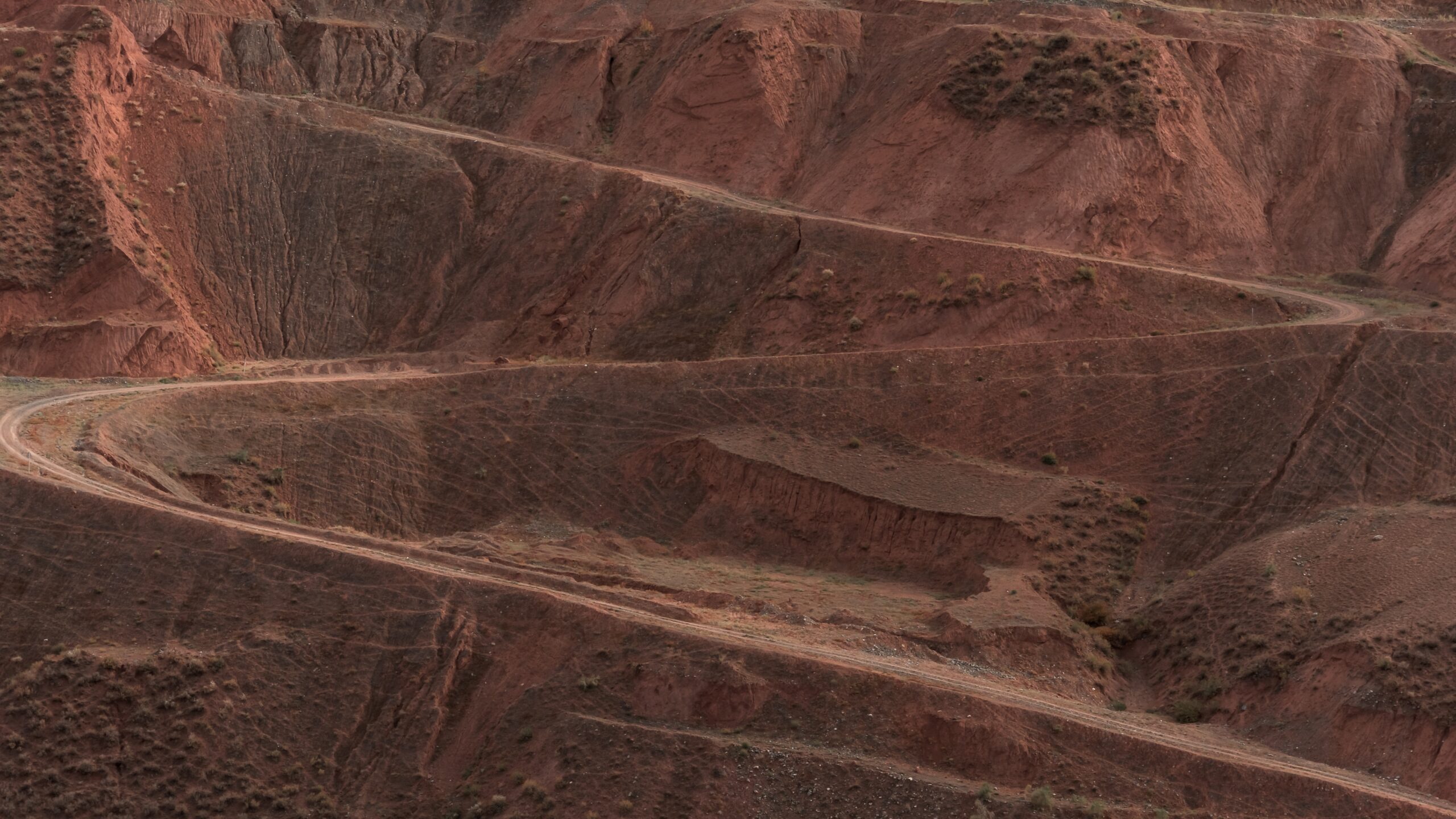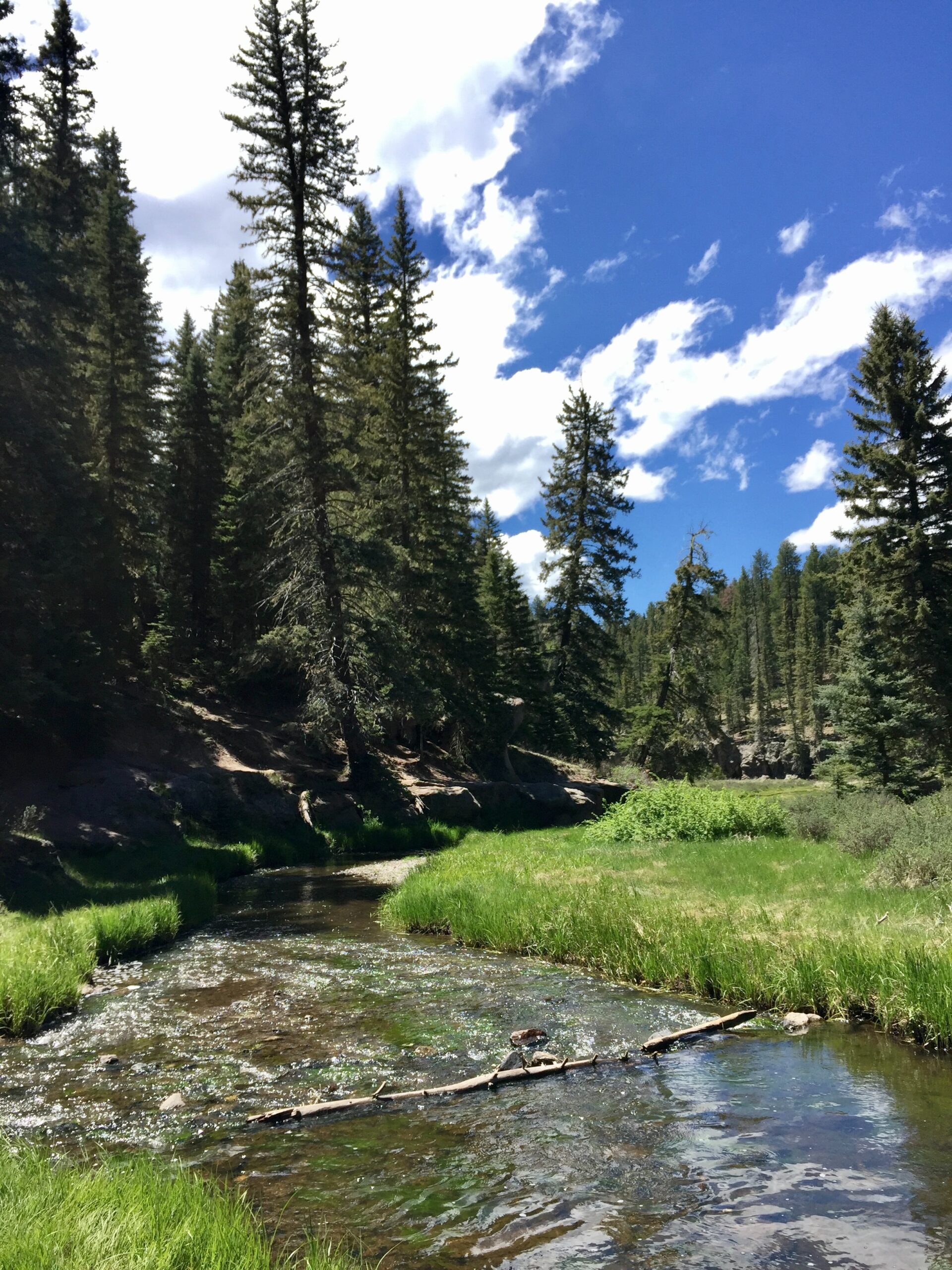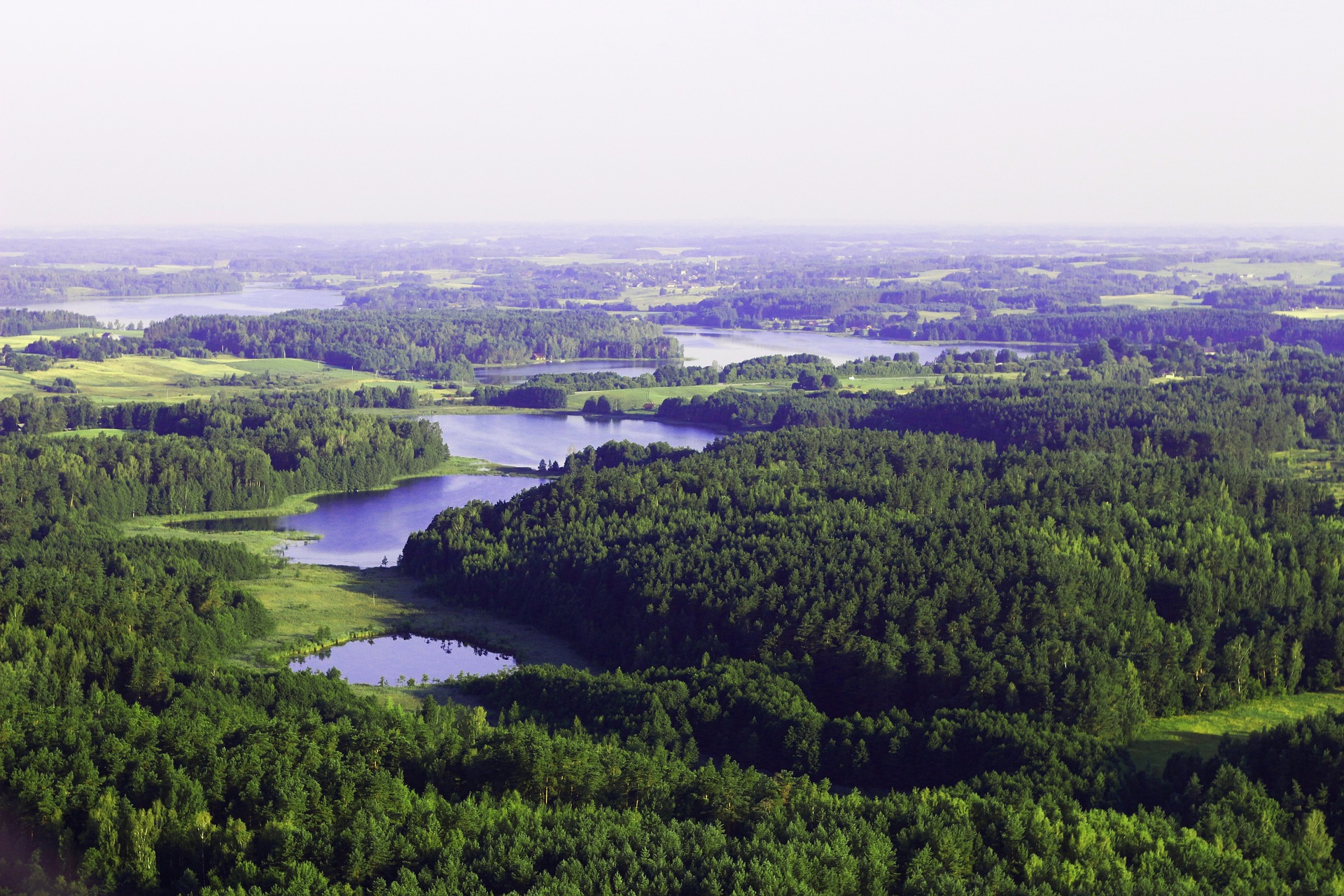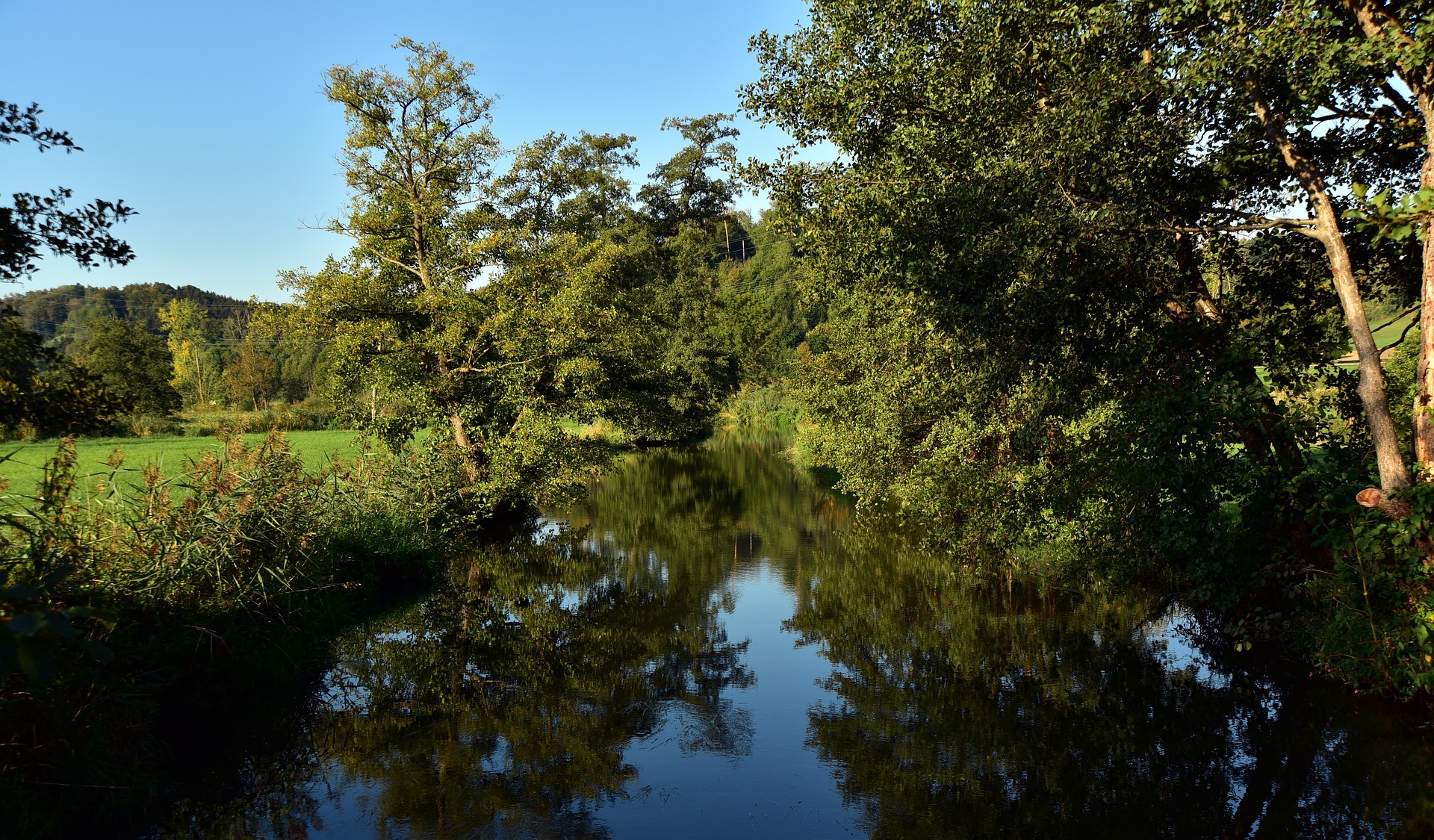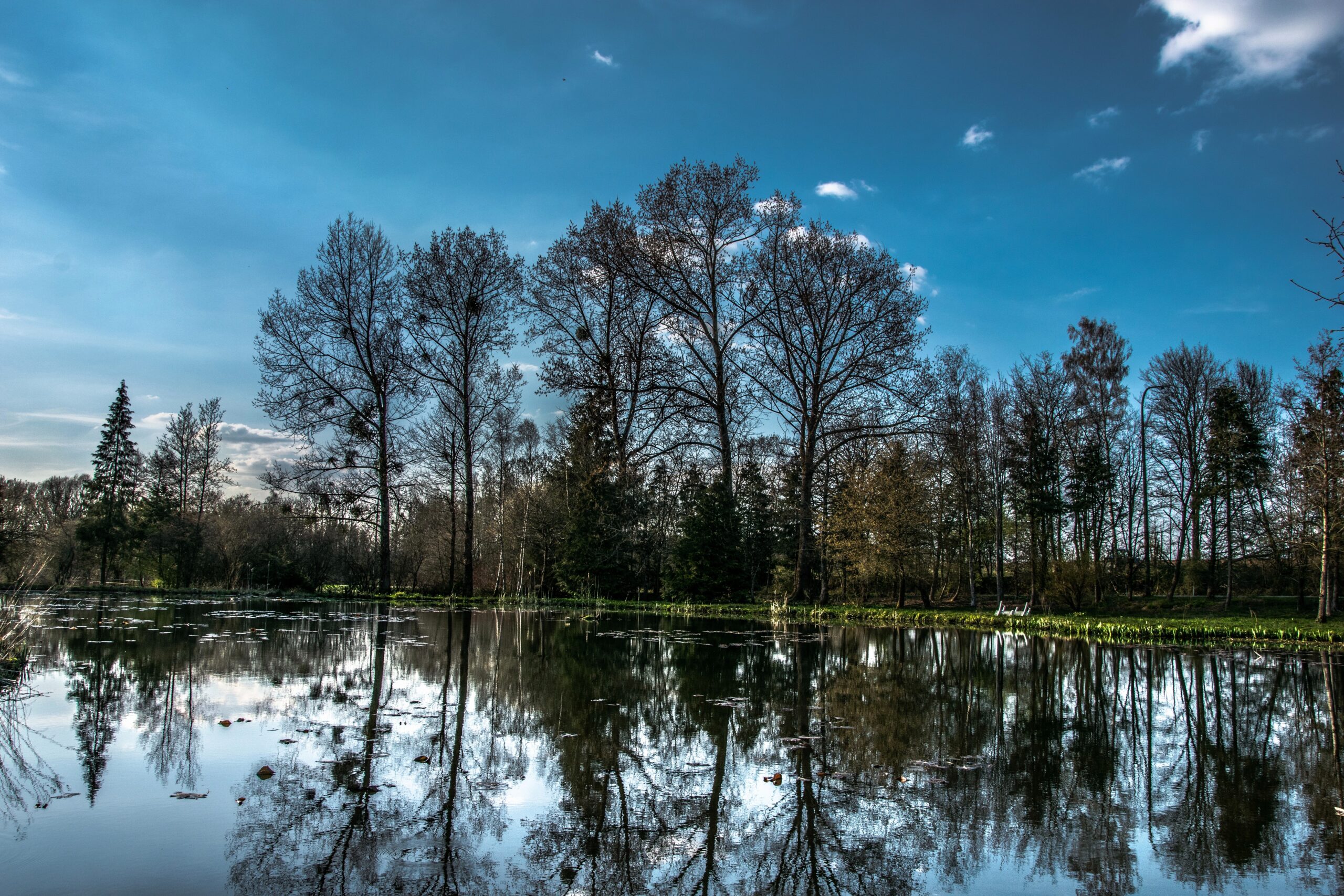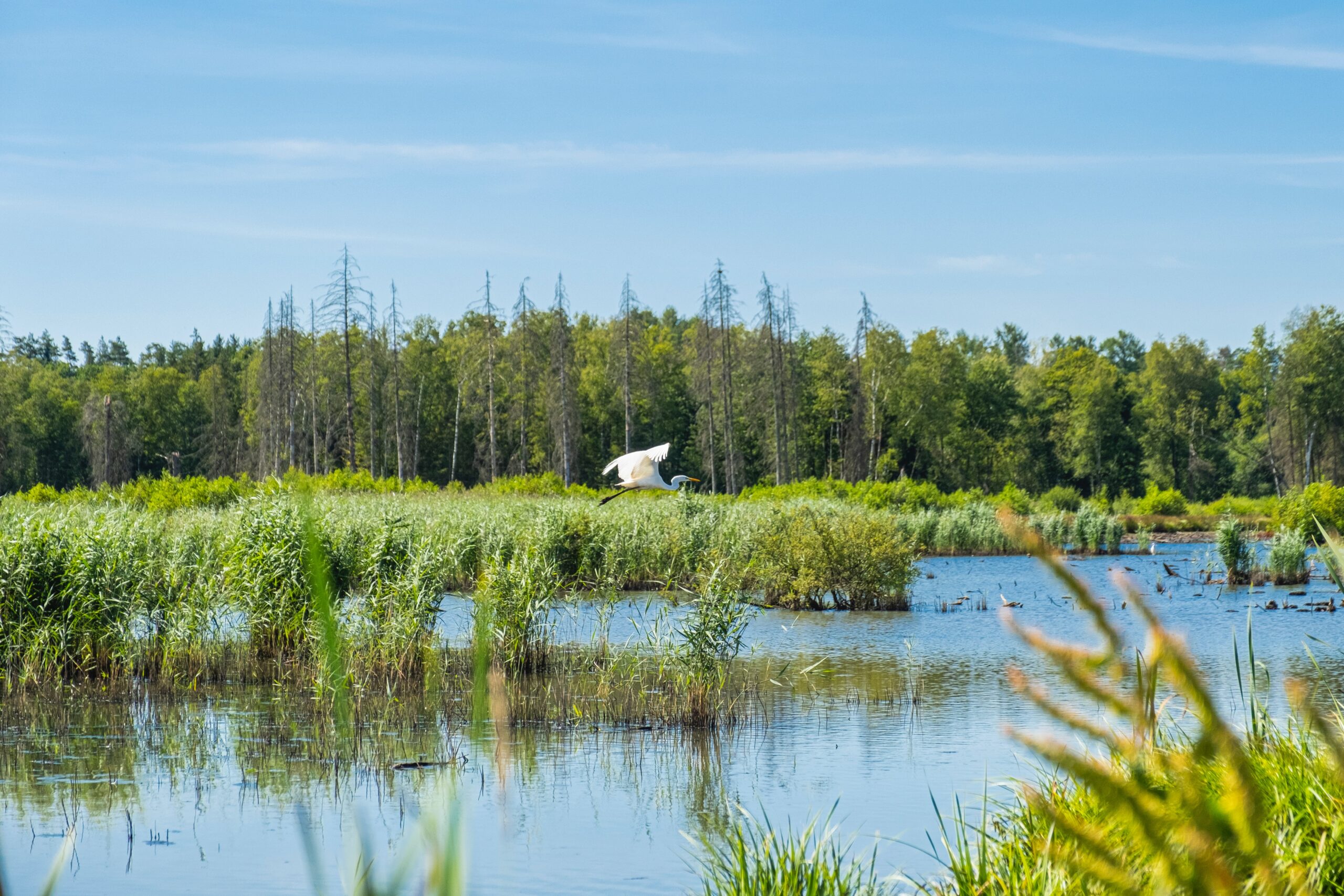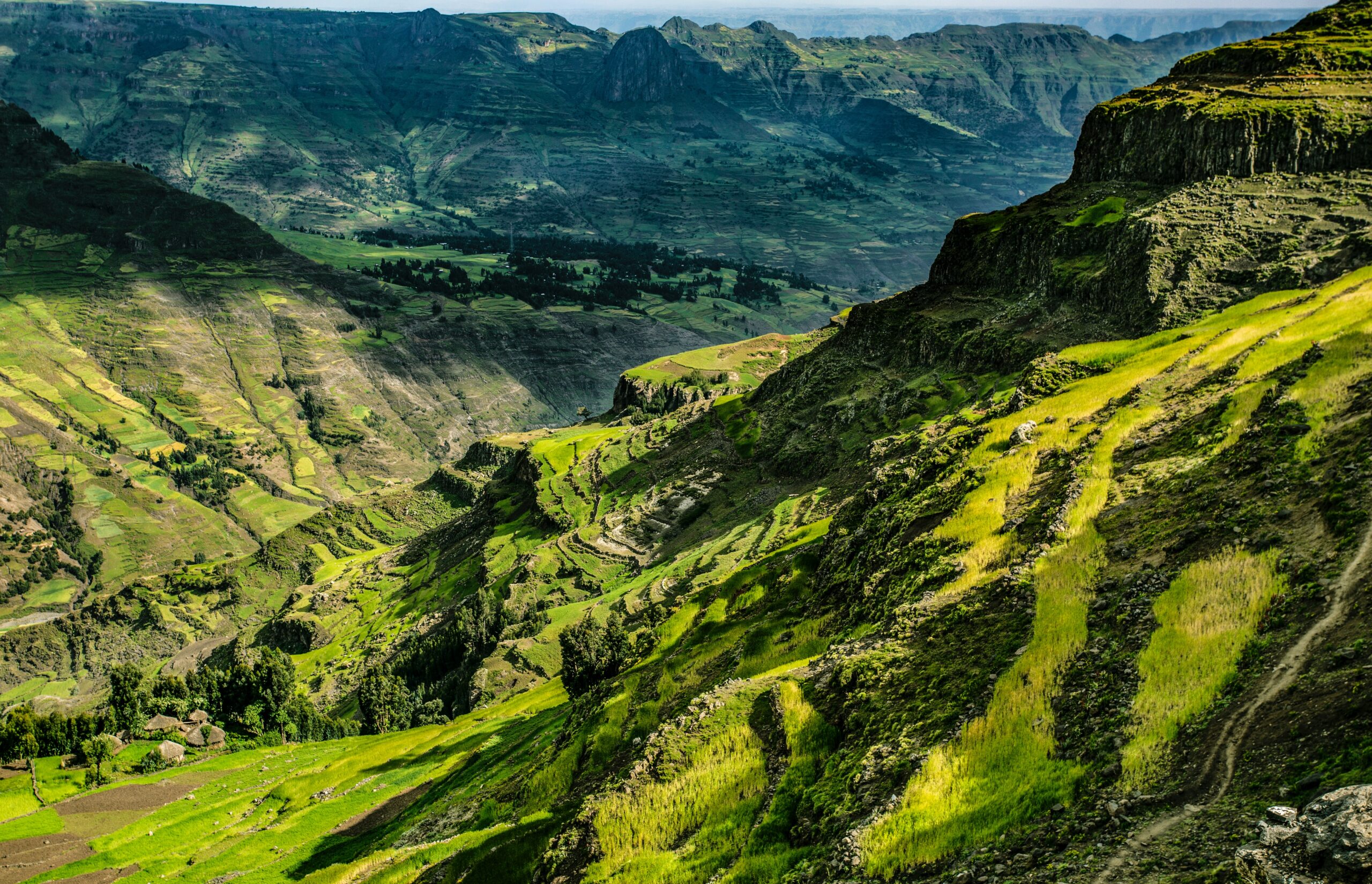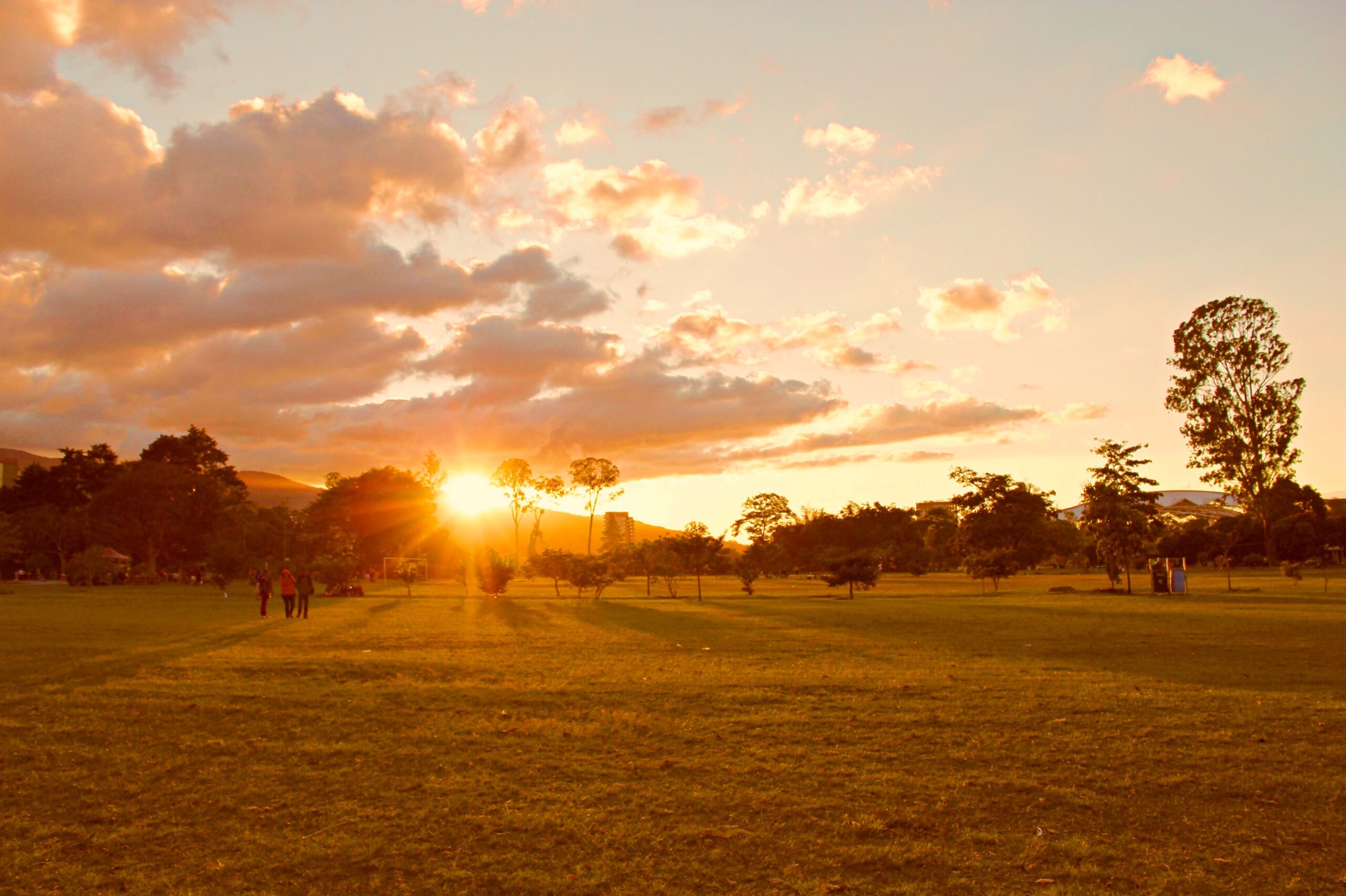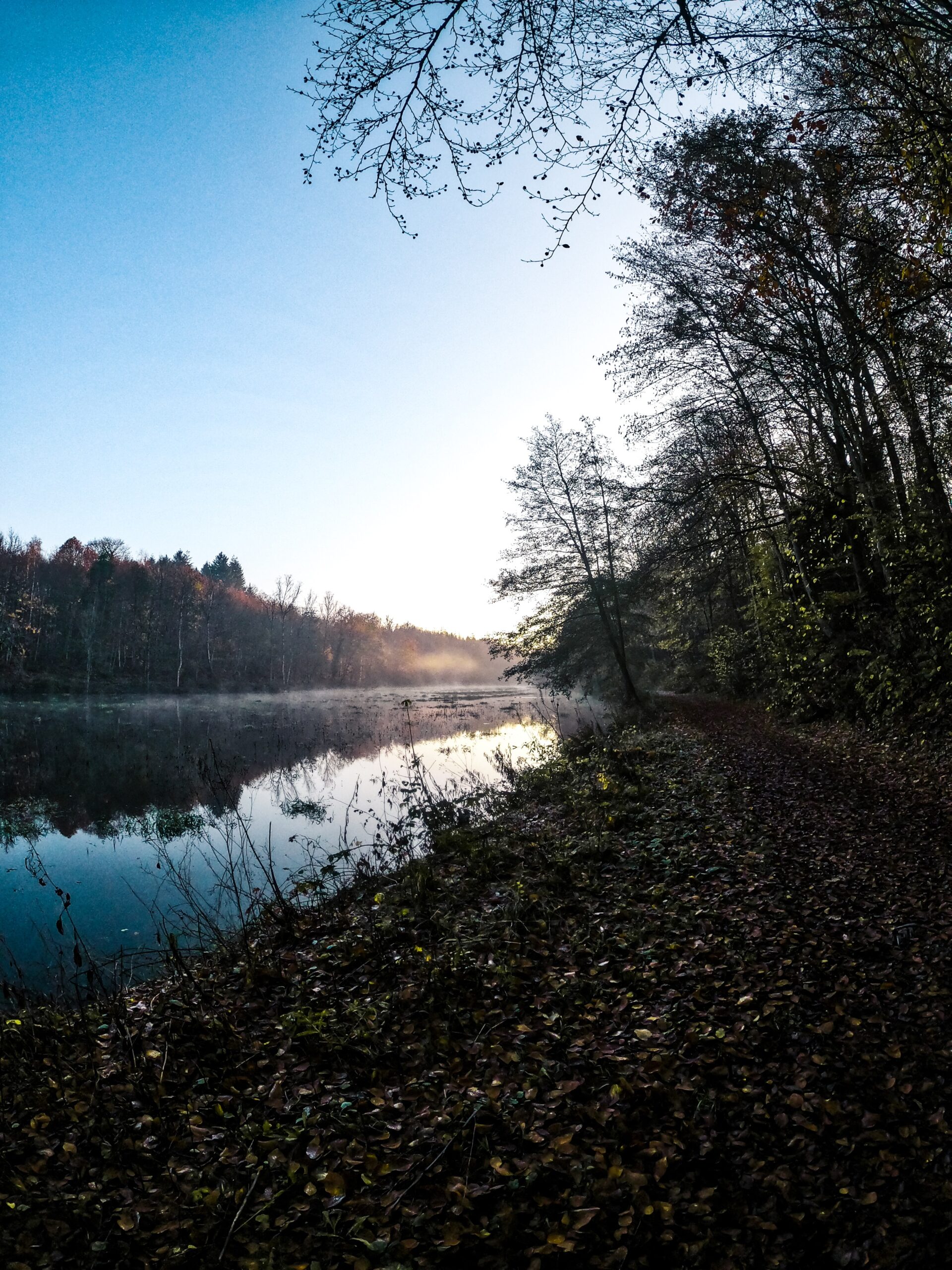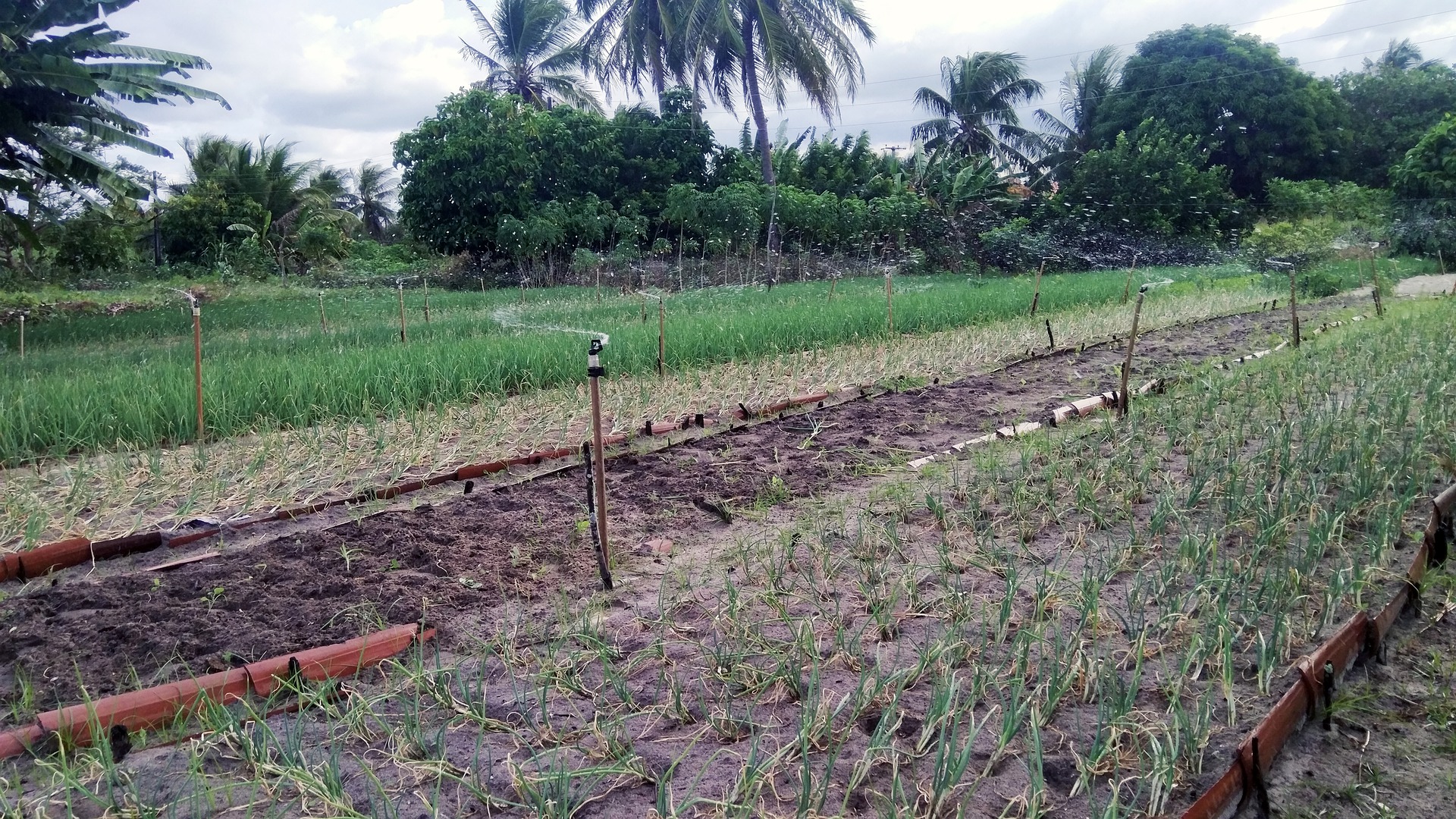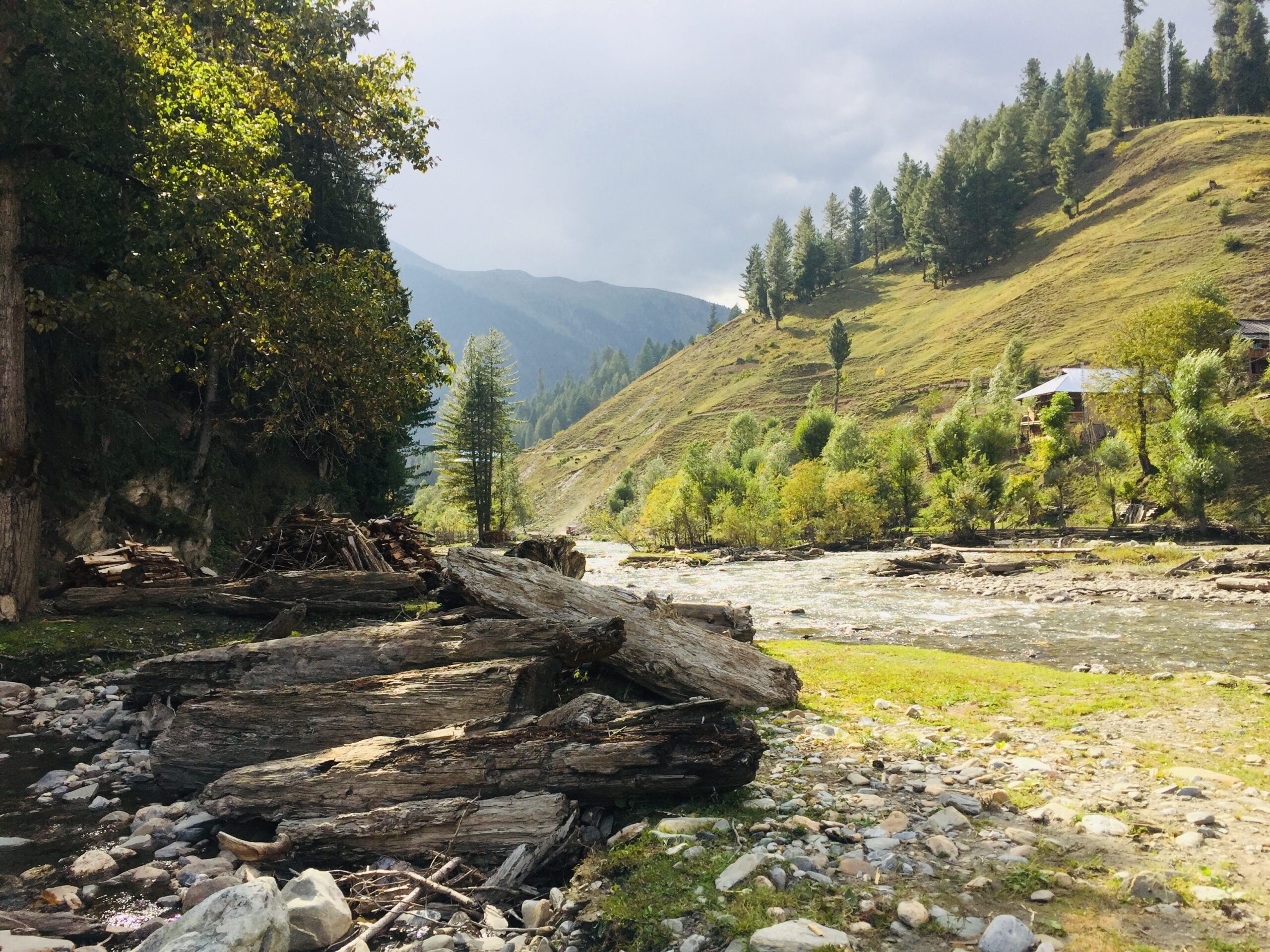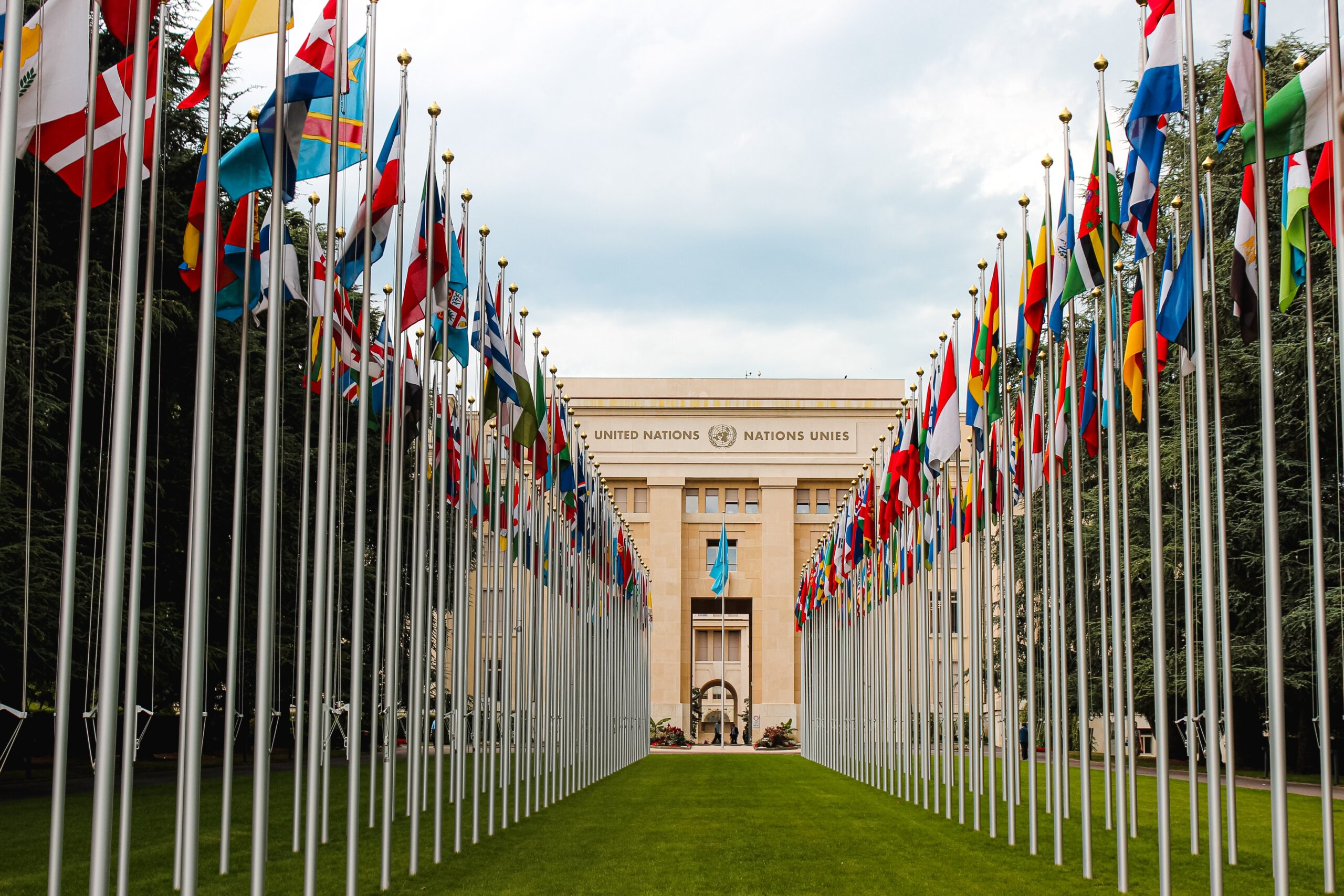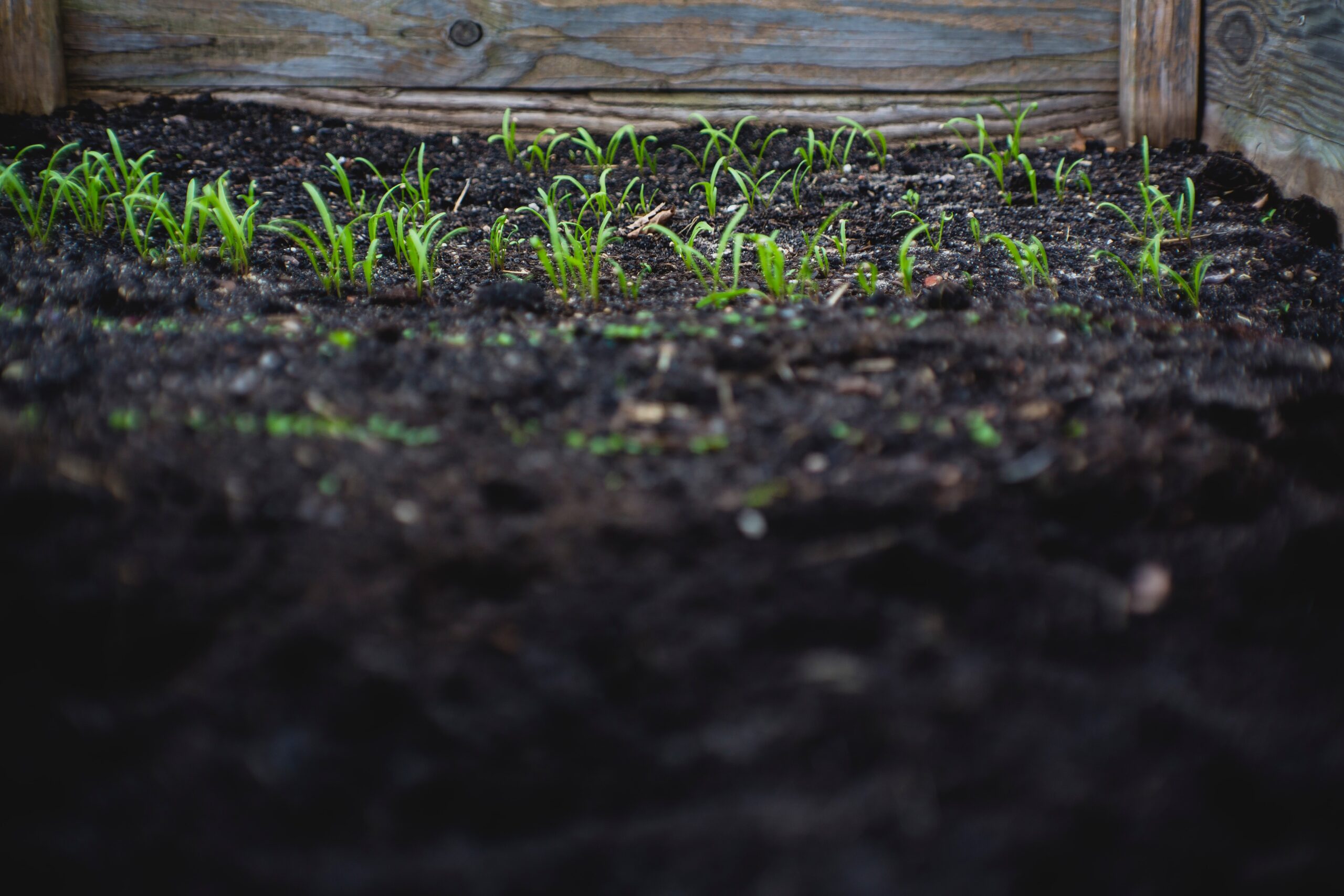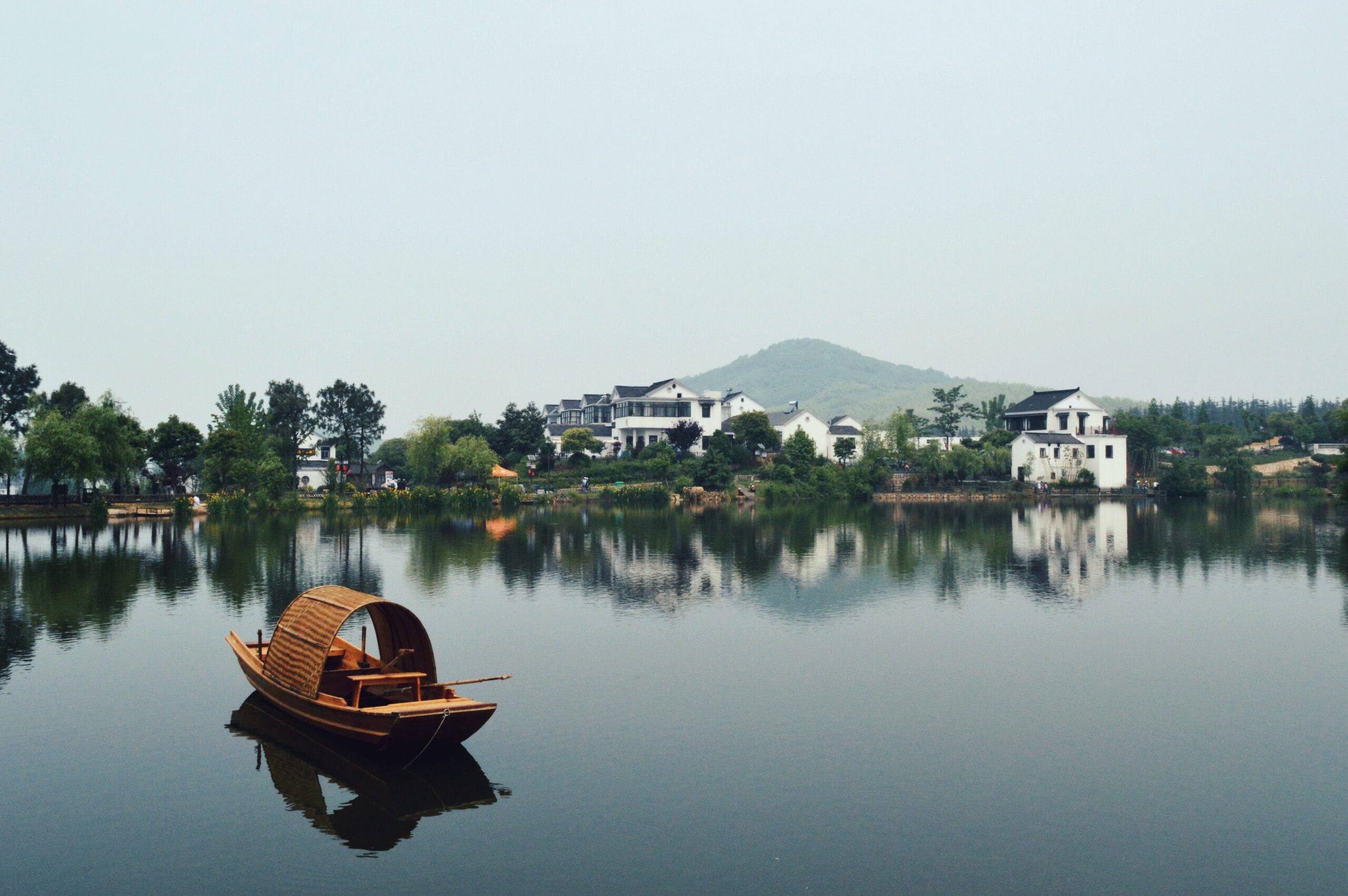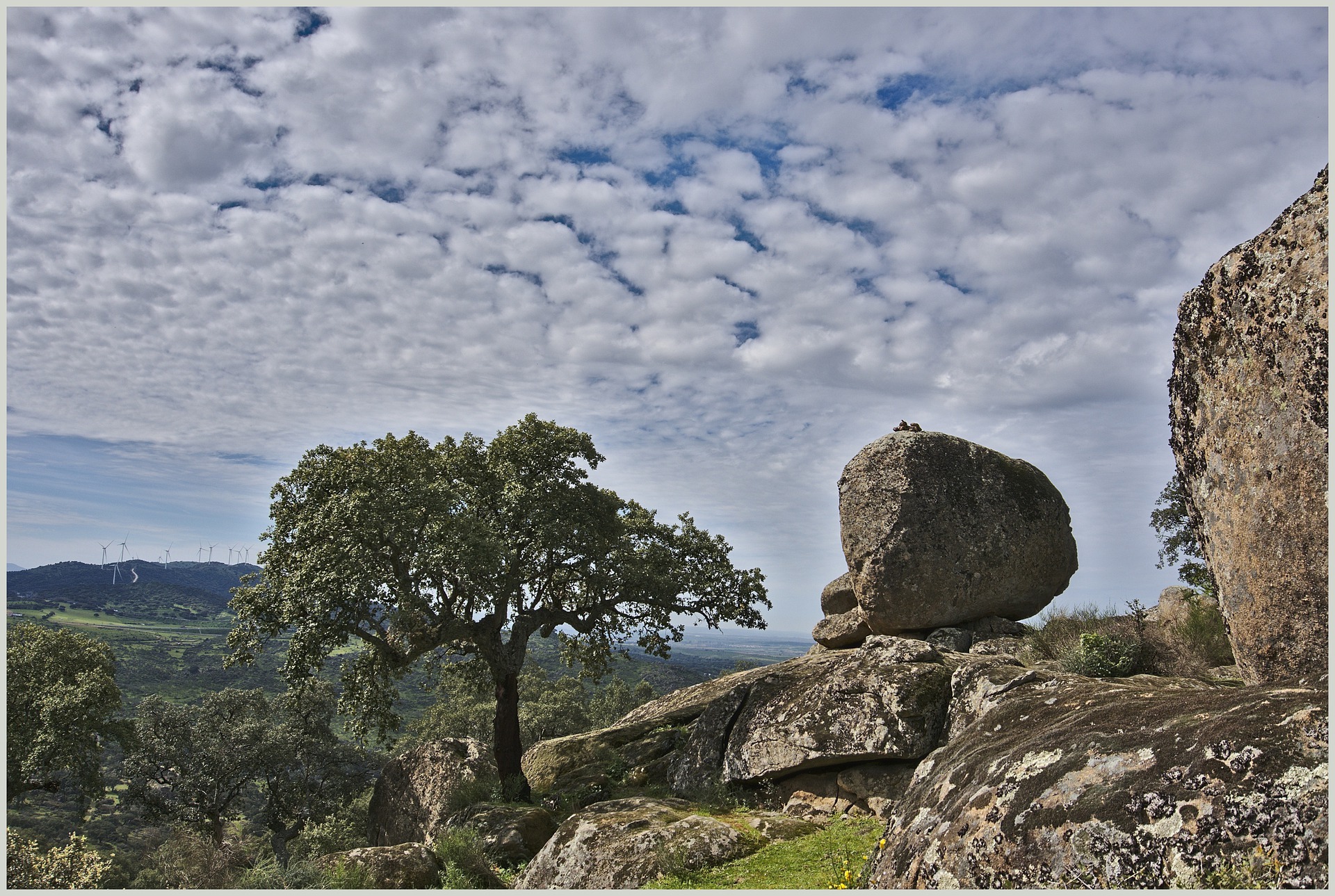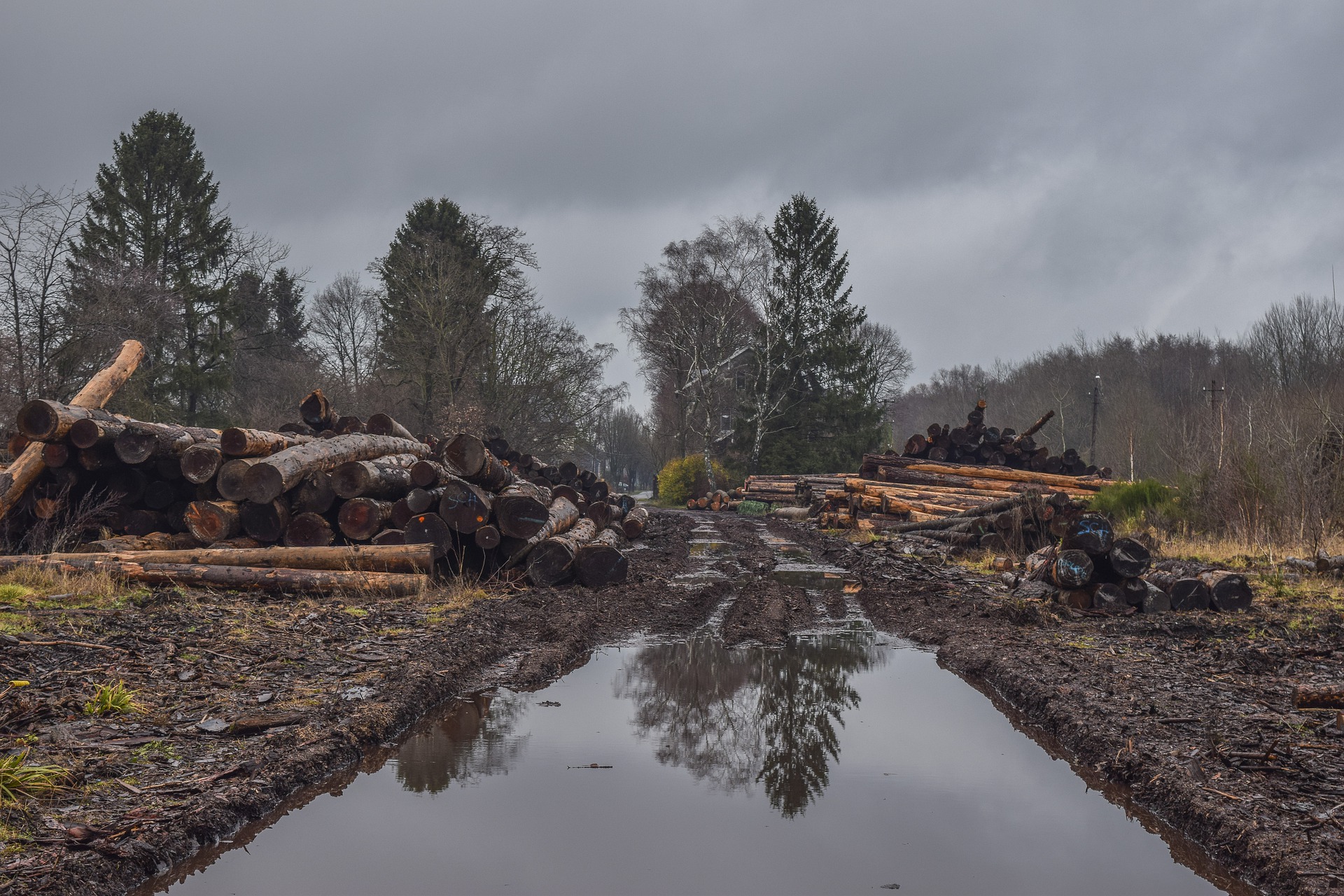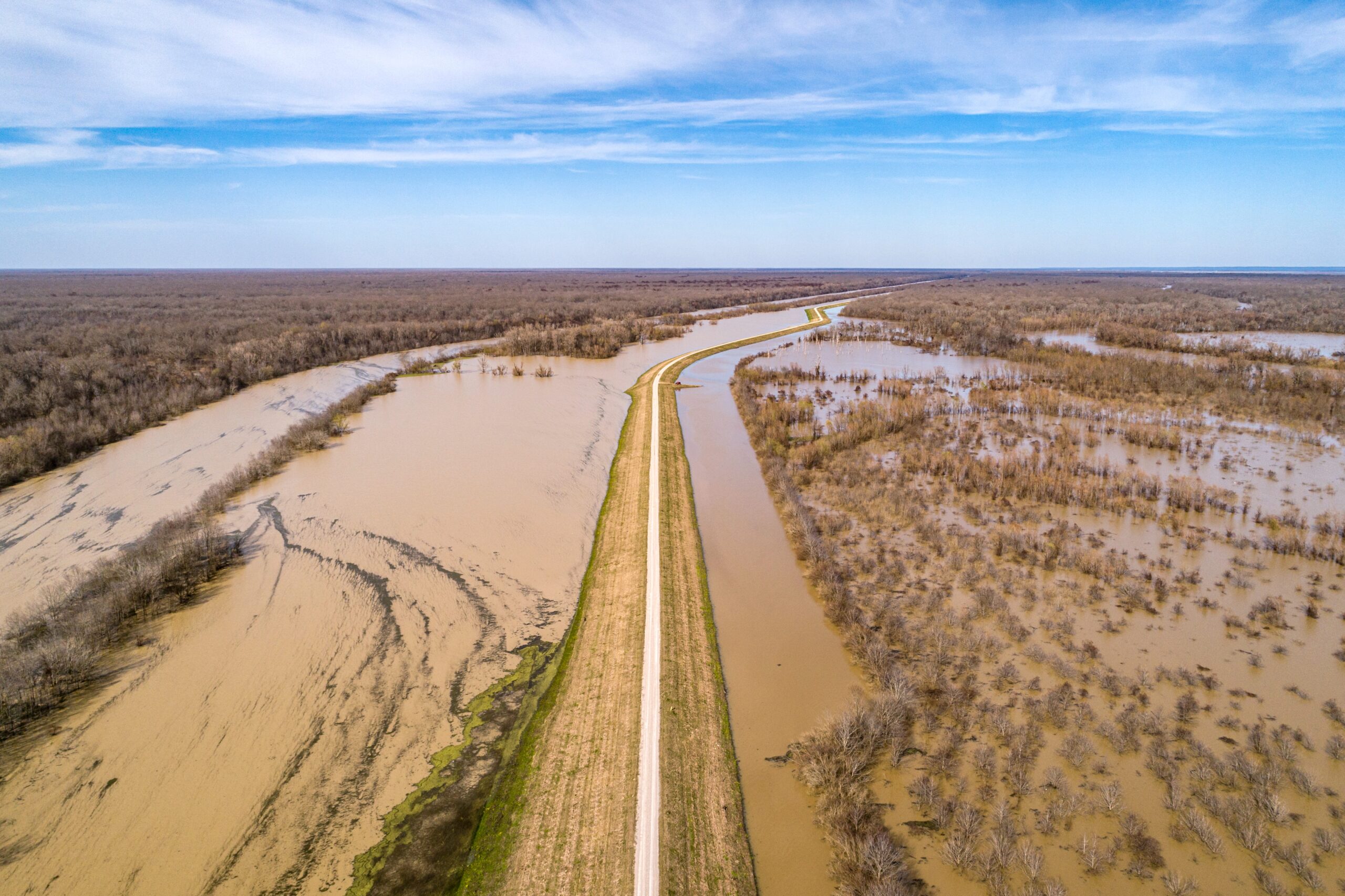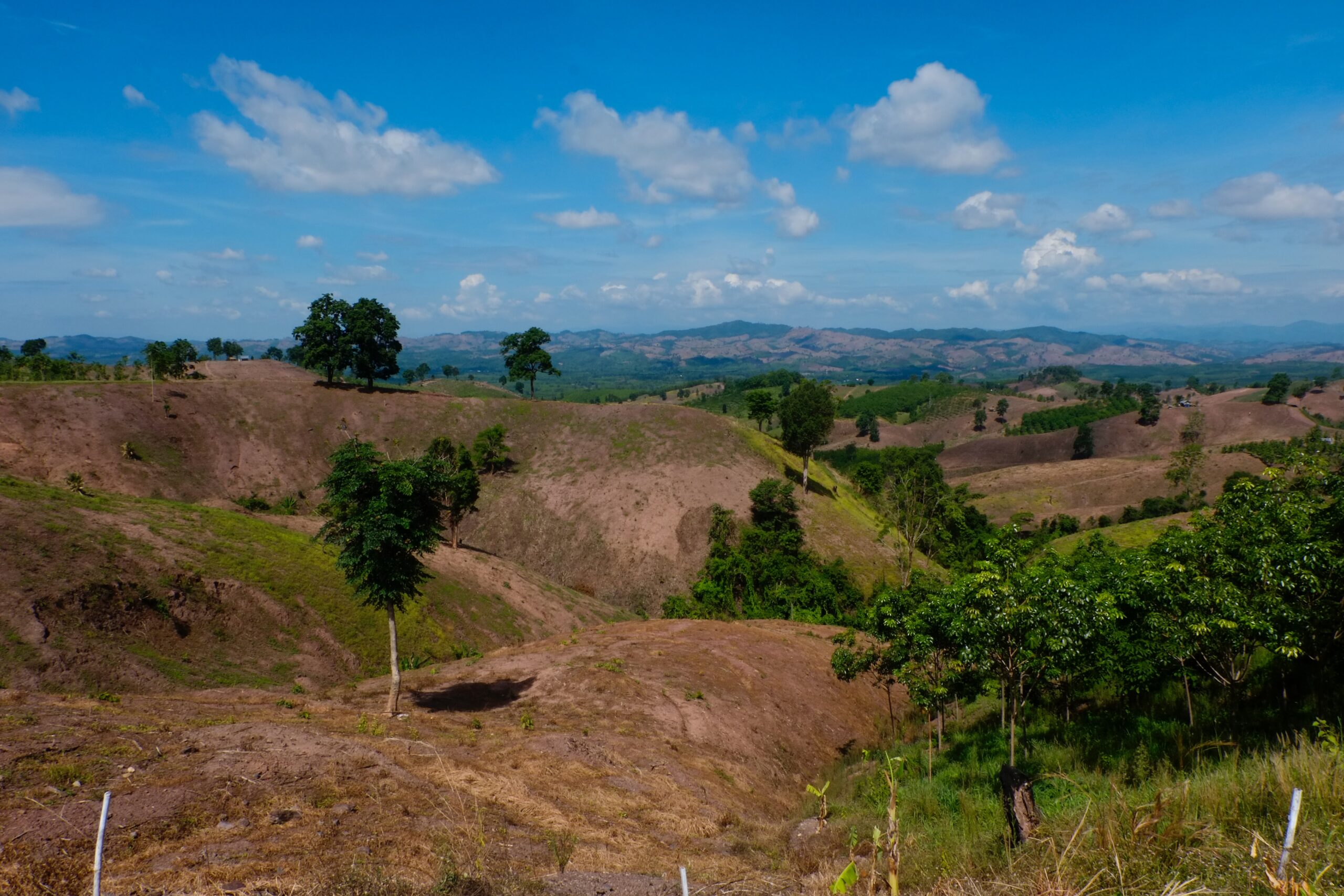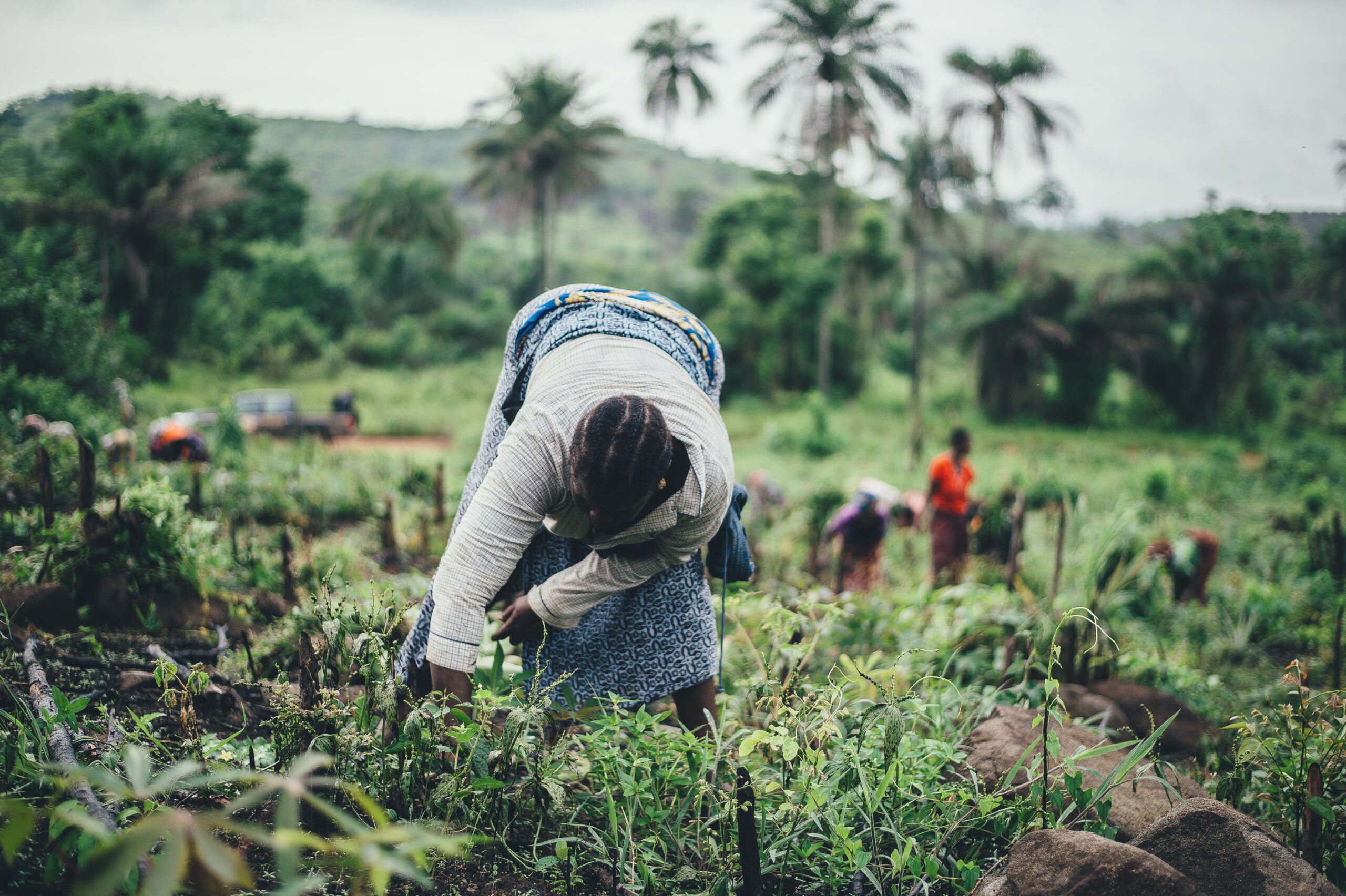
Landscape rehydration (LR) and Sustainable land management (SLM) practices, such as those employed in the Mulloon Rehydration Initiative (MRI), offer a relatively low-cost toolkit that can offer significant potential to mitigate the economic impacts of droughts. This case study, including similar MRI landscape rehydration projects around Australia are an example of how LR techniques can be used to increase drought resilience. This report provides a cost-benefit analysis (CBA) of the MRI and explores how scaling these solutions to a national level could amplify economic, environmental, and social benefits. The report also aligns with the United Nations Convention to Combat Desertification (UNCCD) targets, focusing on gender equality and other co-benefits of LR and SLM.
Mulloon Rehydration Initiative: Drought Resilience Innovation in Action
Year: 2025