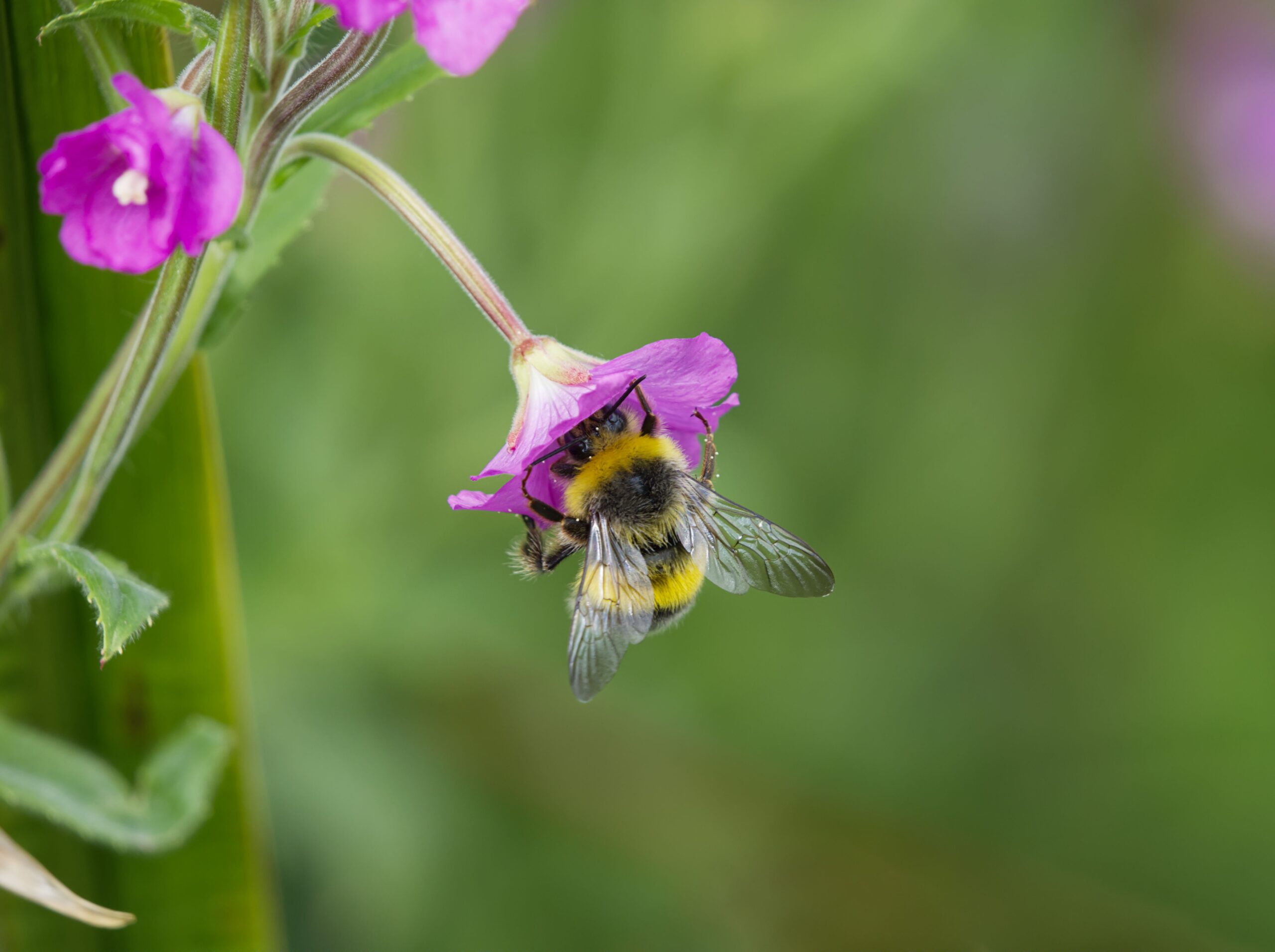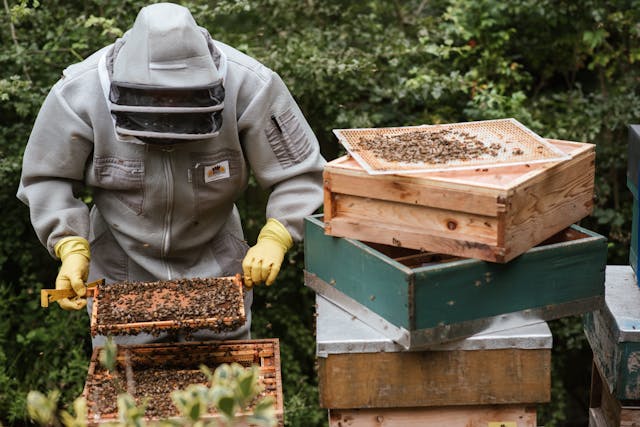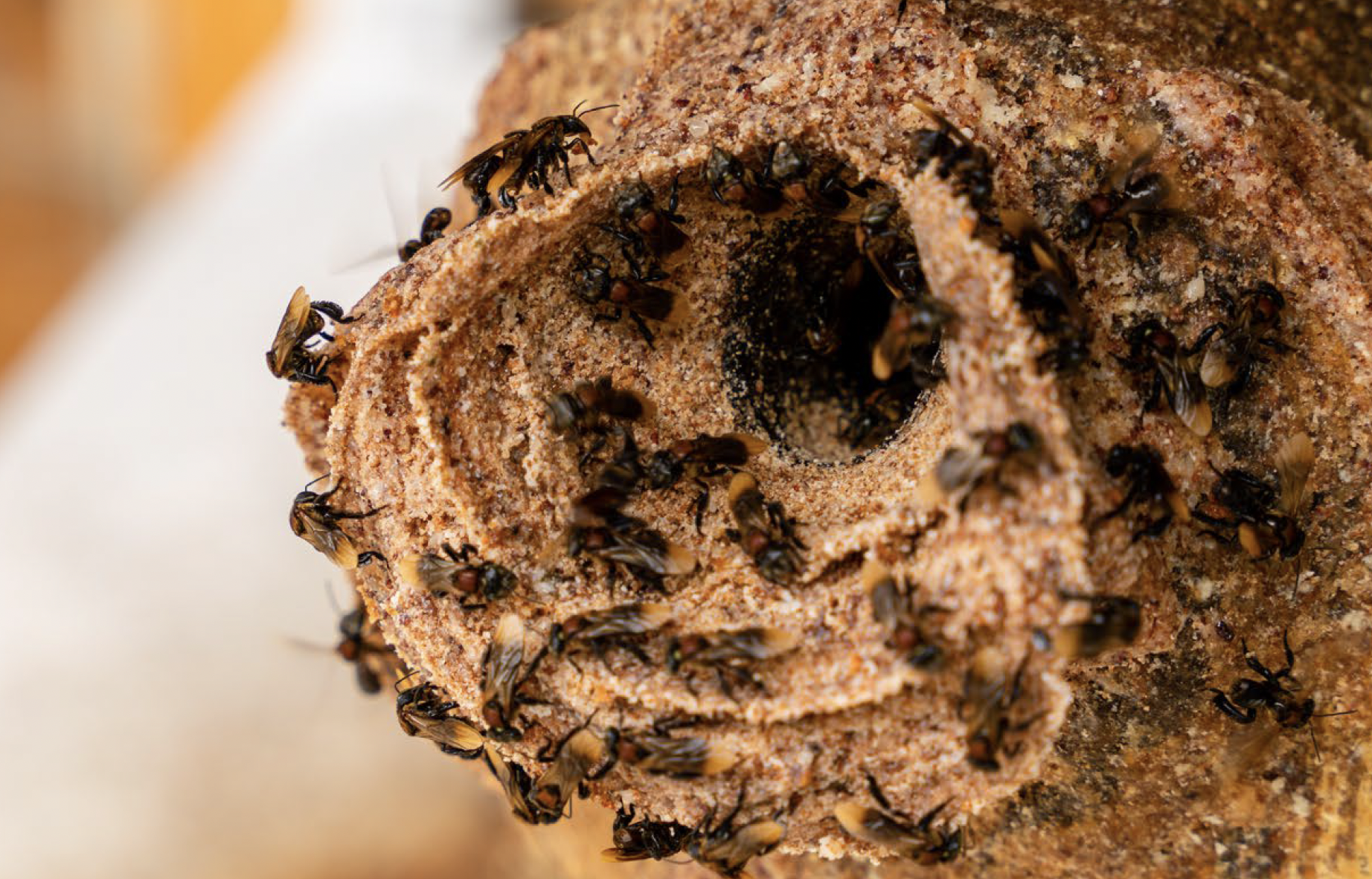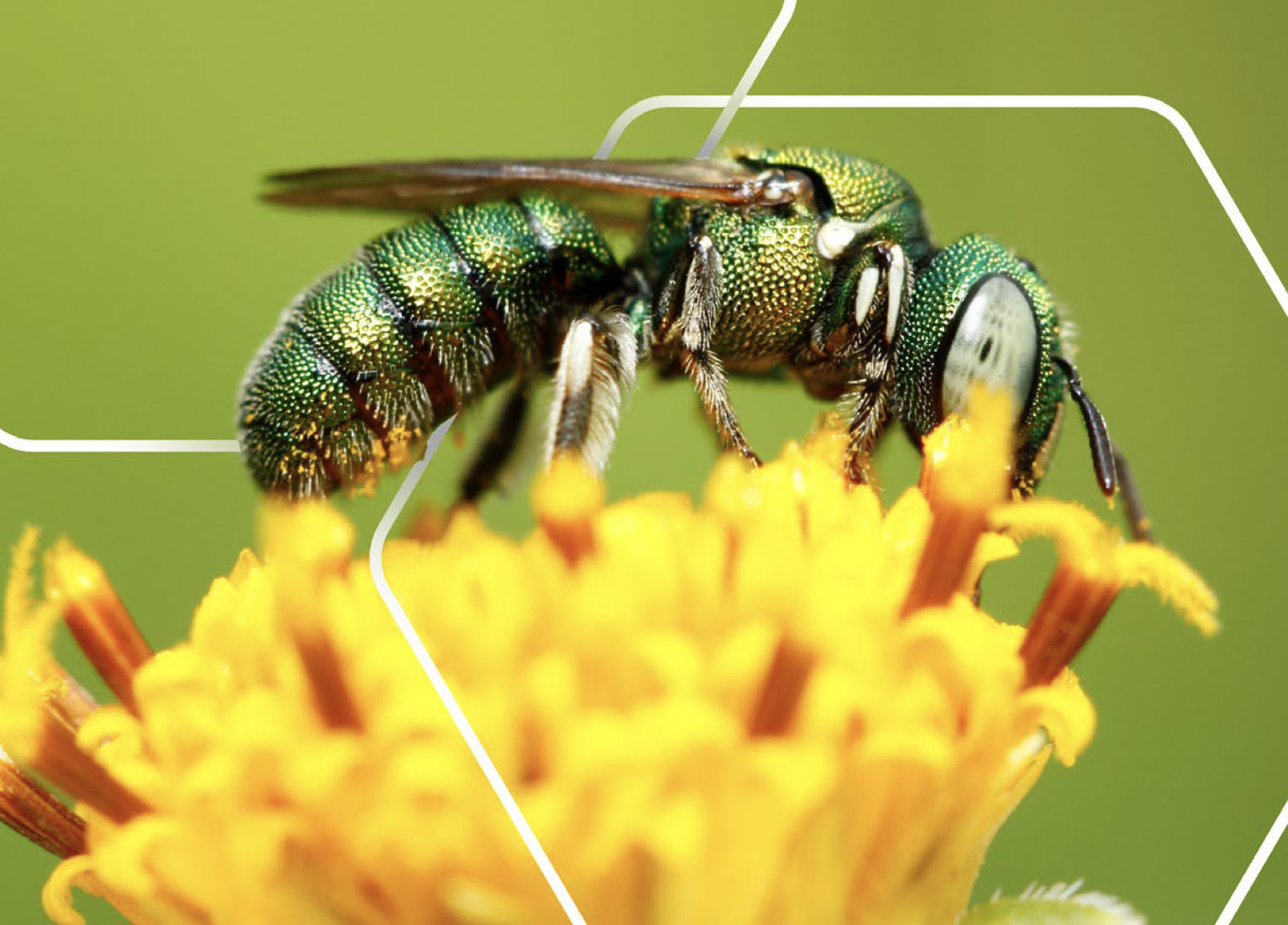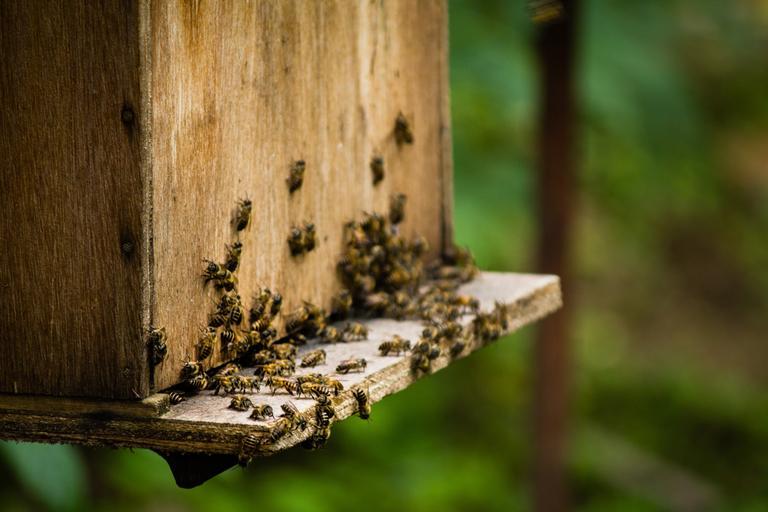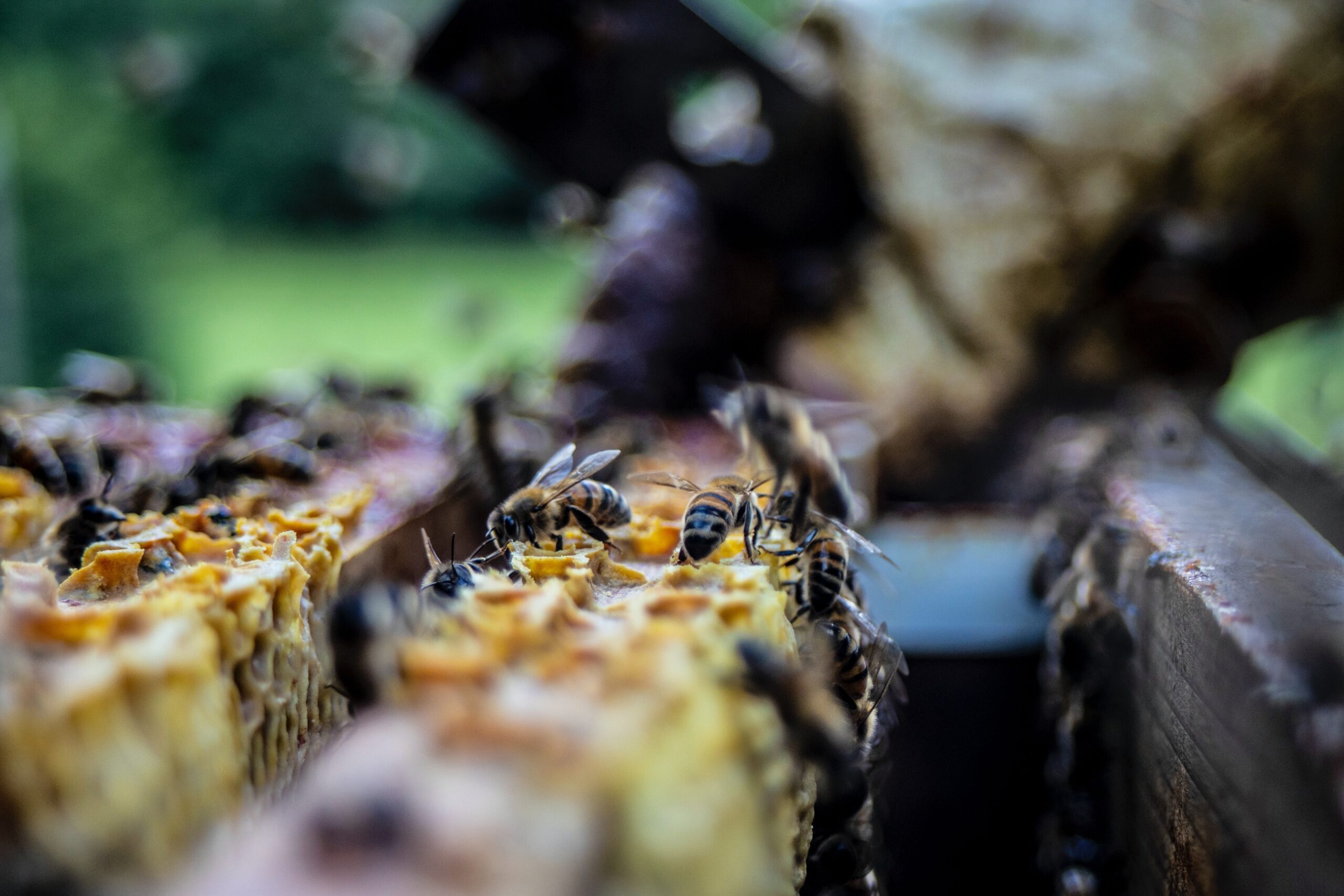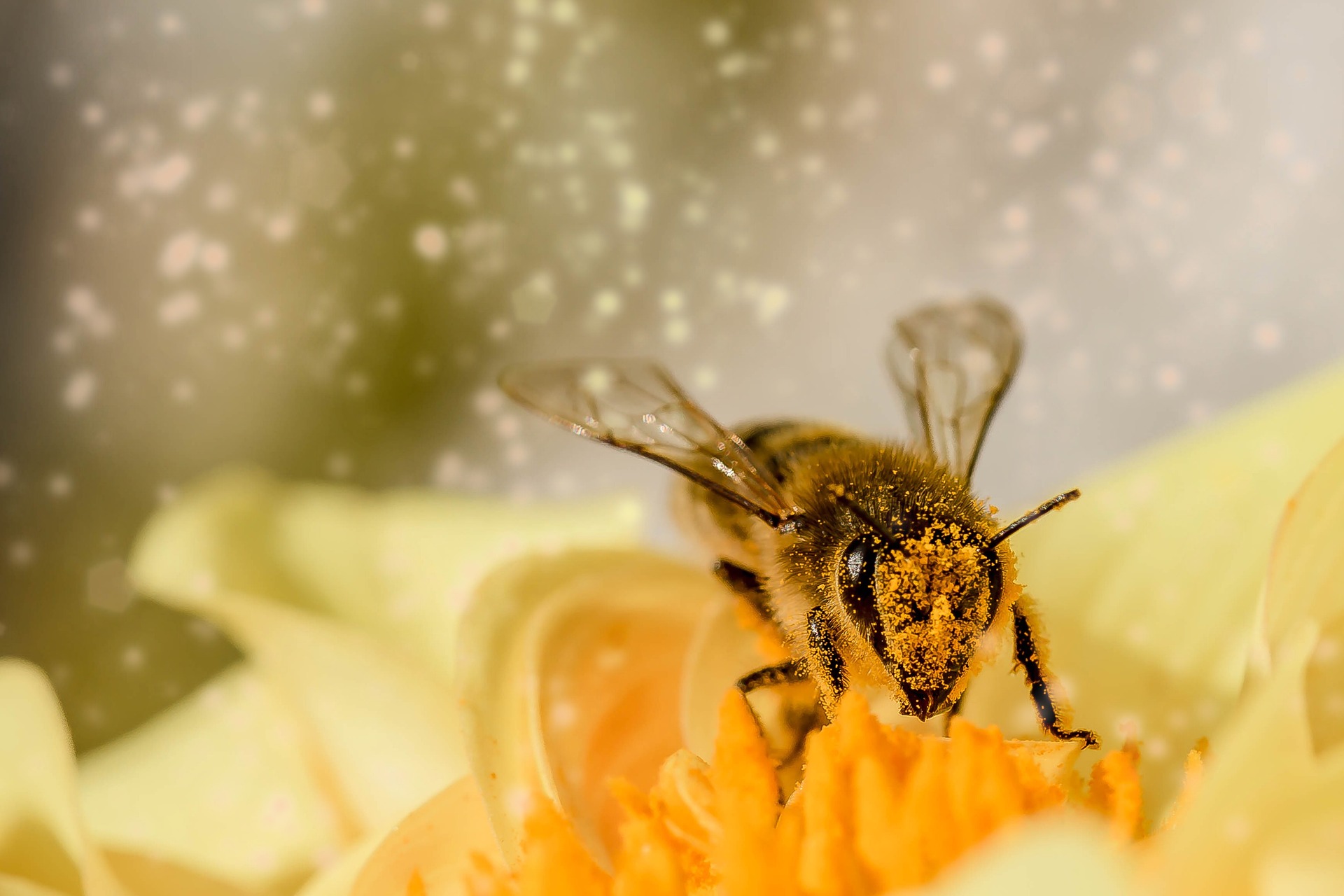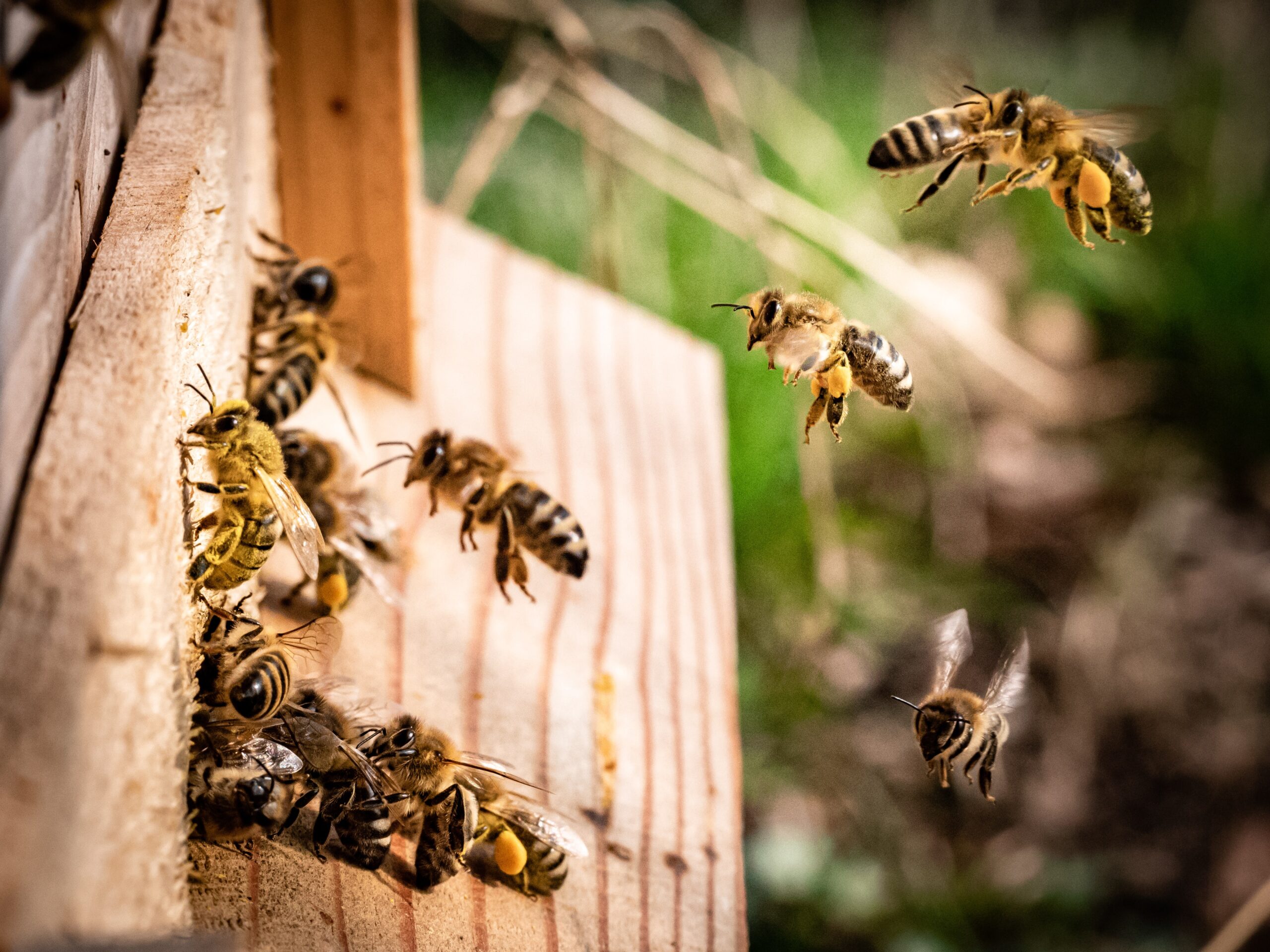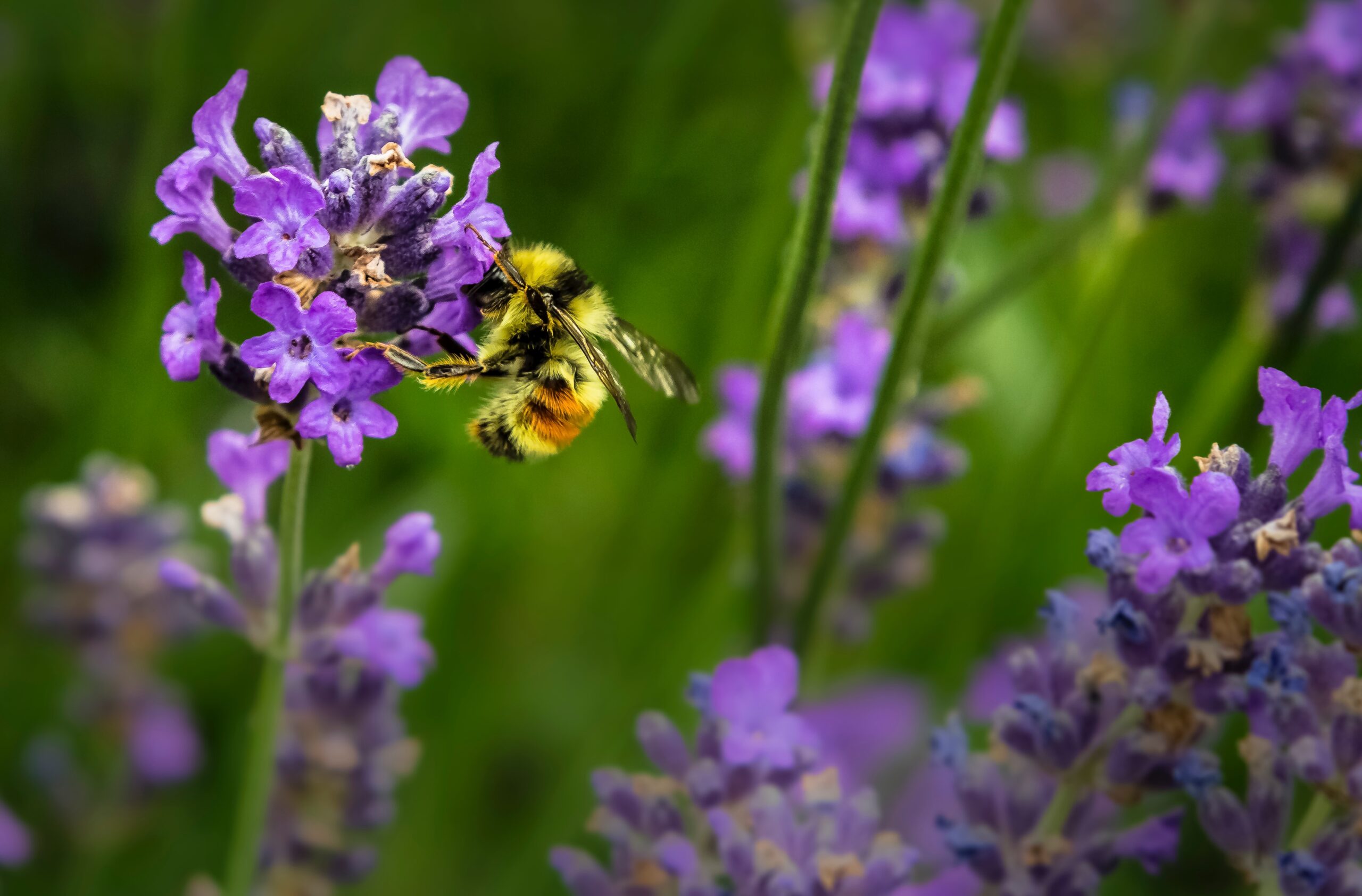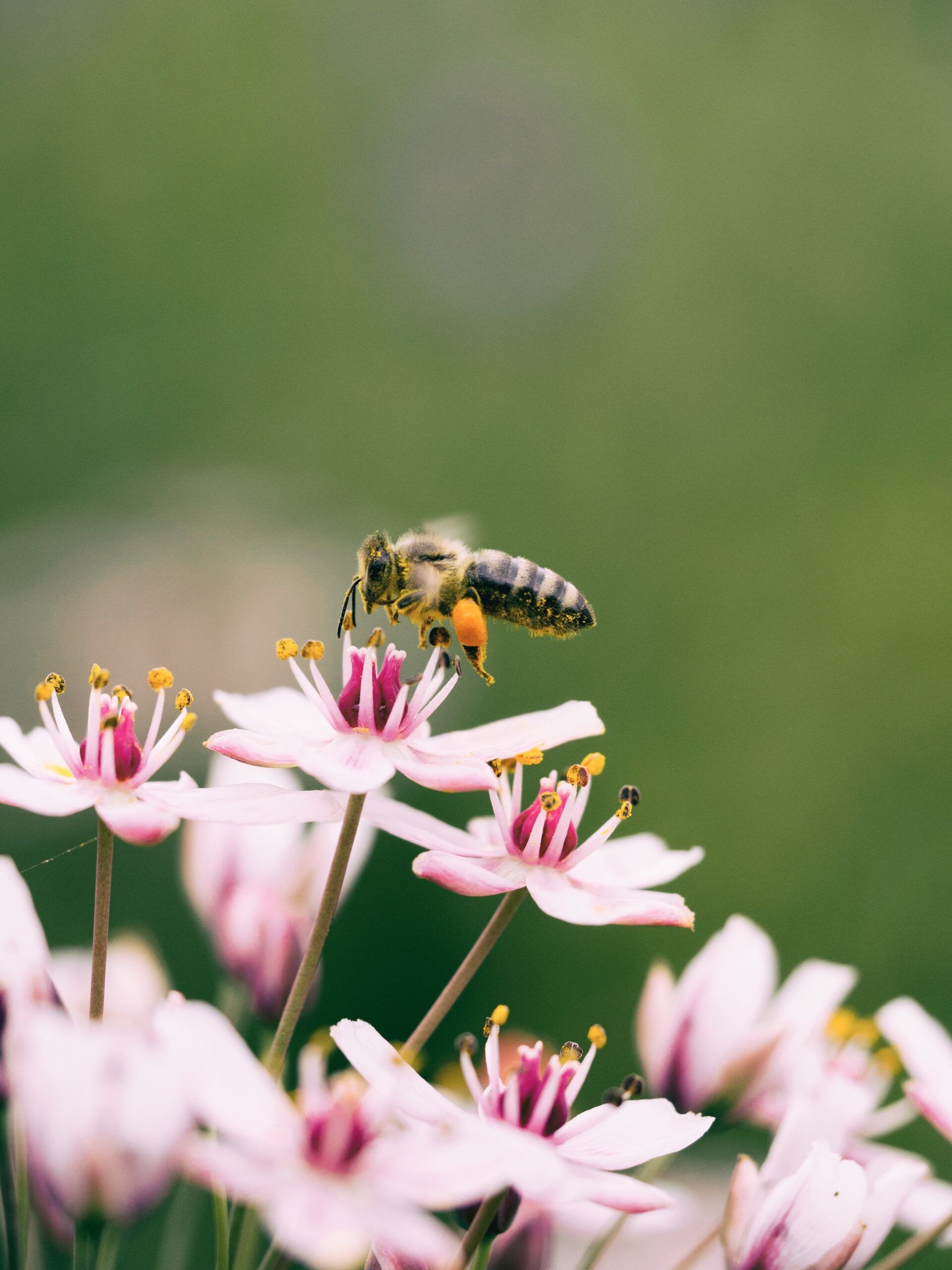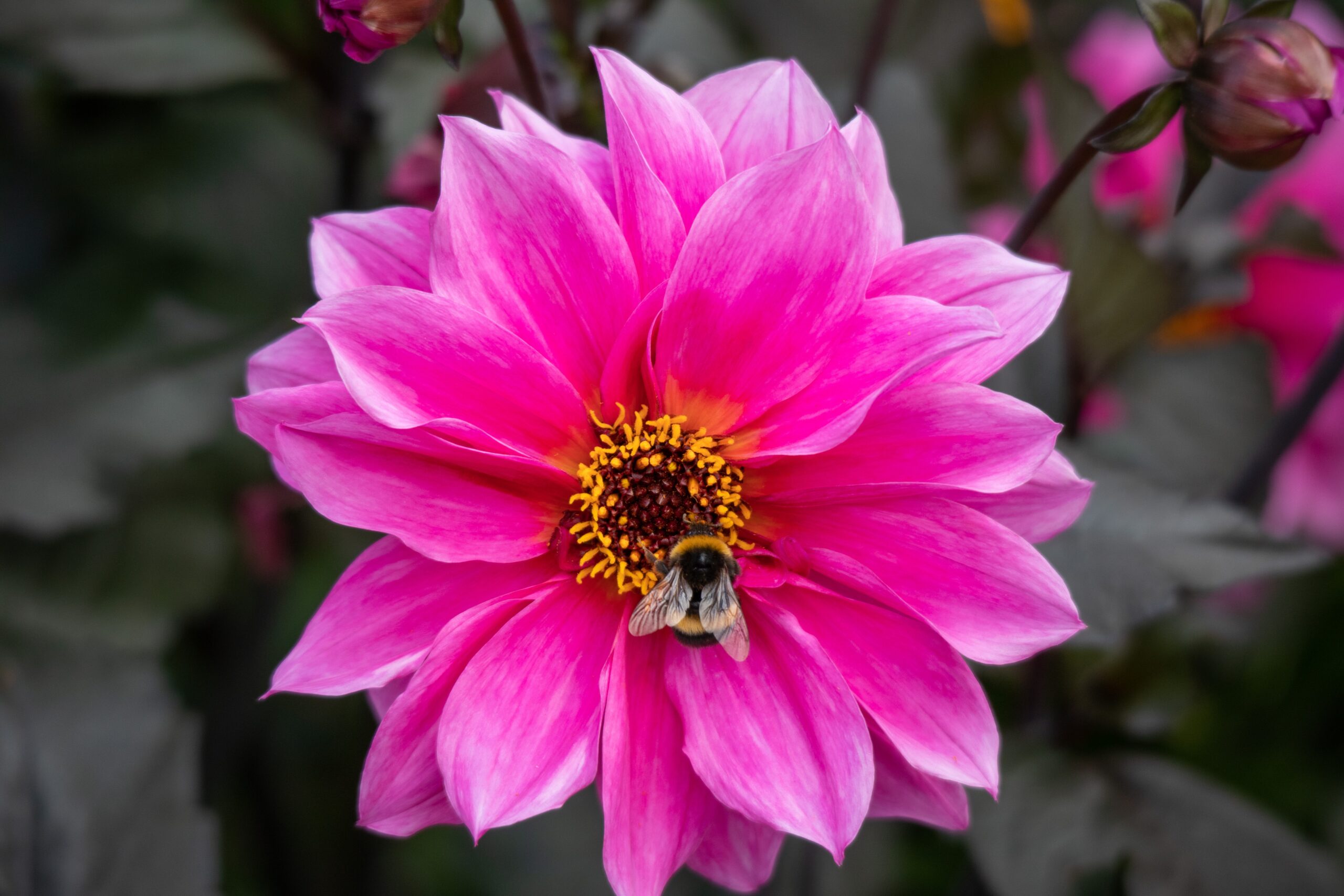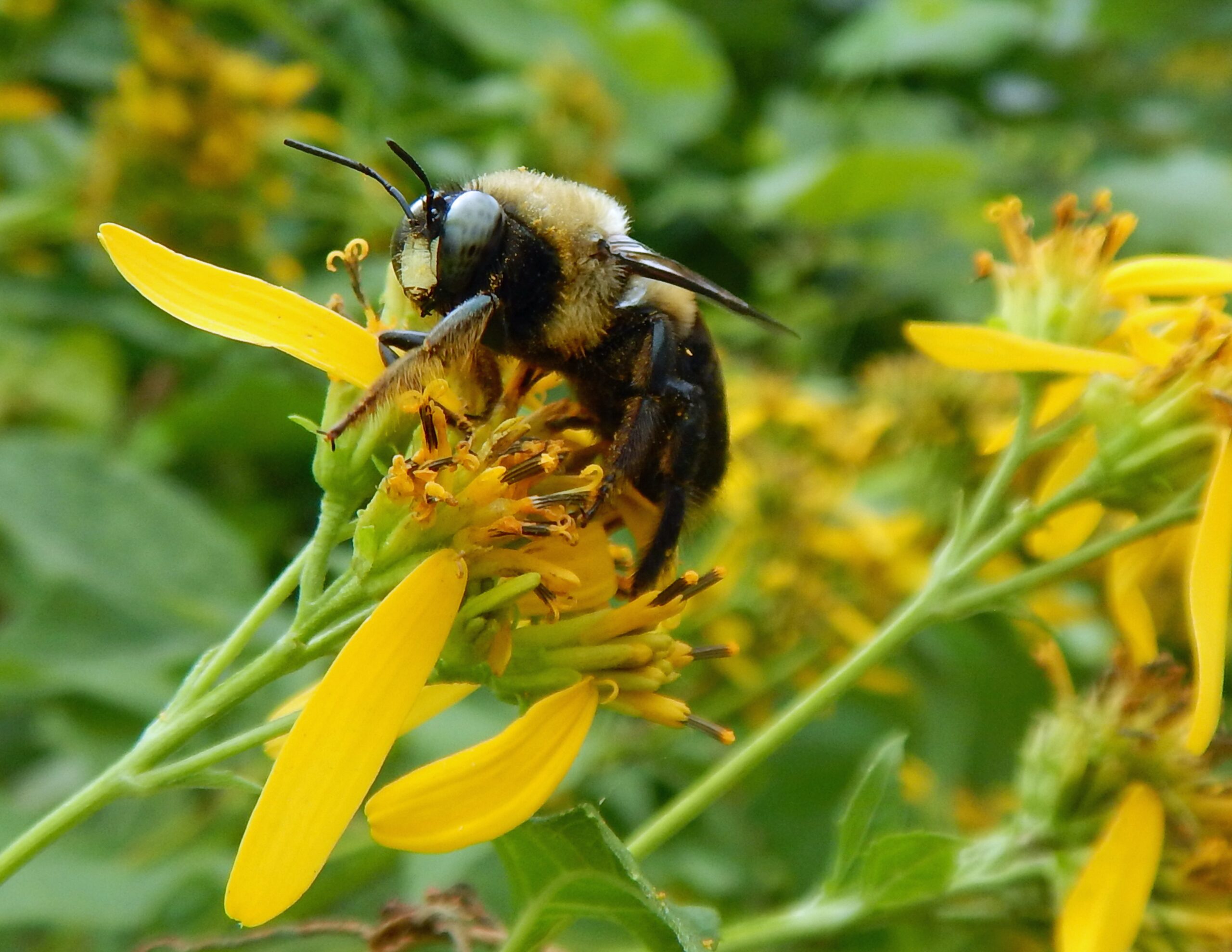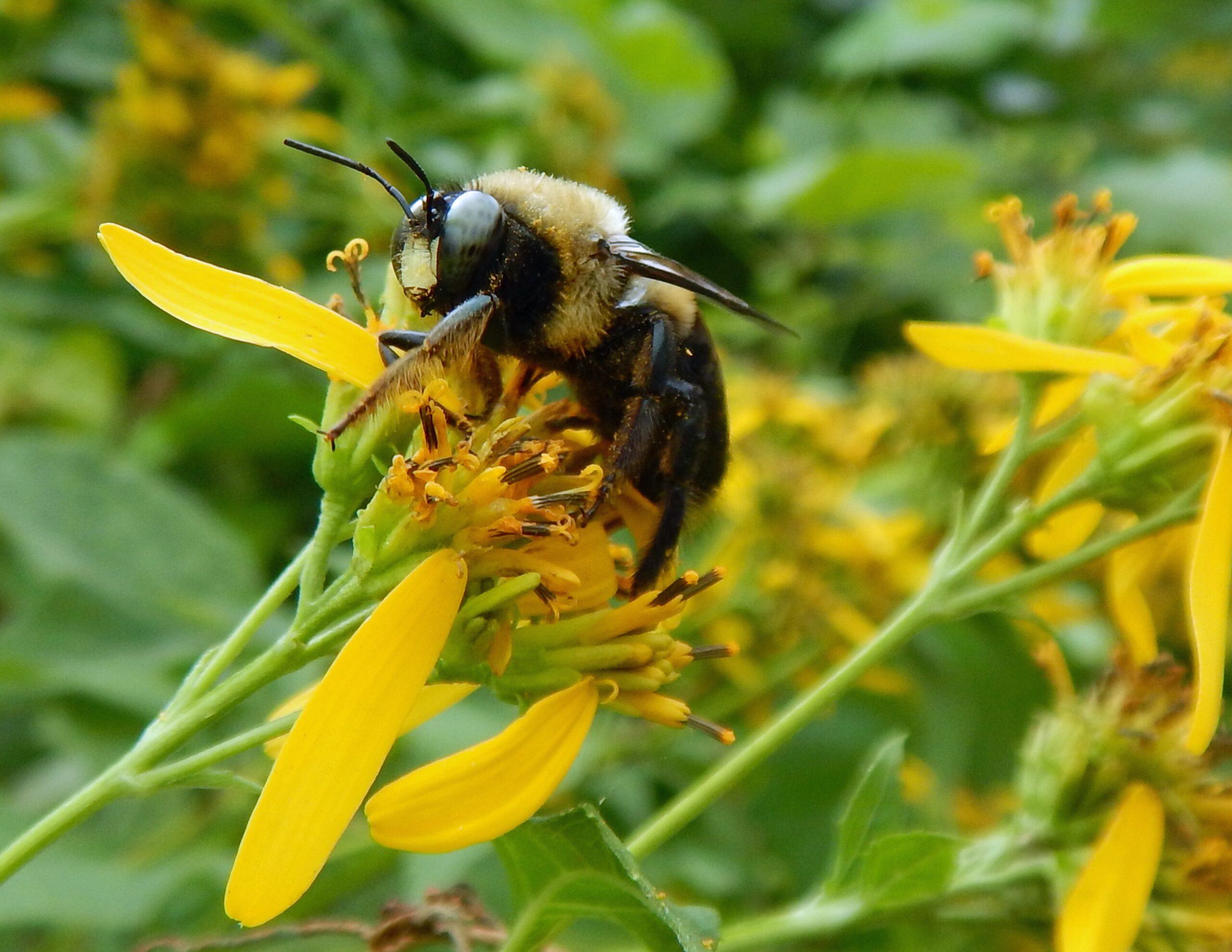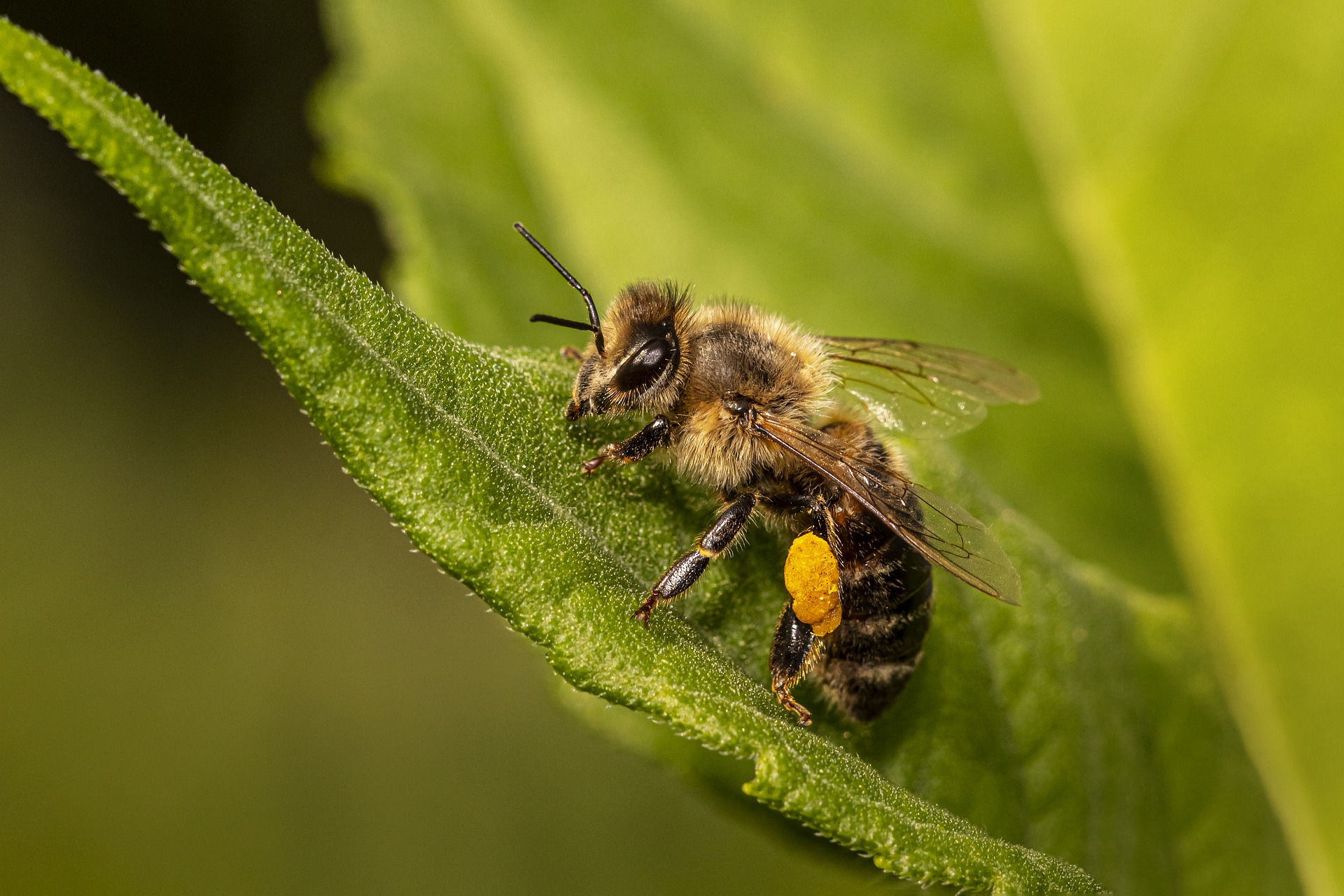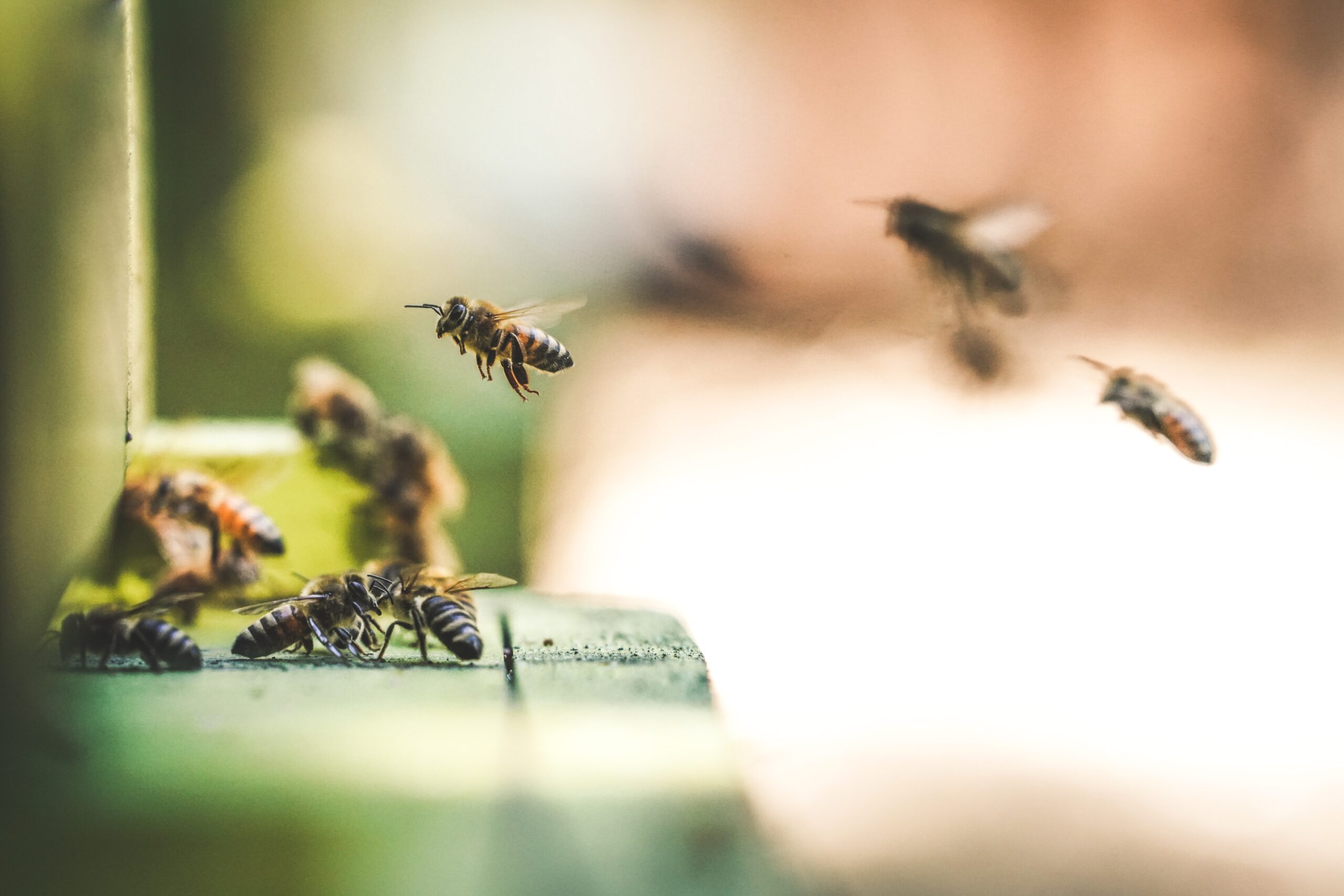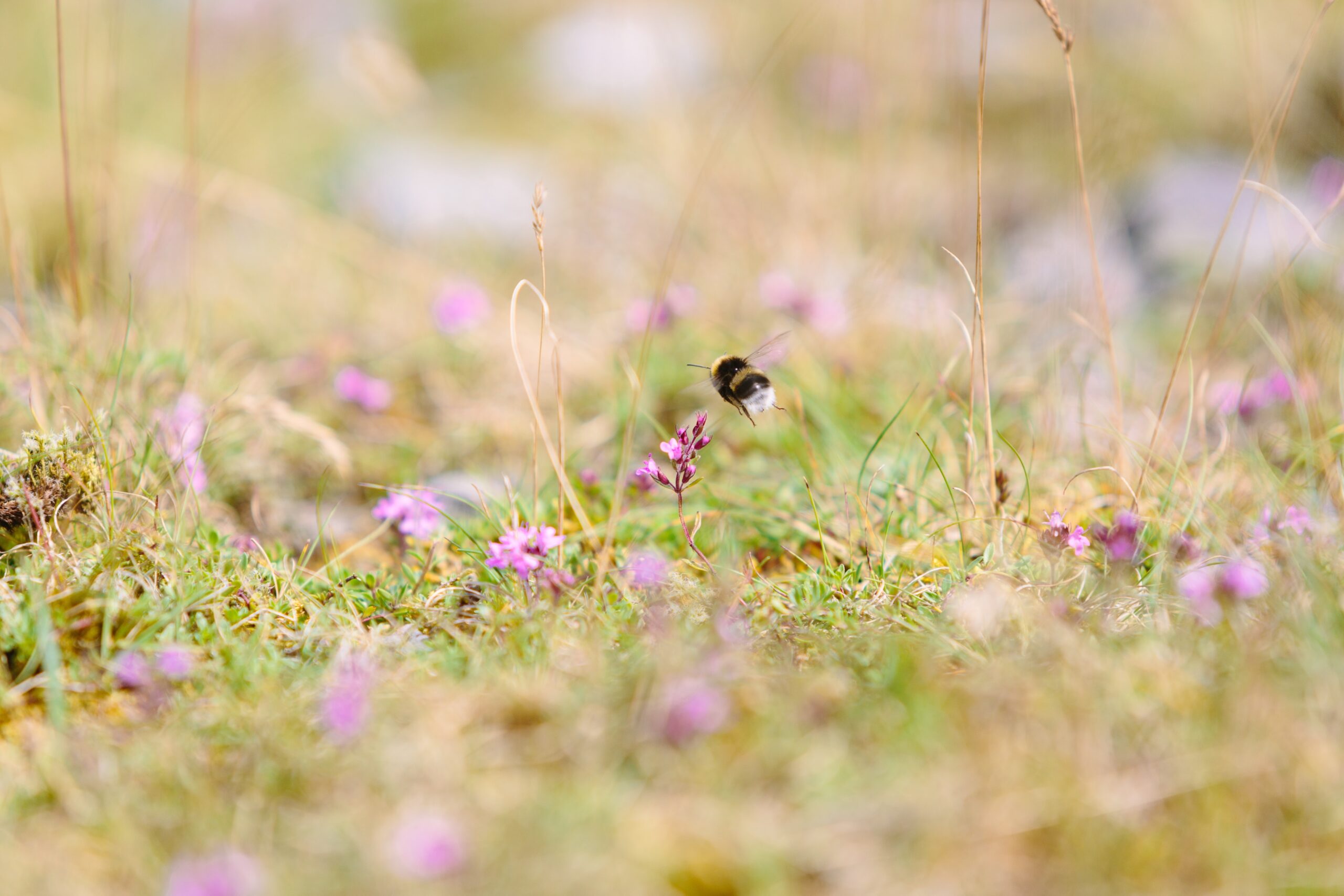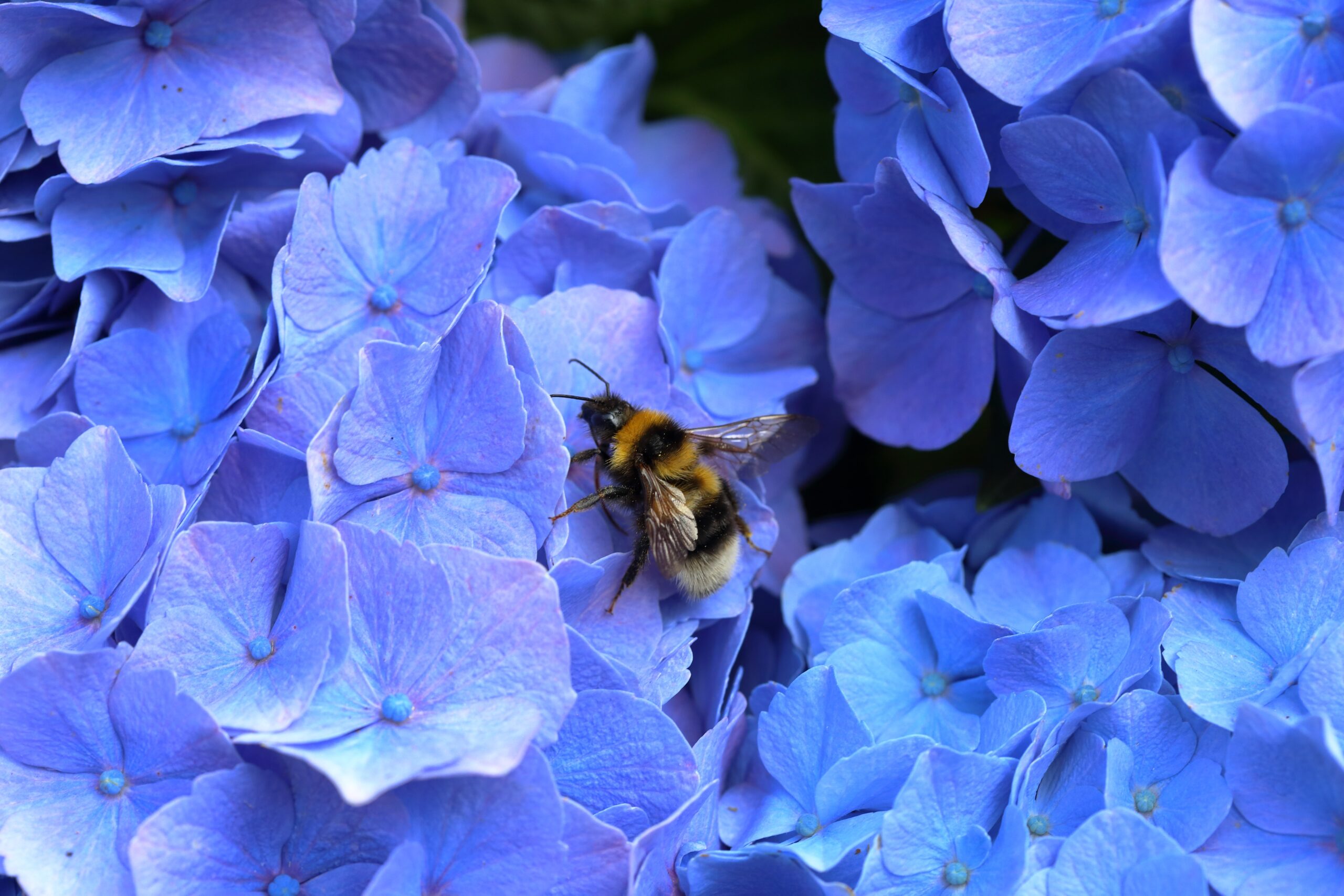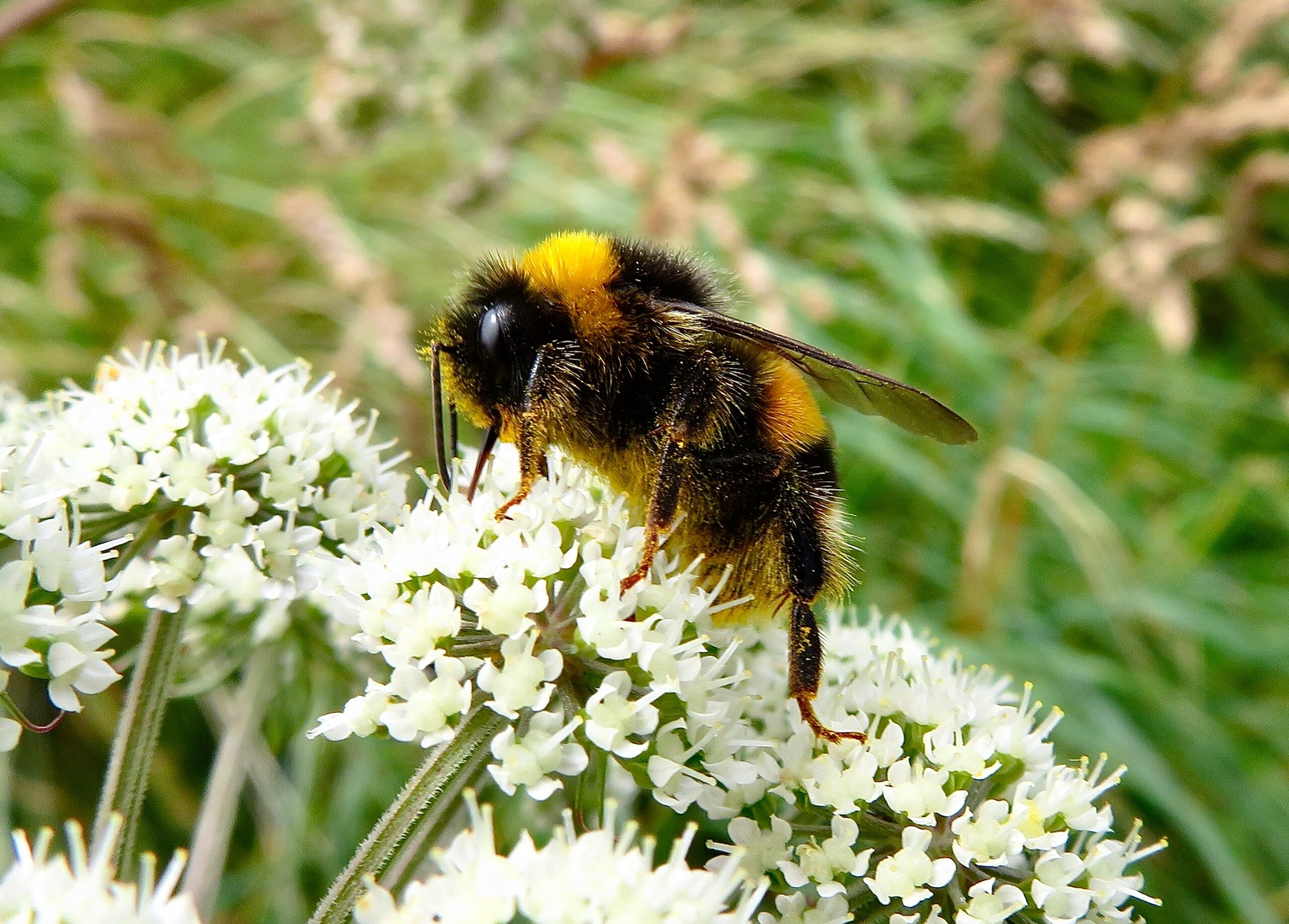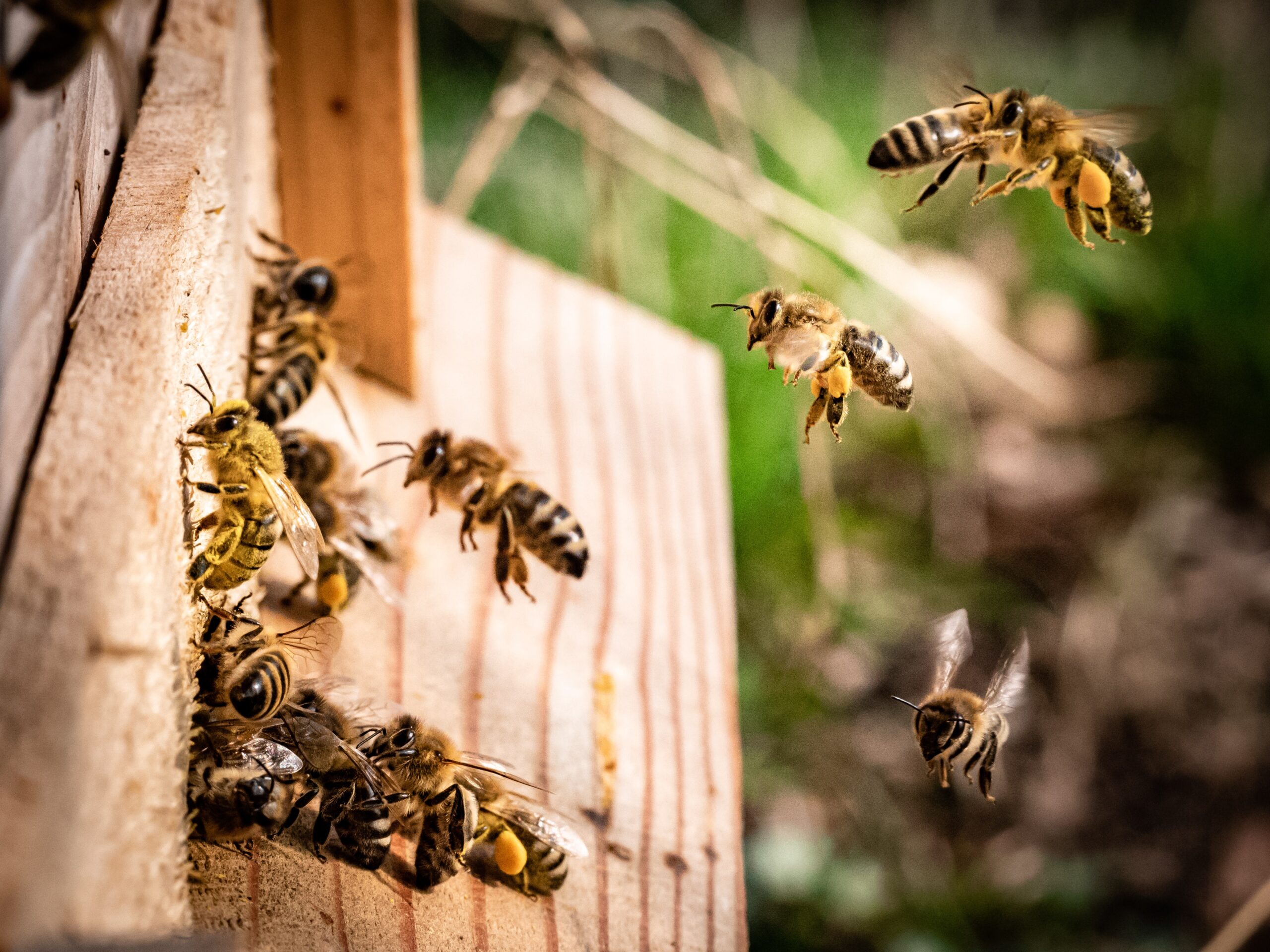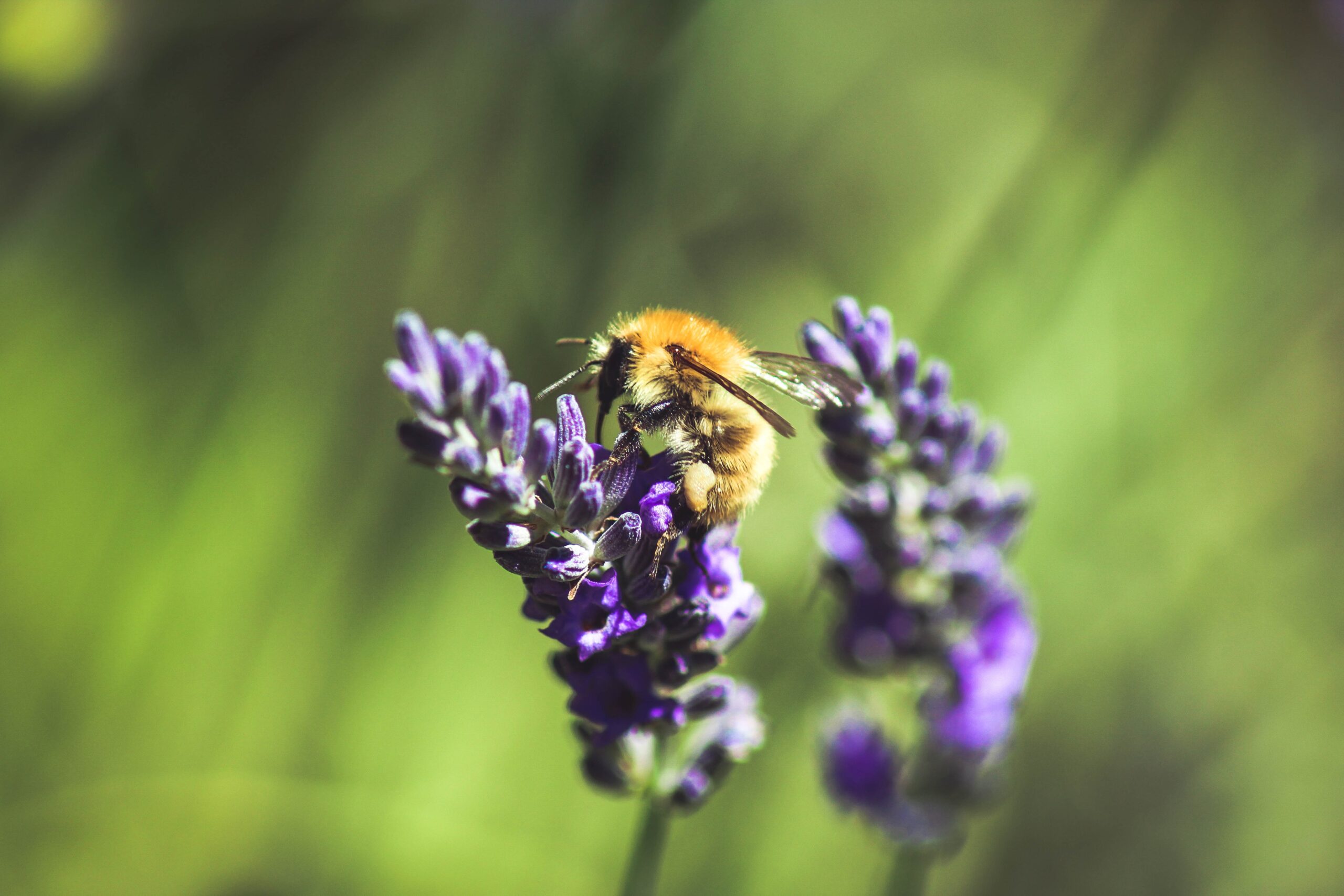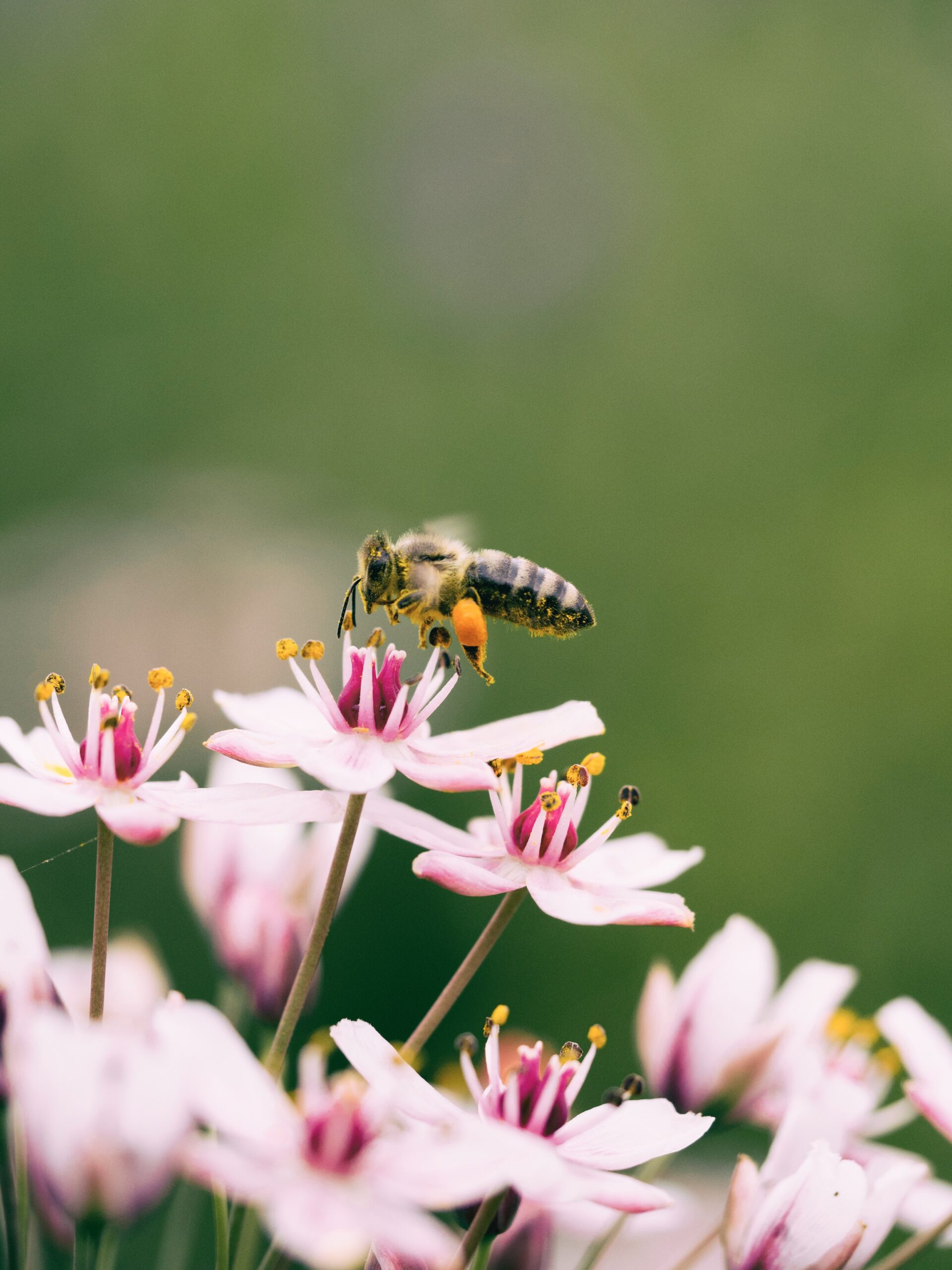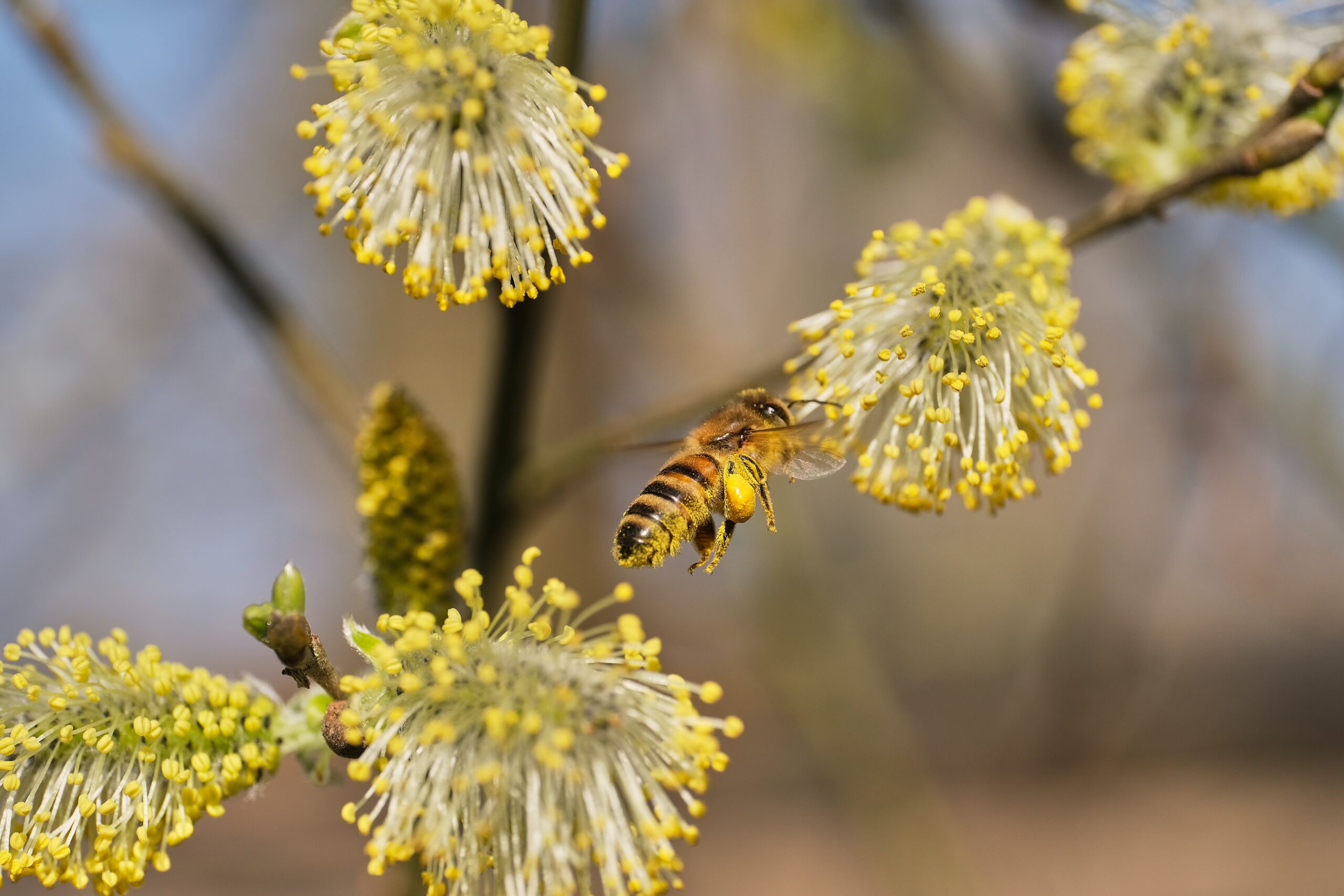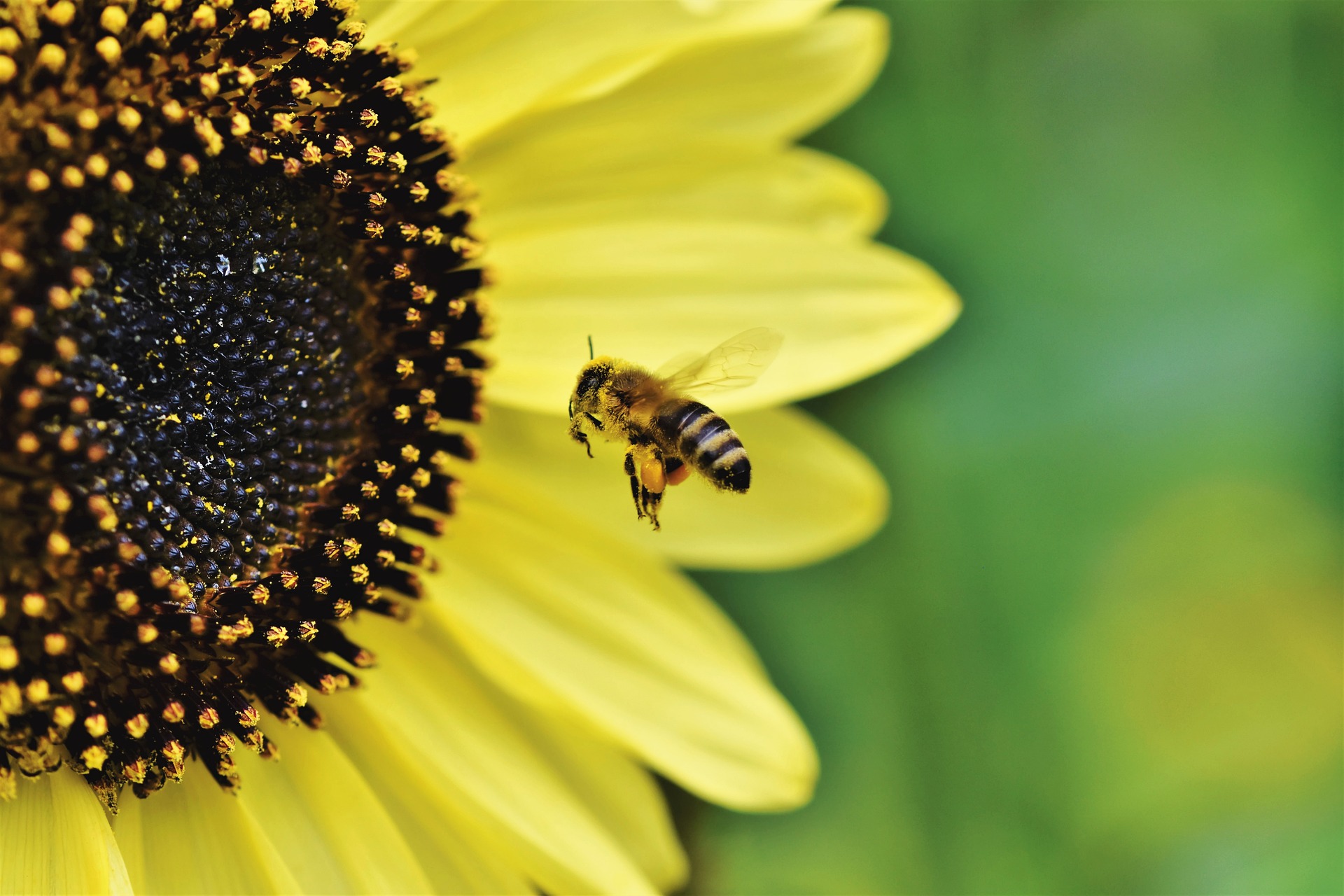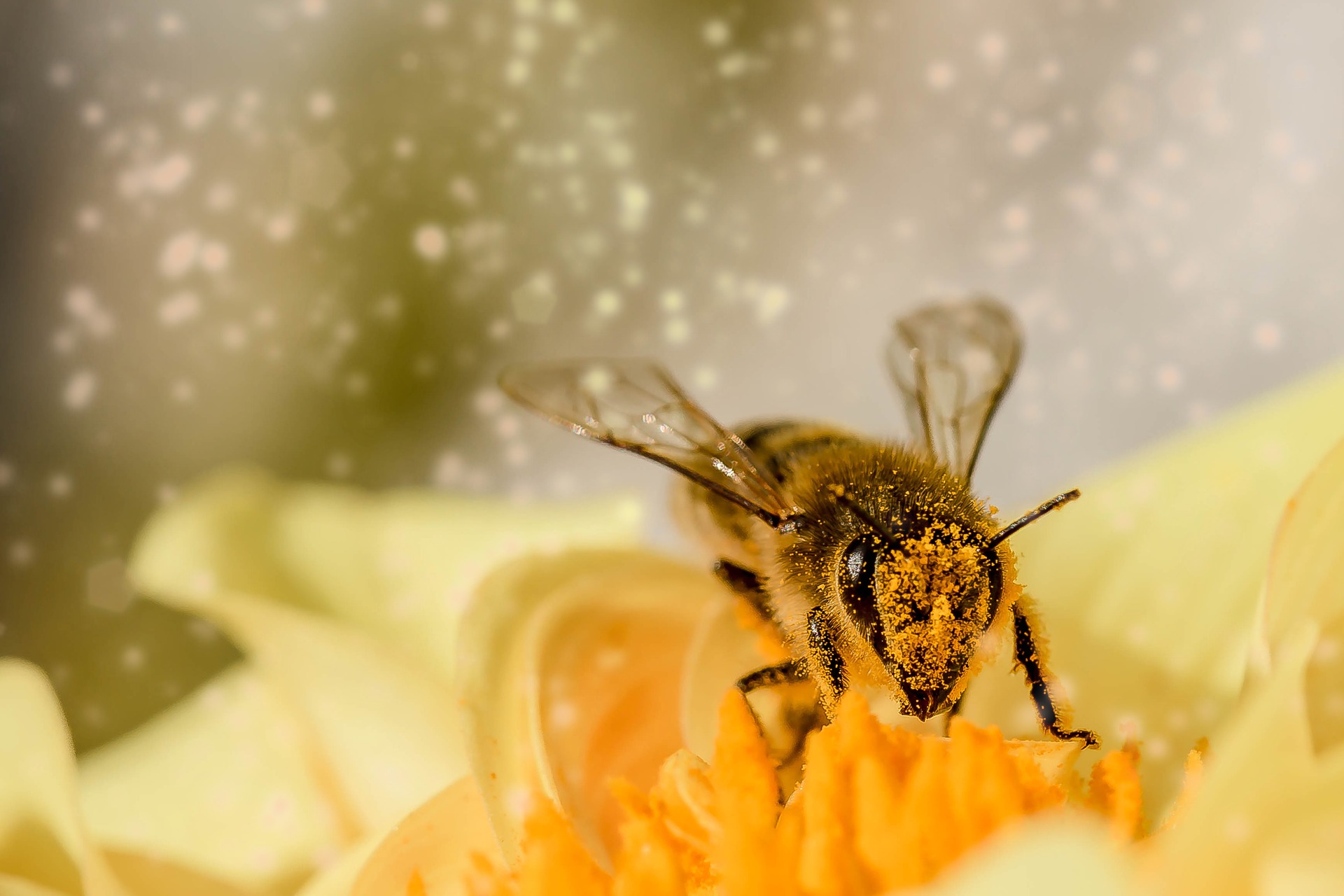
Using 20 bumblebee colonies, we assess the consequences of exposure to the neonicotinoid clothianidin, provided in sucrose at a concentration of five parts per billion, over 5 weeks. We monitored foraging patterns and pollen-collecting performance from 3282 bouts using either a non-invasive photographic assessment or by extracting the pollen from returning foragers. We also conducted a full colony census at the beginning and end of the experiment. In contrast to studies on other neonicotinoids, showing clear impairment to foraging behaviors, we detected only subtle changes to patterns of foraging activity and pollen foraging during the course of the experiment. However, our colony census measures showed a more pronounced effect of exposure, with fewer adult workers and sexuals in treated colonies after 5 weeks.
Impact of controlled neonicotinoid exposure on bumblebees in a realistic field setting
Year: 2016