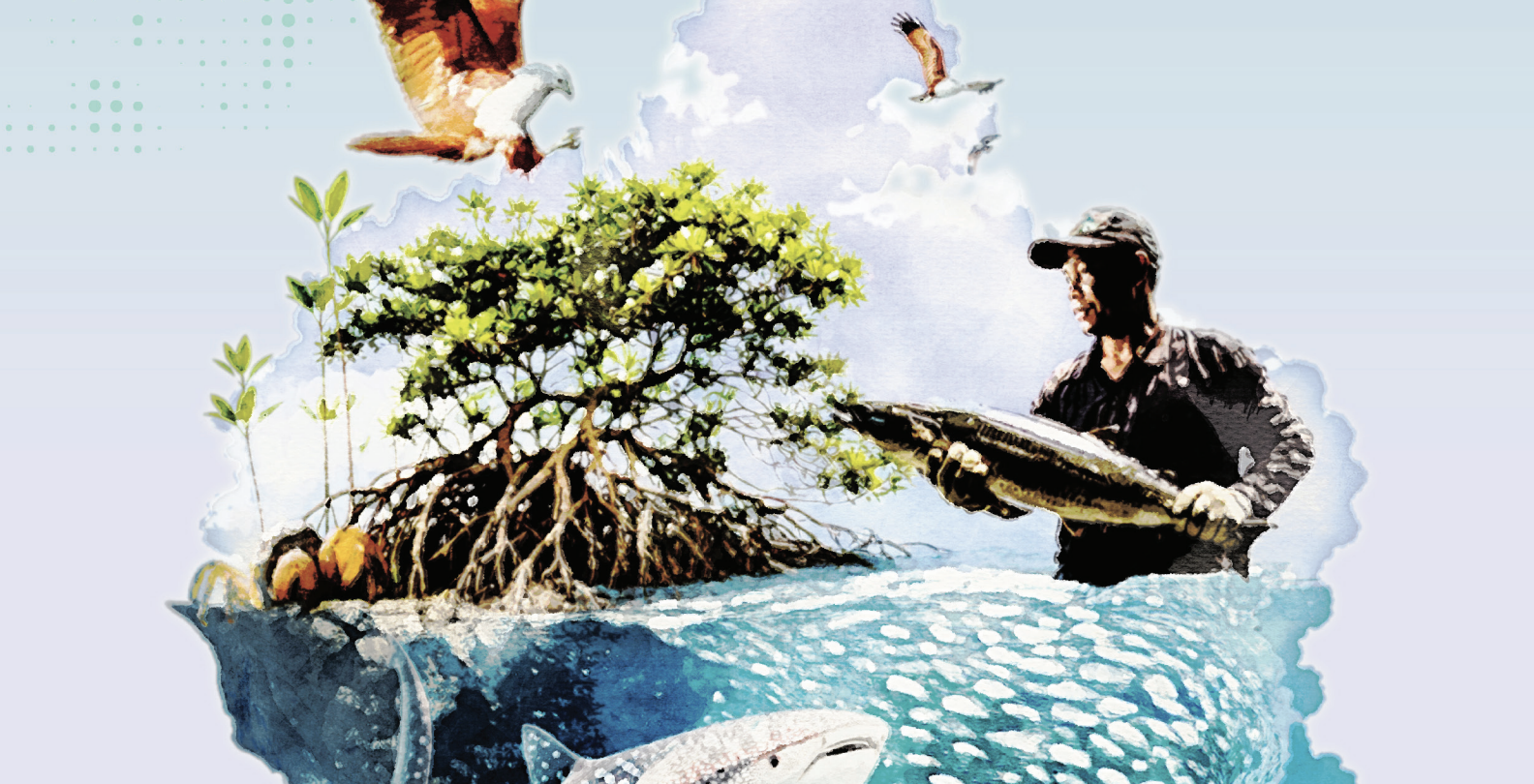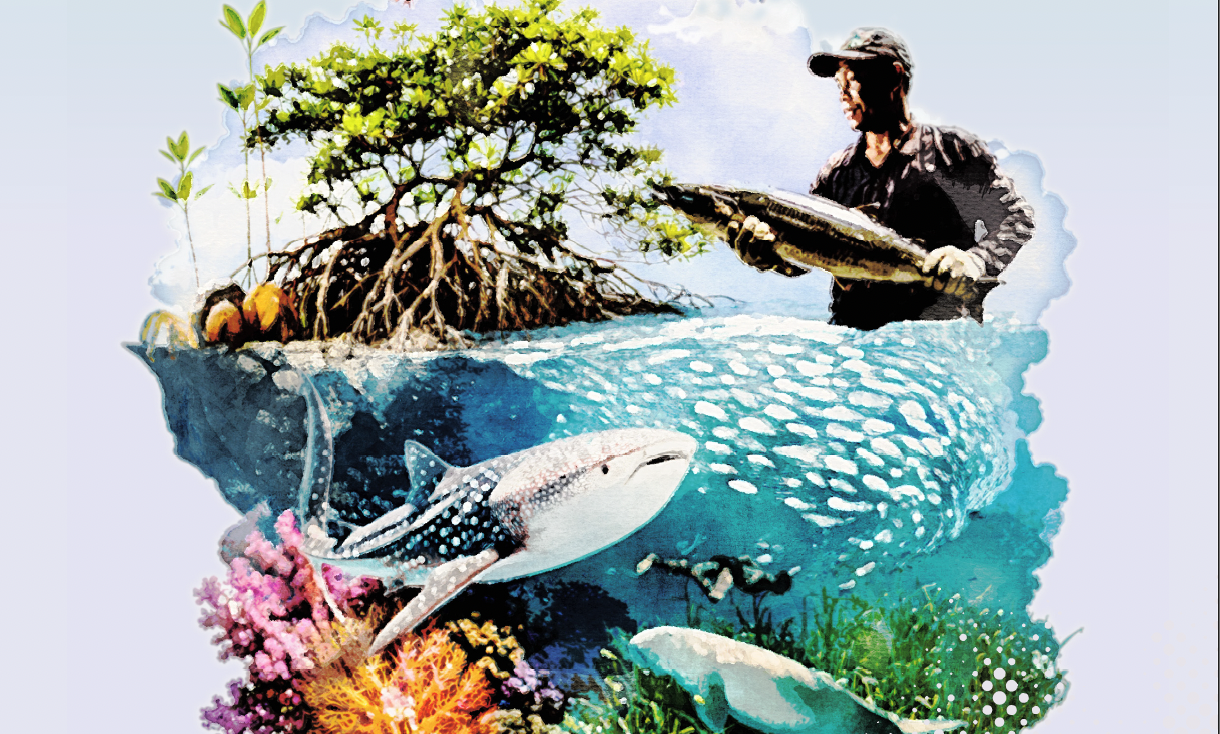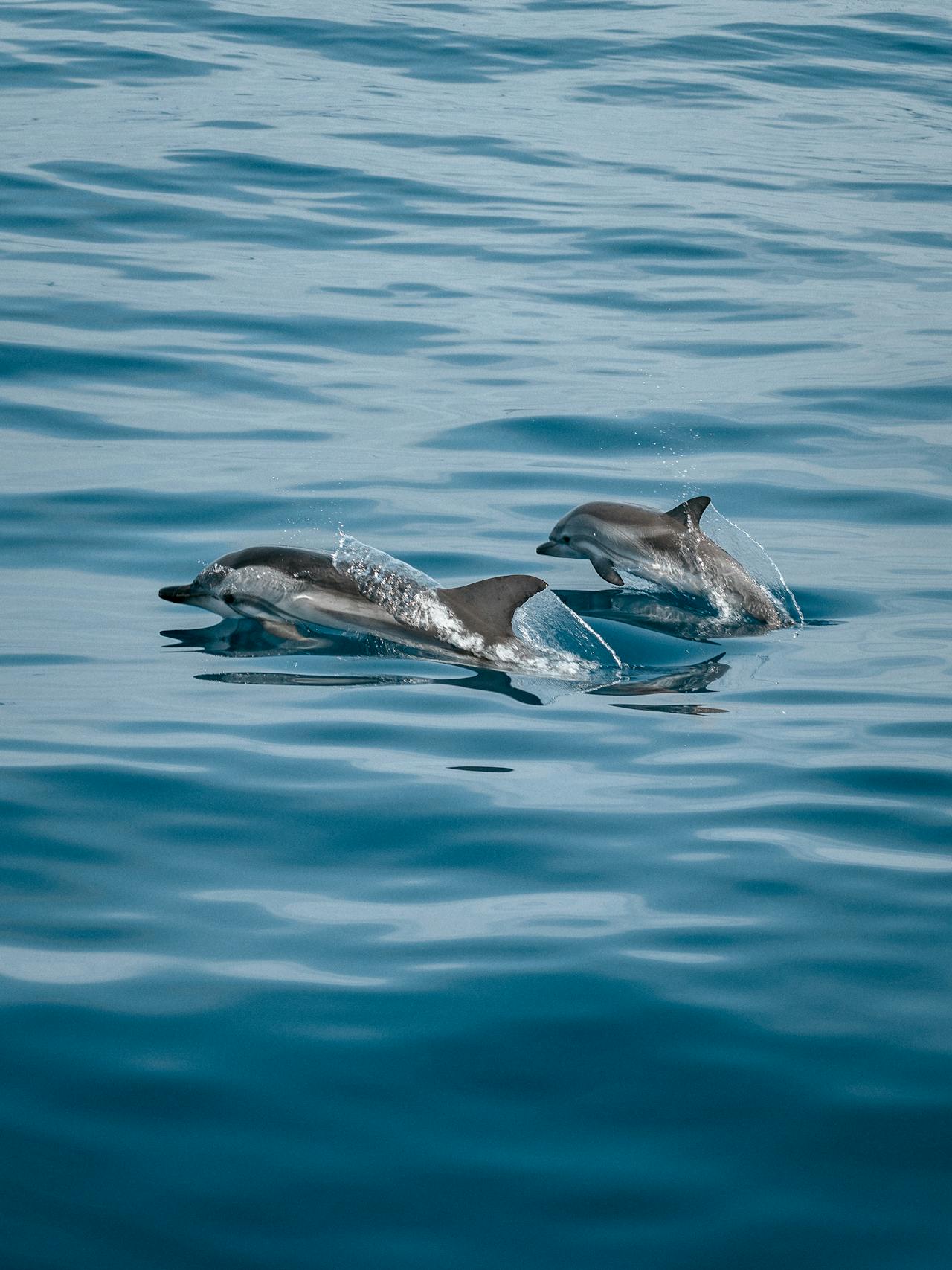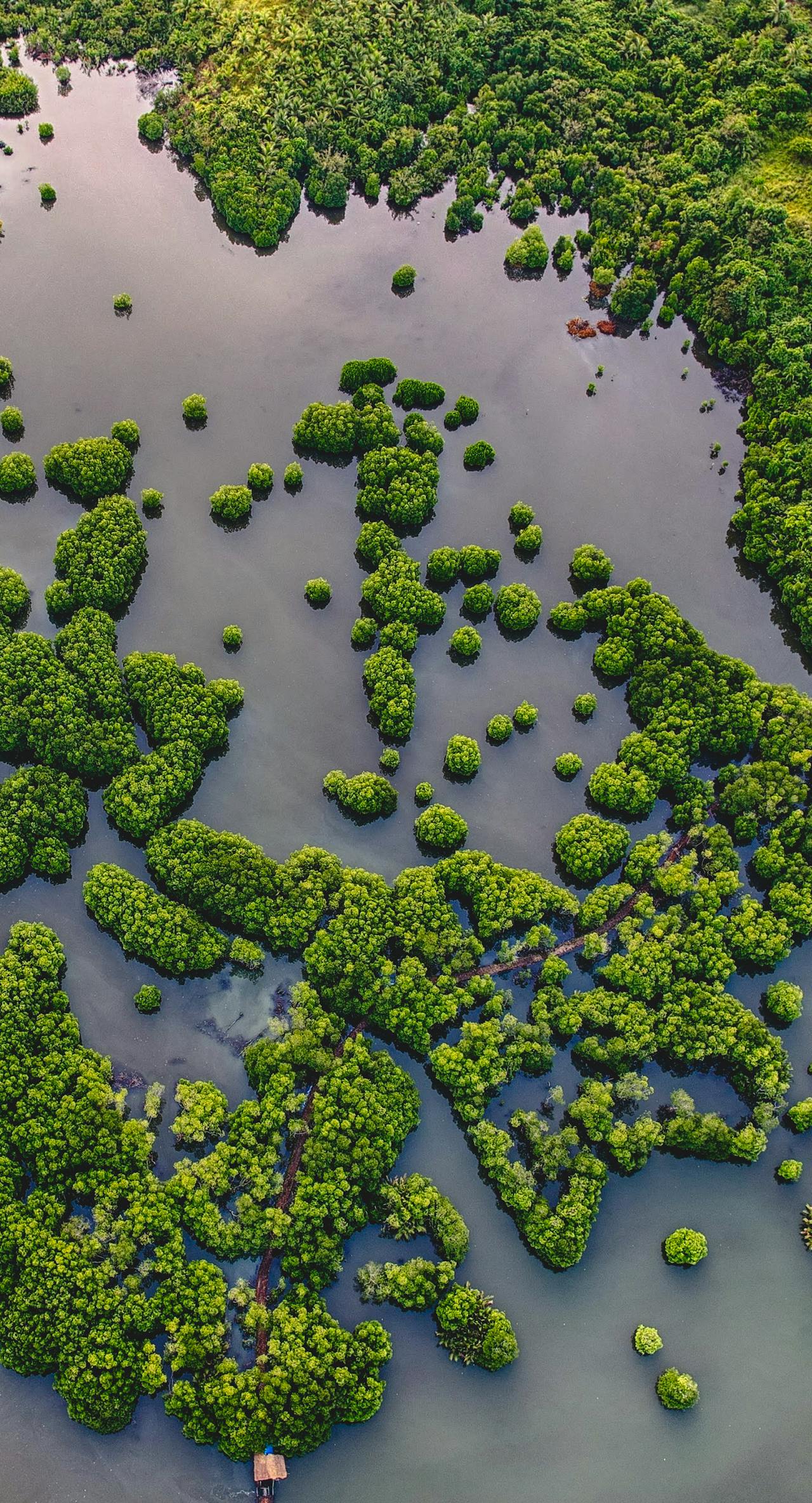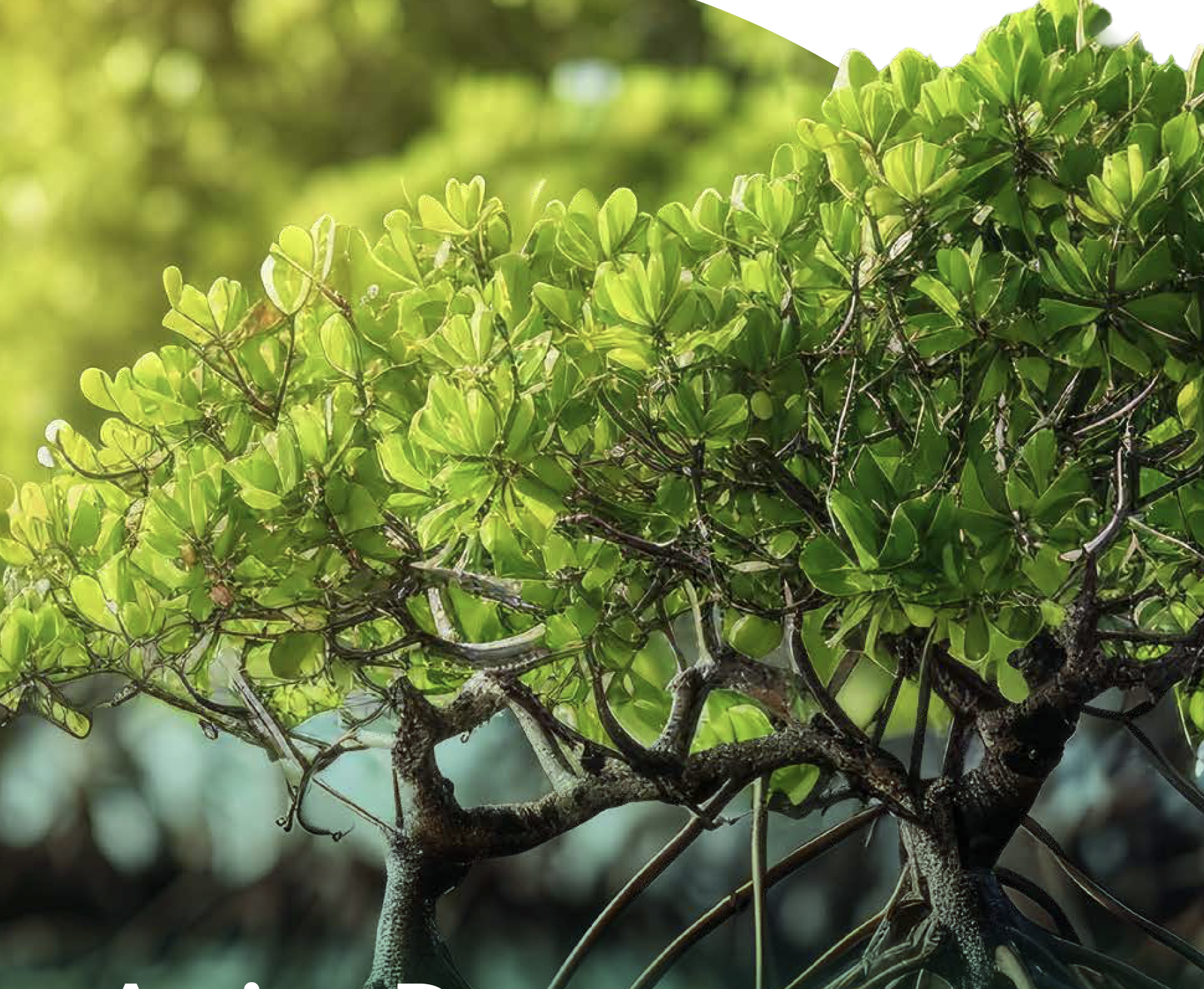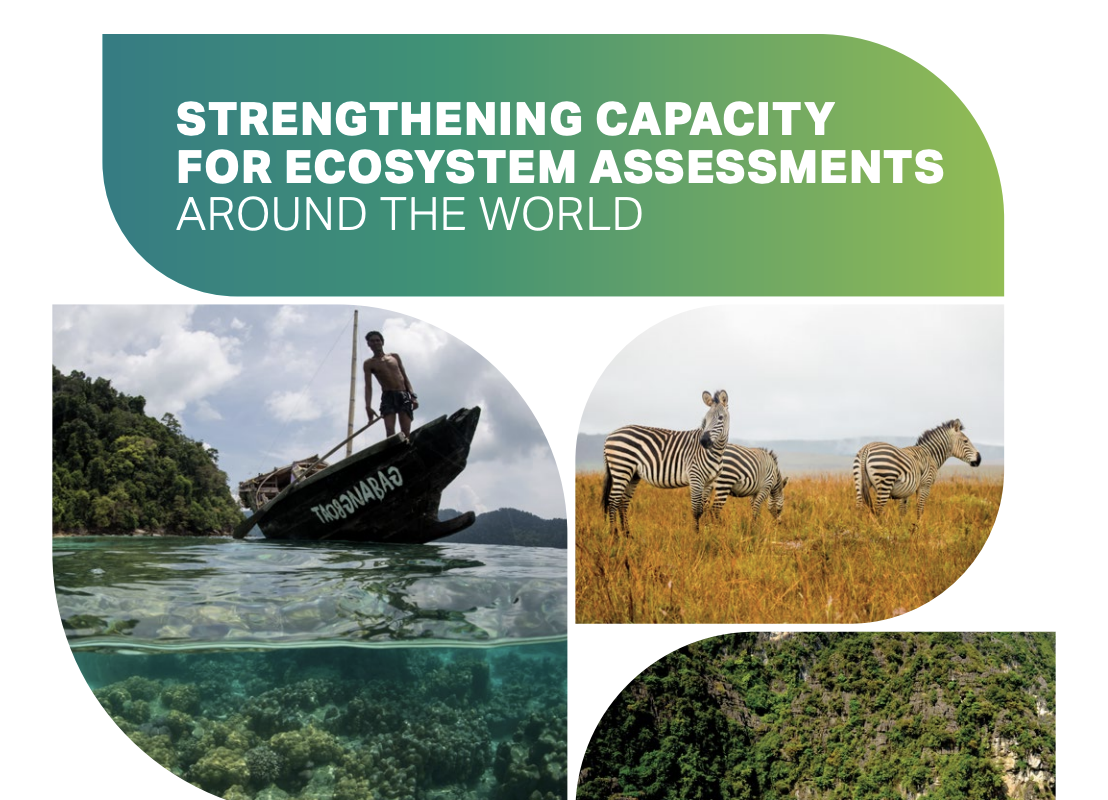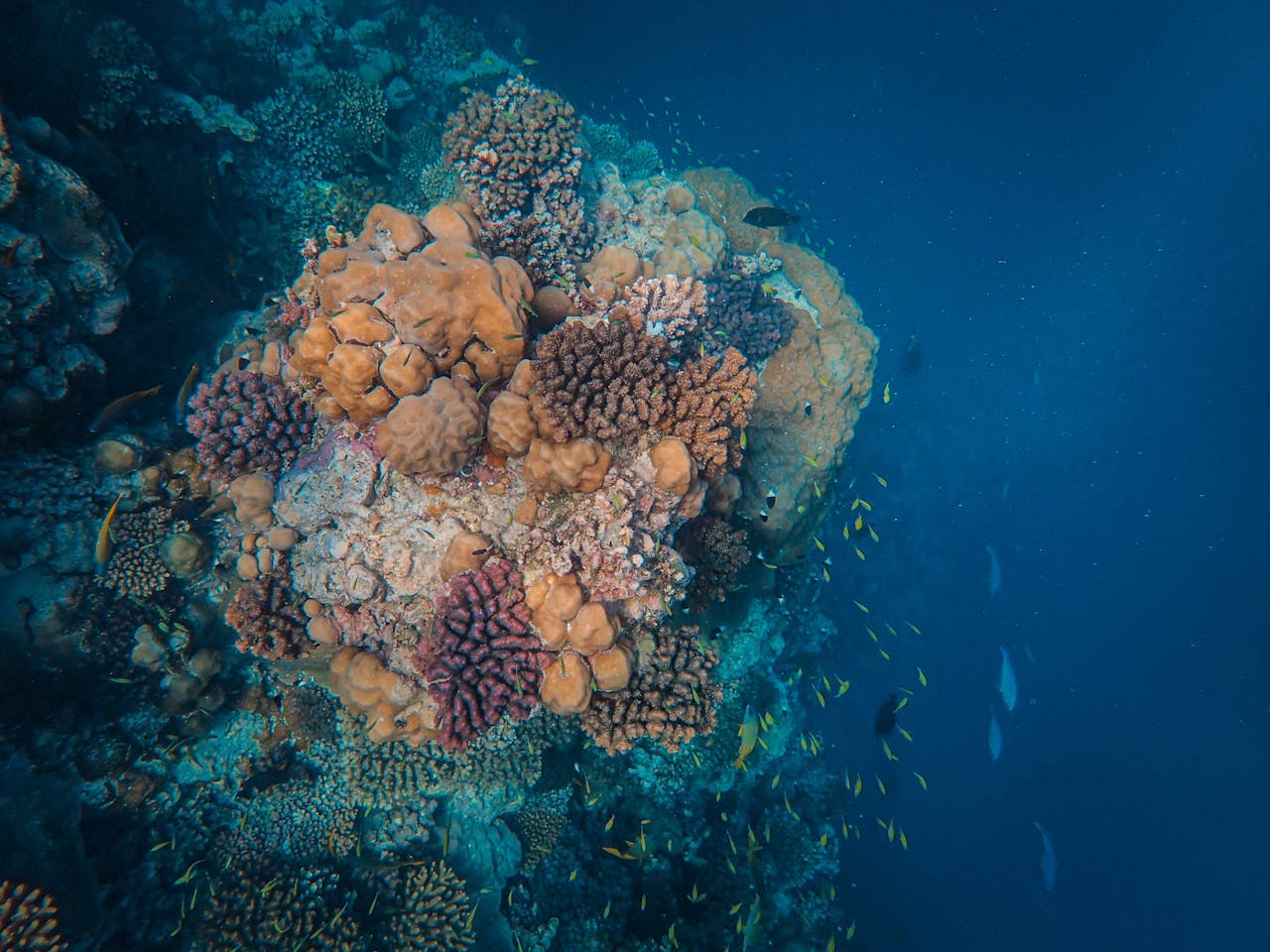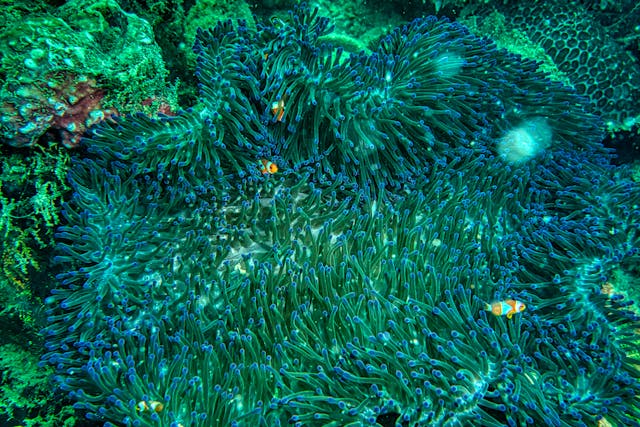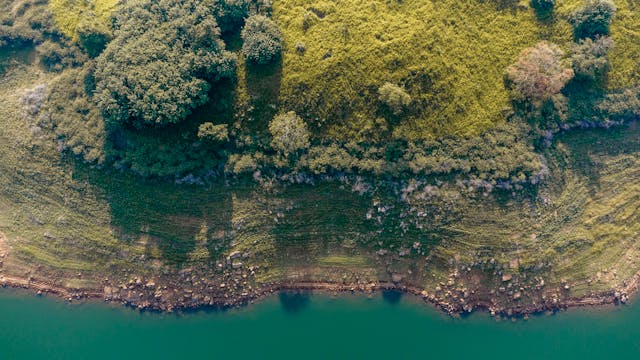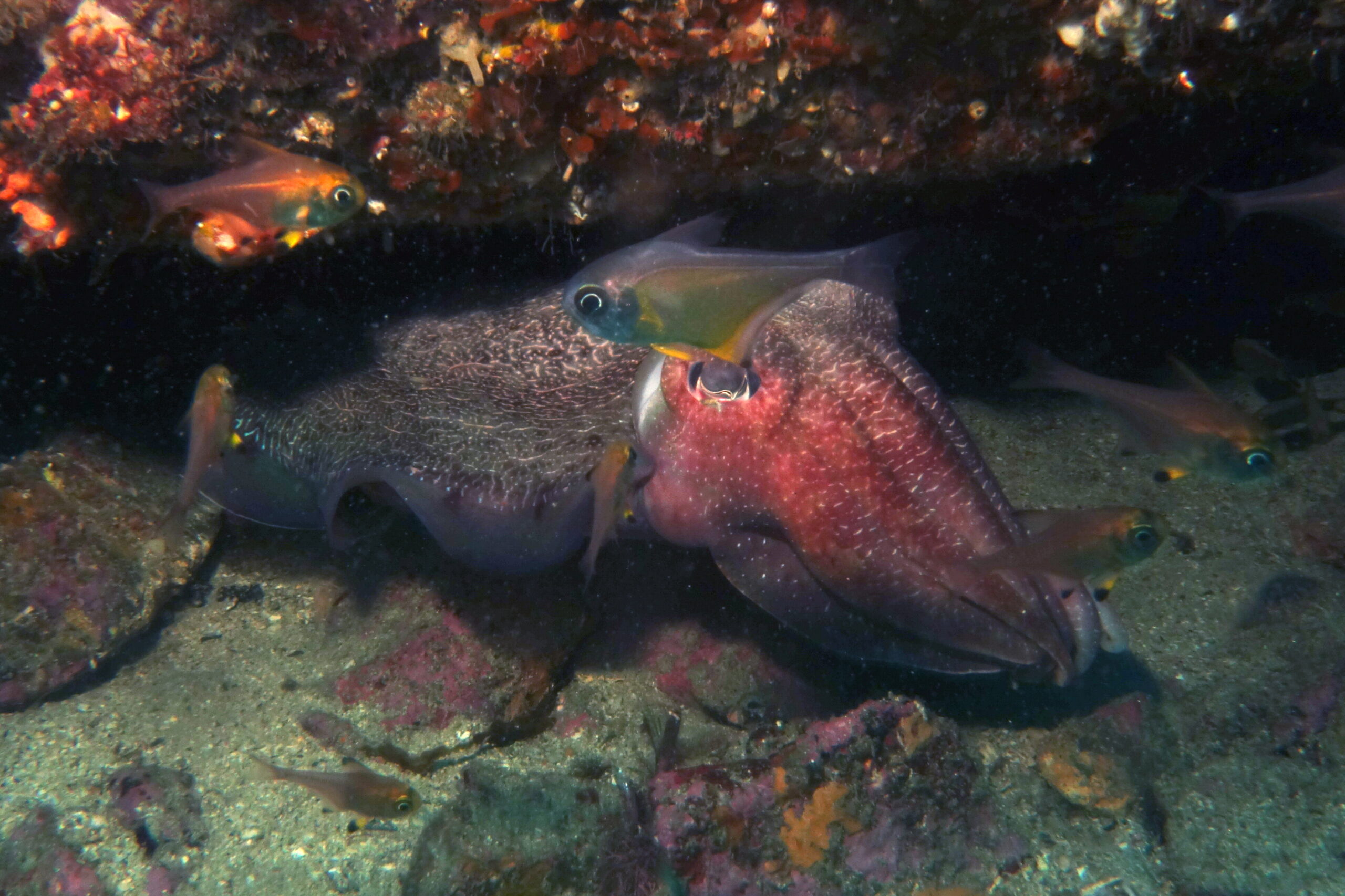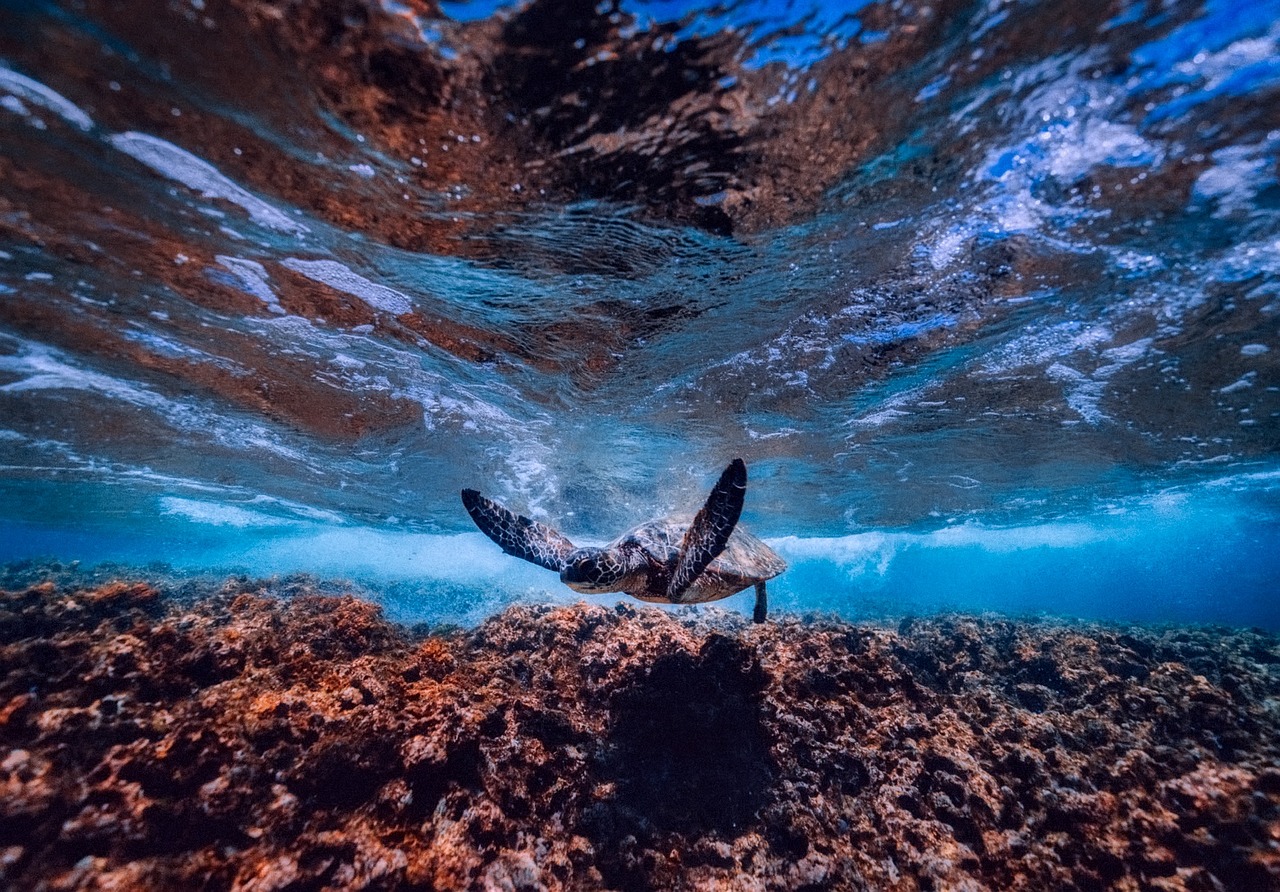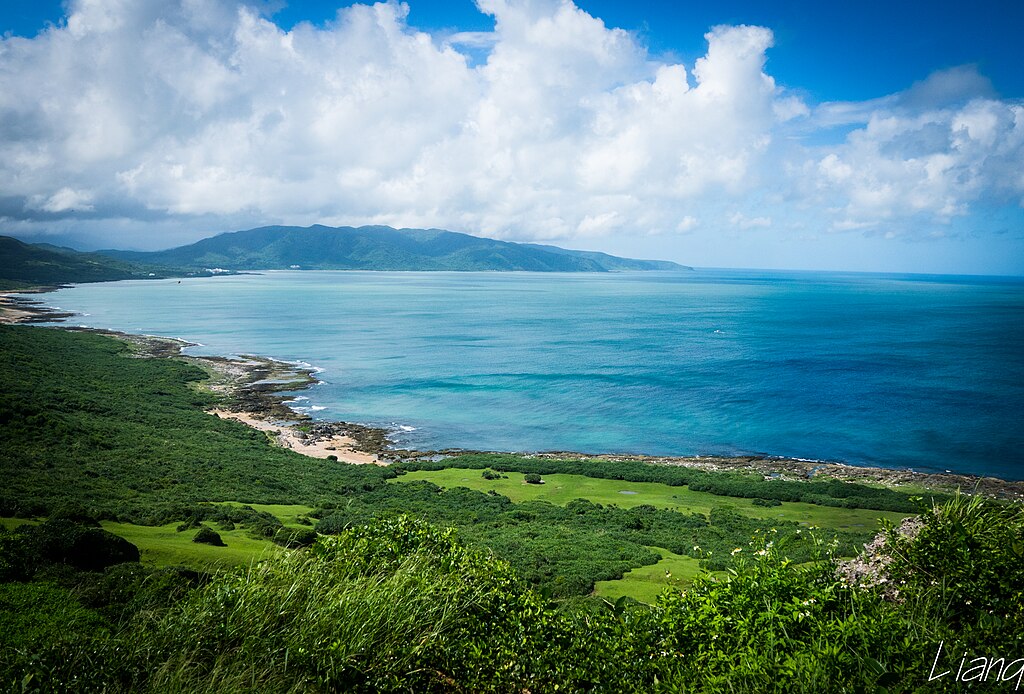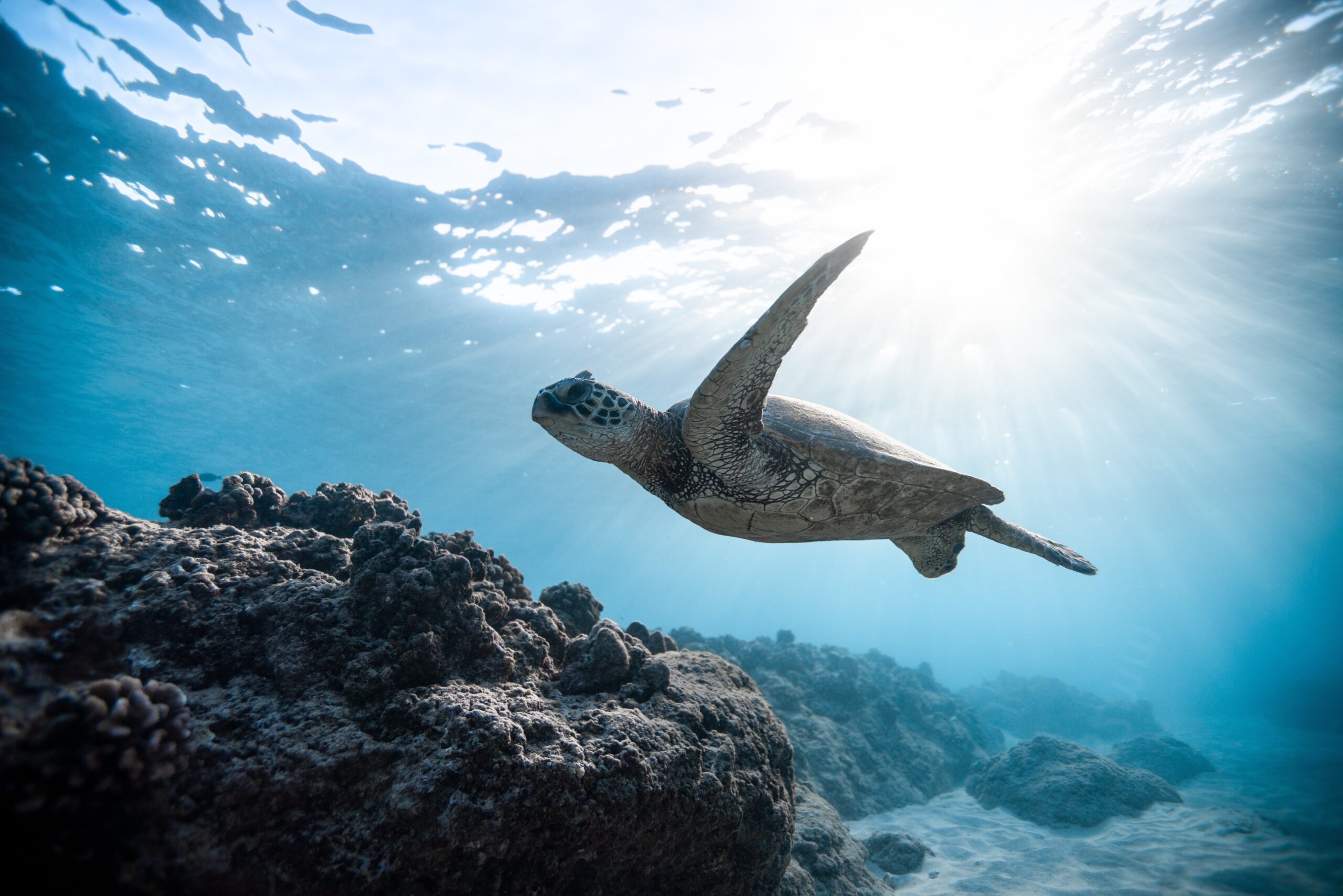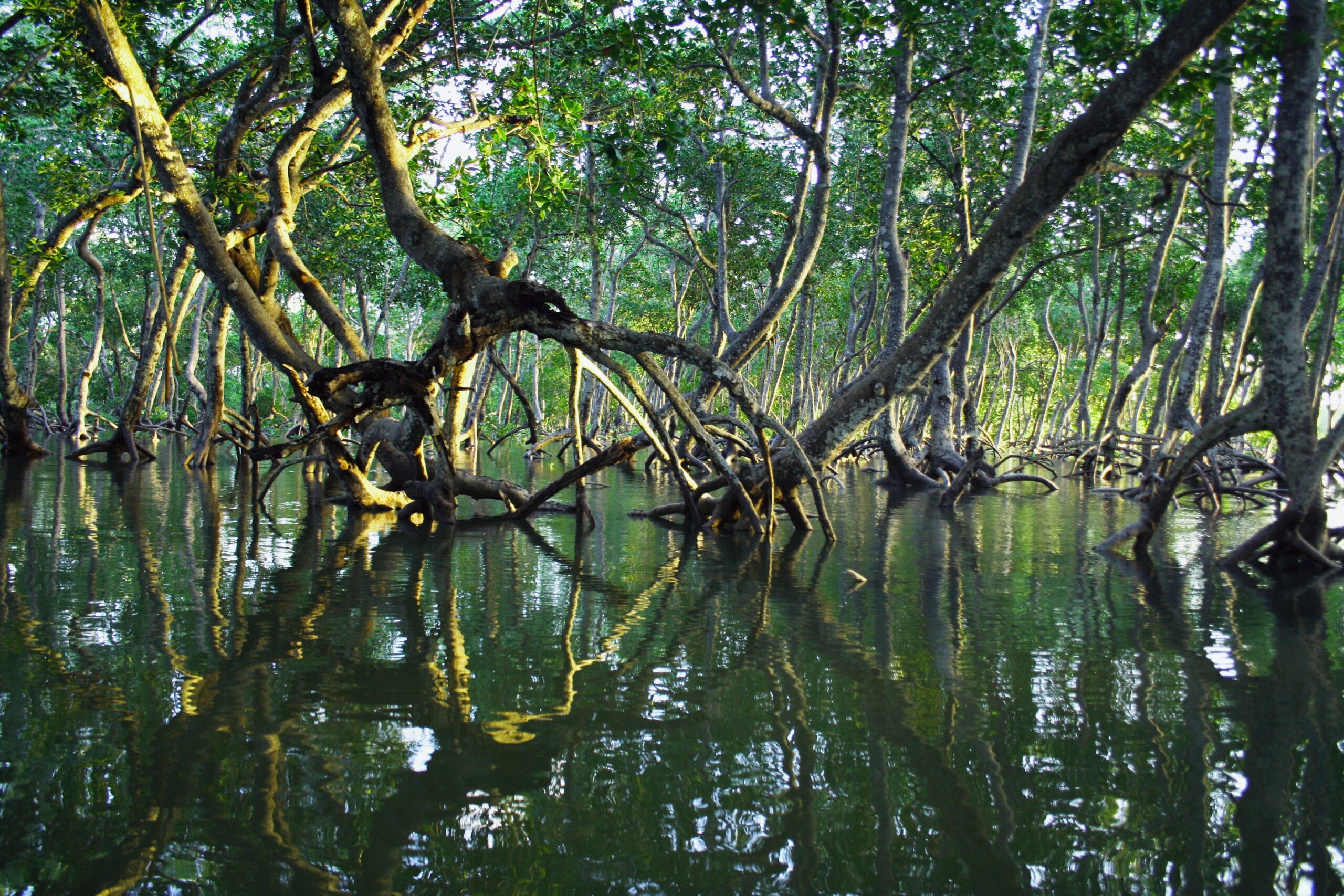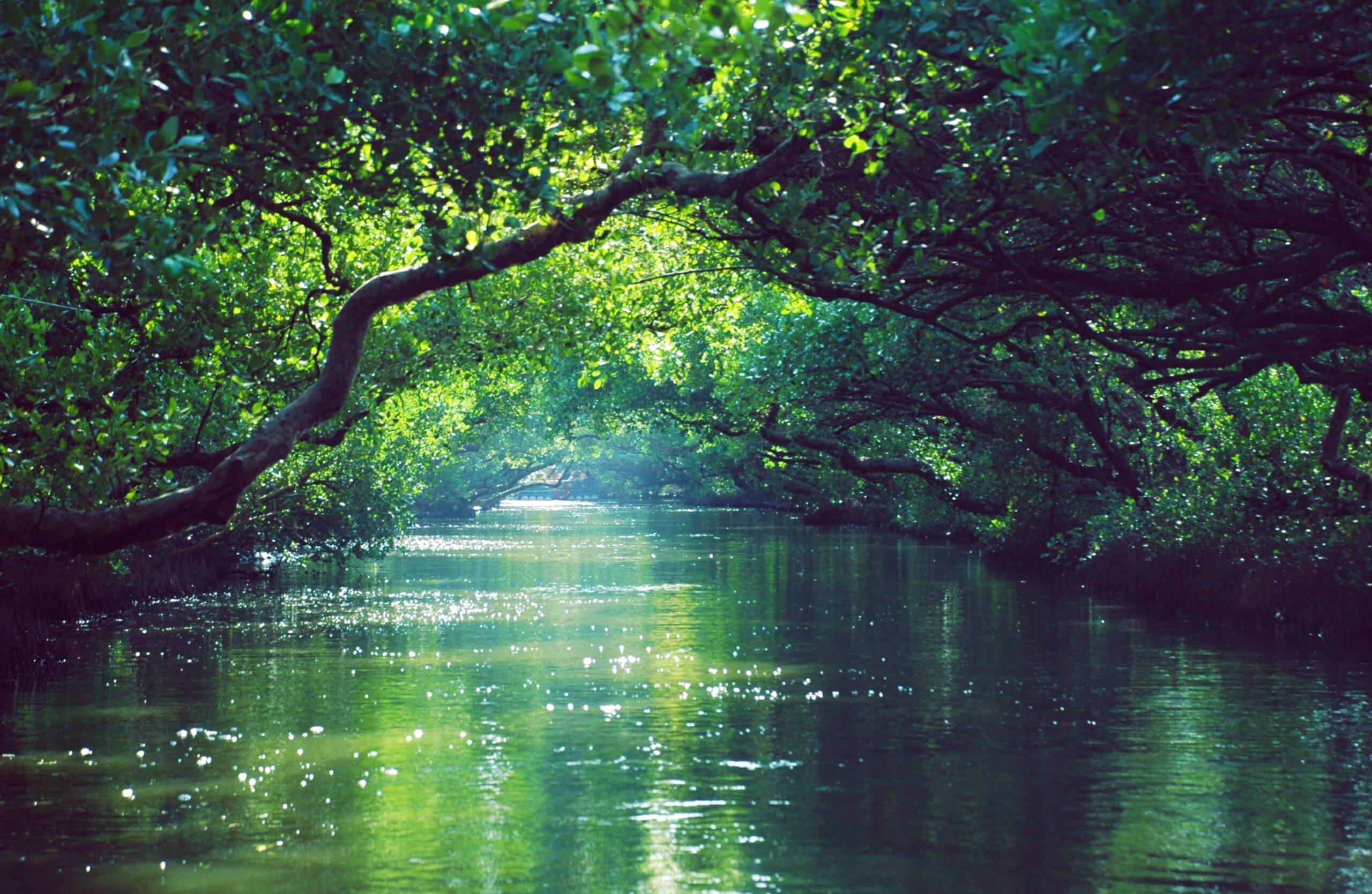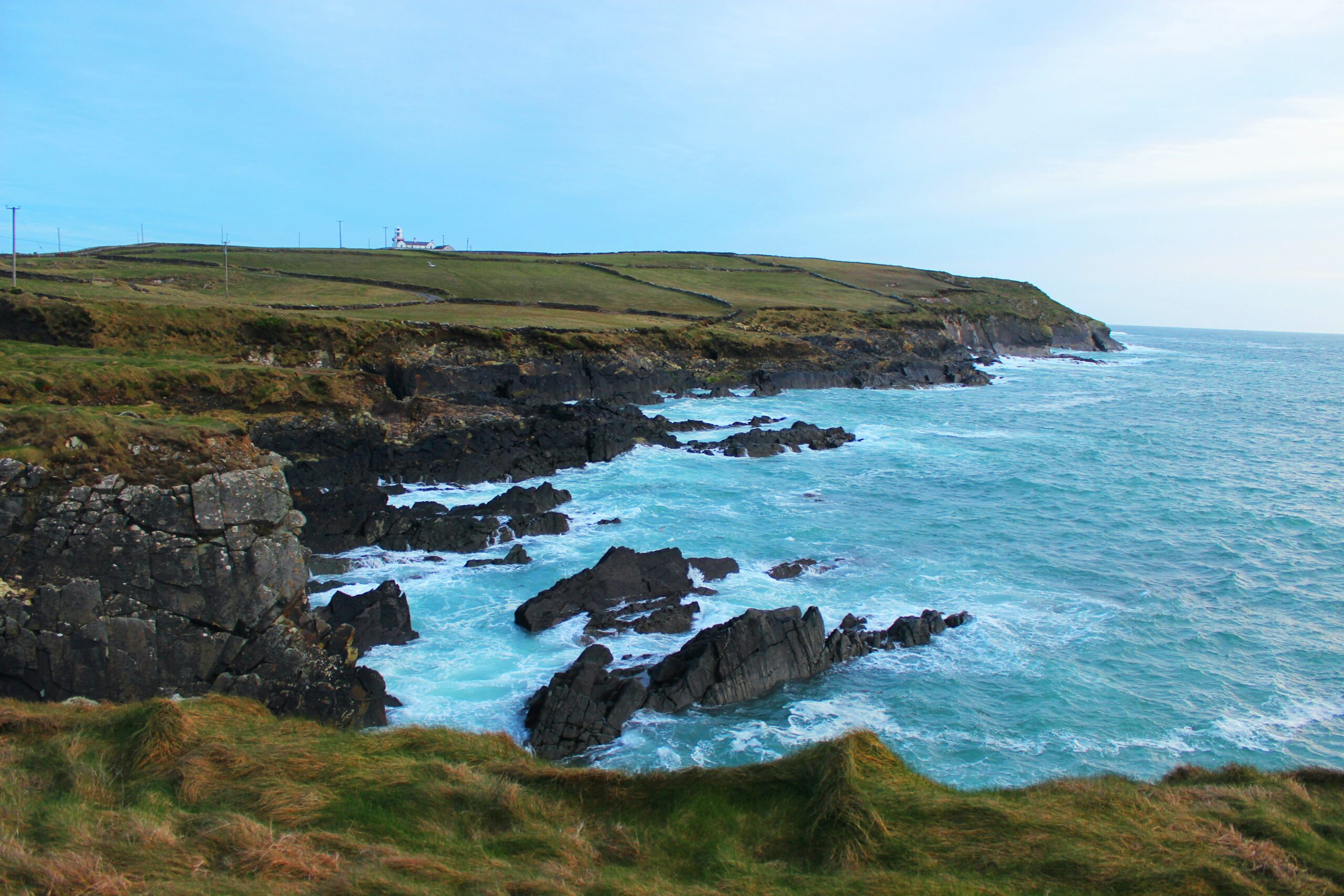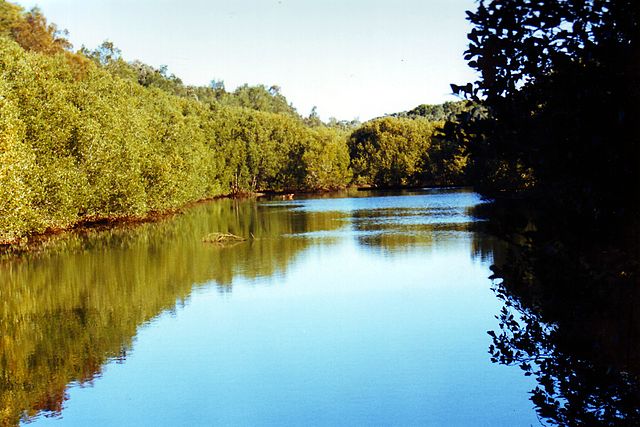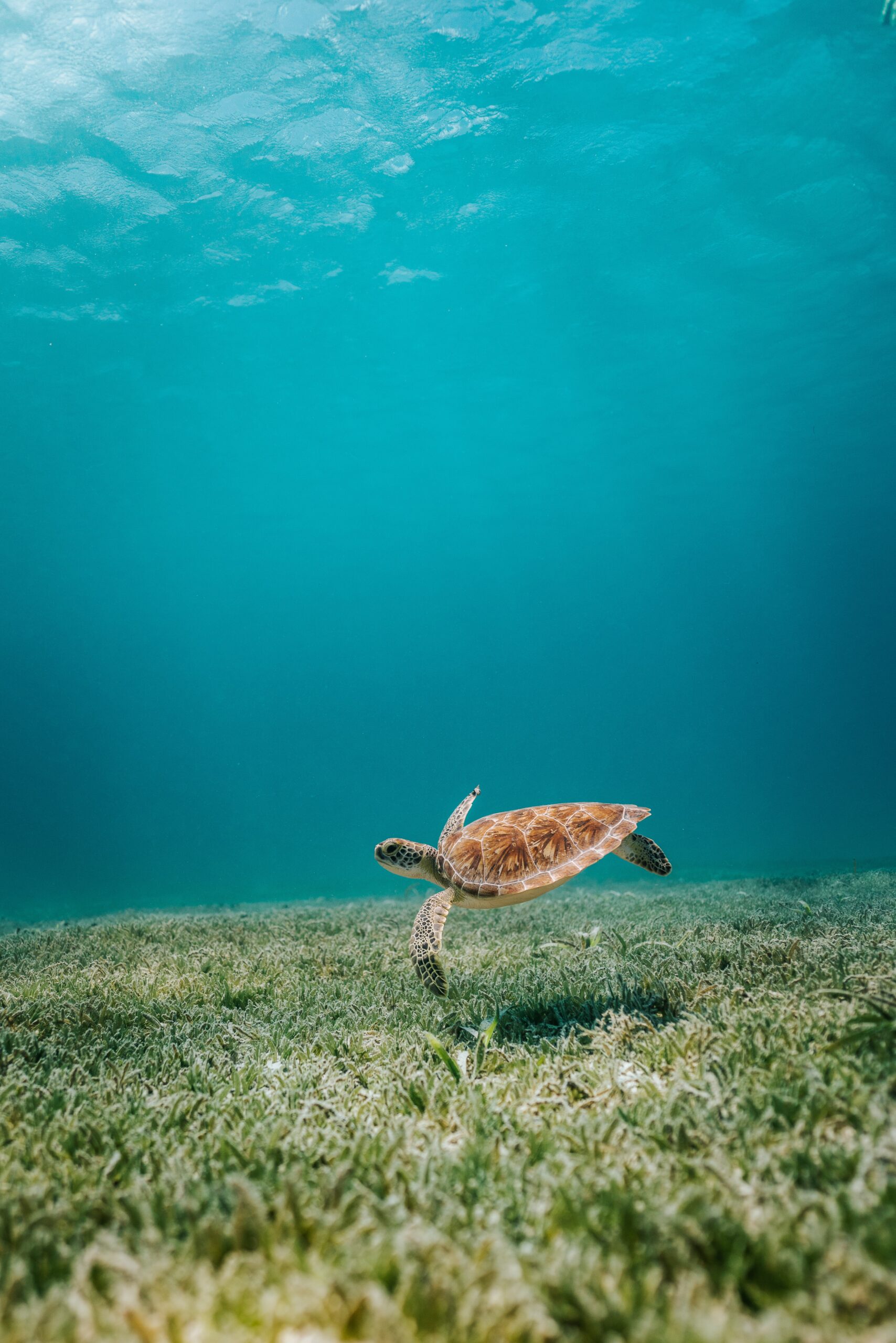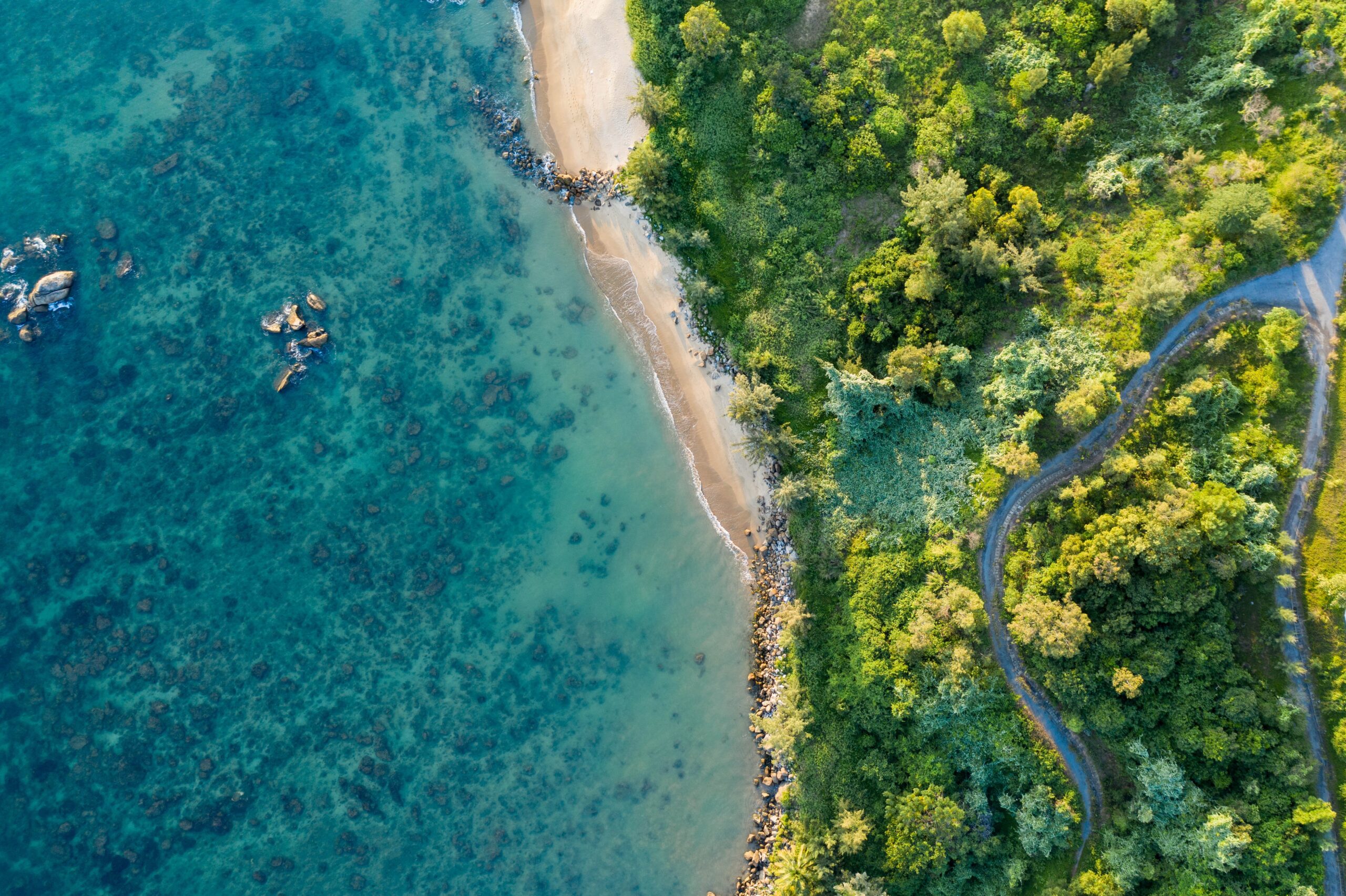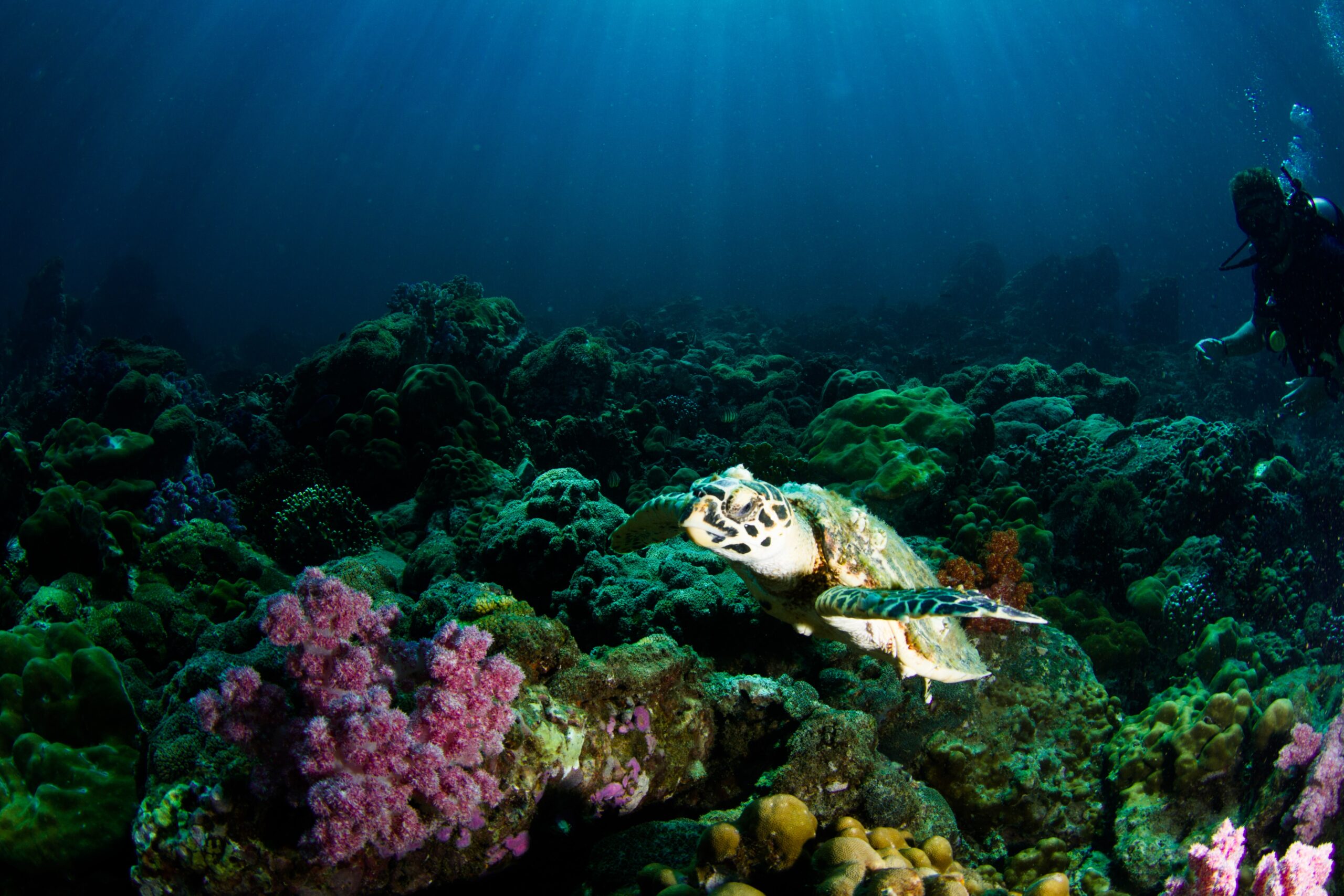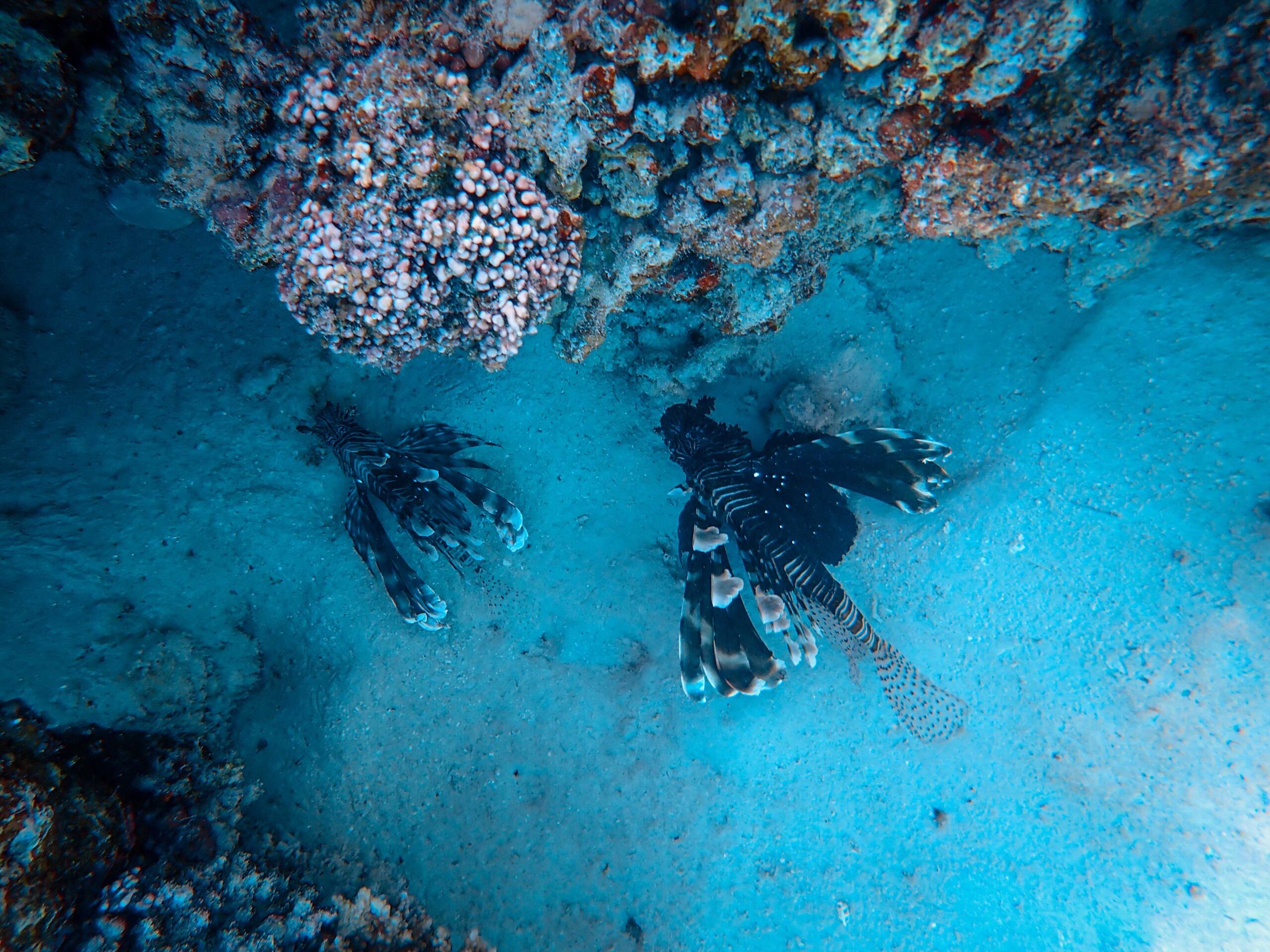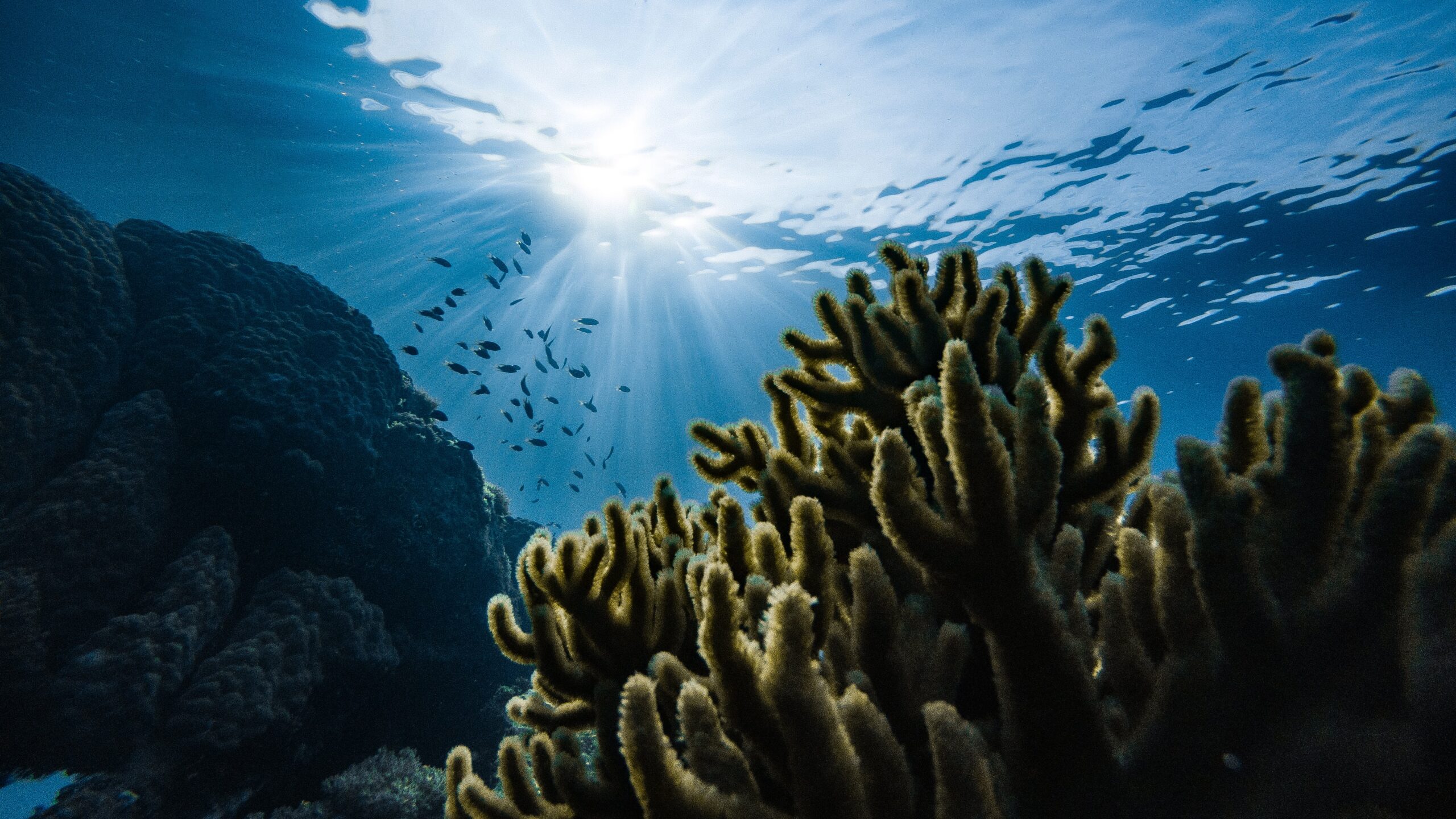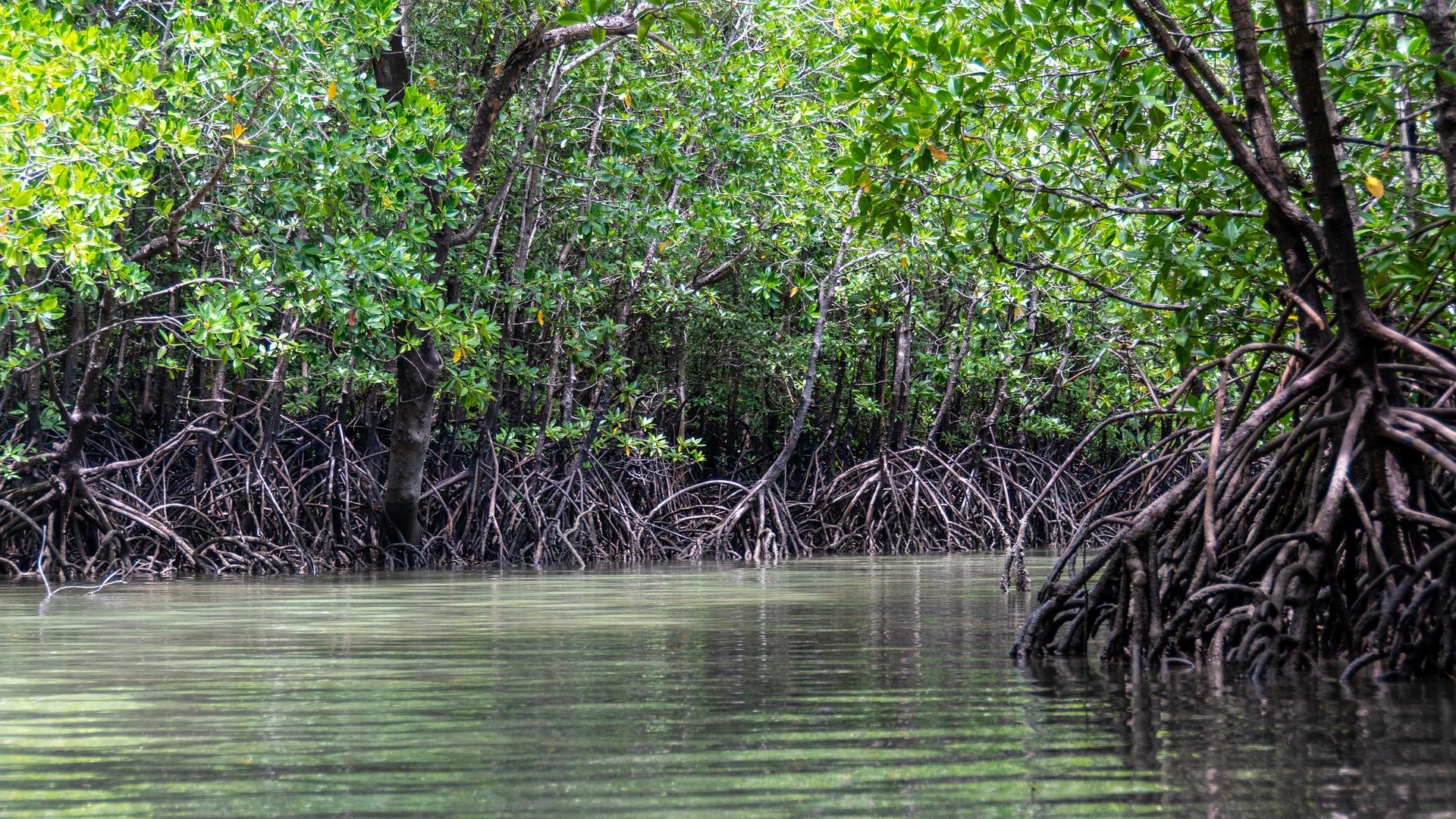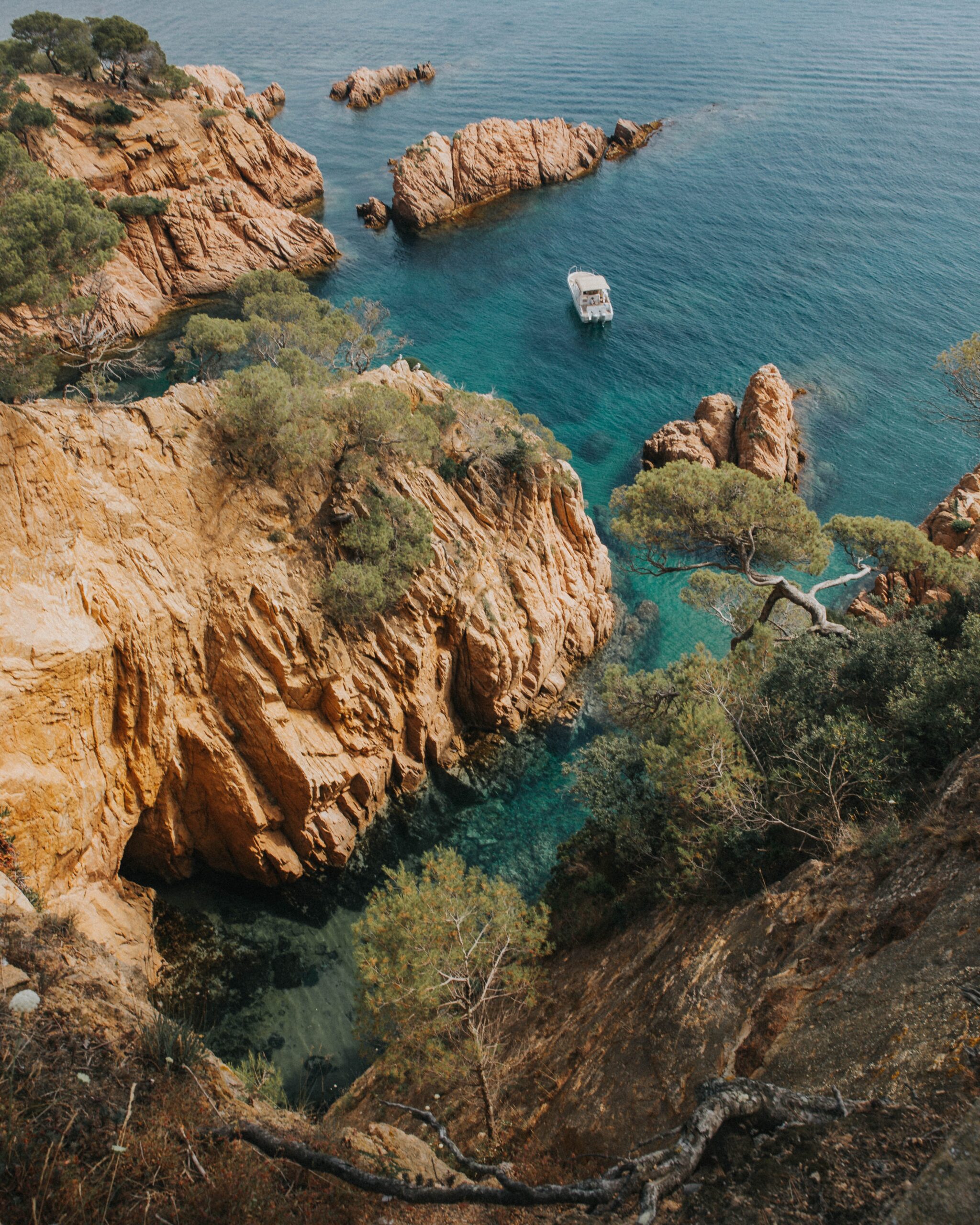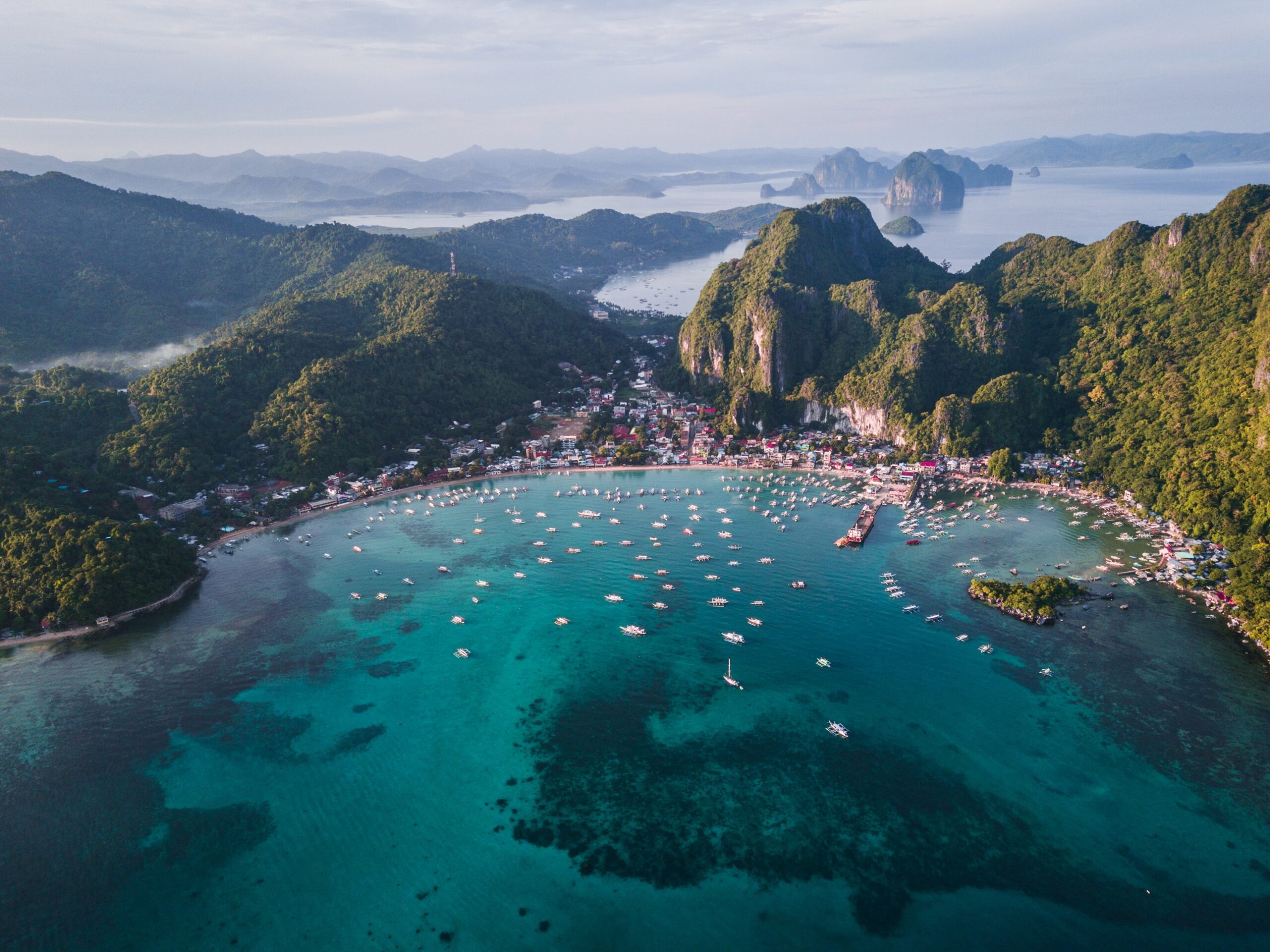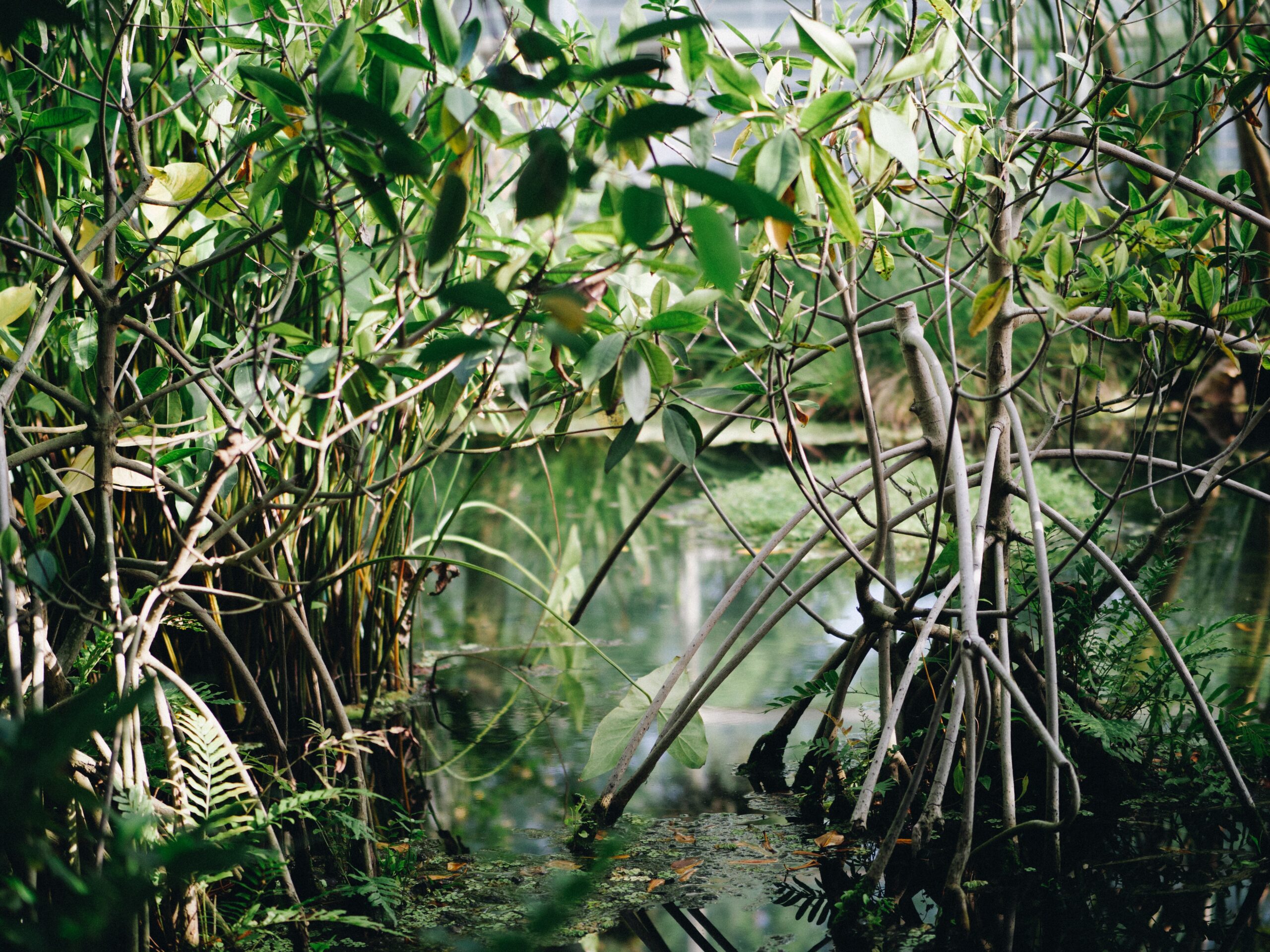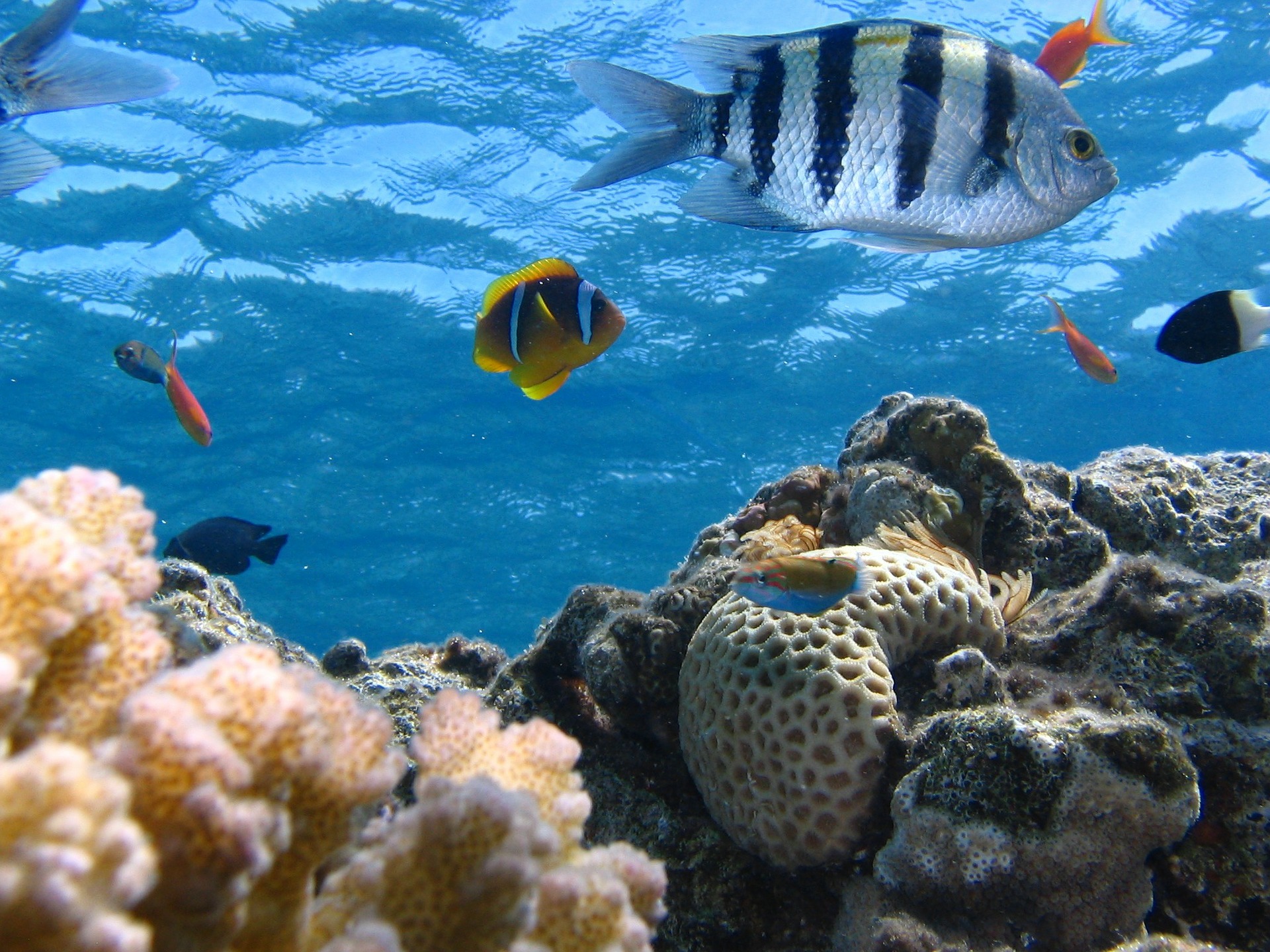
Thailand’s marine and coastal ecosystems are among its most valuable natural assets. Its mangroves, seagrass beds, coral reefs and estuaries support fisheries, tourism, coastal protection and carbon storage, and they are home to dugongs, sea turtles and many other species. Thailand’s first national ecosystem assessment brings together scientific evidence and Indigenous and local knowledge to look at the state of these ecosystems, what is driving them to change, what they are worth, and how they are governed. Its findings are meant to feed directly into Thailand’s National Biodiversity Strategy and Action Plan and its commitments under the Kunming-Montreal Global Biodiversity Framework.
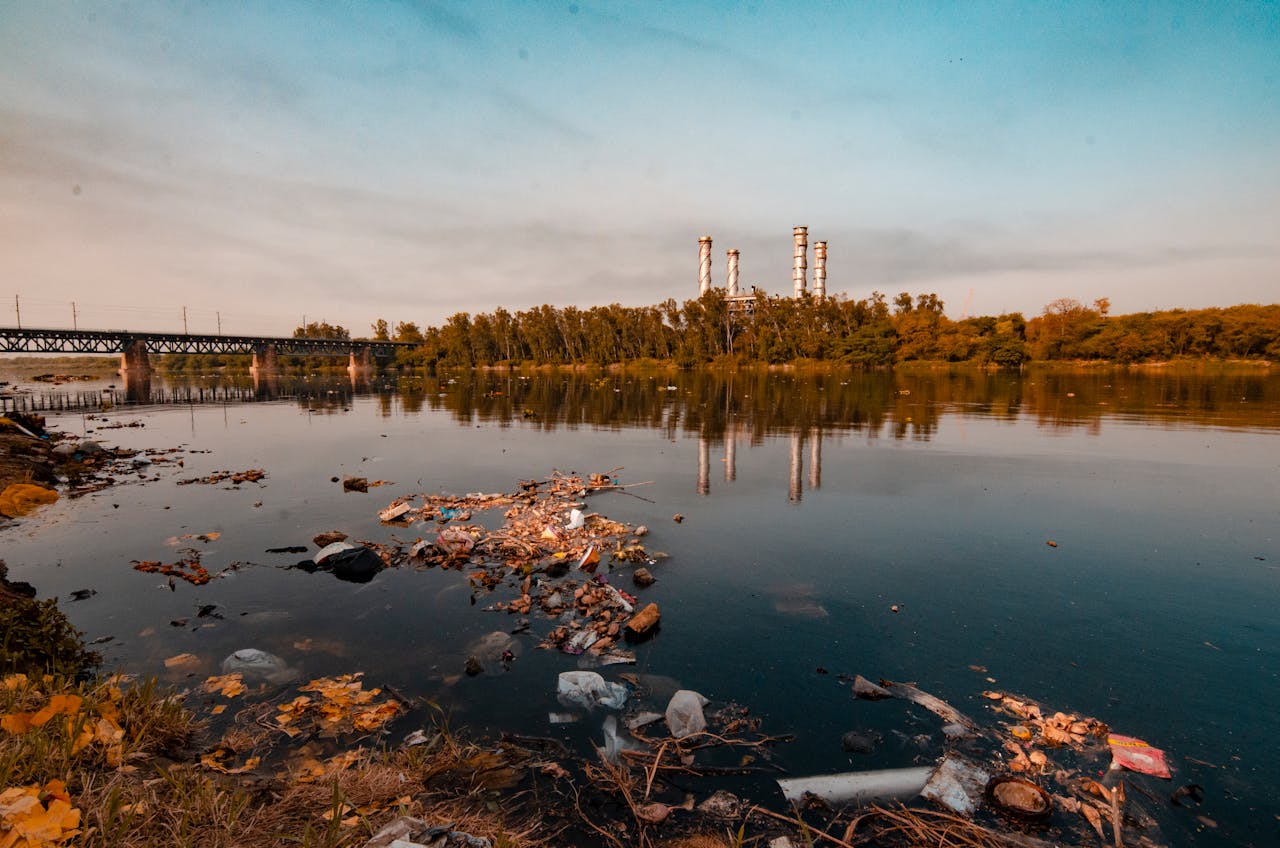
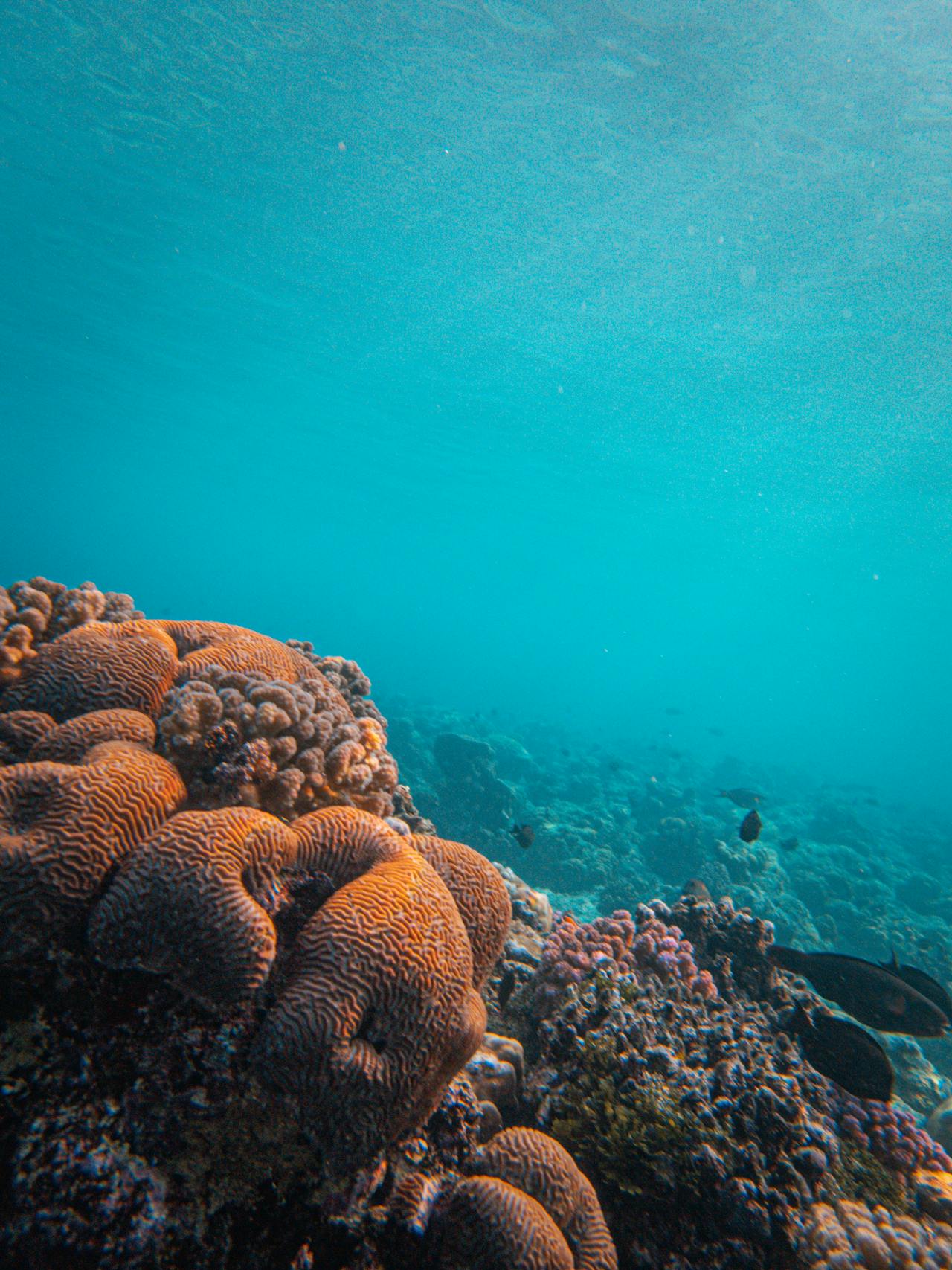
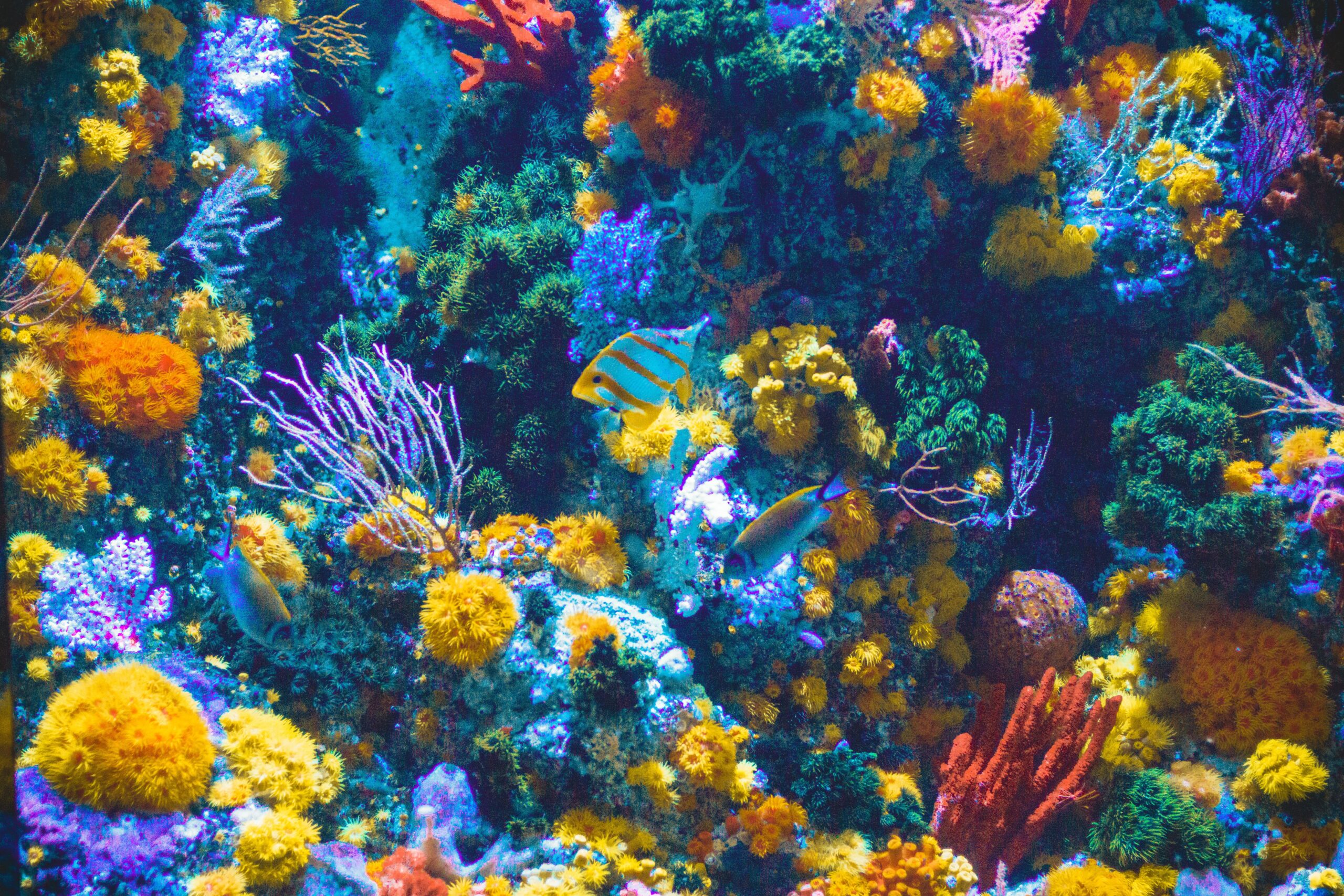
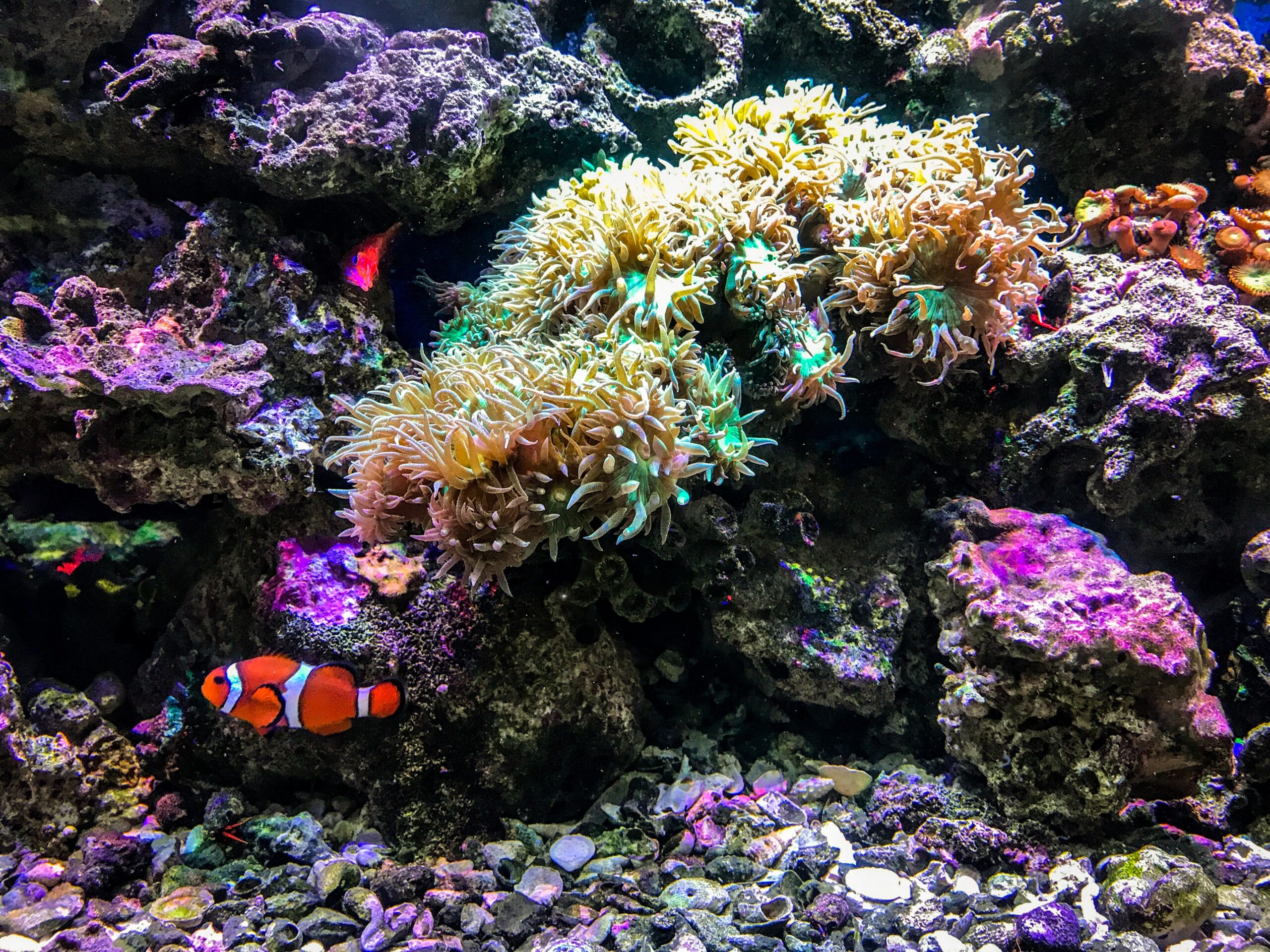
The assessment finds that Thailand’s major marine ecosystems have declined significantly over recent decades. Mangrove cover has made modest gains, but more than 70 per cent of seagrass beds are in poor to fair condition, and coral reefs are threatened by bleaching, unmanaged tourism and untreated wastewater. The pressures come mainly from the sectors that earn the most national revenue: tourism, fisheries, shipping and coastal industry. Climate change, pollution and changes in coastal land use make them worse. Many of the services these ecosystems provide, especially coastal protection and cultural values, have no market price, so decision makers often overlook them. Investment in protecting and restoring them still falls short of what is needed.
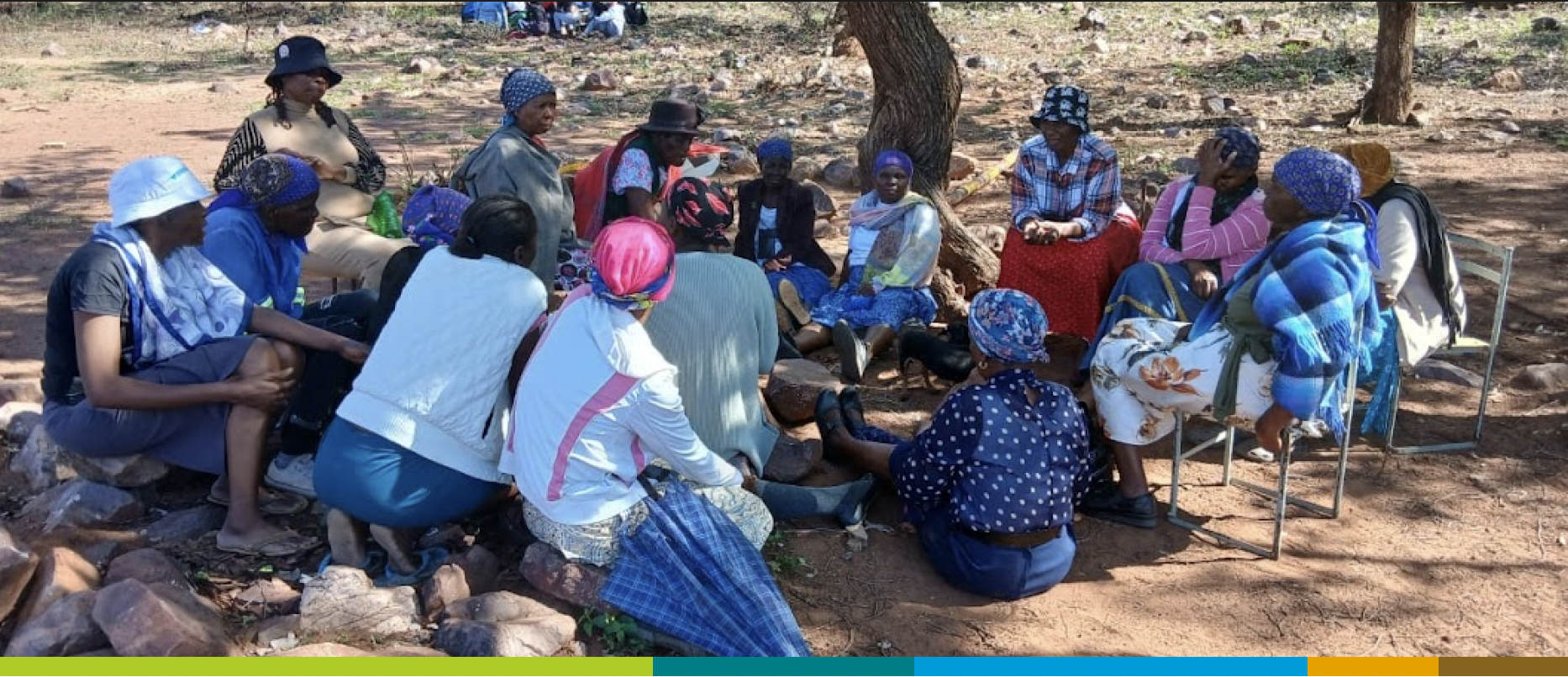
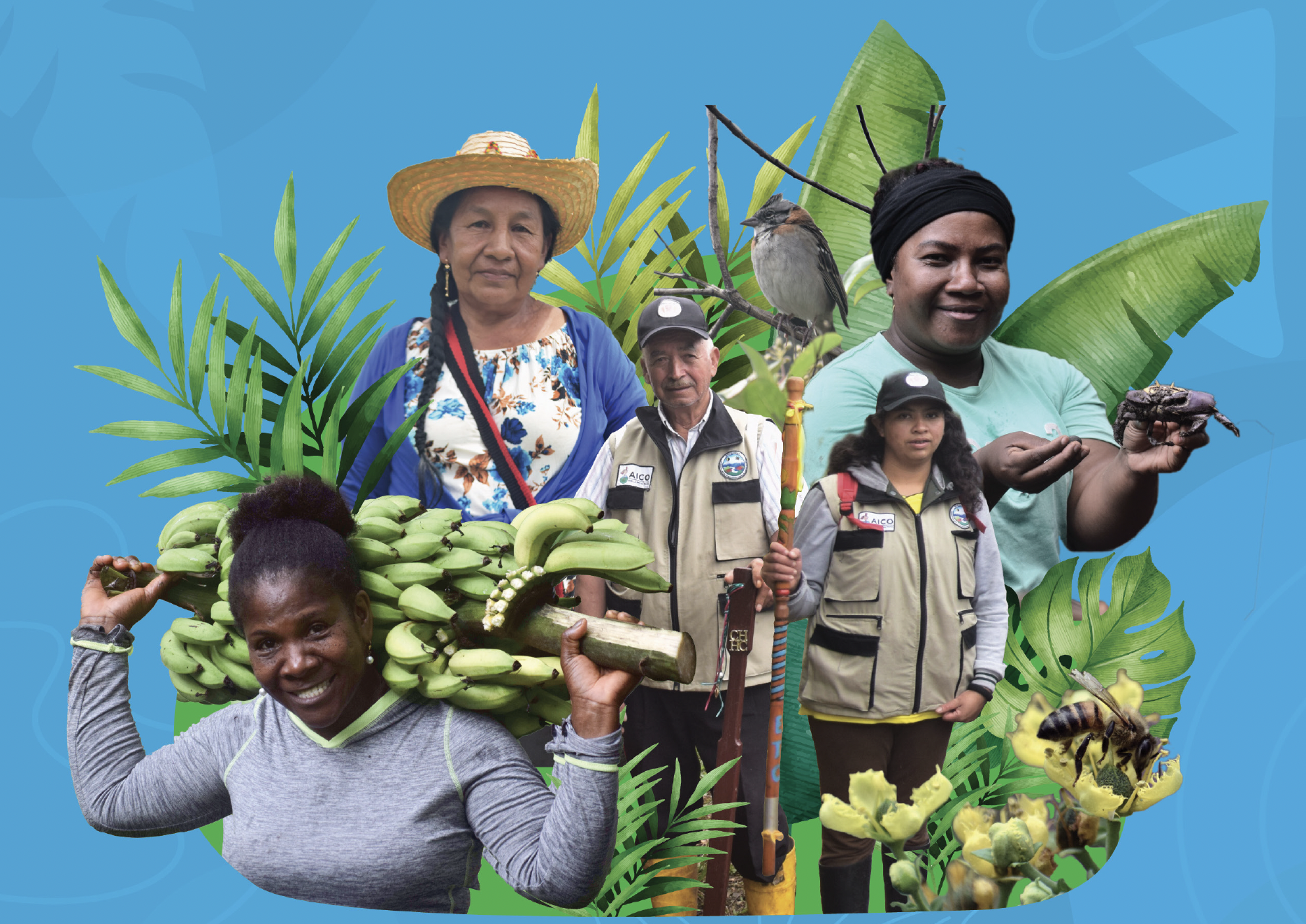
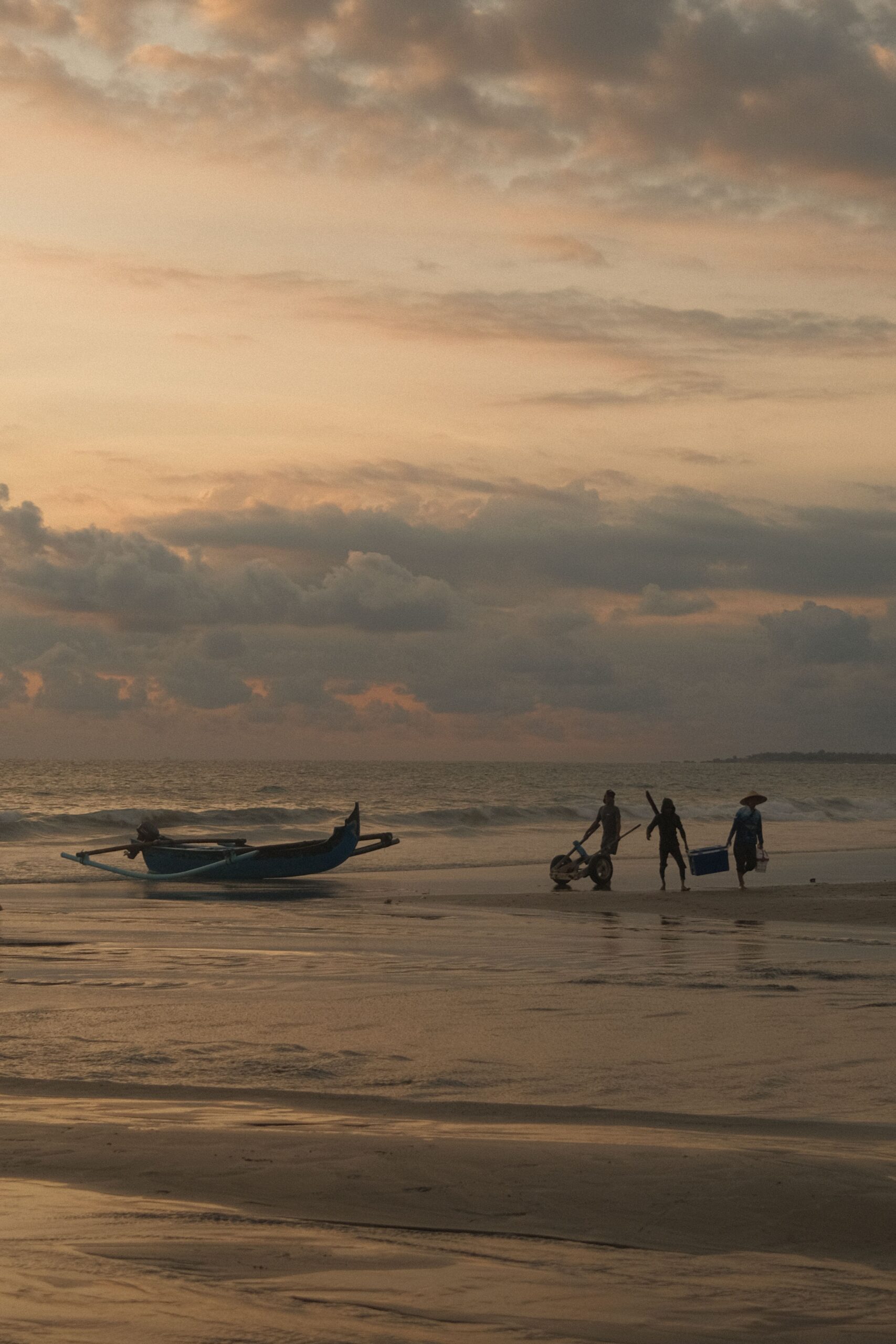
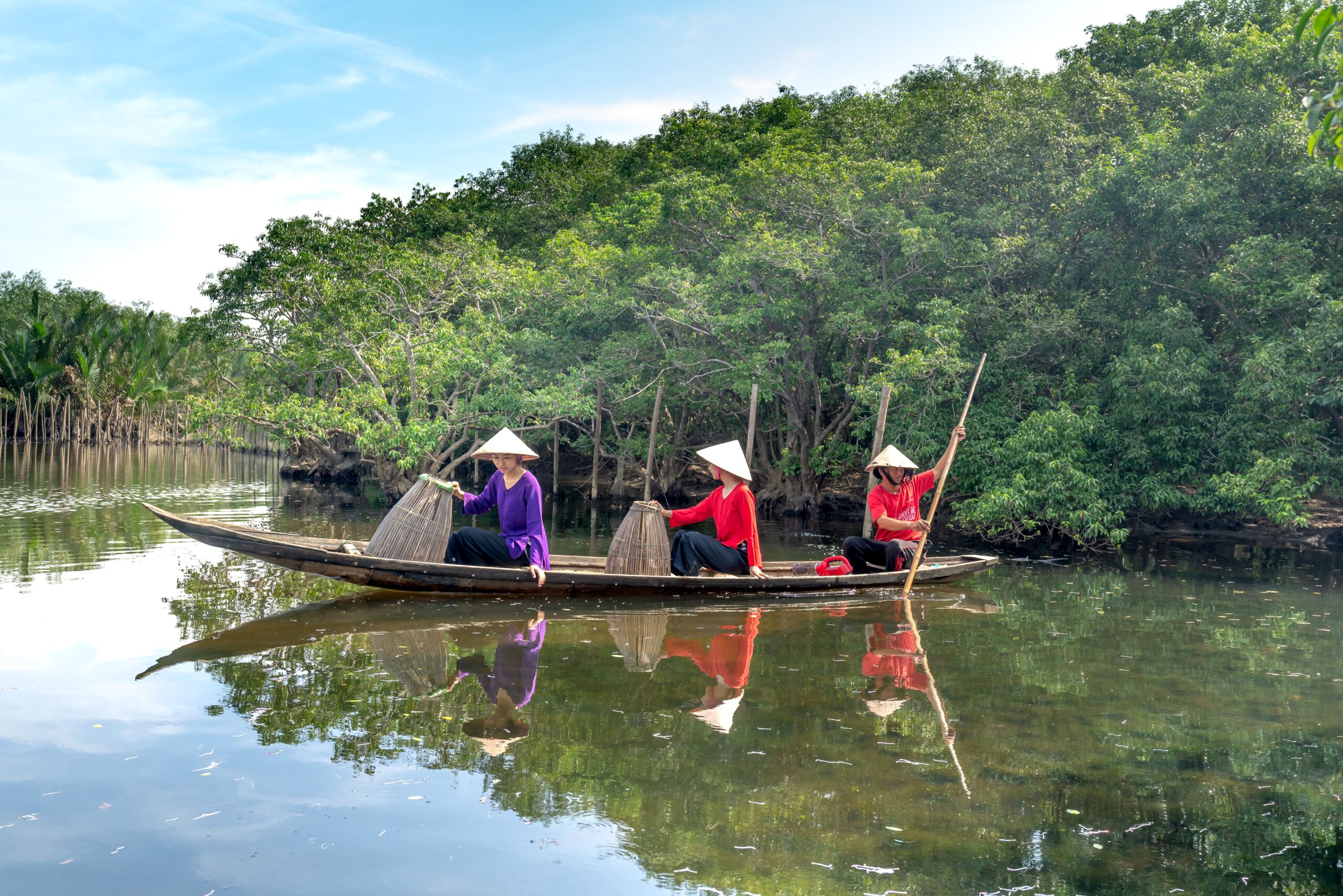
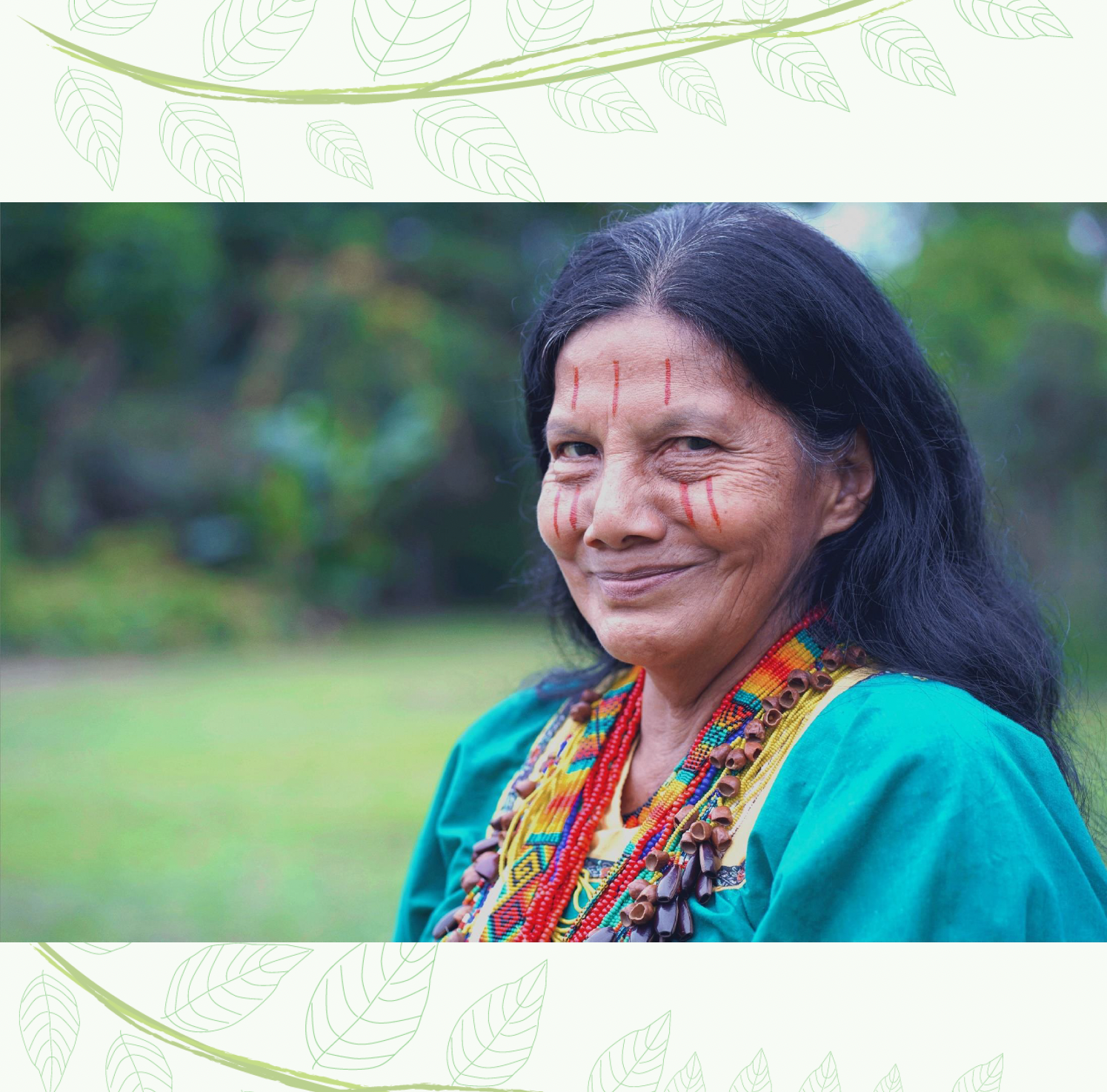
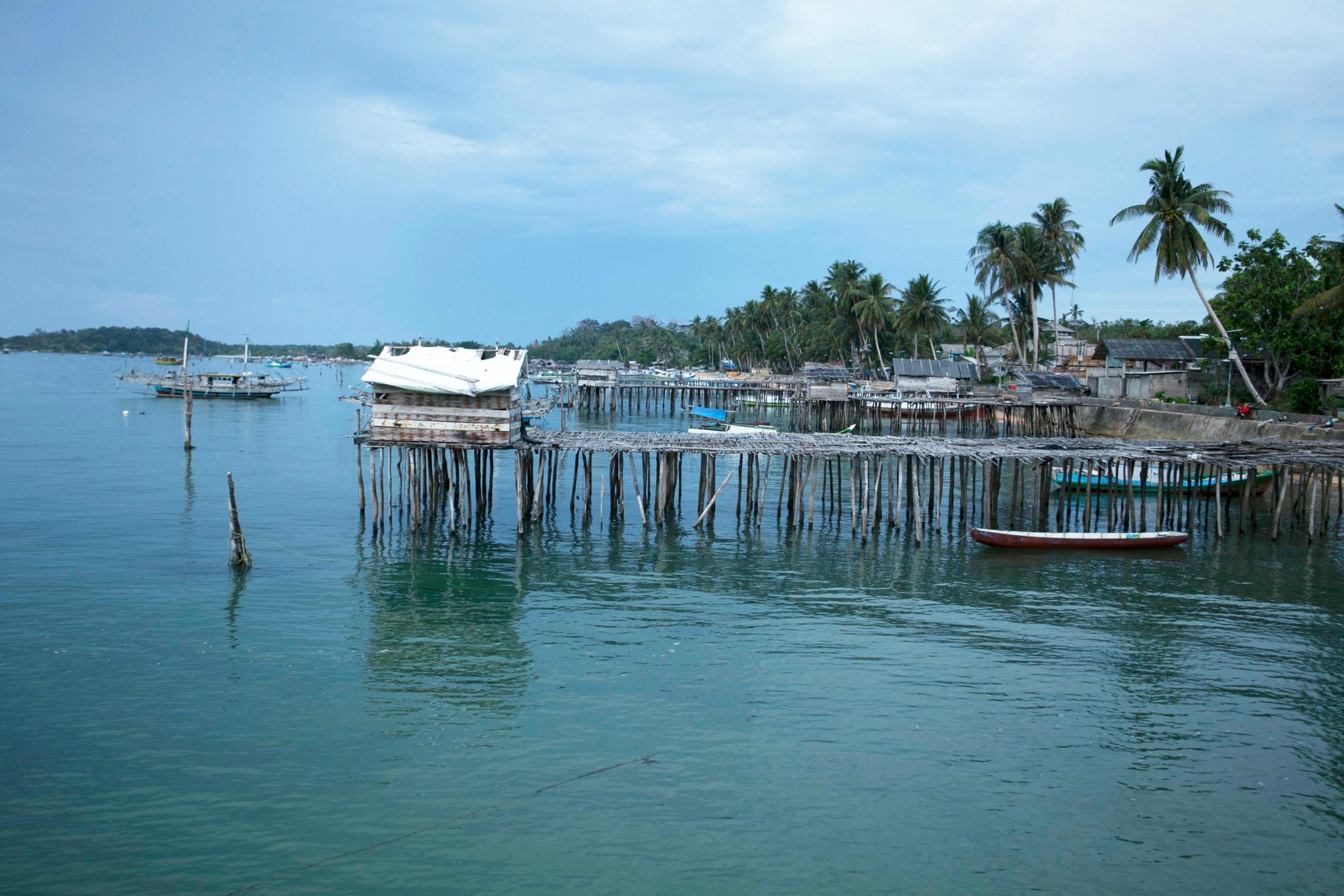
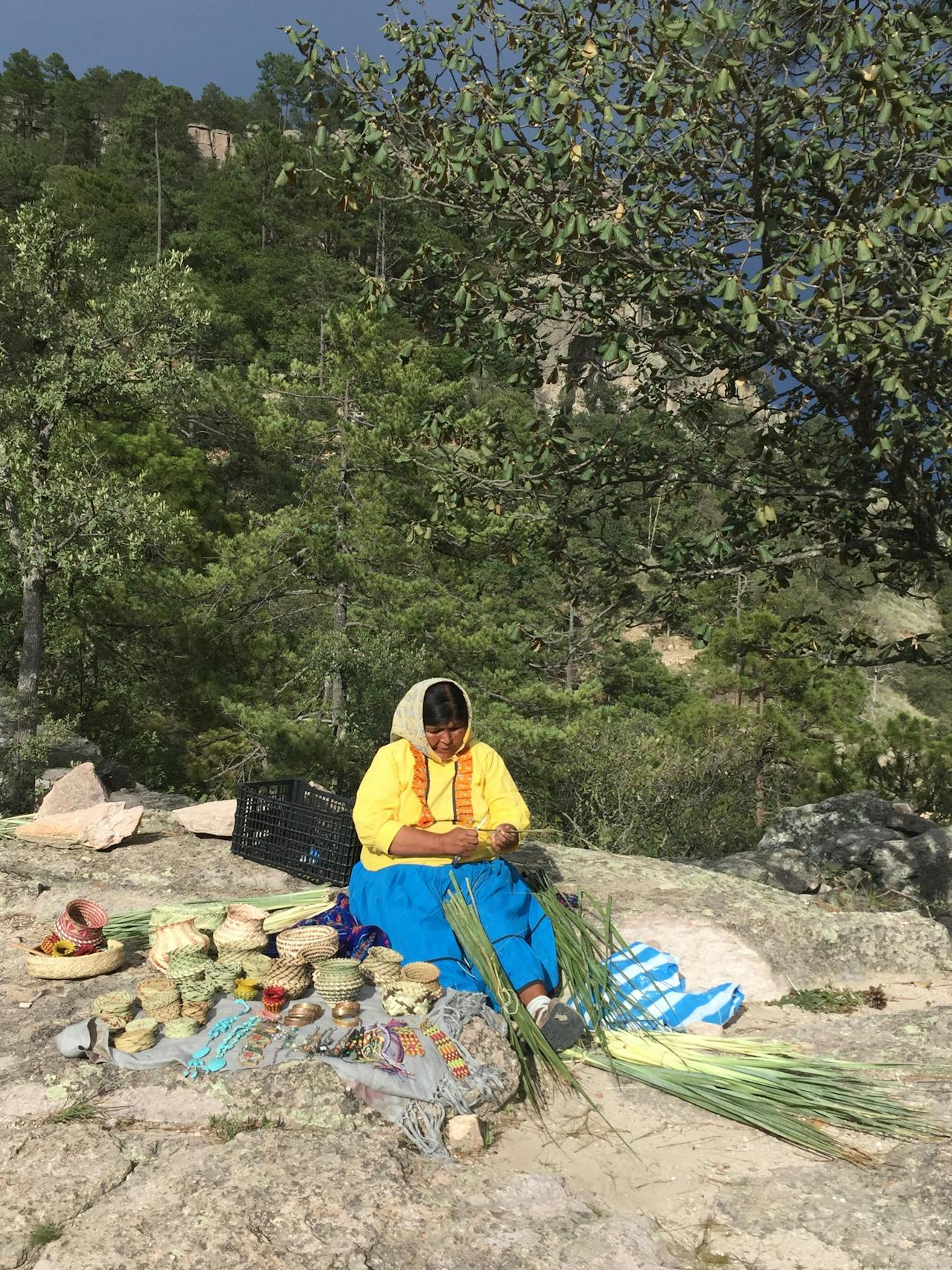
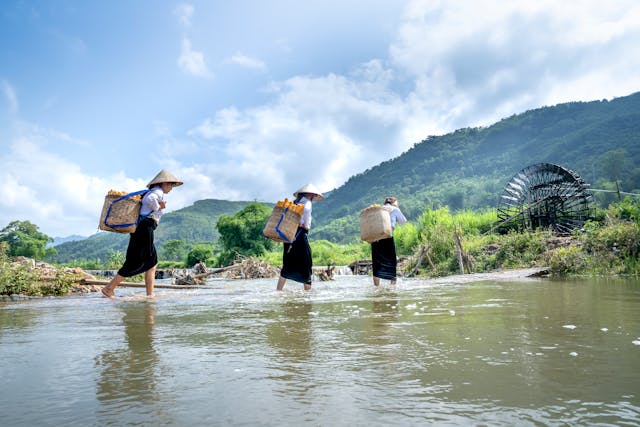
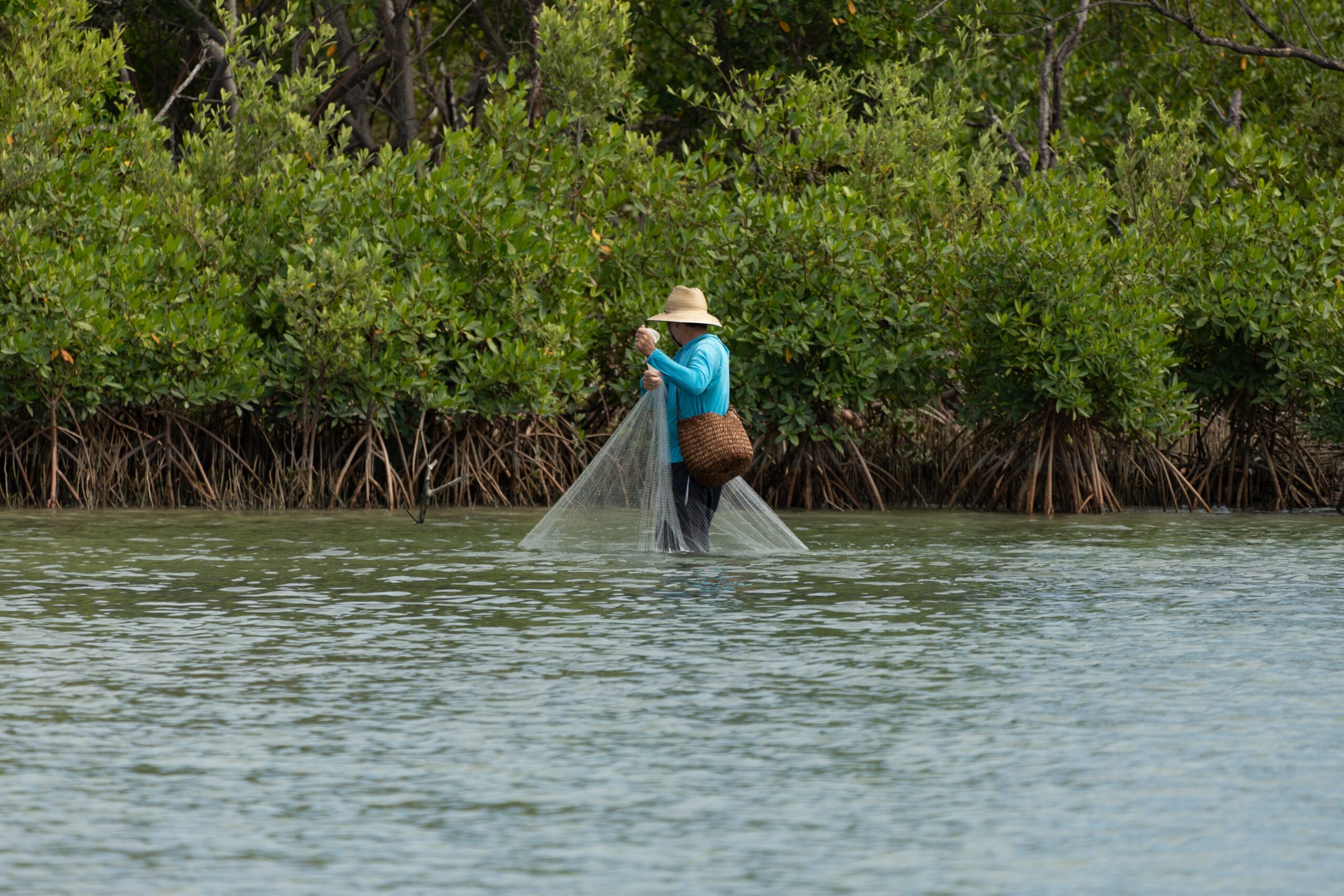
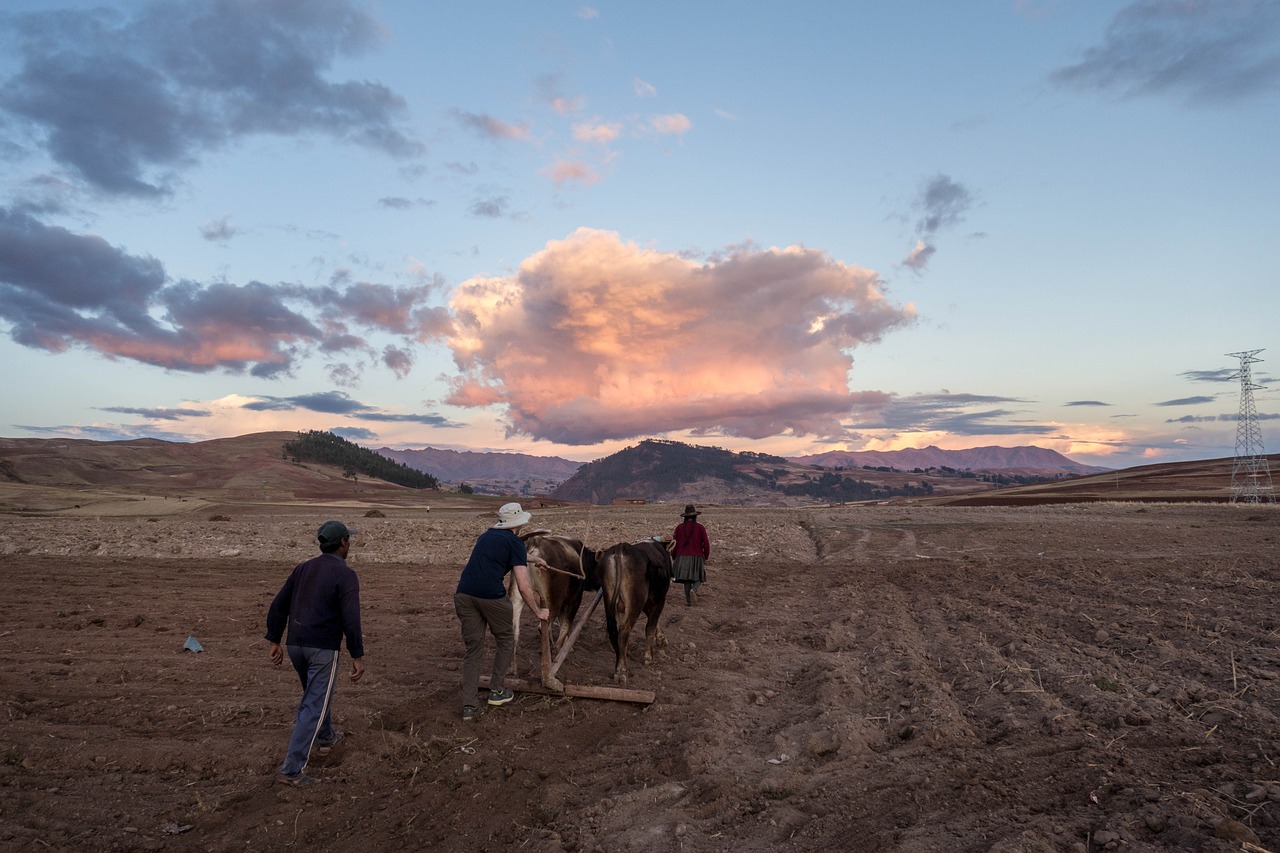
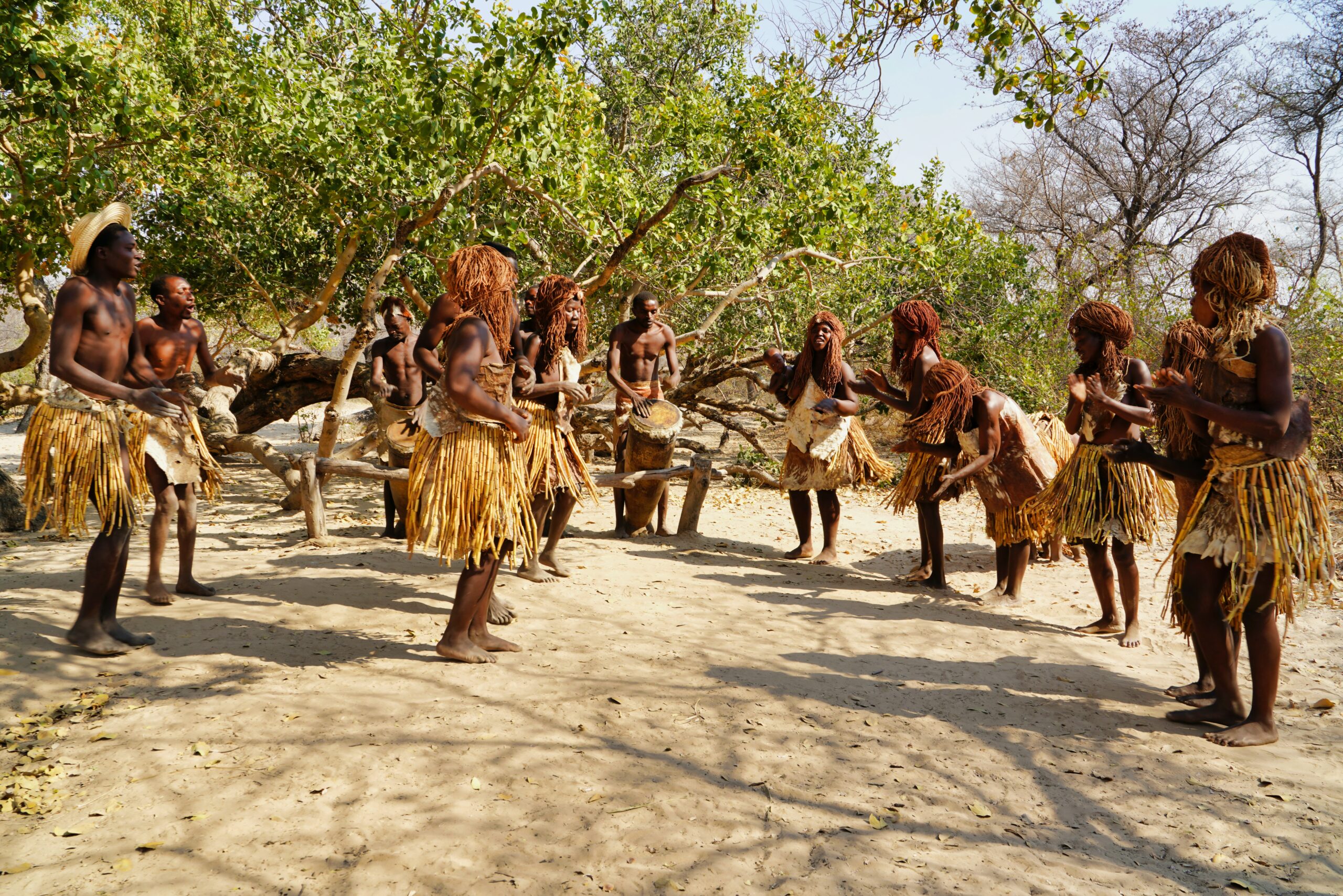
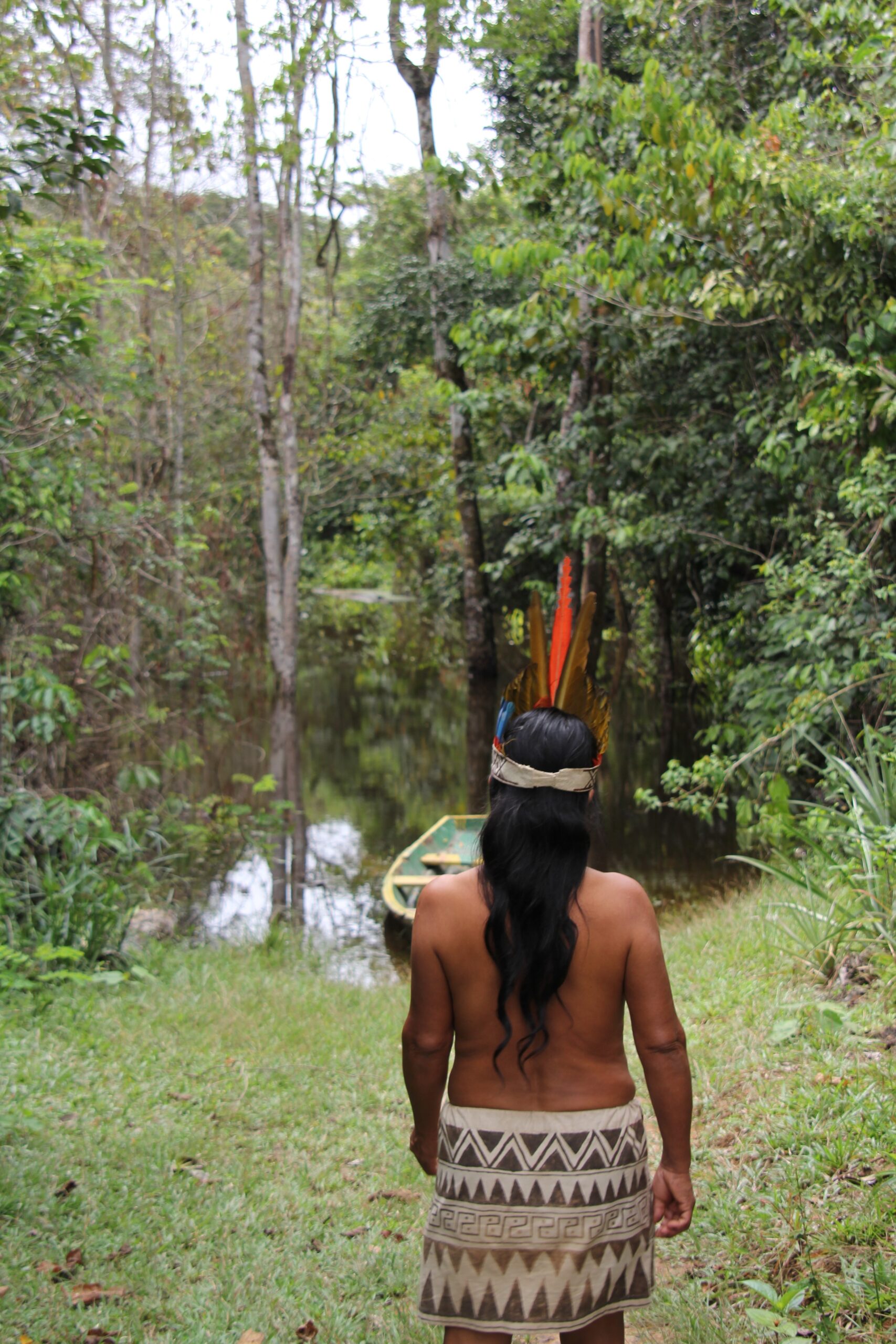
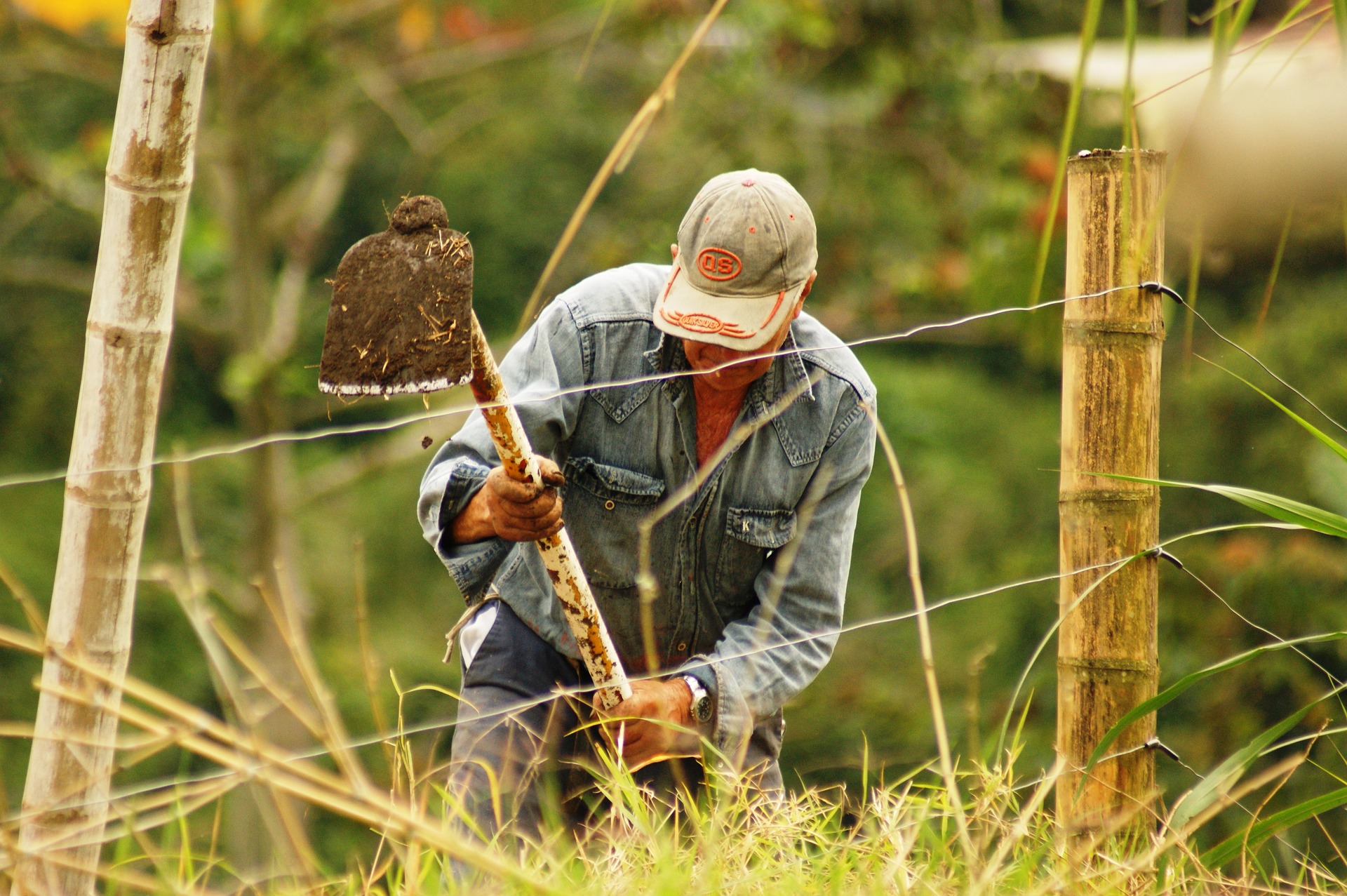
The report gives special attention to the knowledge held by Chao Lay and small-scale fishing communities. Their customary rules and stewardship, built on reciprocity with nature, have long worked as effective community-based marine management. This knowledge is now fading as fewer young people learn it, and it is still underused in formal decision-making. The report also finds that Thailand’s governance framework is comprehensive and closely aligned with global commitments. However, overlapping mandates, weak enforcement and fragmented area-based conservation make it less effective on the ground. Pilot assessments in Trat and Phuket show these tensions up close and show how integrated land–sea planning could address them.
Looking ahead to 2050, the report sets out three possible futures. In the business-as-usual scenario, ecosystems keep degrading. In the blue economy scenario, ocean-based growth comes with clearer safeguards. In the nature-positive scenario, the aim is to halt and reverse biodiversity loss while strengthening resilience and equity. The report finds that Thailand’s coastal future is not set in stone and depends on the policy, governance and investment choices made now. It calls for actions that pay off under any scenario: stronger monitoring and data-sharing, ecosystem values built into planning and finance, ways for scientists, policymakers and communities to keep talking, and meaningful inclusion of Indigenous and local knowledge.