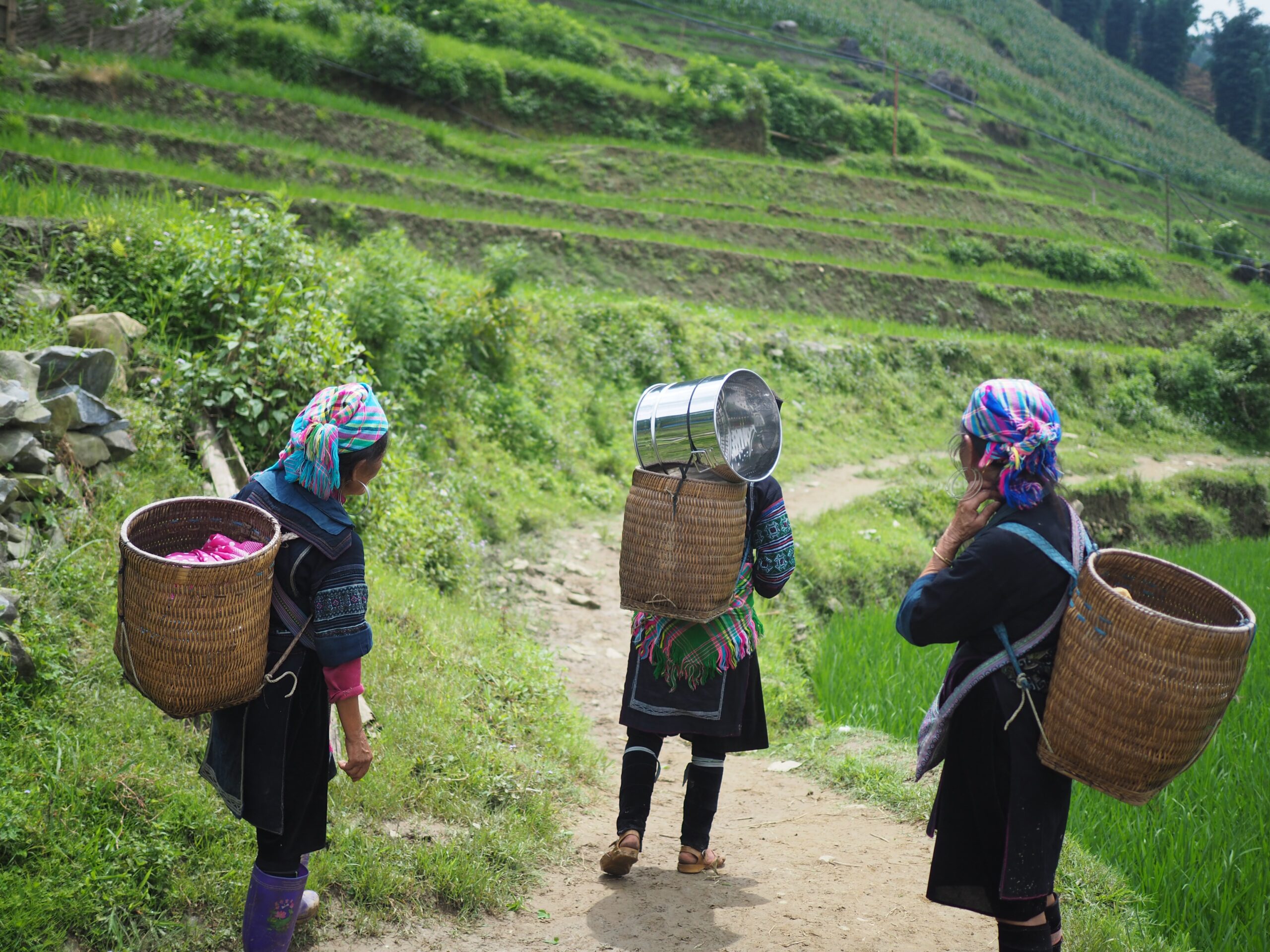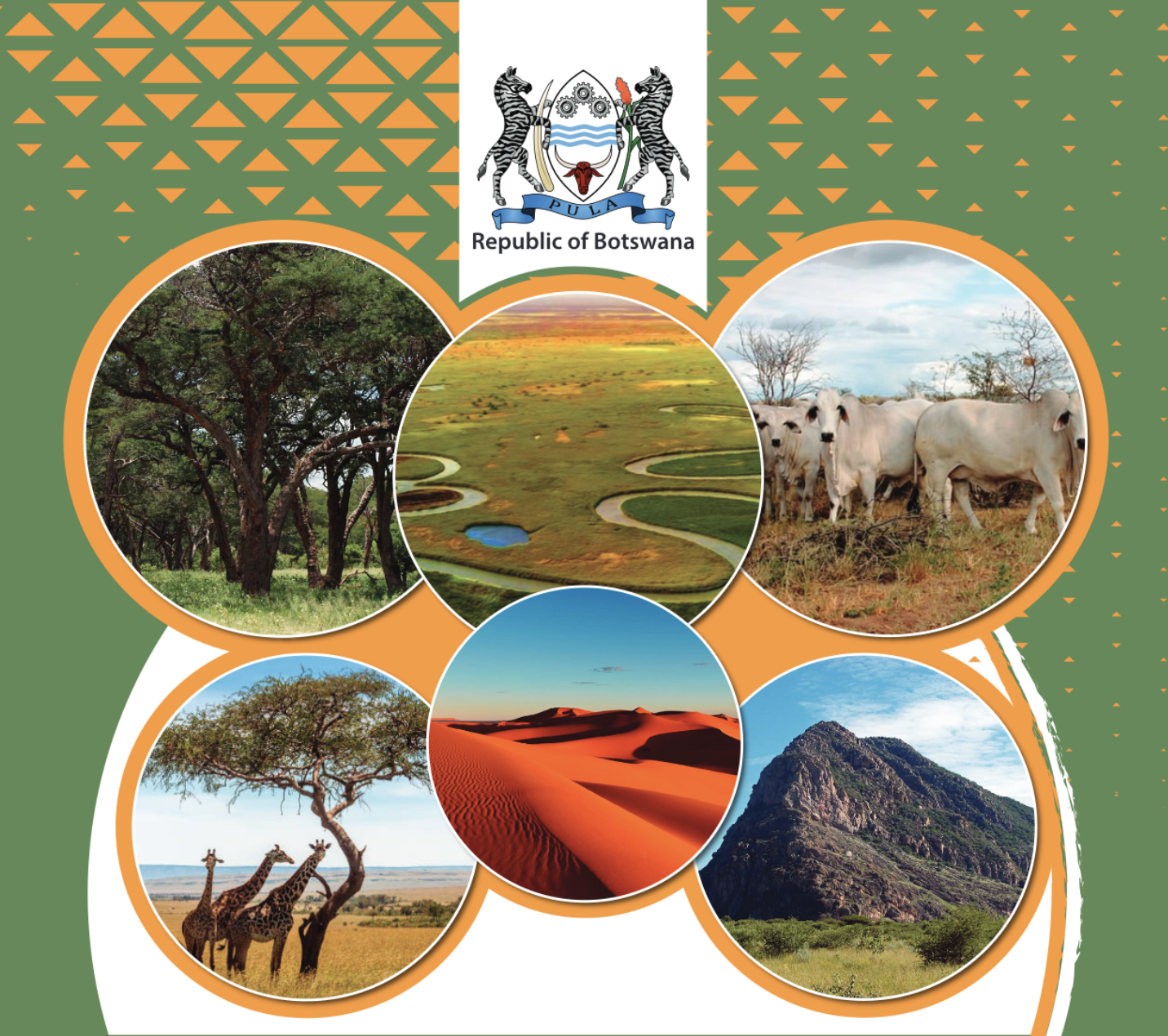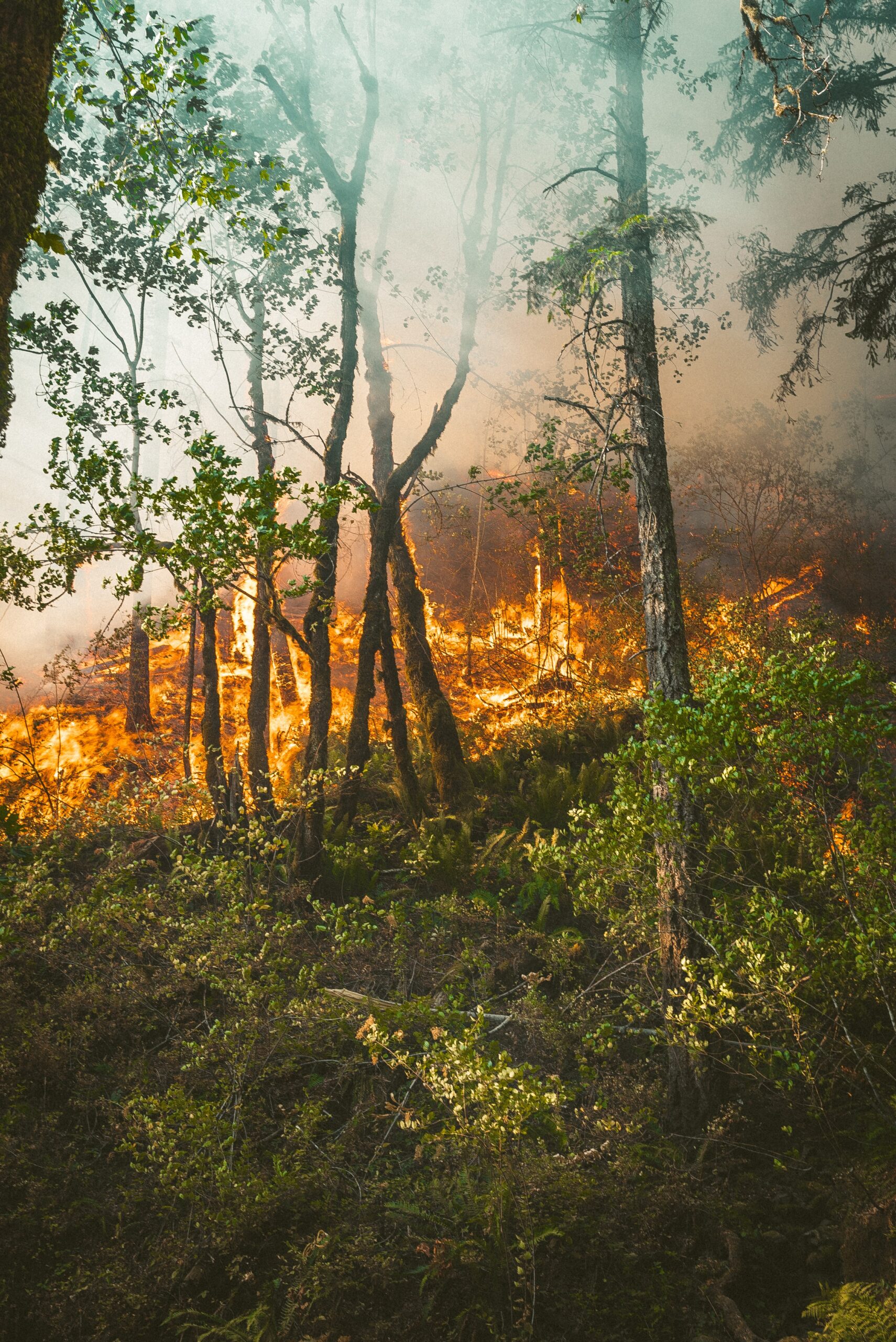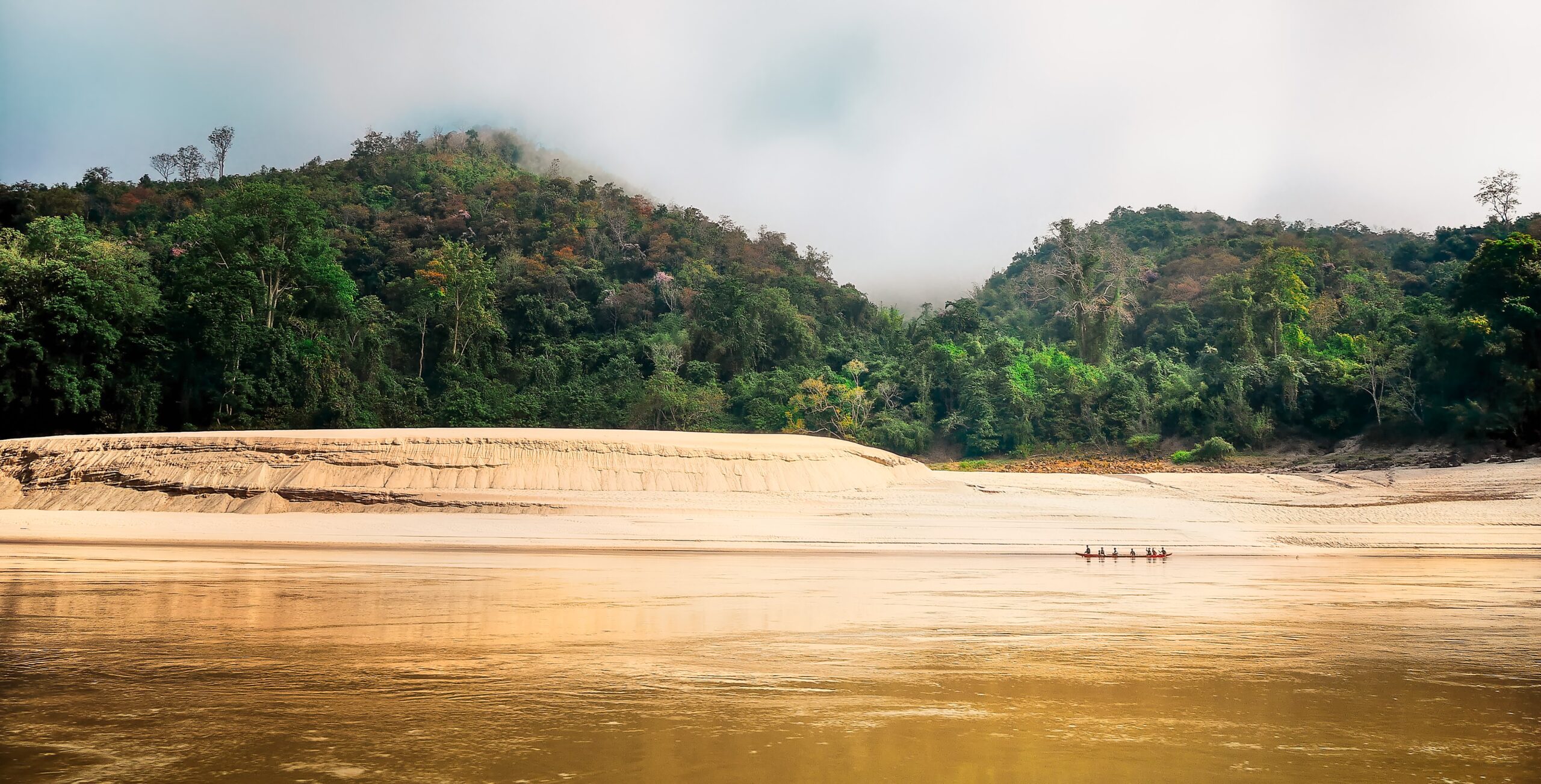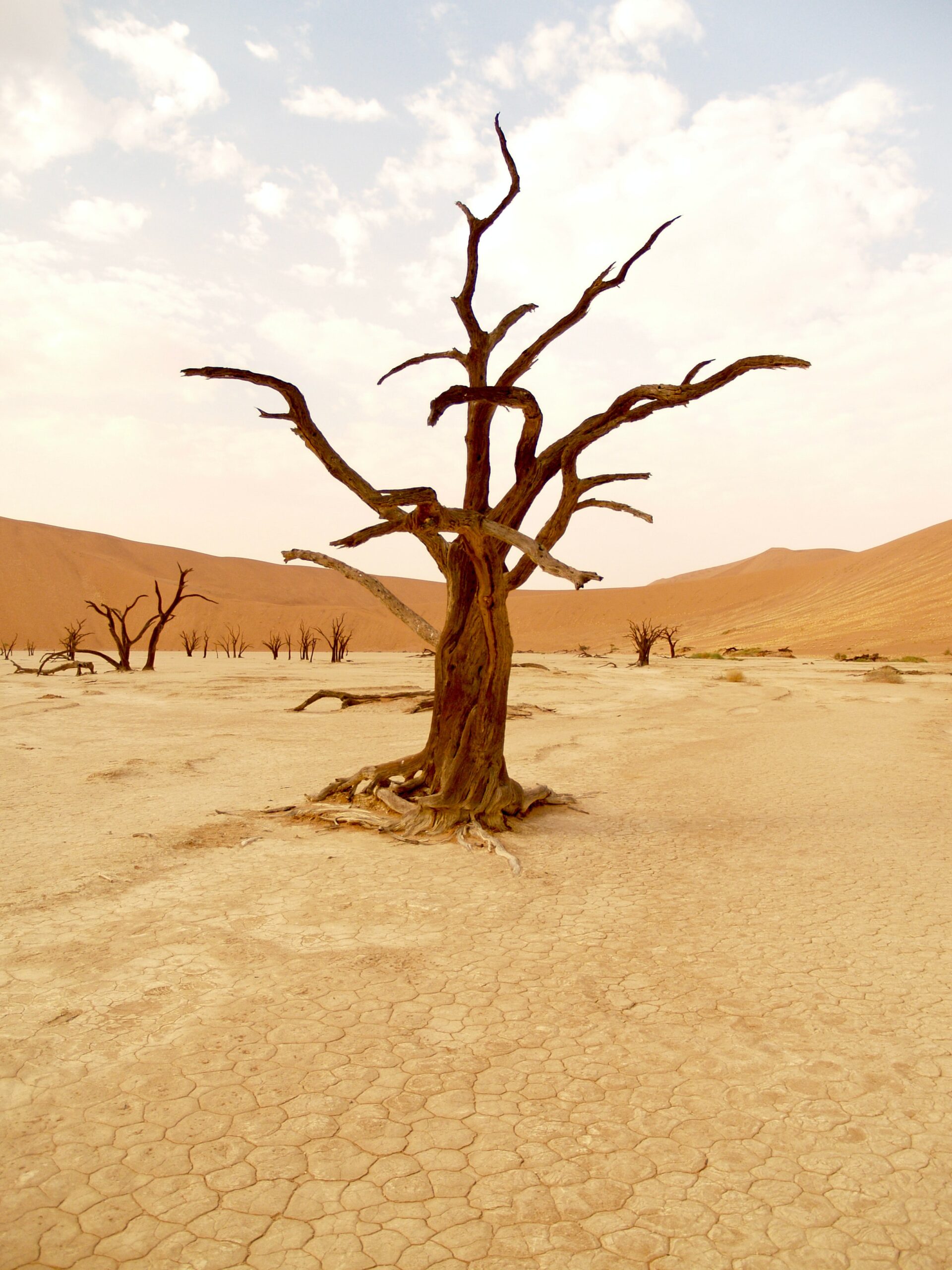
This document draws on the case study “Gender Dynamics in the Utilisation and Management of Biodiversity and Ecosystem Services through a Human Rights-Based Approach (HRBA) in Desert and Hill Ecosystems of Botswana,” developed within the framework of Botswana’s National Ecosystem Assessment. The study examines how gender, Traditional Knowledge (TK) and institutional arrangements shape the way local communities access, use, manage and benefit from biodiversity, and how far Botswana’s national policy commitments translate into equitable outcomes at community level.
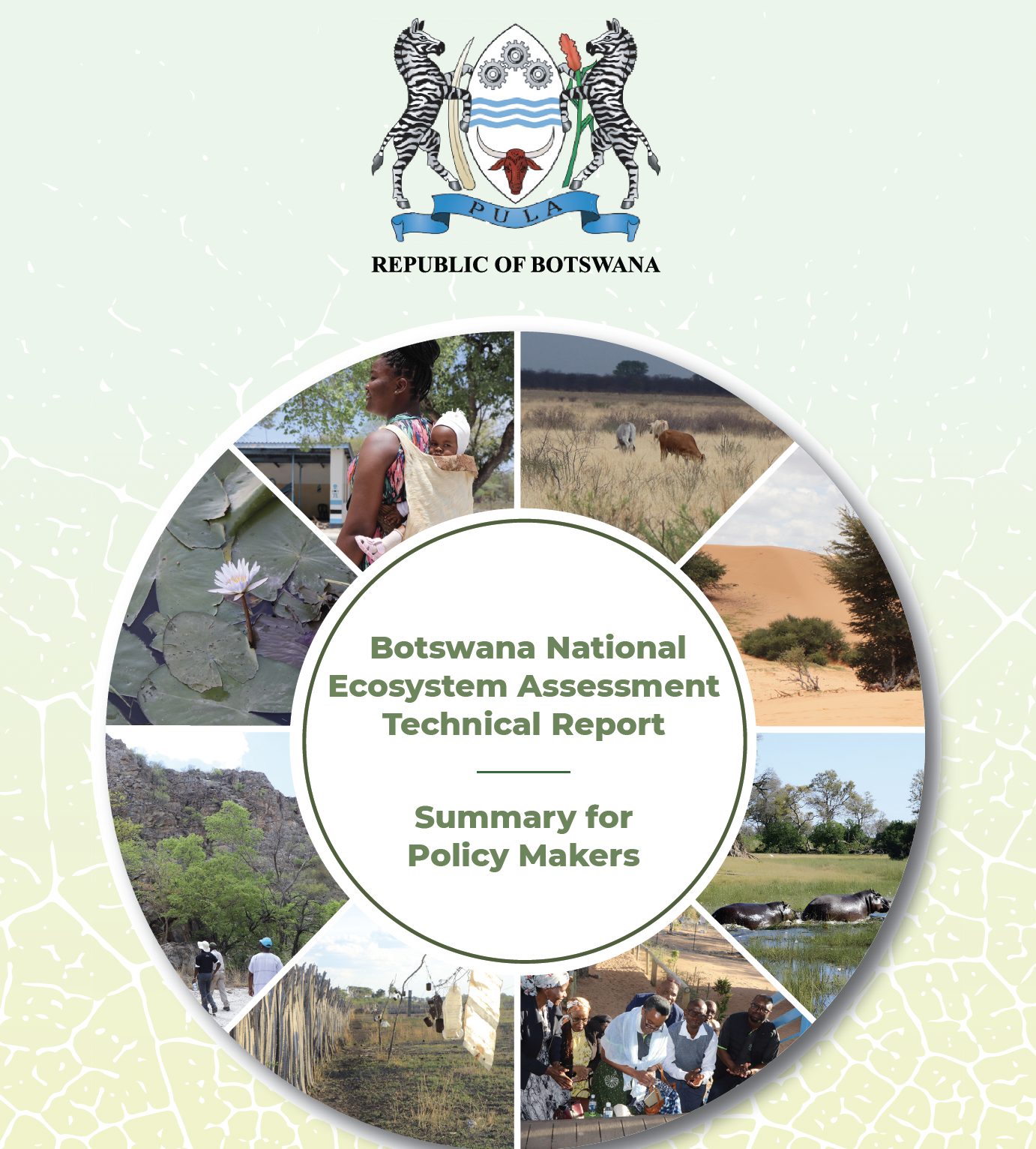
Inputs from the case study were included in the Botswana National Ecosystem Assessment Technical Report and Summary for Policymakers. The Assessment is a Ministry of Environment and Tourism project implemented by Botswana University of Agriculture and Natural Resources (BUAN) as part of the Biodiversity and Ecosystem Services Network (BES-Net) Phase II, with technical support from the National Ecosystem Assessment (NEA) Initiative at UNEP-WCMC, and is supported by the International Climate Initiative (IKI) of the Federal Government of Germany.
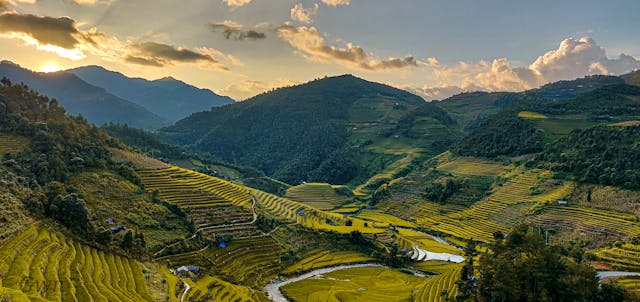
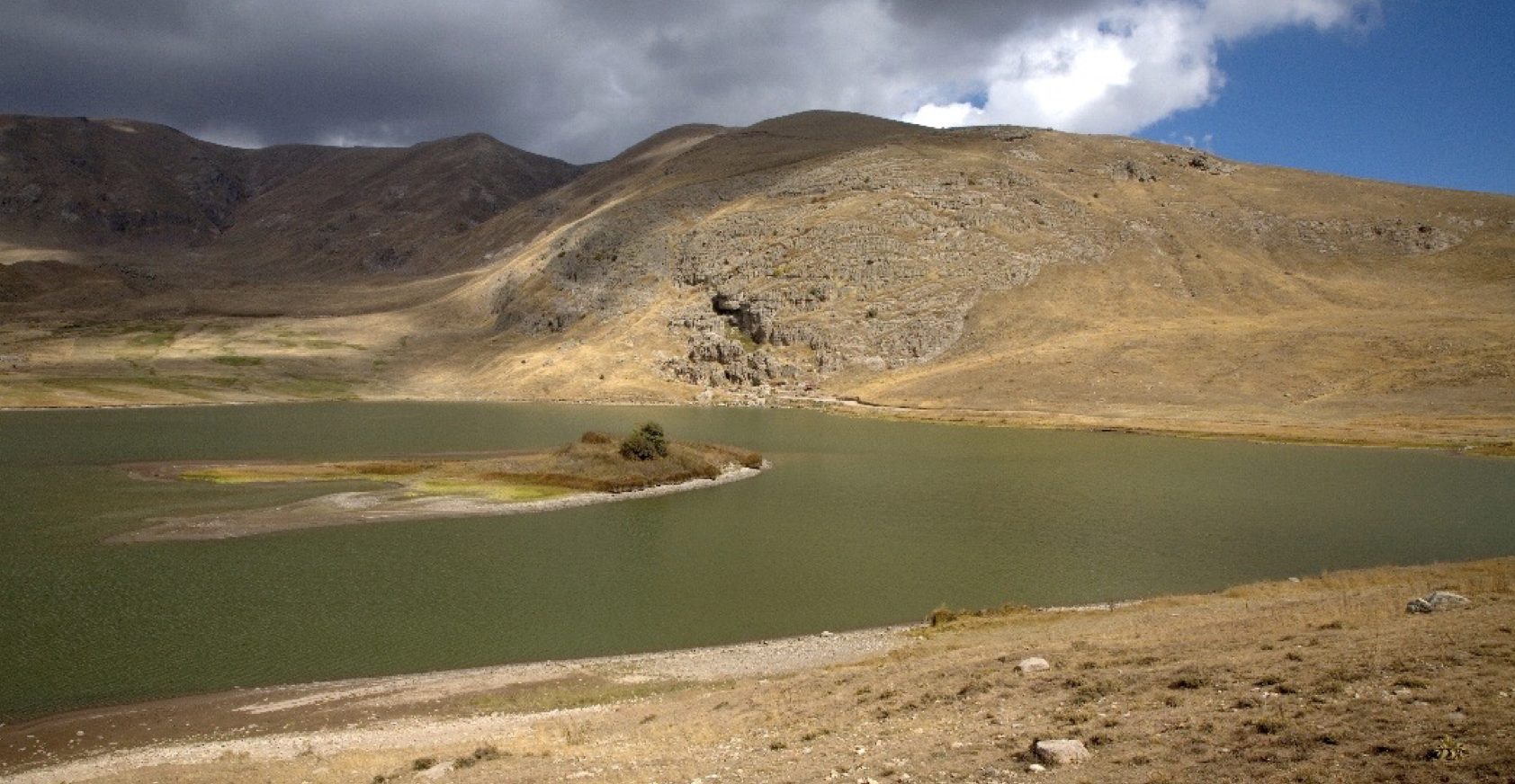
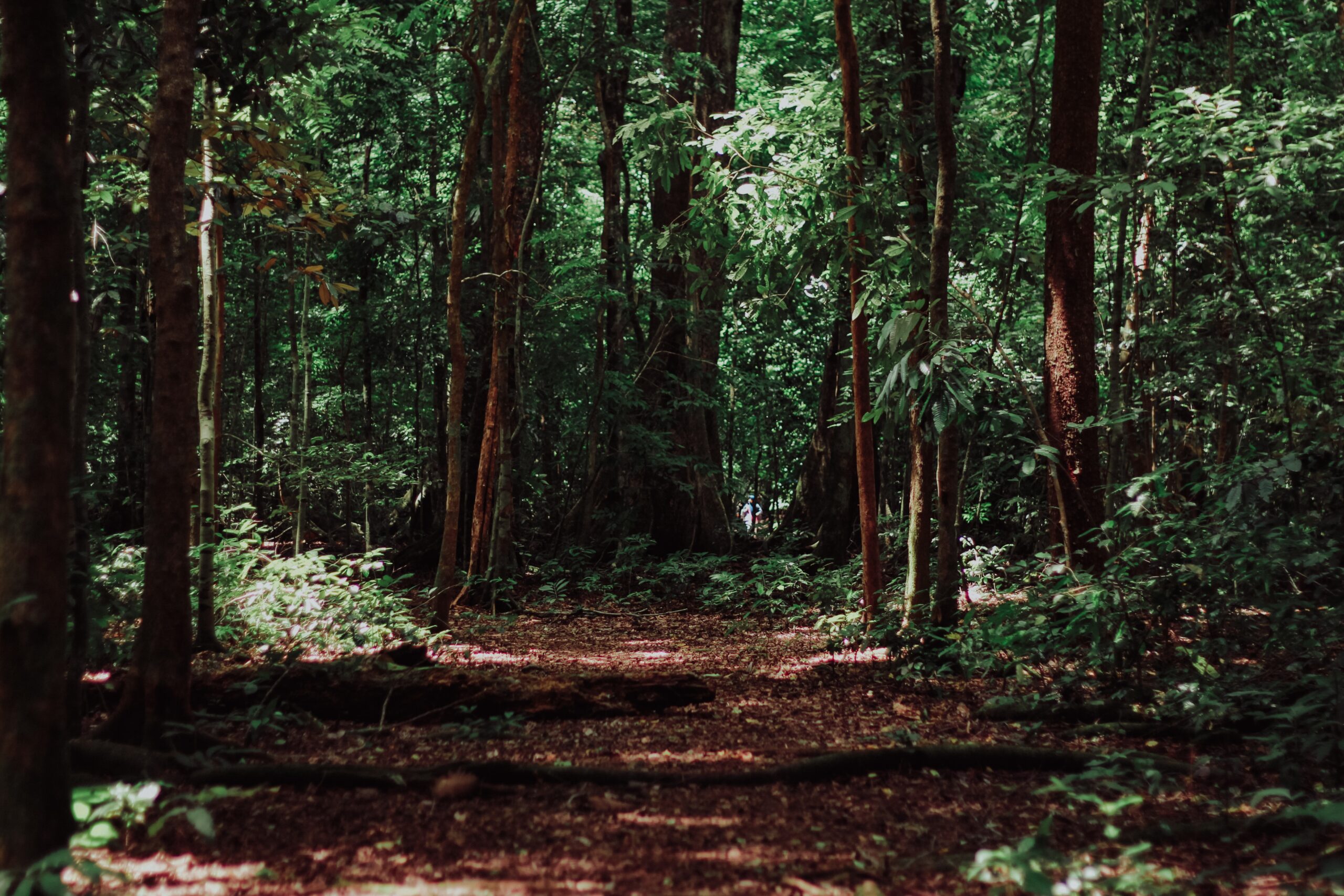
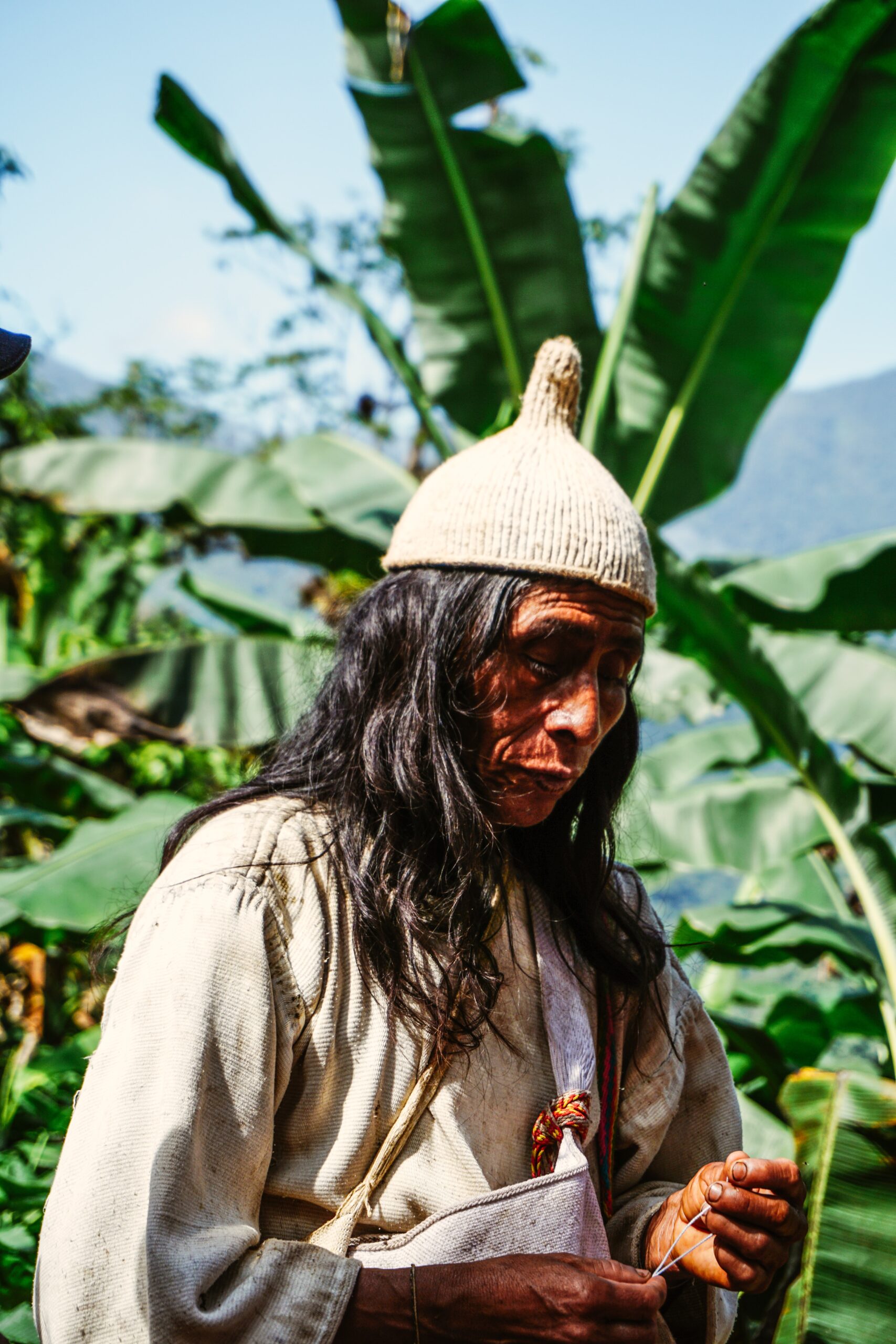
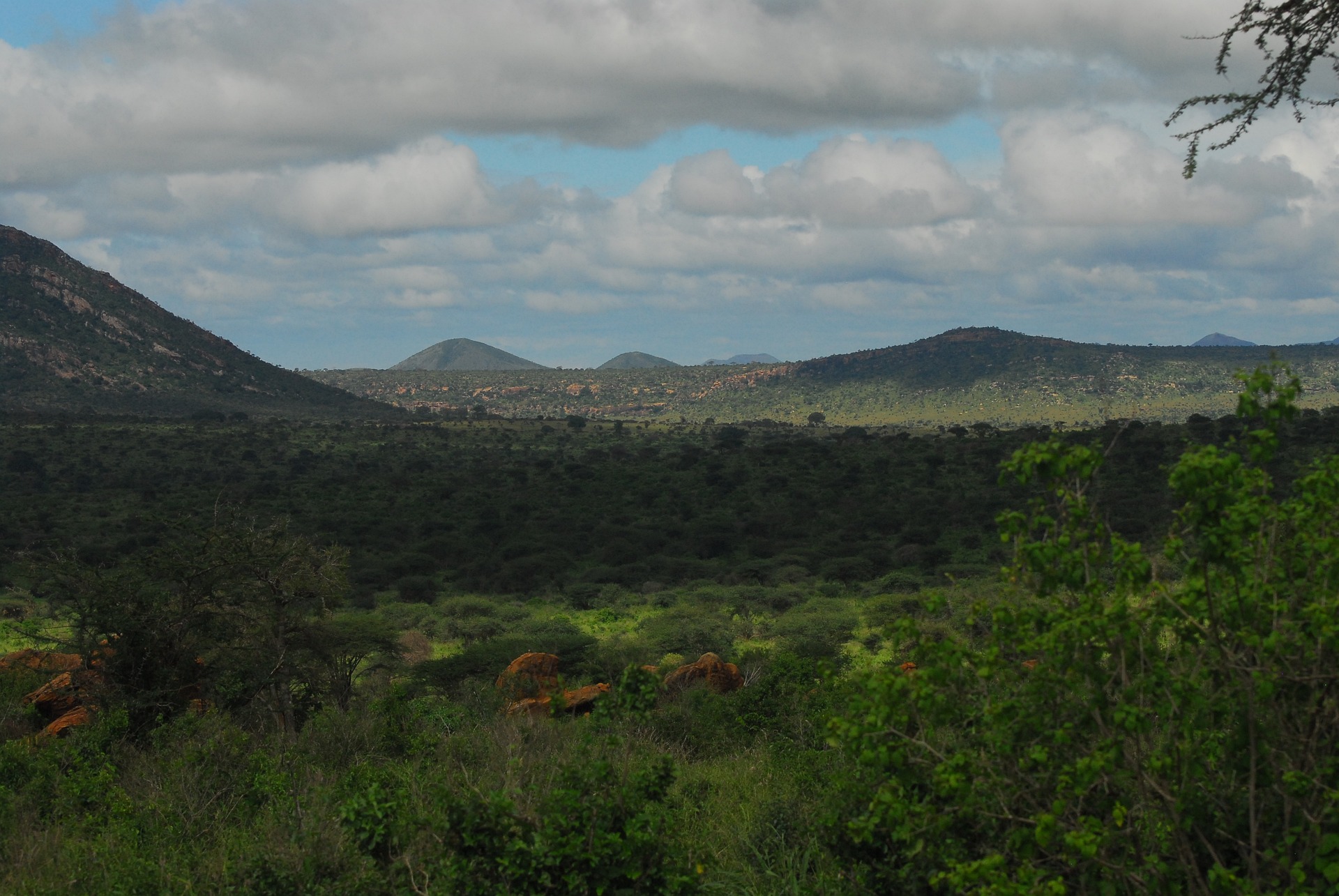
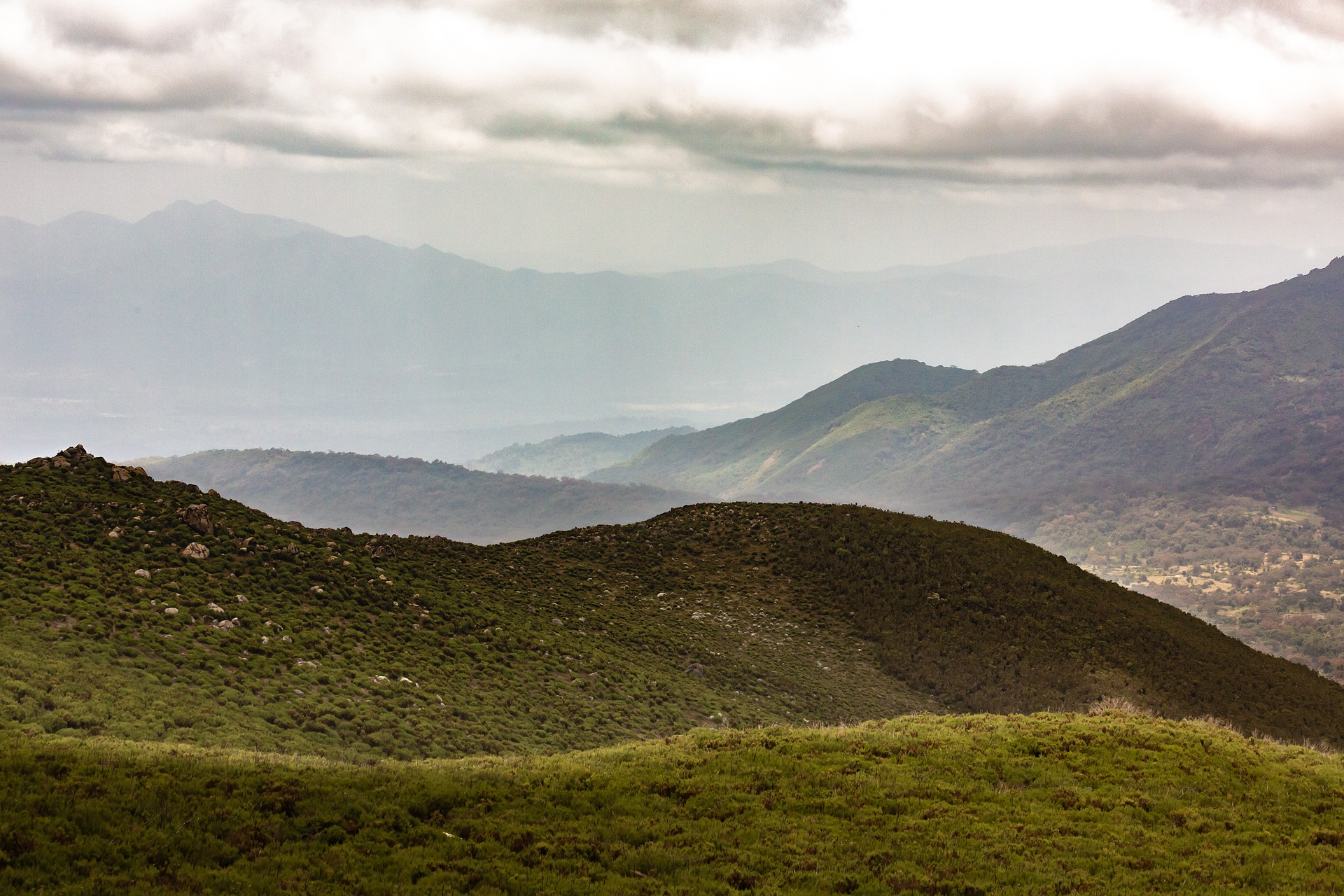
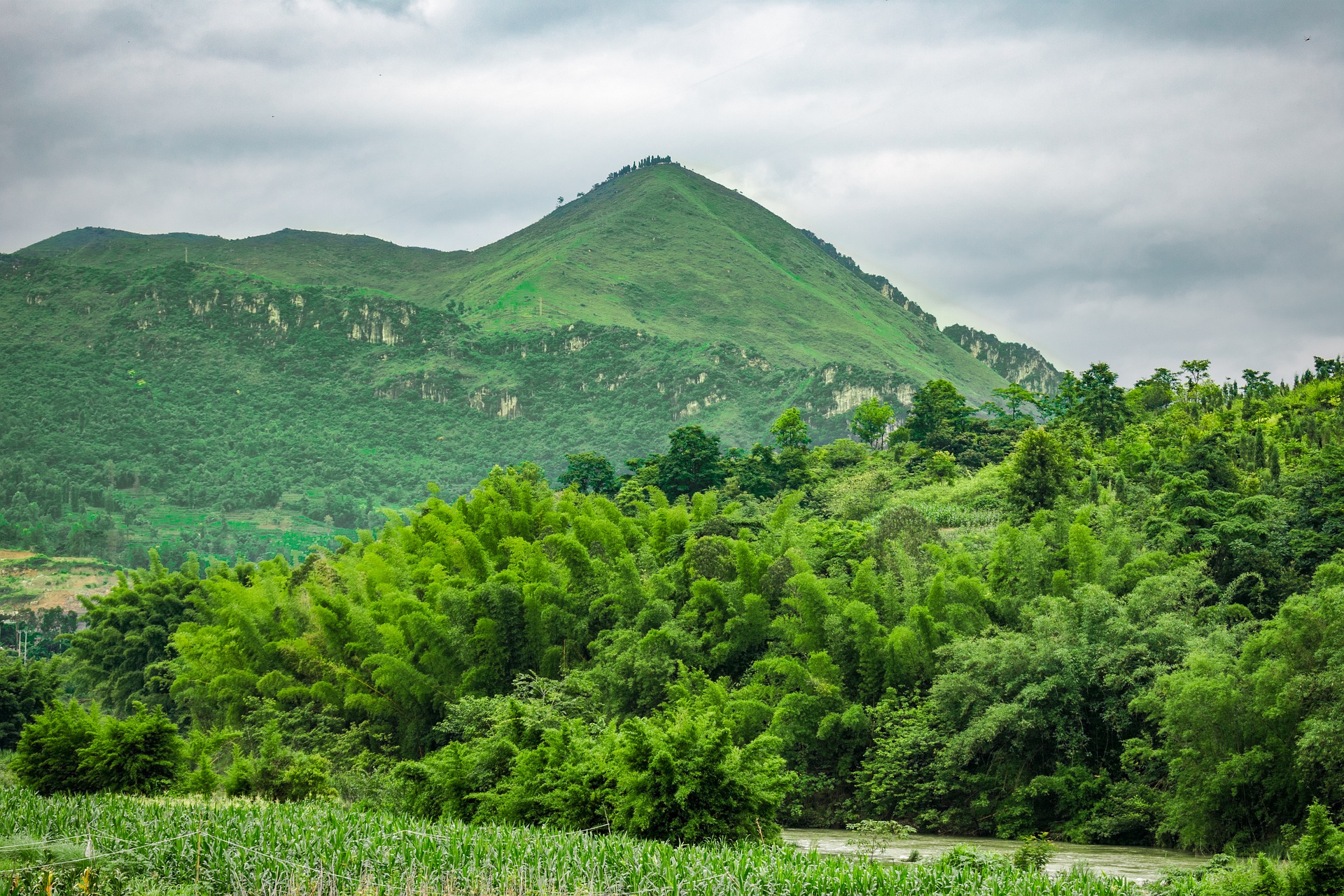
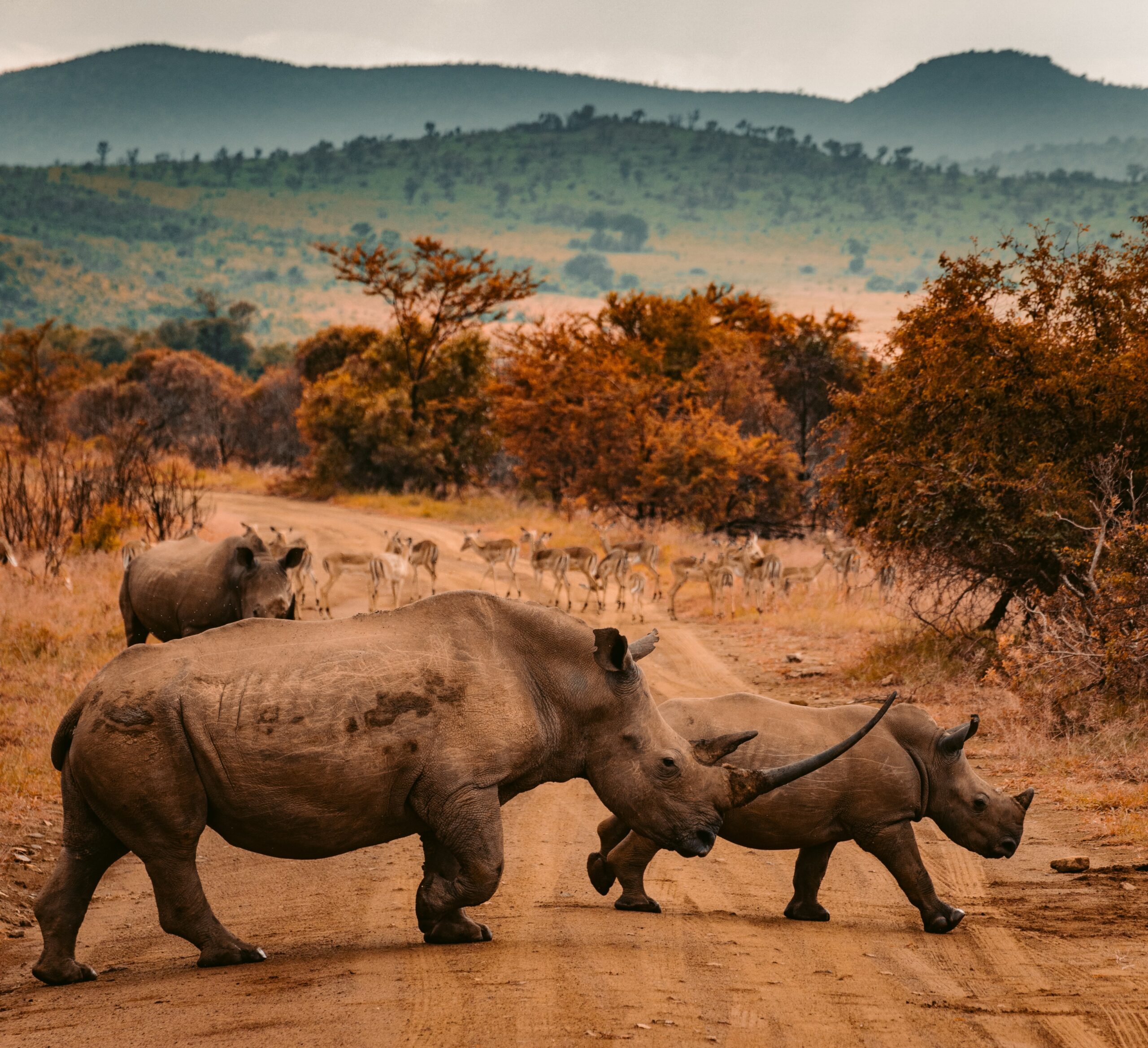
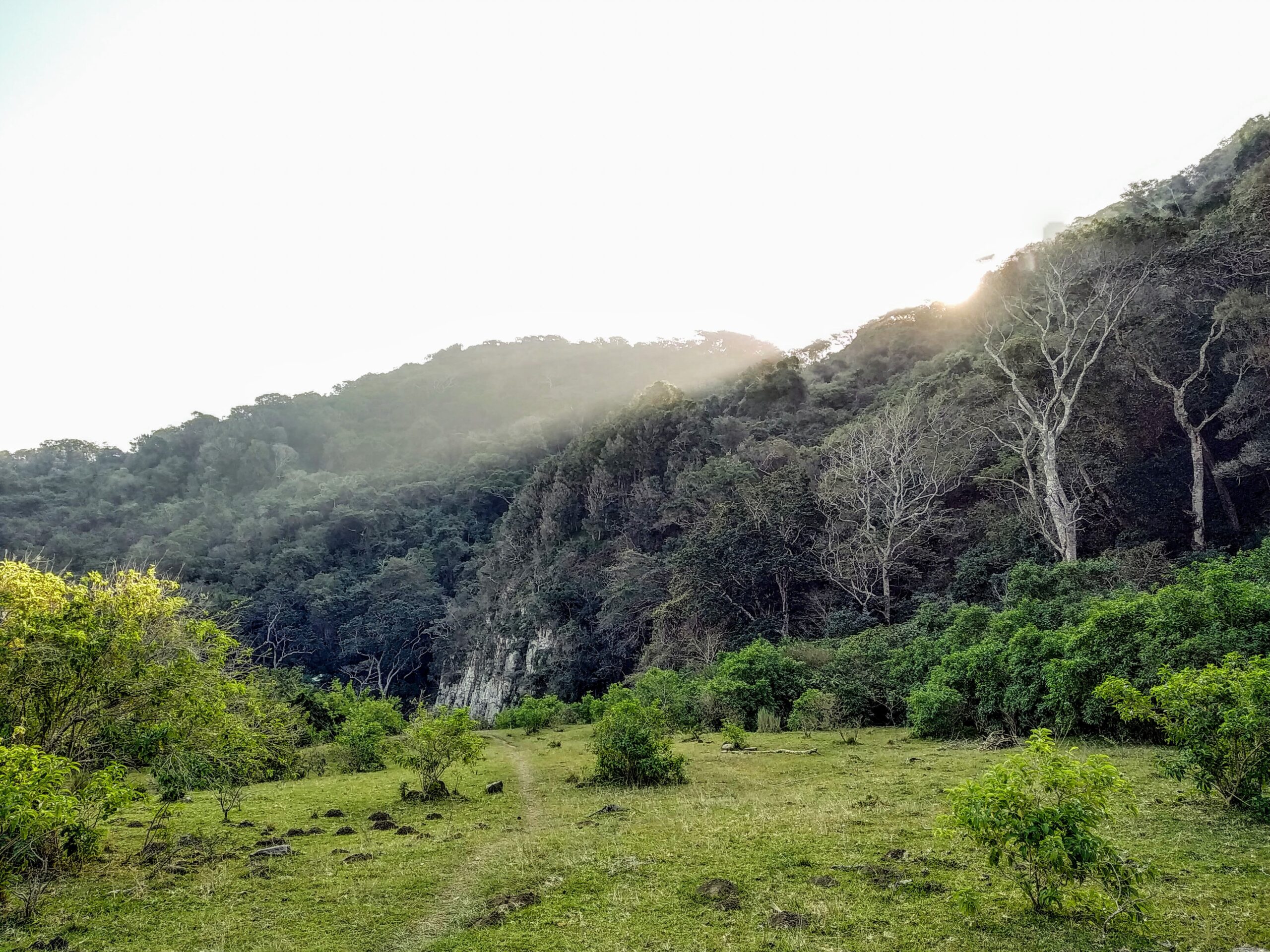
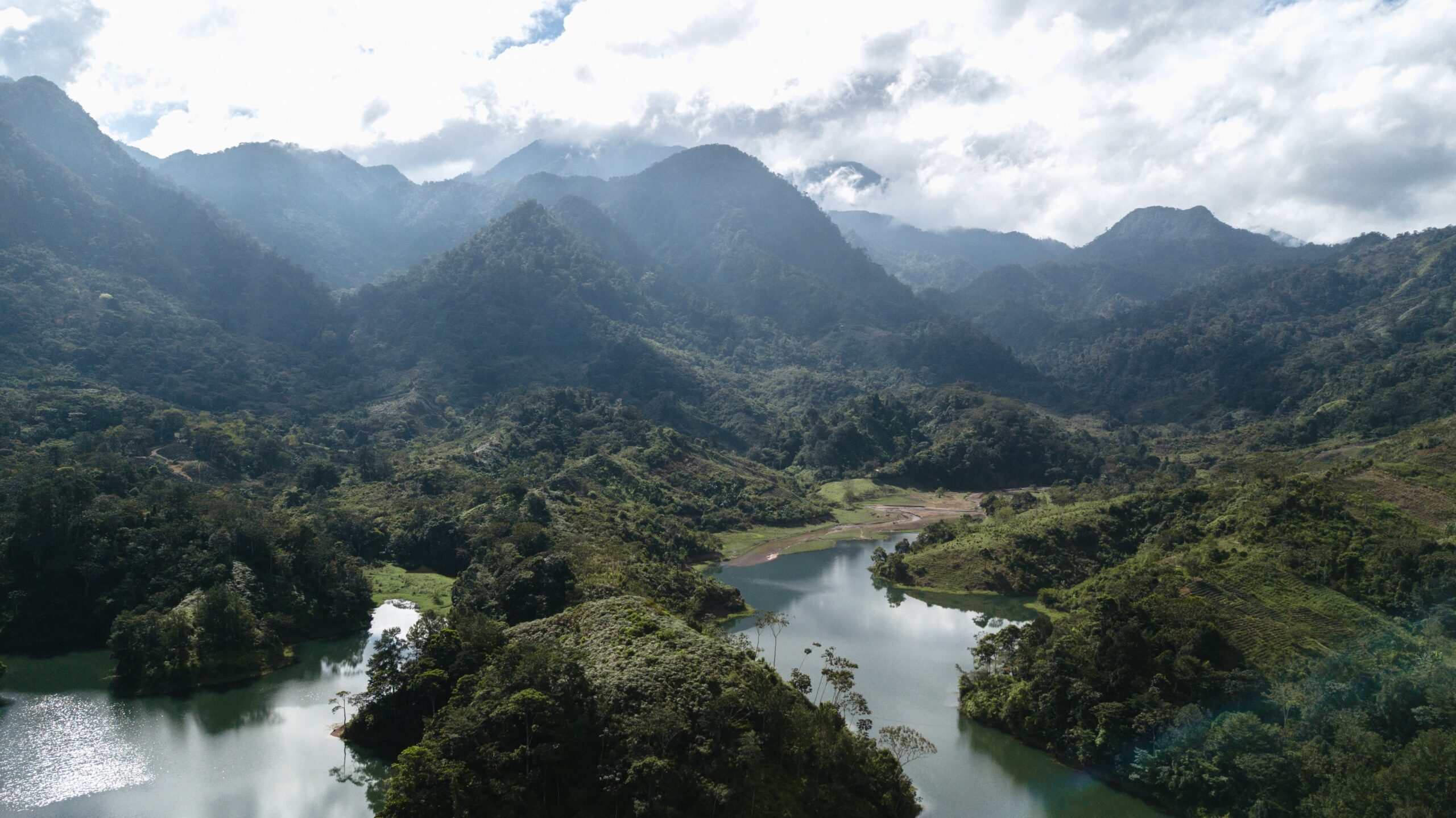
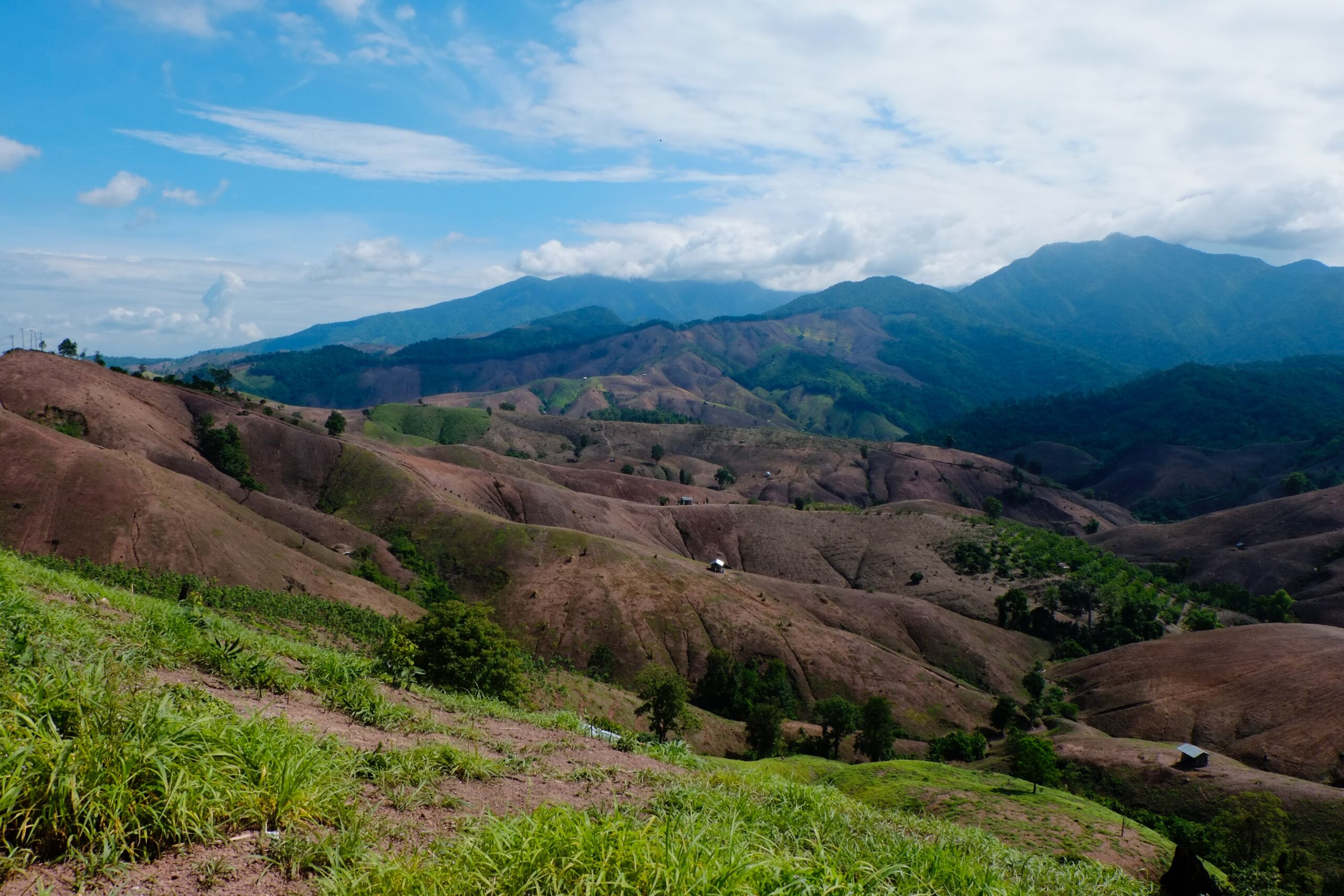
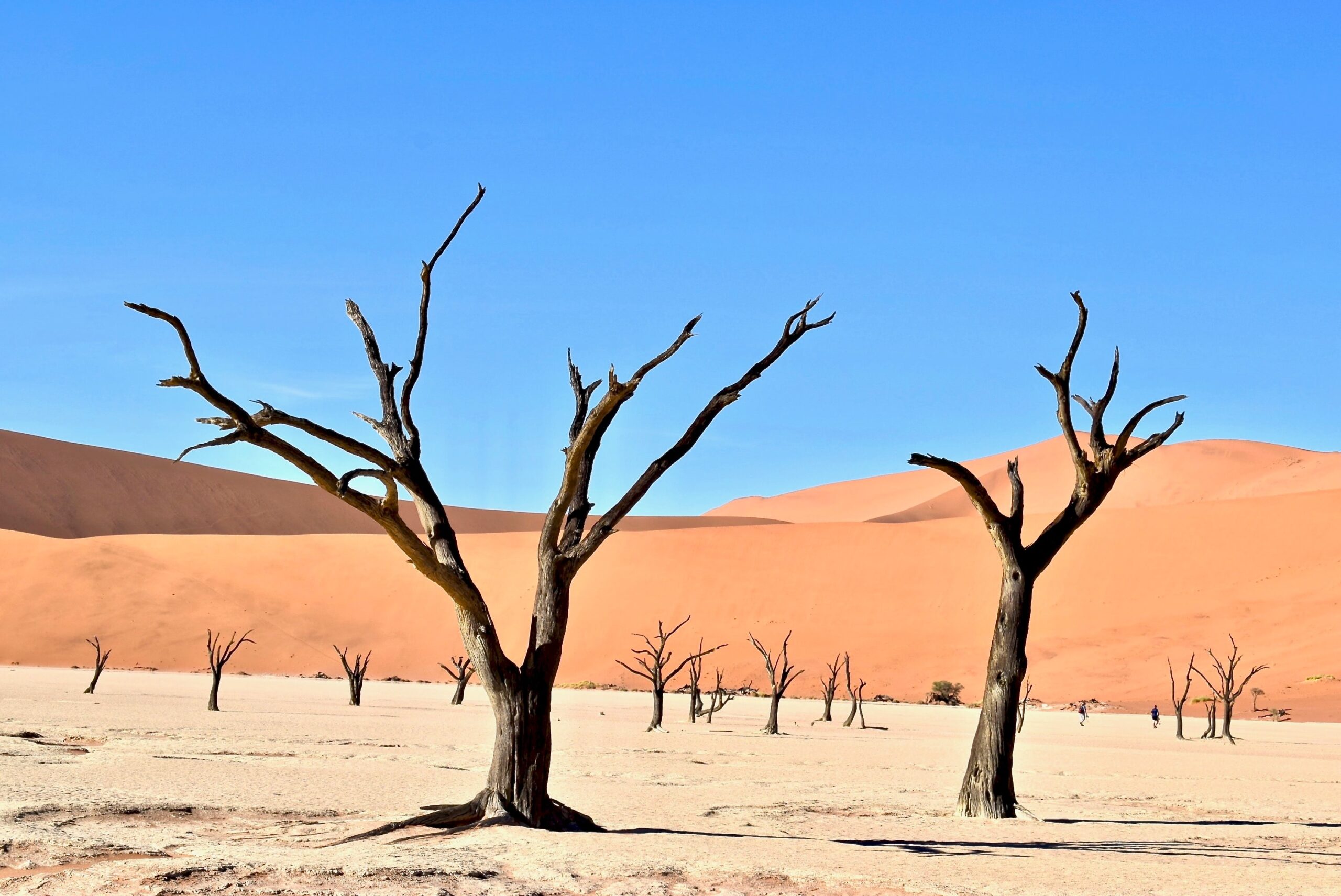
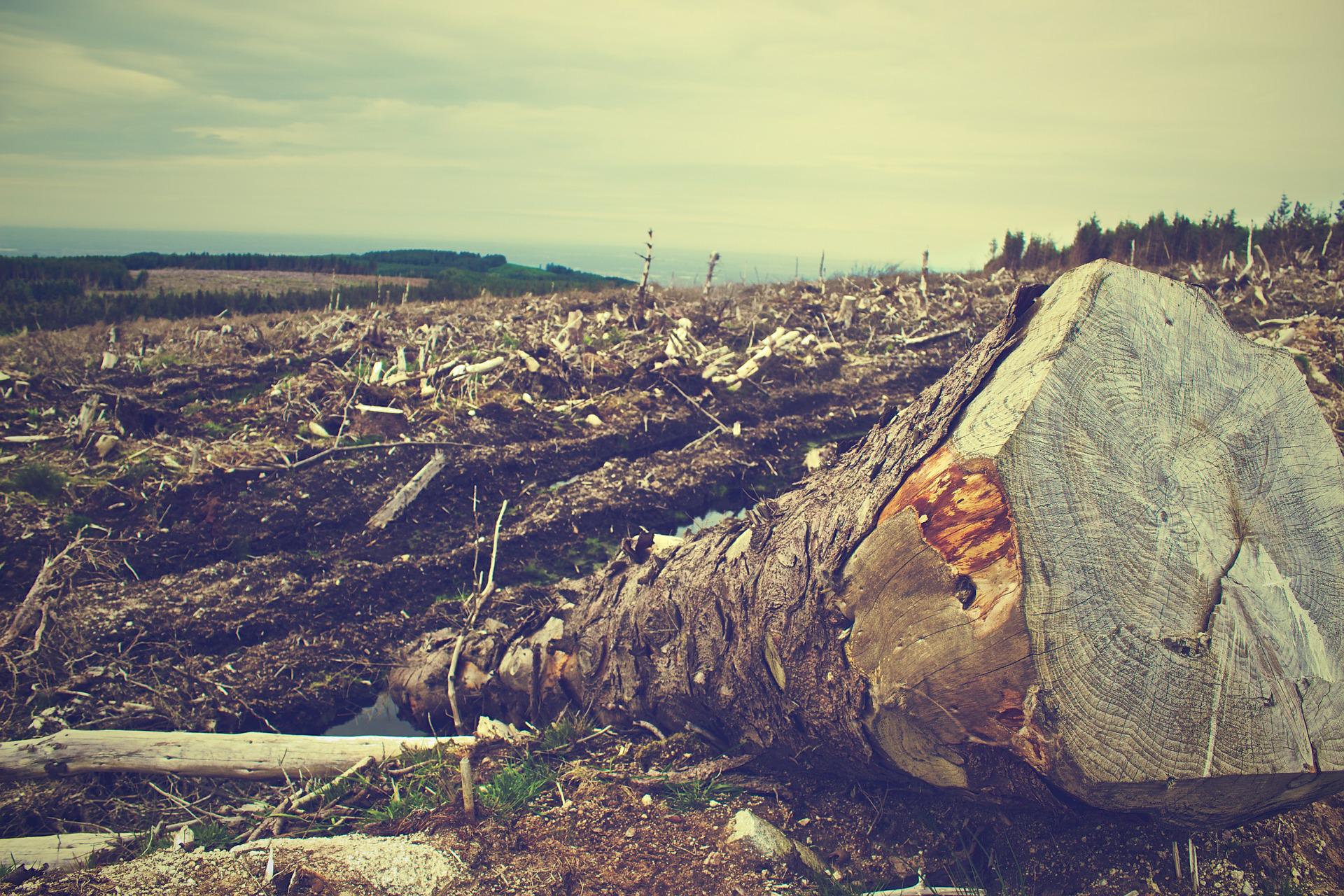
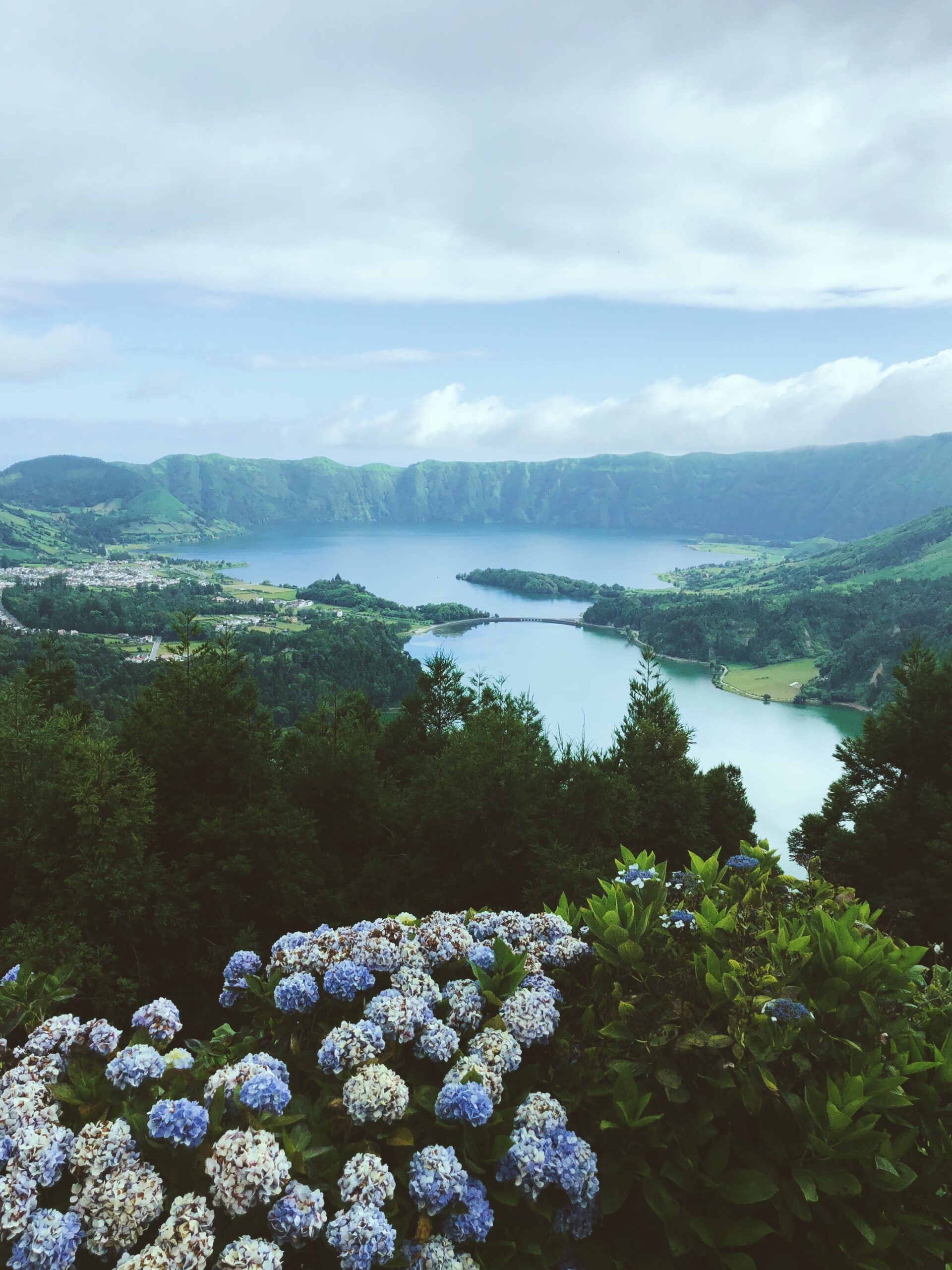
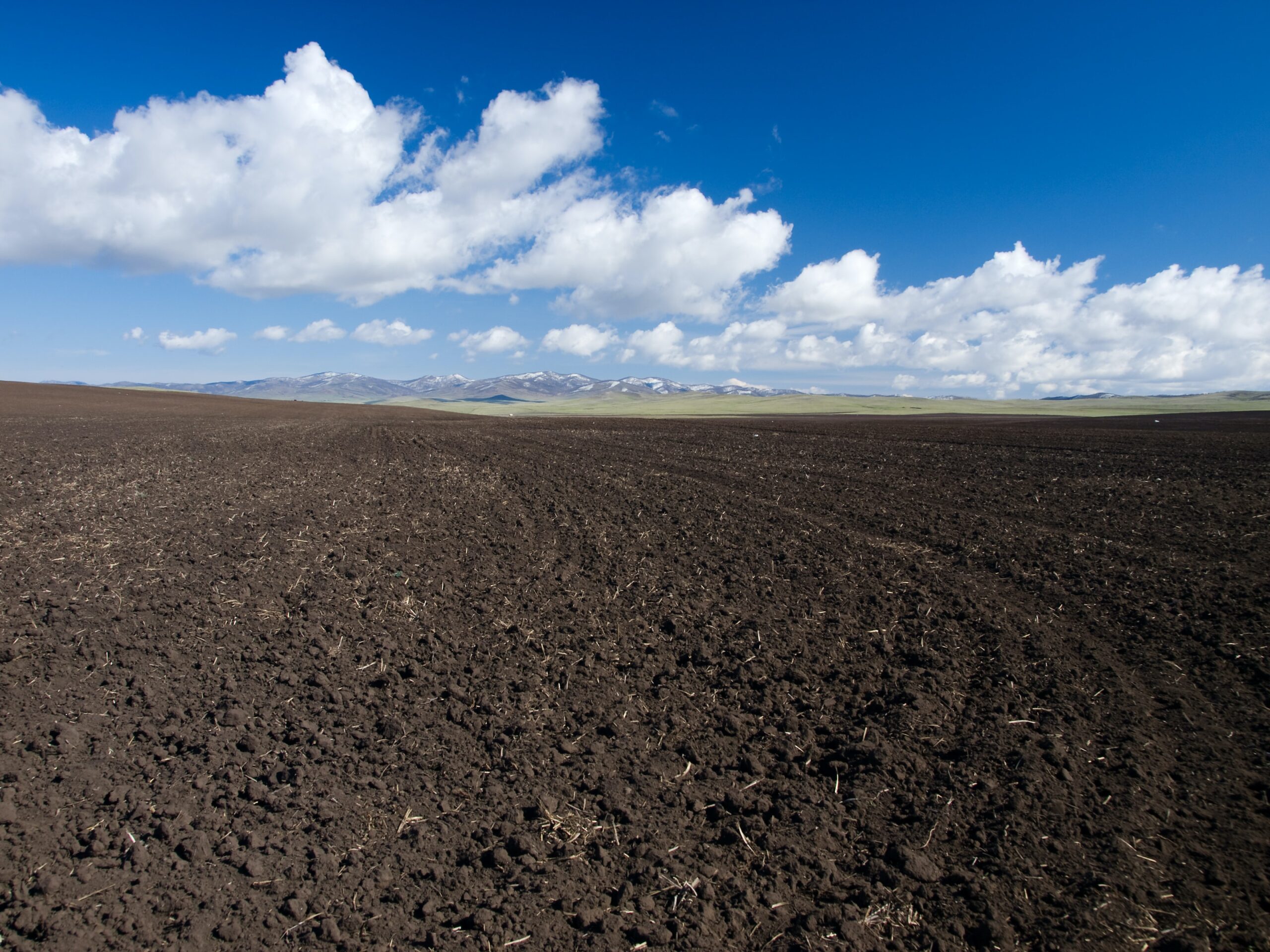
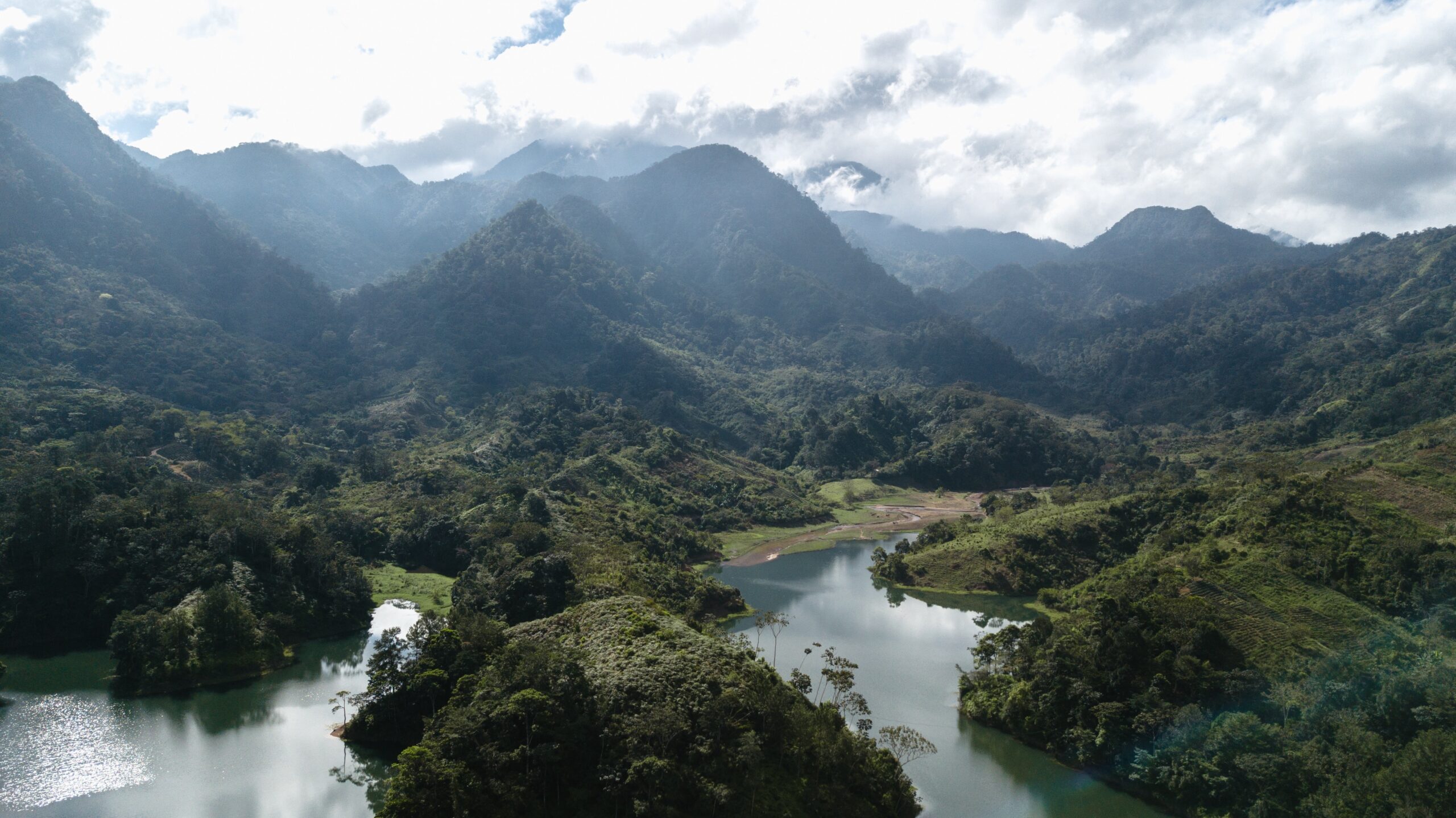
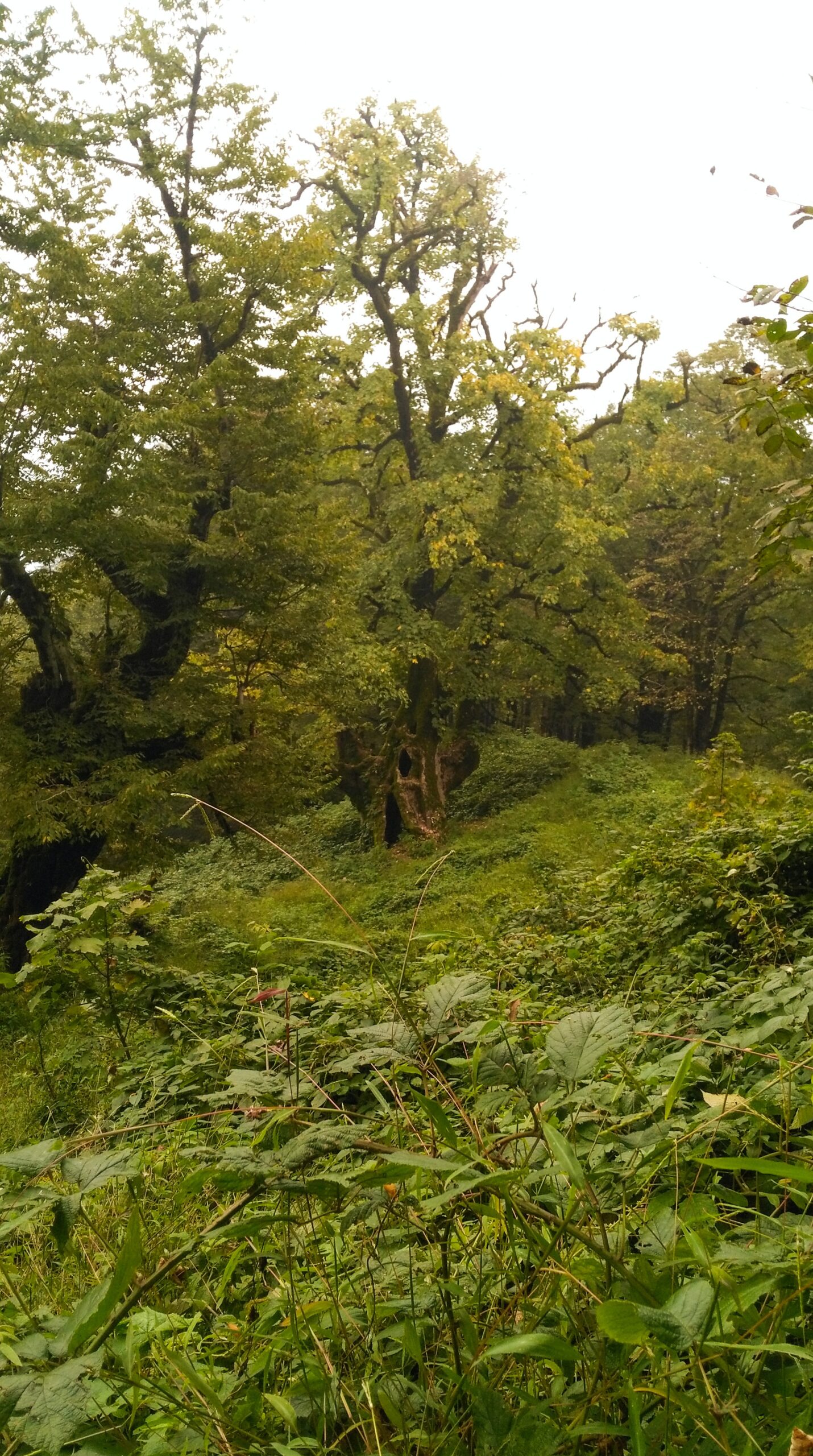
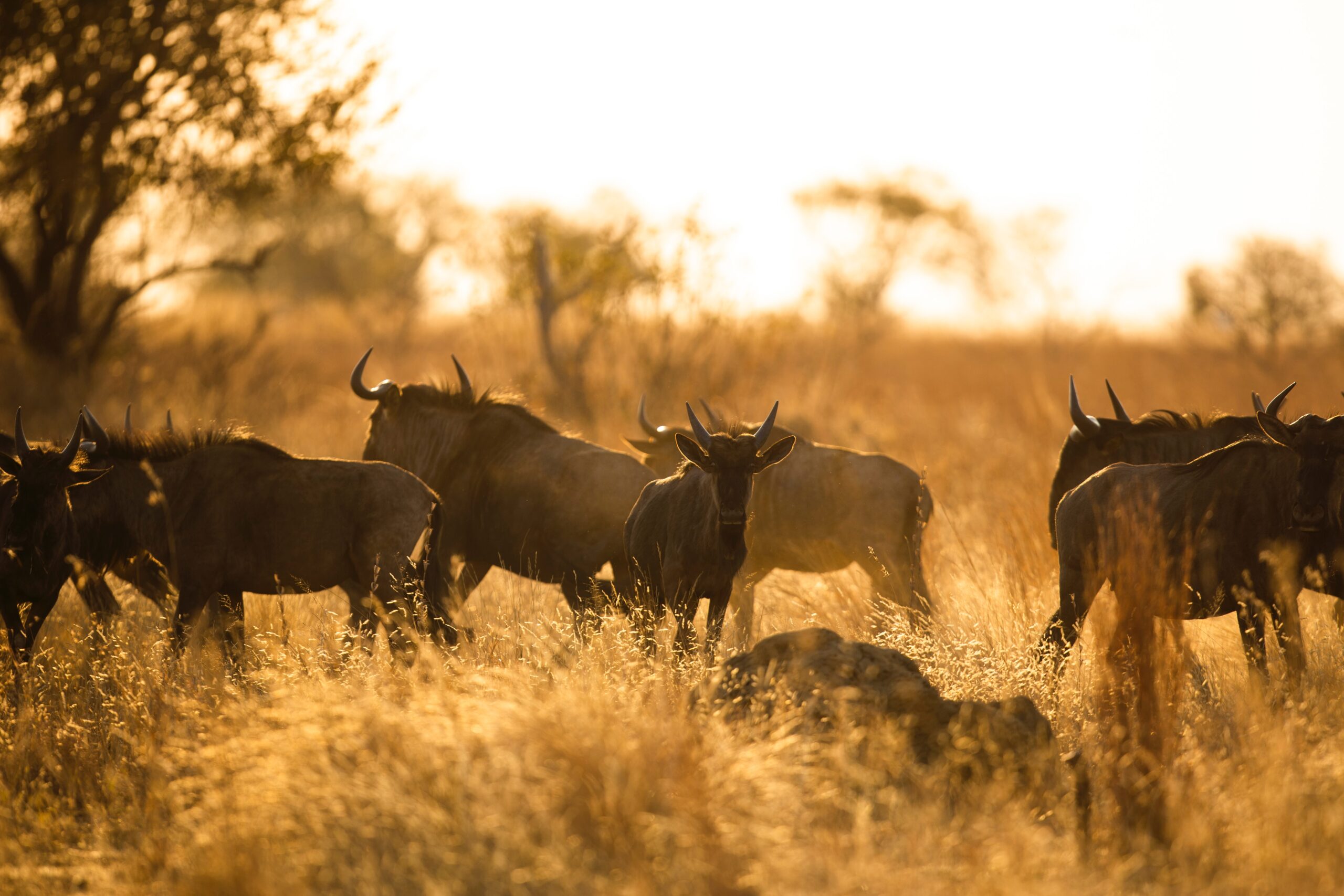
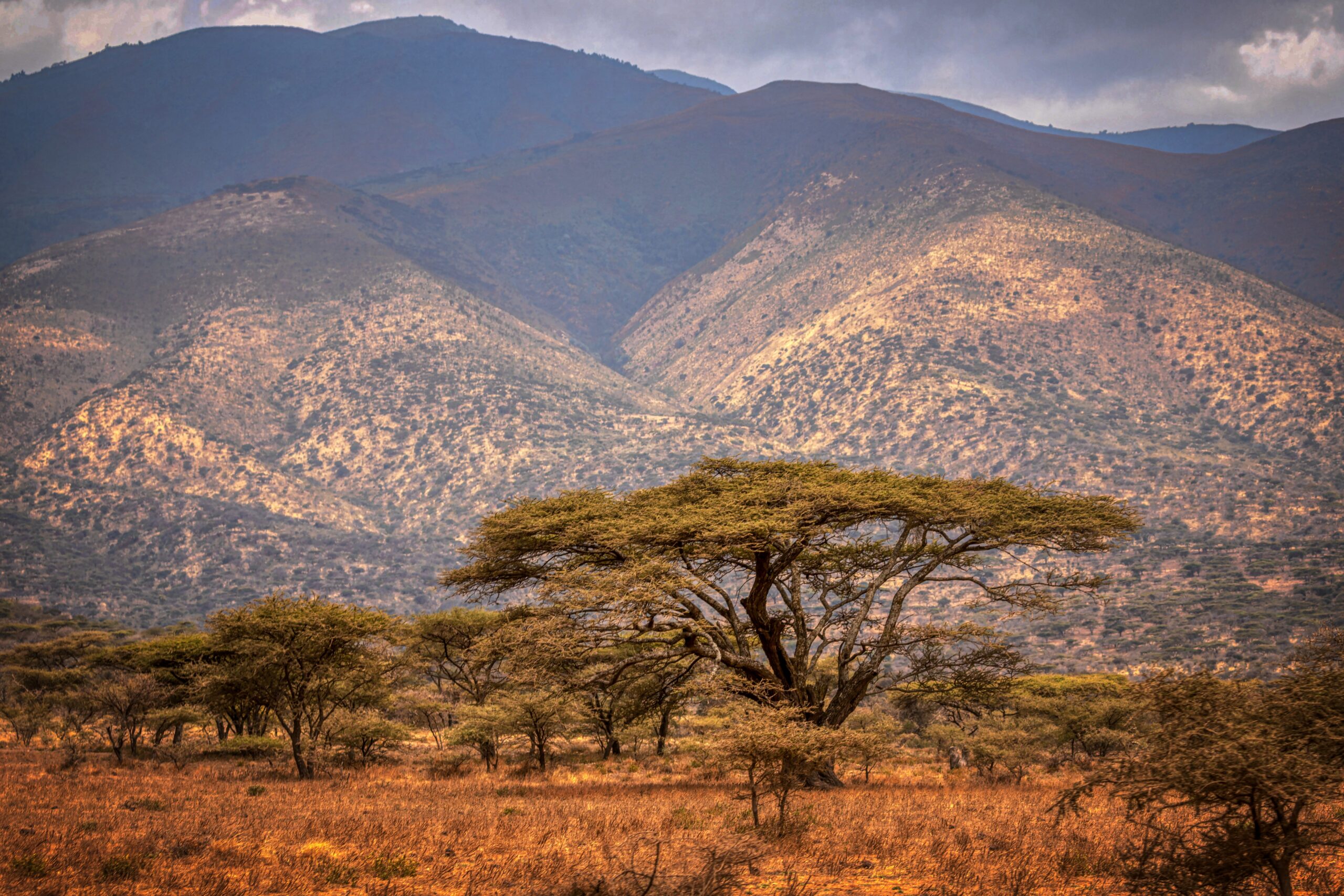
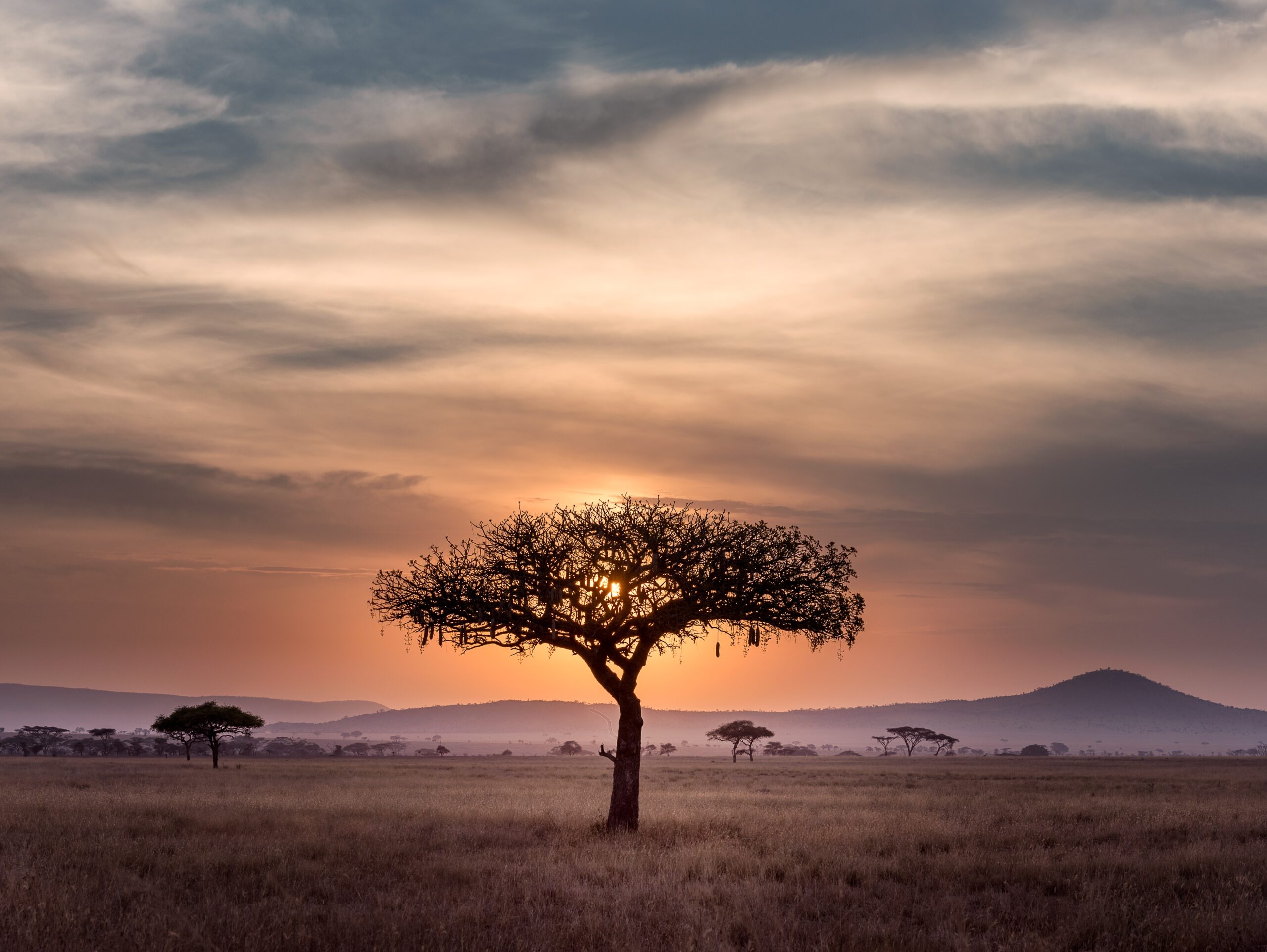
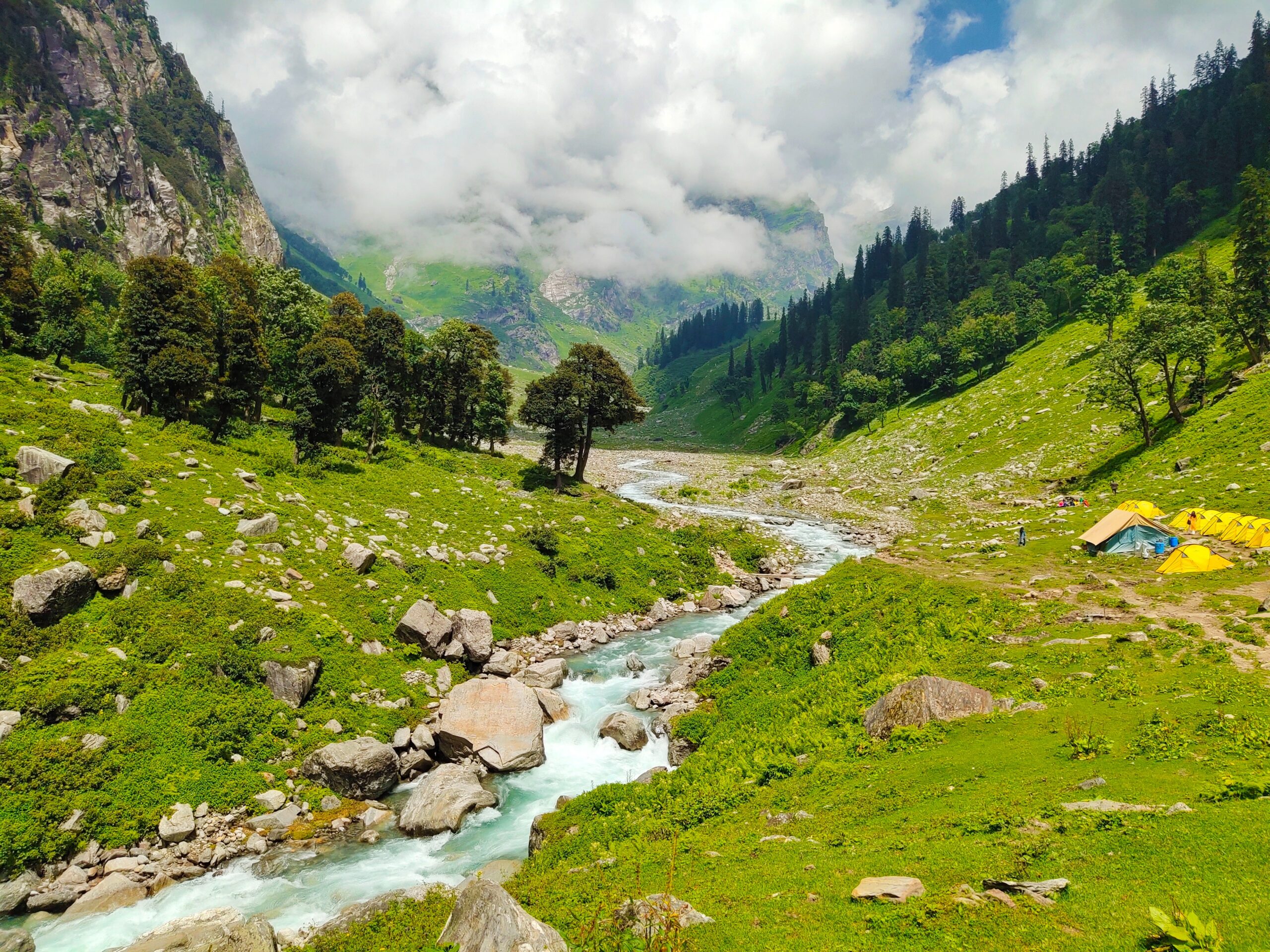
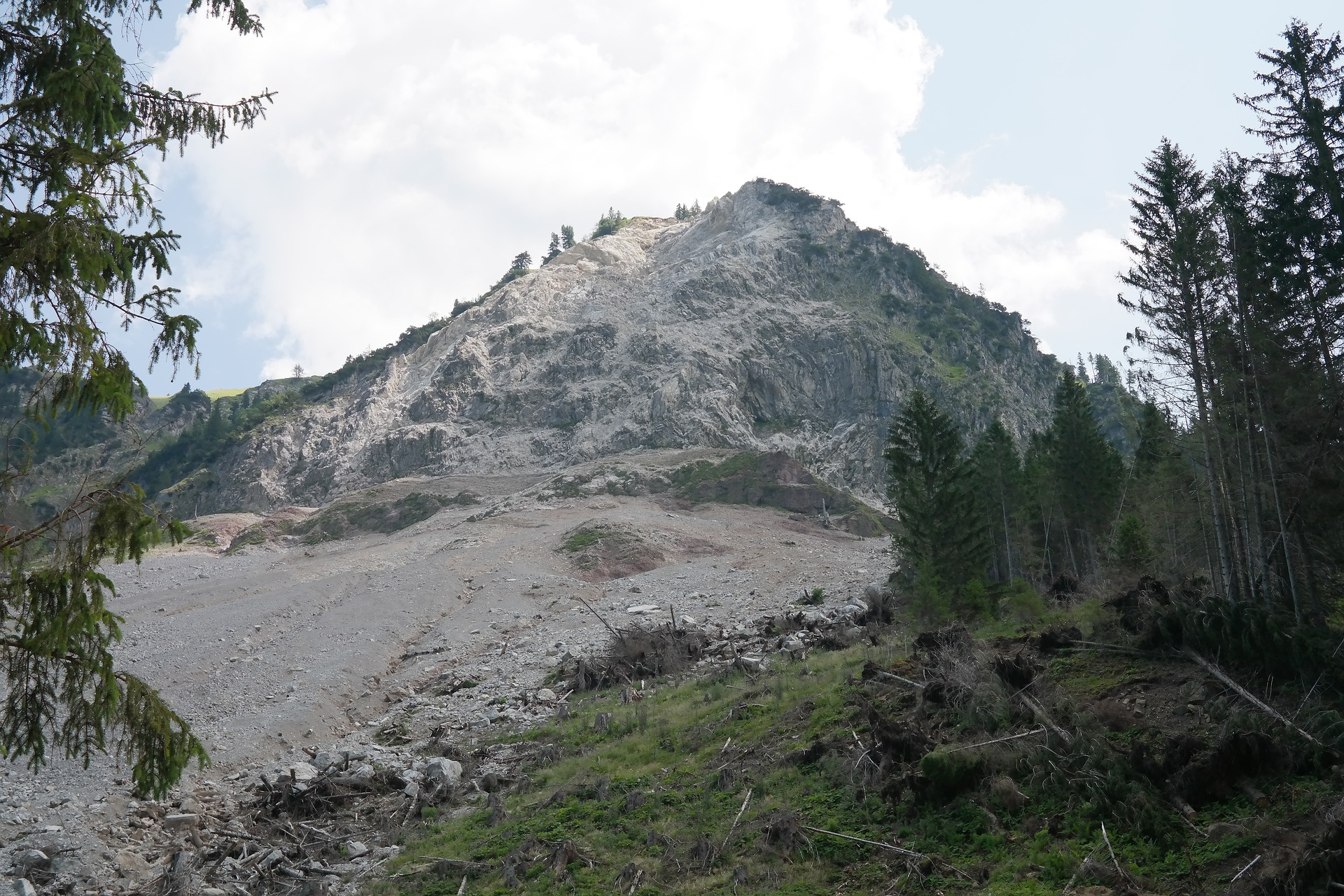
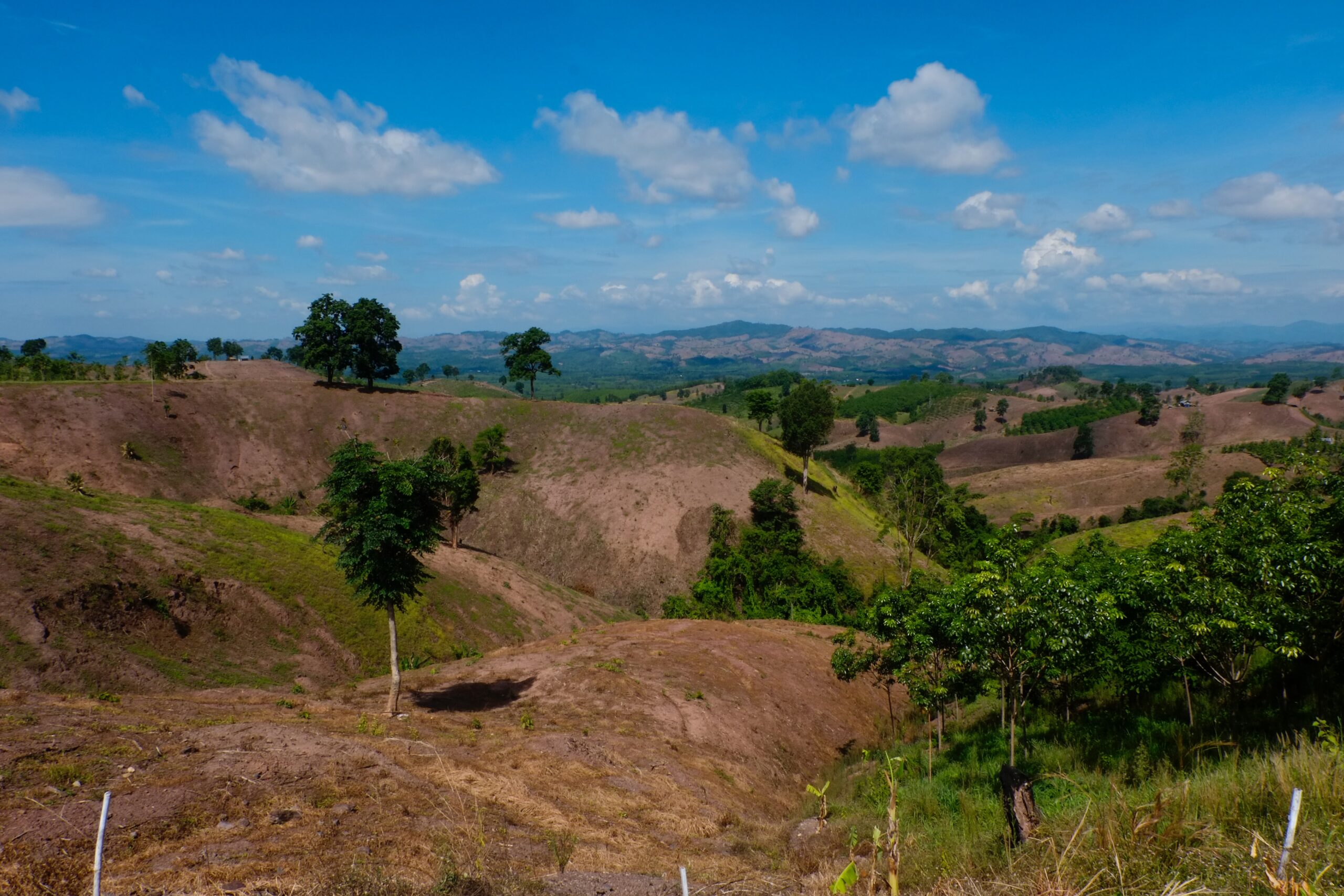
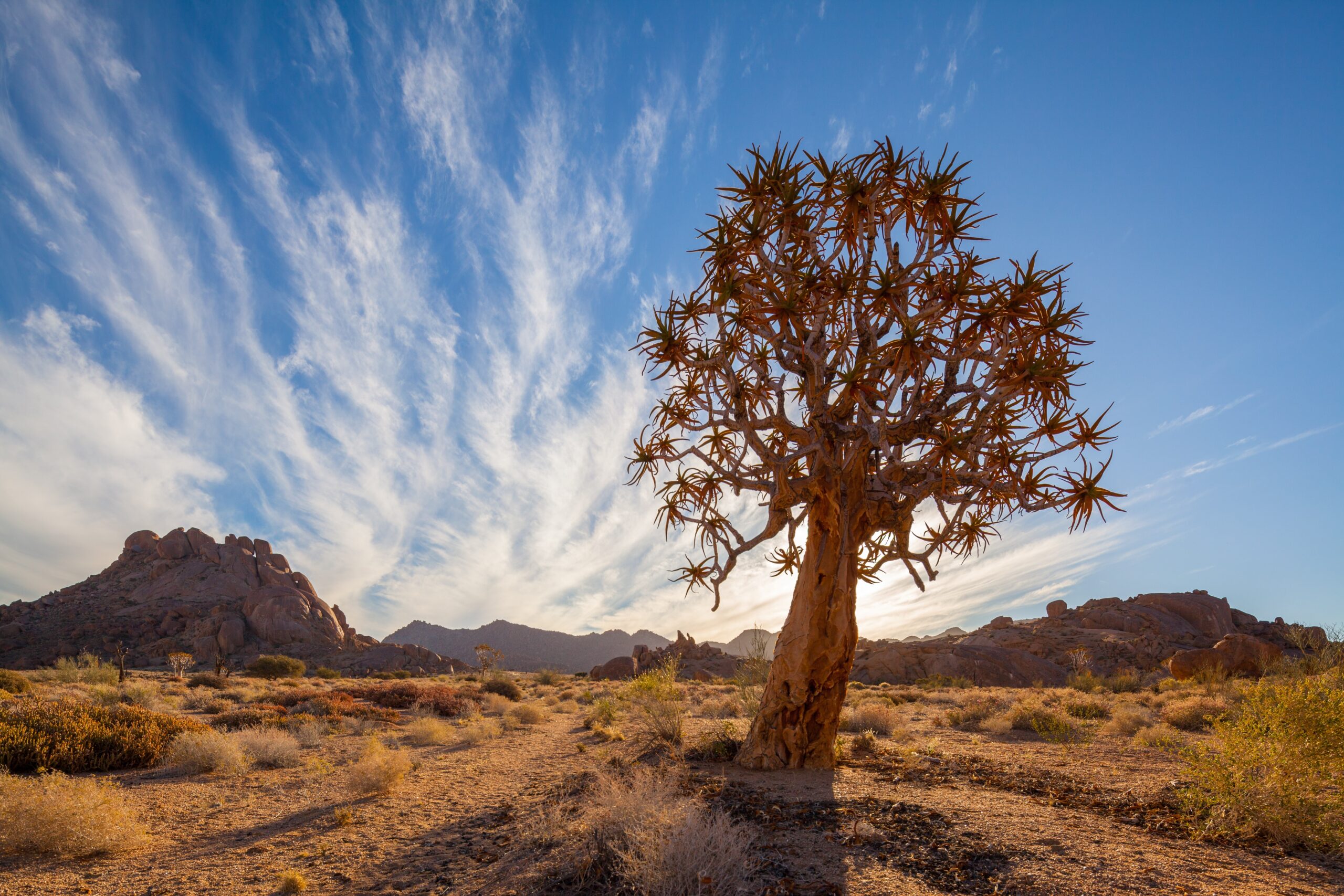
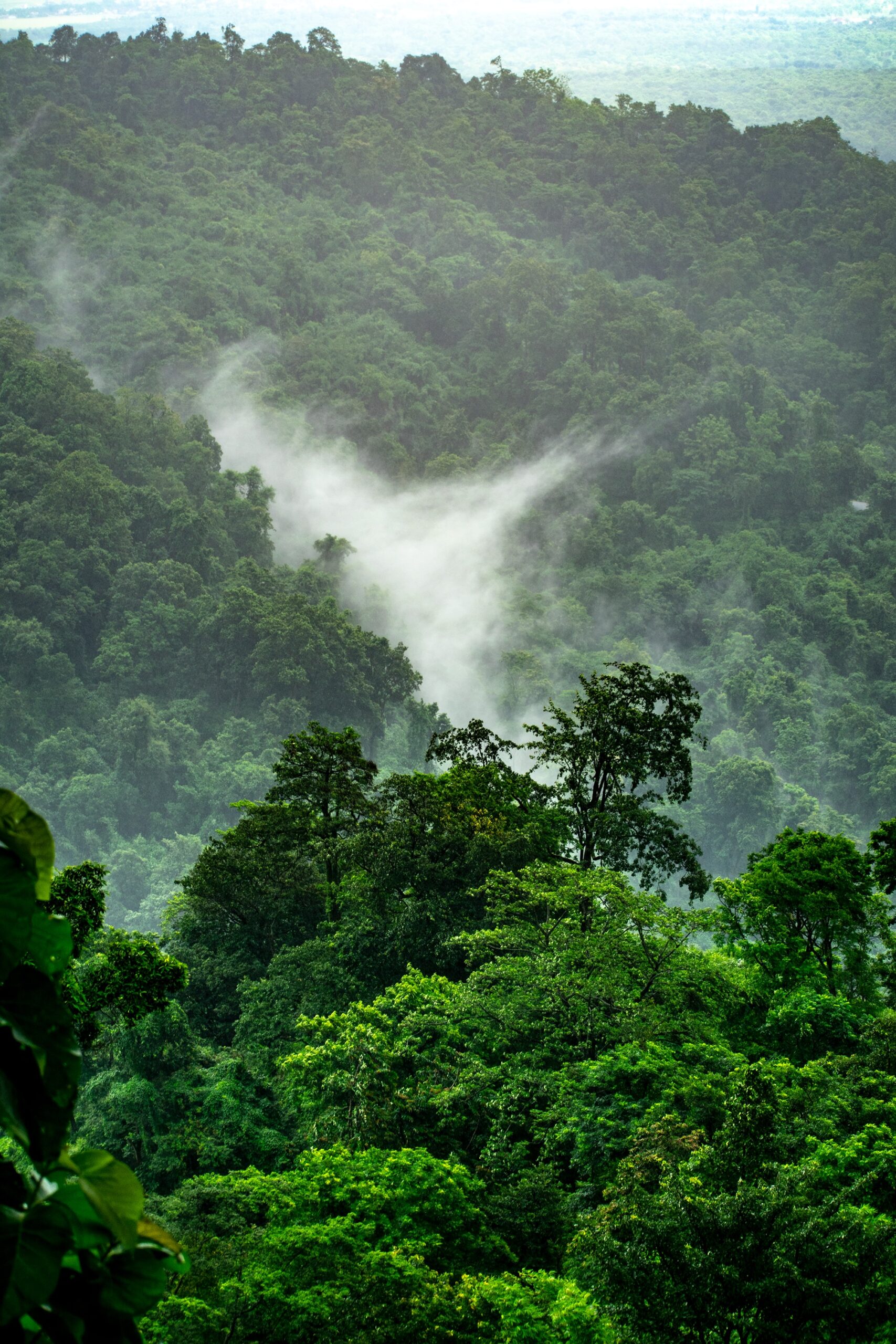
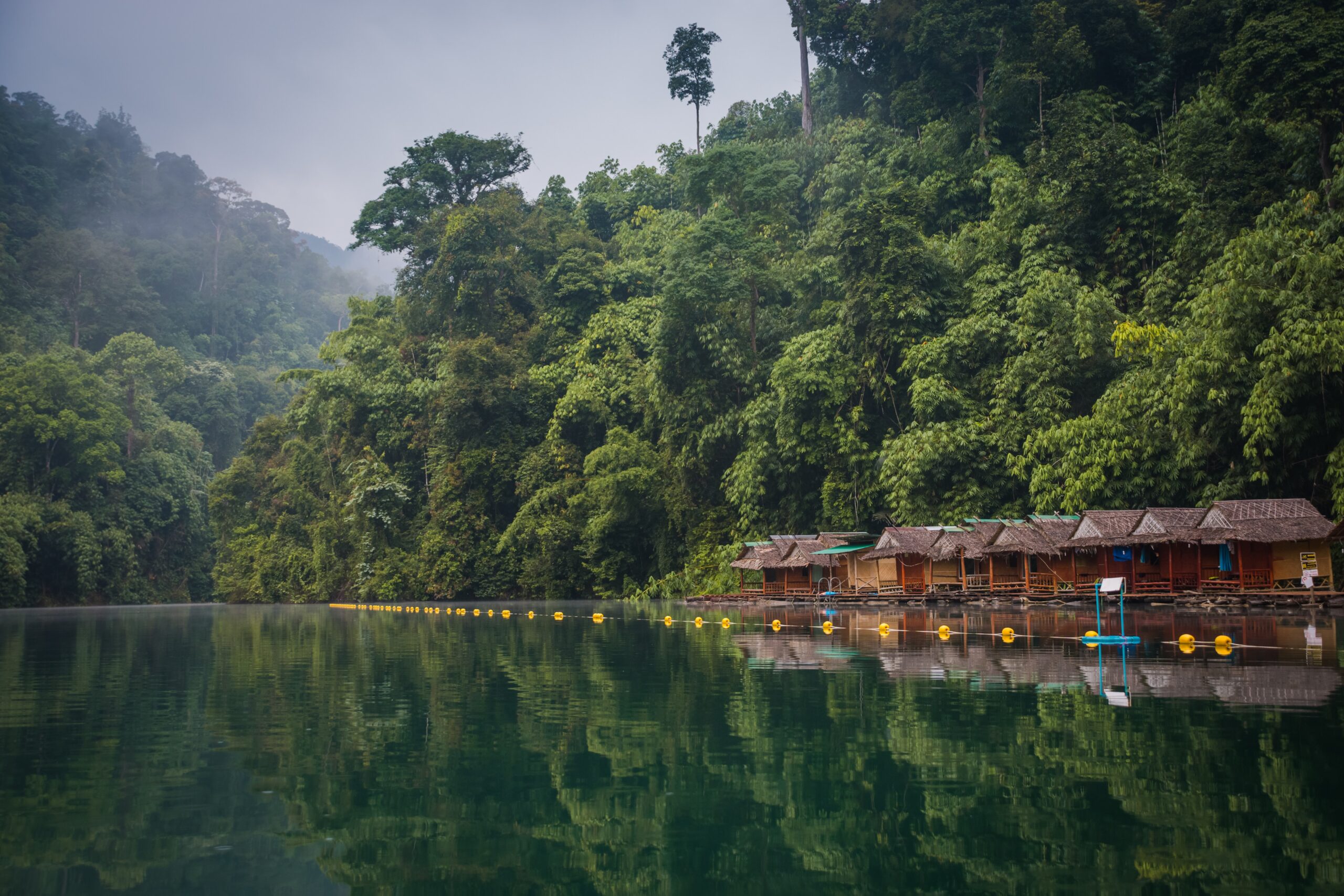
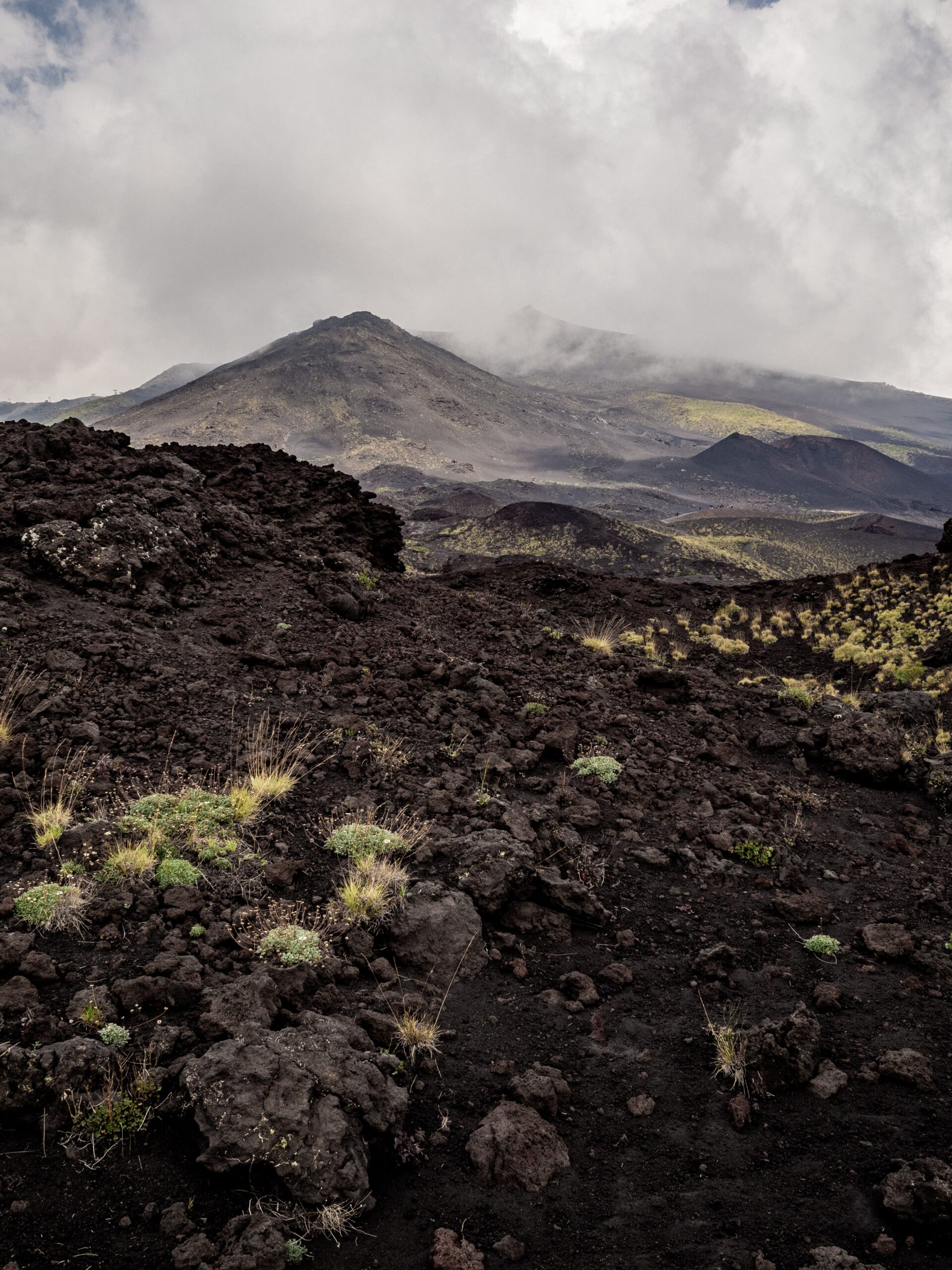
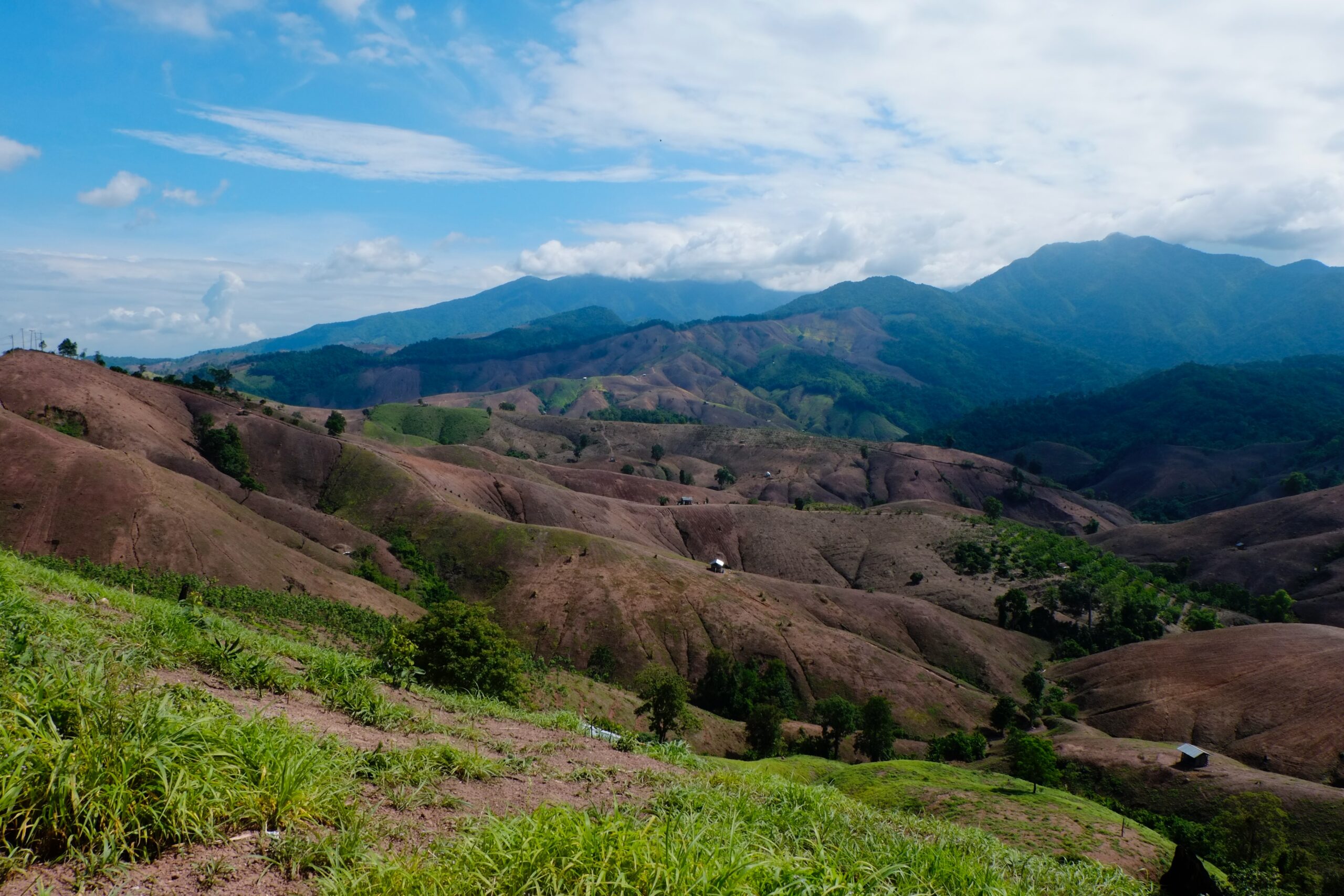
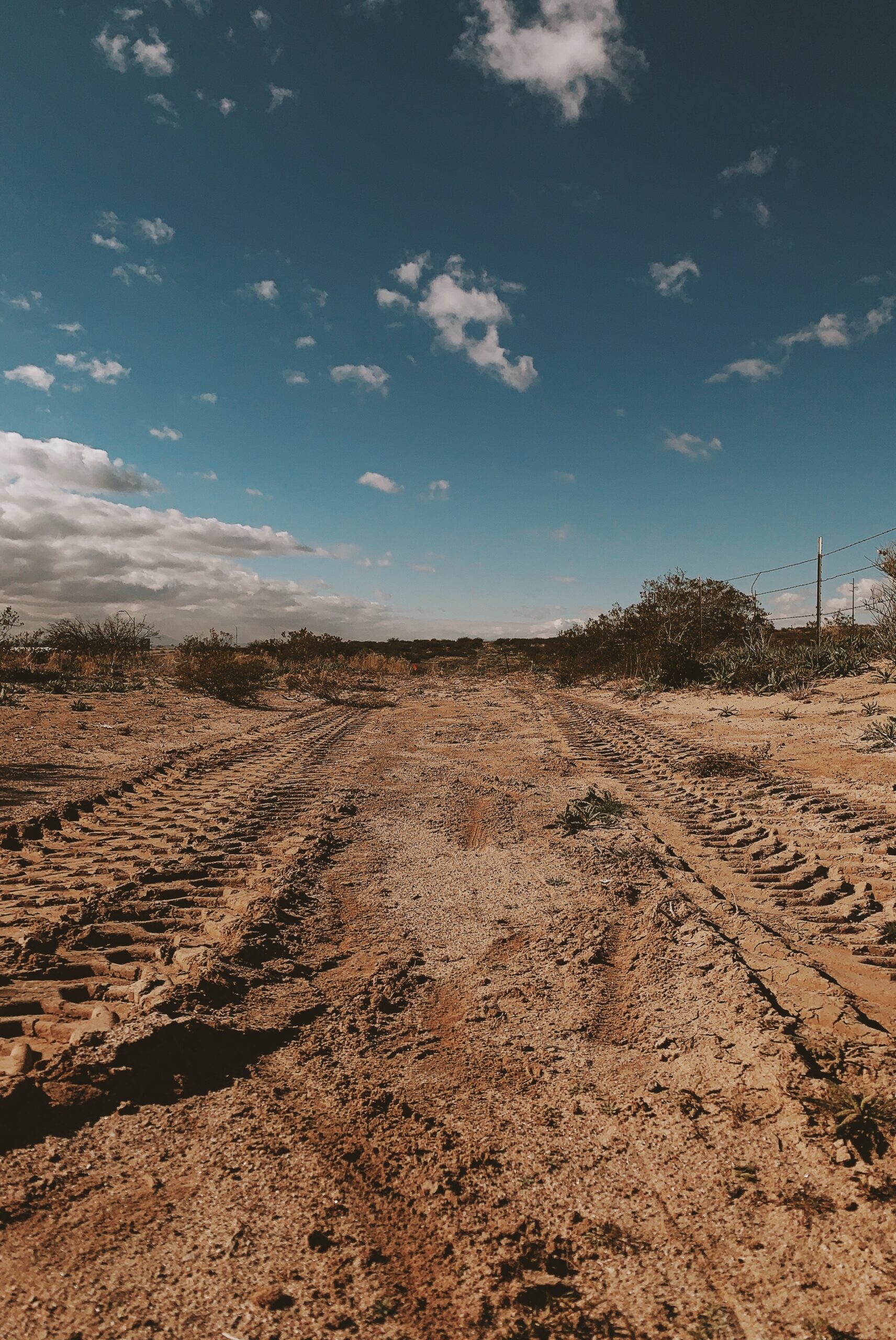
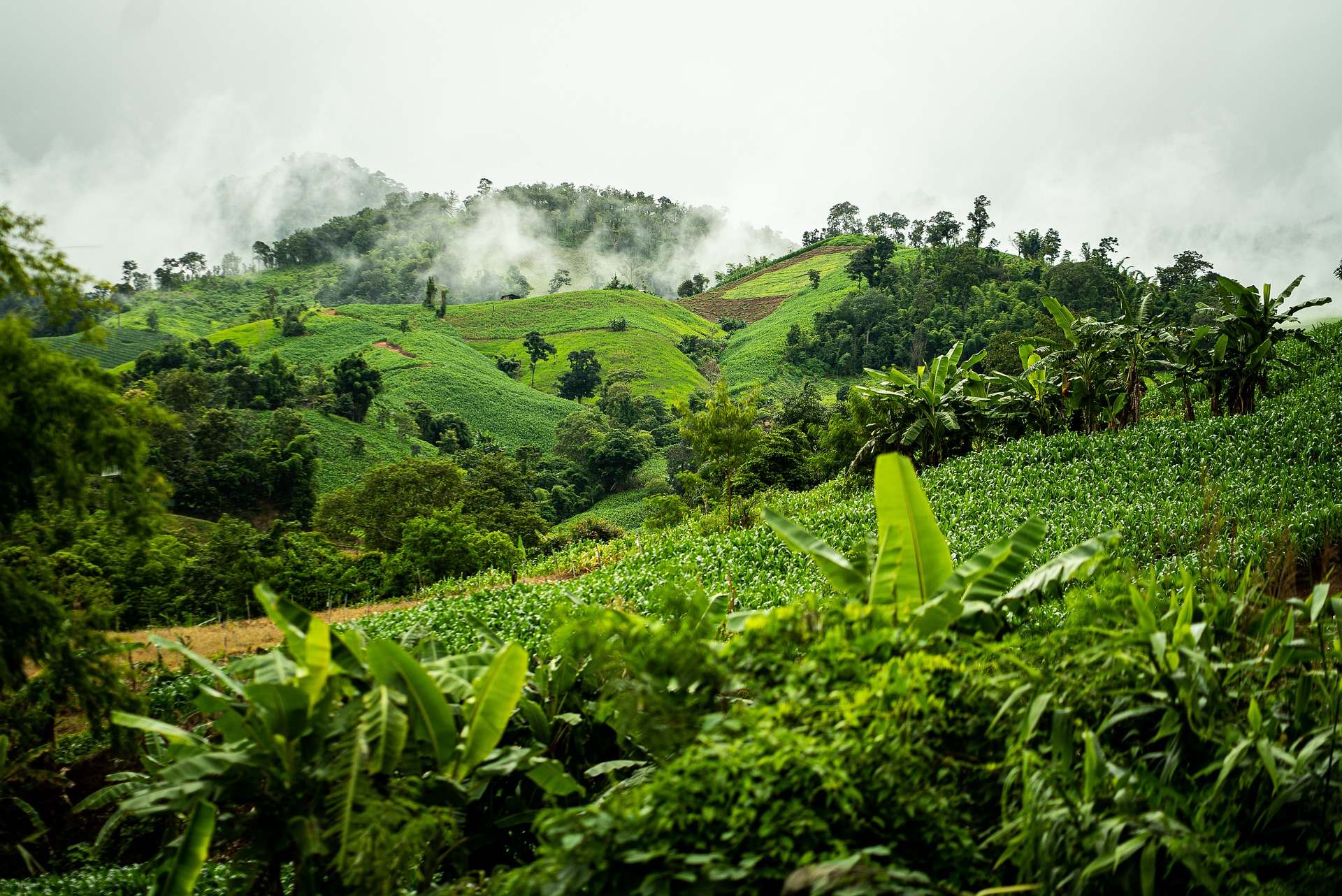
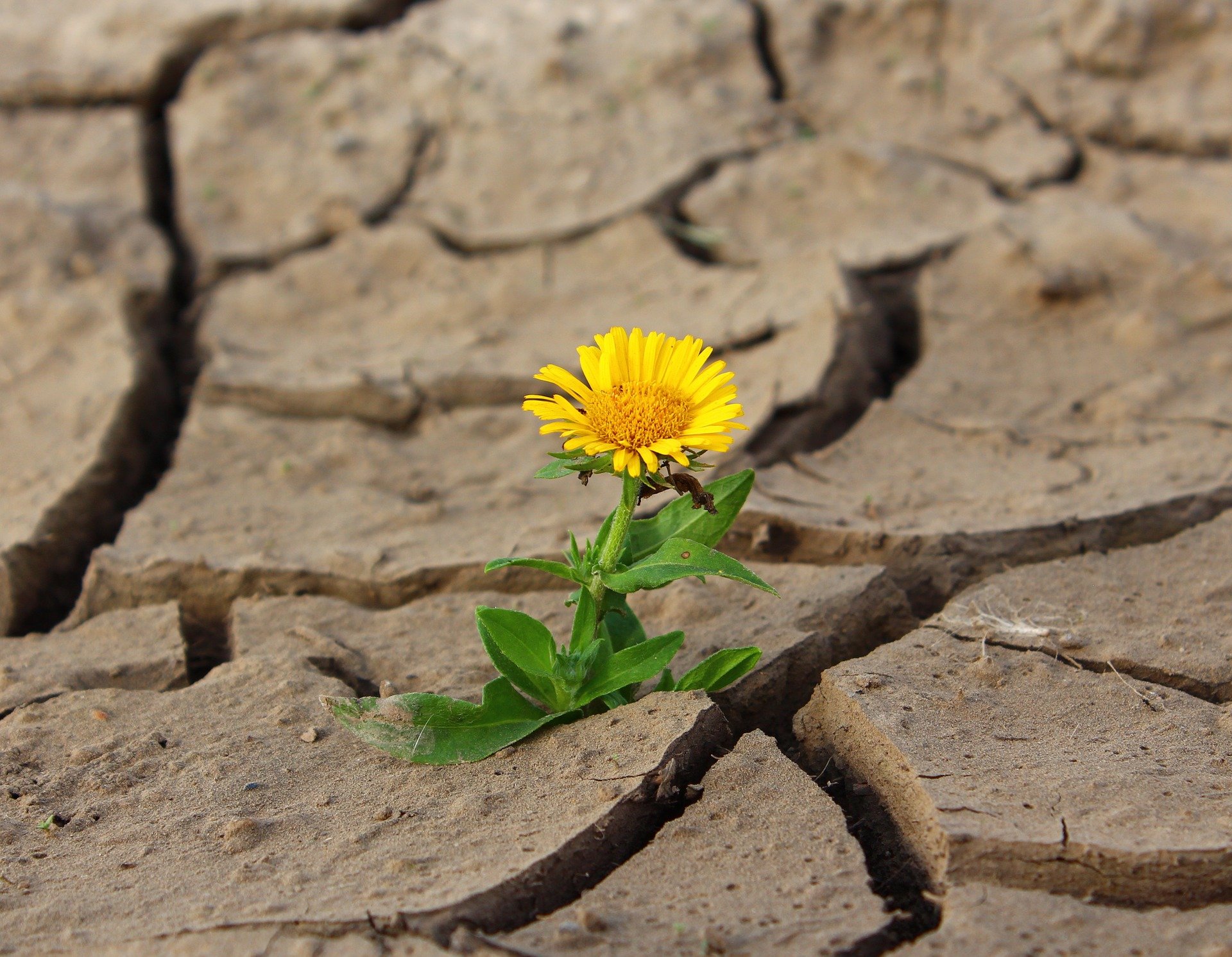
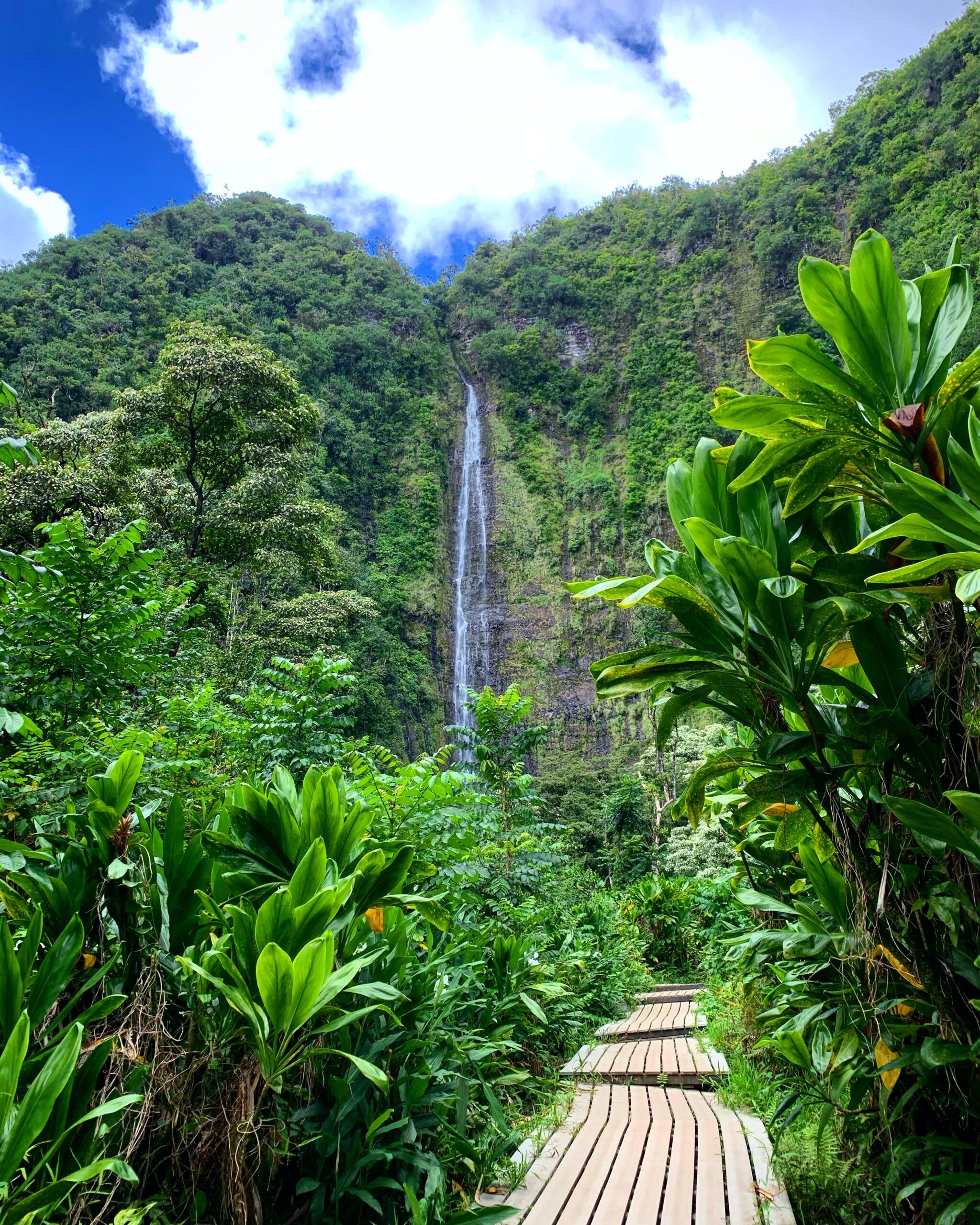
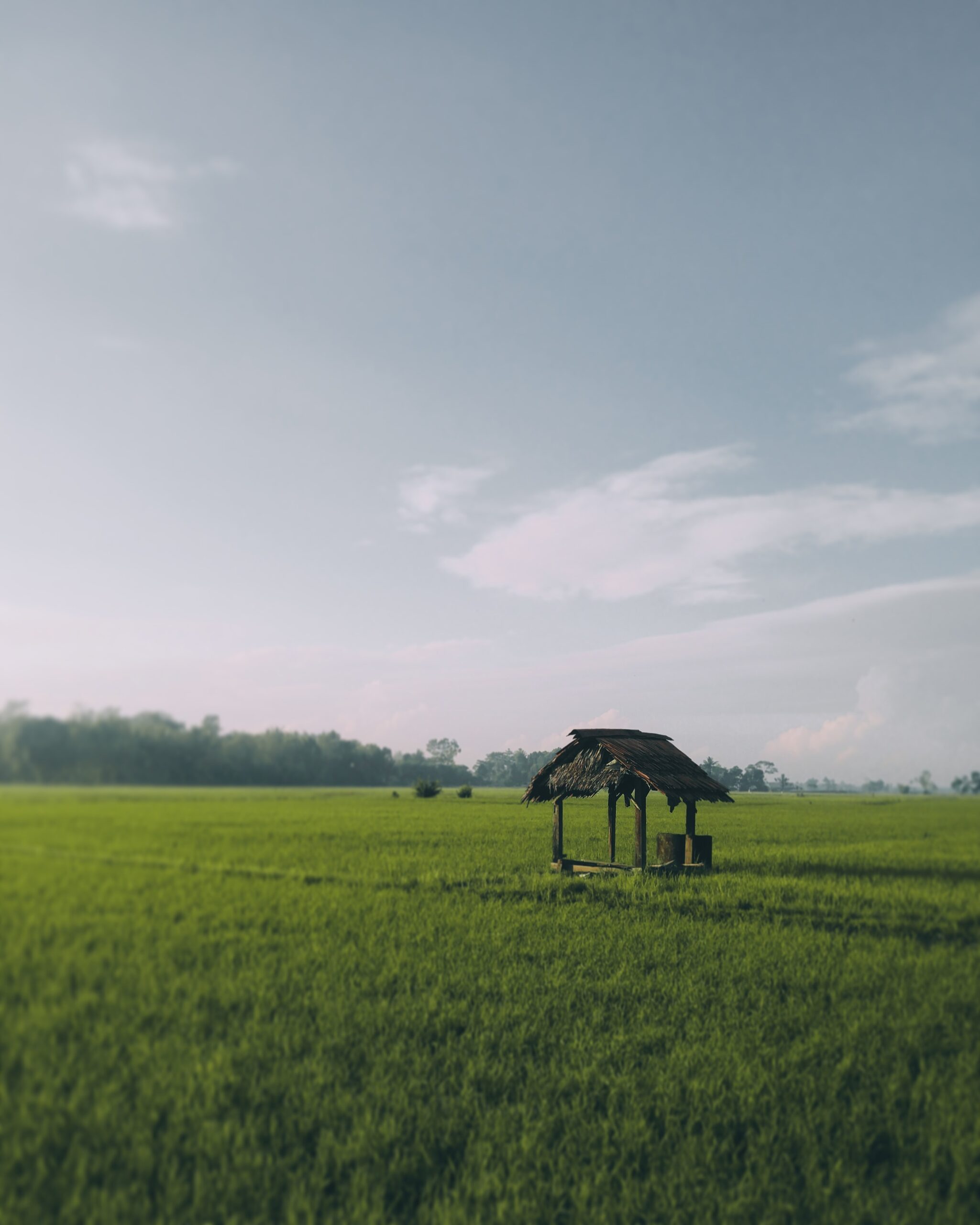
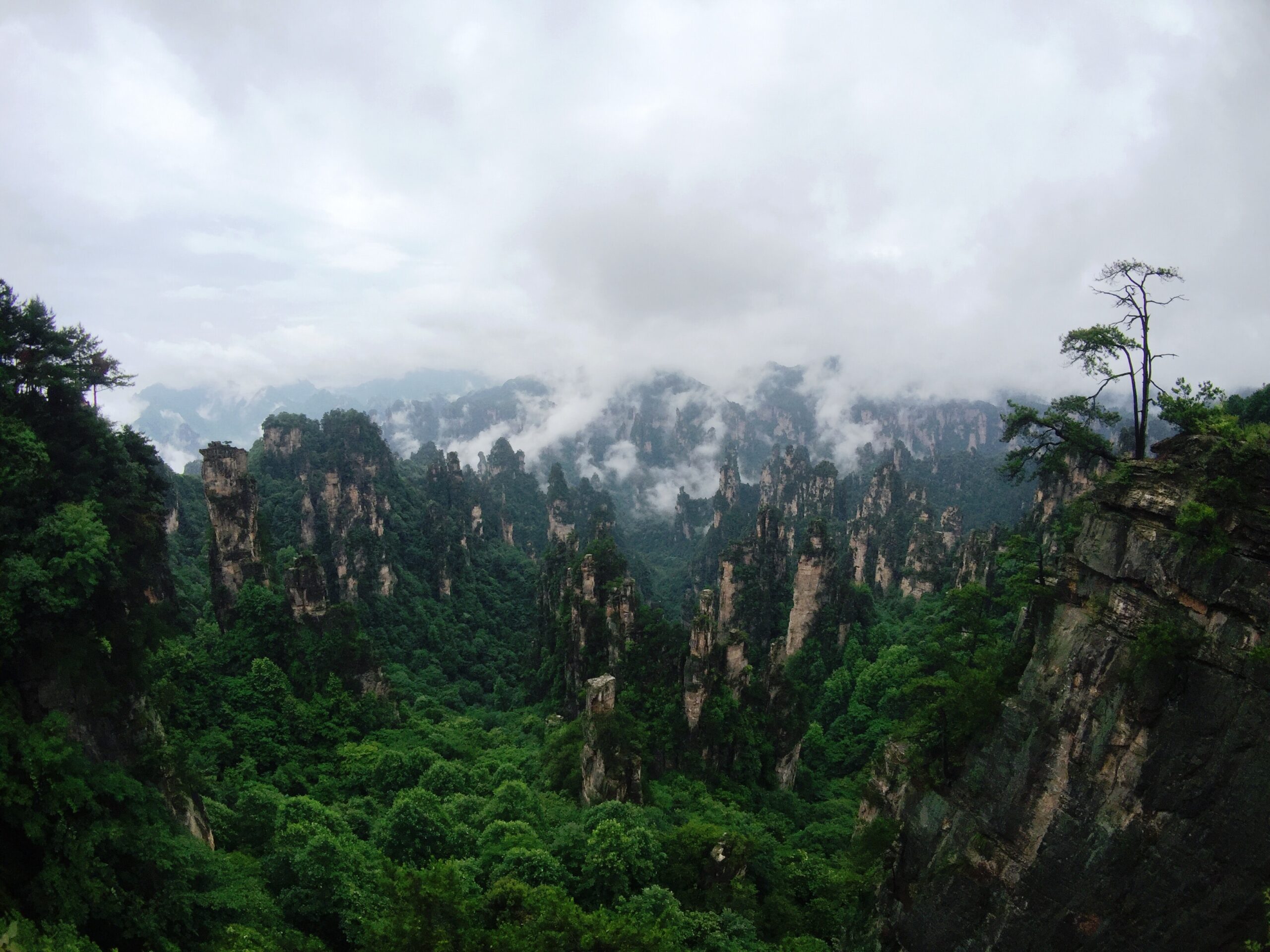
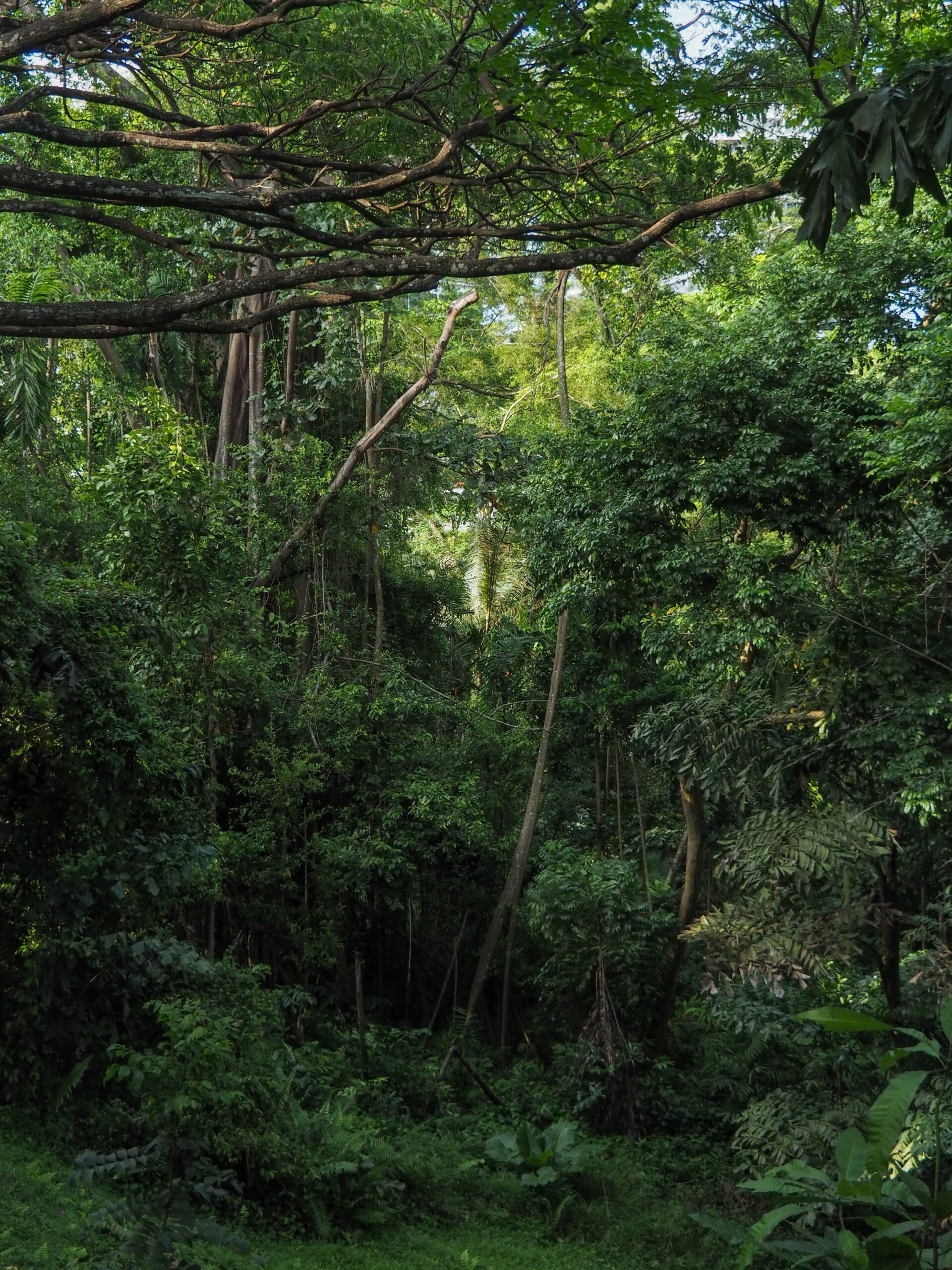
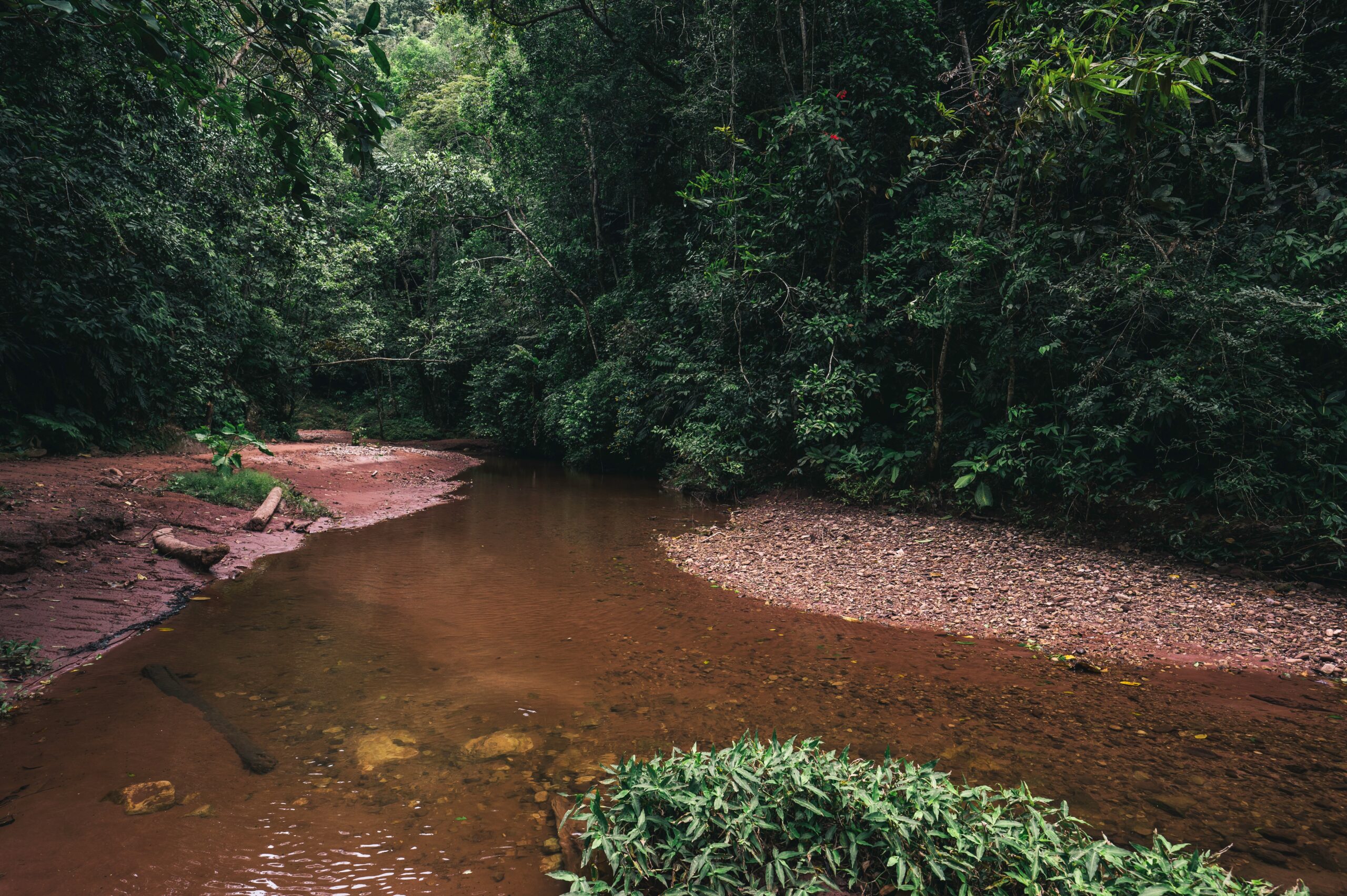
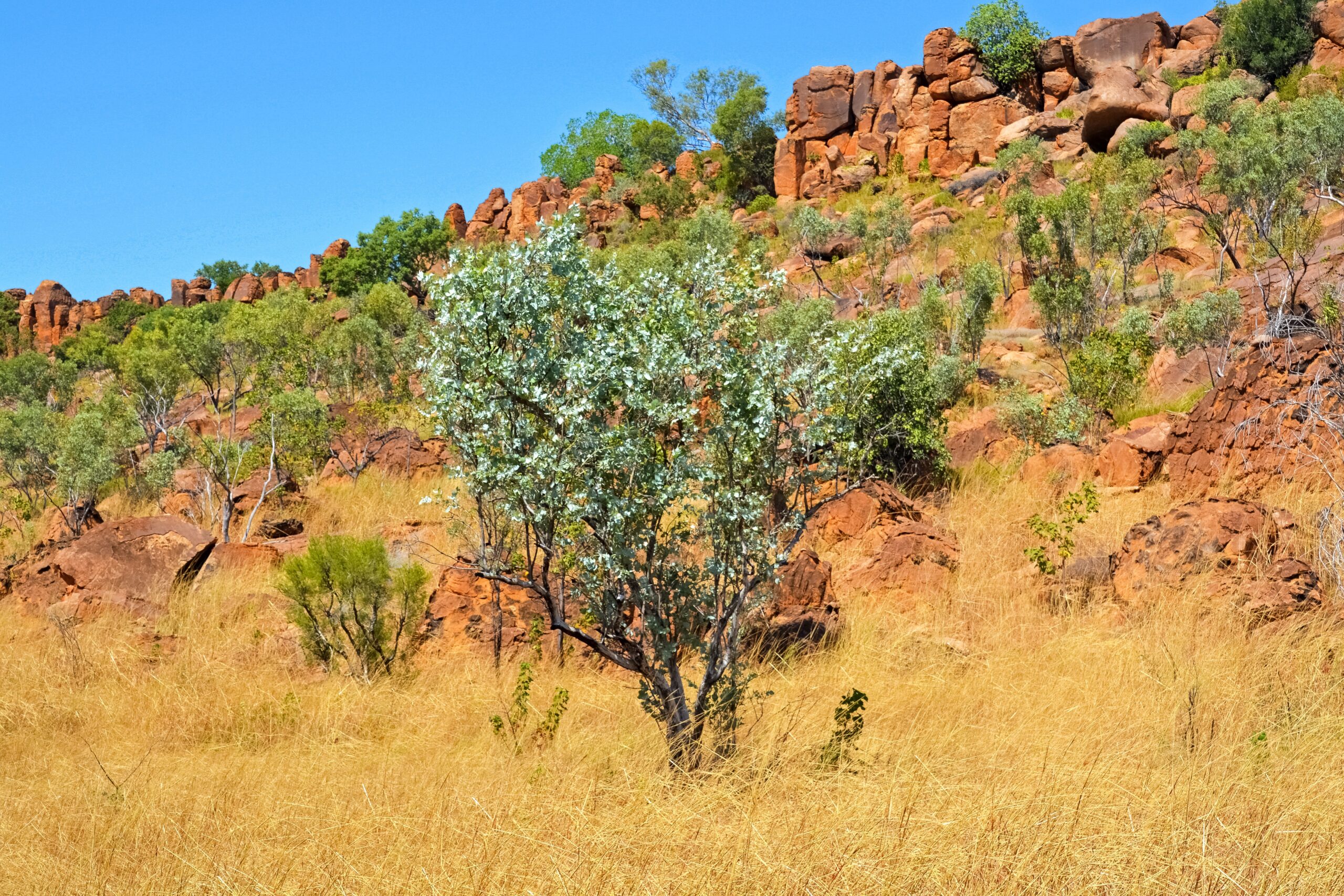
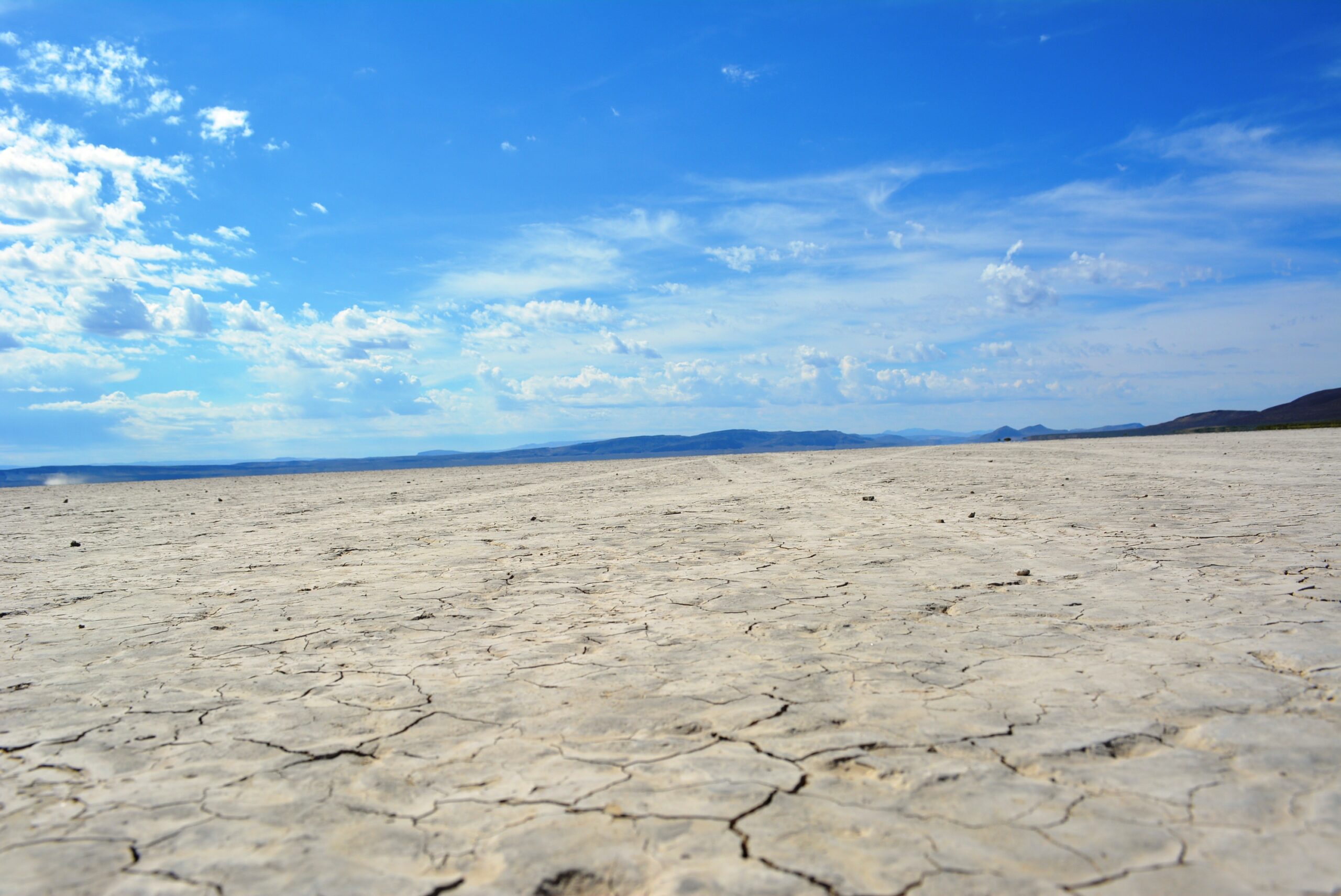
The case study was carried out in seven villages across two ecologically and culturally distinct regions: the desert ecosystem of Kgalagadi South (Middlepits and Khawa) and the hill ecosystem of the Tswapong Hills (Lecheng, Ratholo, Mokokwane/Mosweu and Moremi). It applied a mixed-methods, participatory approach grounded in the core Human Rights-Based Approach (HRBA)principles of participation, accountability, non-discrimination and empowerment, and anchored in the key human rights relevant to biodiversity set out in the Convention of Biological Diversity’s (CBD) guidance on integrating human rights into National Biodiversity Strategies and Action Plans (NBSAPs). Evidence was gathered through community consultations held via the kgotla, an online survey of policy, academic, civil-society and private-sector stakeholders, and two validation exercises — engaging some 387 participants in total, including traditional leaders (Dikgosi), women, youth, persons with disabilities (PWDs) and TK holders.
By documenting the lived realities of these communities alongside the perspectives of duty-bearers, the study provides practical, ecosystem-specific insight into what a rights-based approach to biodiversity conservation, management and sustainable use requires in practice. This brief distils its most policy-relevant findings to inform ongoing implementation of the NBSAP and Botswana’s wider biodiversity governance agenda.