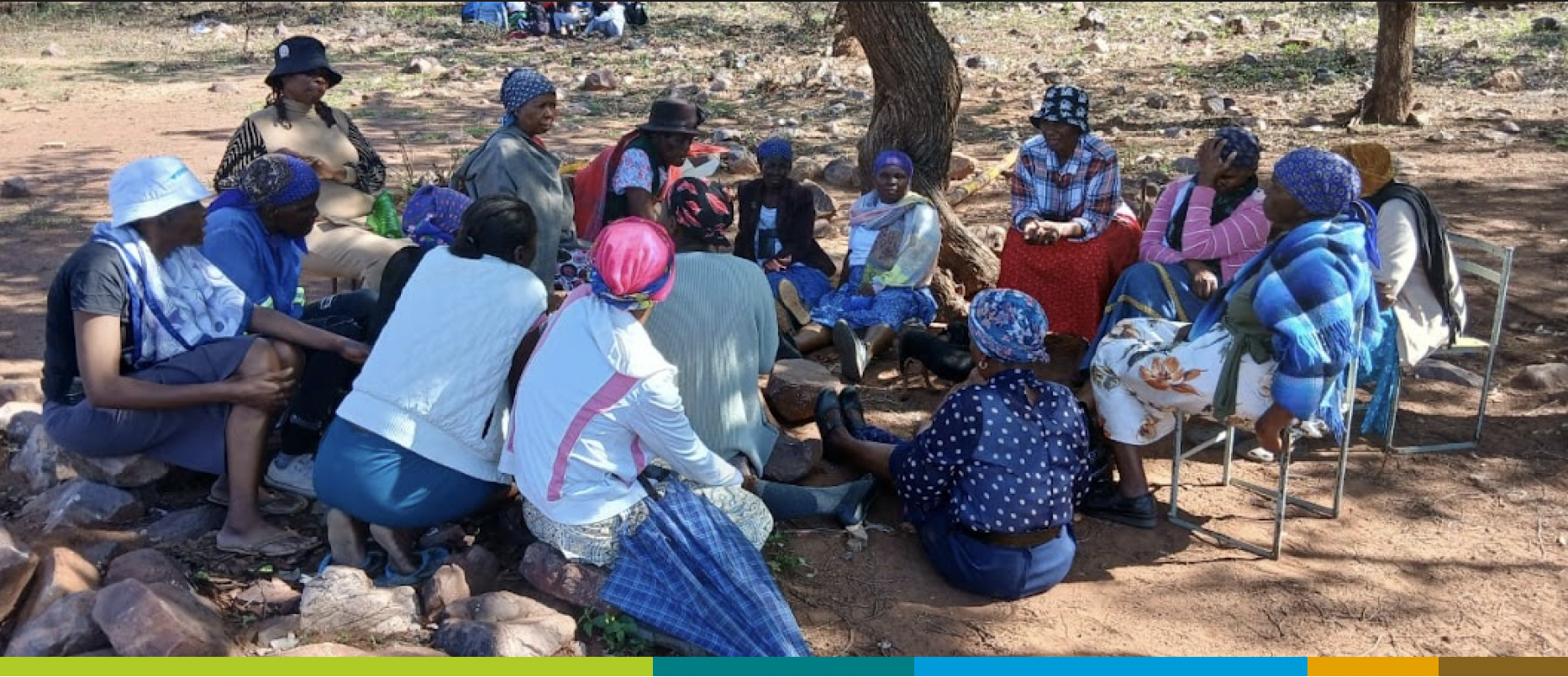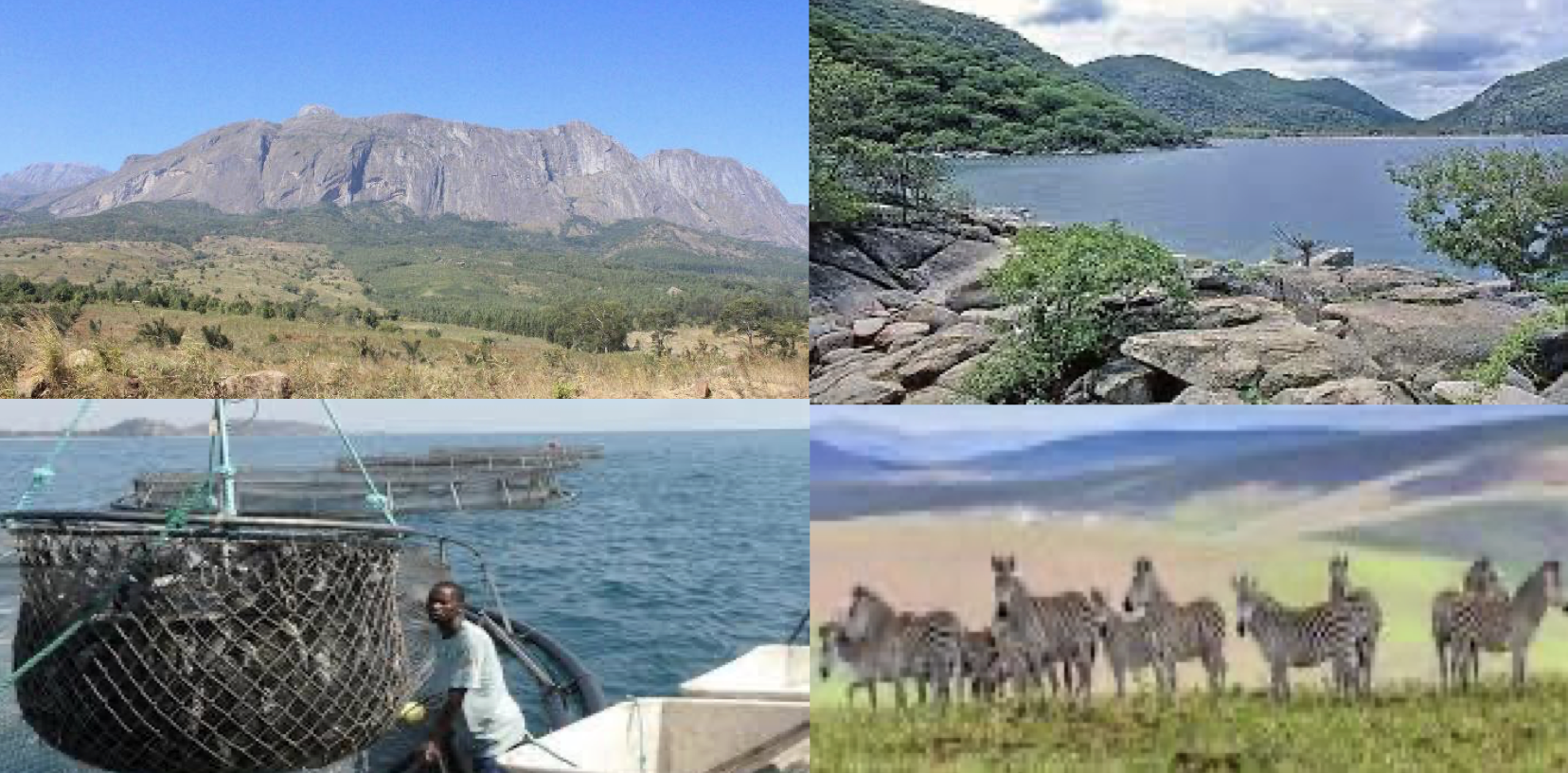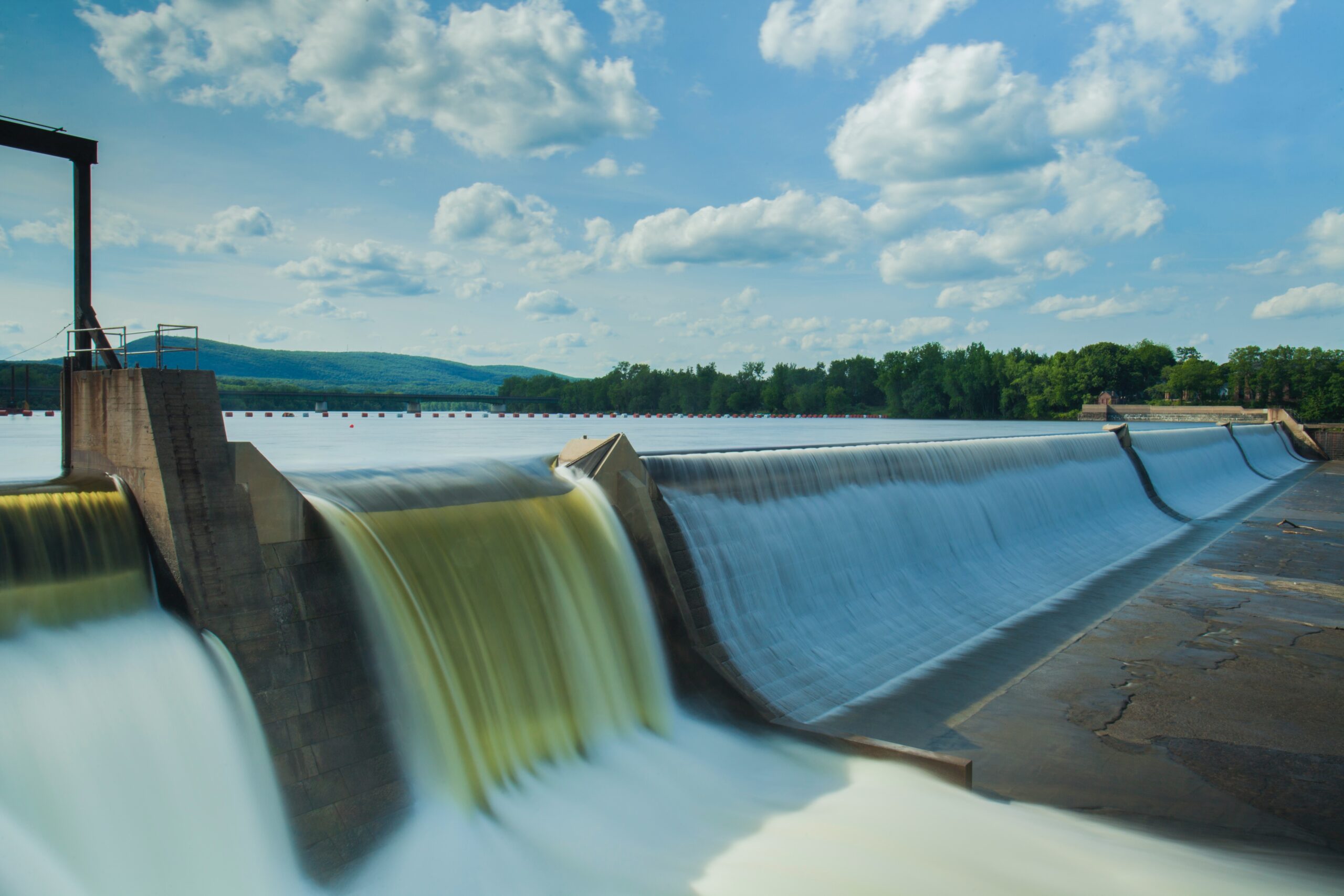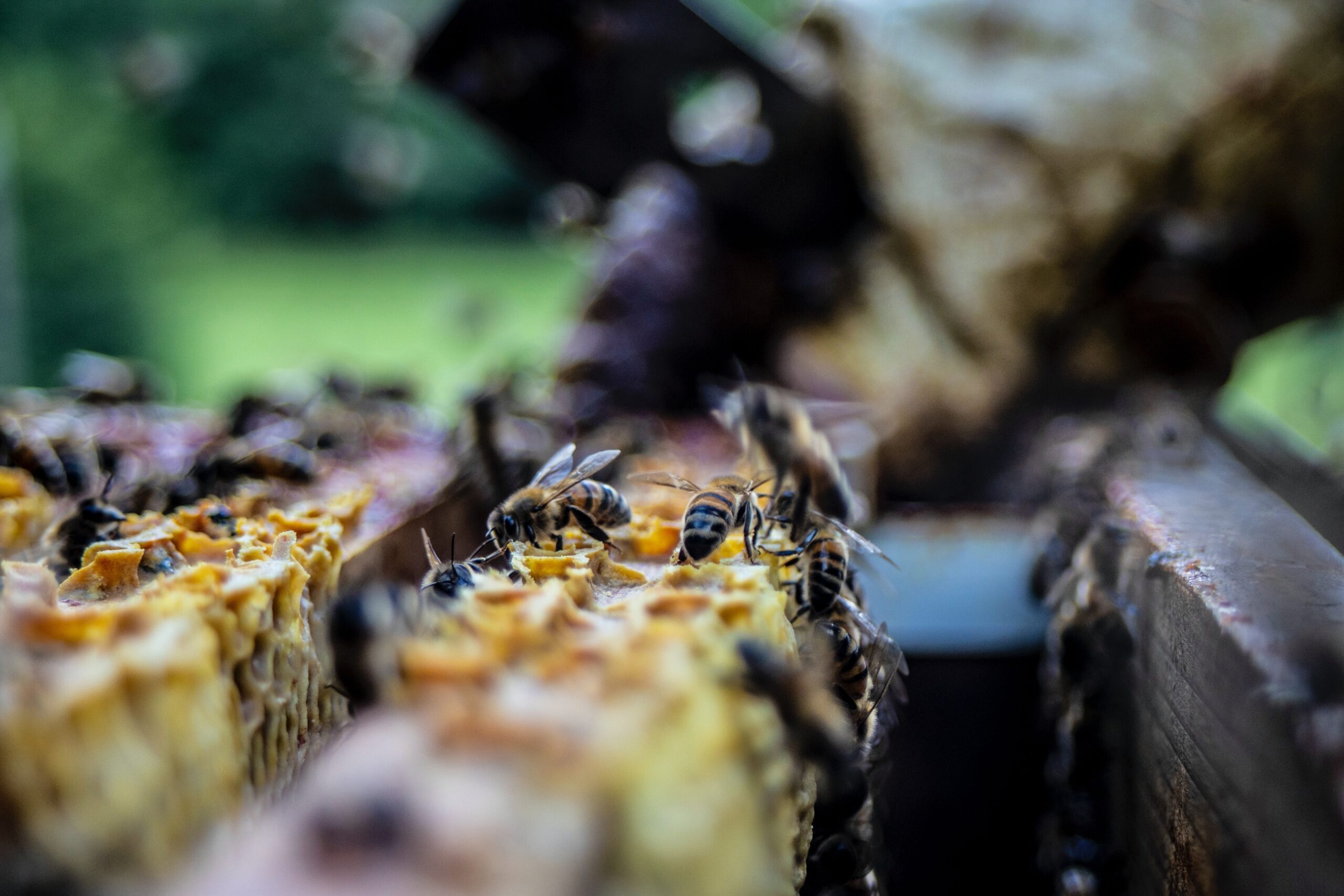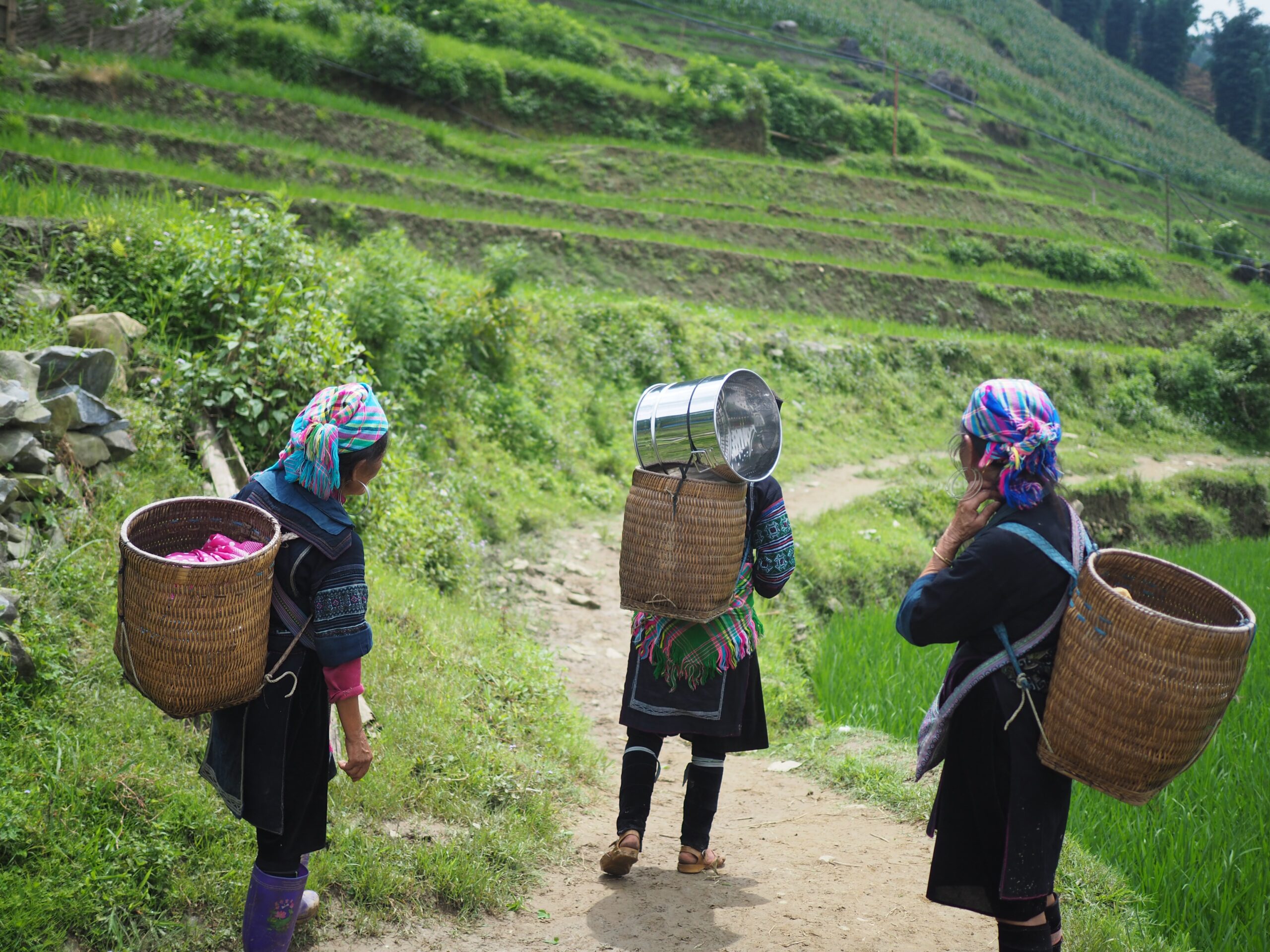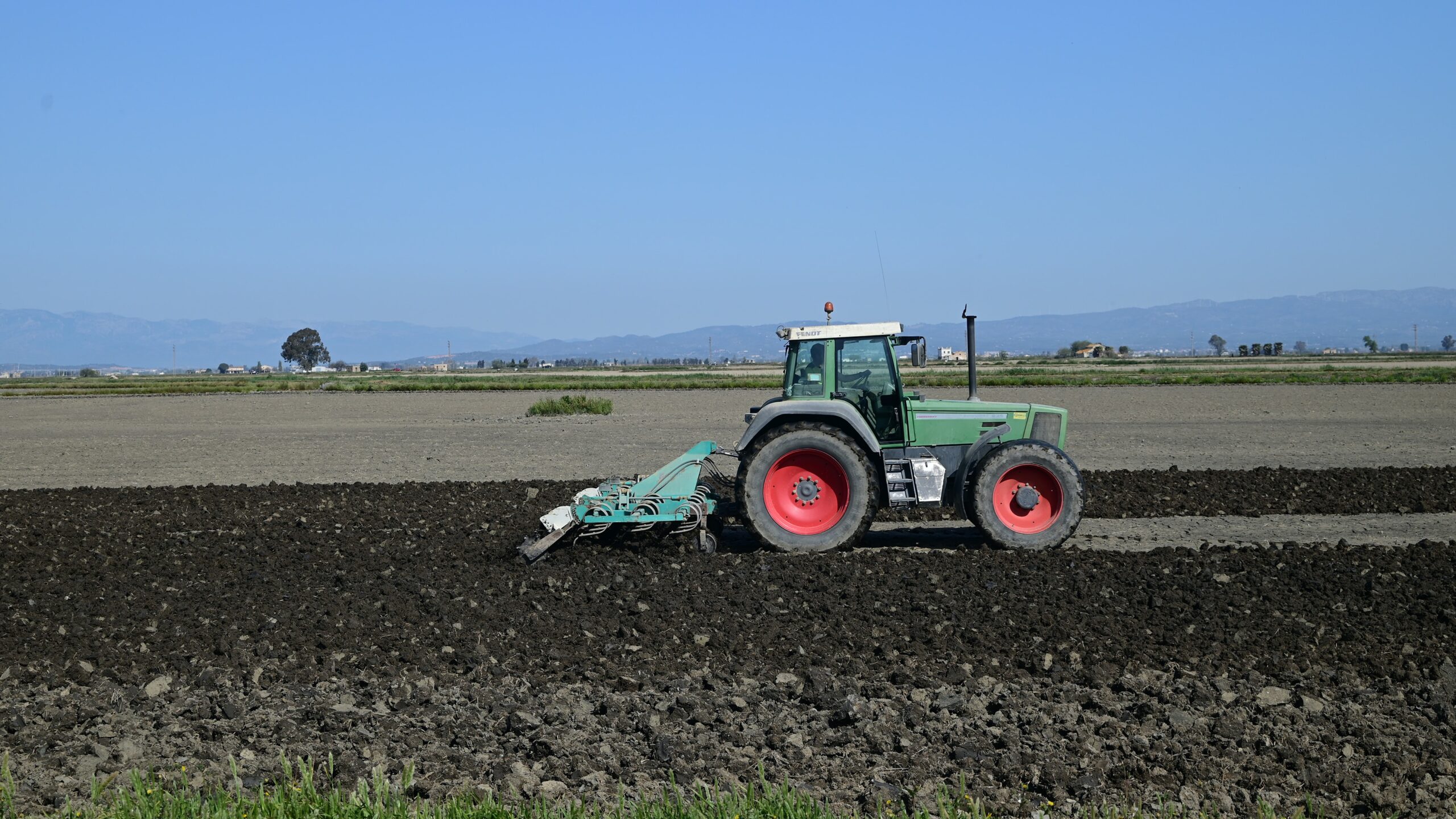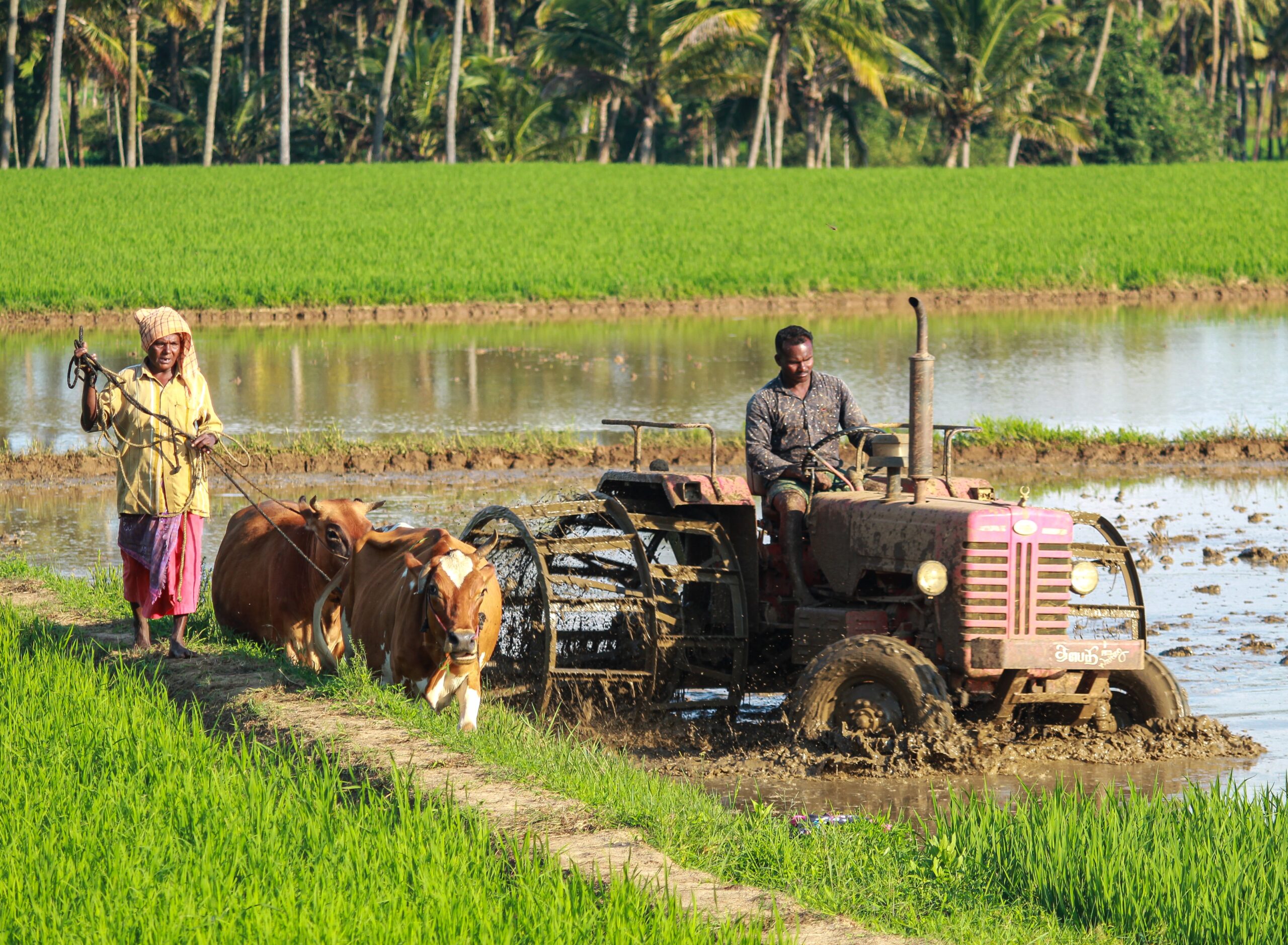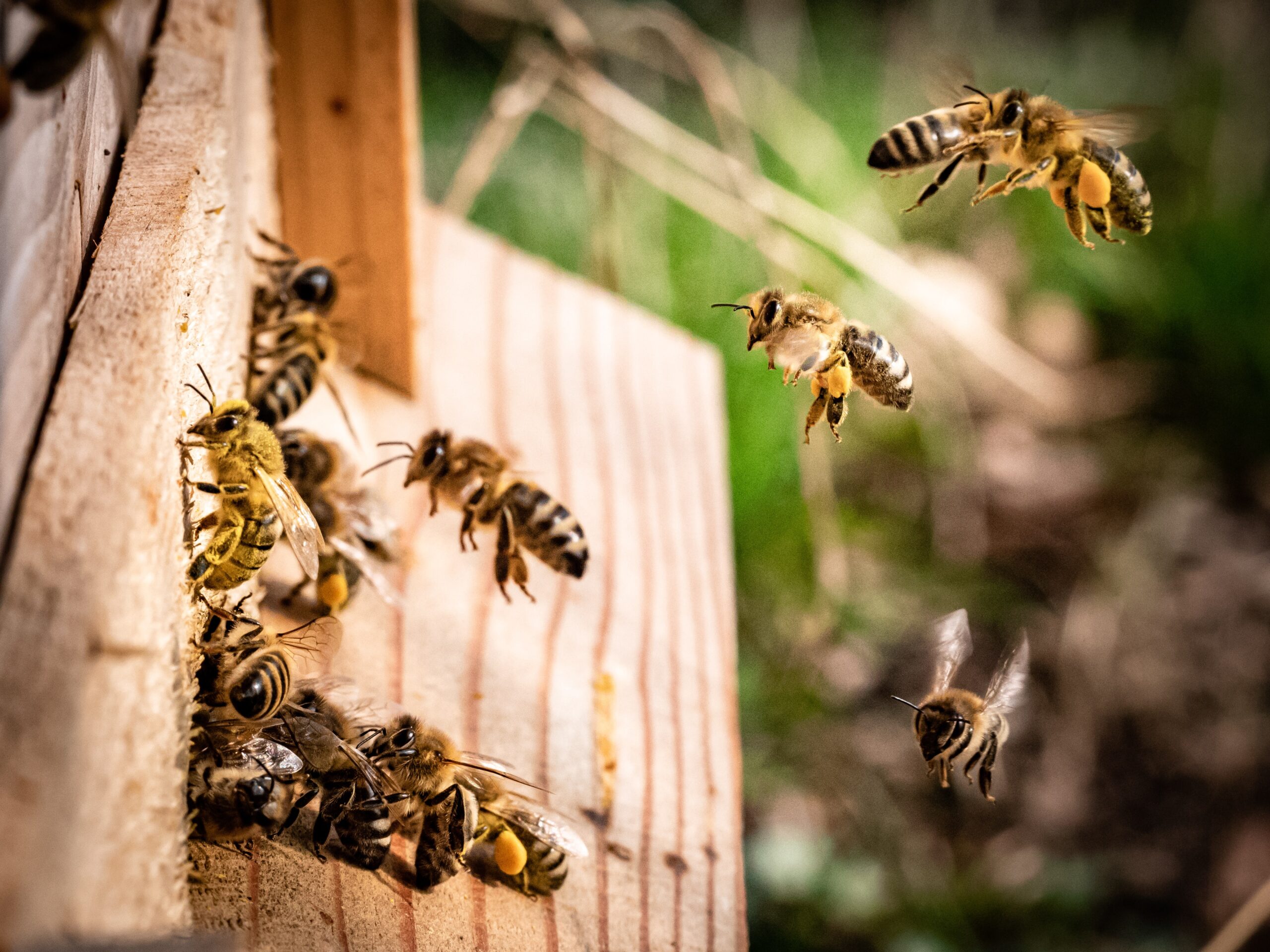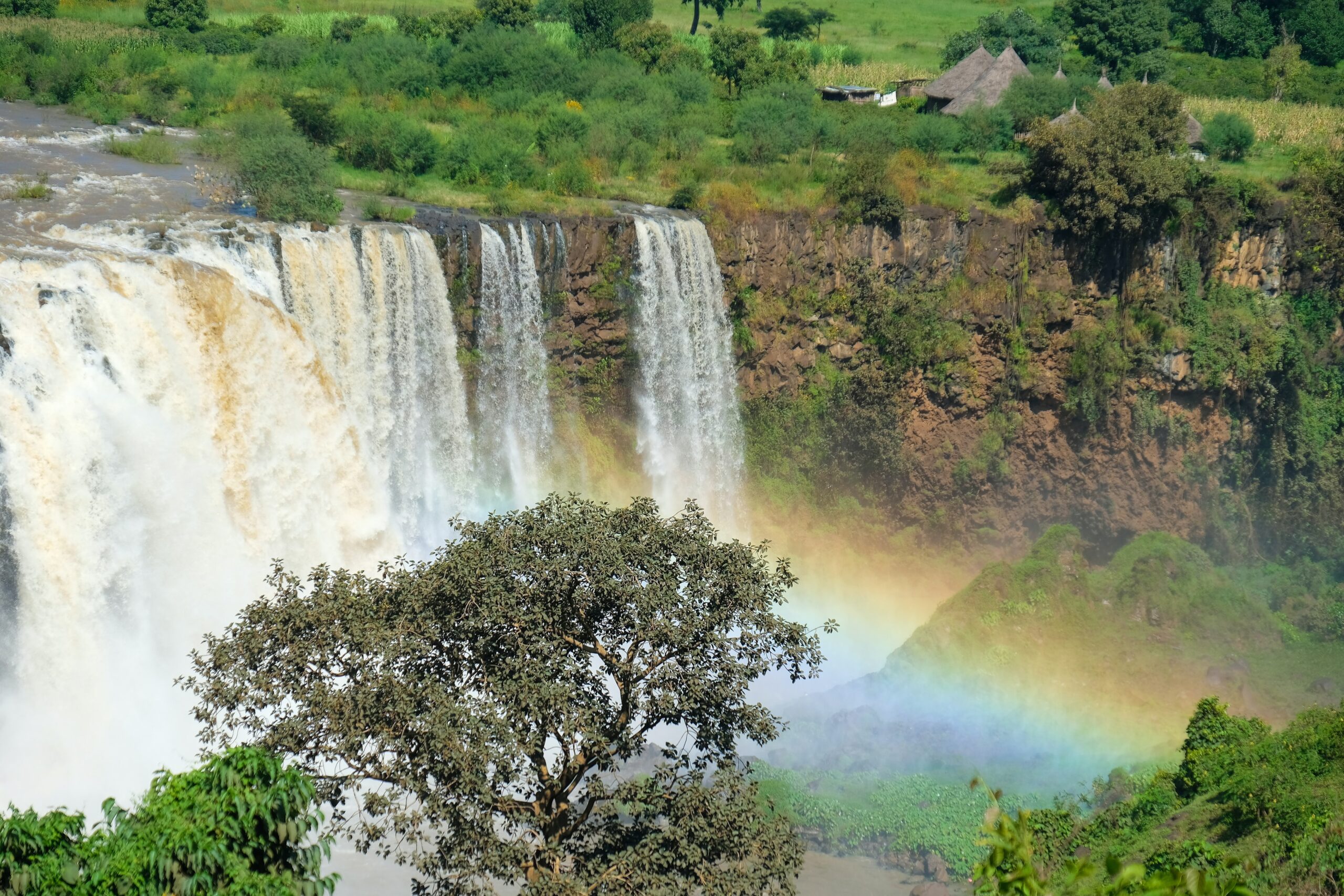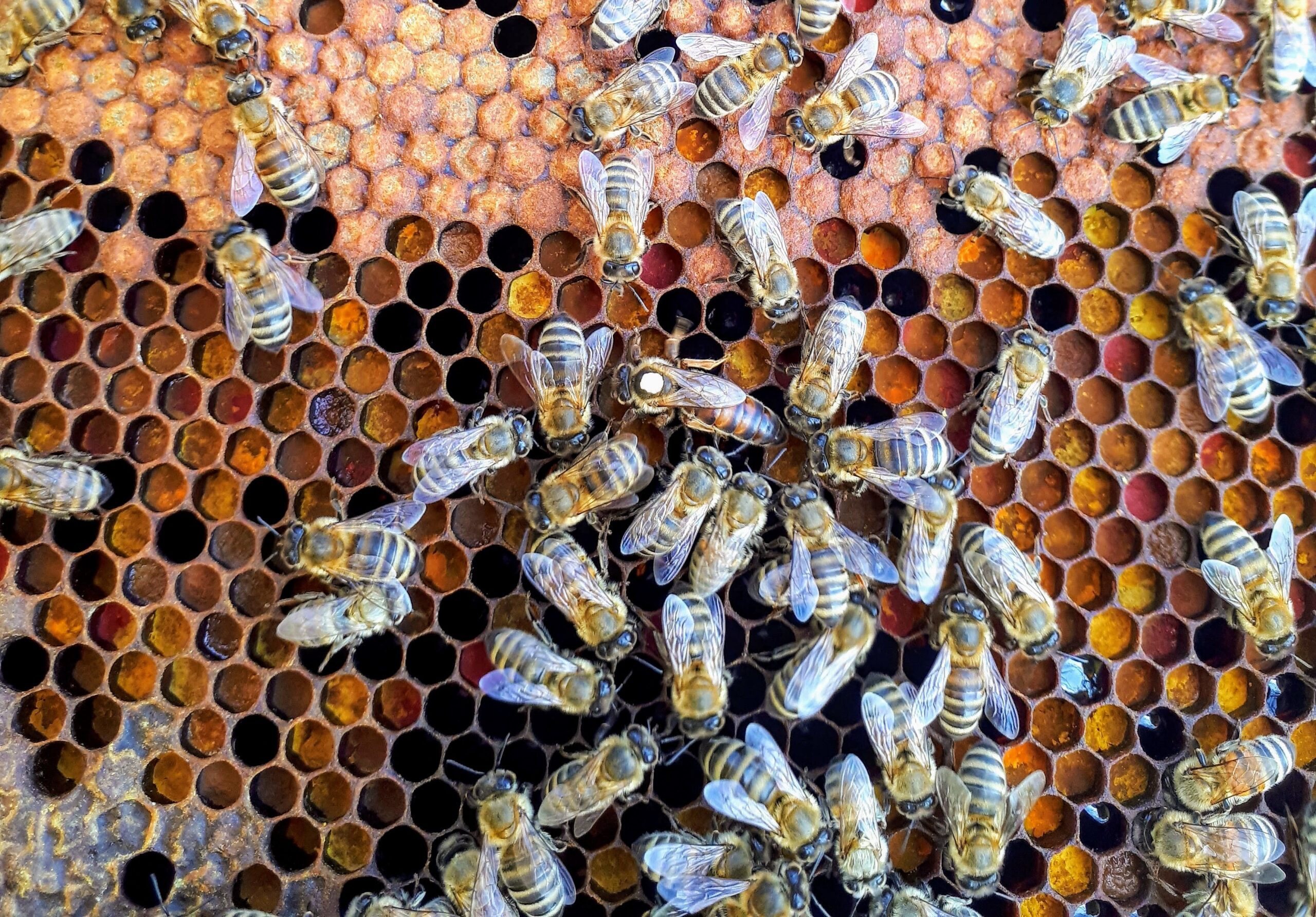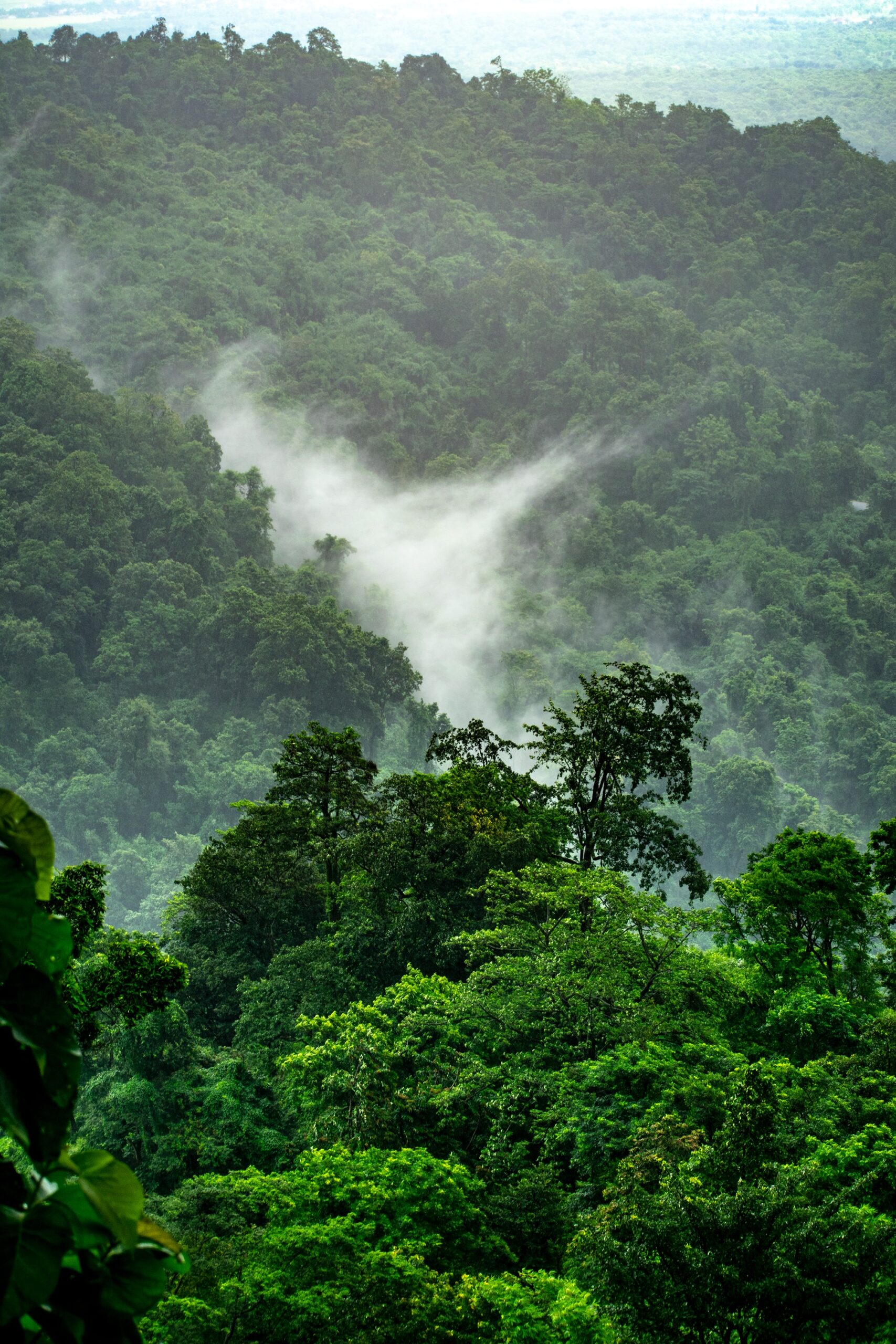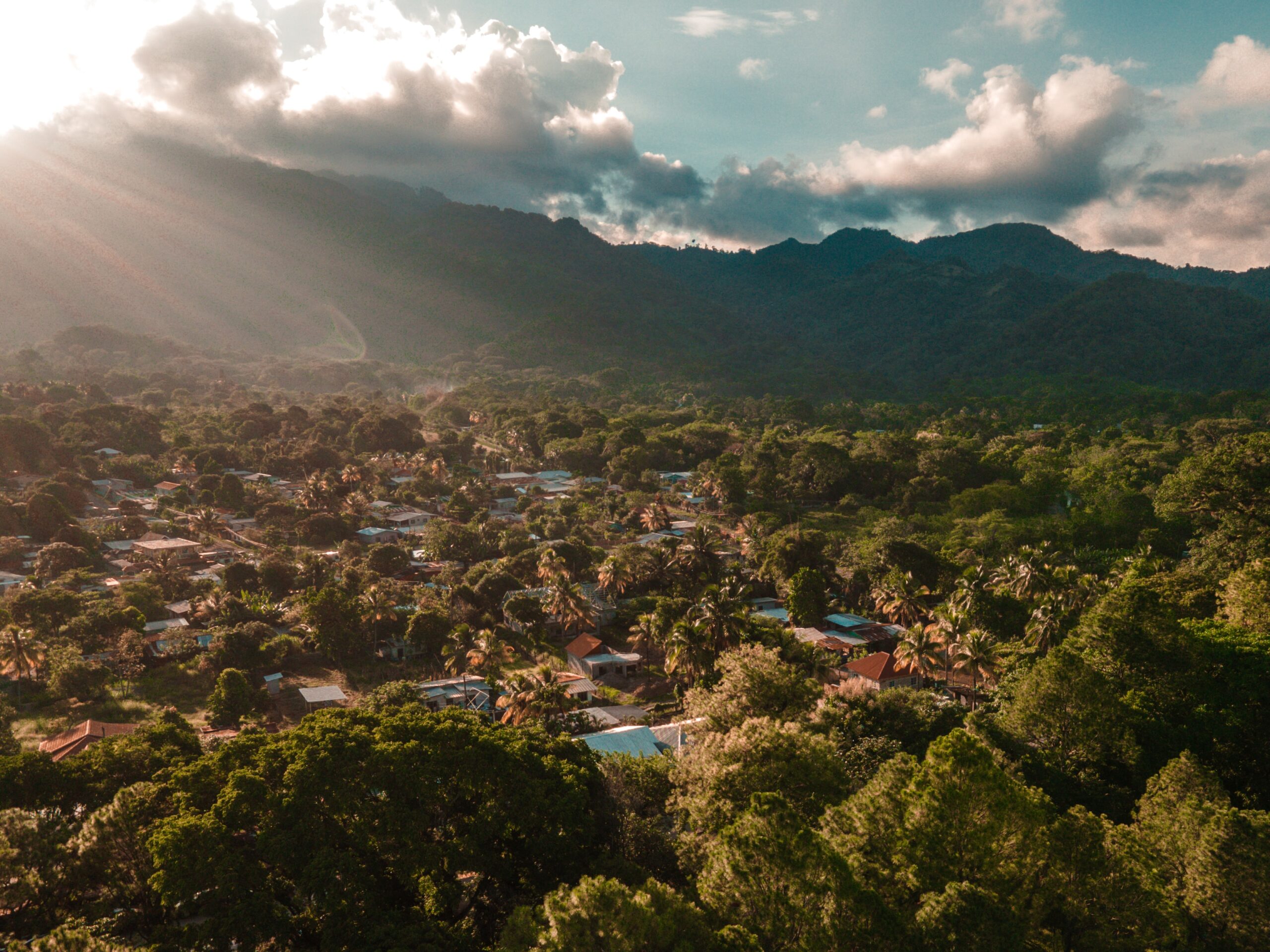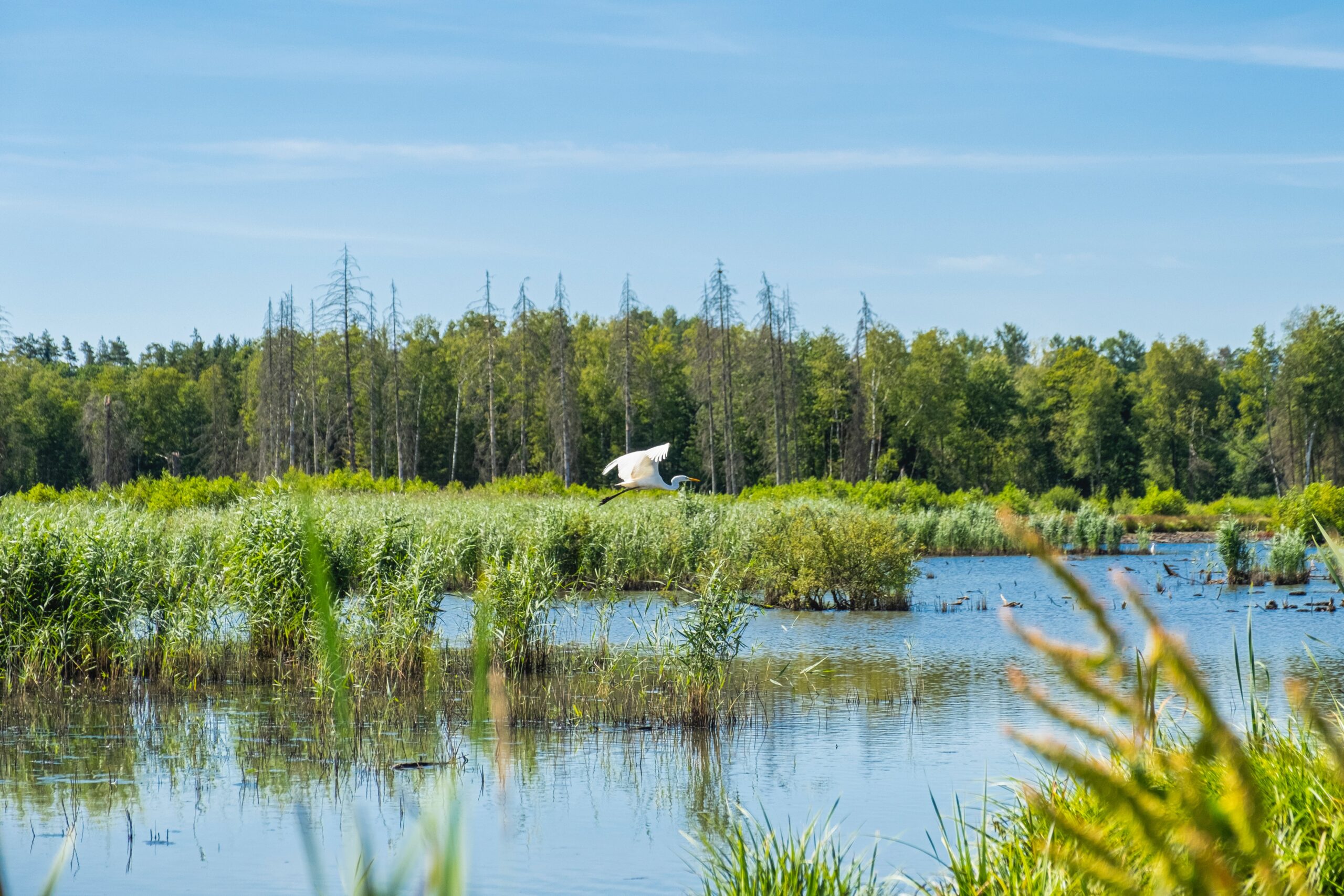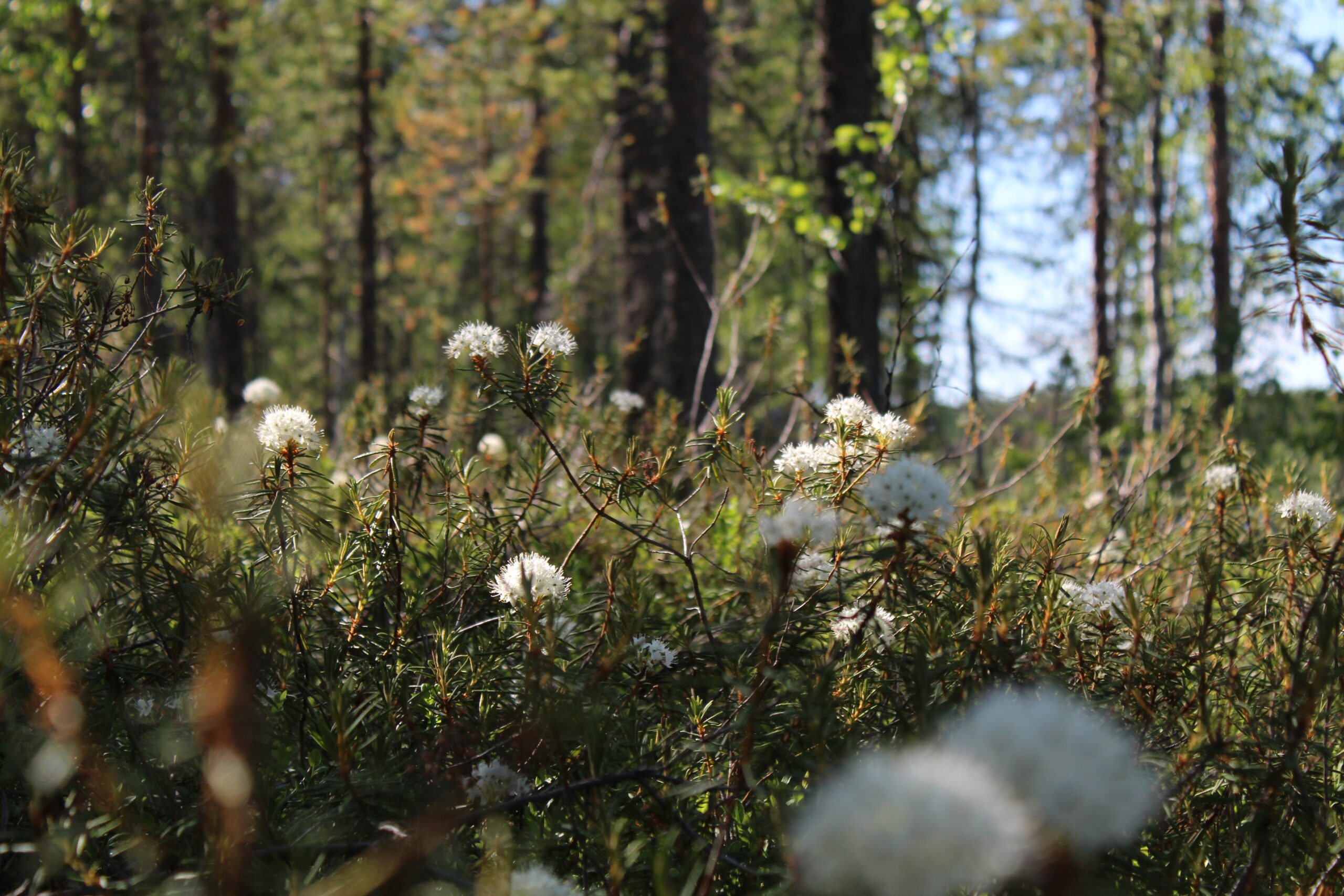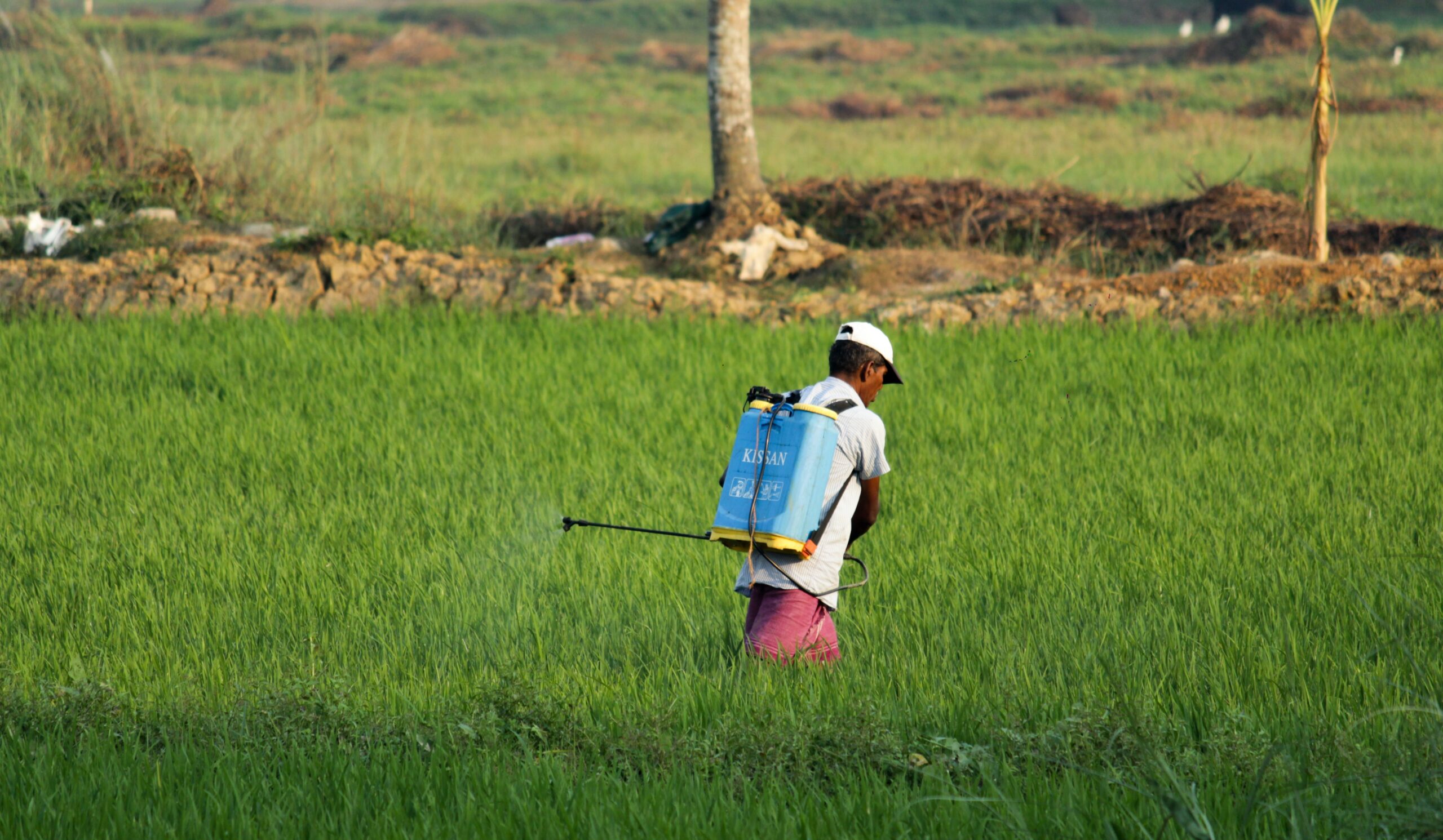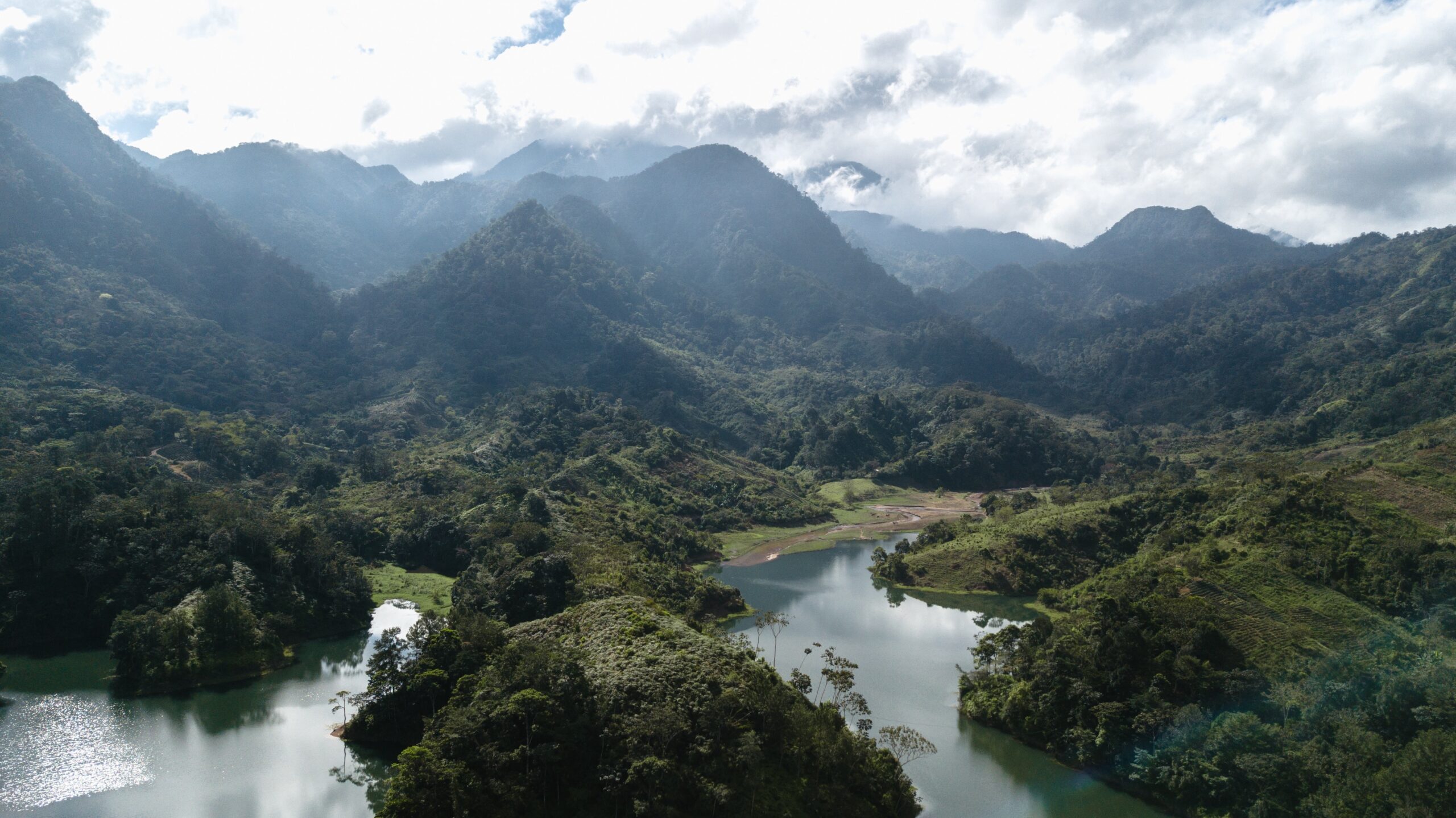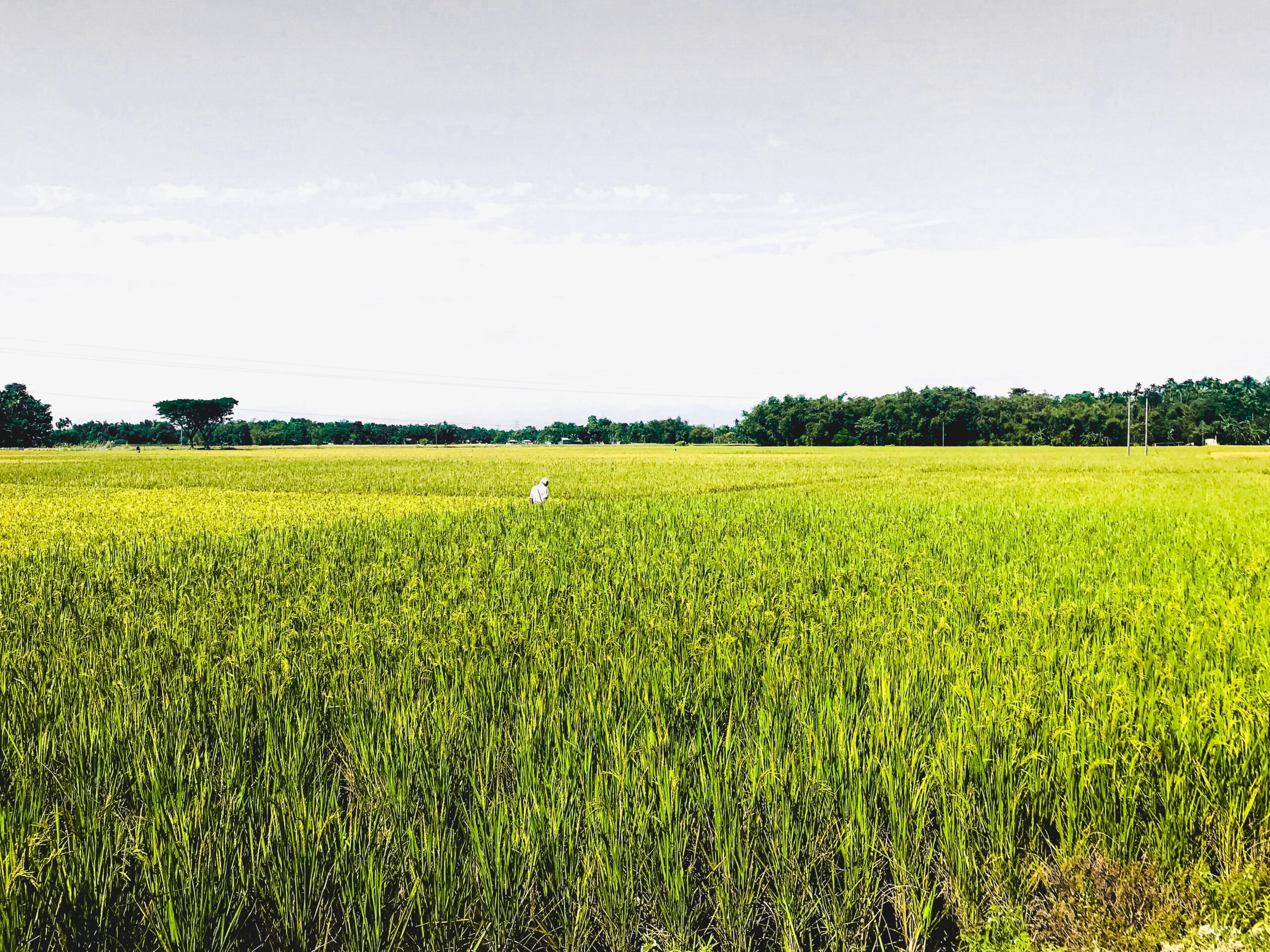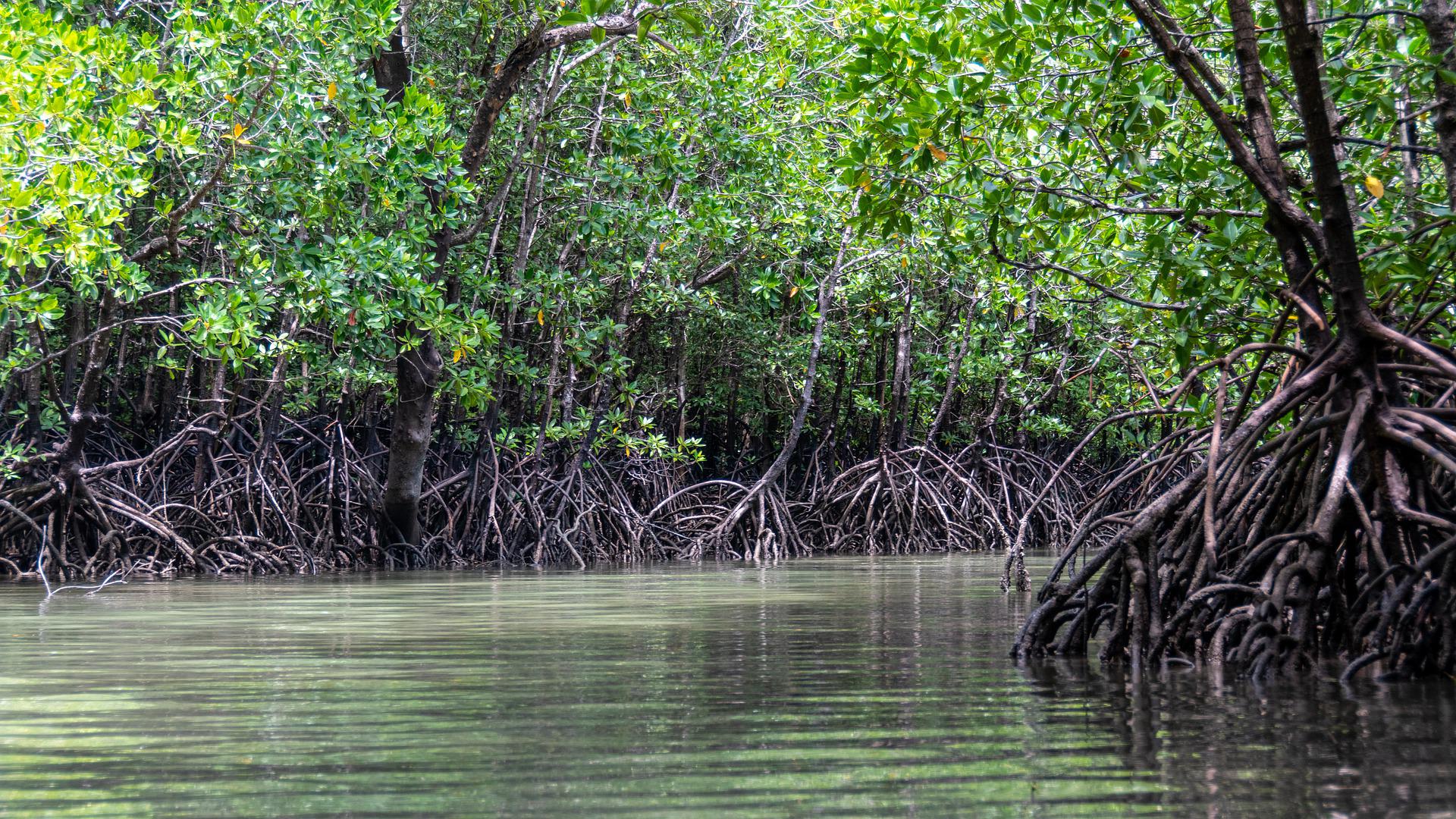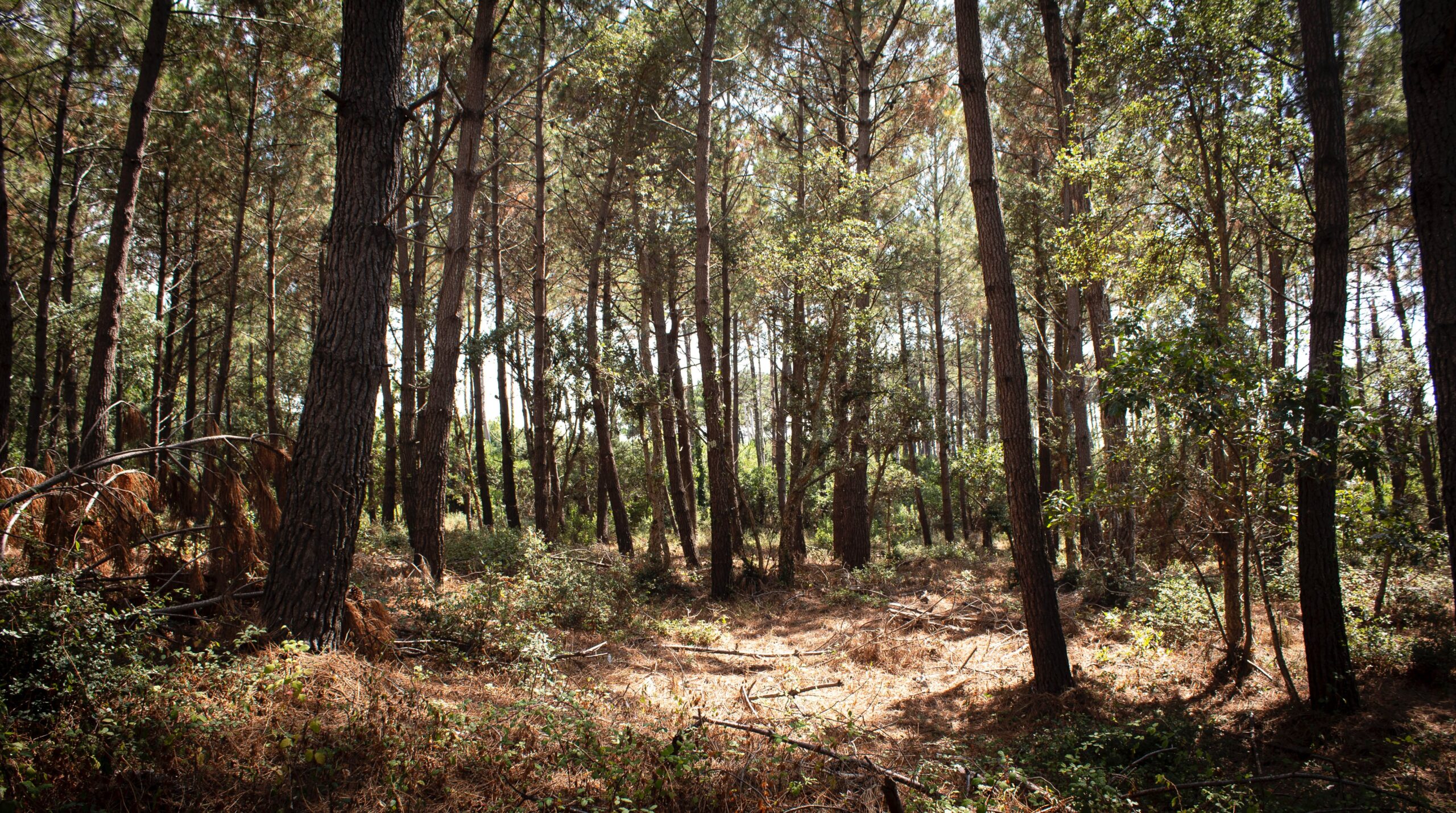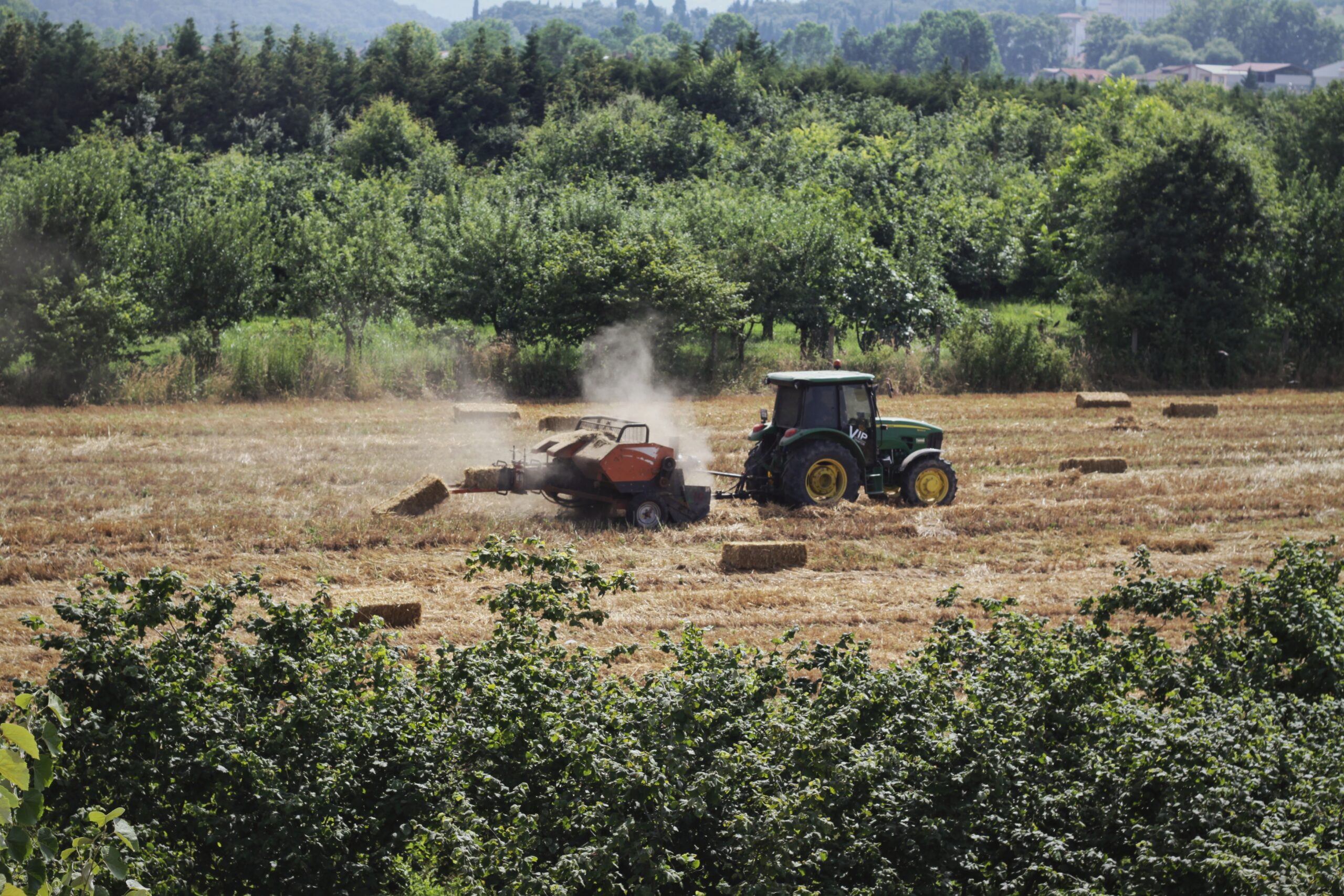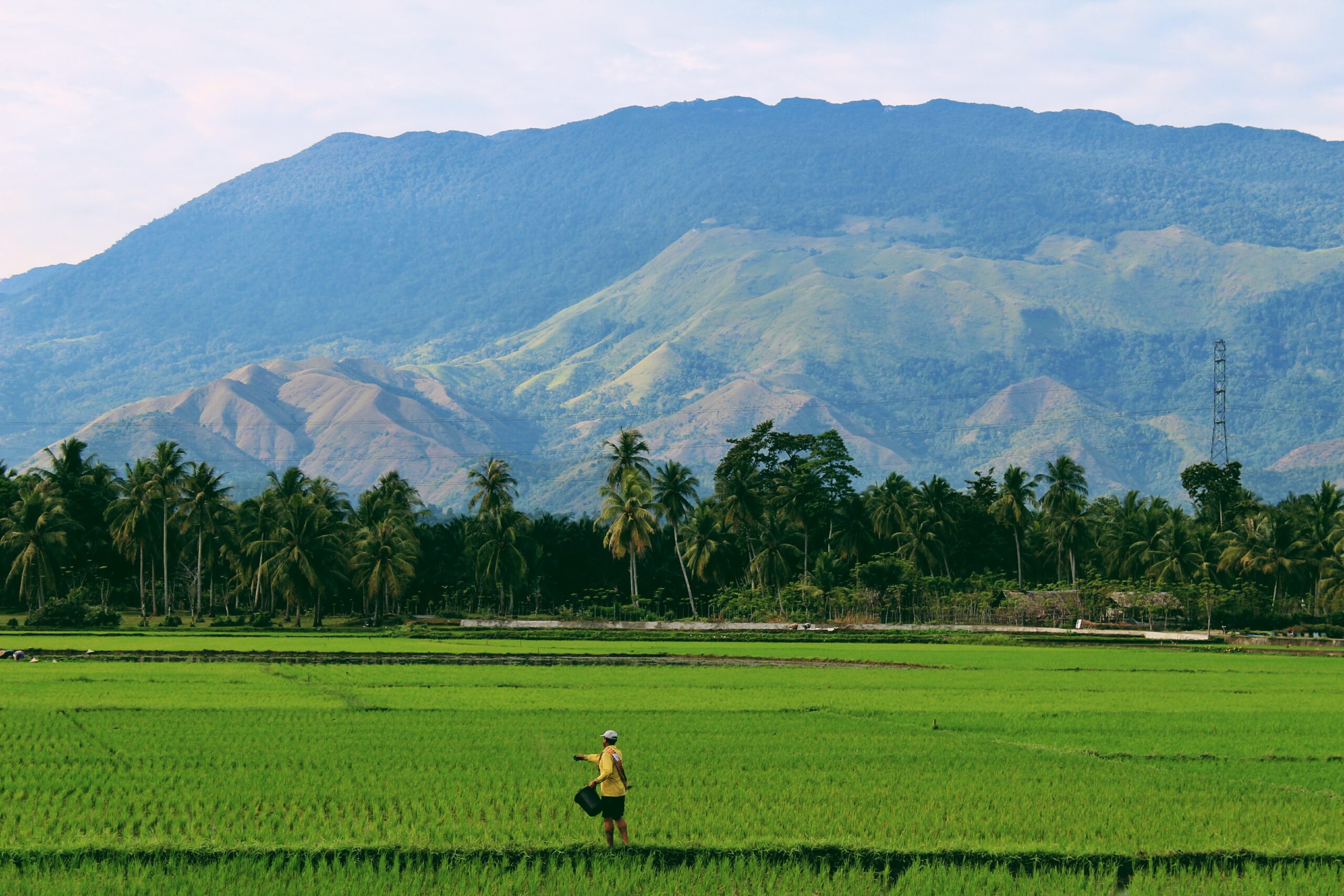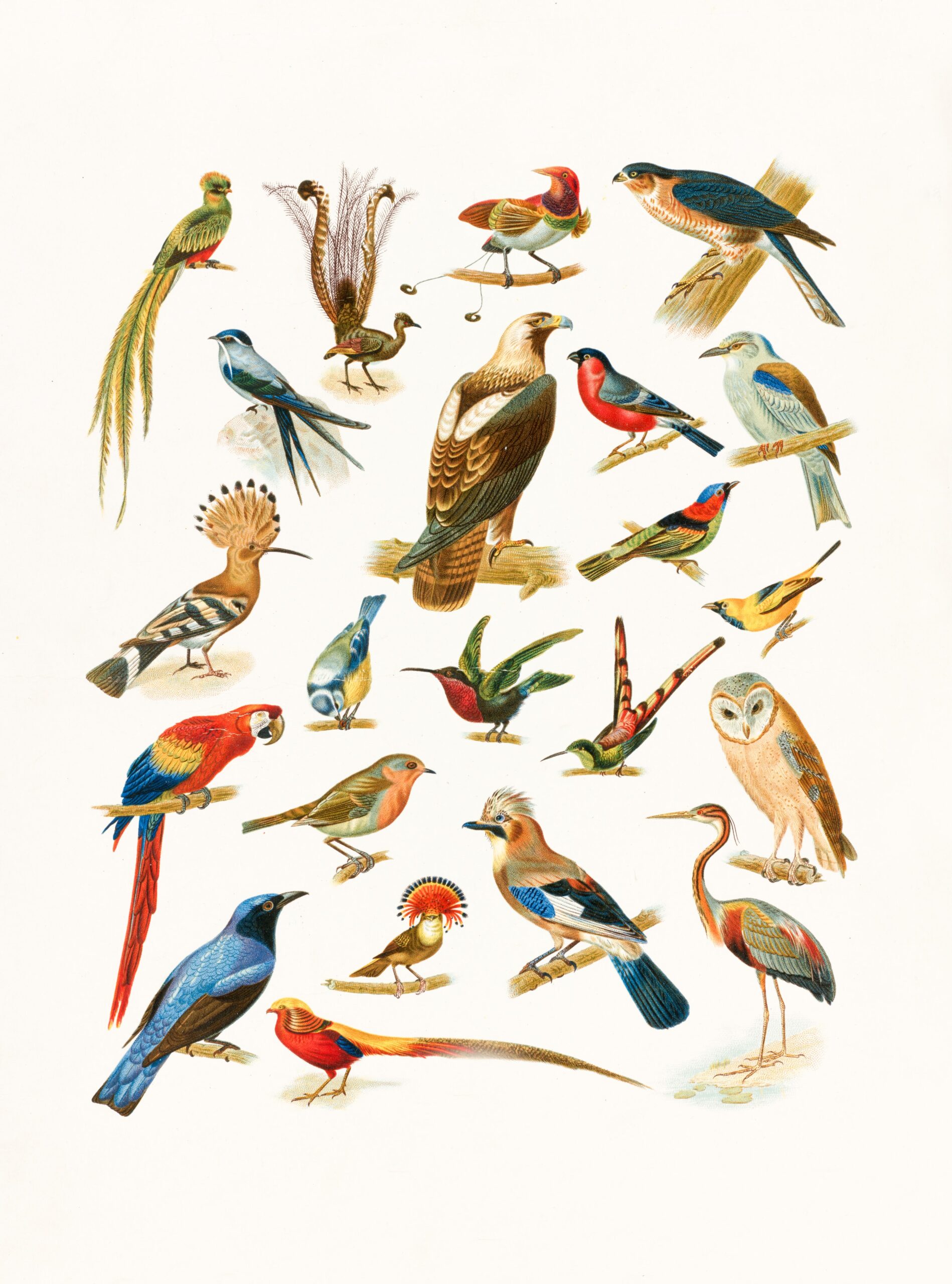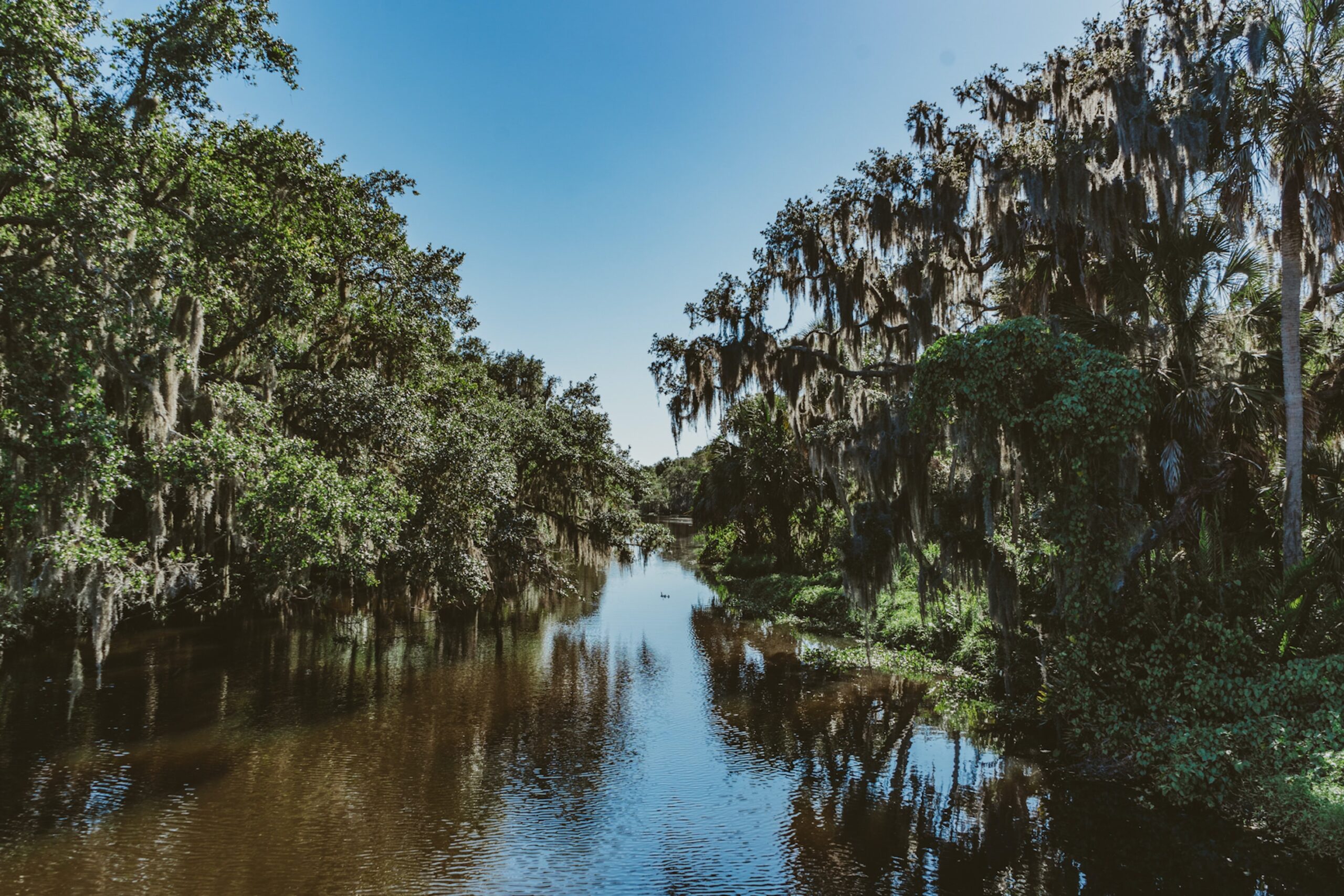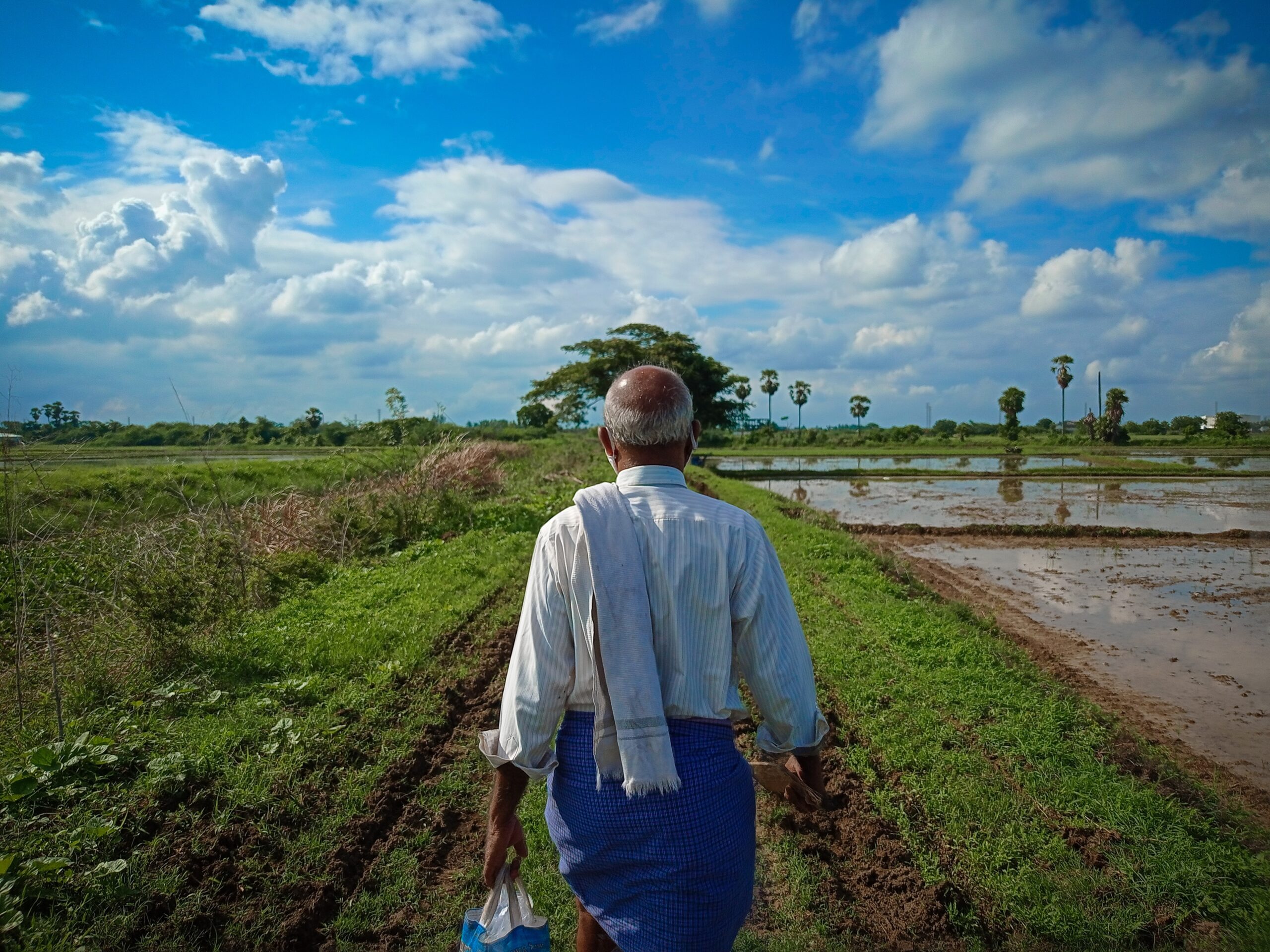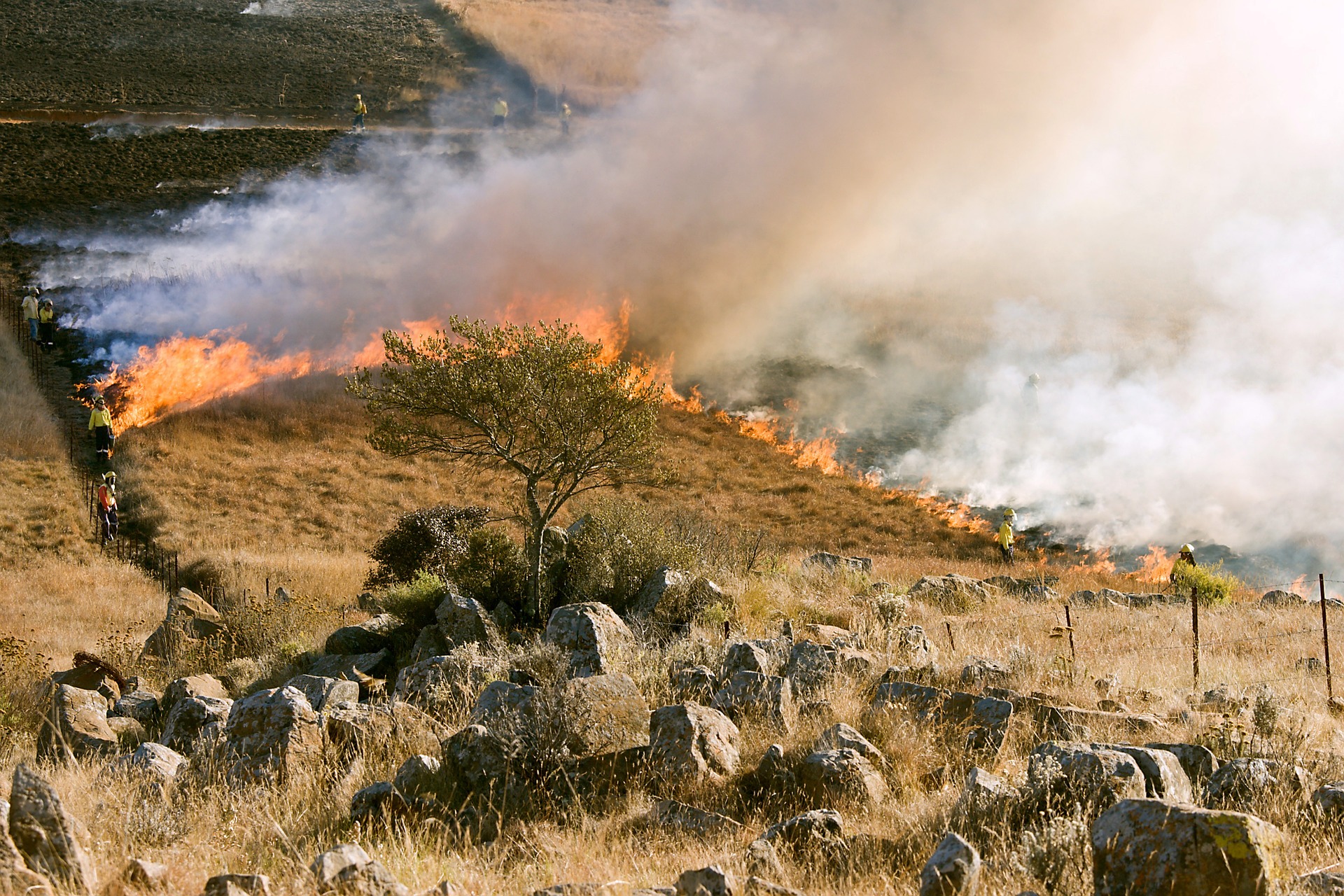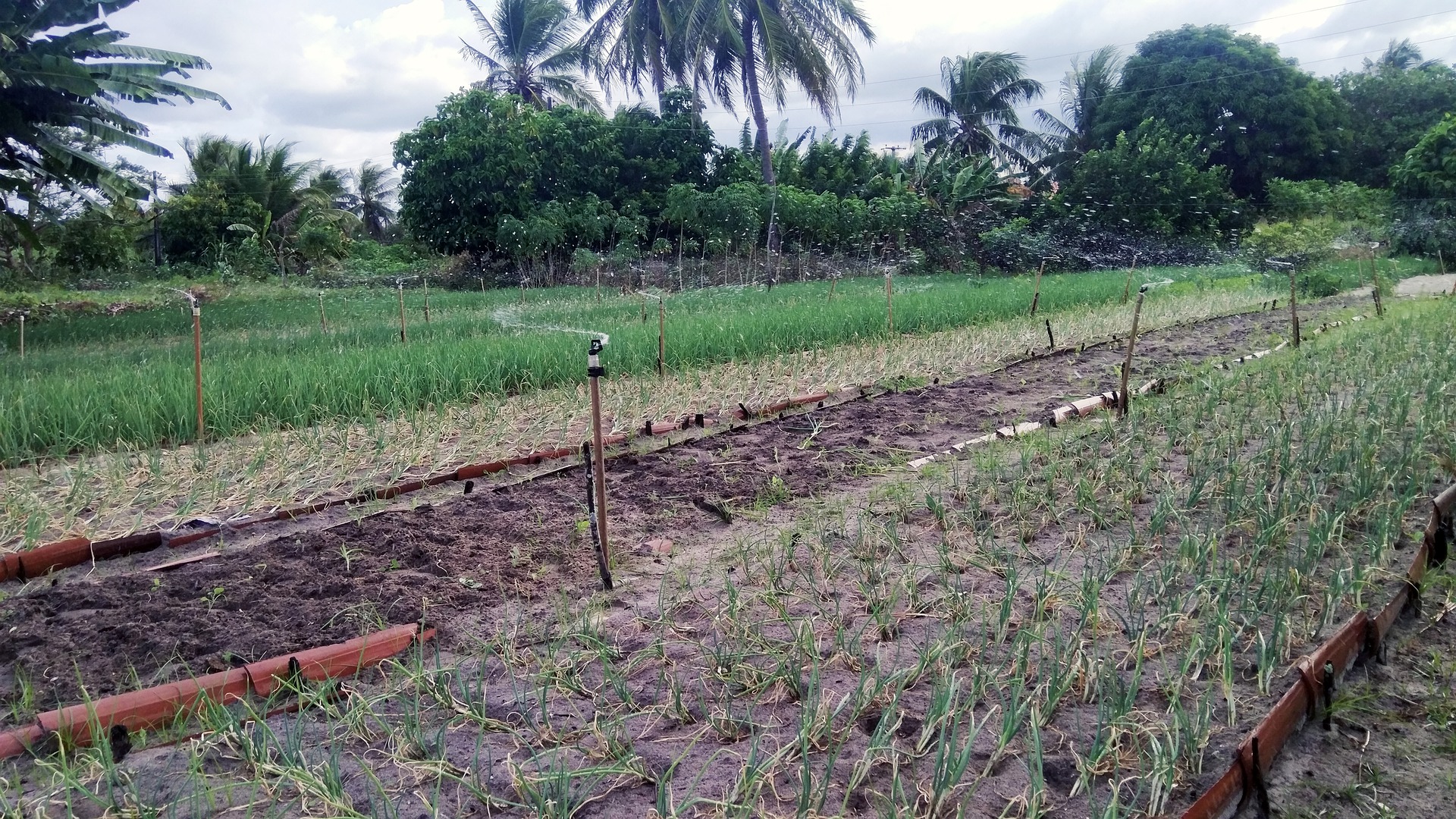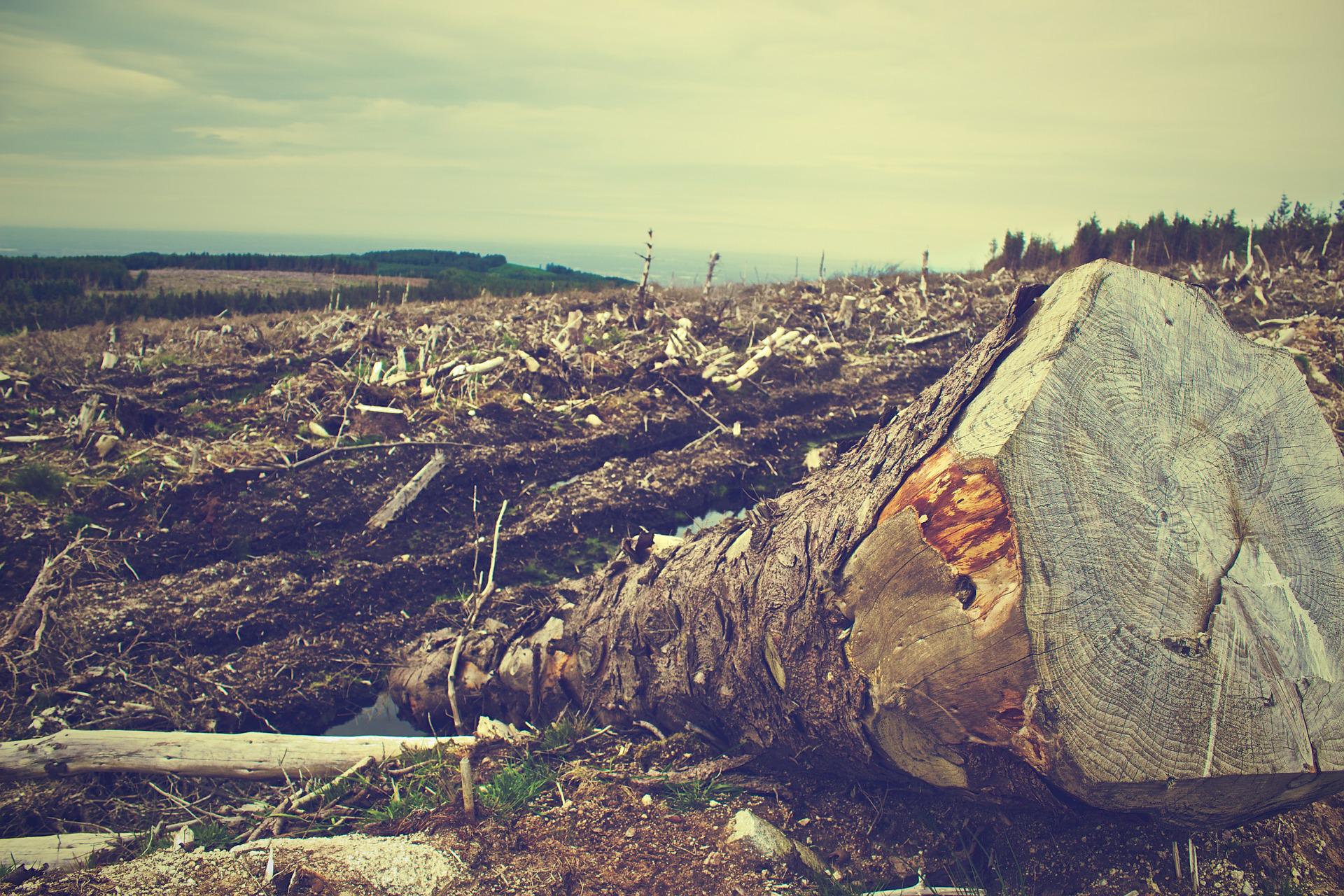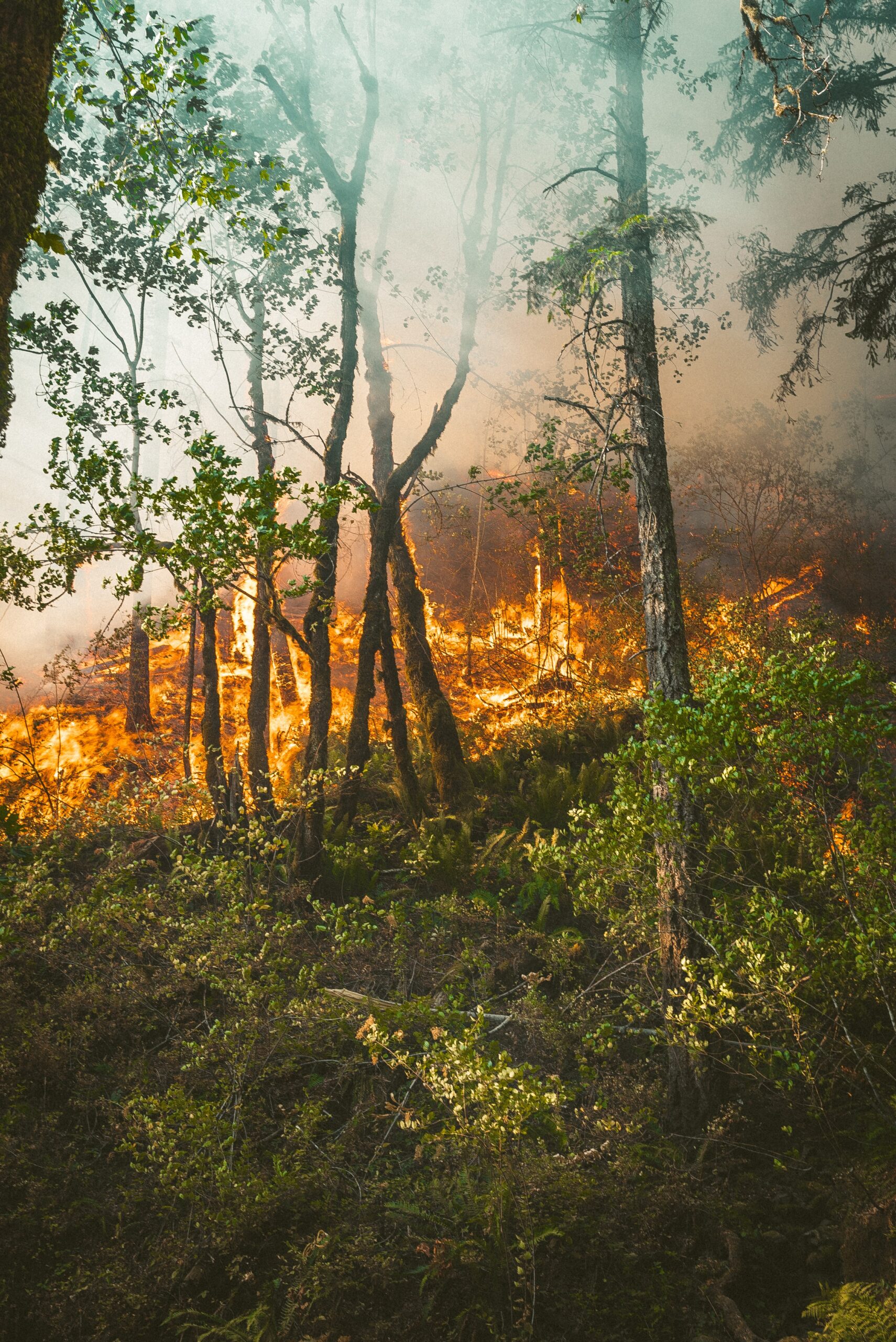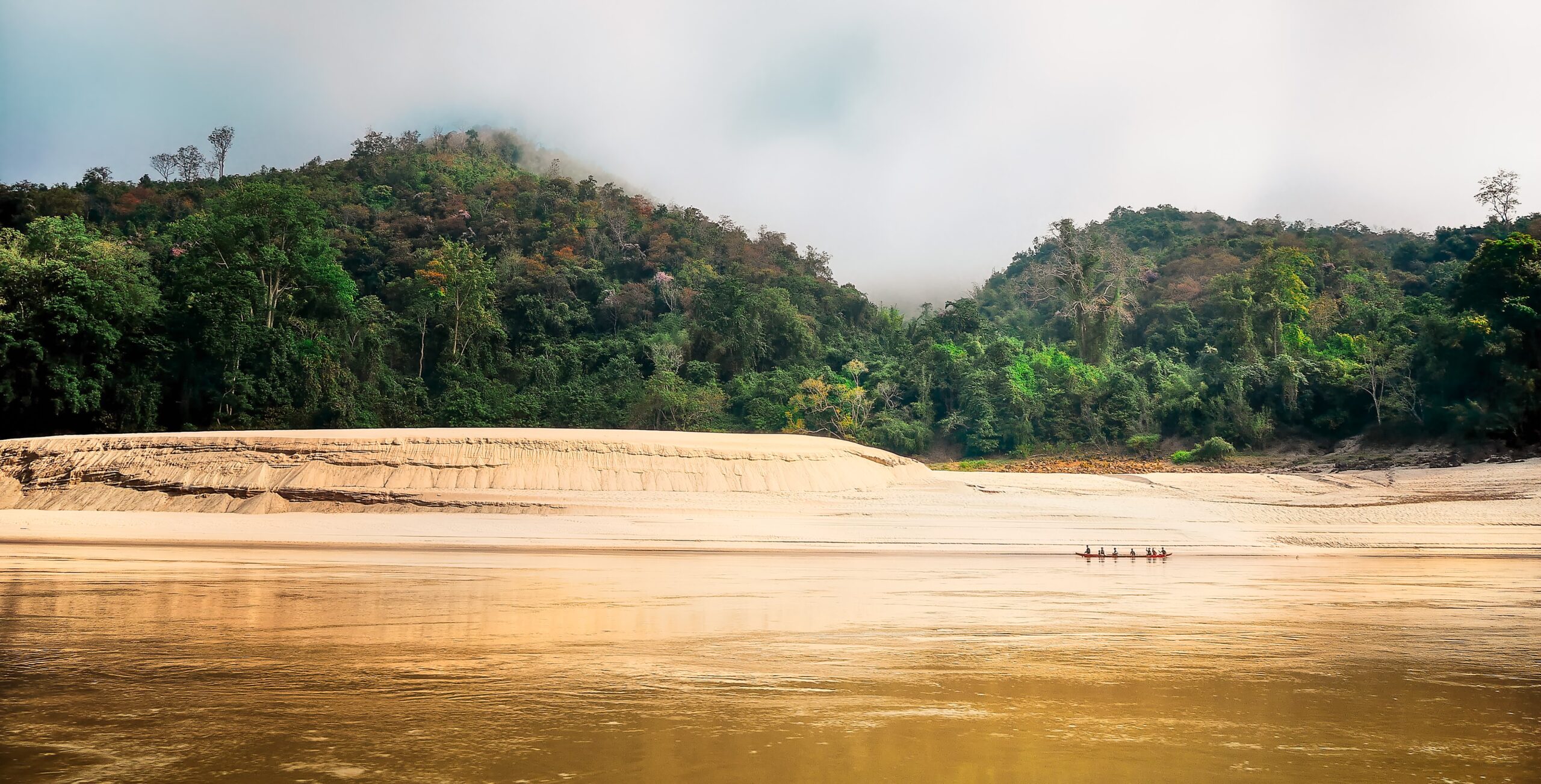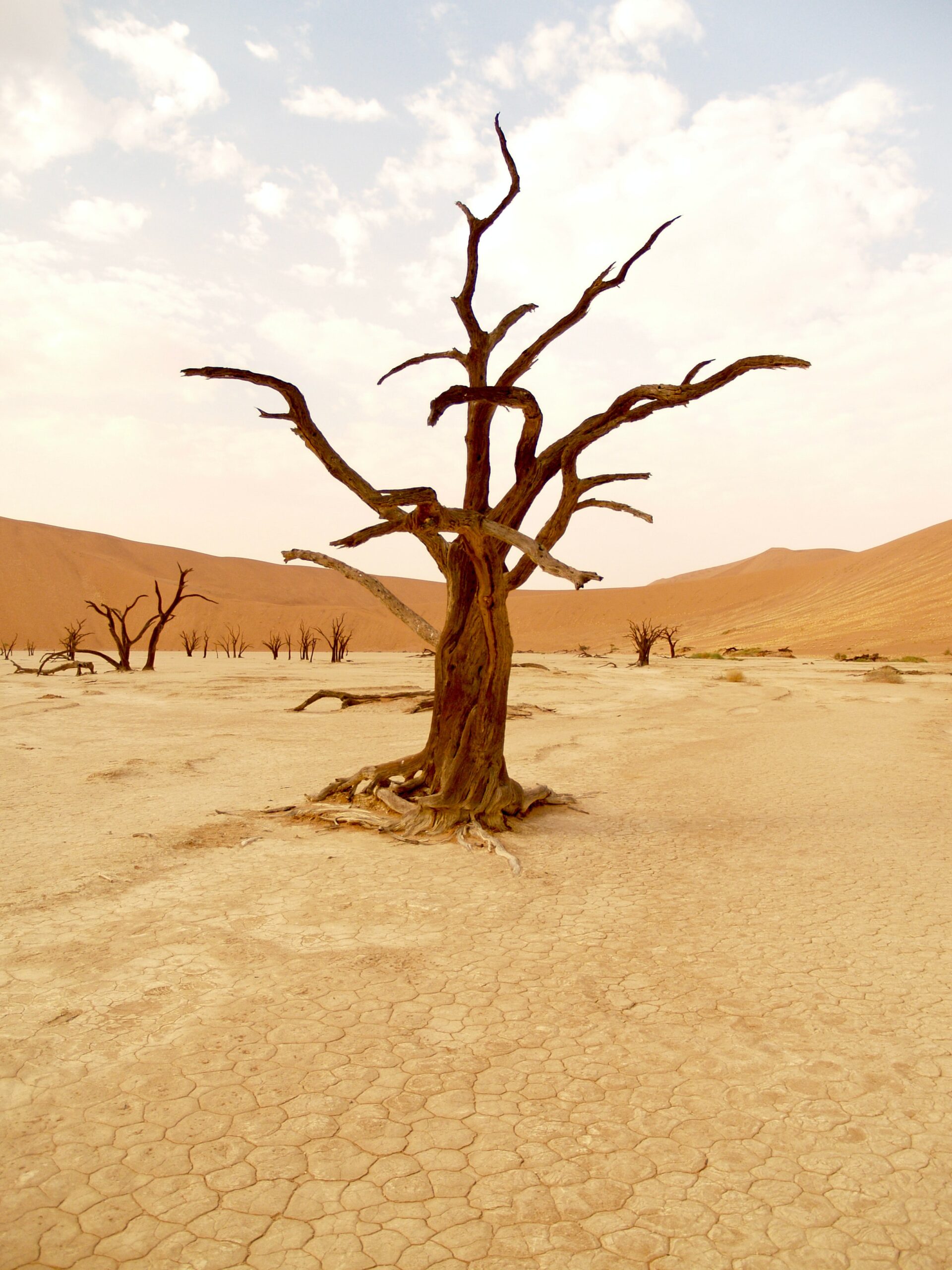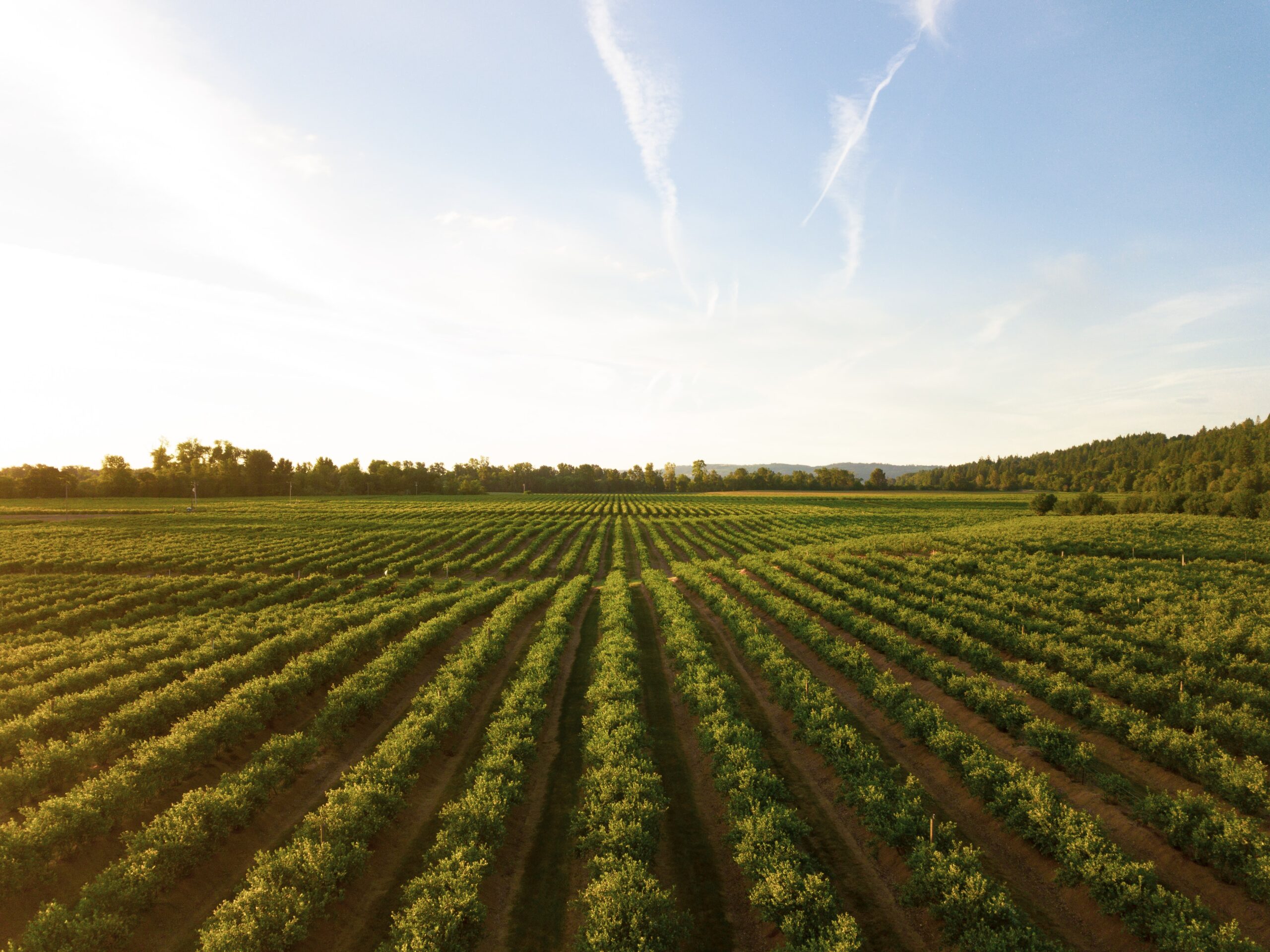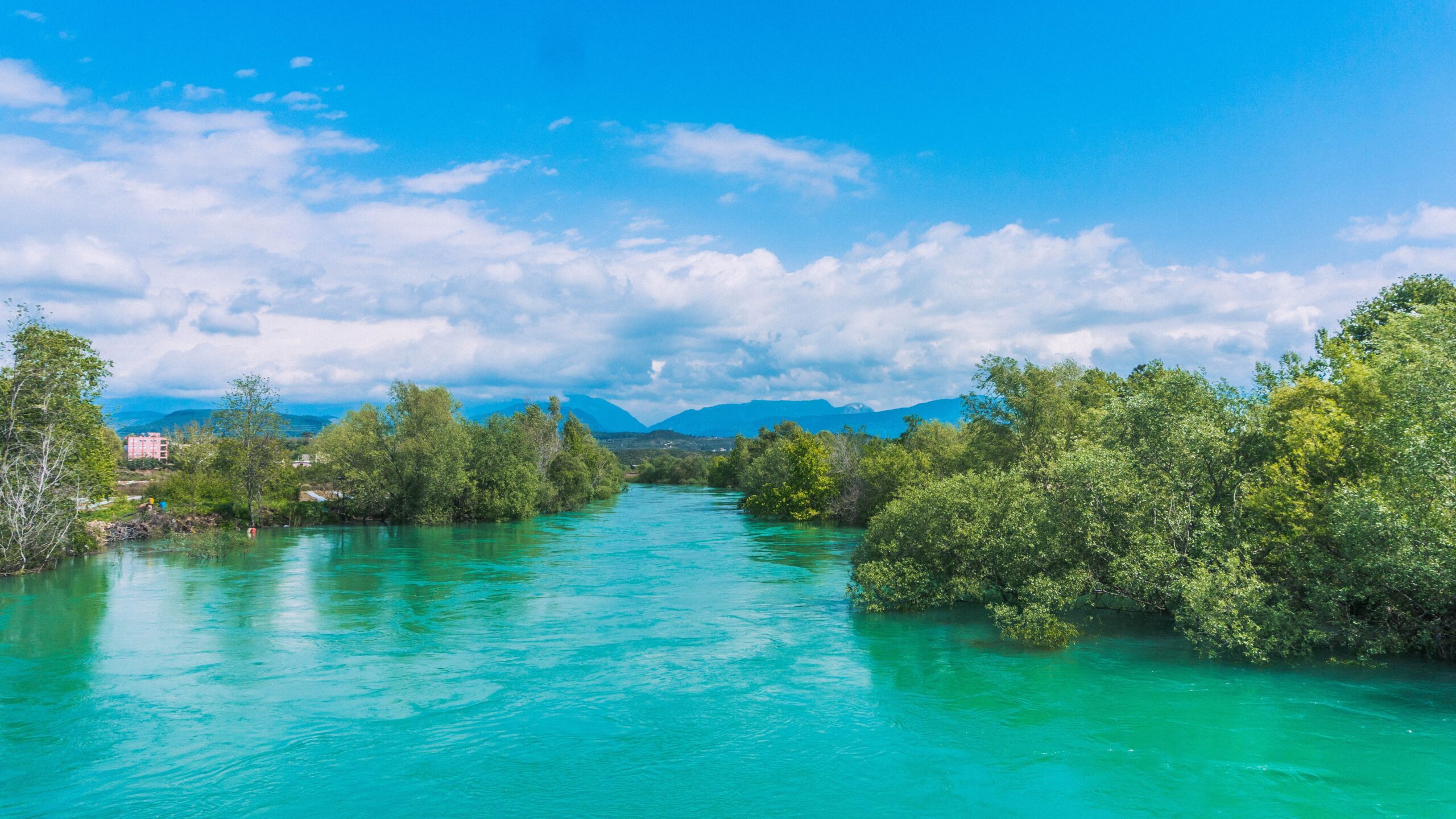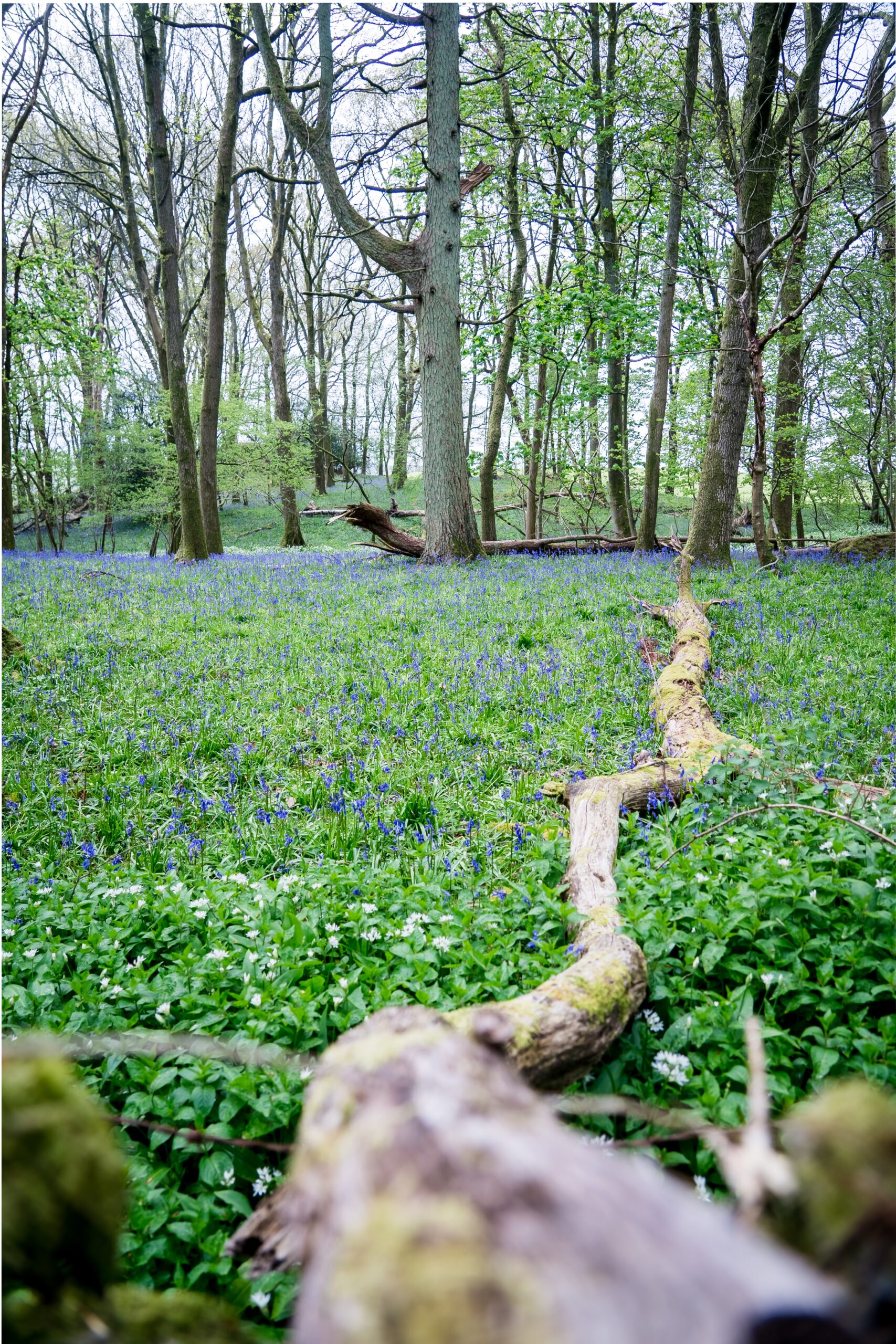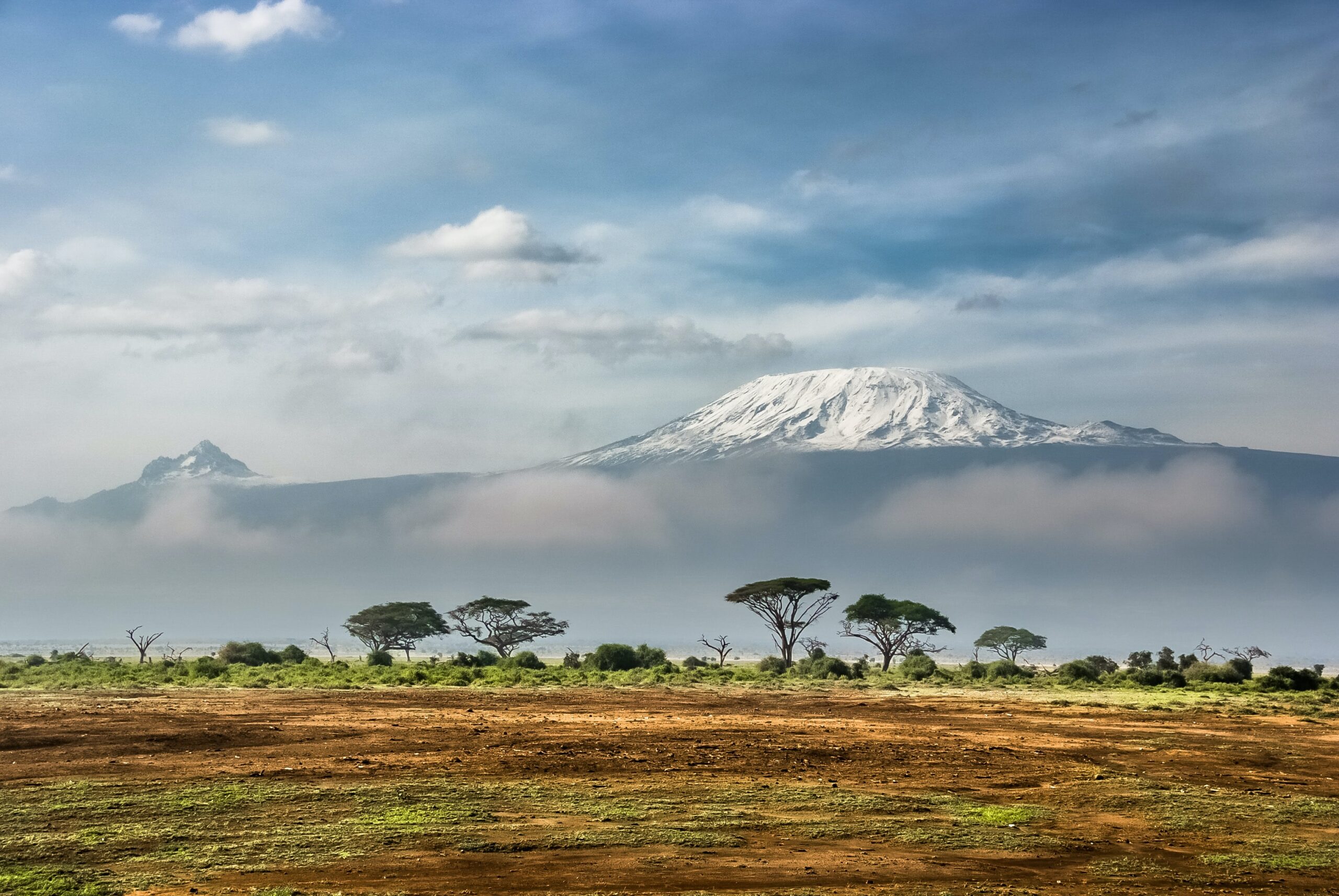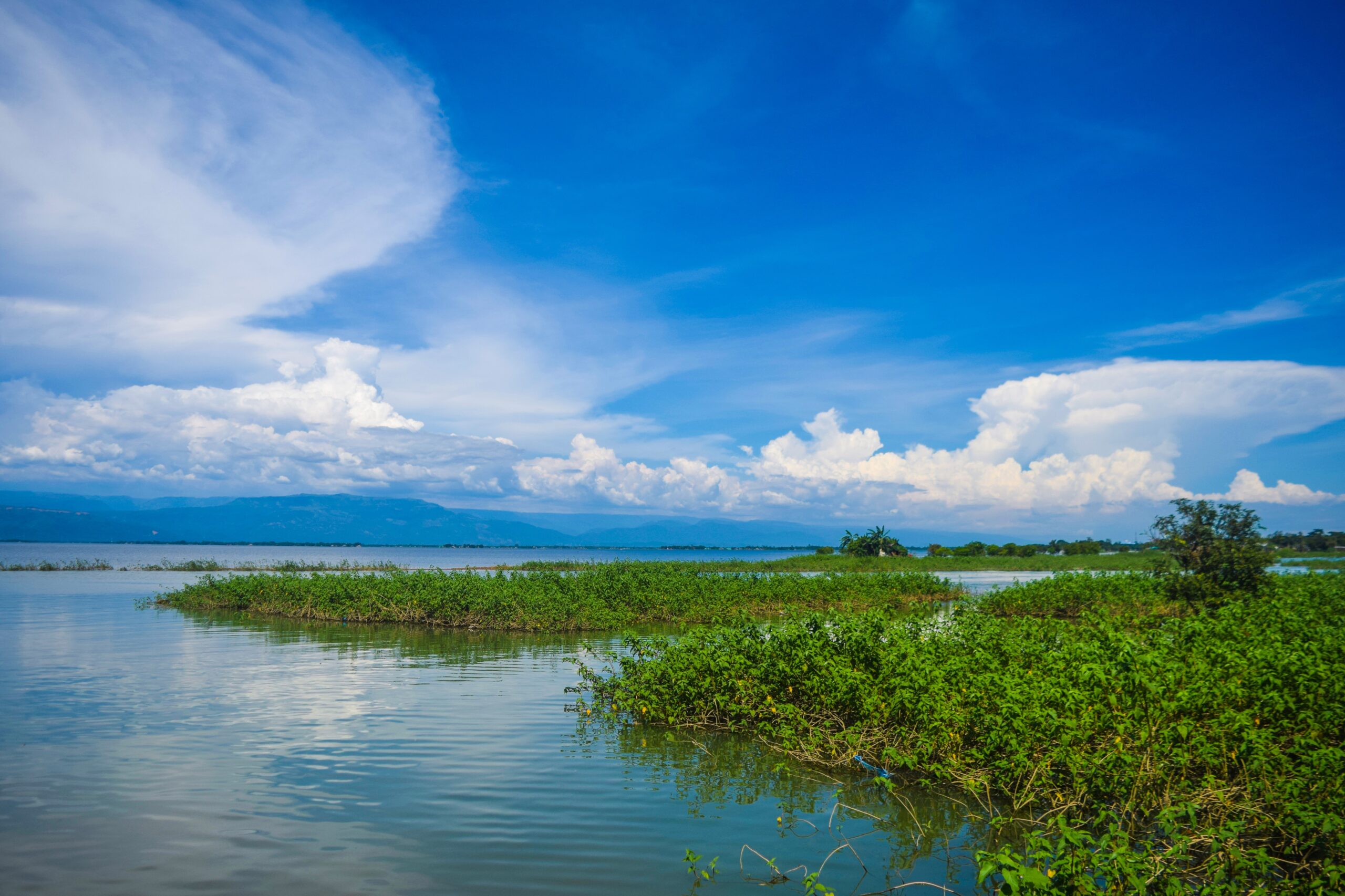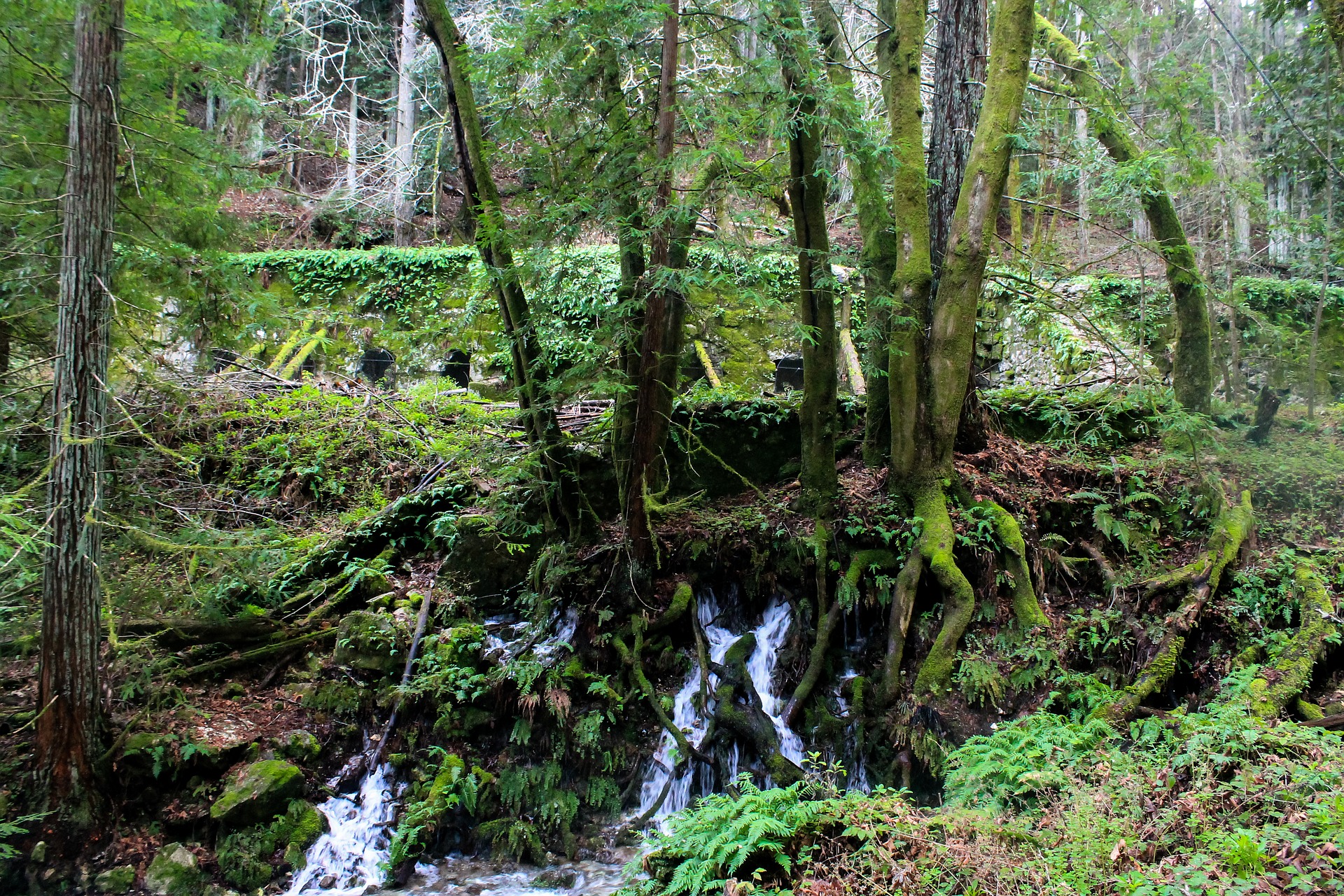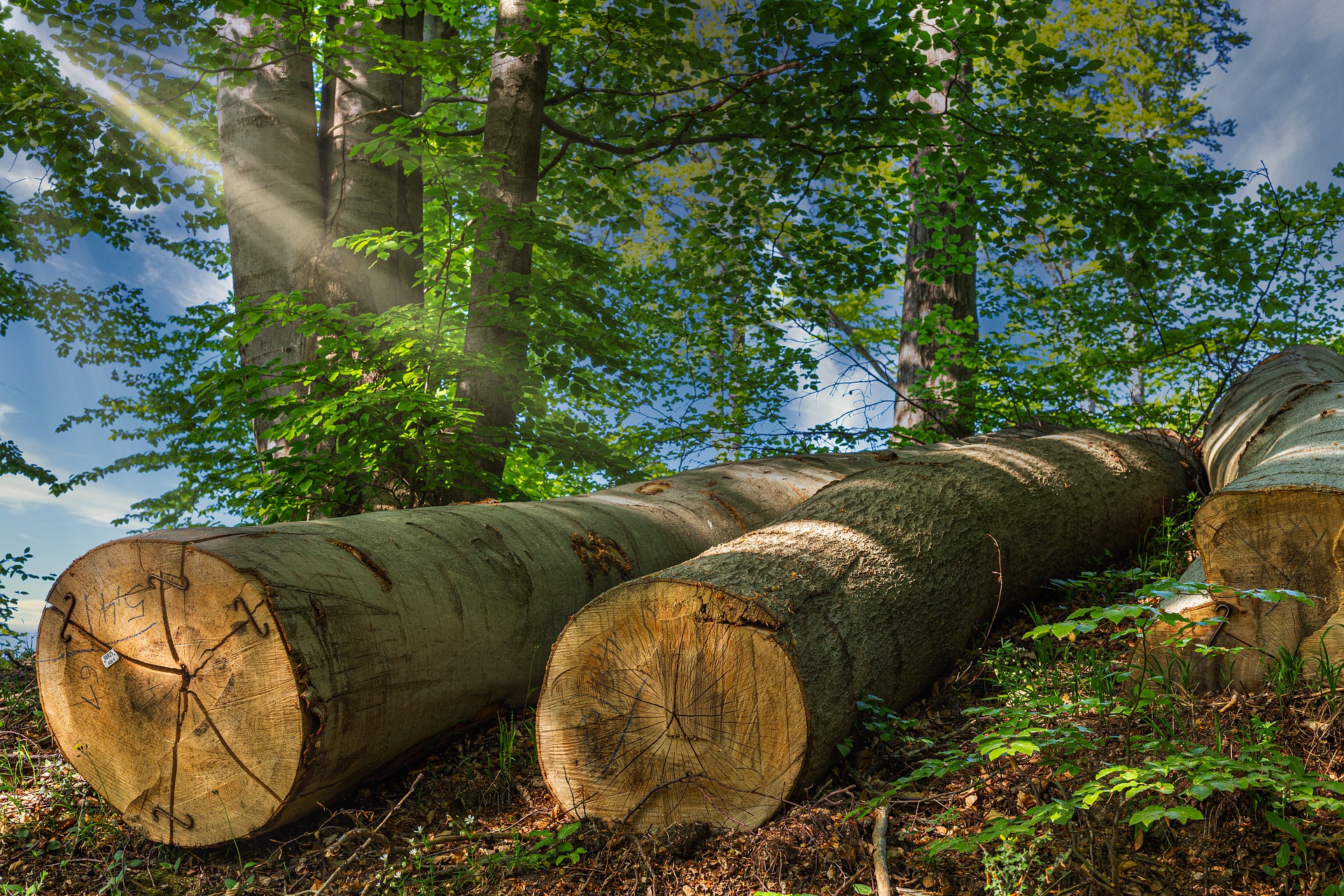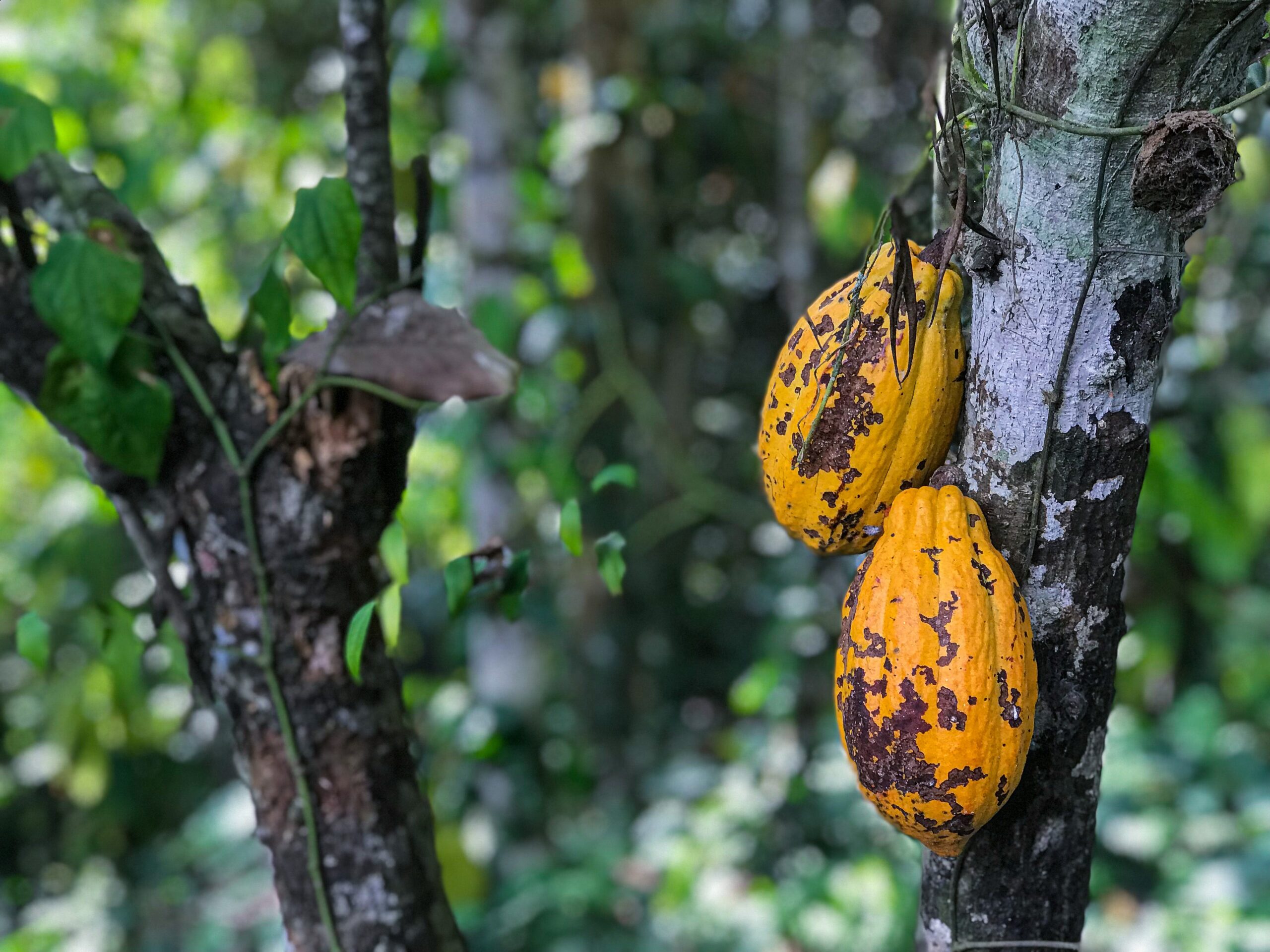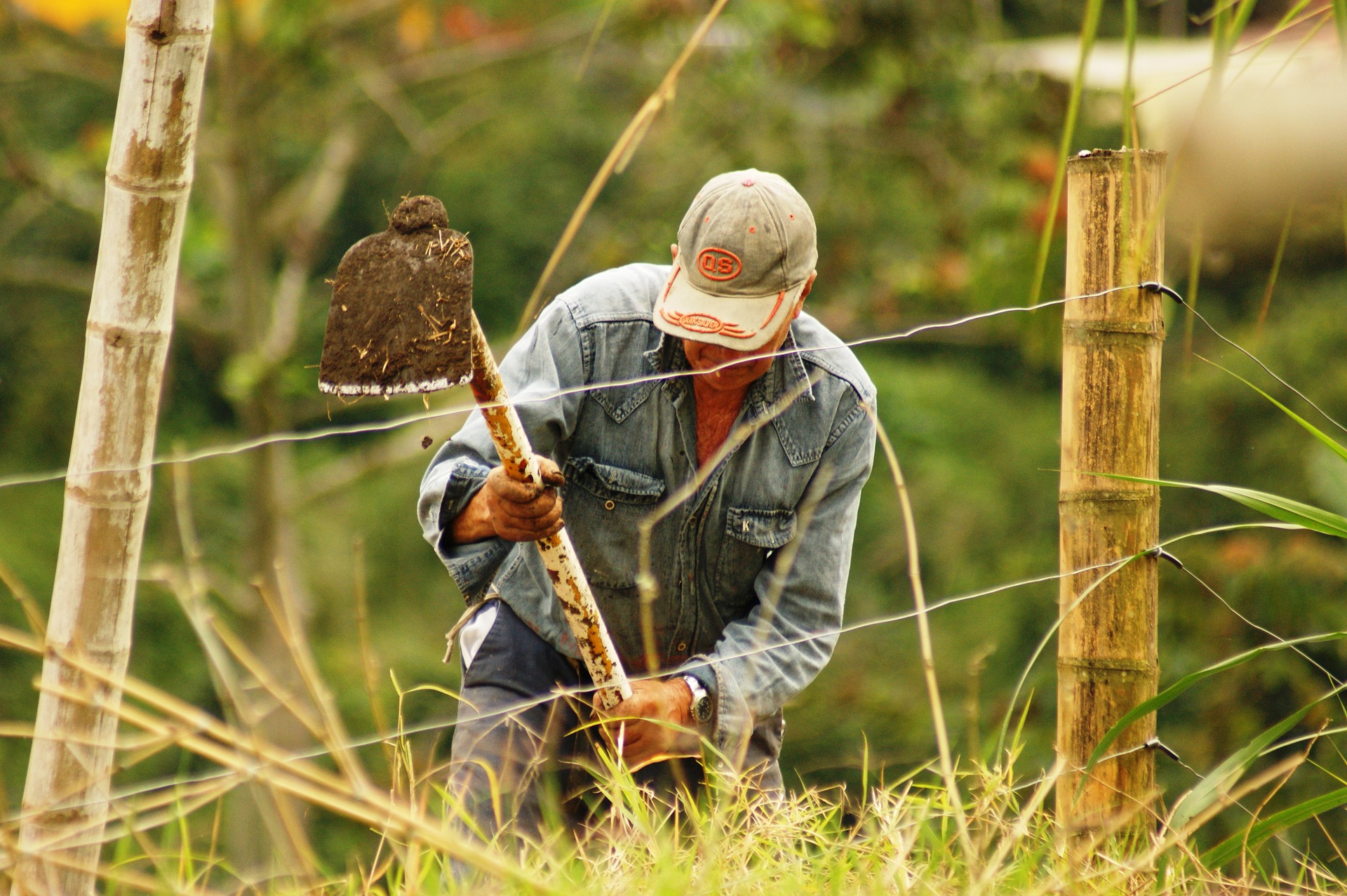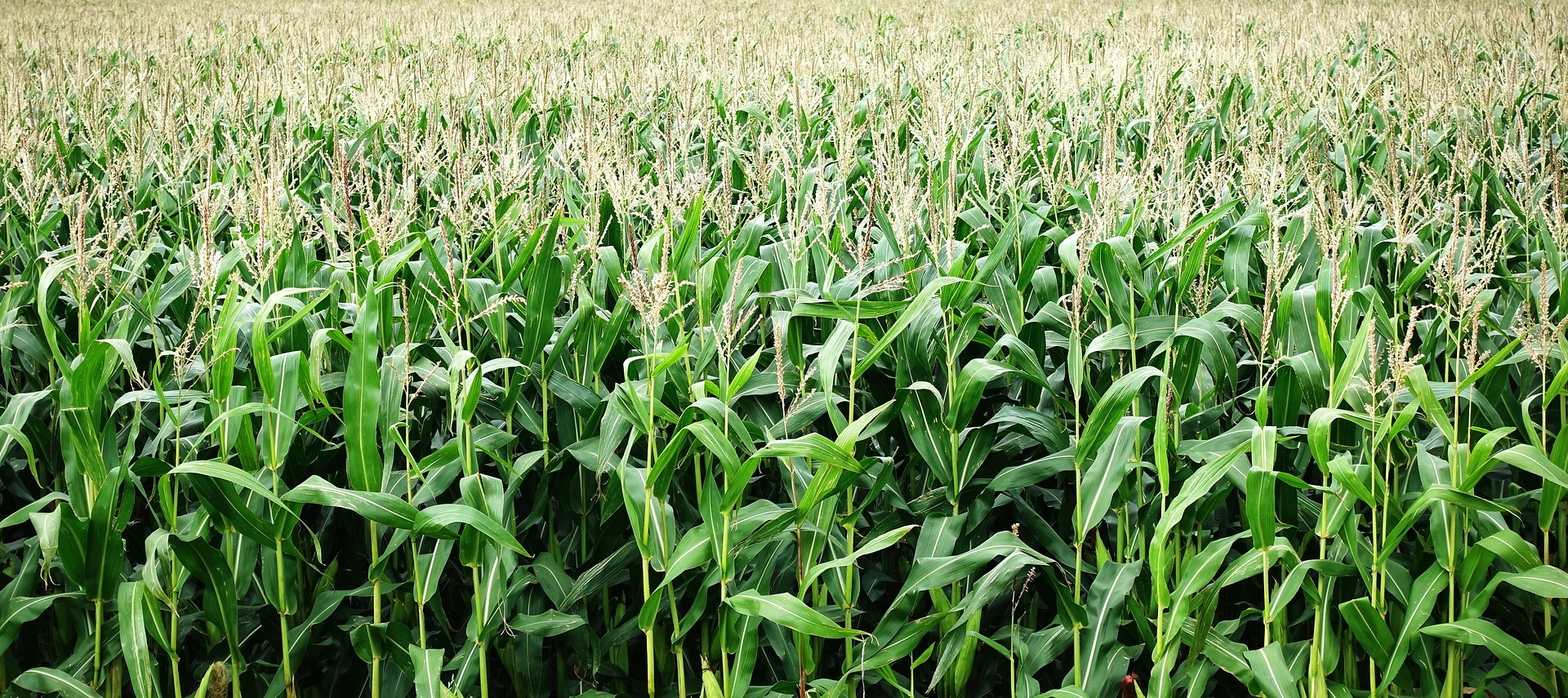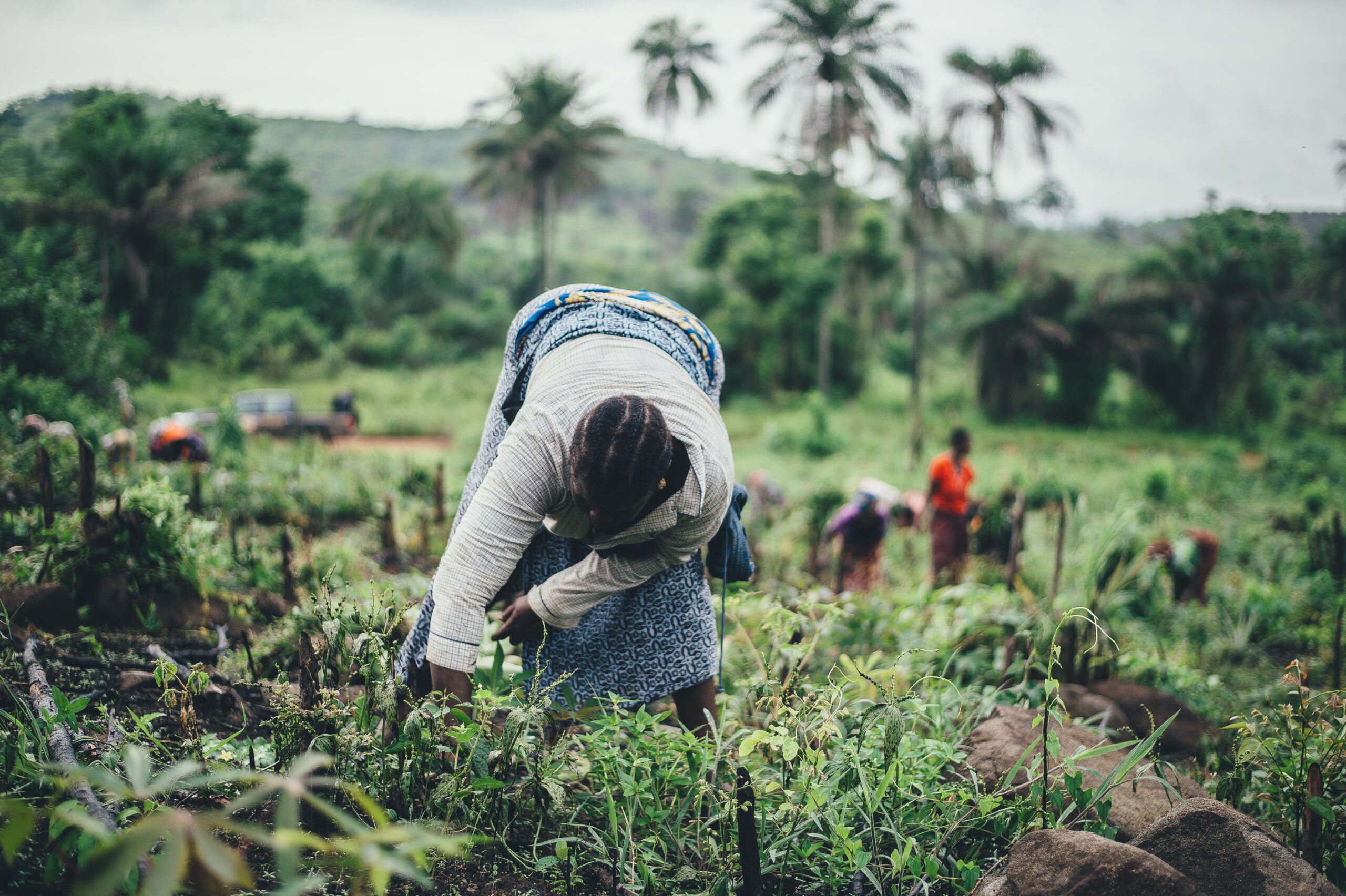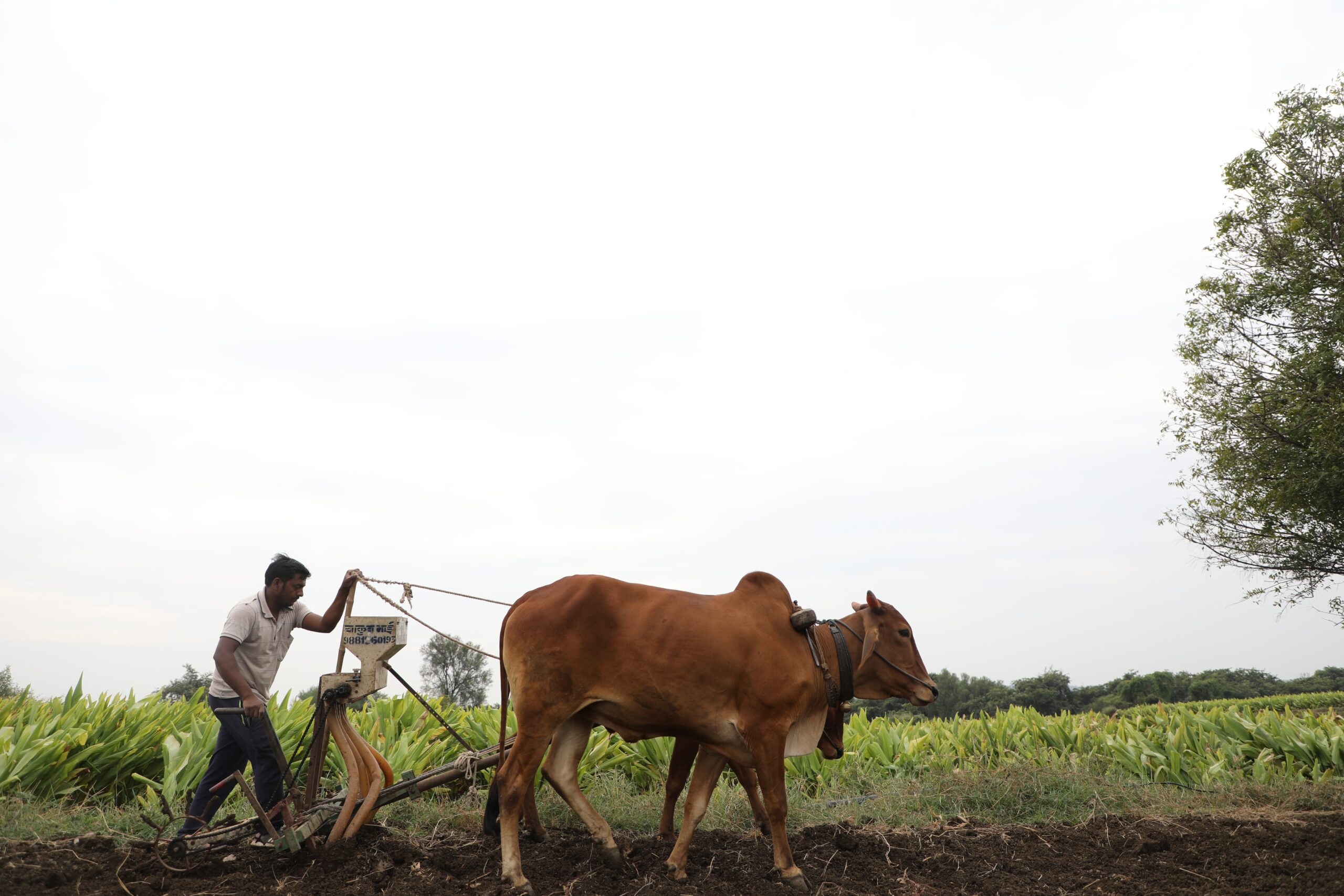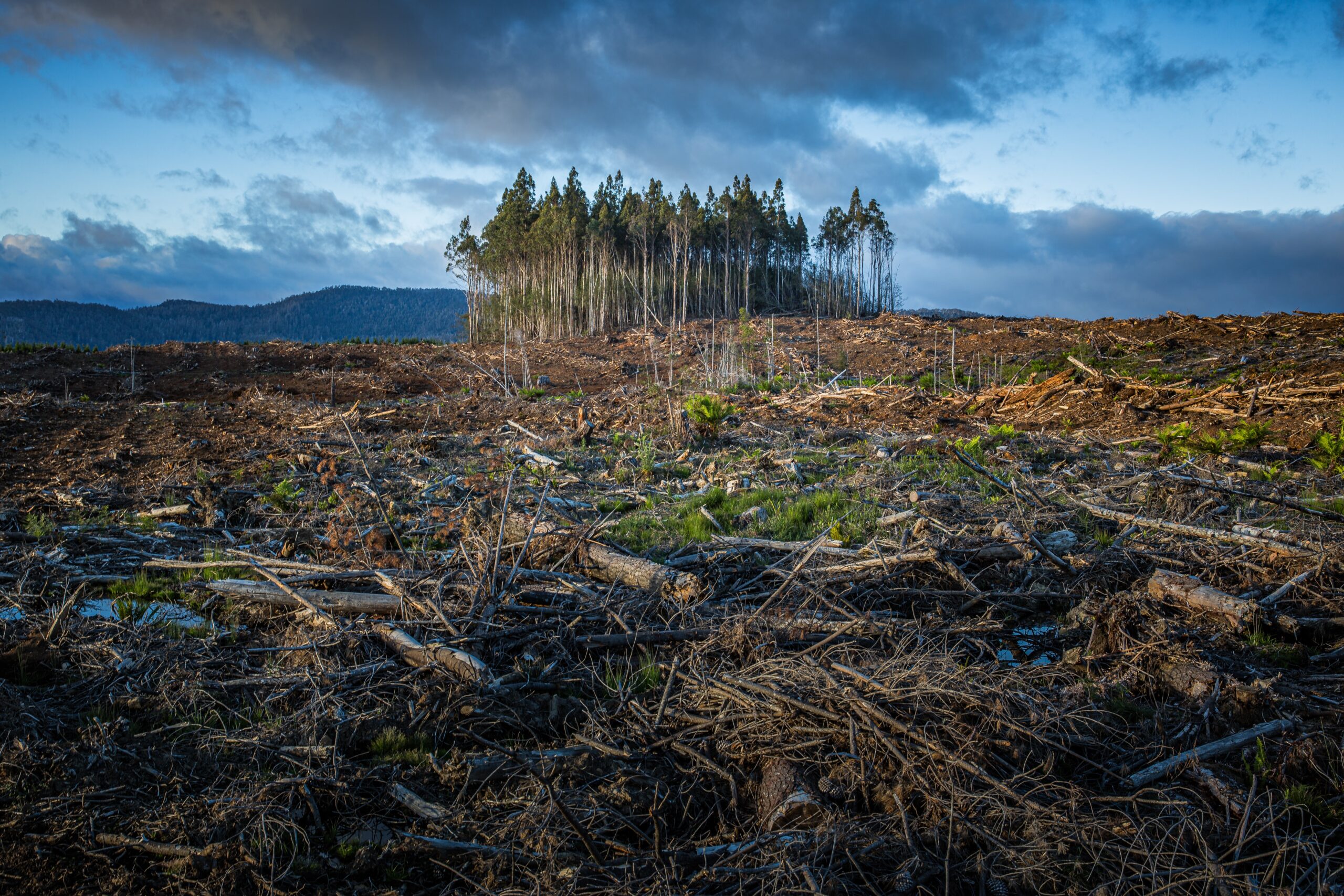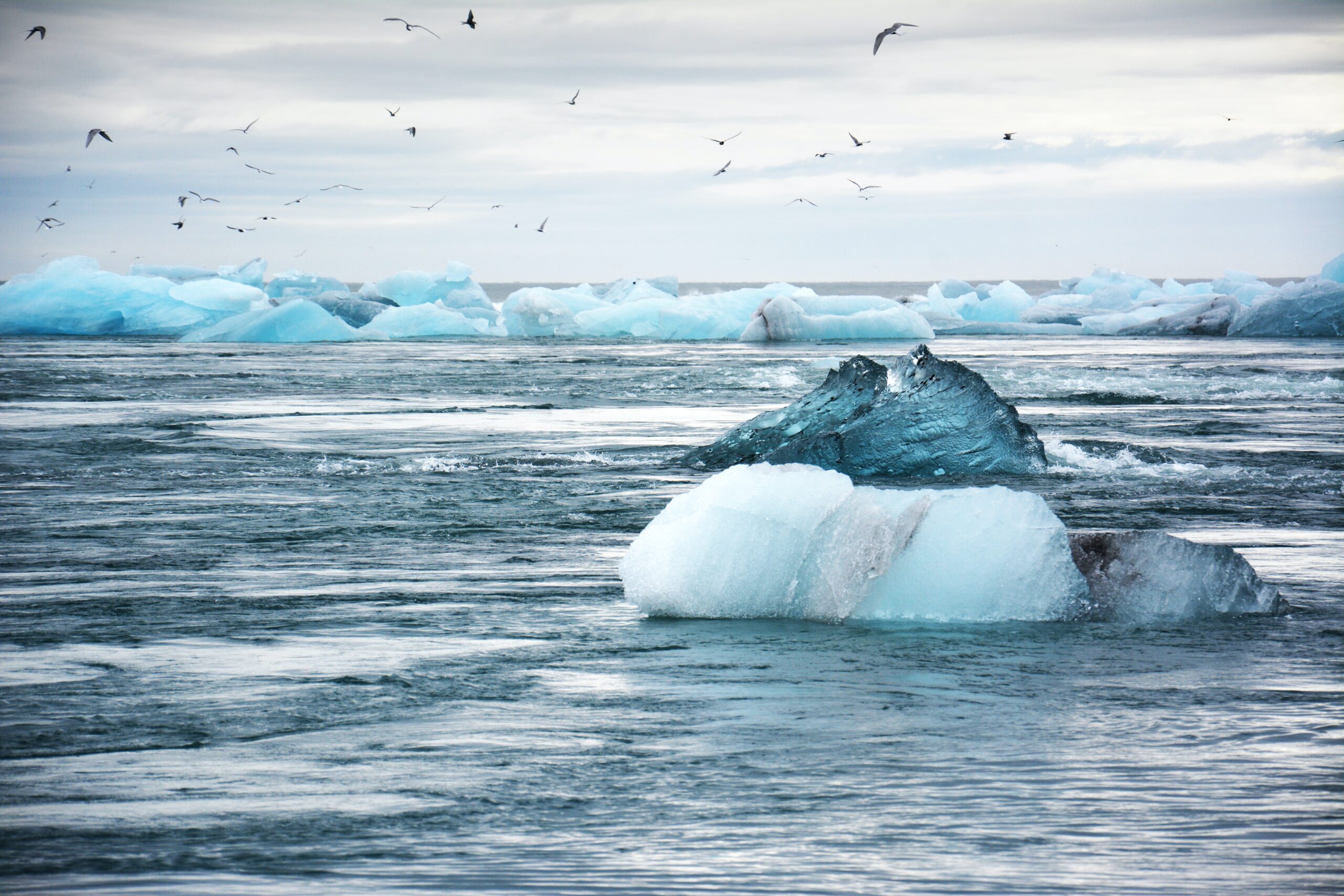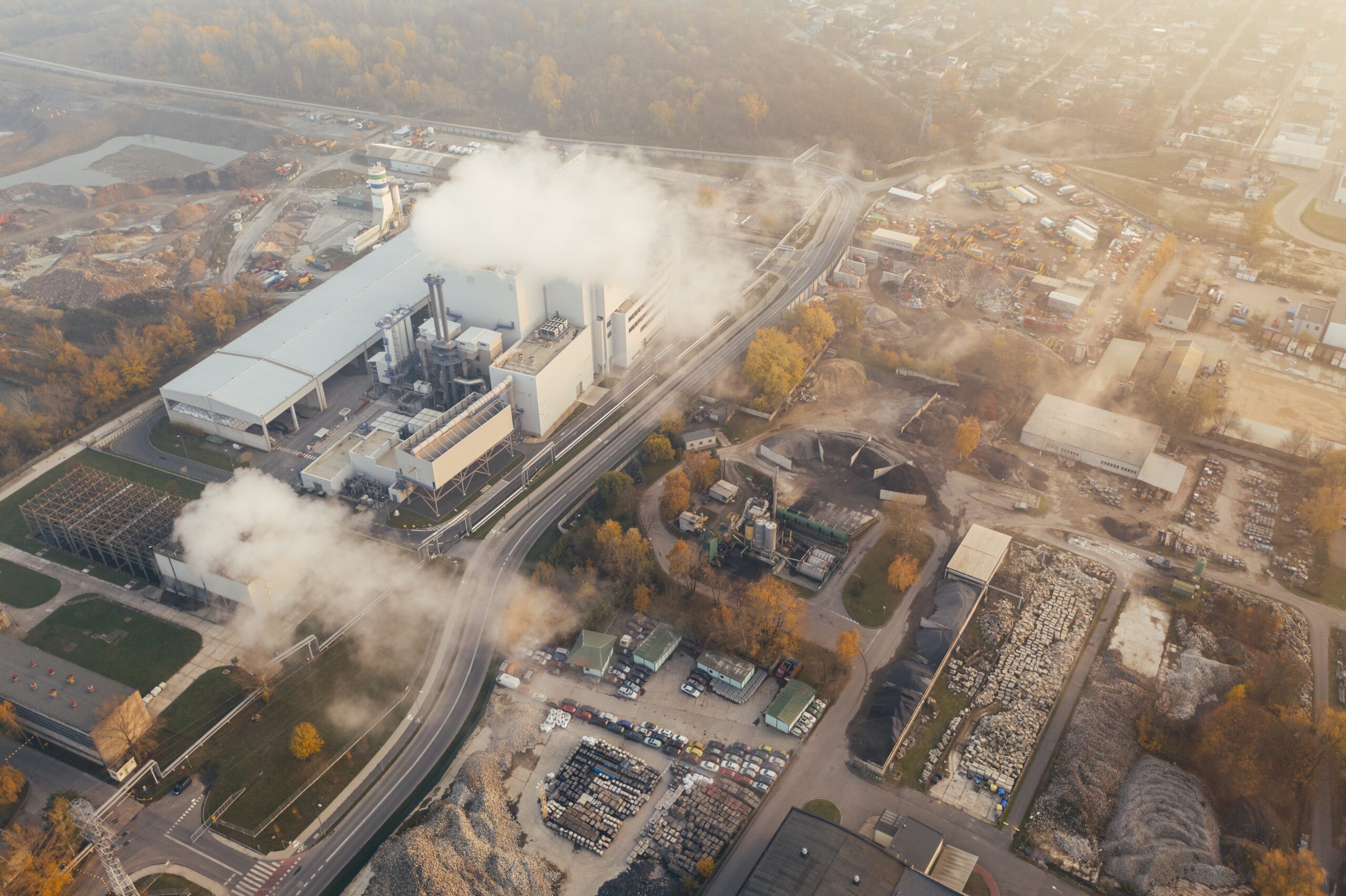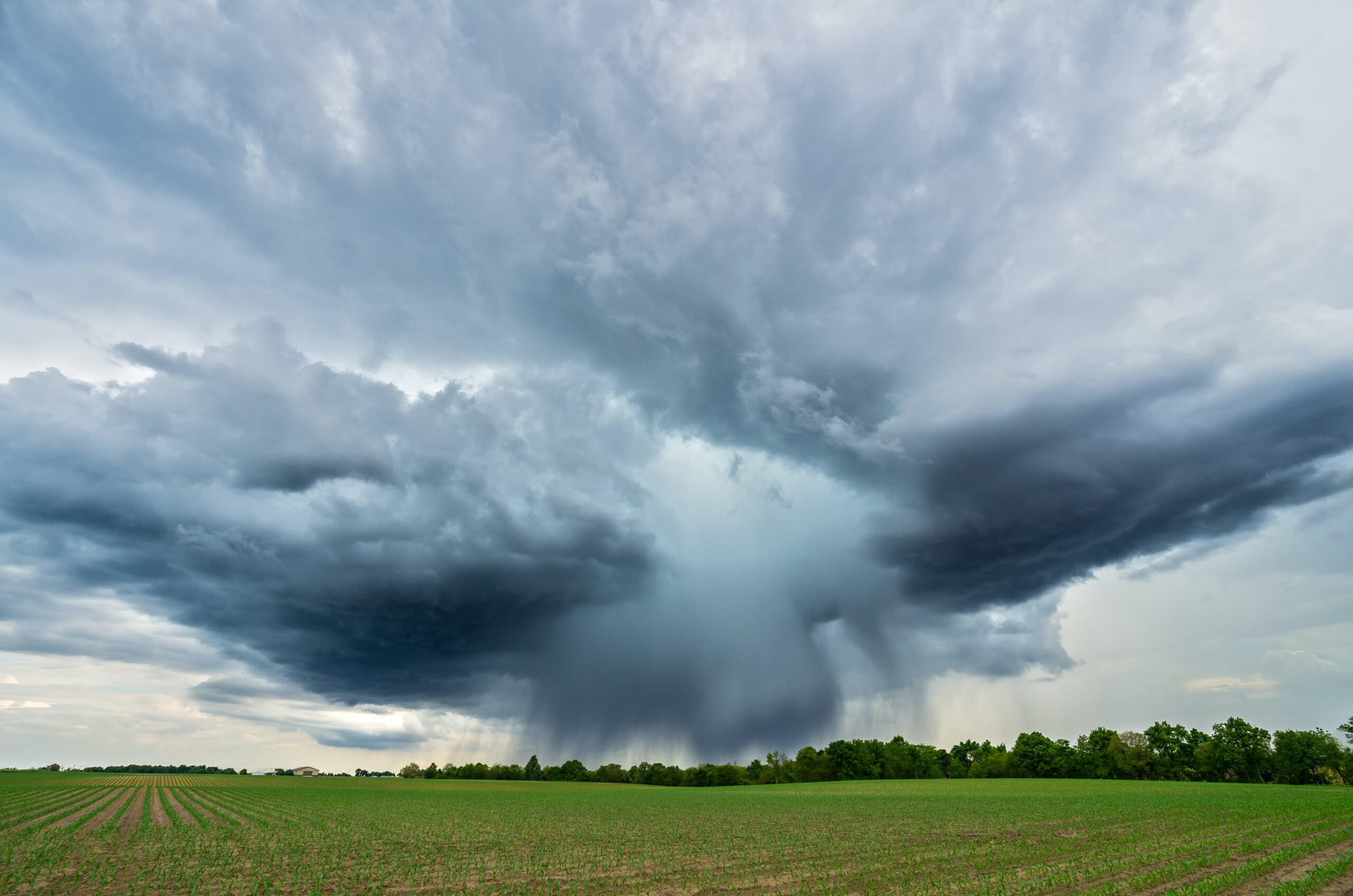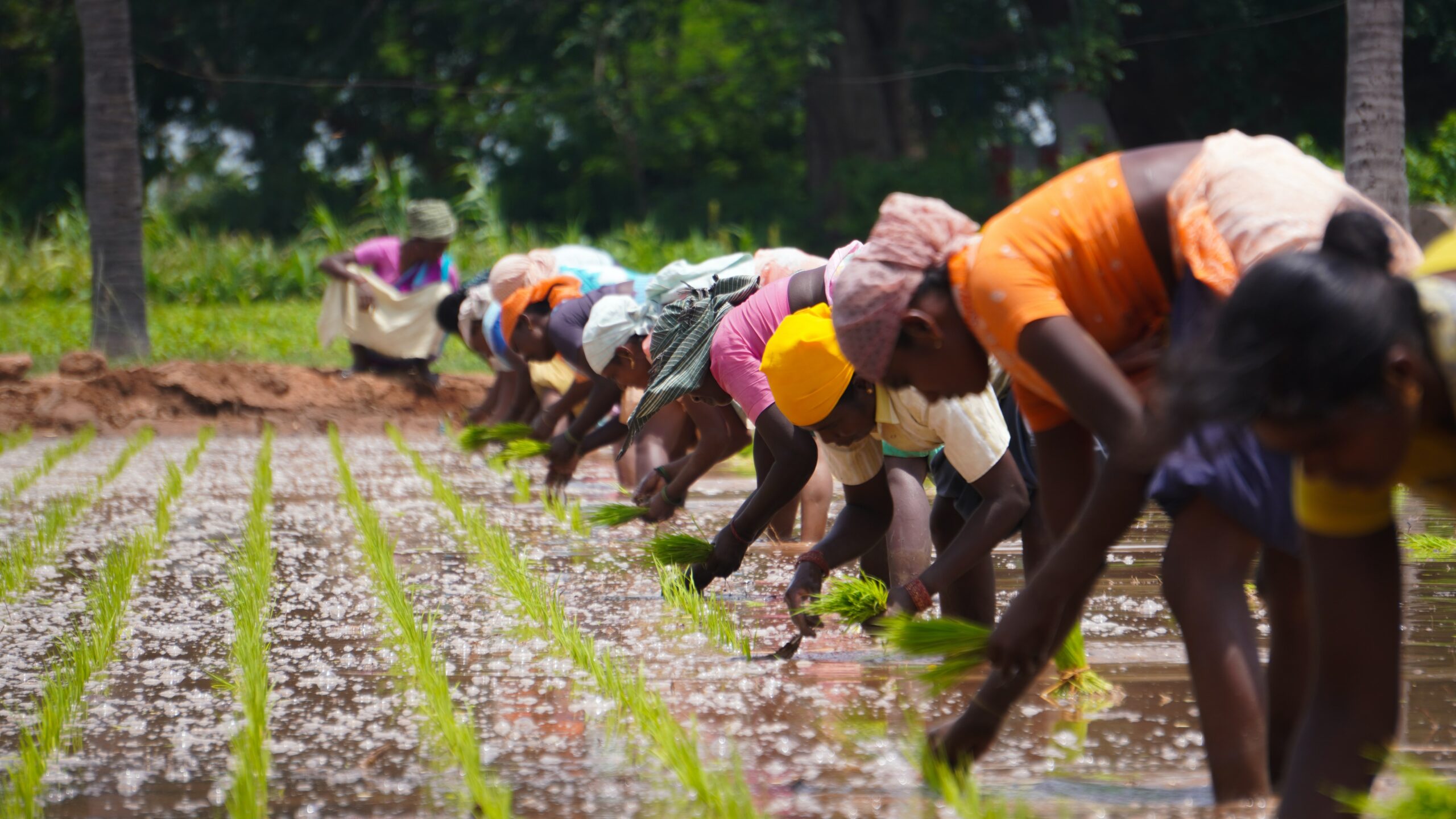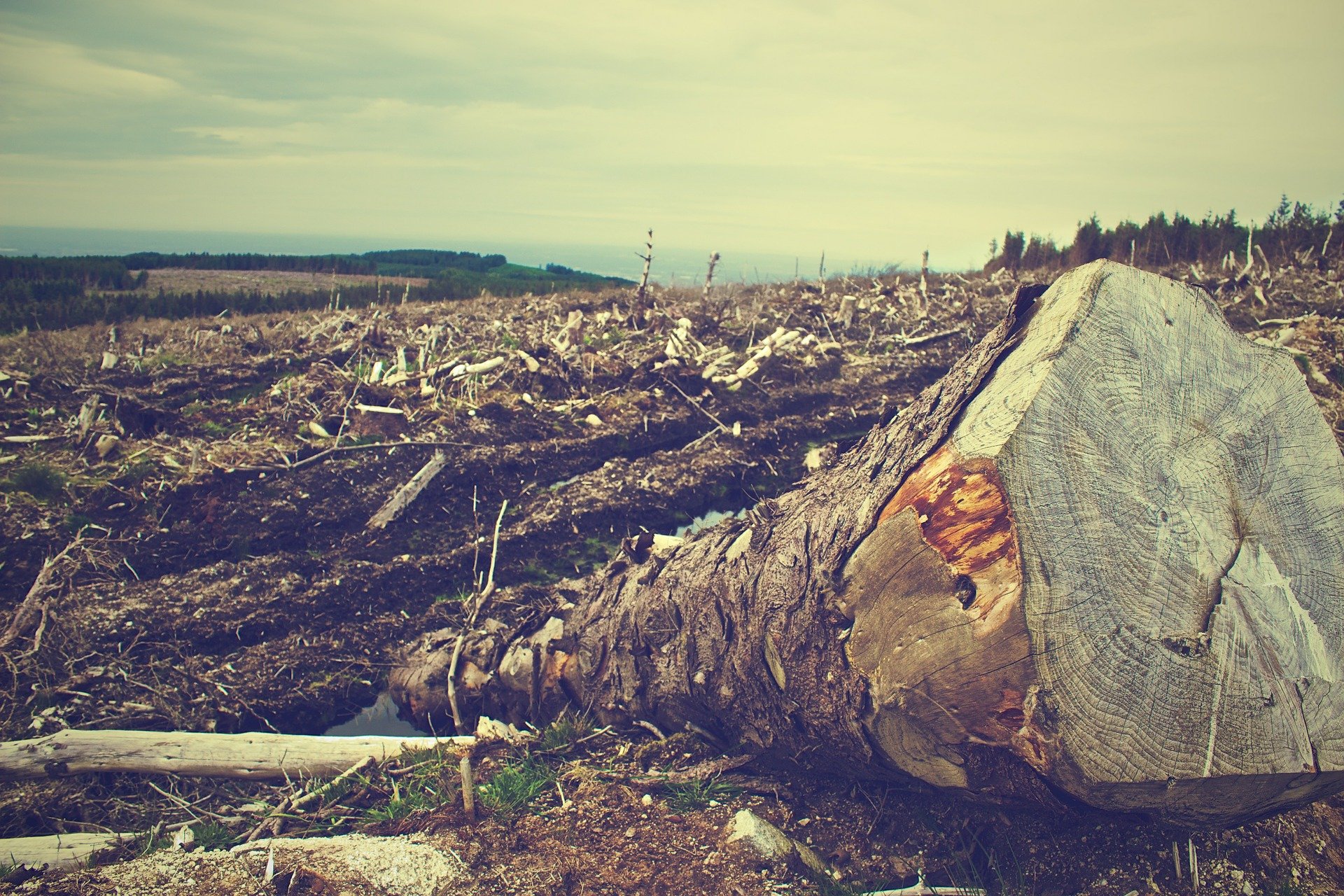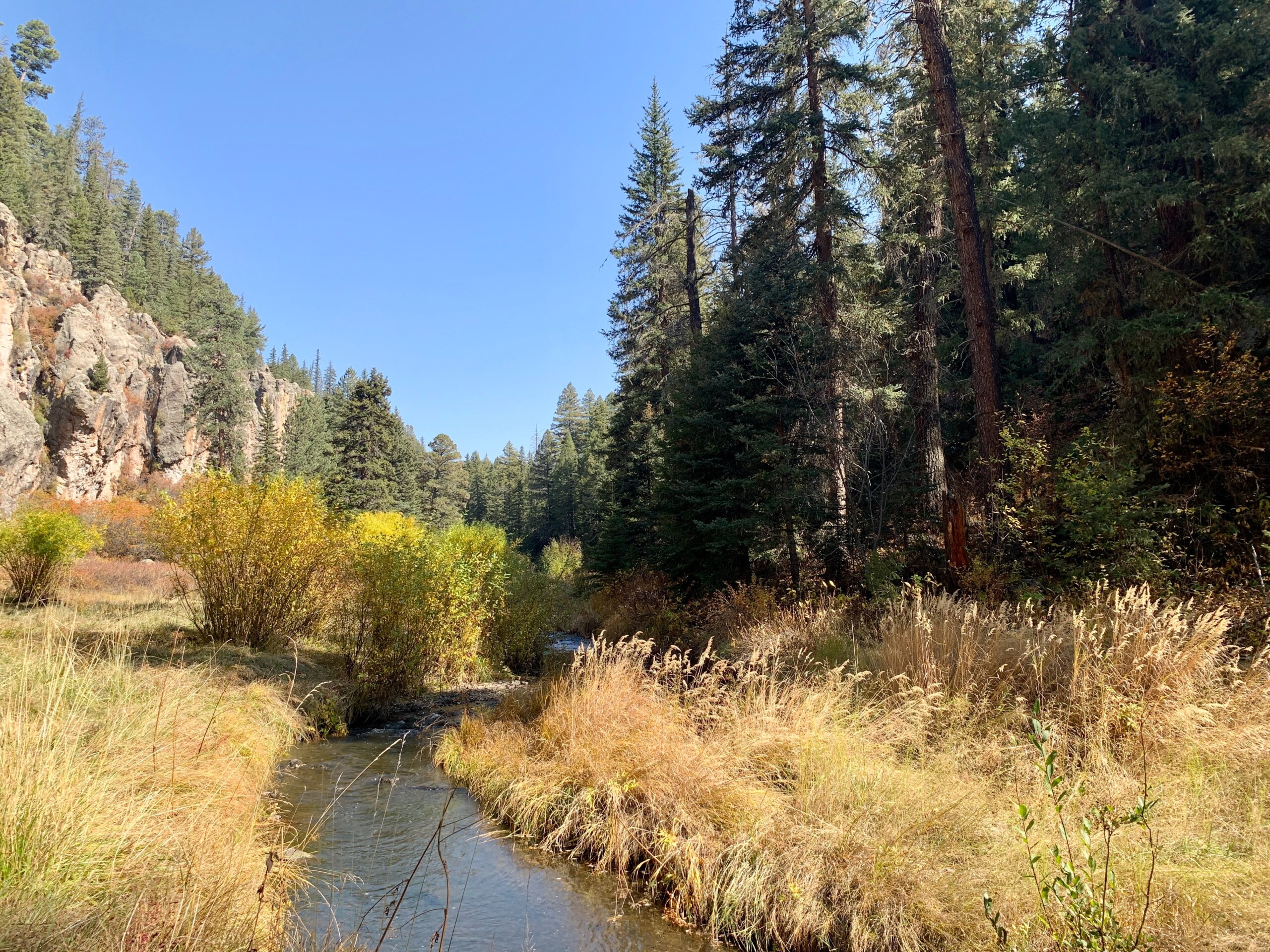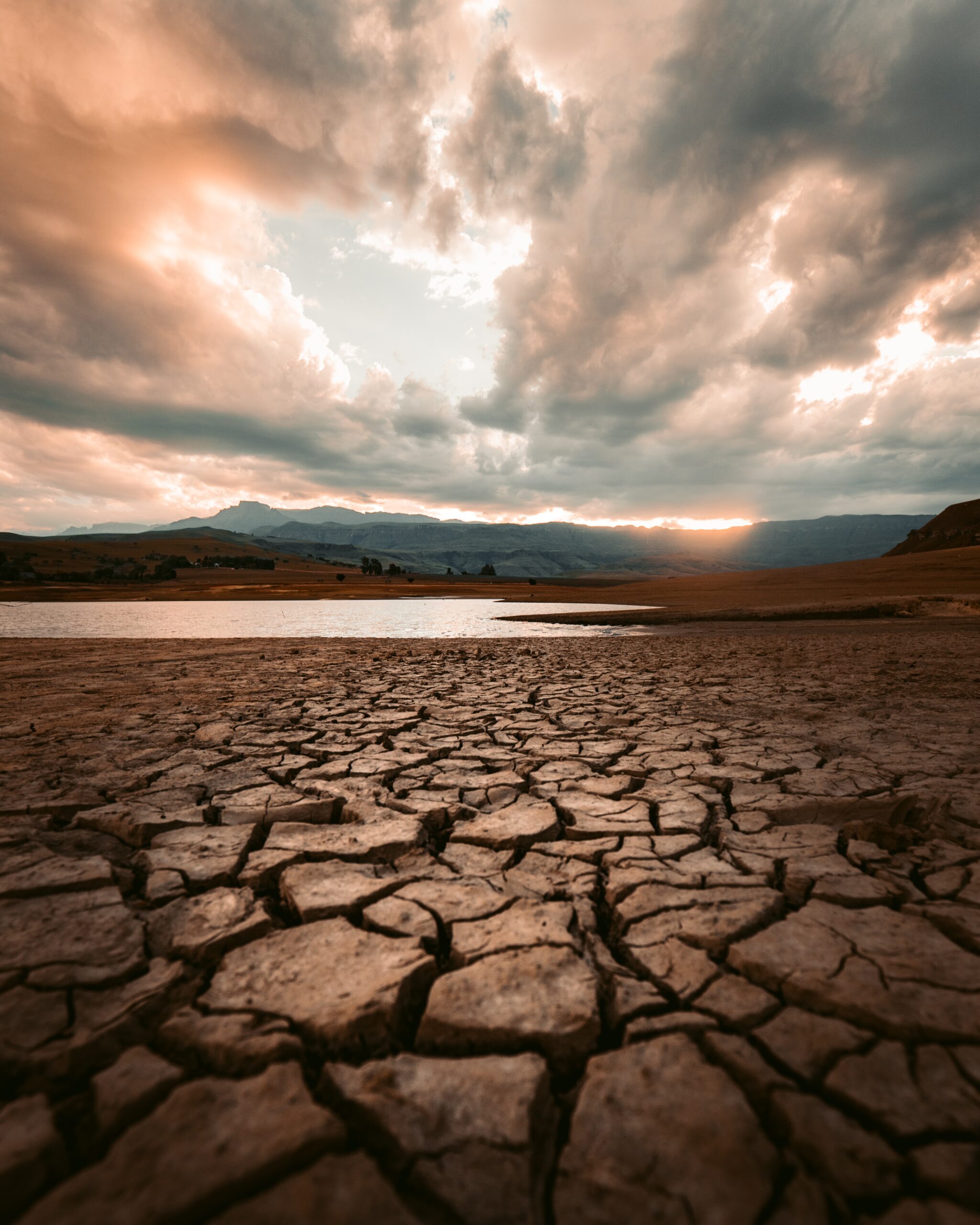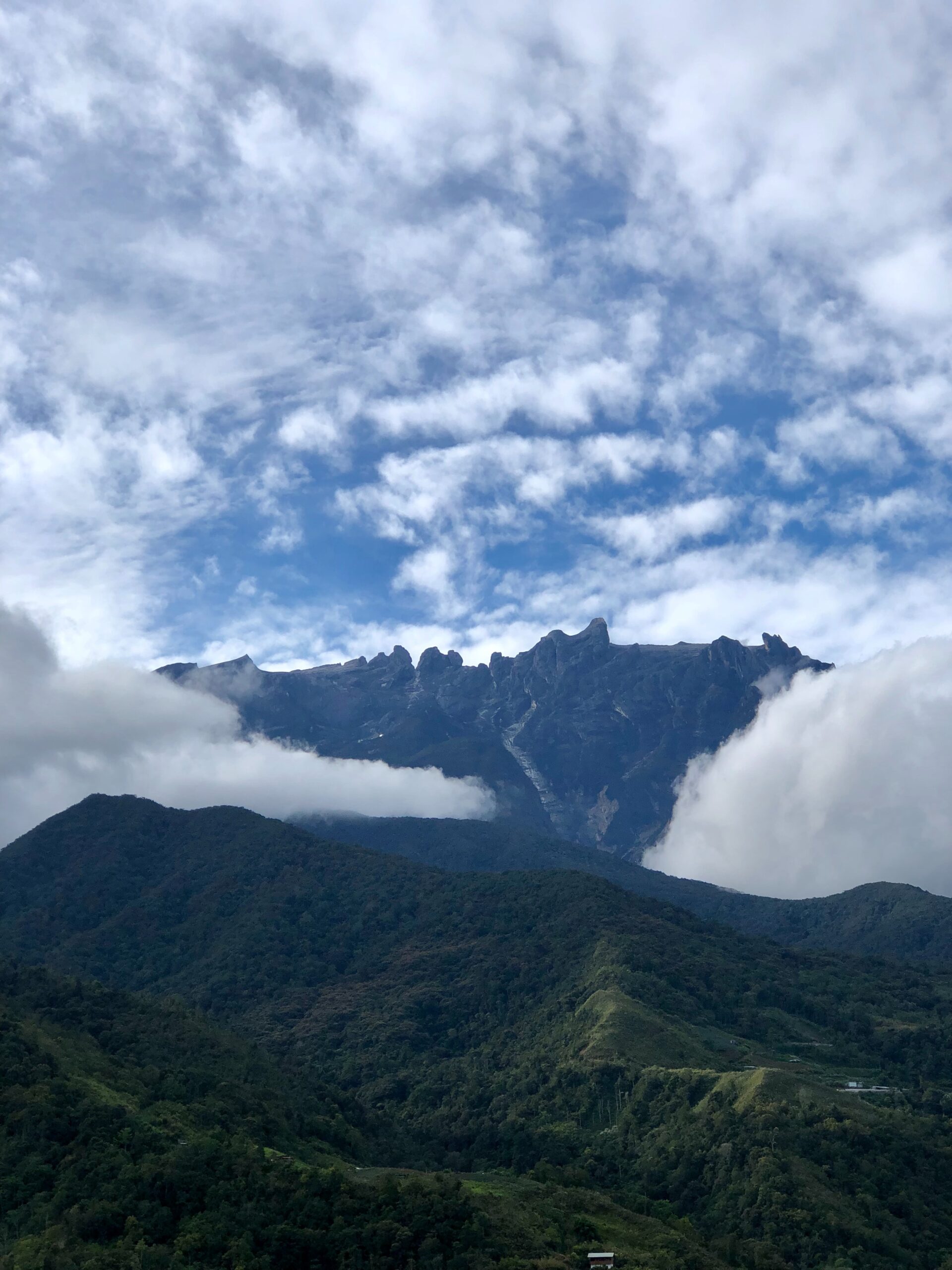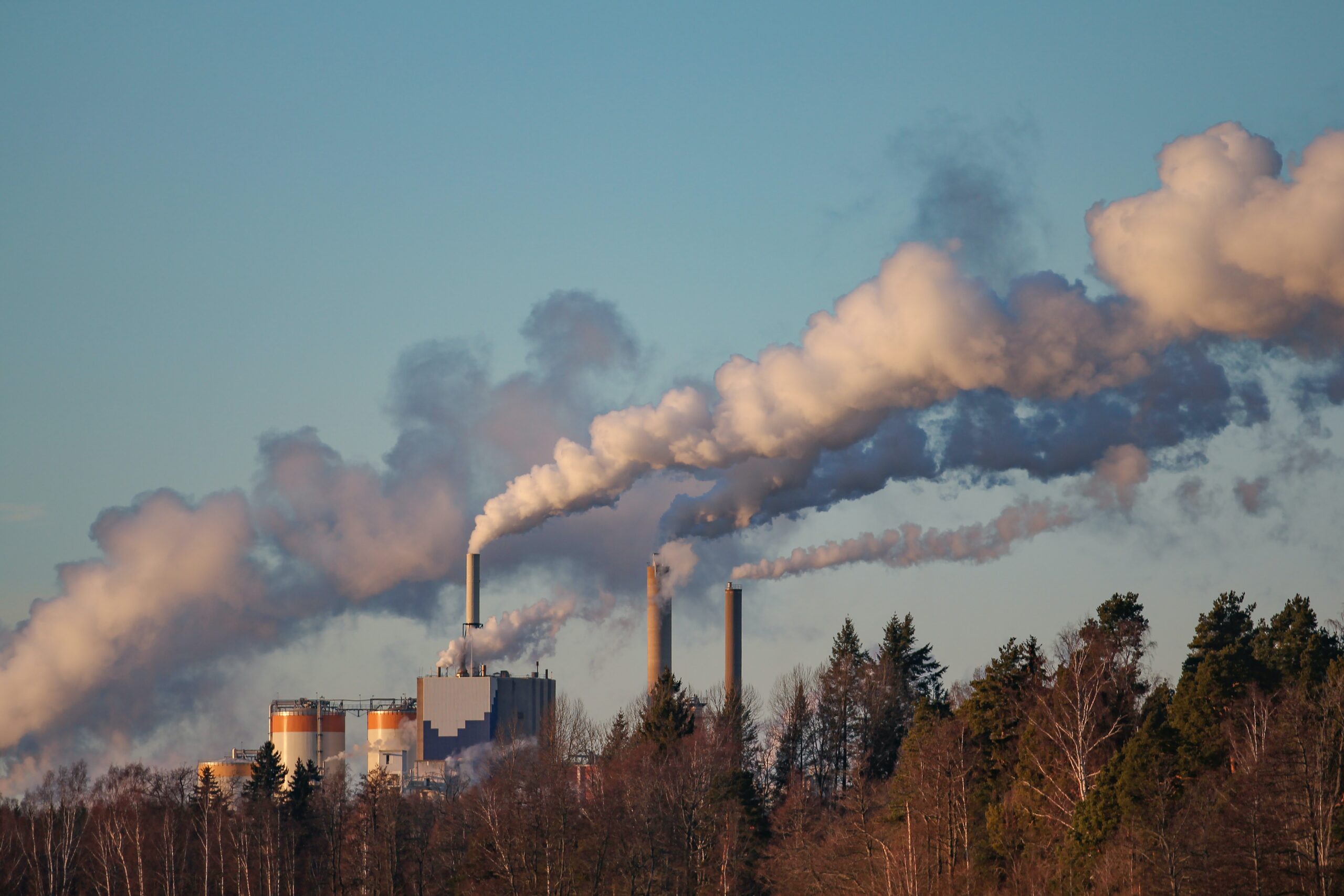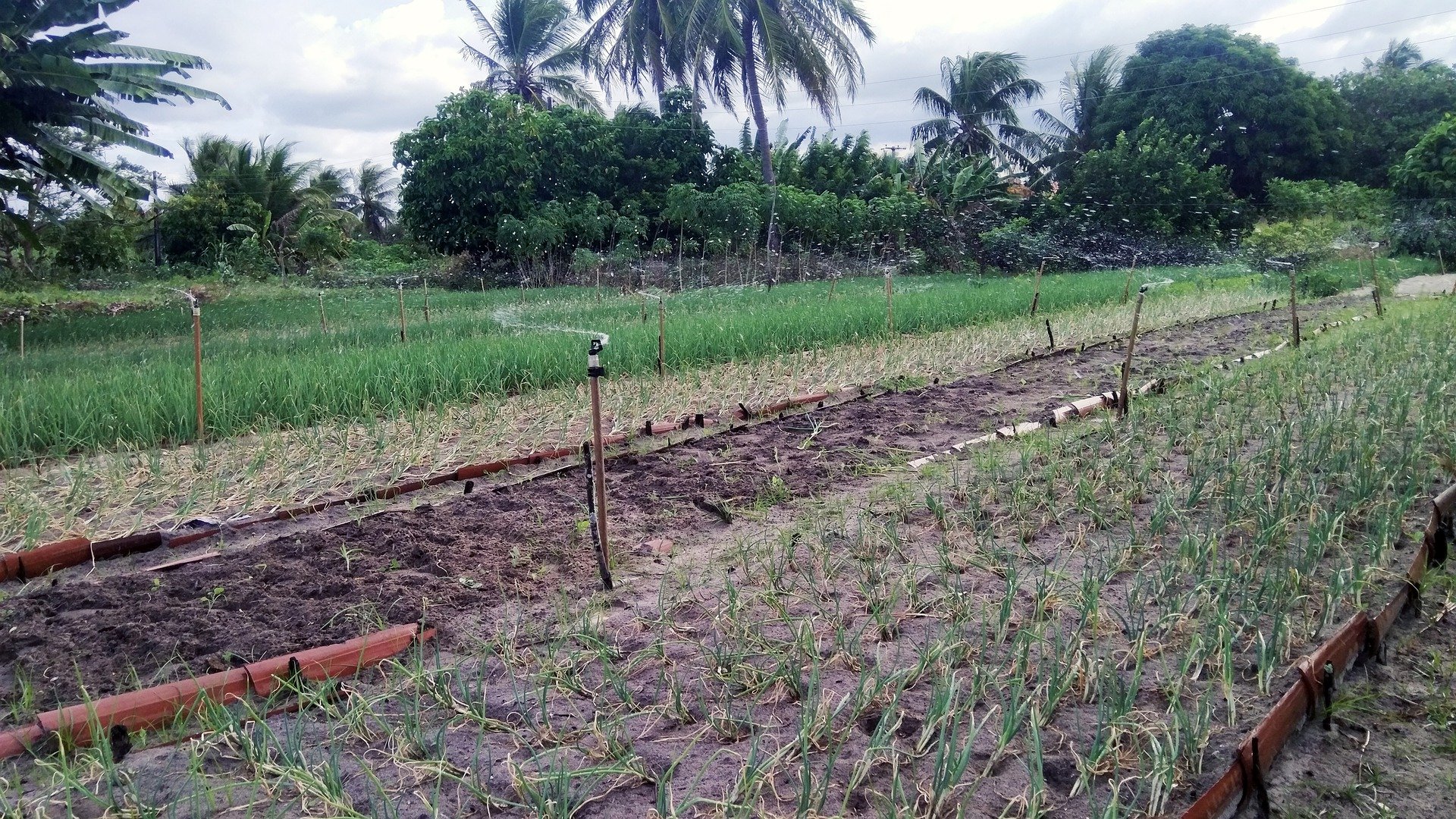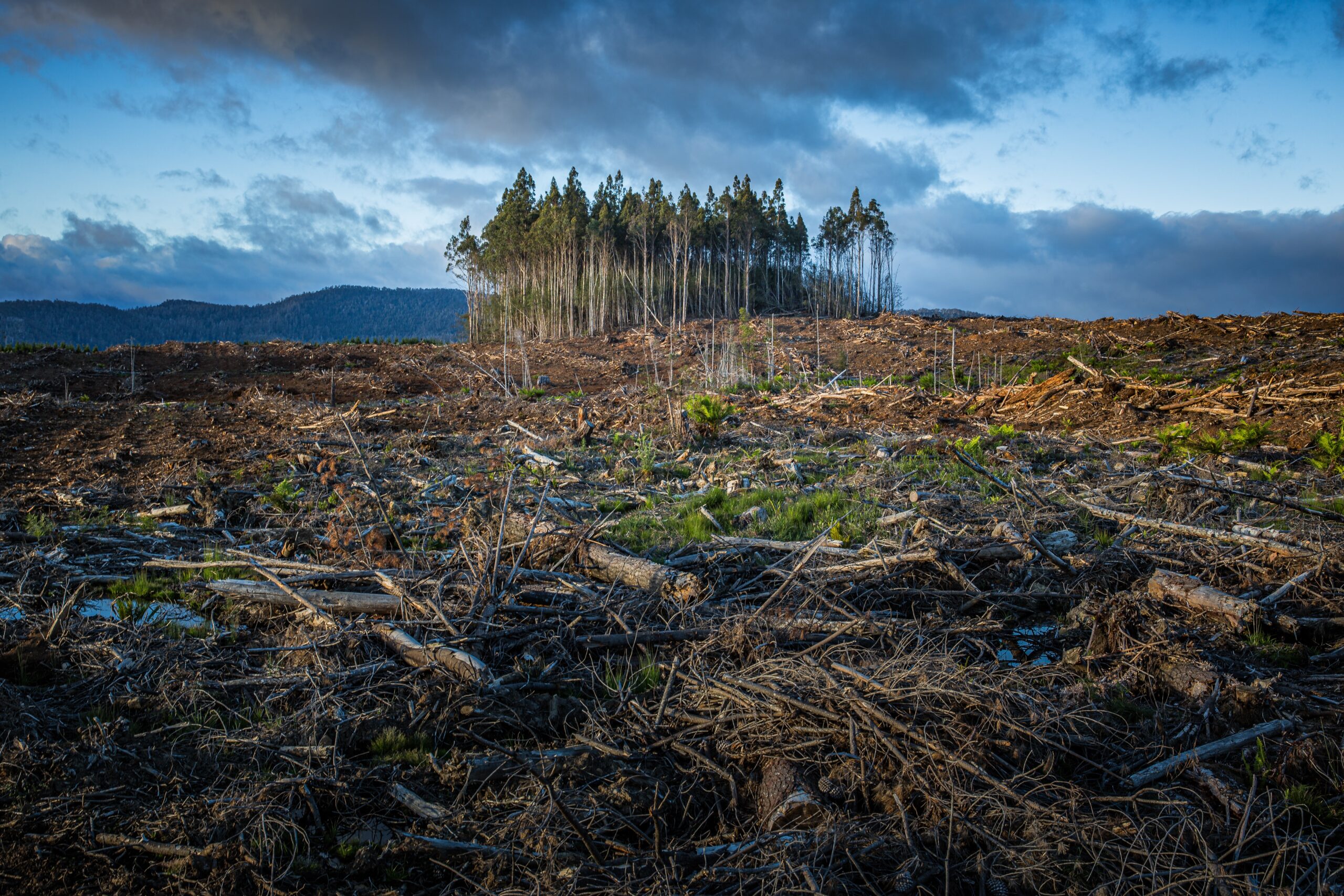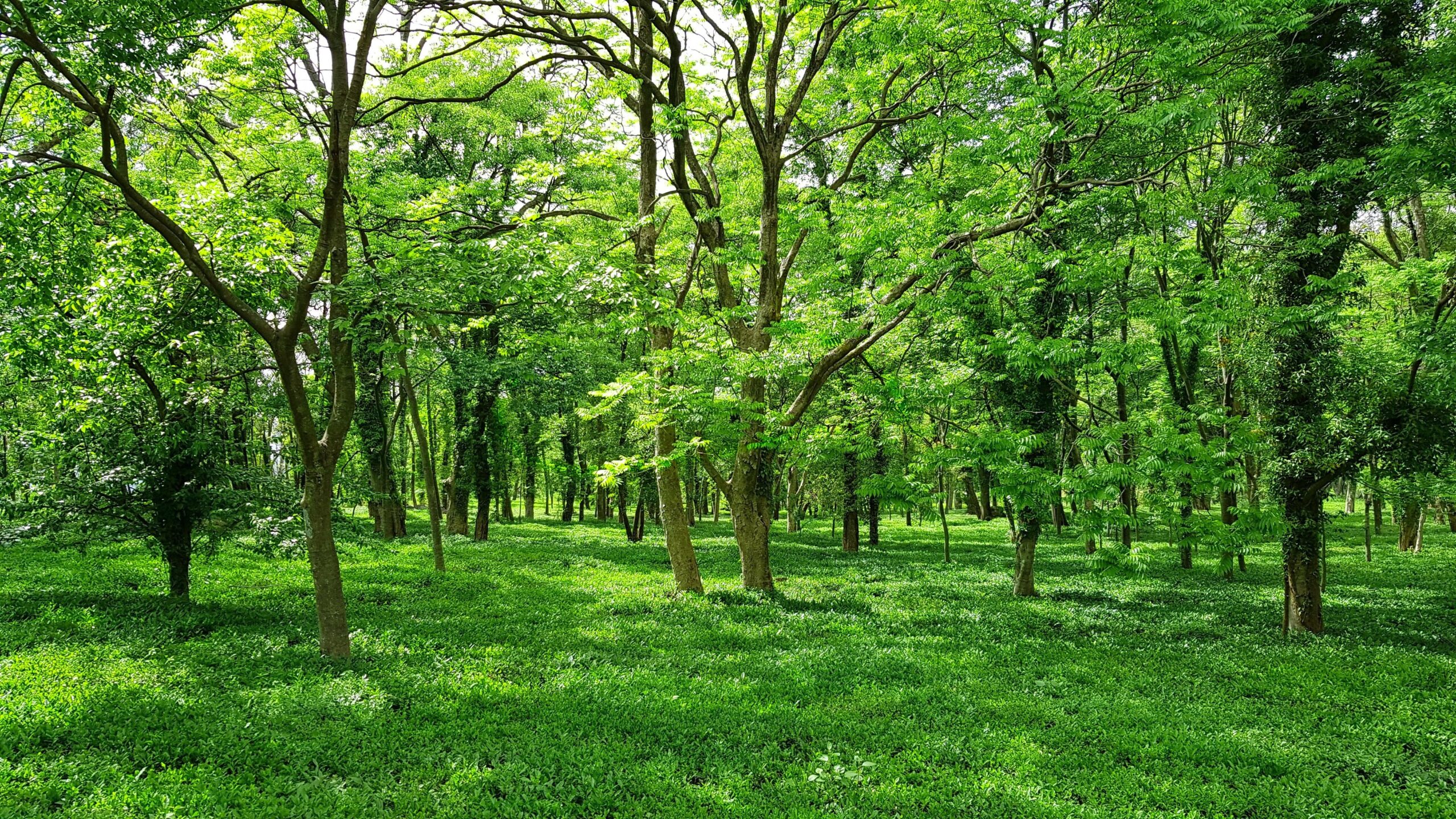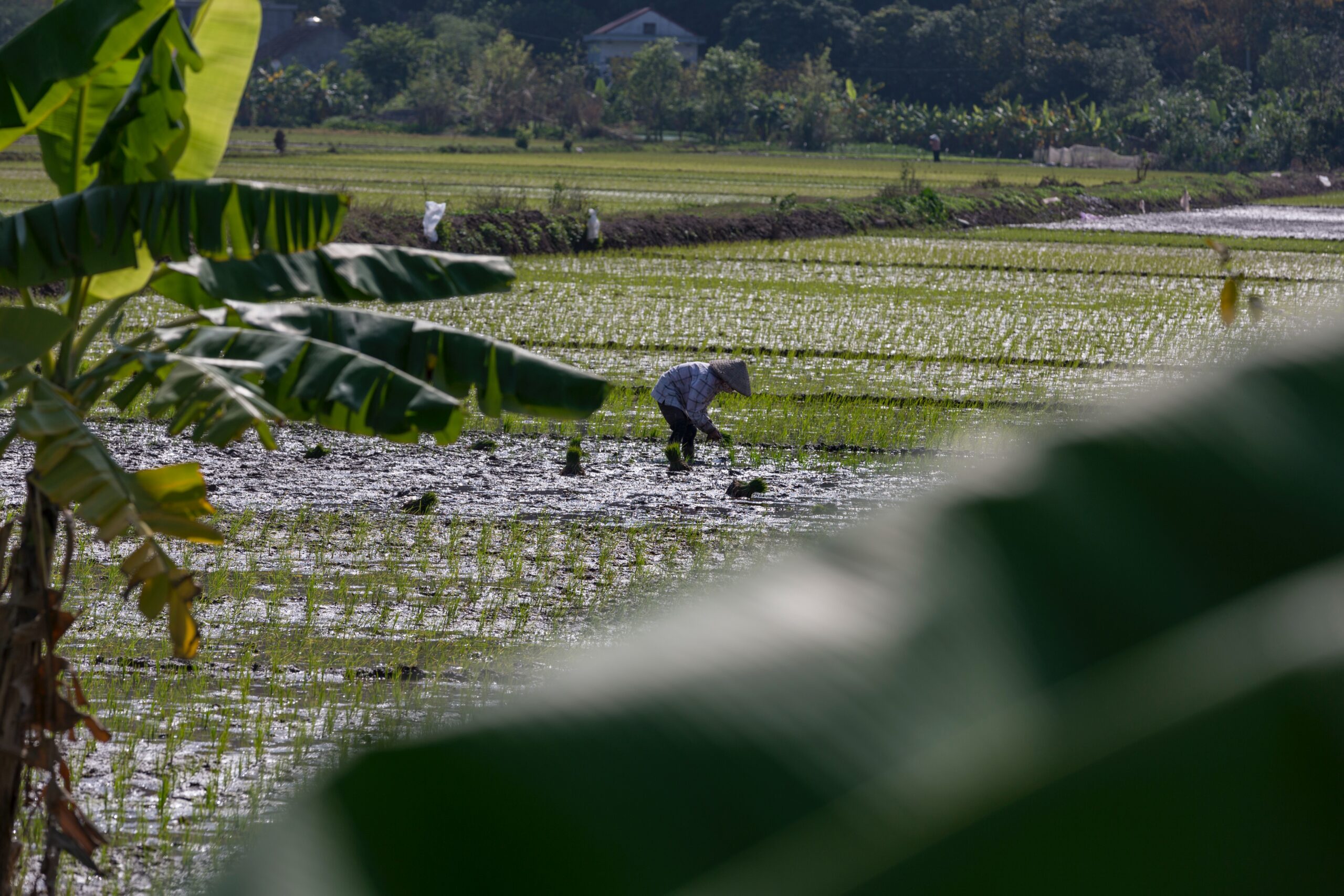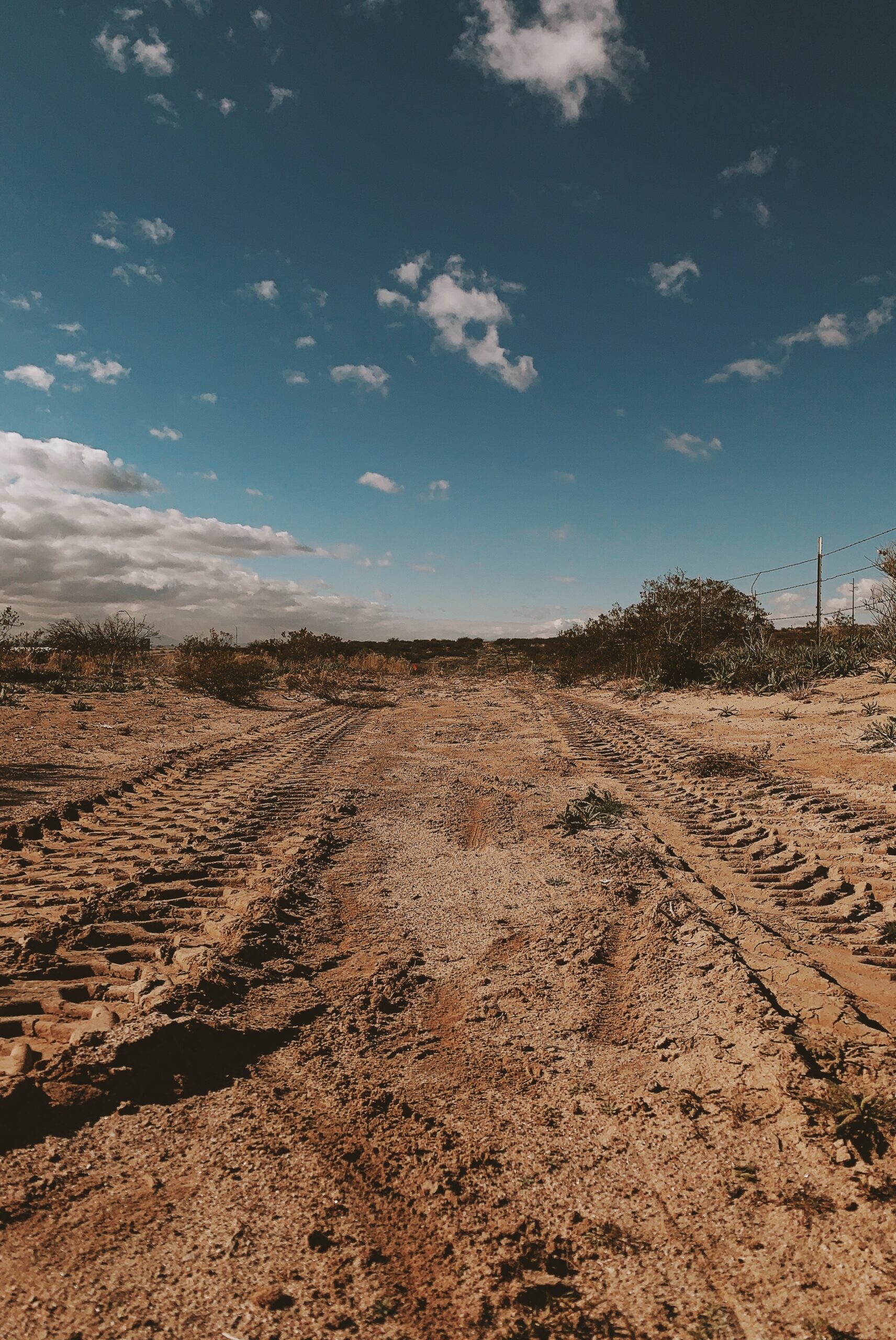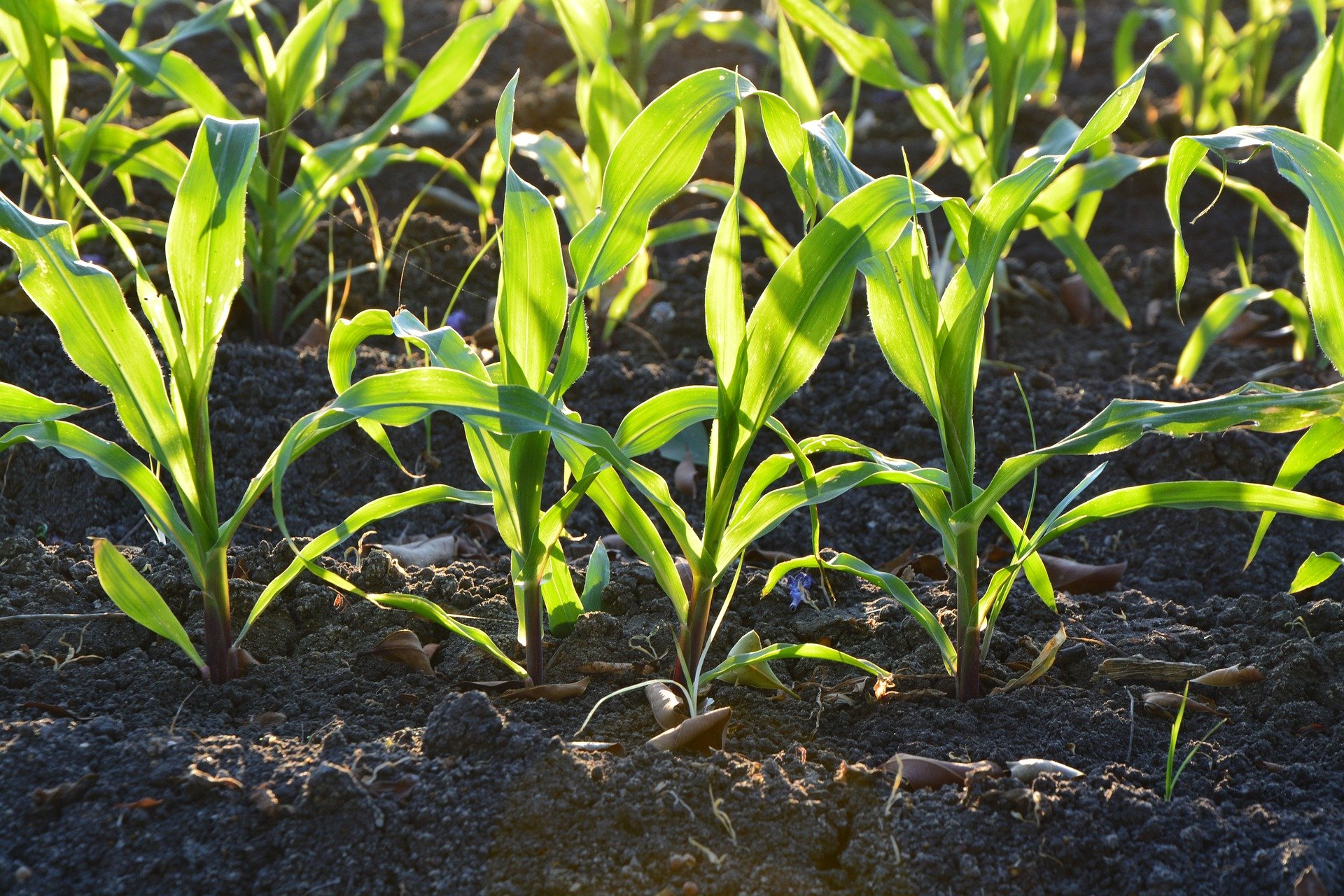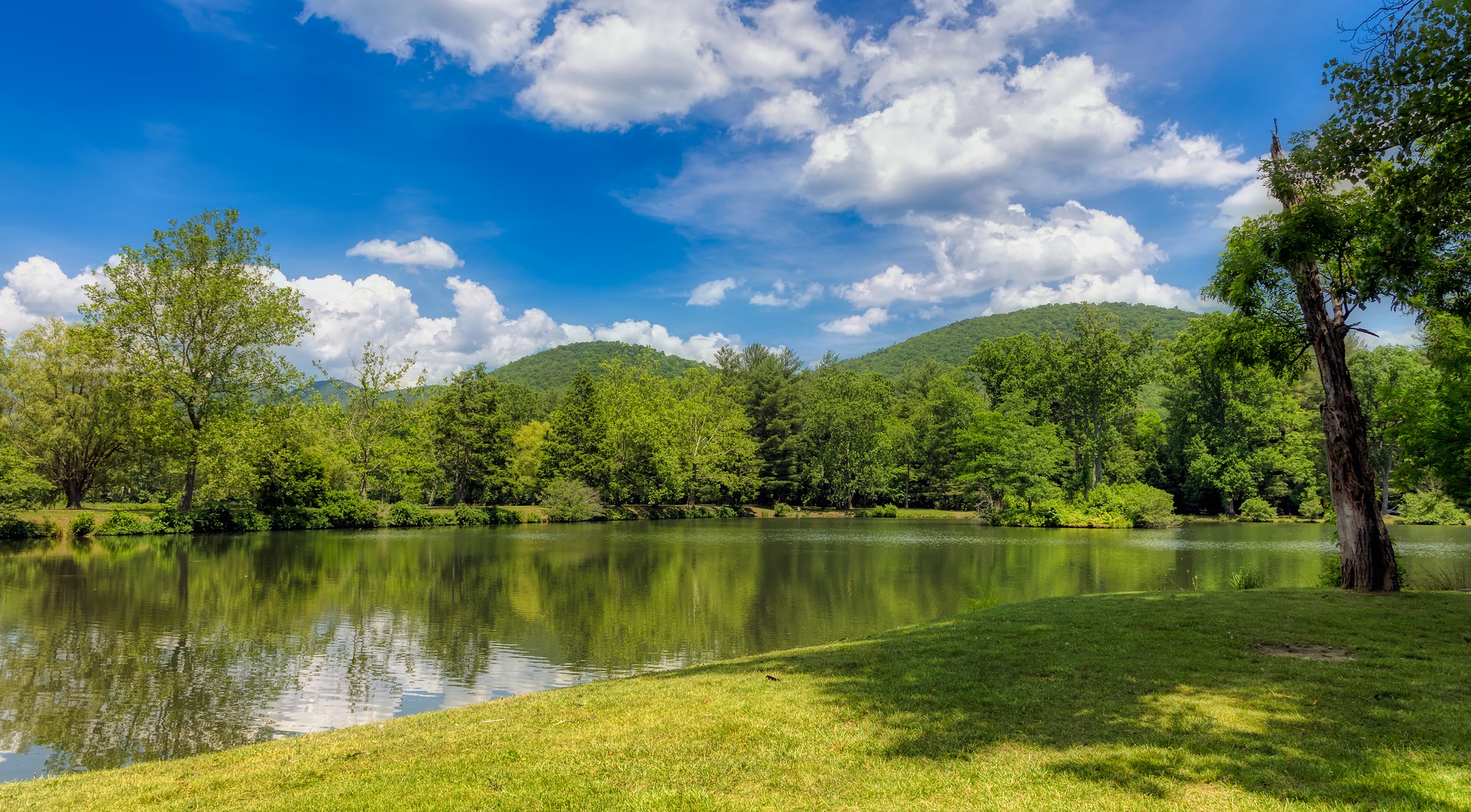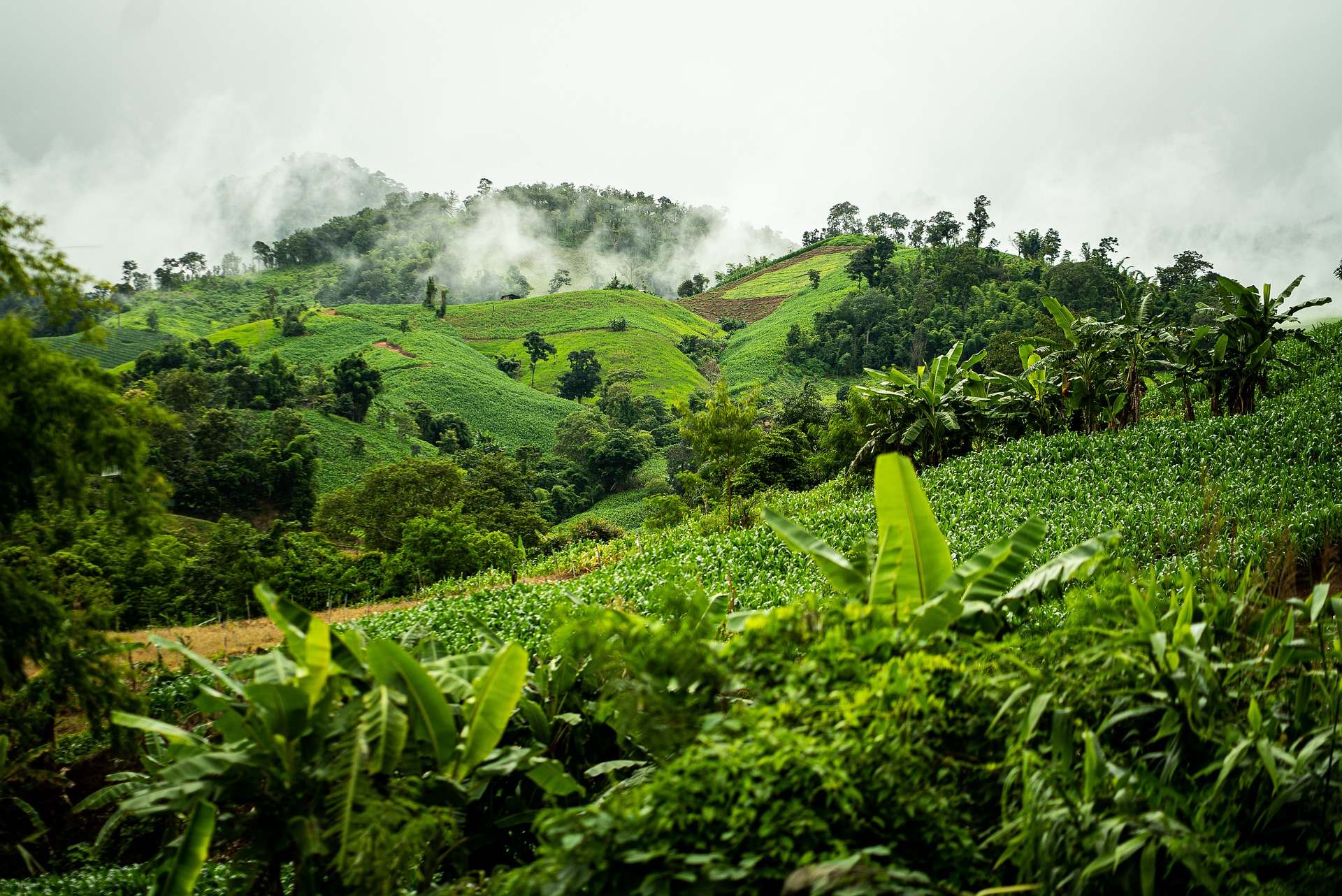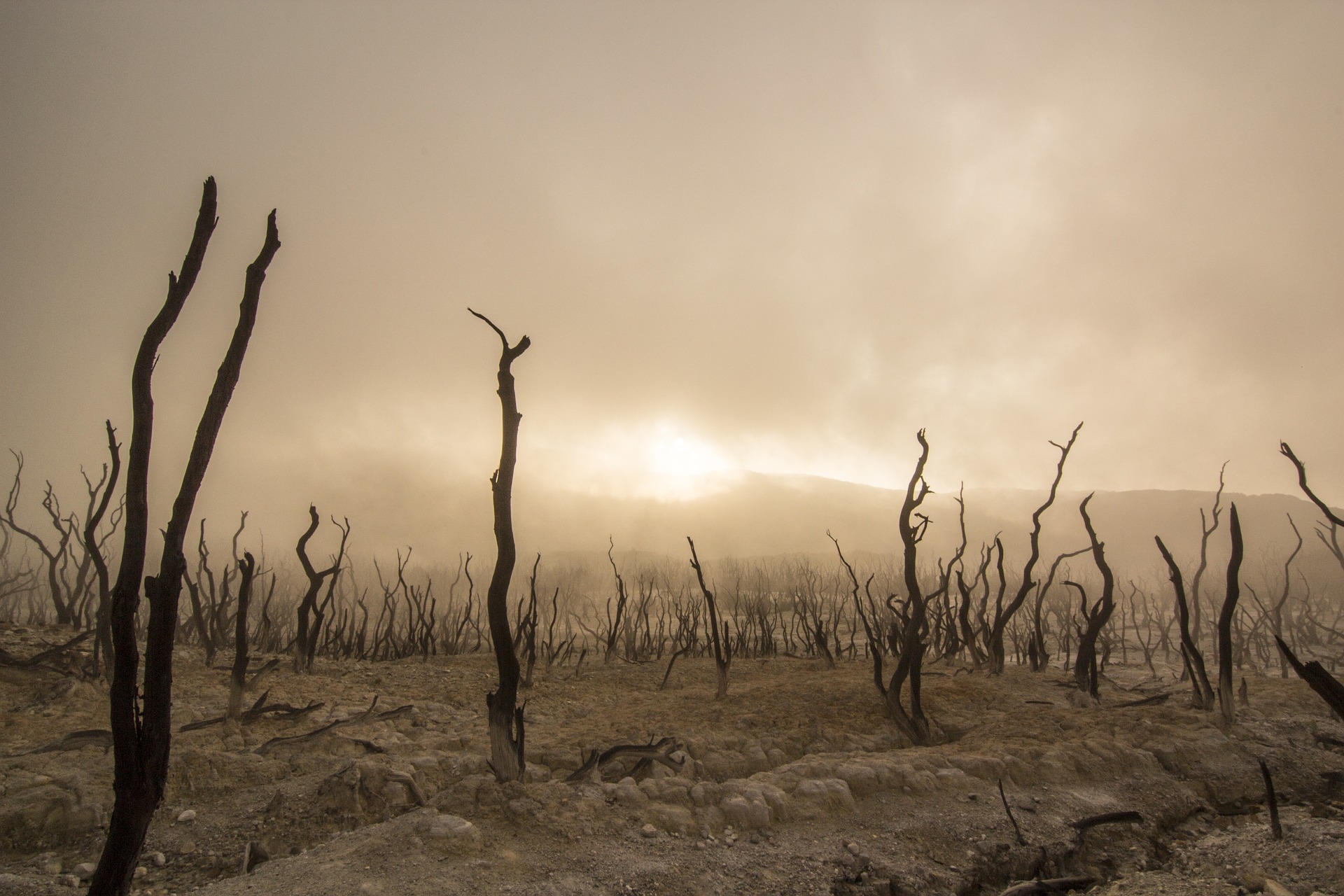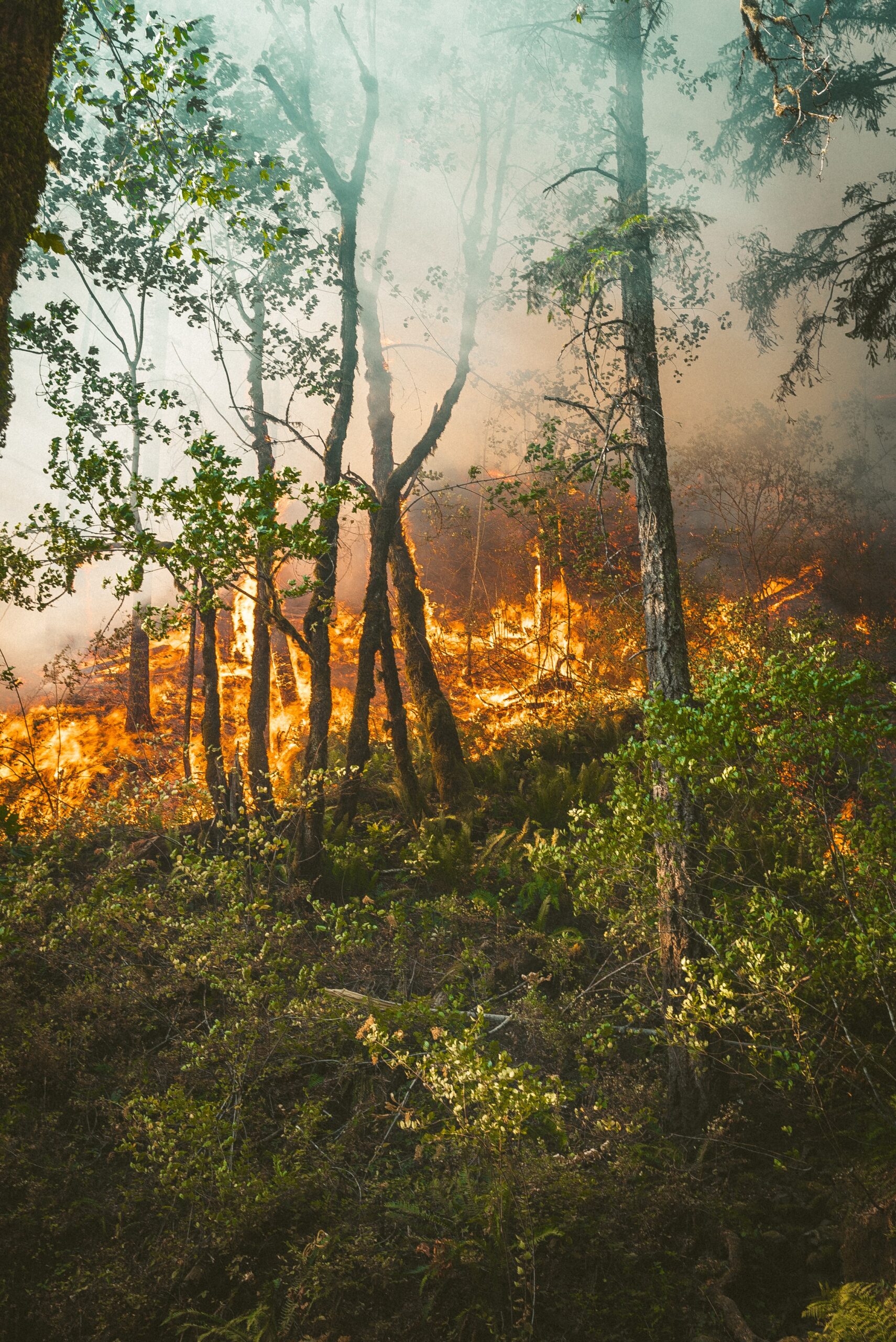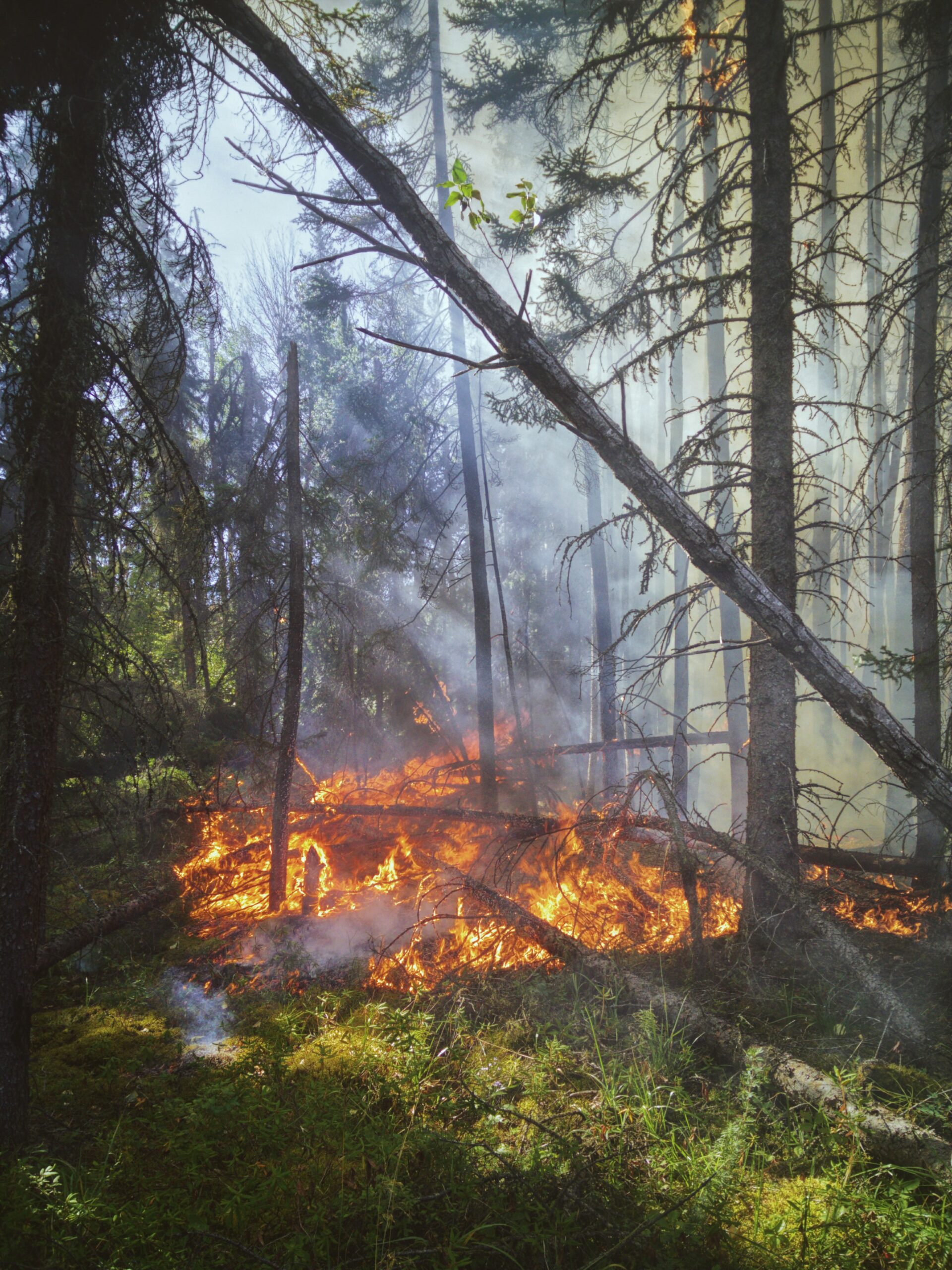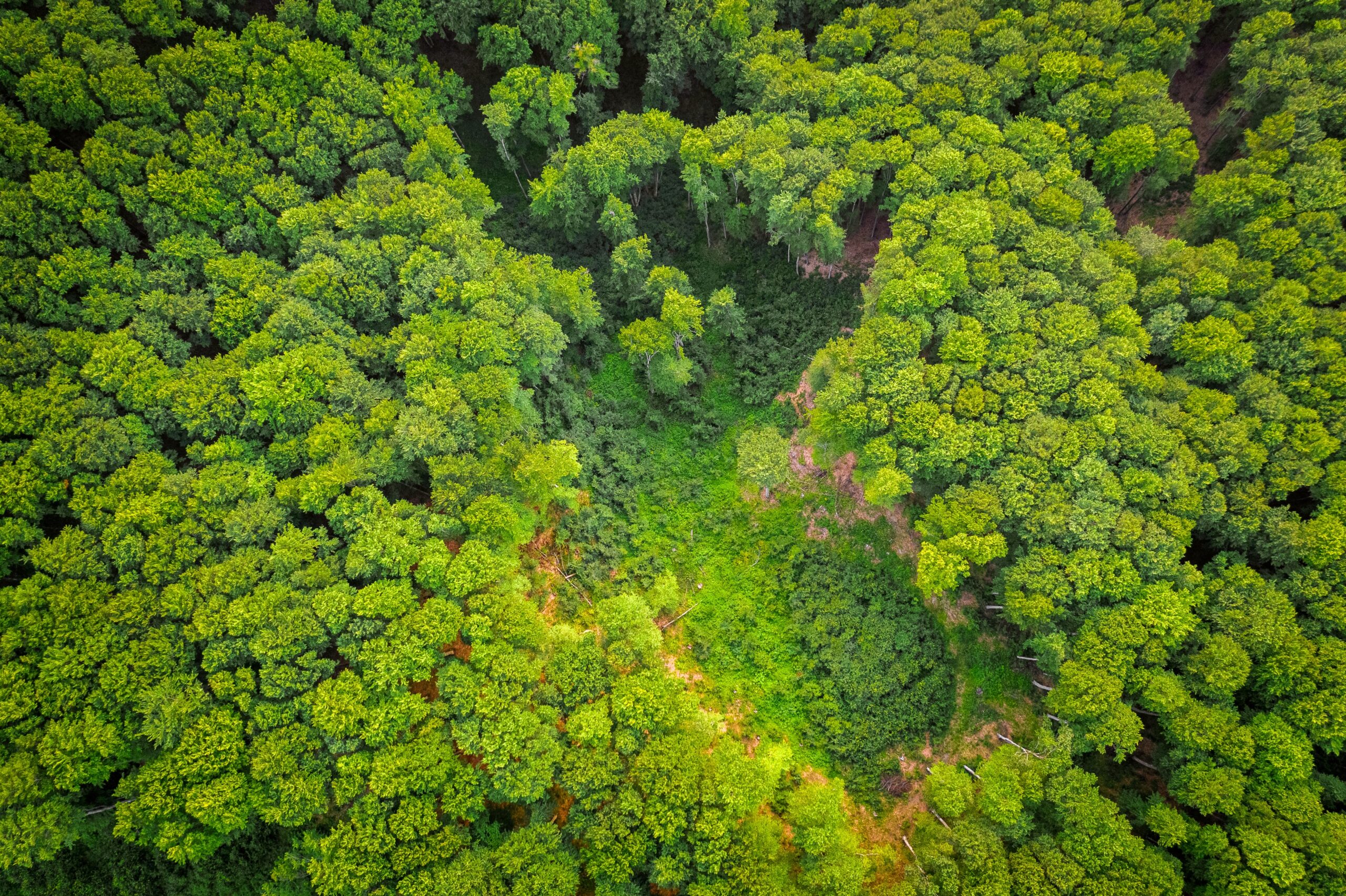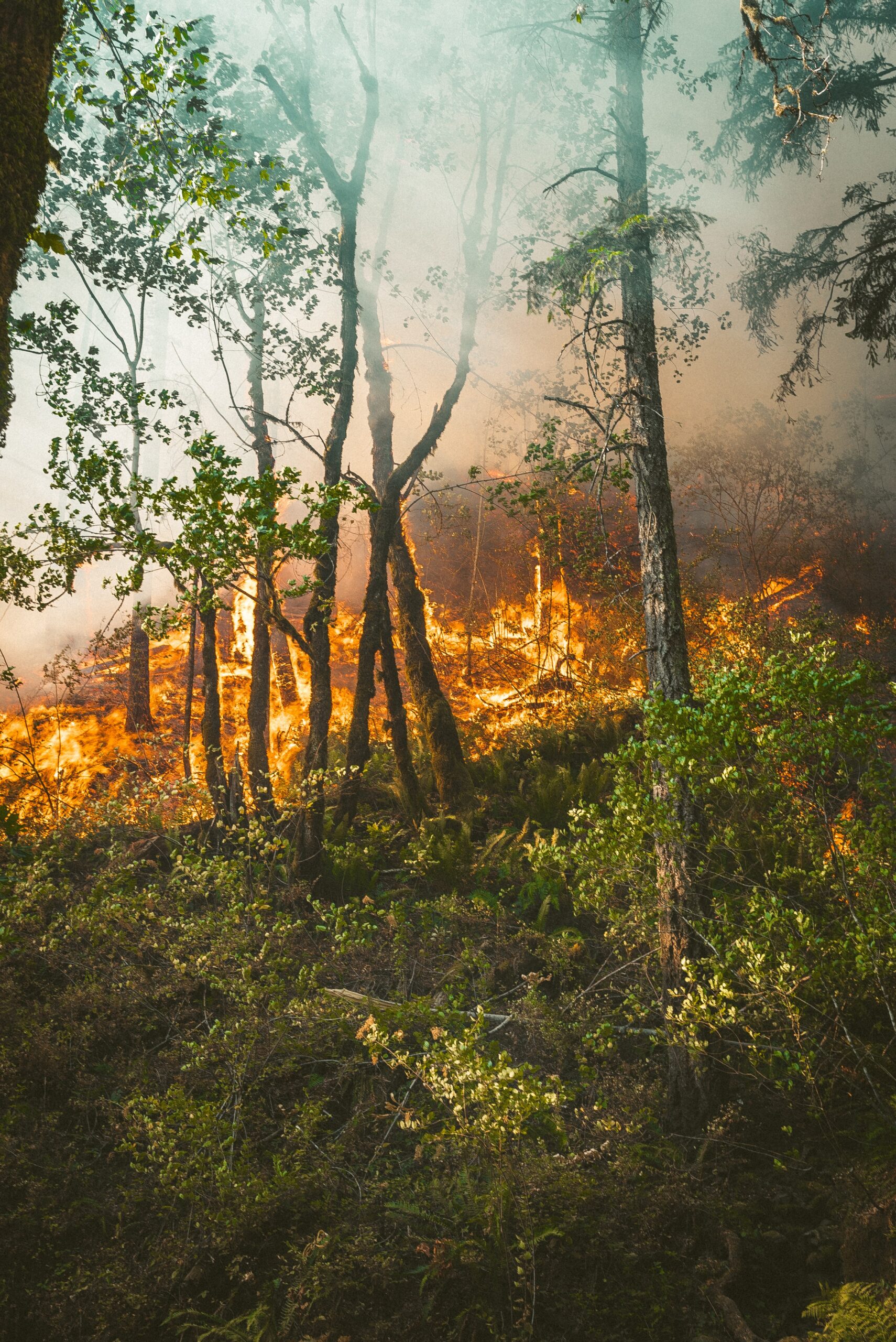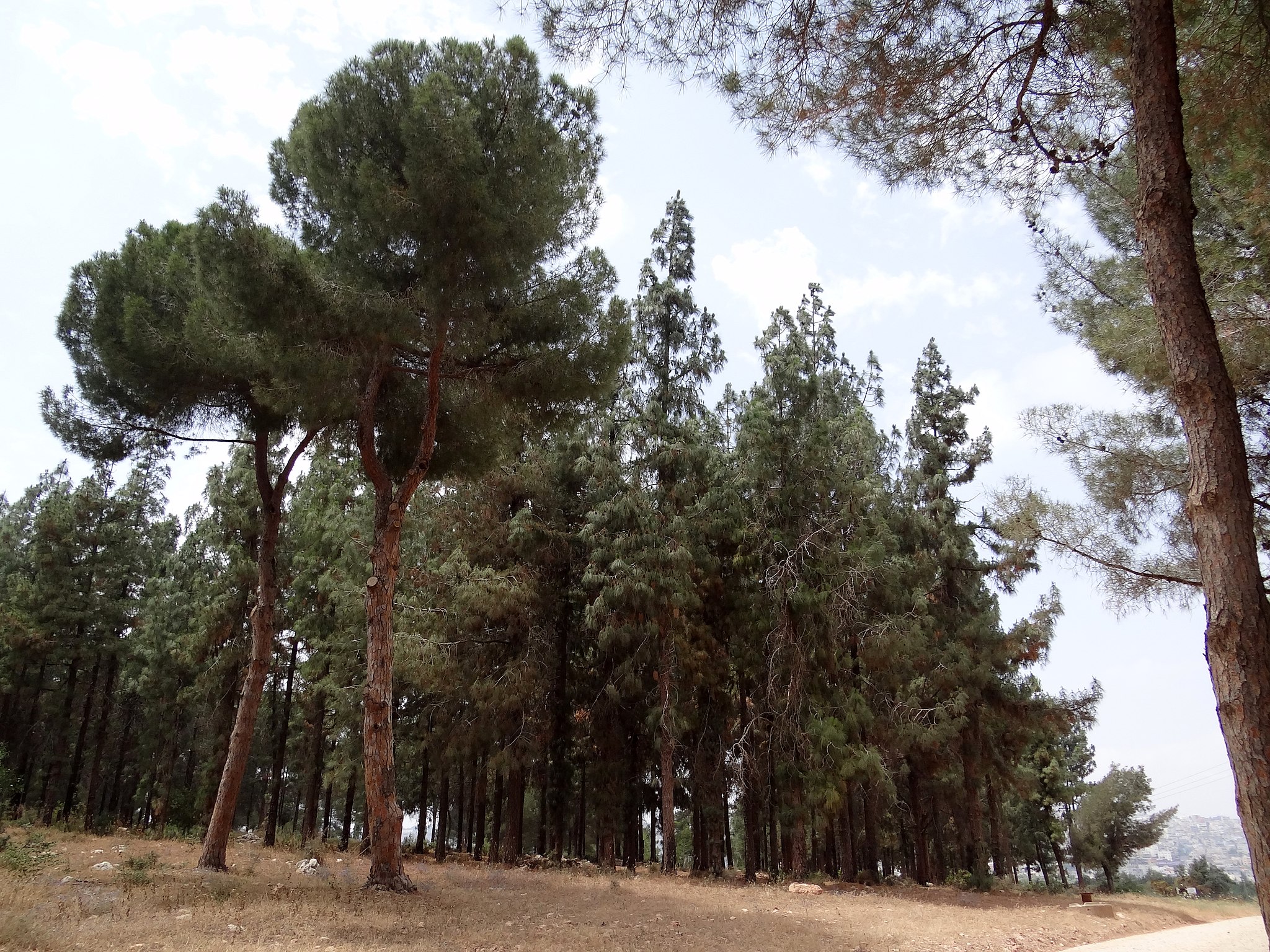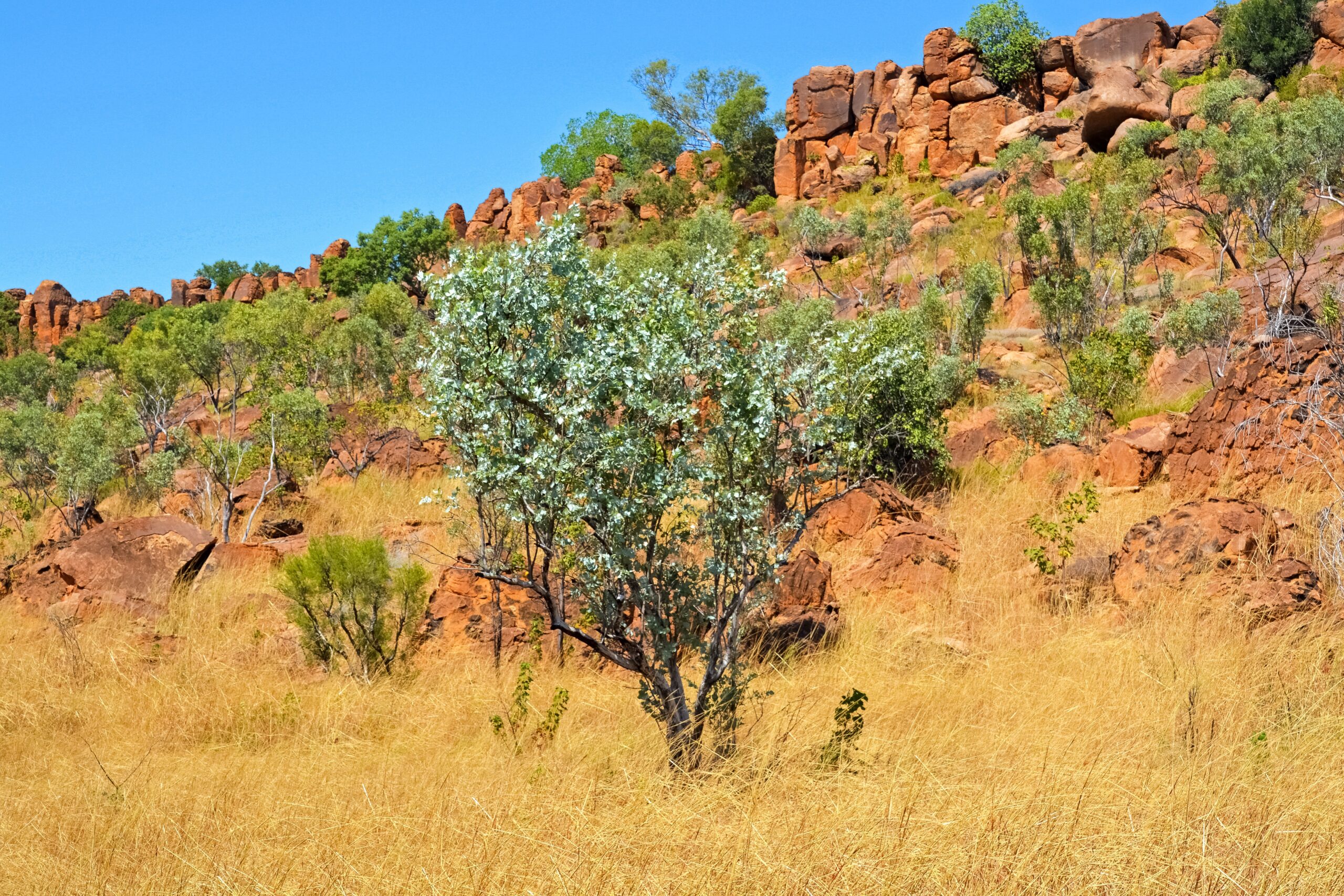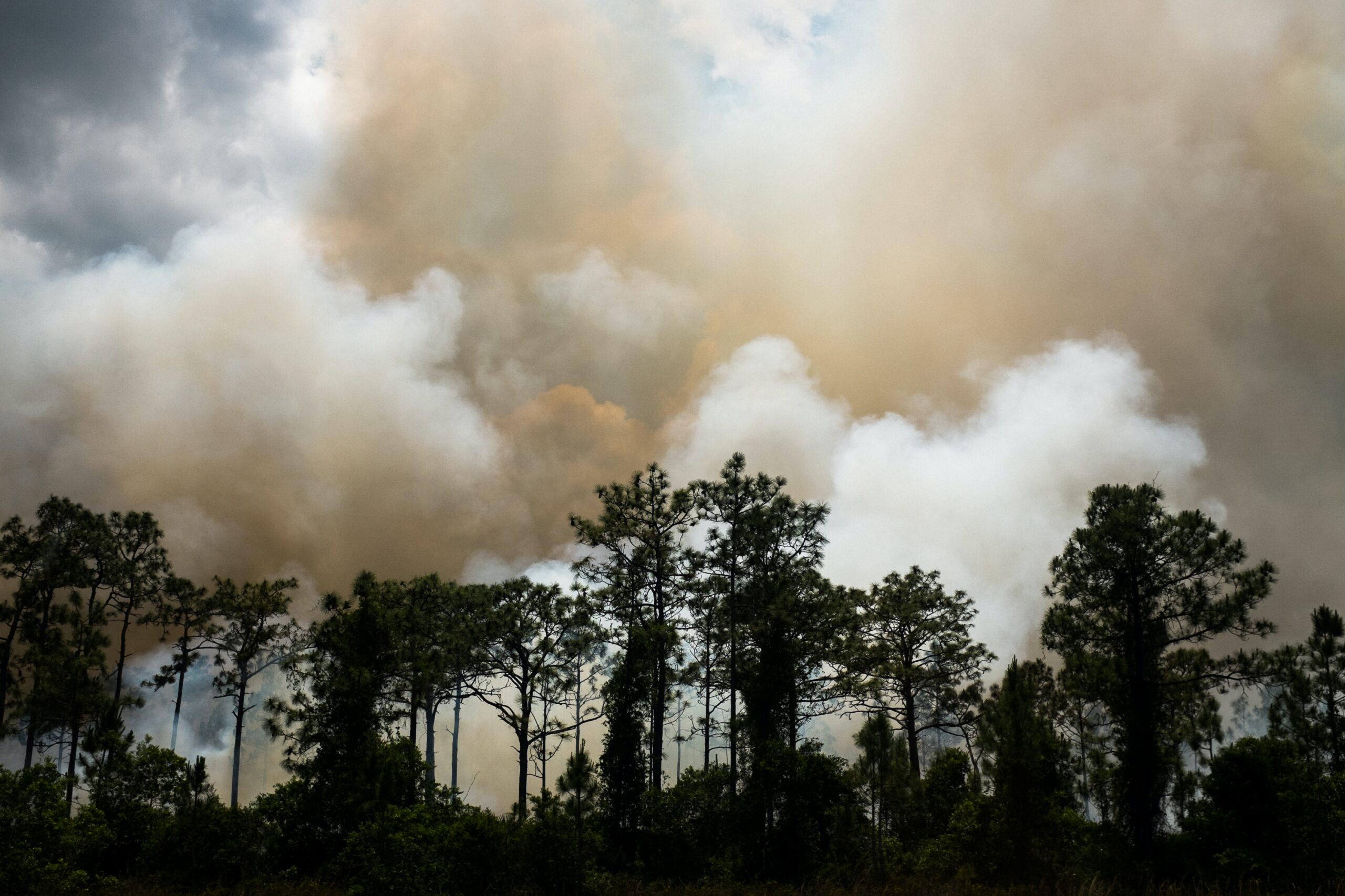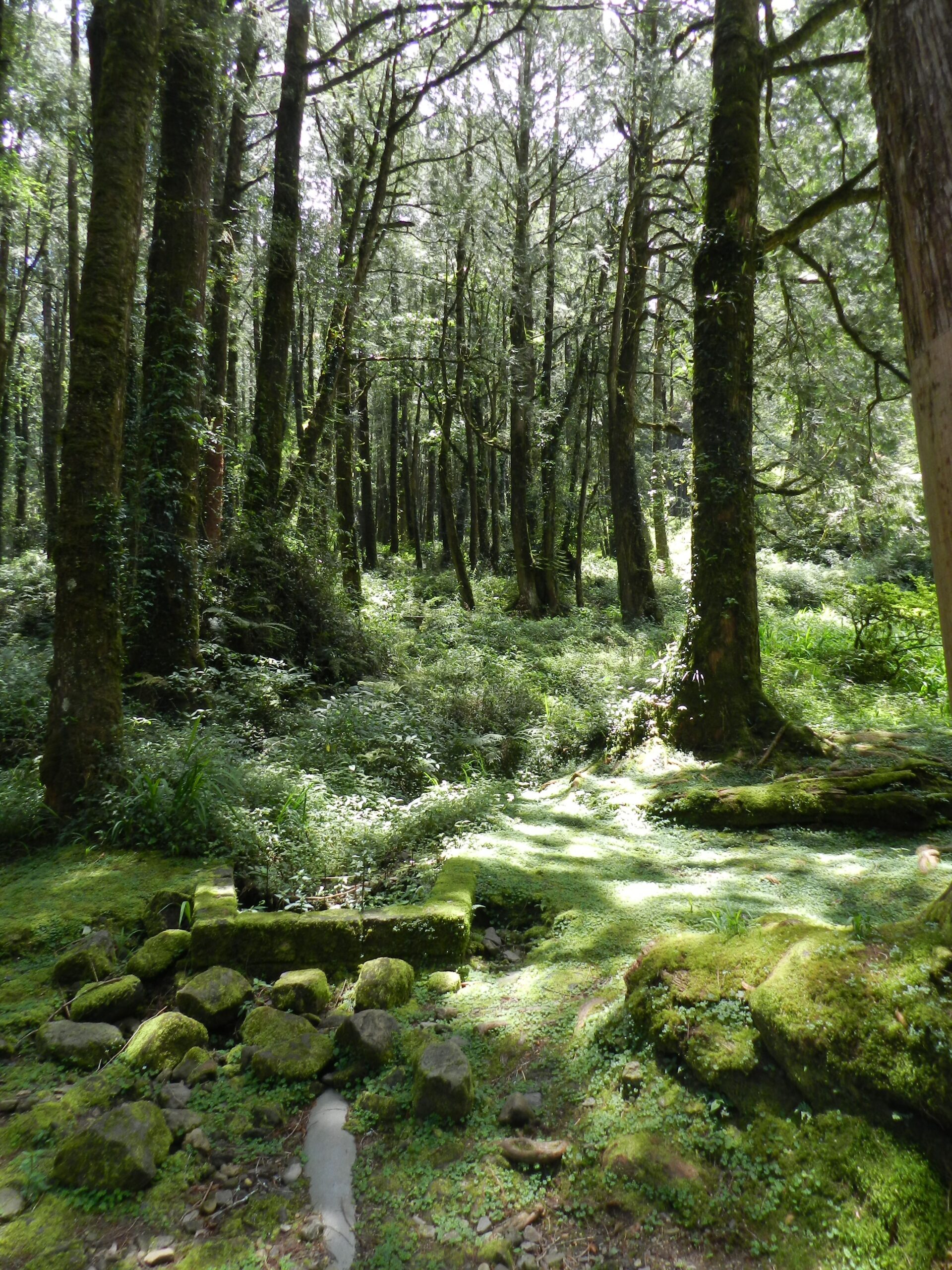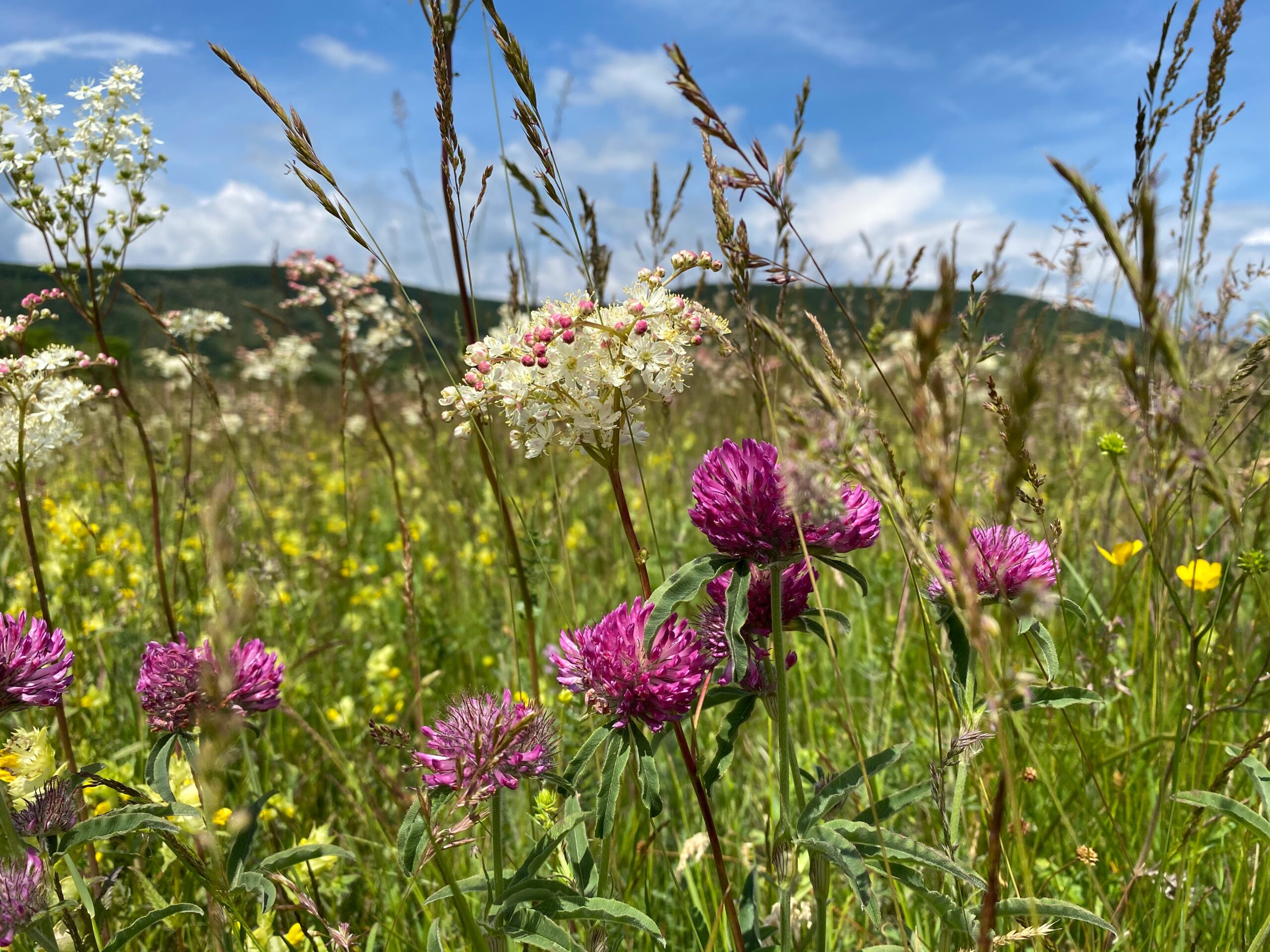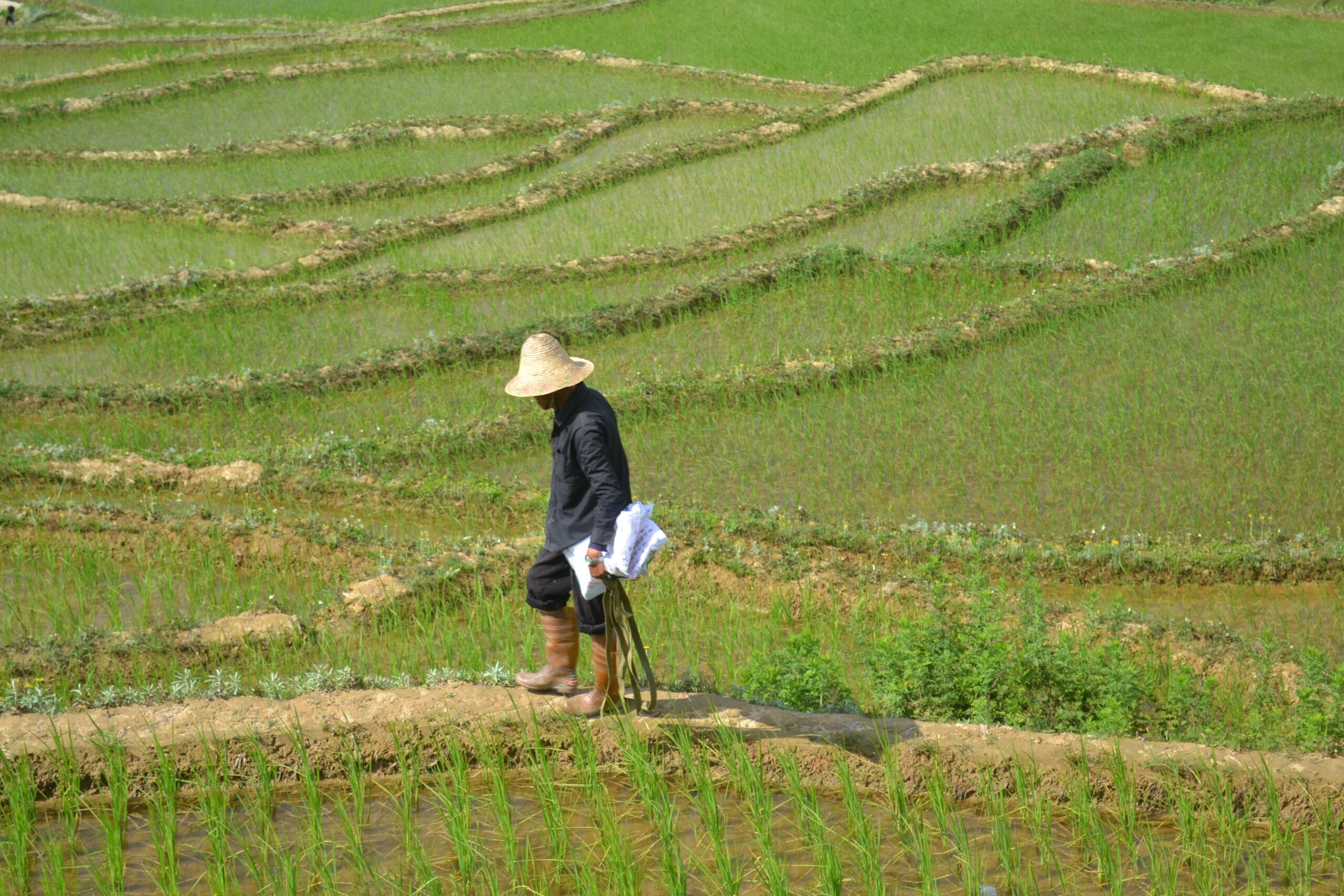
Malawi’s economy and livelihoods are fundamentally dependent on natural capital. Key sectors including agriculture, fisheries, forestry, tourism, and energy rely heavily on biodiversity and ecosystem services. Approximately 85% of the population lives in rural areas and depends directly on natural resources for food security, income, and social well-being. Consequently, biodiversity loss and ecosystem degradation are undermining ecological functions, national economic performance, household resilience, and social cohesion. These pressures are intensified by rapid population growth, now exceeding 20 million people, which places increasing strain on land, water, and biological resources and often relegates conservation priorities behind short-term development needs.
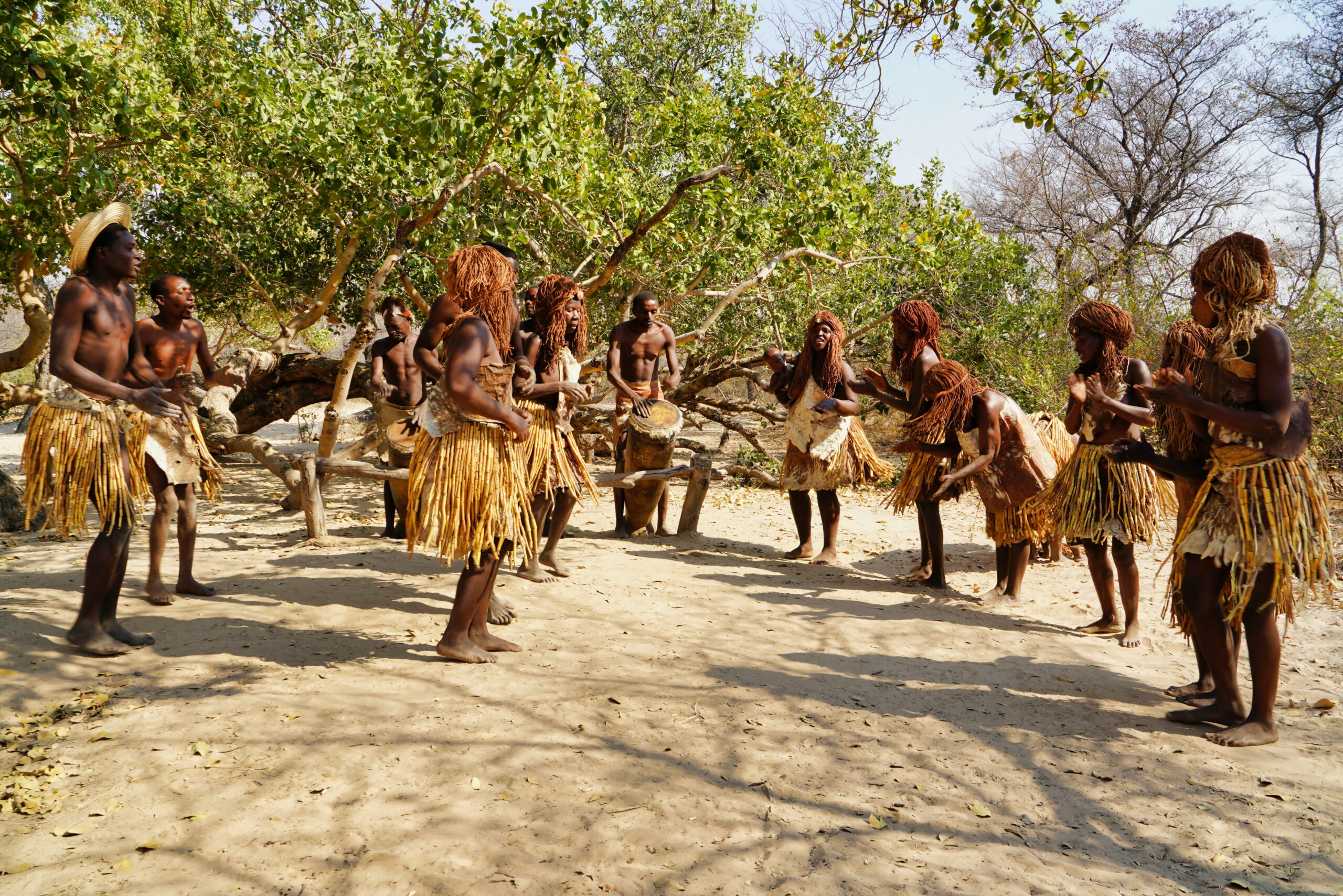
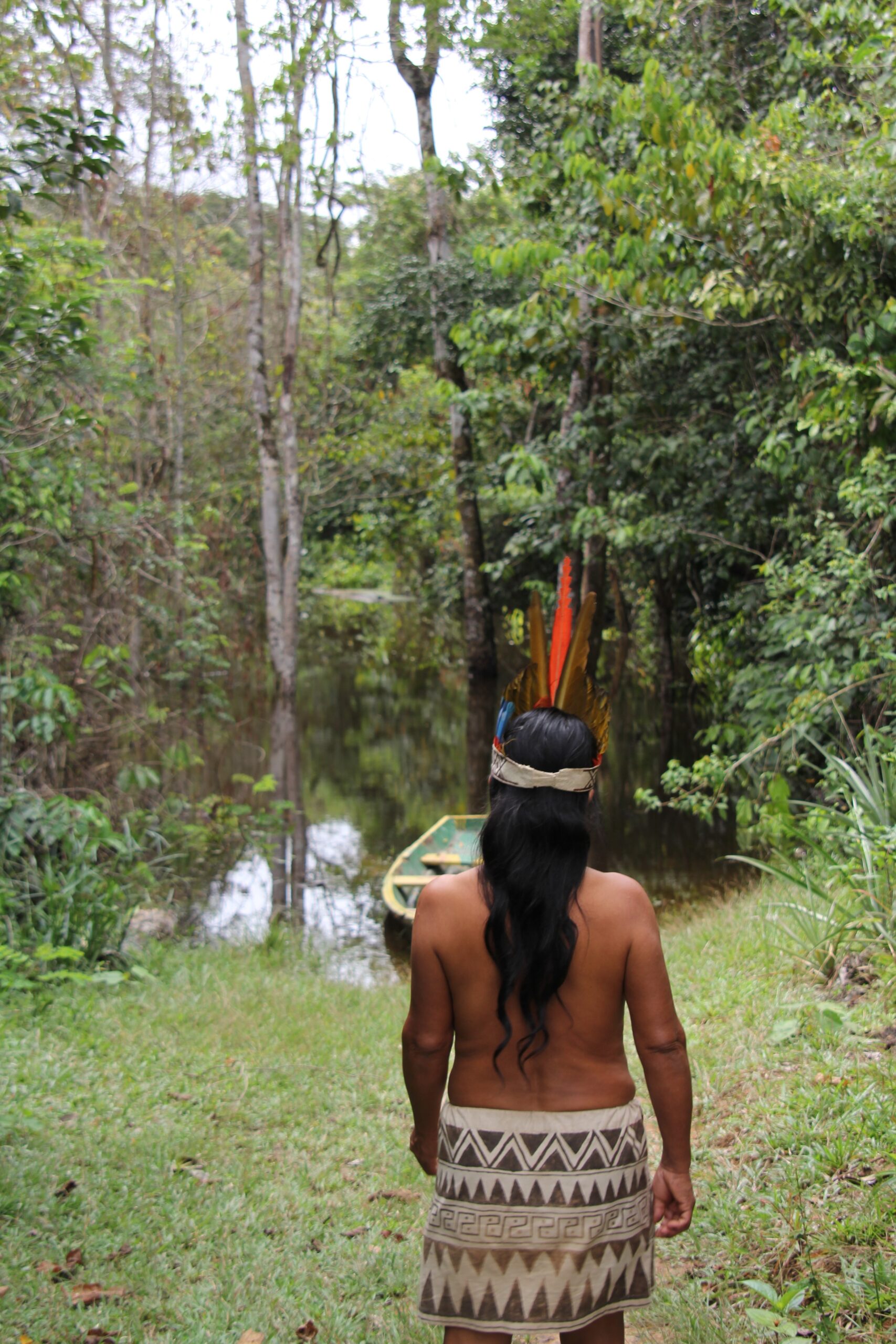
Recognizing the urgency of these challenges, the Government of Malawi initiated the National Ecosystem Assessment (NEA) to generate credible, policy-relevant evidence to inform sustainable management of biodiversity and ecosystems. The Malawi NEA adopts a Multiple Evidence Base (MEB) approach, integrating scientific knowledge with Indigenous and Local Knowledge (ILK), acknowledging that ecosystems have co-evolved with Indigenous Peoples and Local Communities (IPLCs) whose knowledge systems remain critical for effective stewardship.
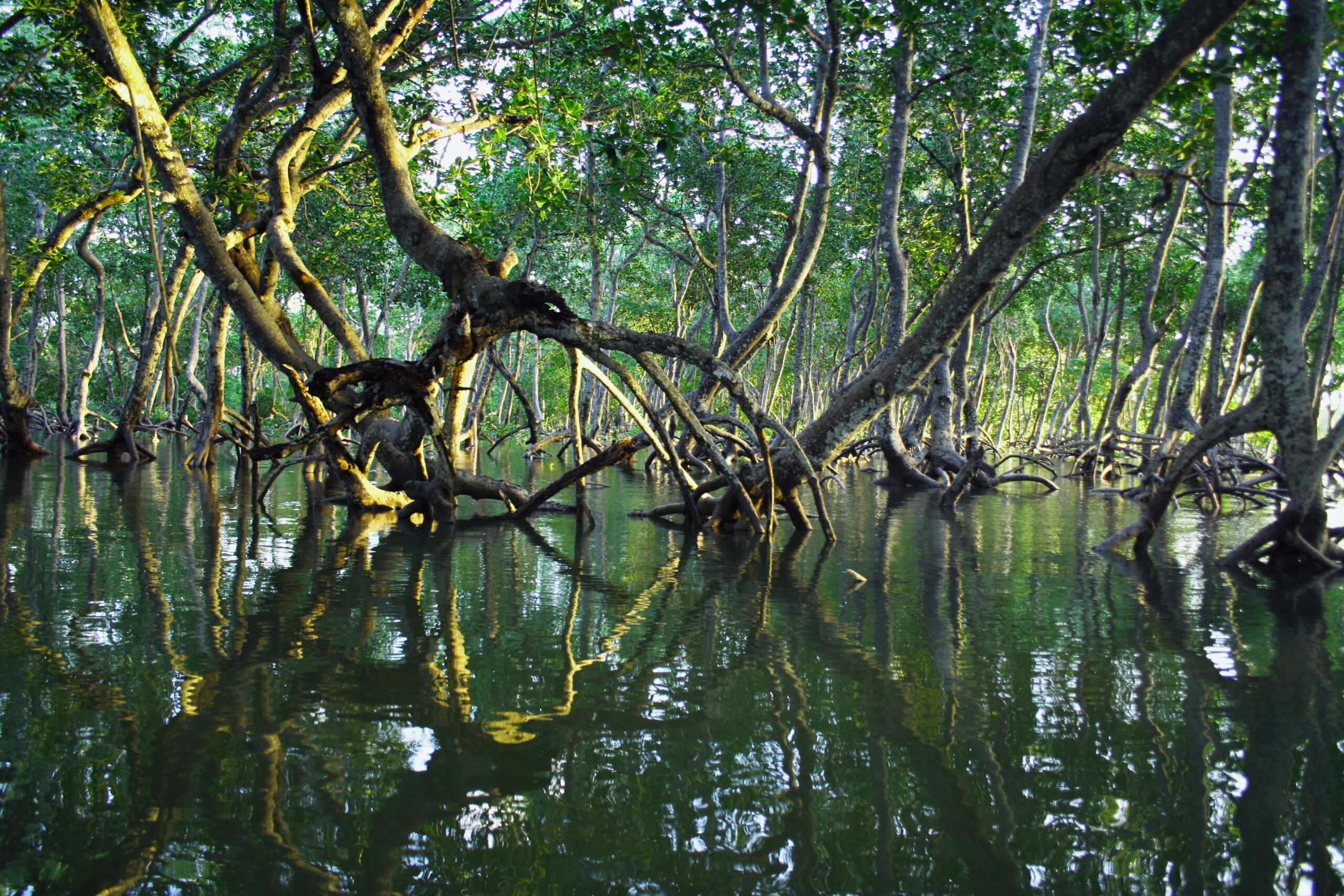
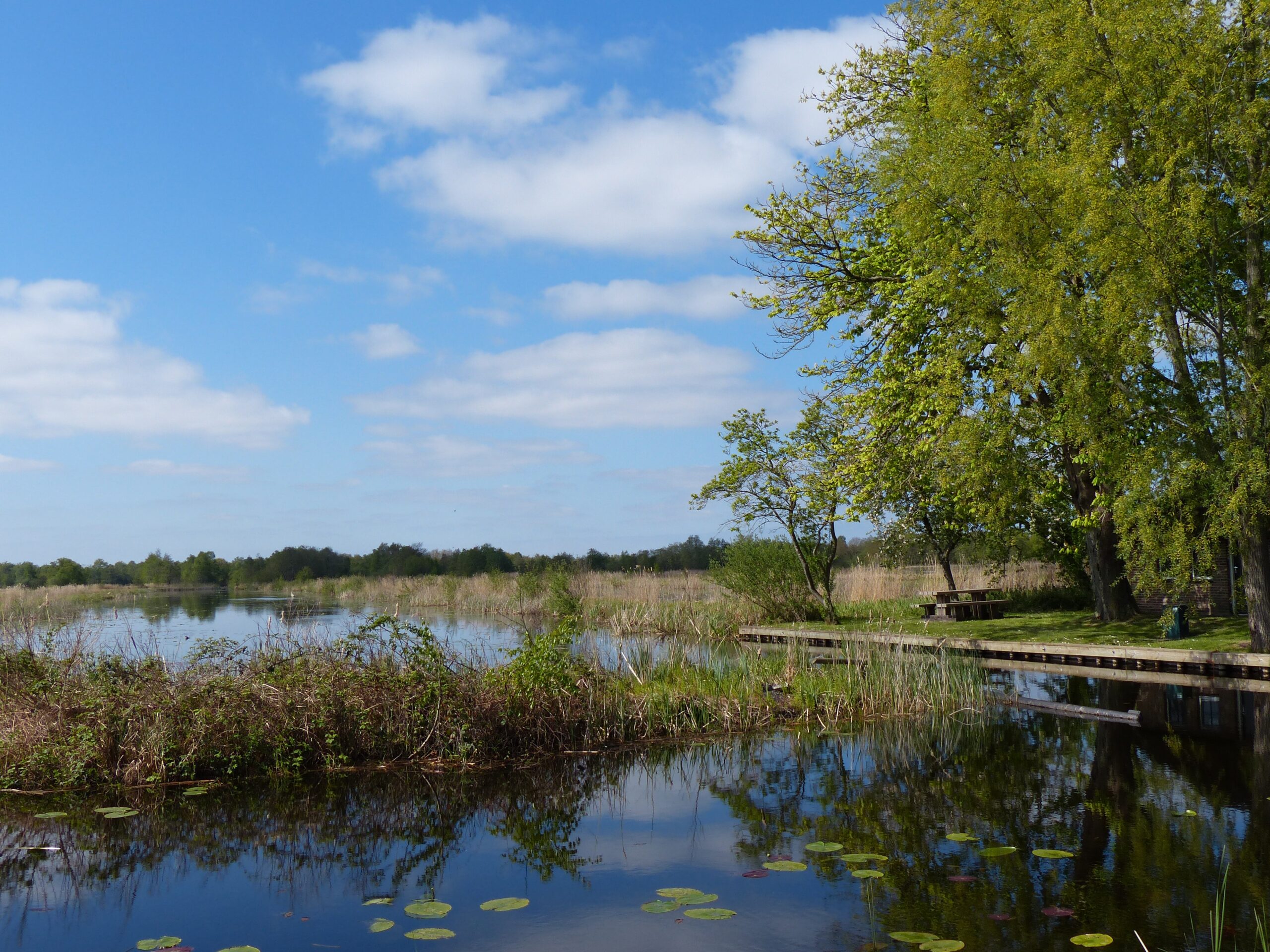
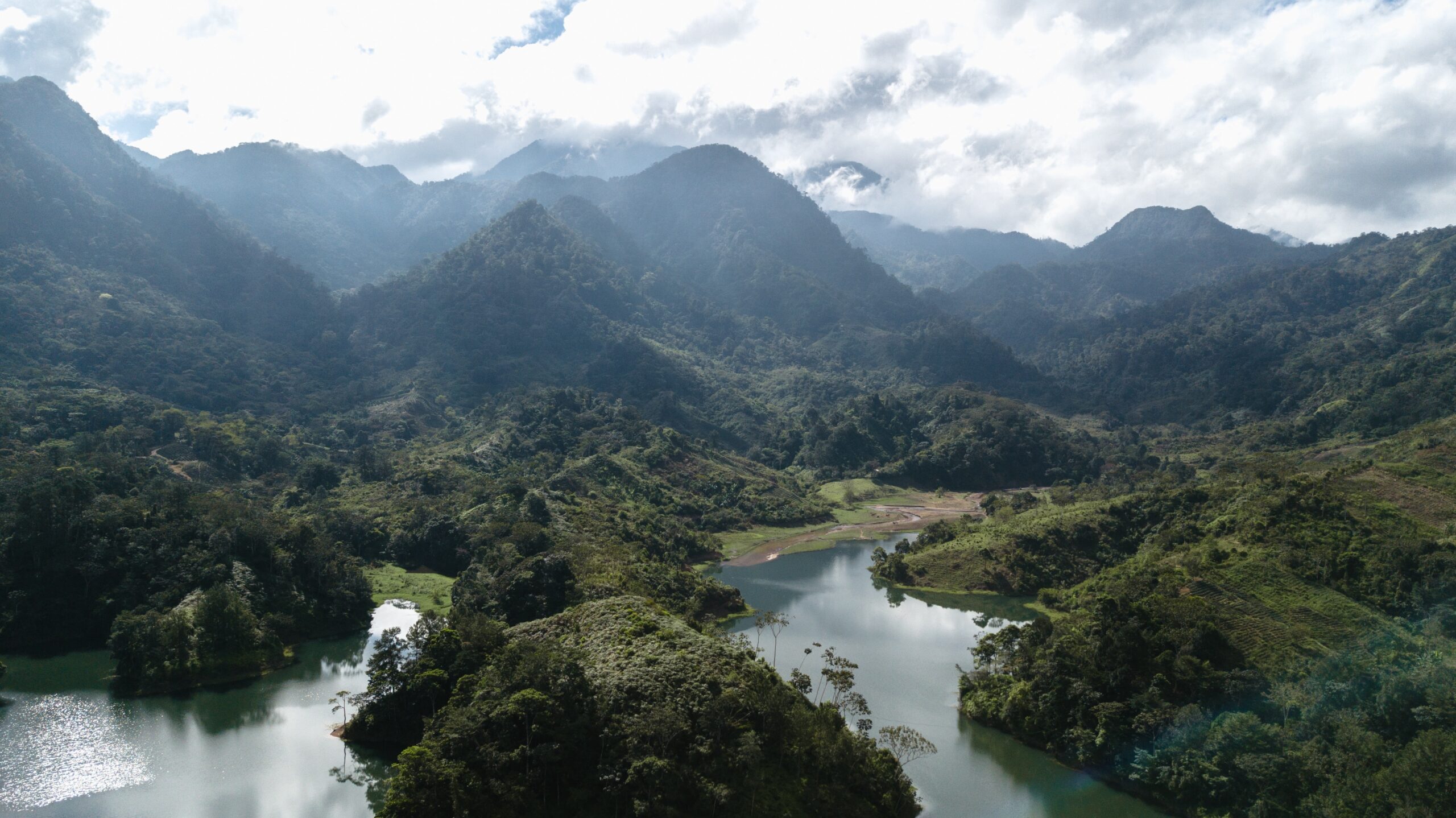
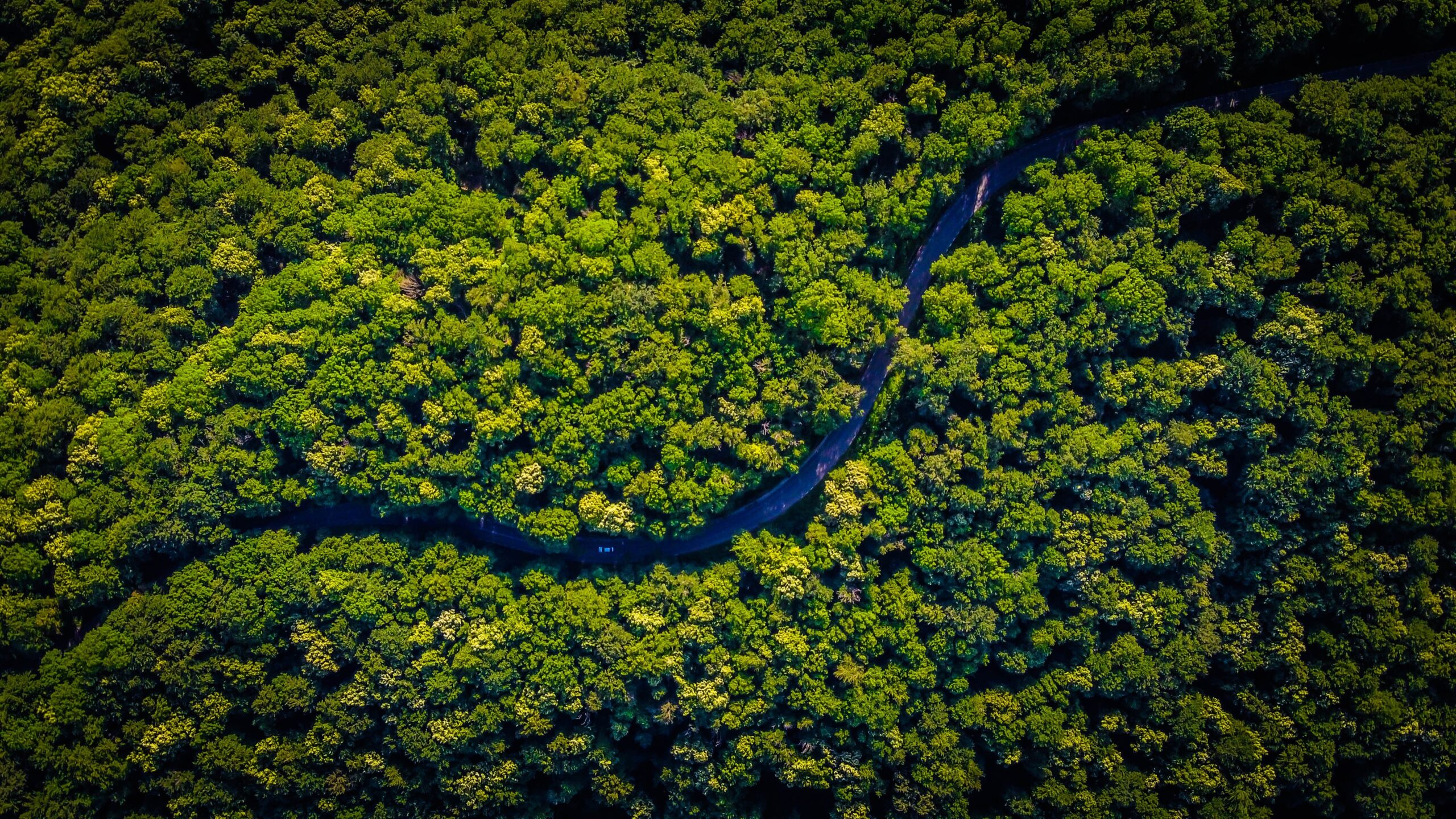
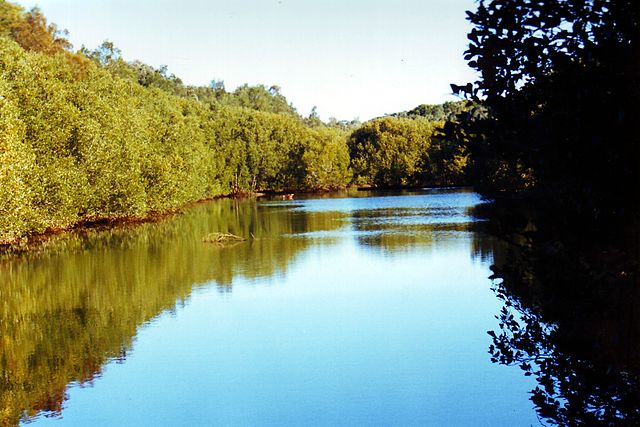
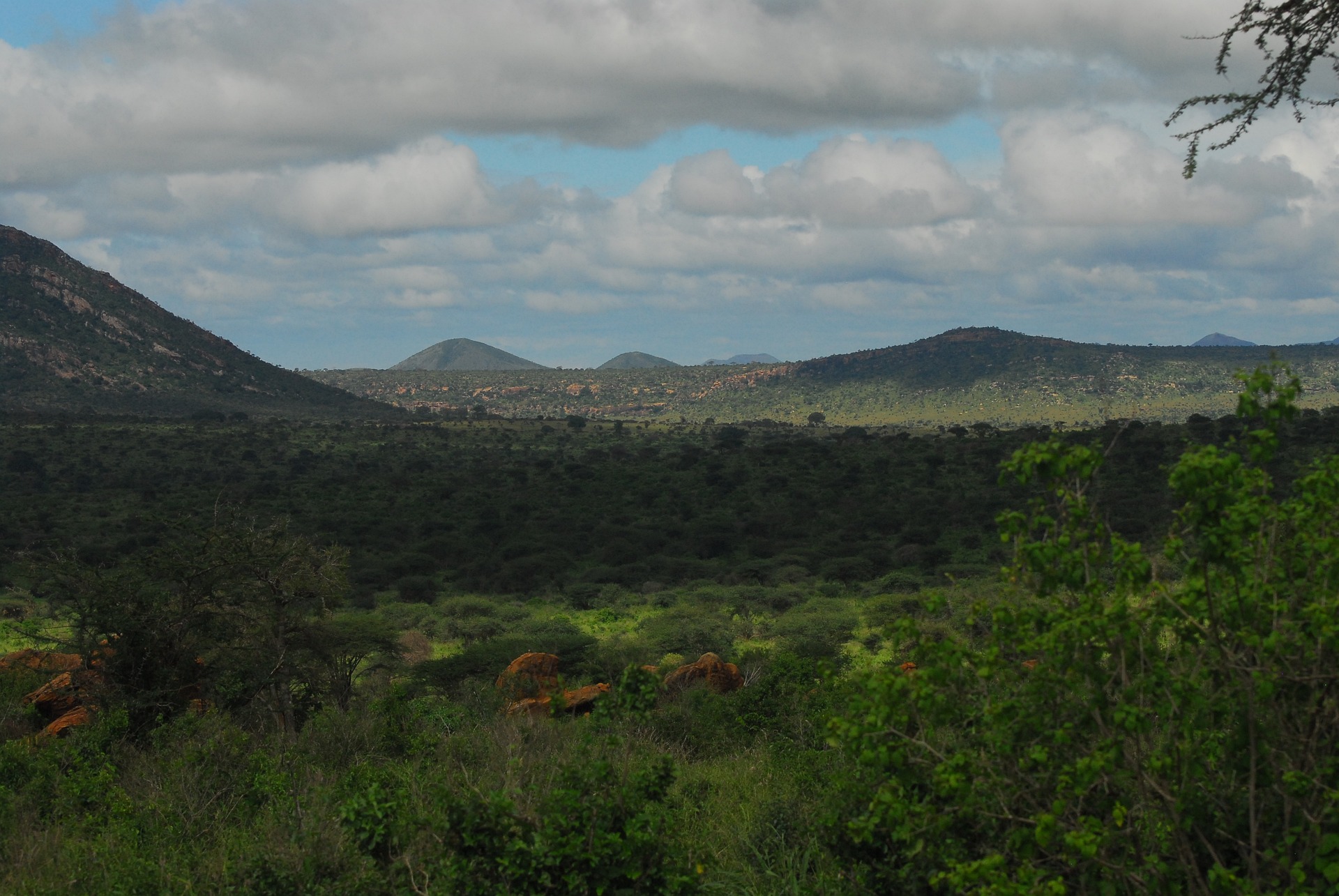
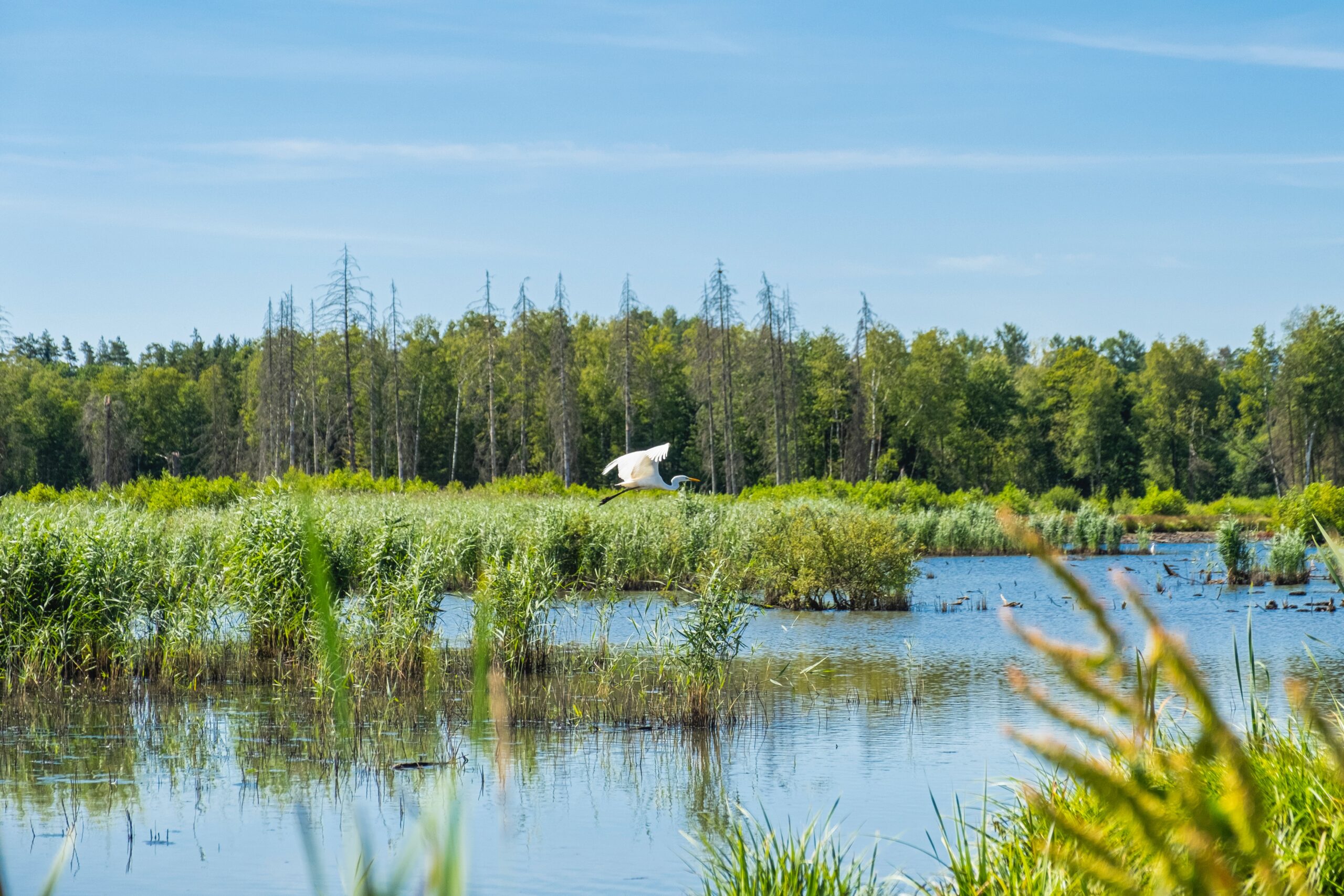
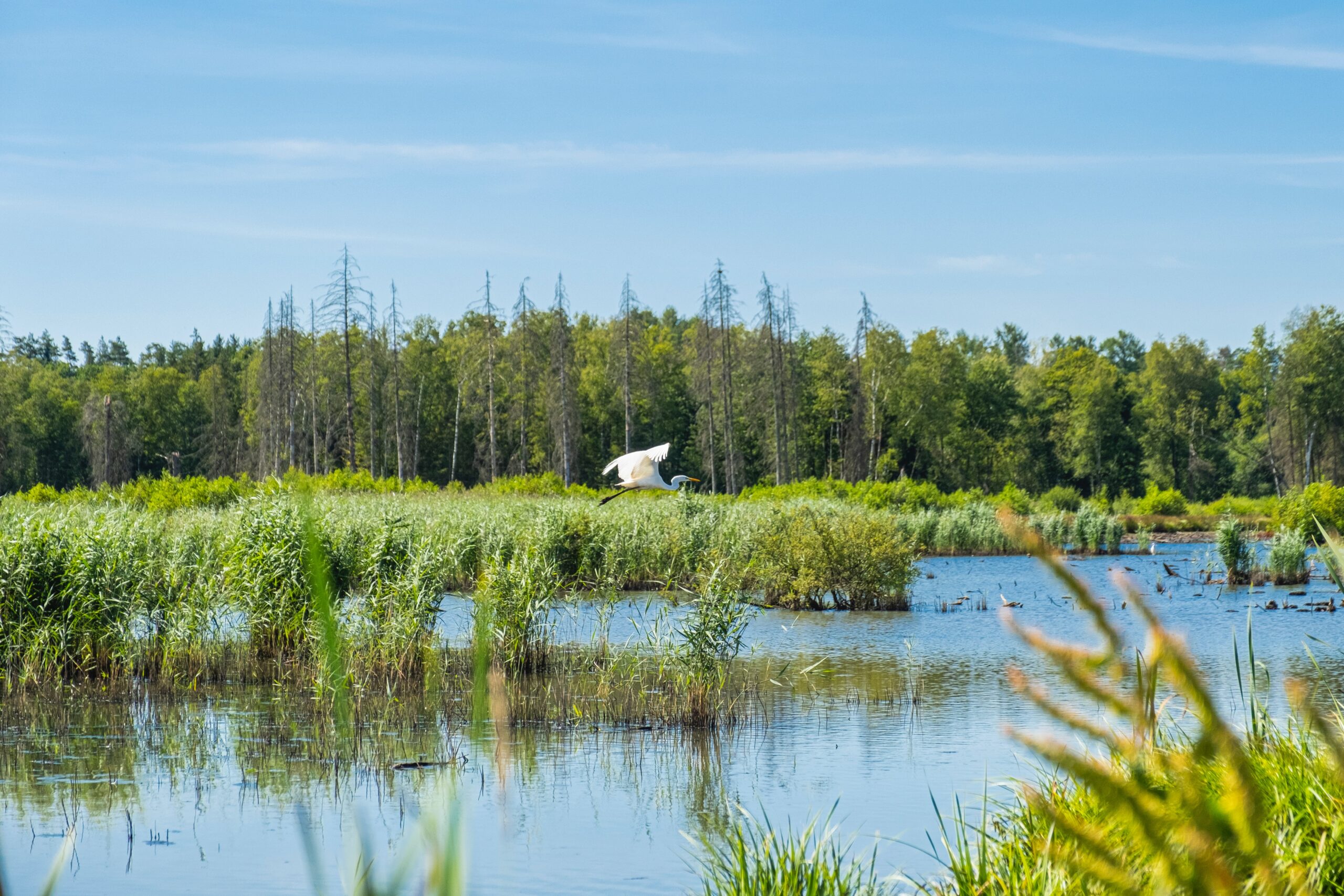
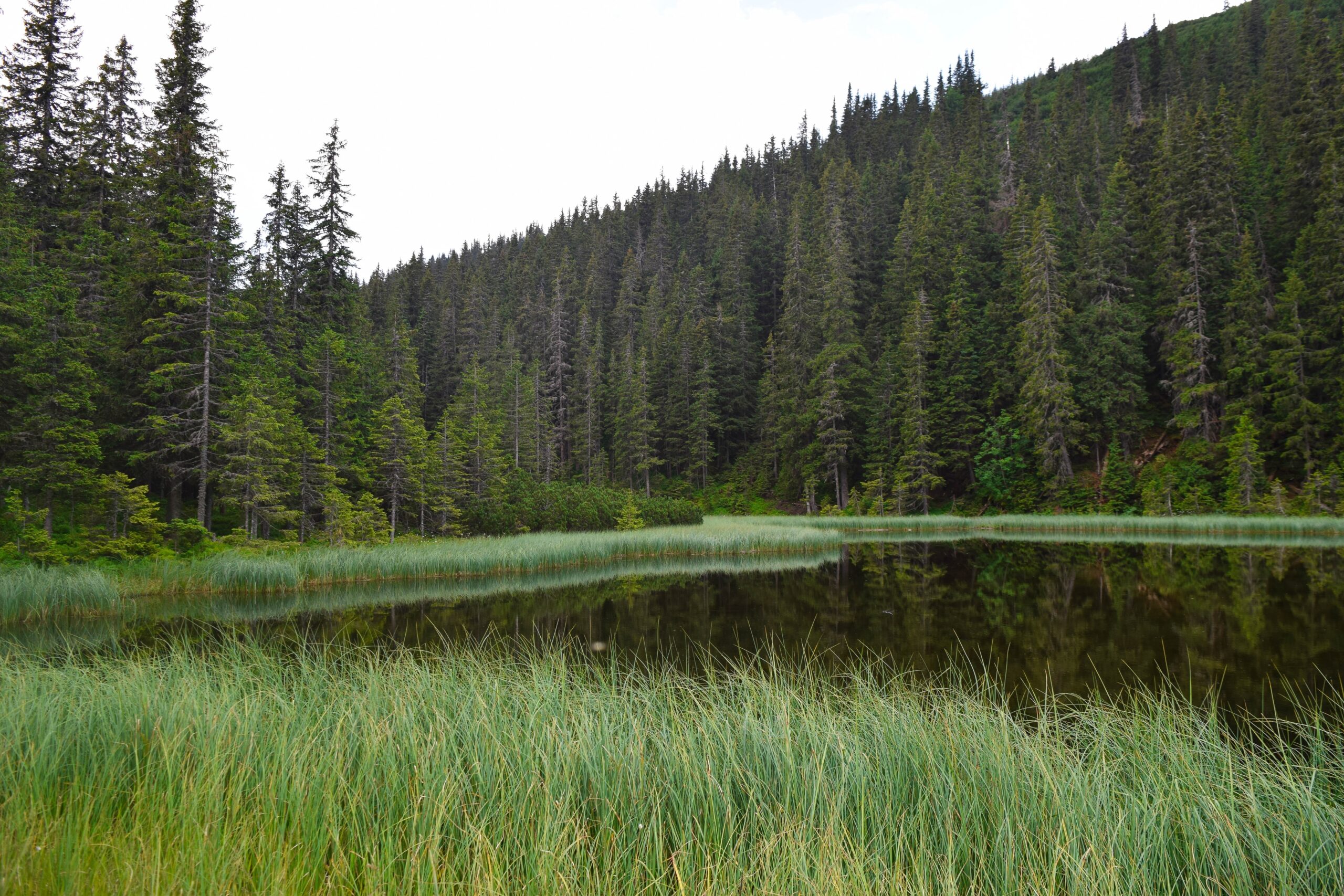
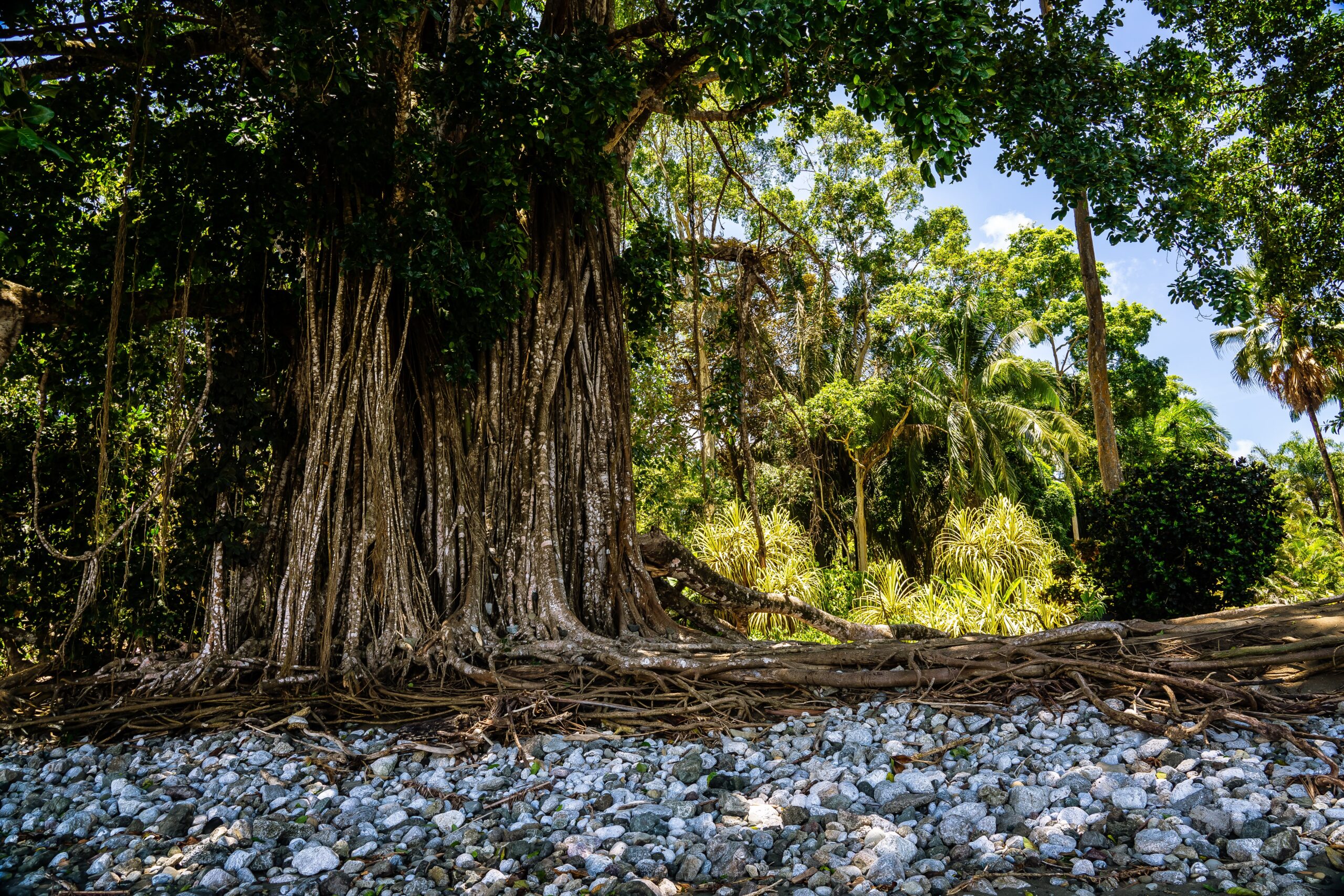
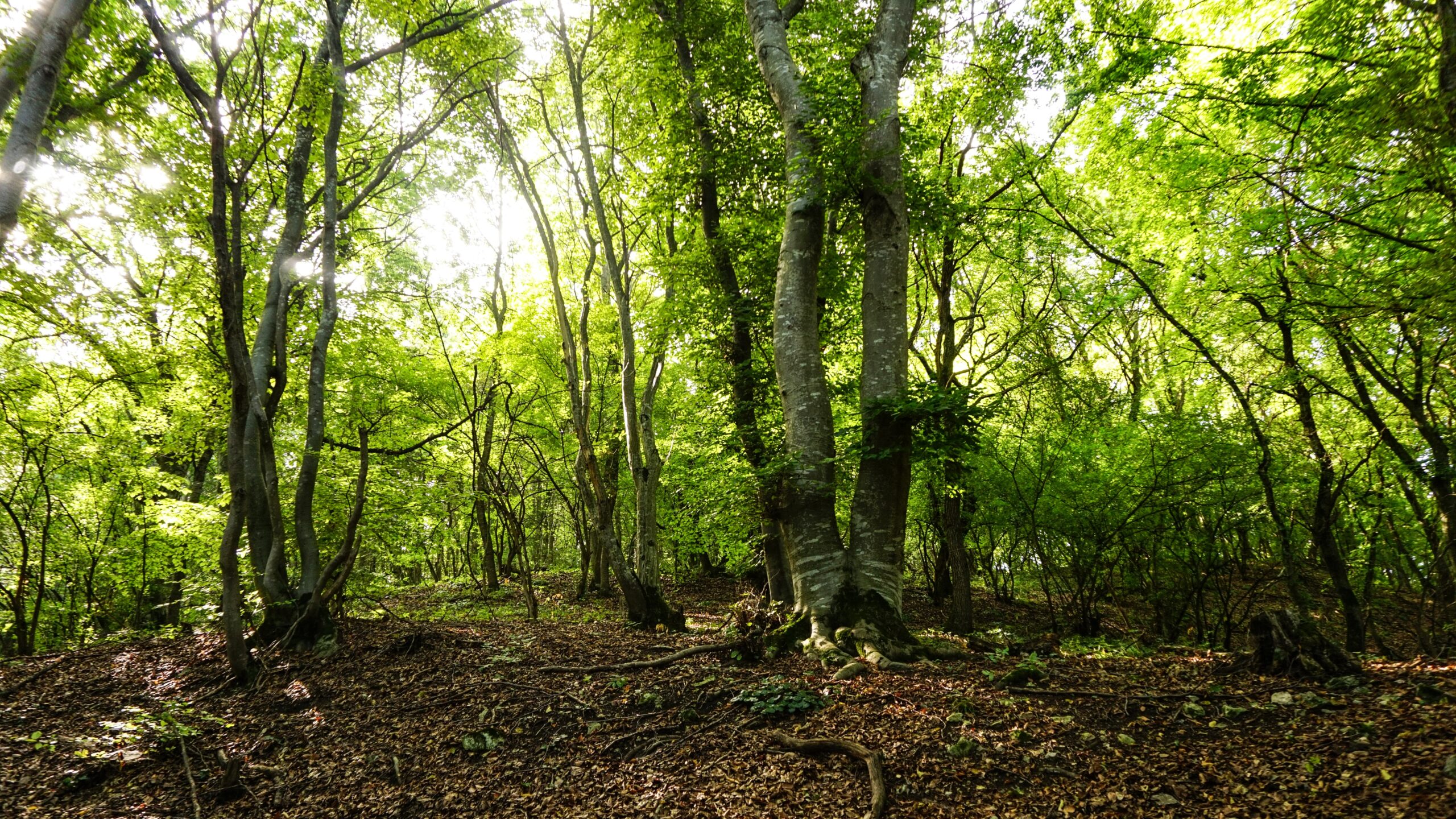
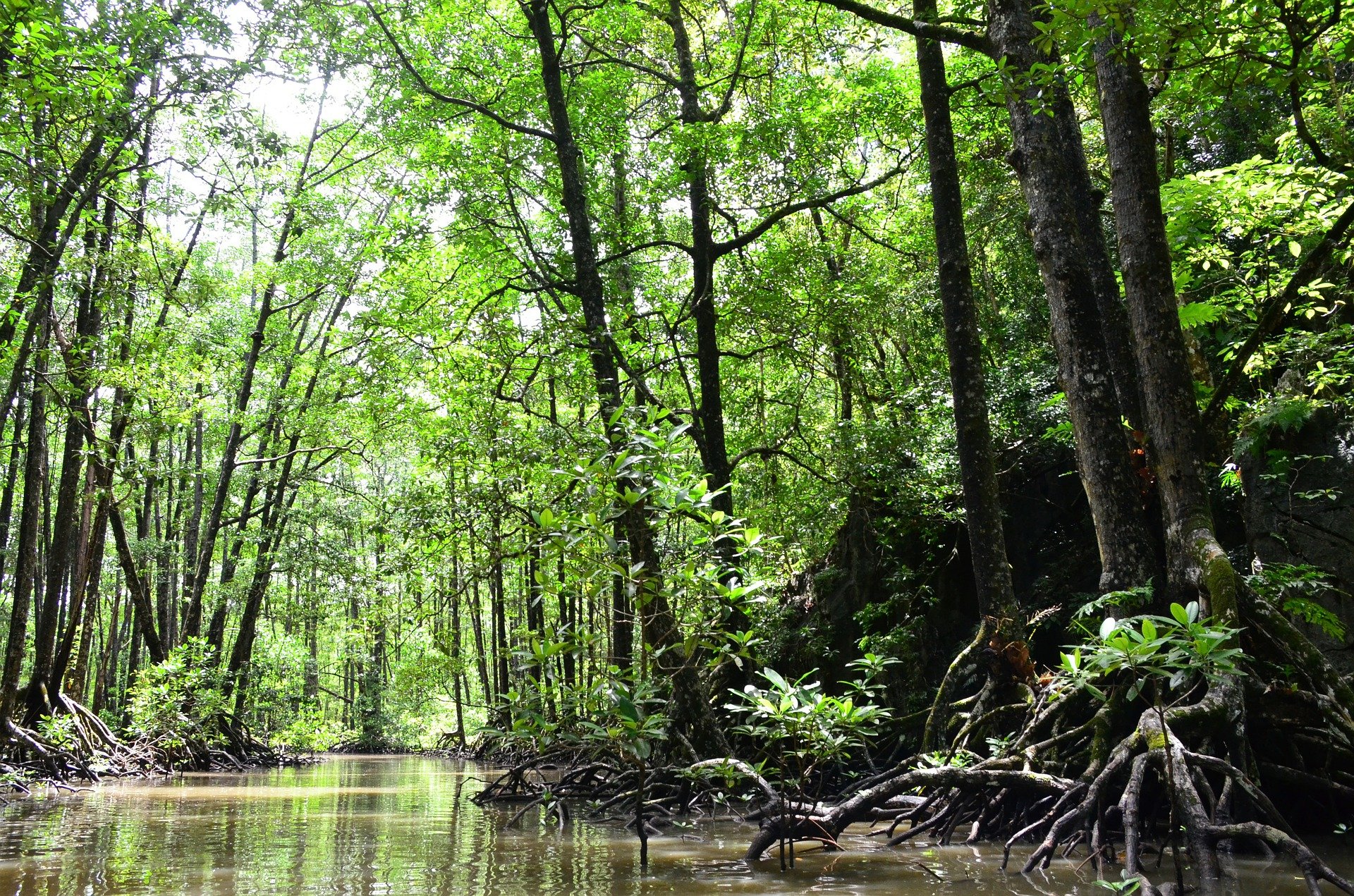
The assessment focuses on three priority ecosystems terrestrial, aquatic, and wetlands and evaluates their status, trends, drivers of change, and implications for human well-being. It highlights trade-offs among development pathways and provides evidence to guide sustainable investments aligned with national development strategies, environmental management objectives, and the Sustainable Development Goals (SDGs). The NEA further supports Malawi’s national and international commitments, including updating the National Biodiversity Strategy and Action Plan (NBSAP), domesticating the Kunming– Montreal Global Biodiversity Framework, informing ecosystem- based adaptation for the National Adaptation Plan (NAP) and Nationally Determined Contributions (NDCs), and reporting to Multilateral Environmental Agreements (MEAs). The Malawi NEA therefore serves as a foundational tool for long-term sustainable development and resilience.