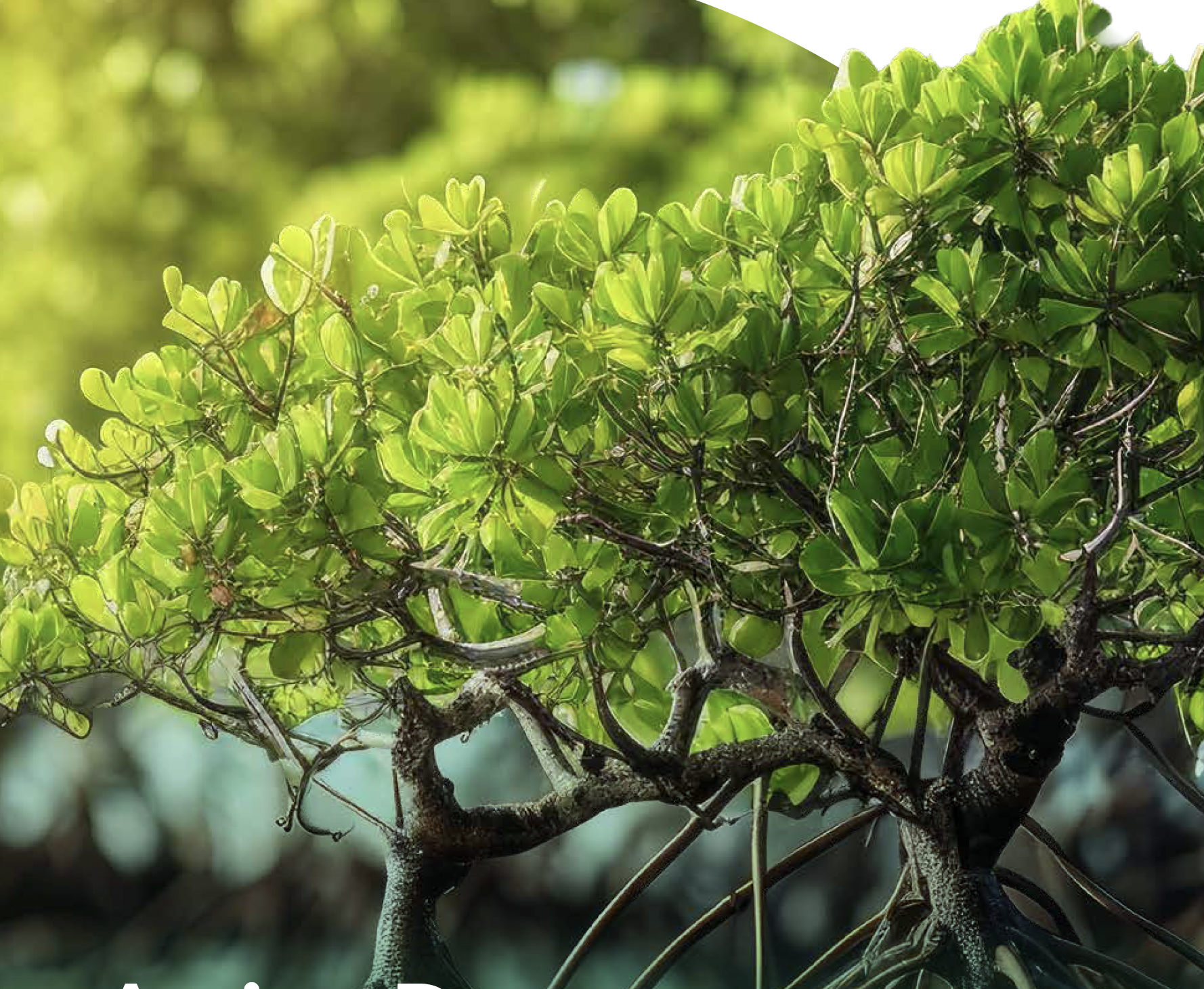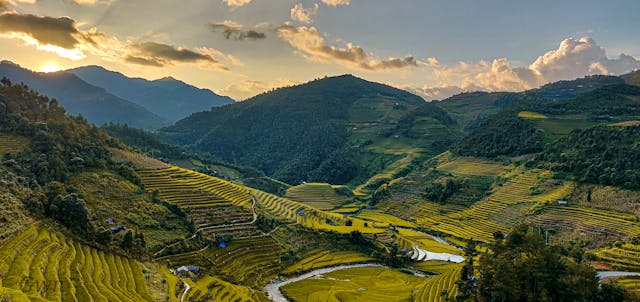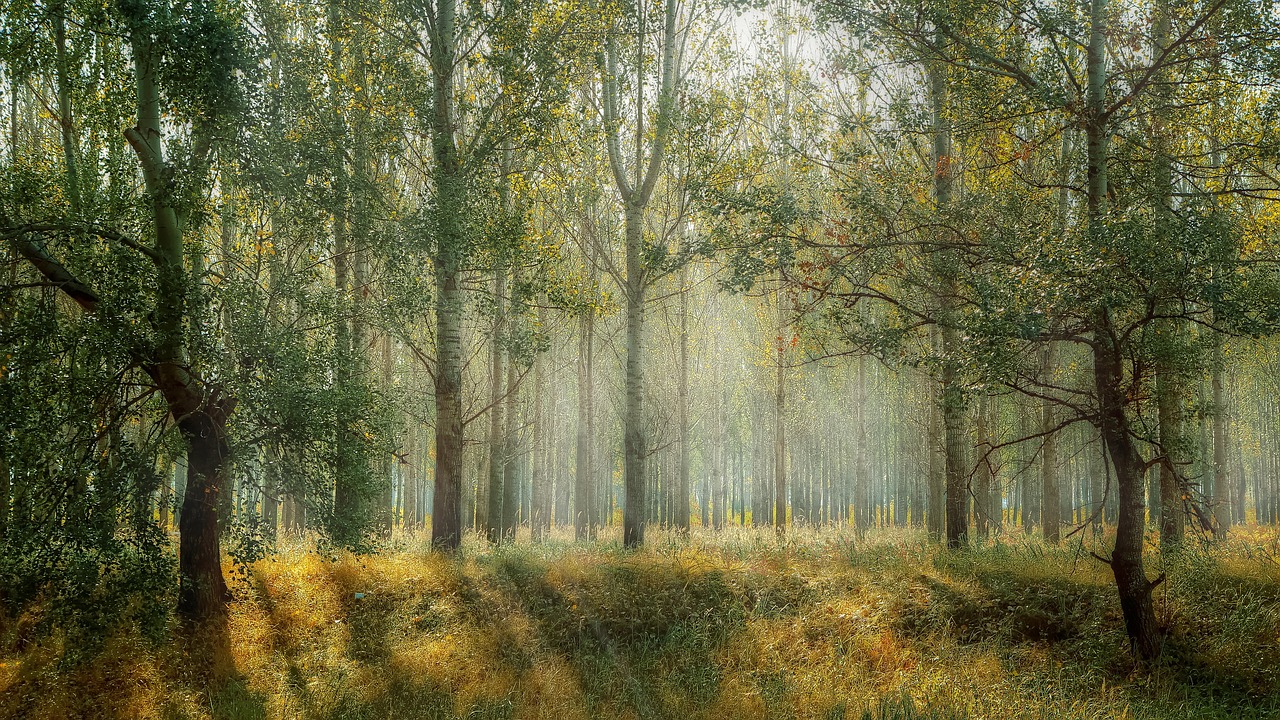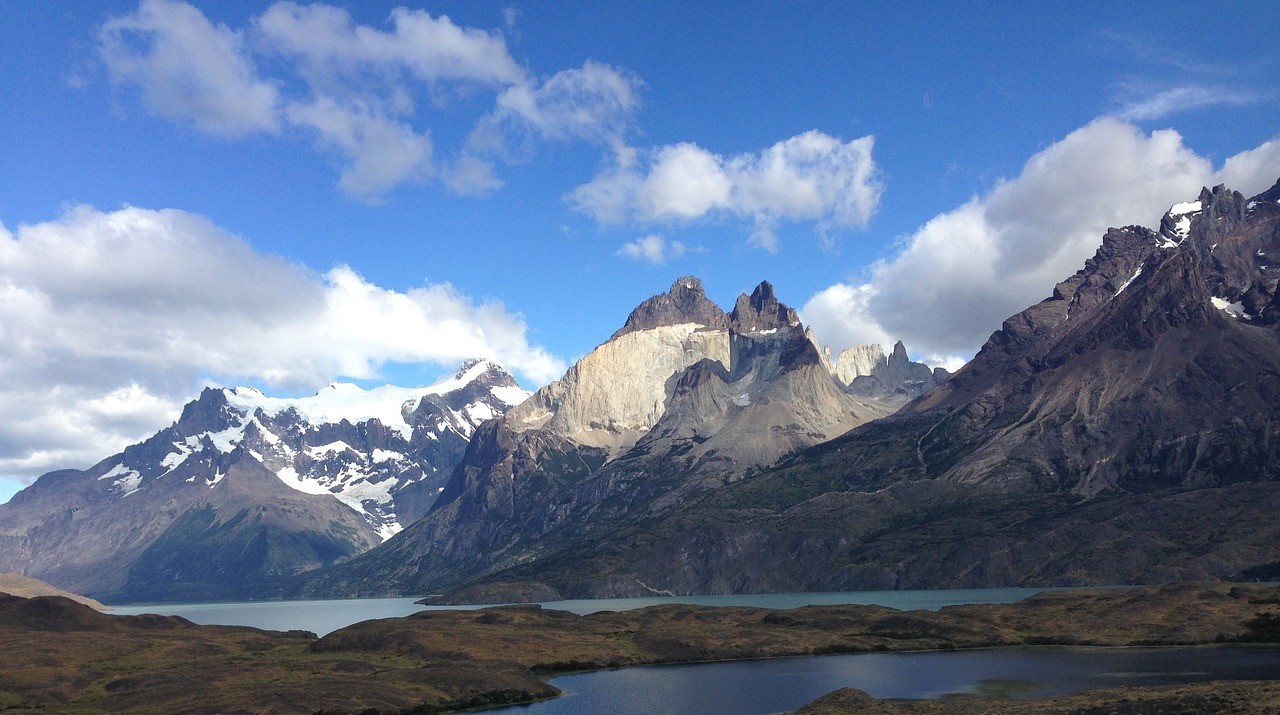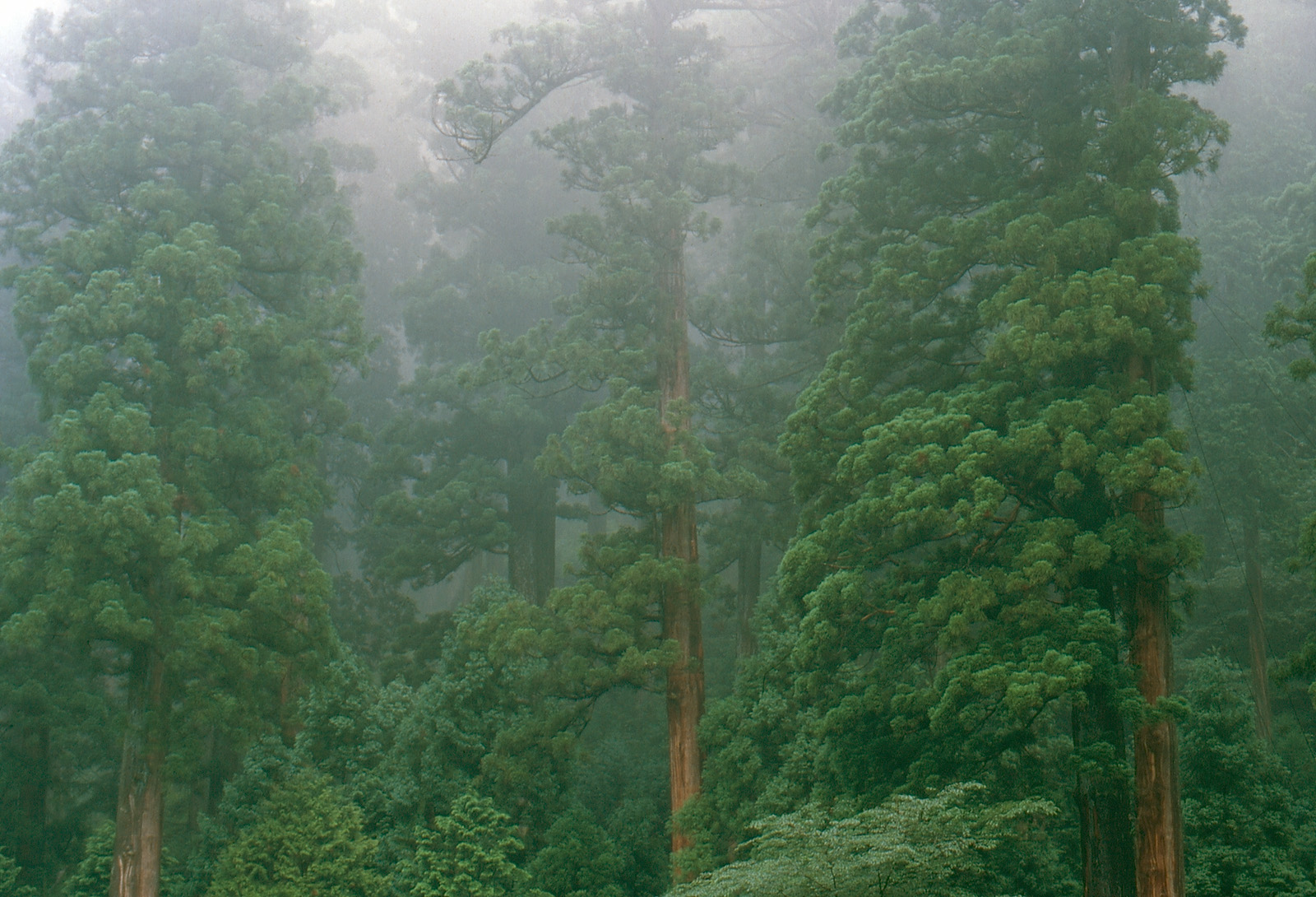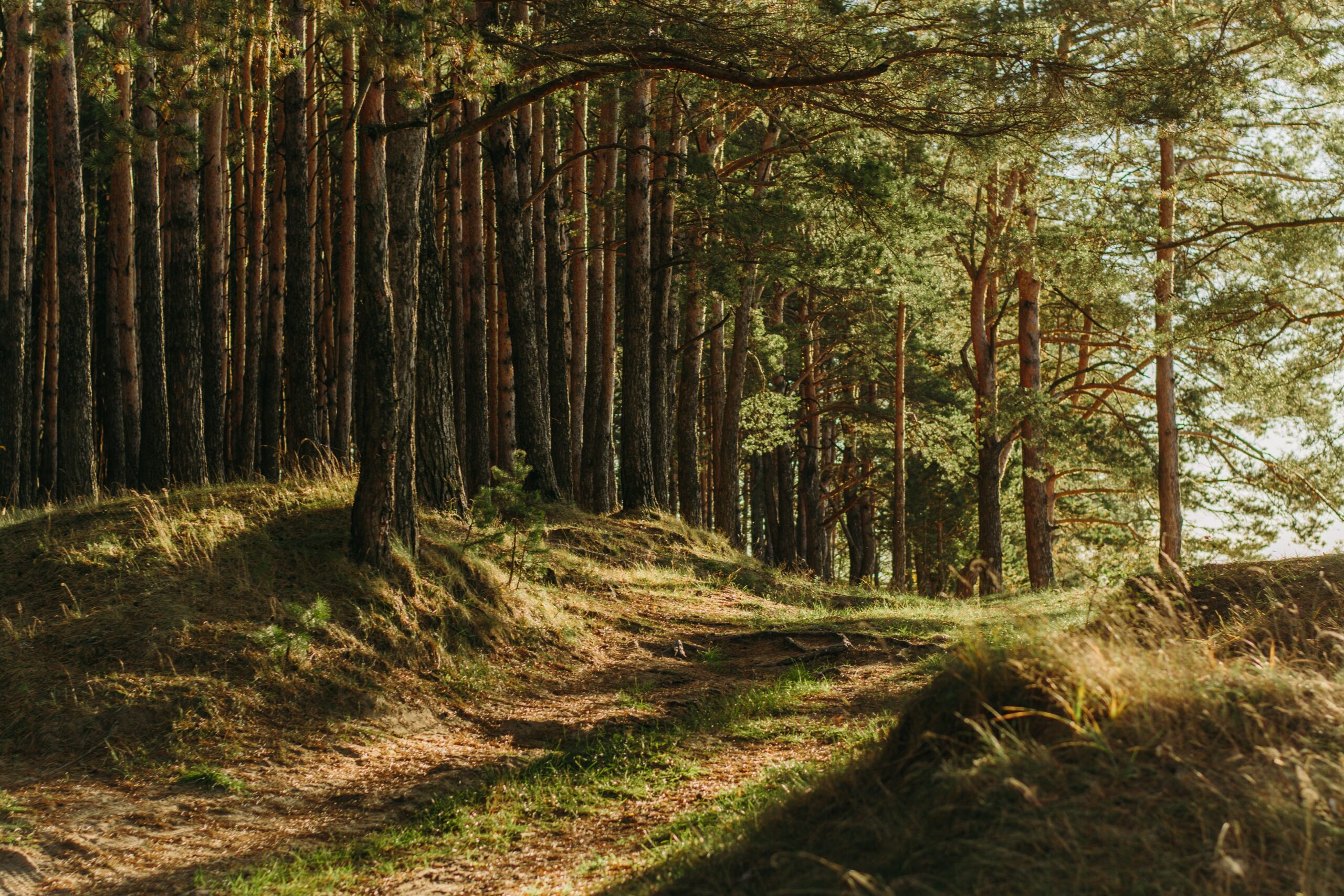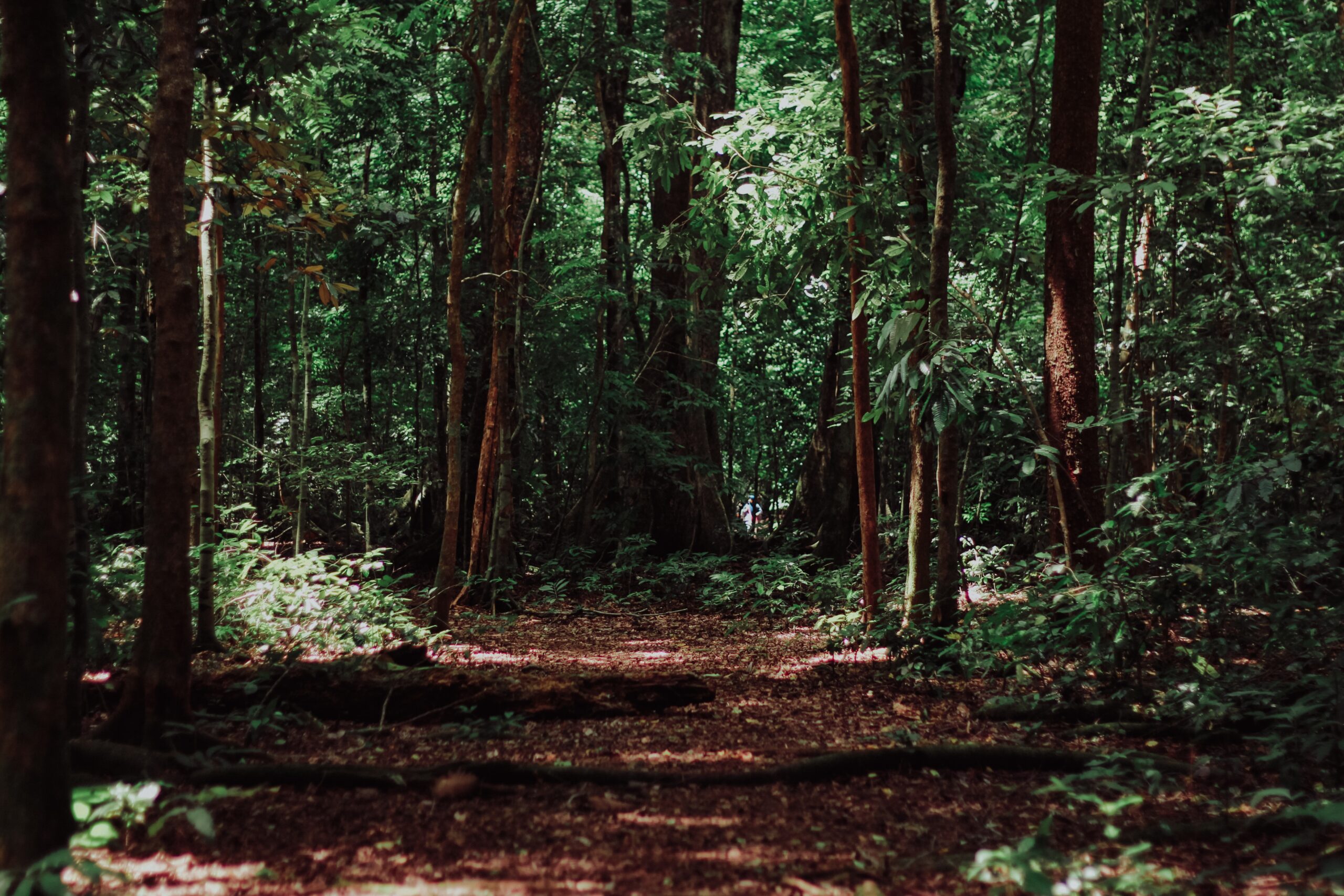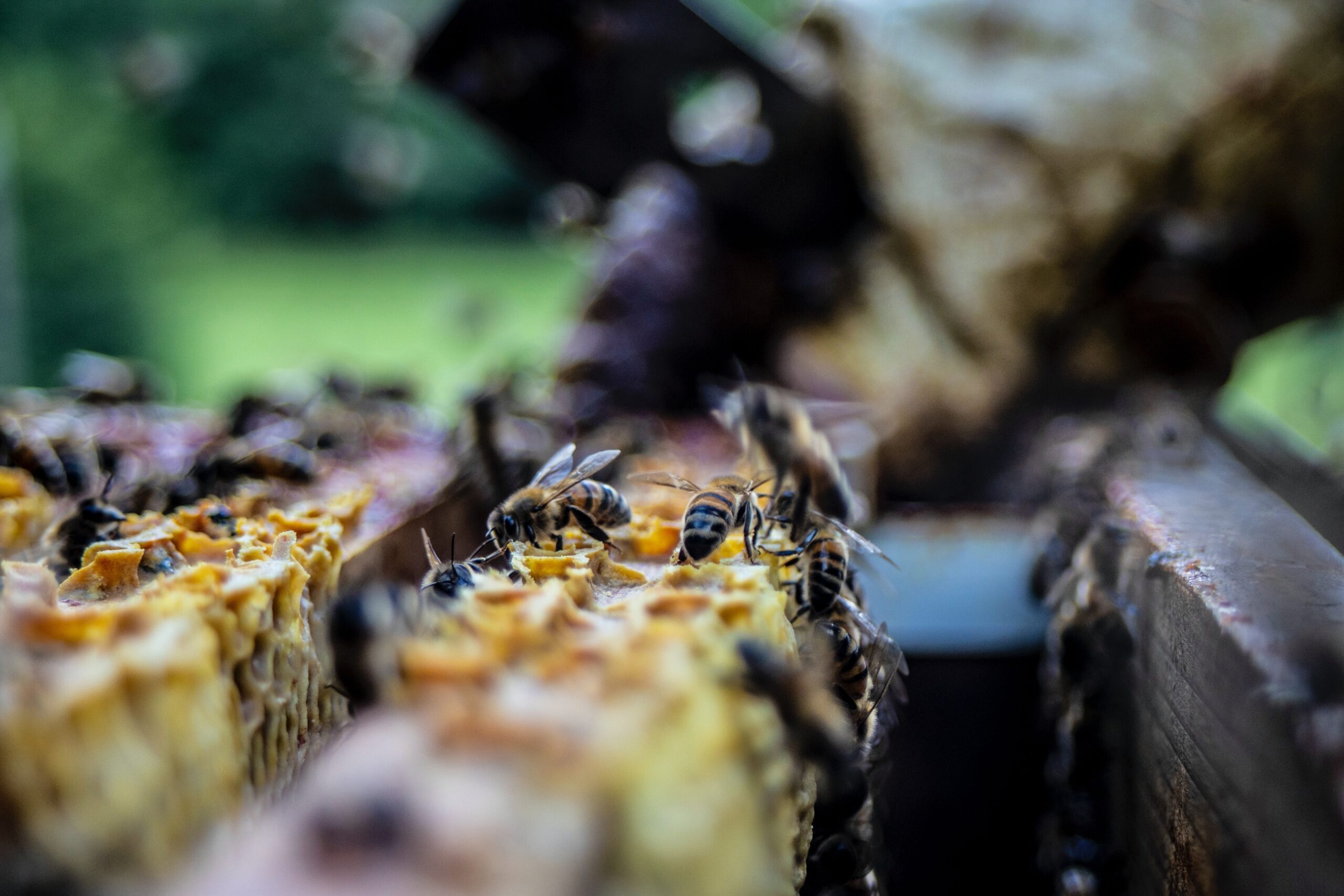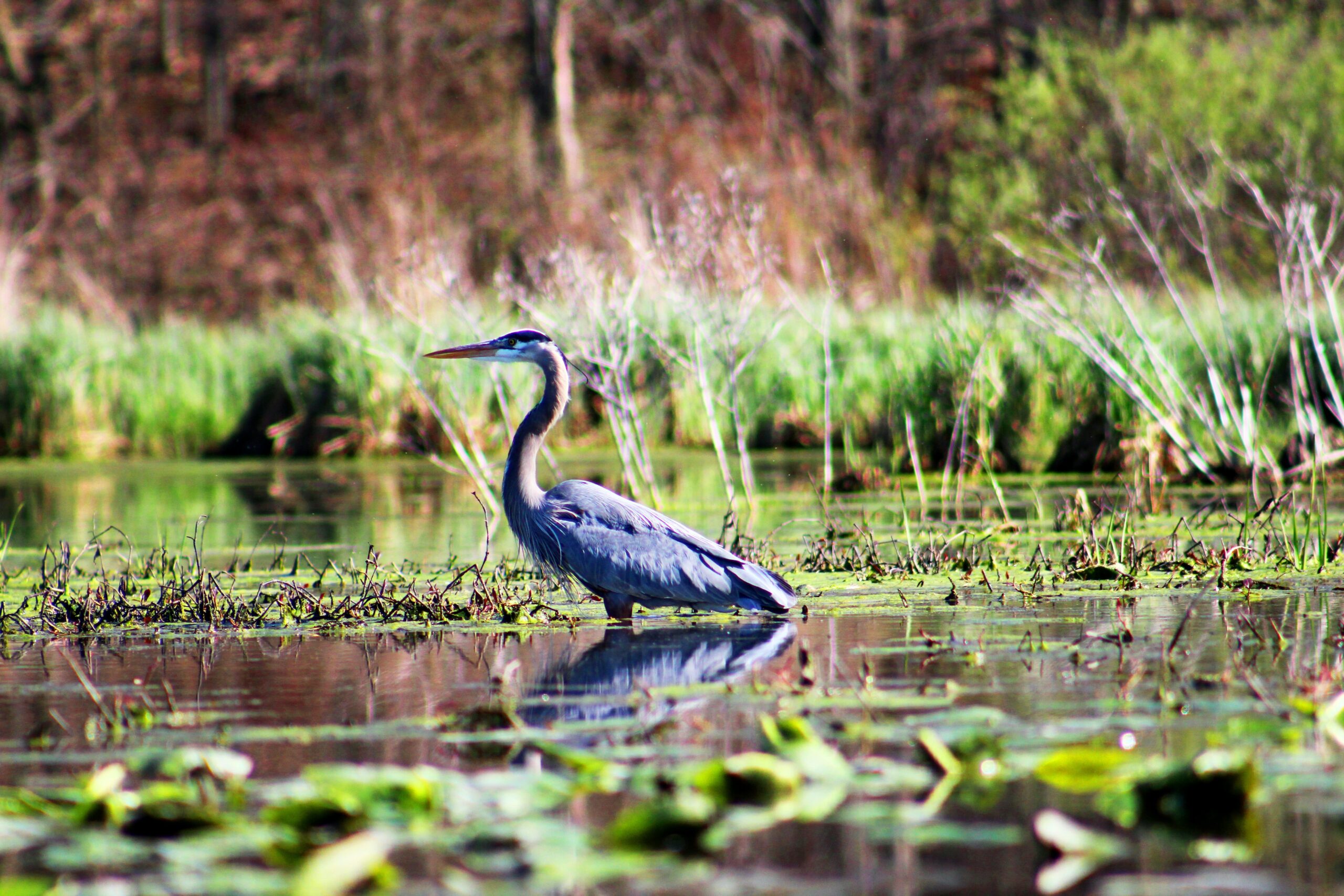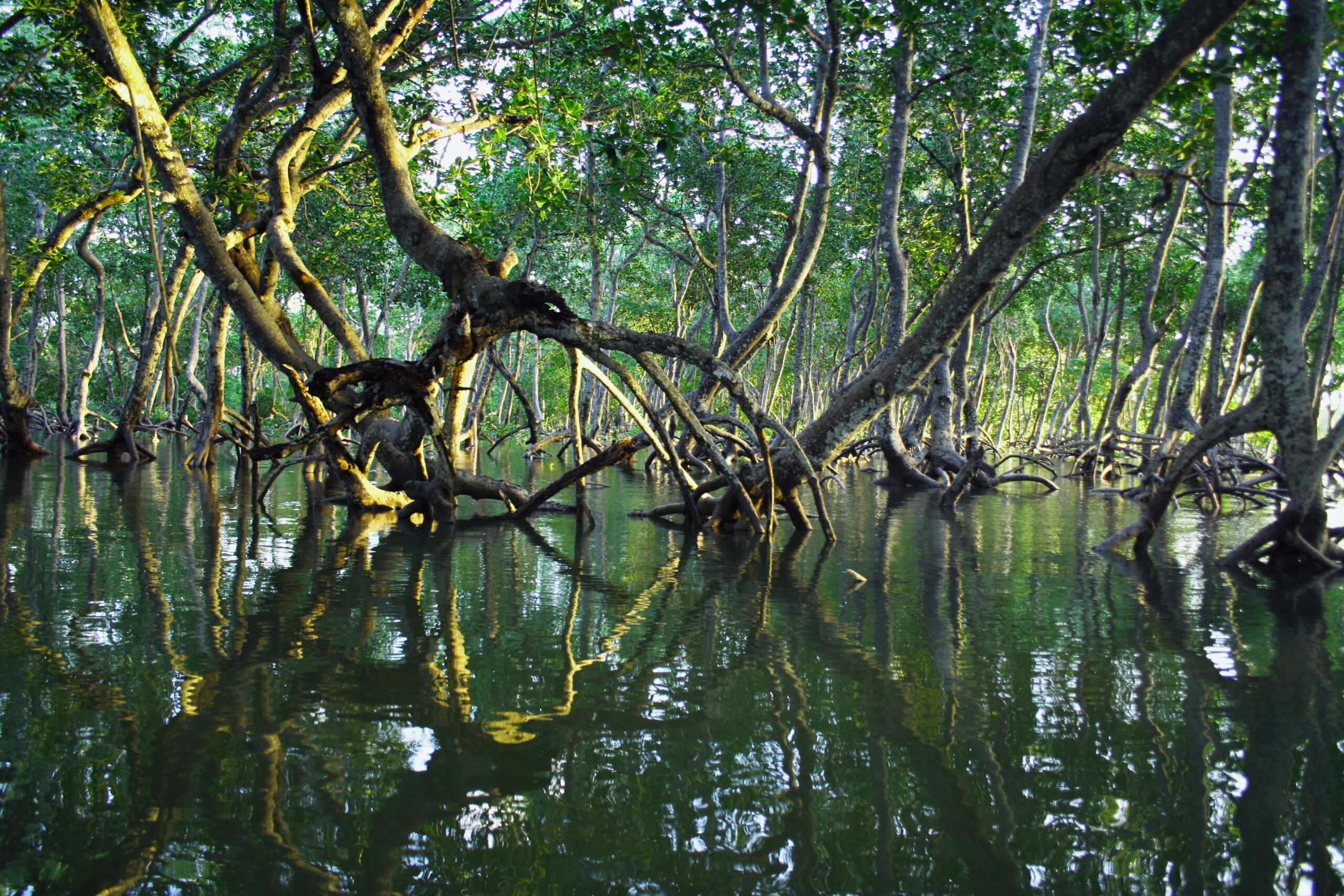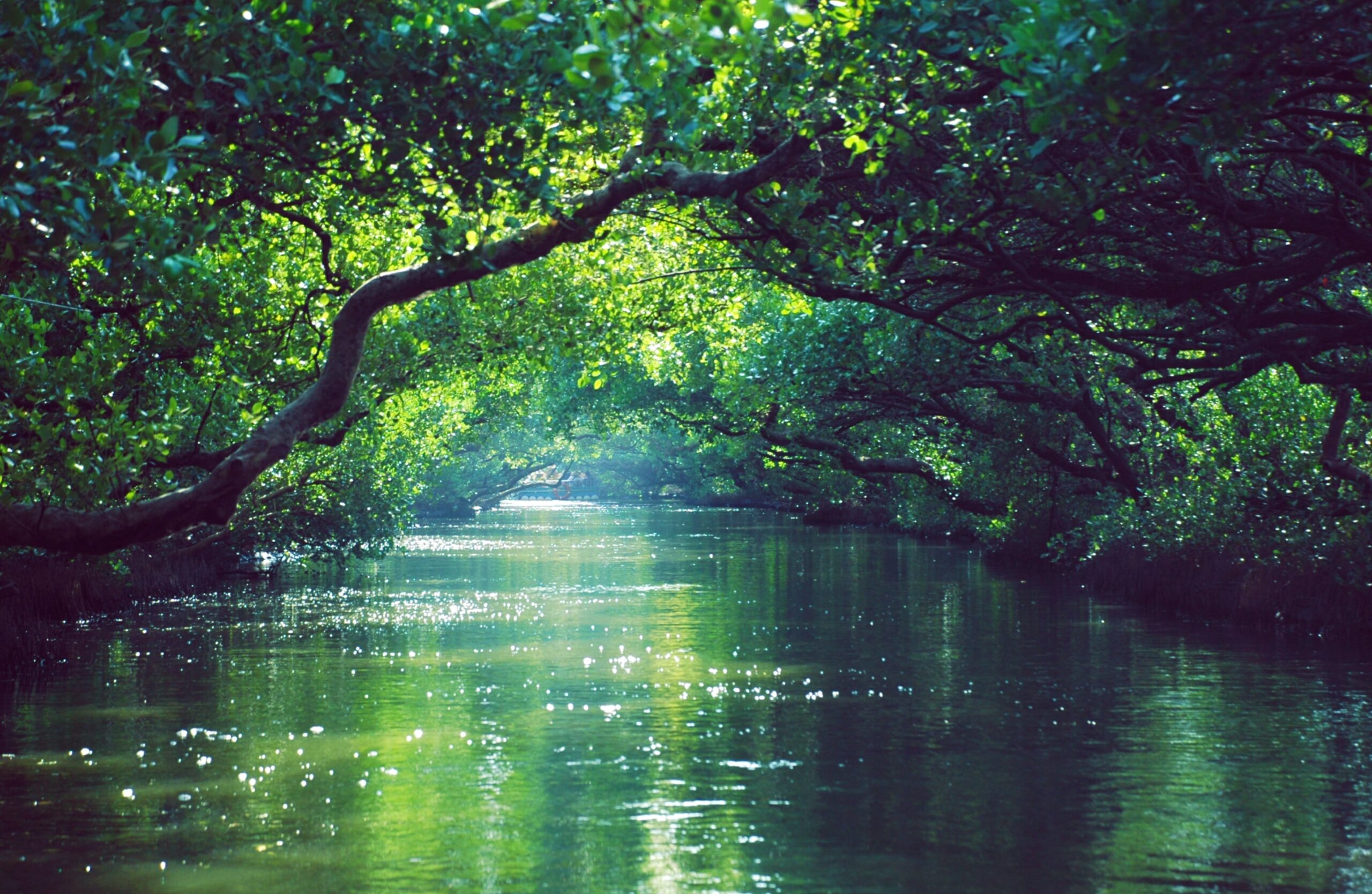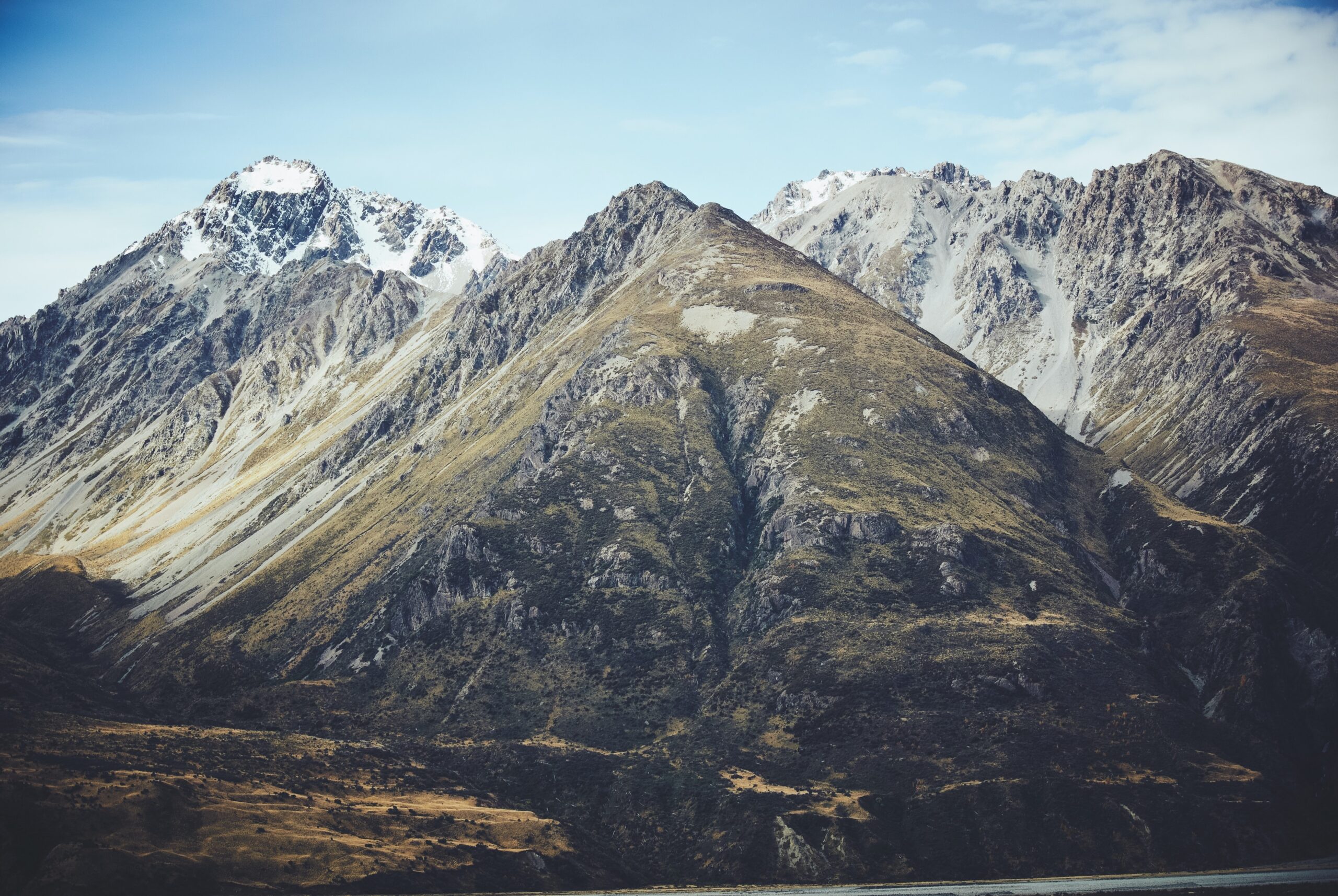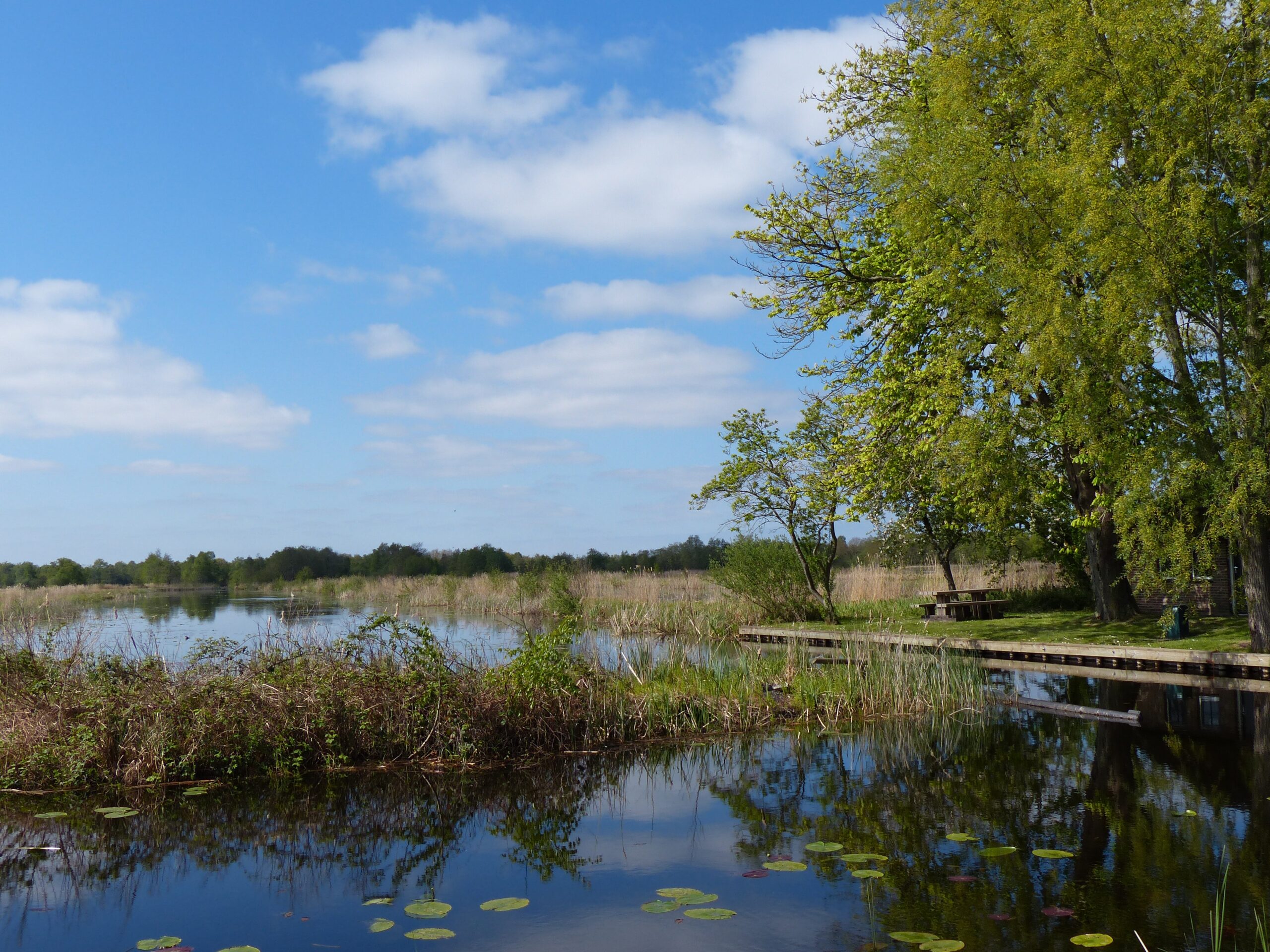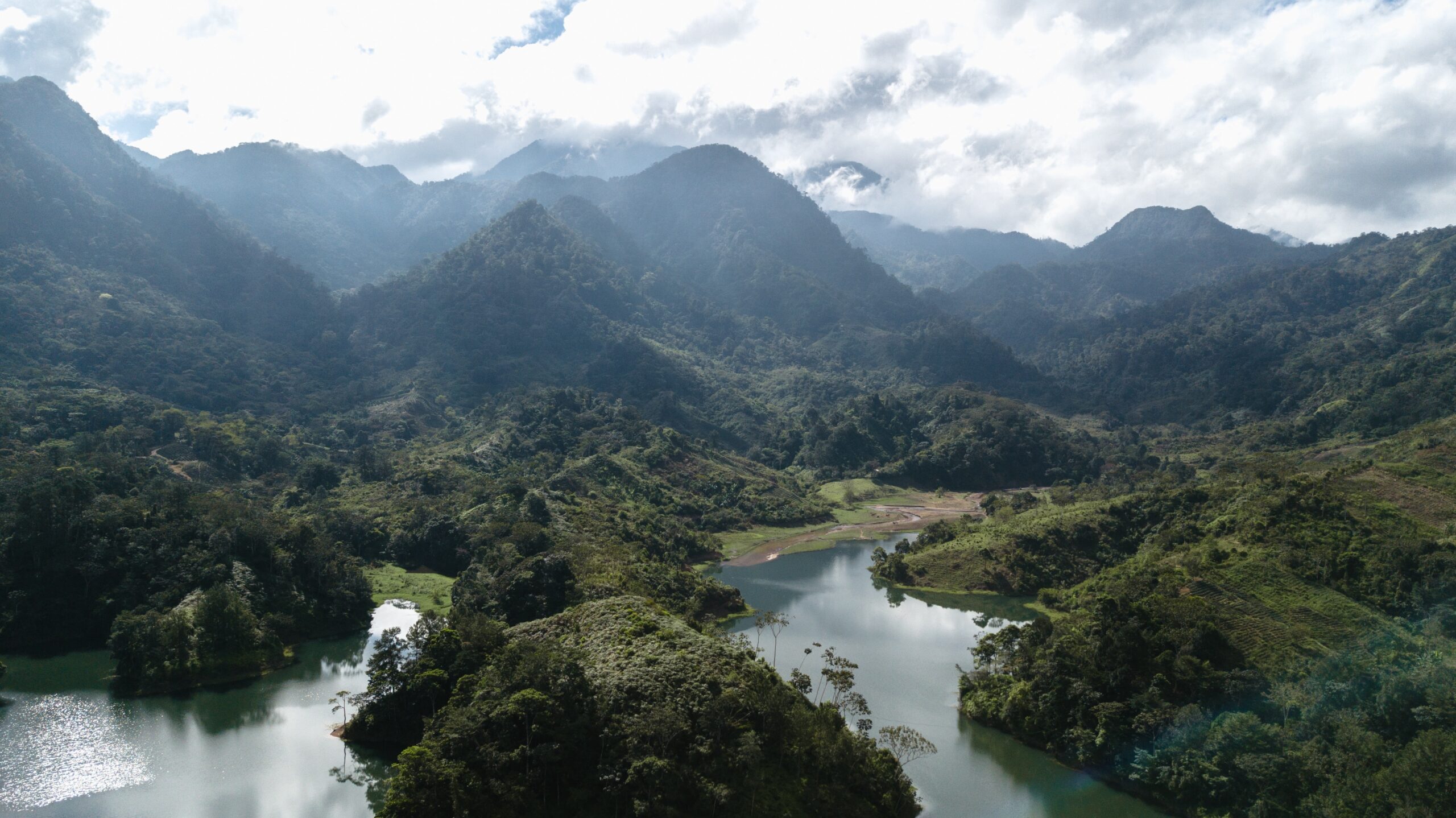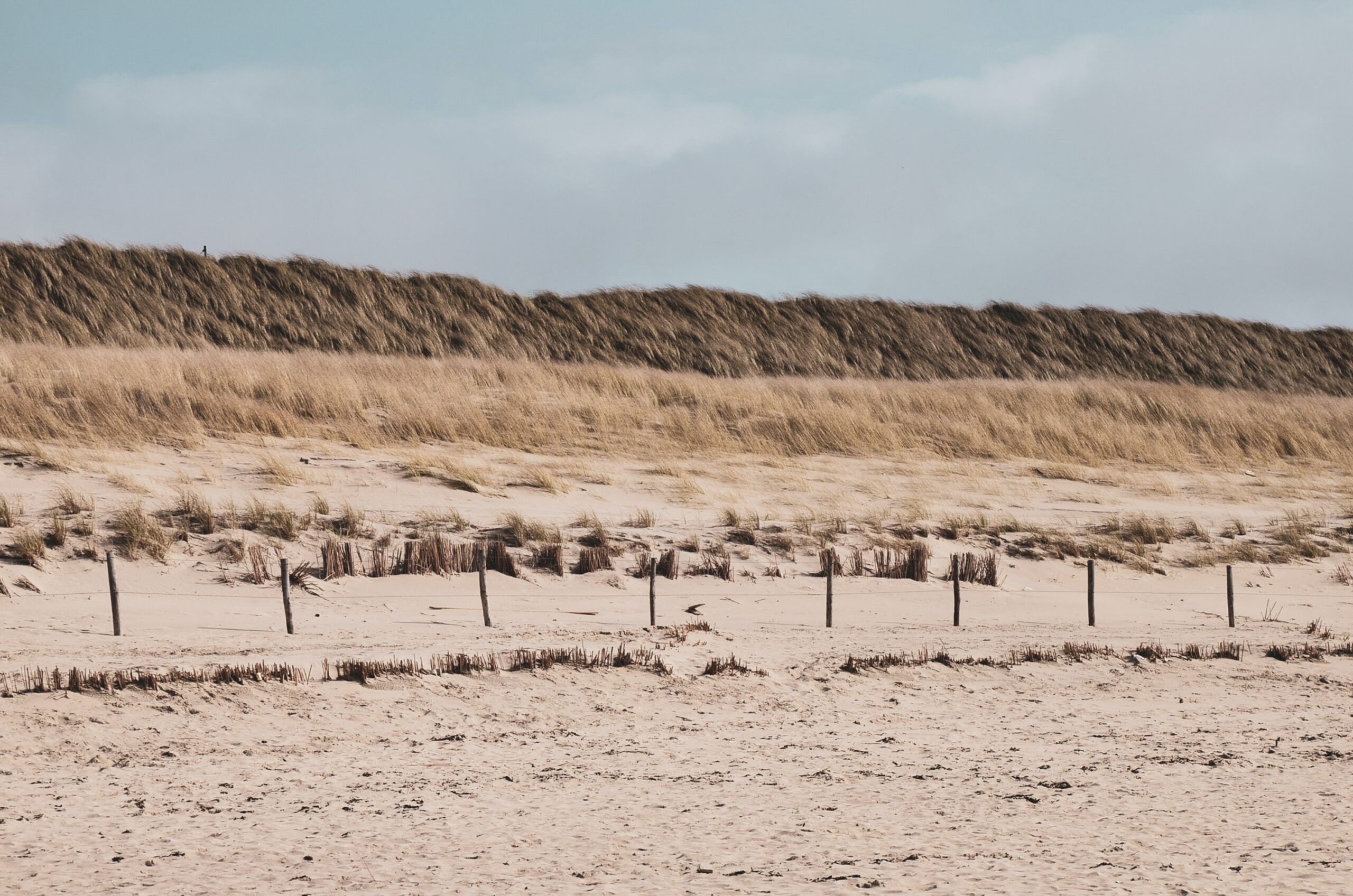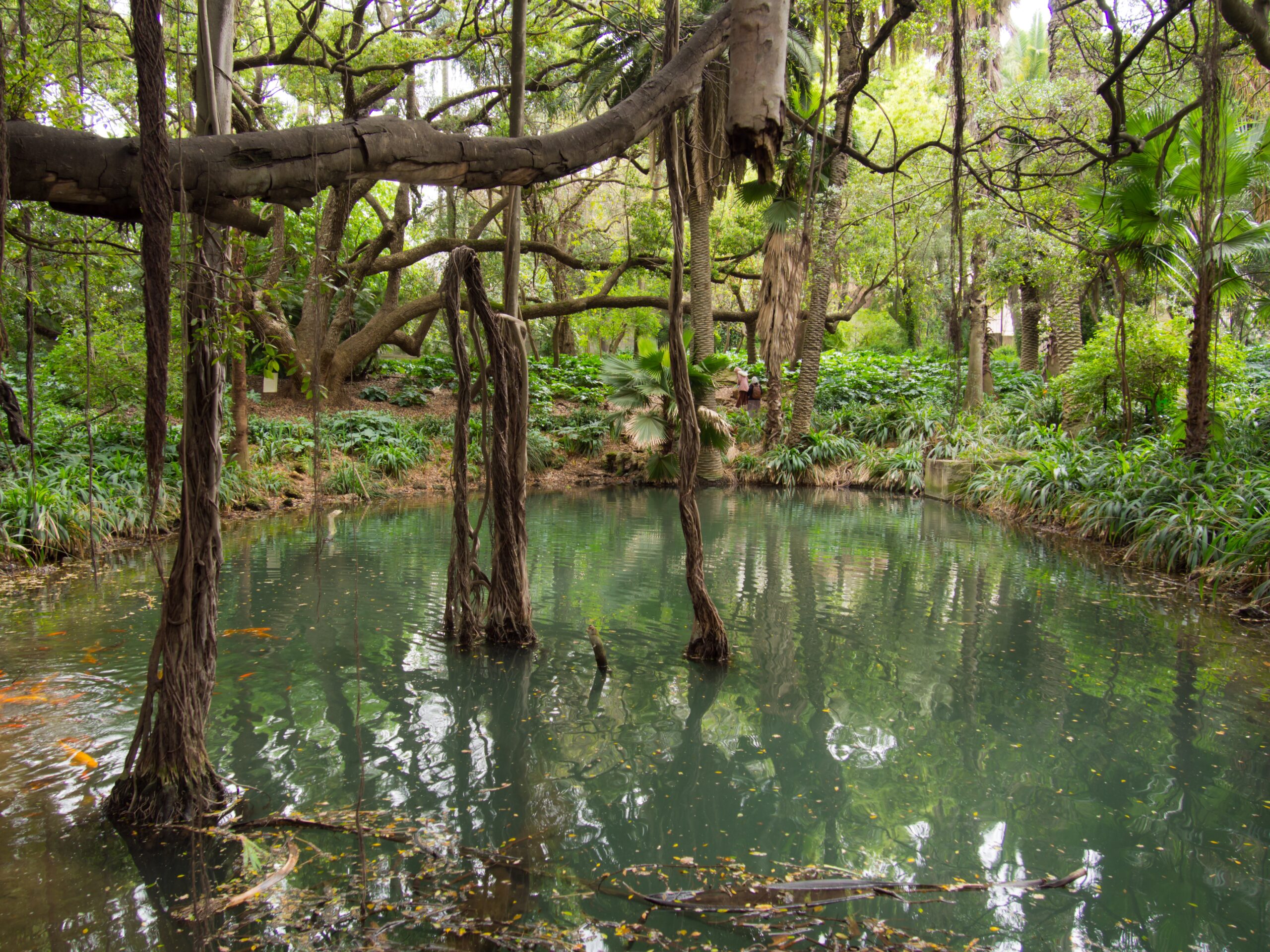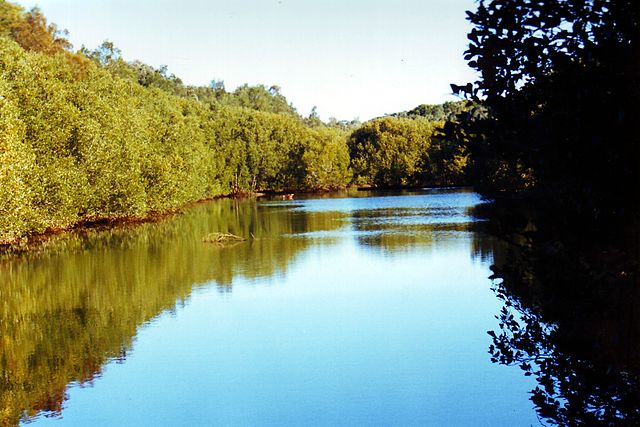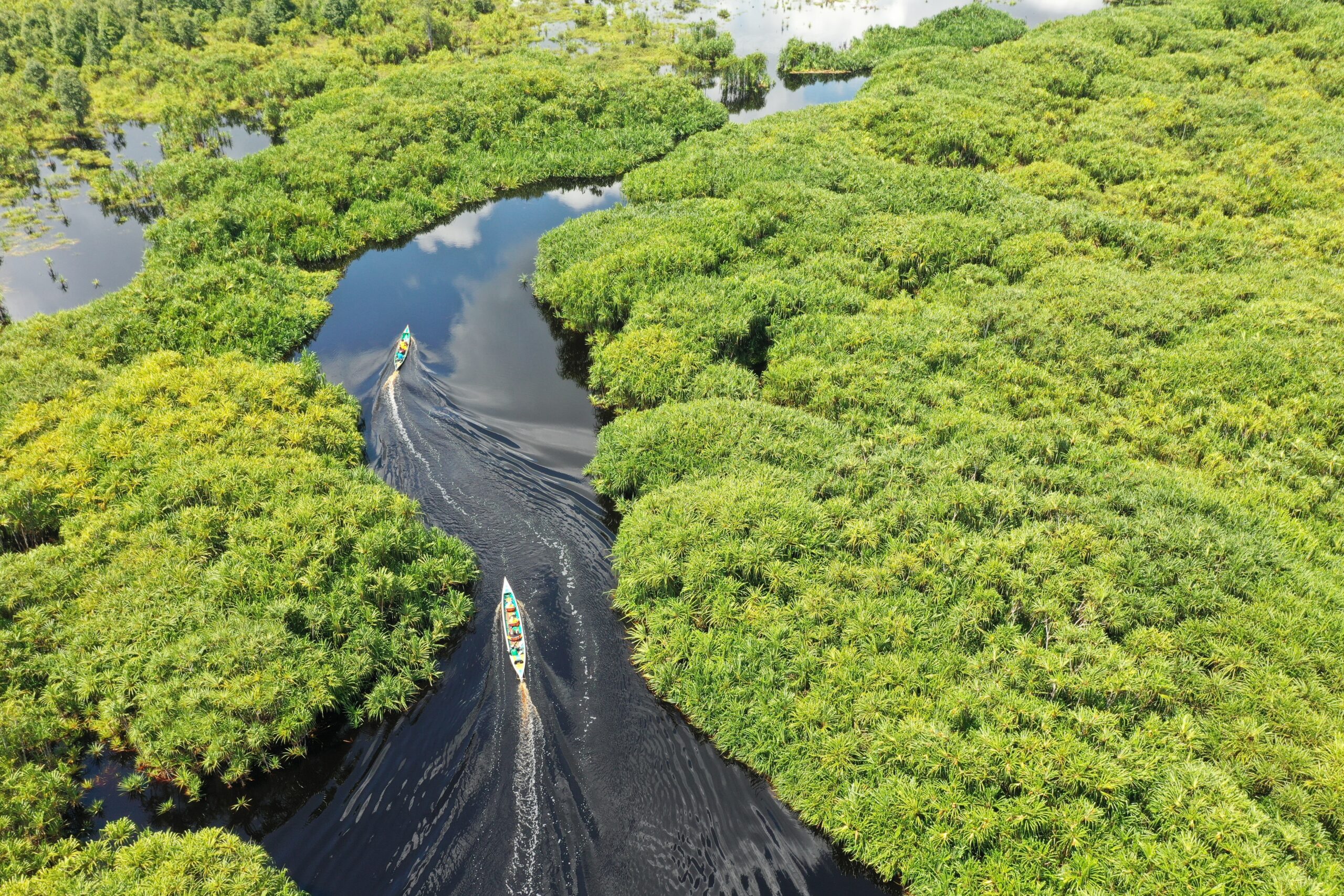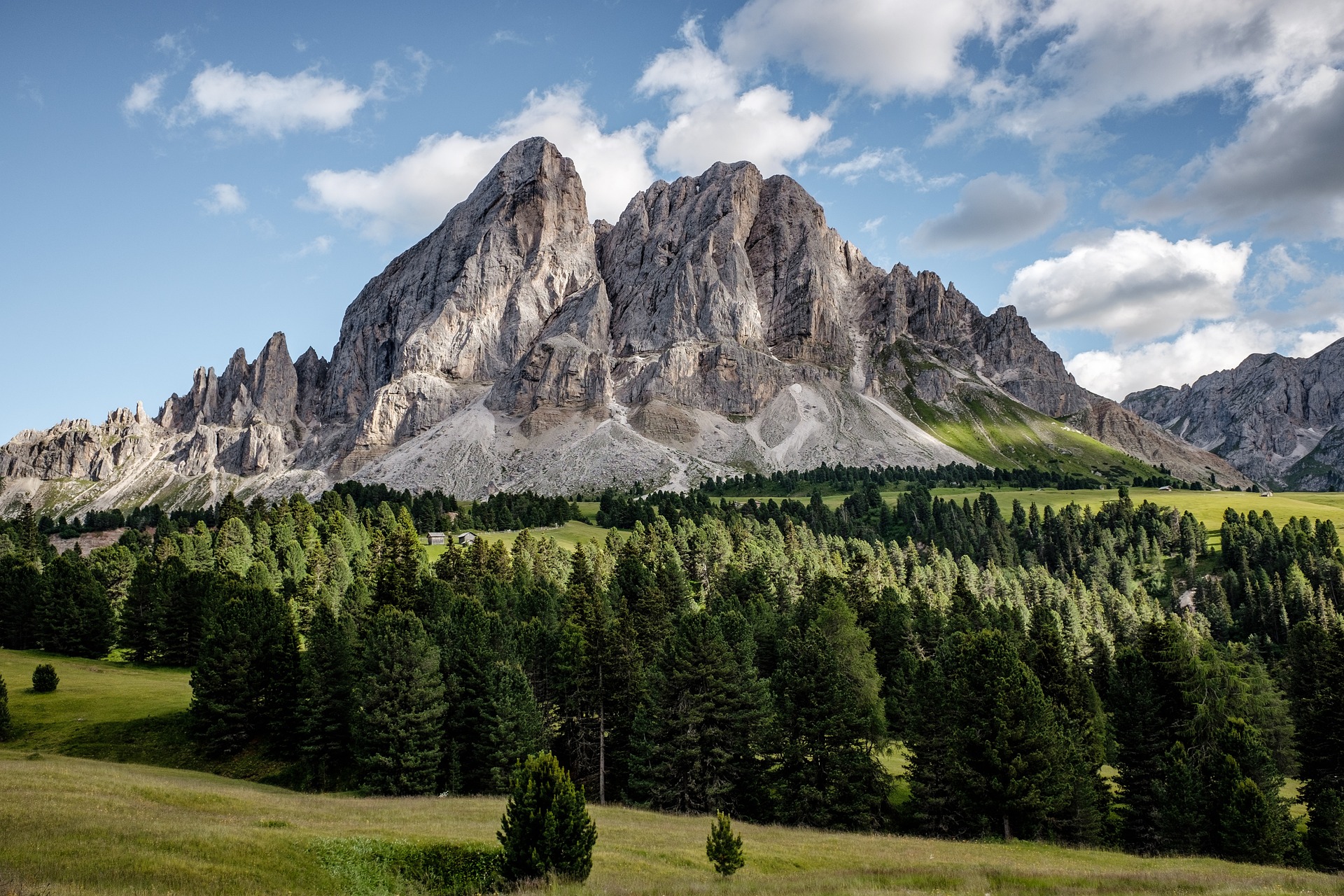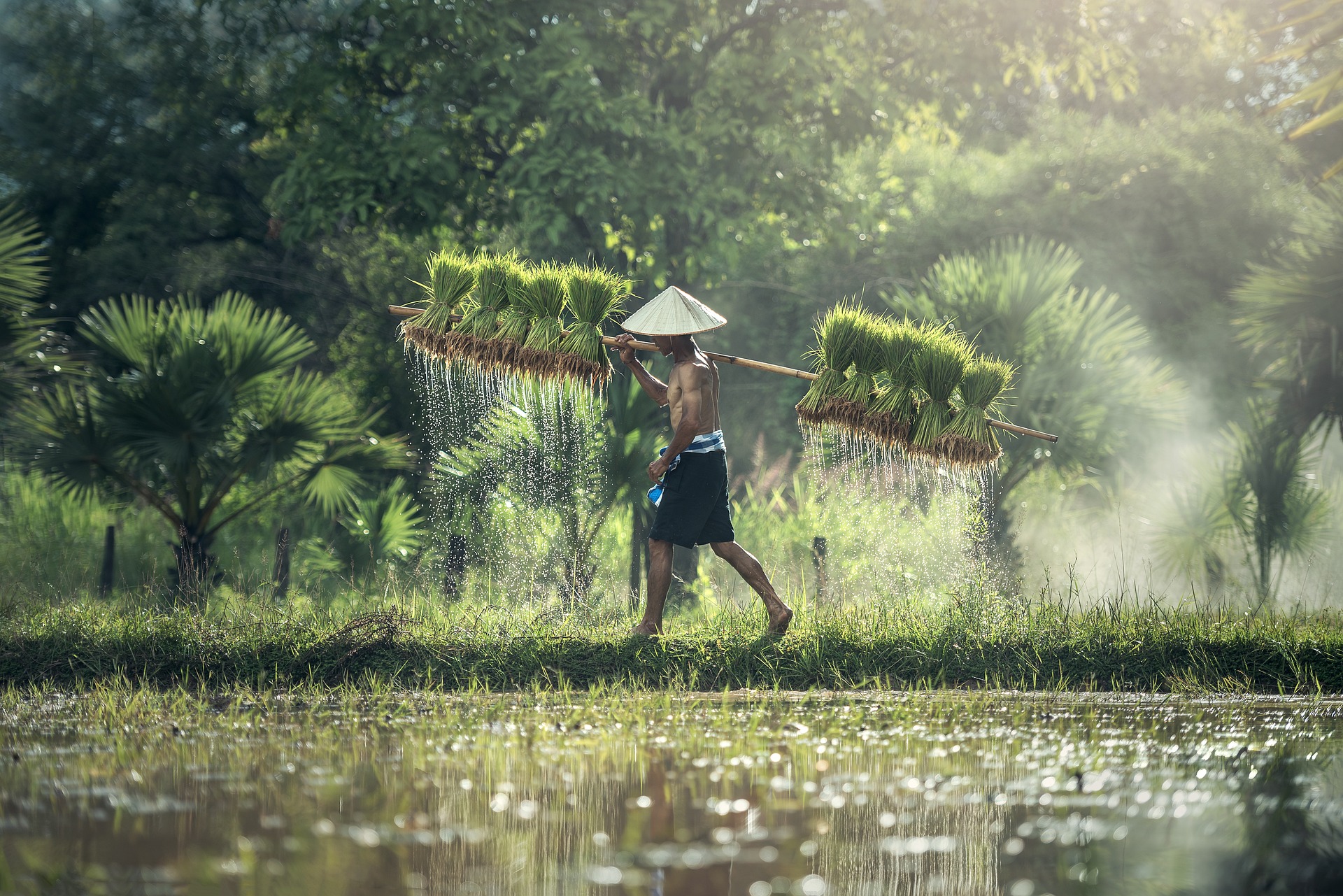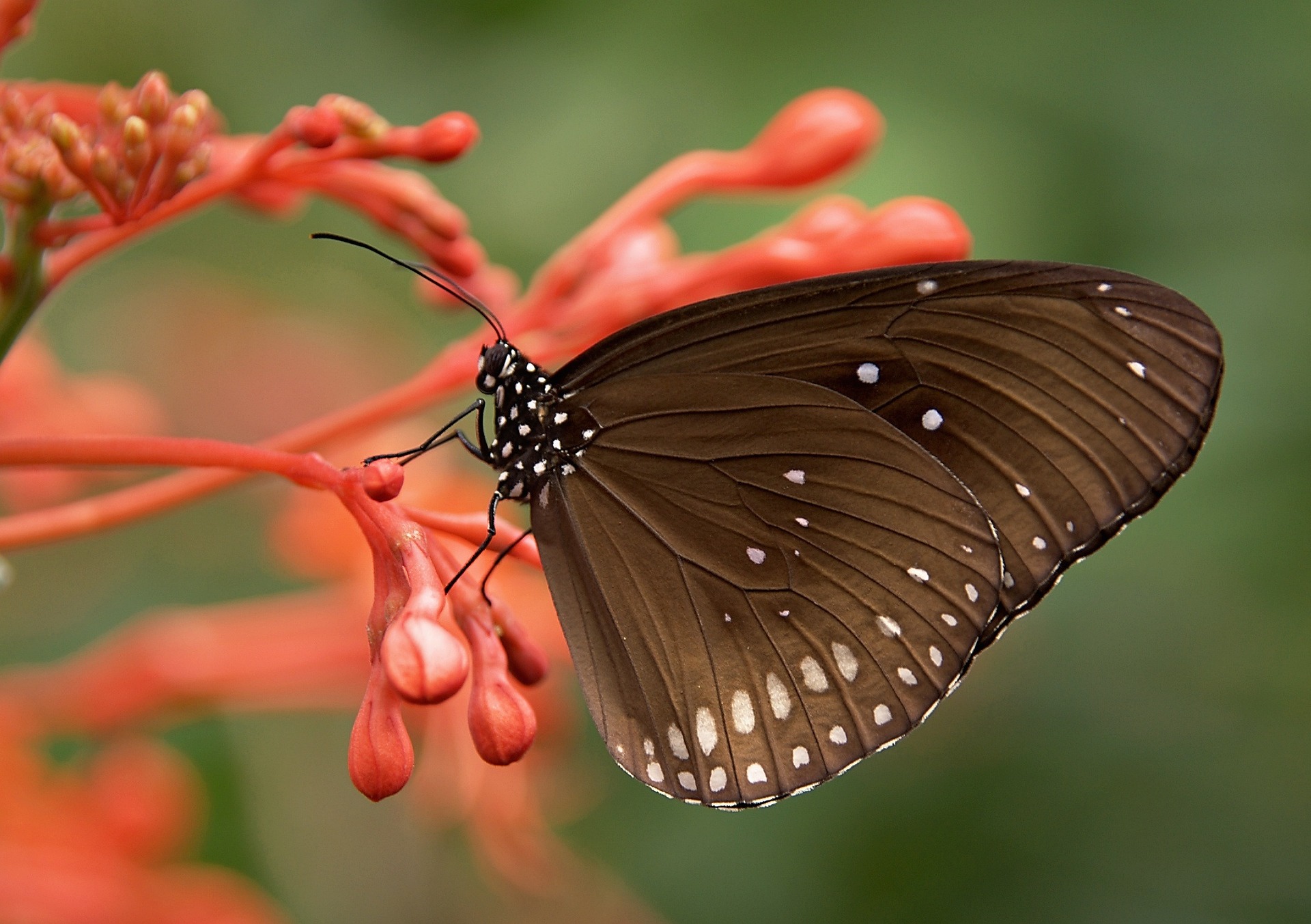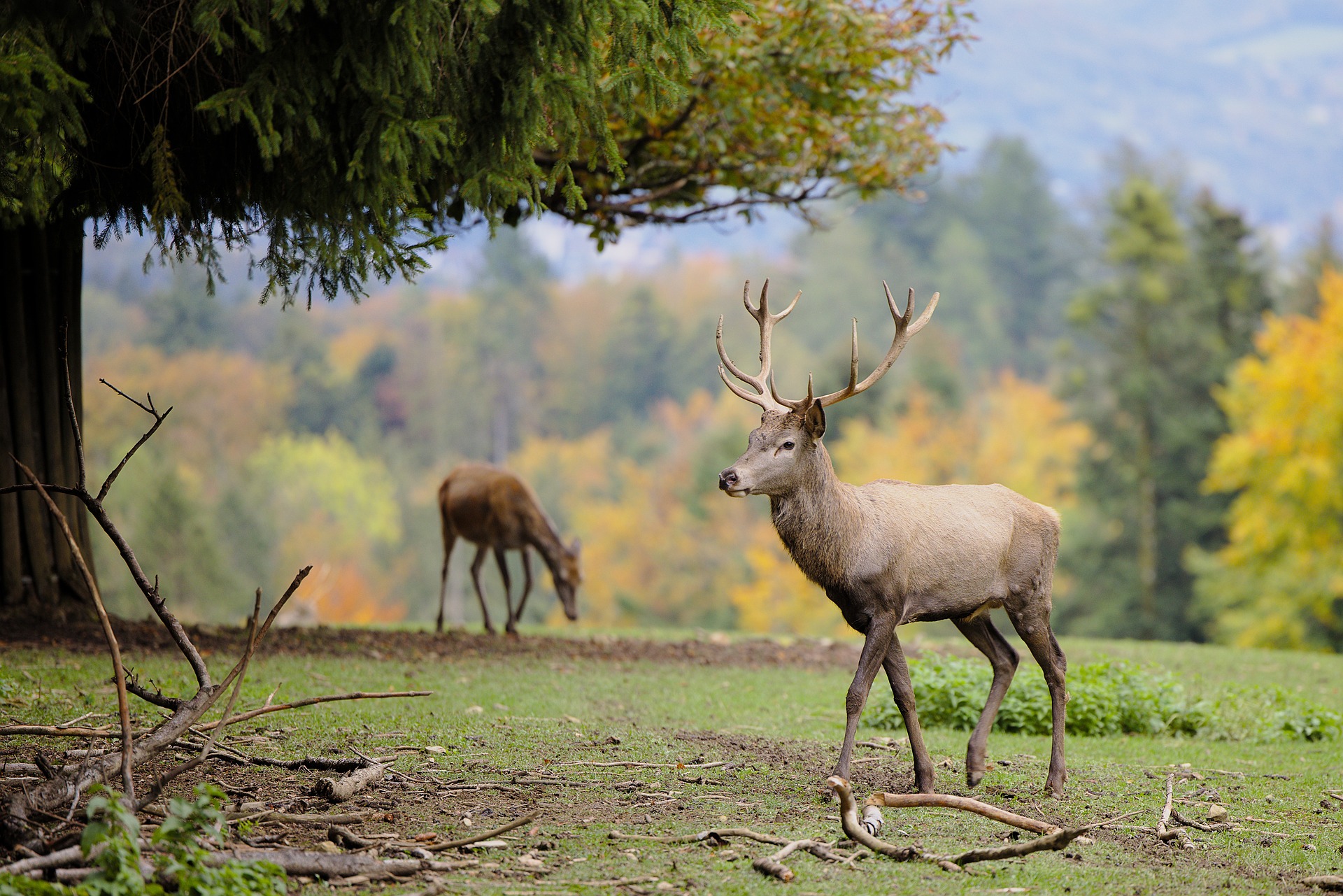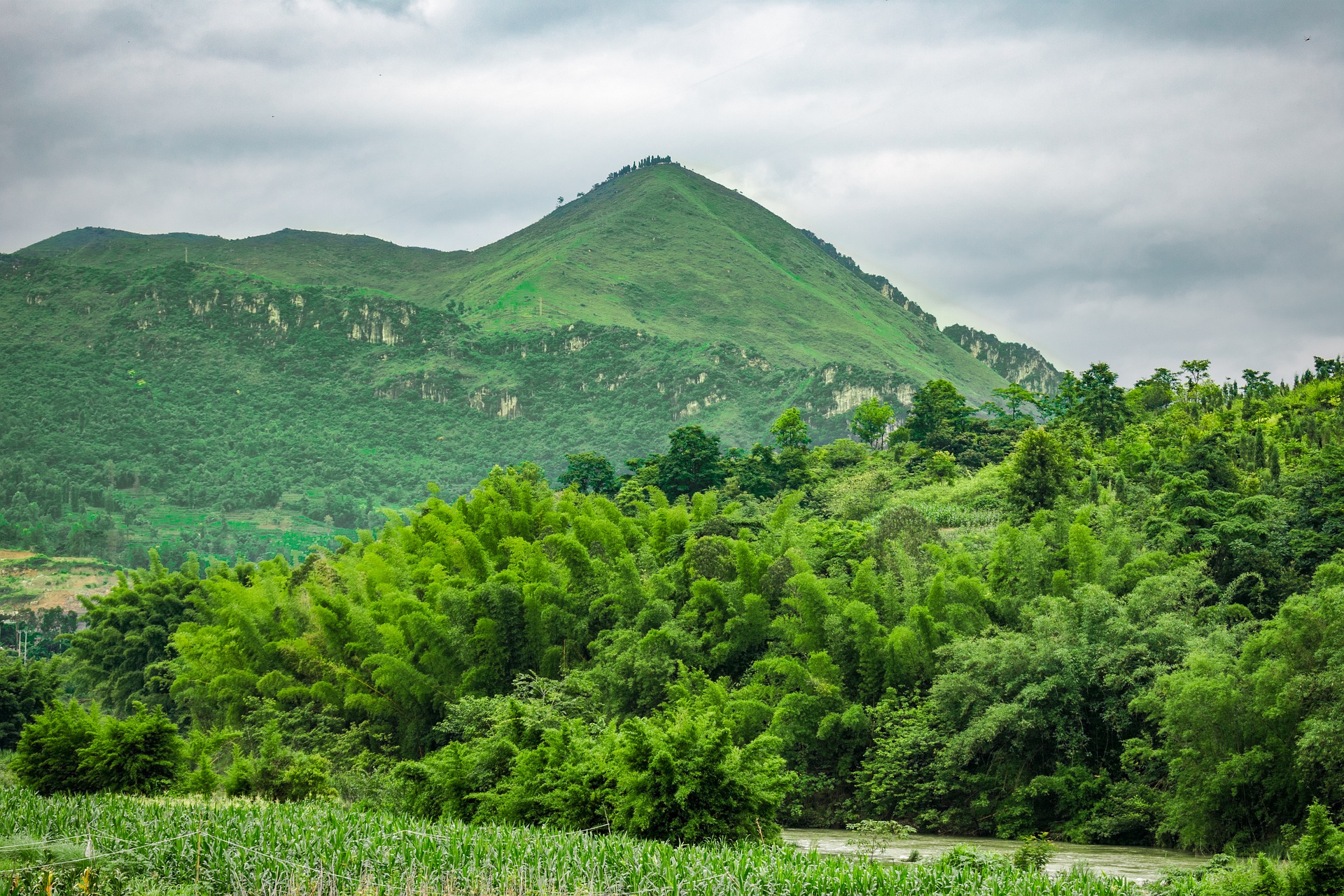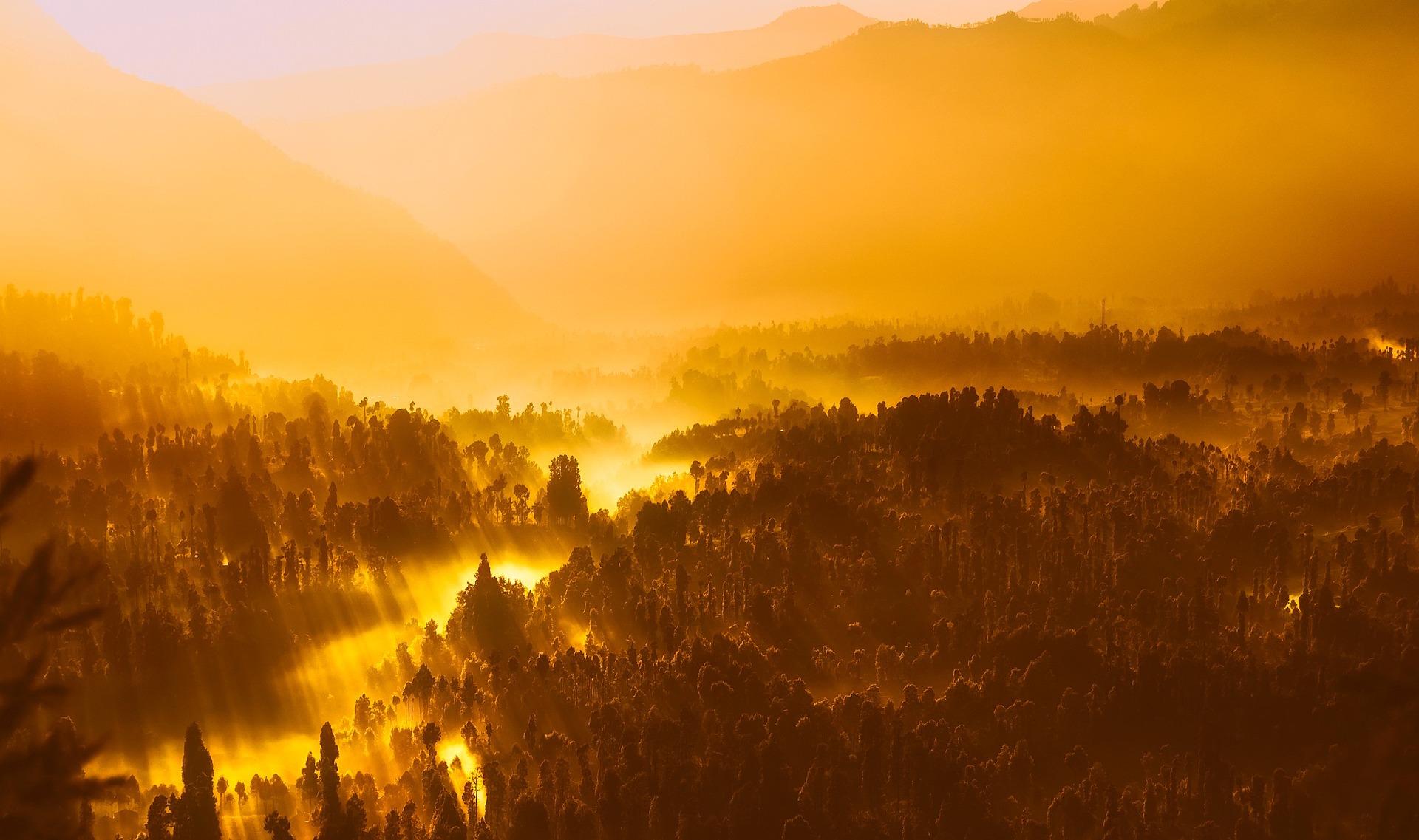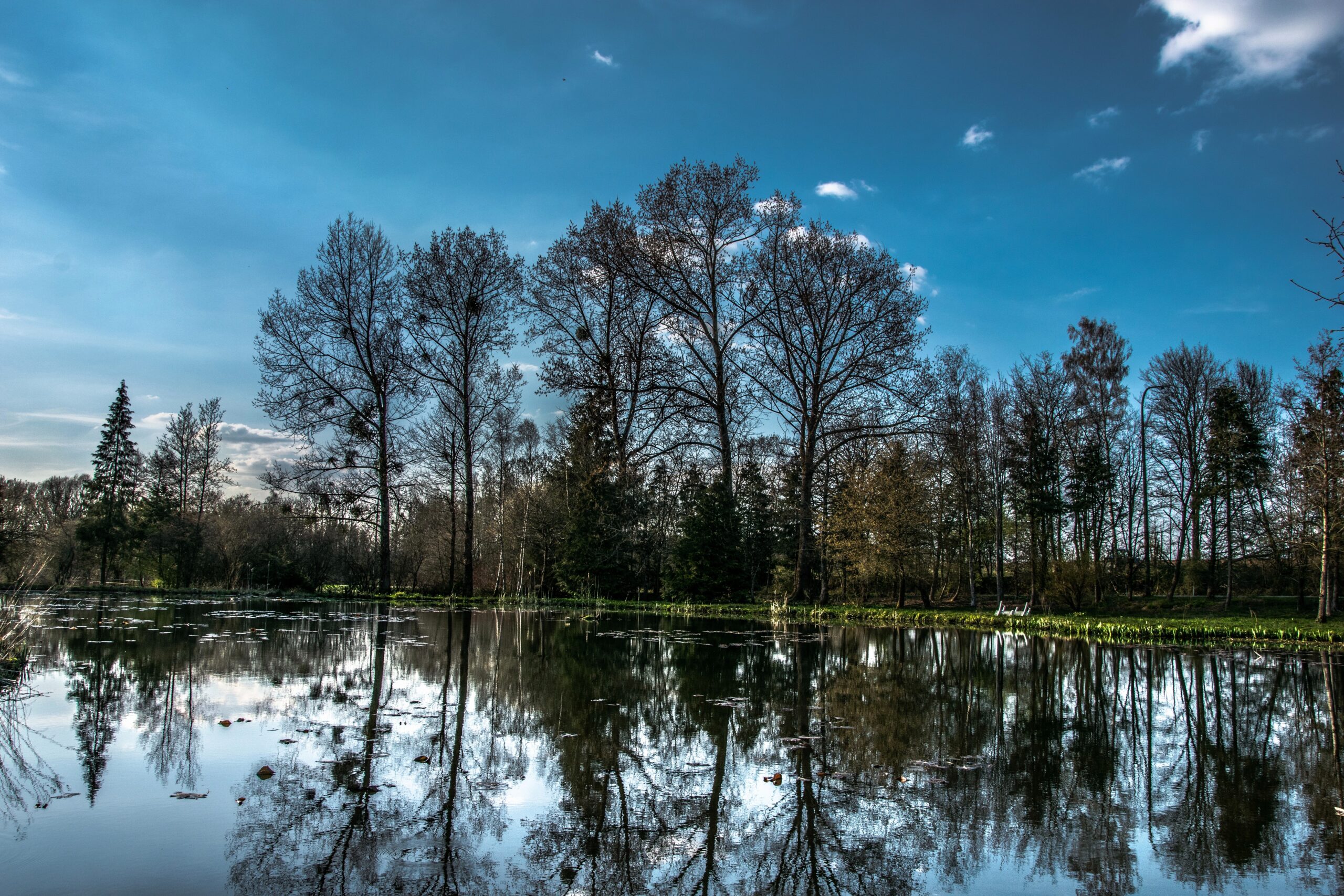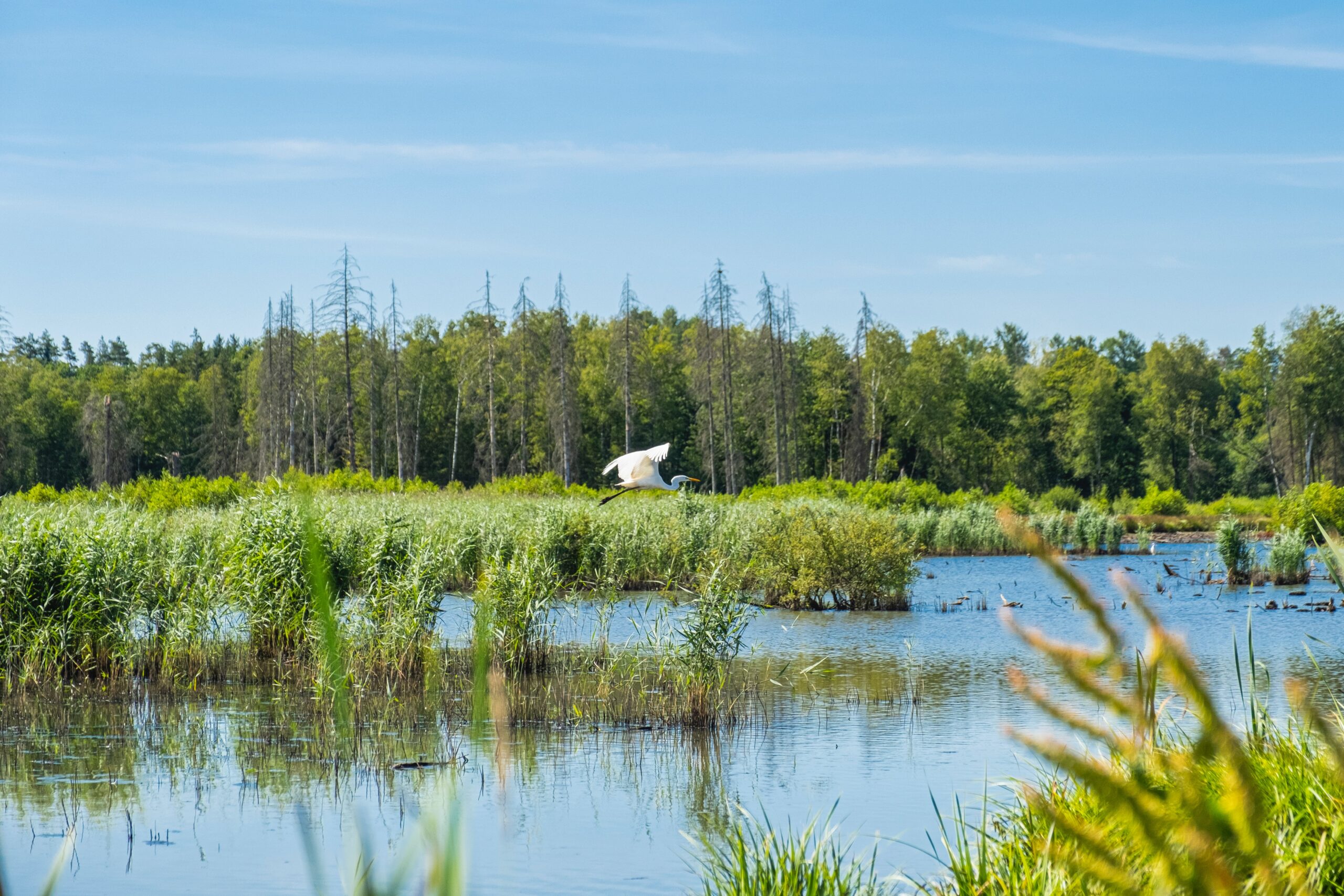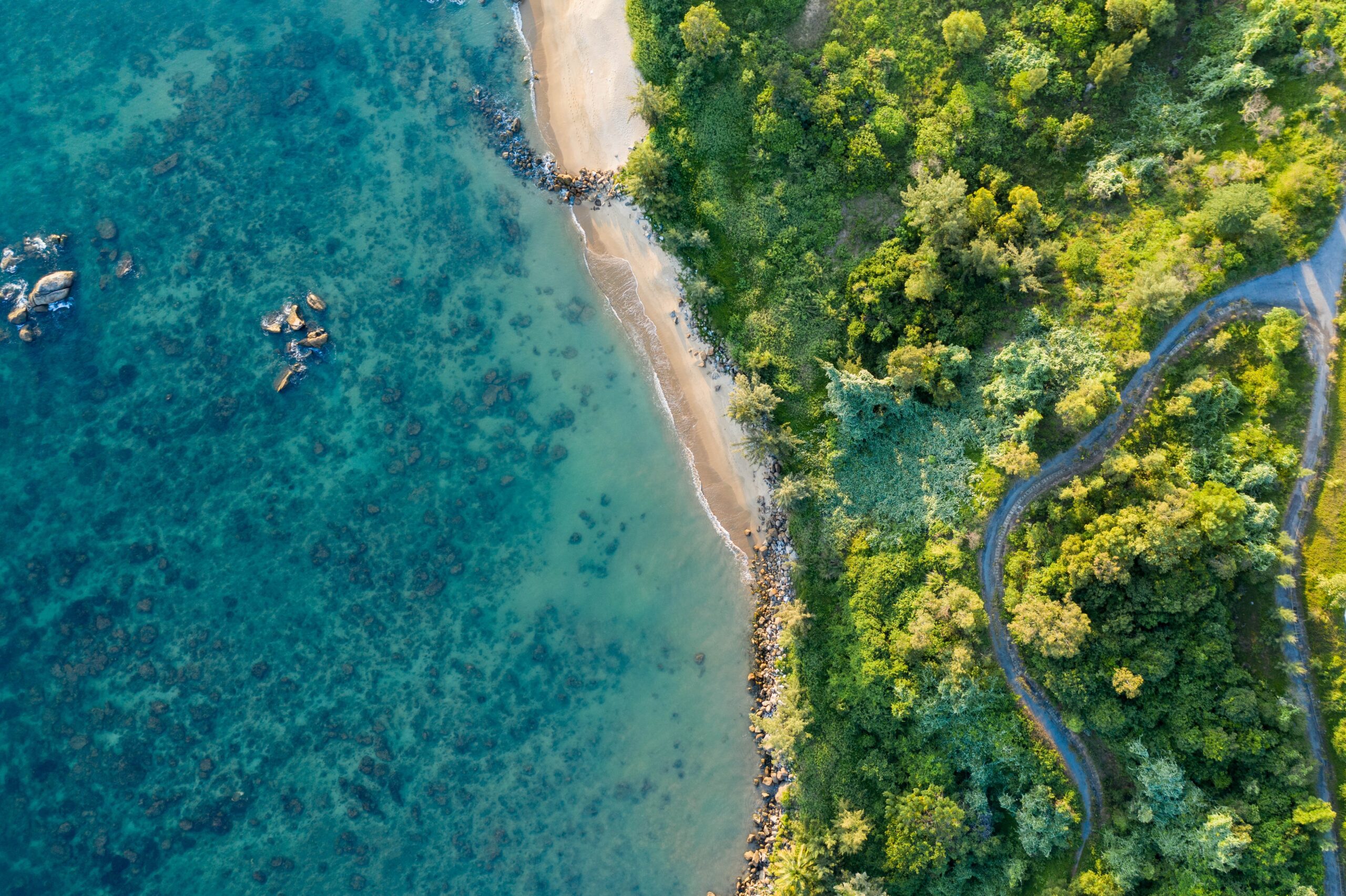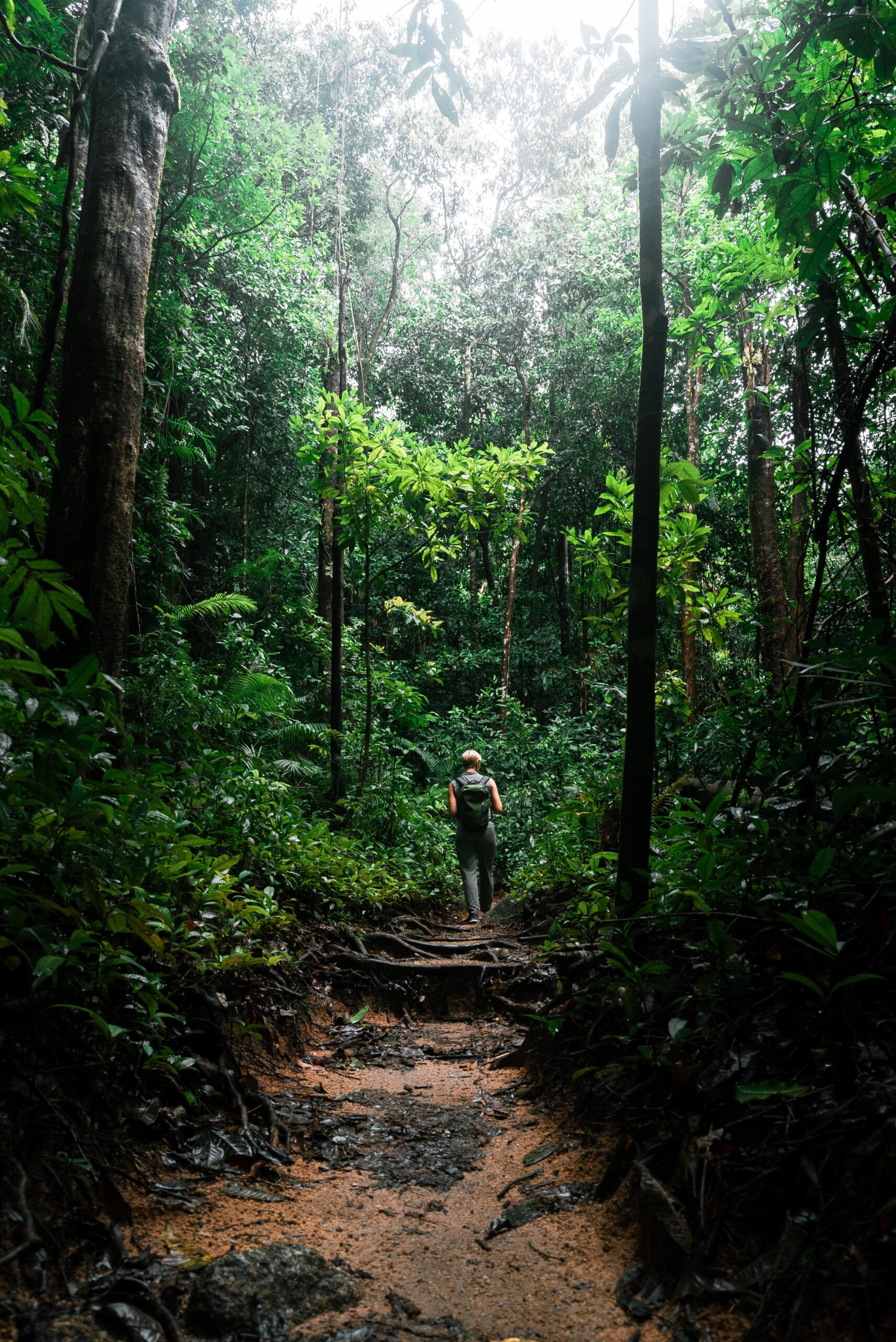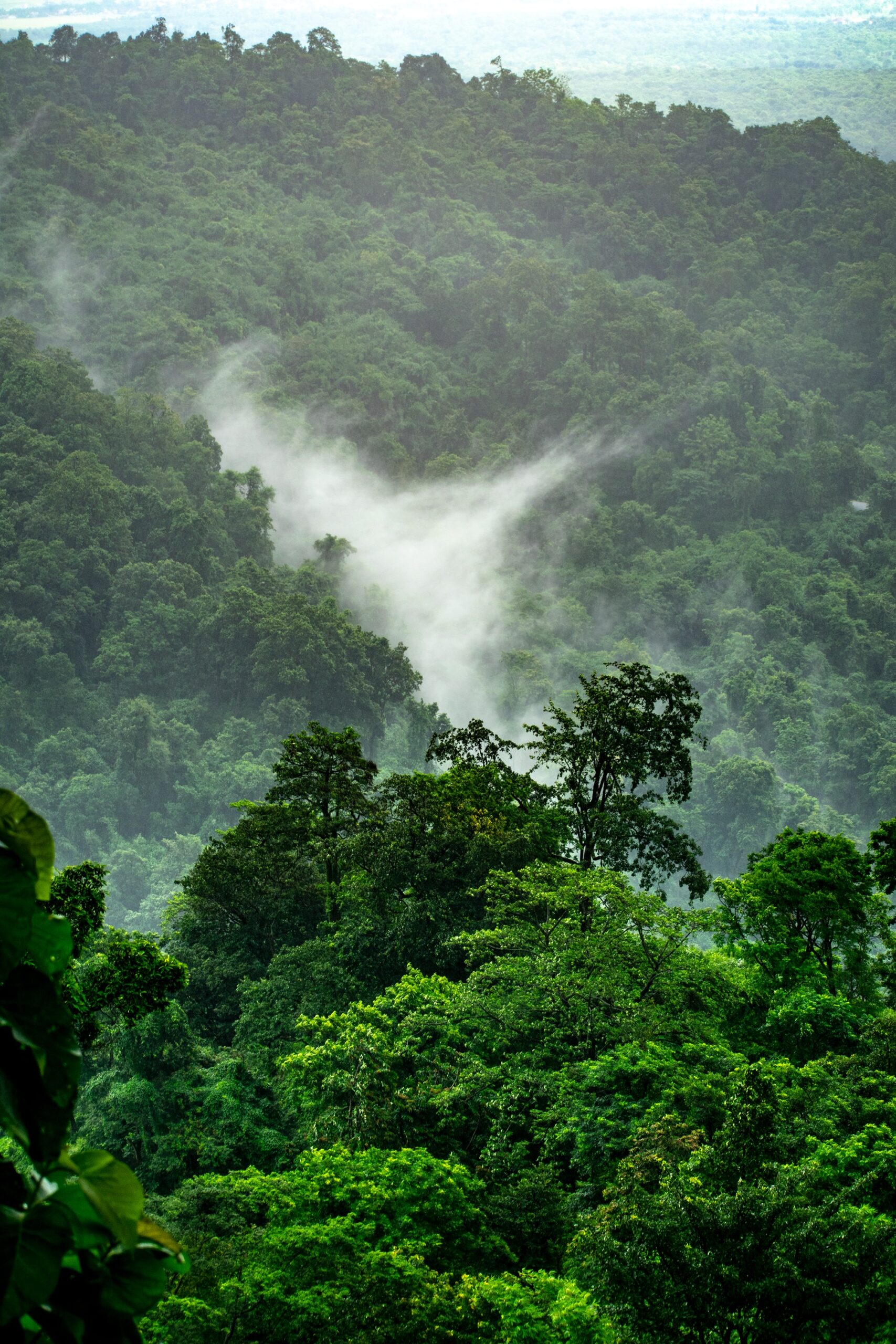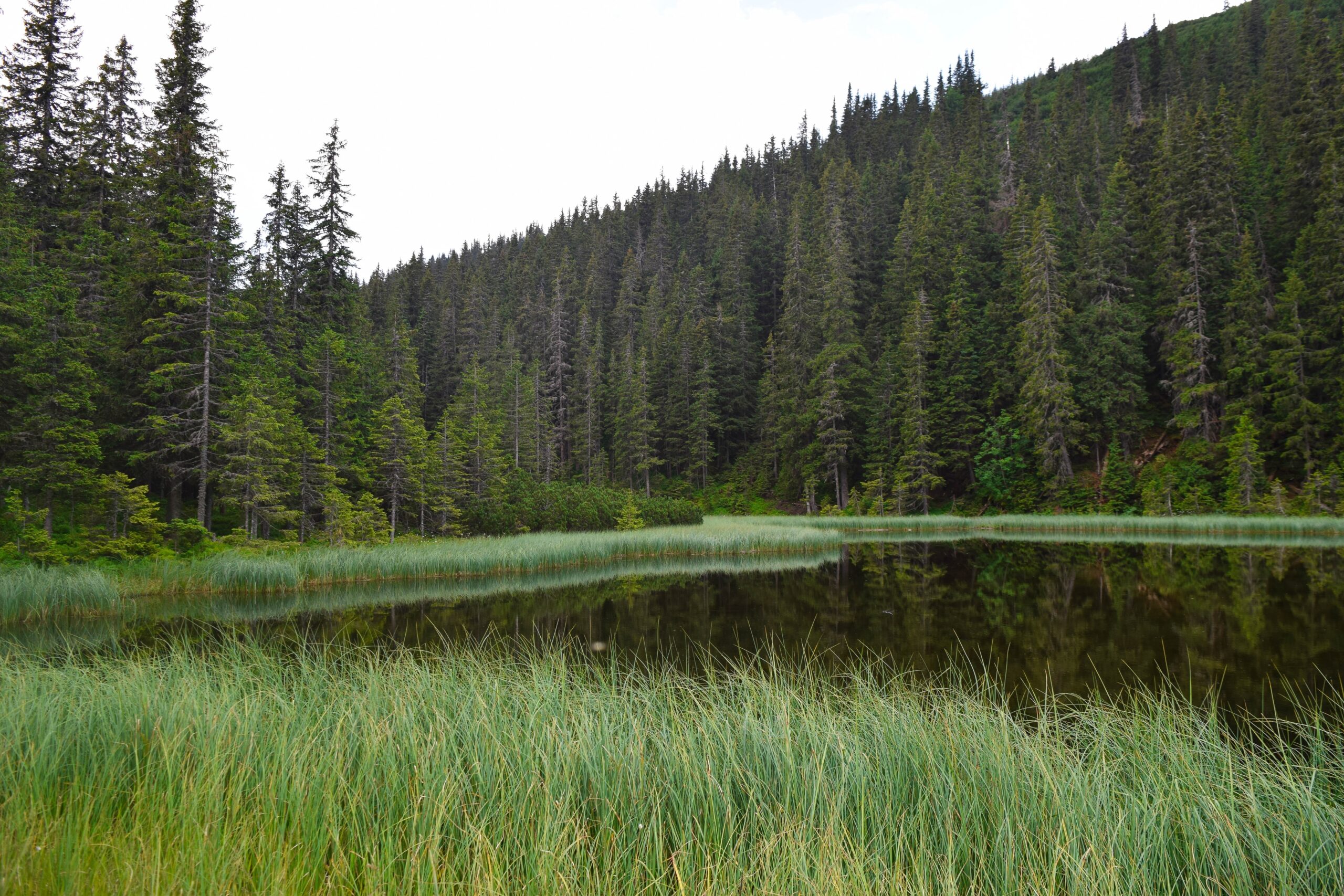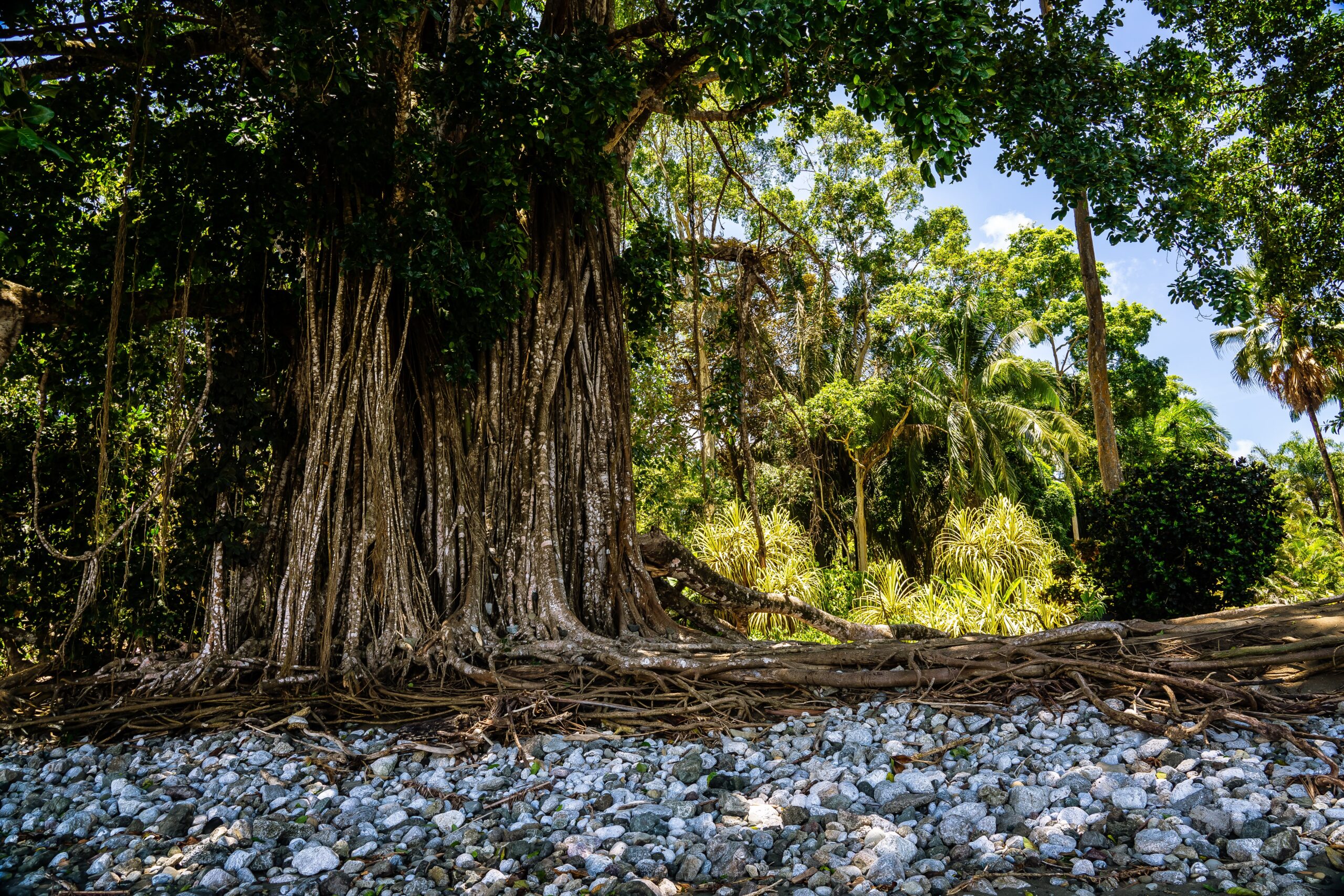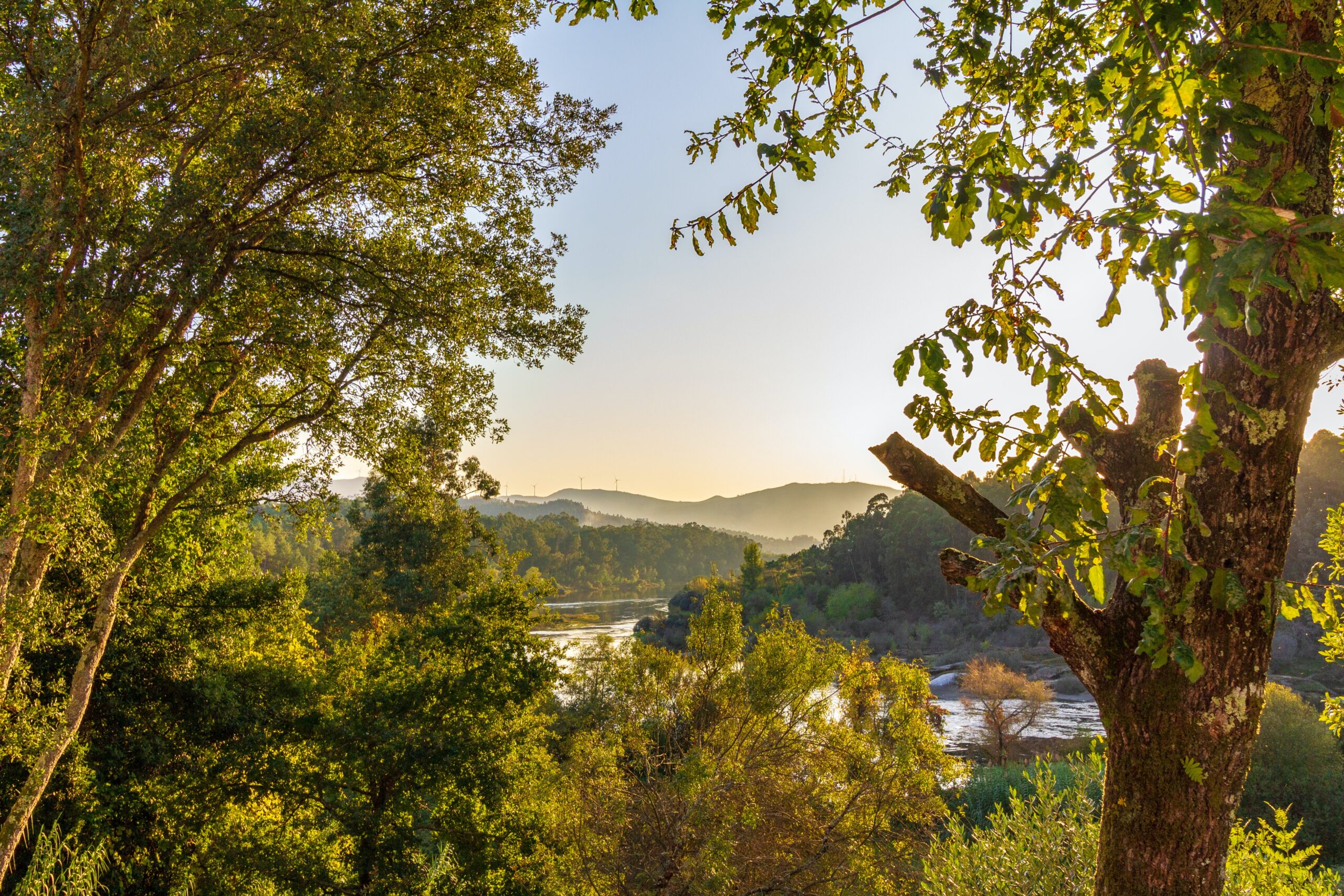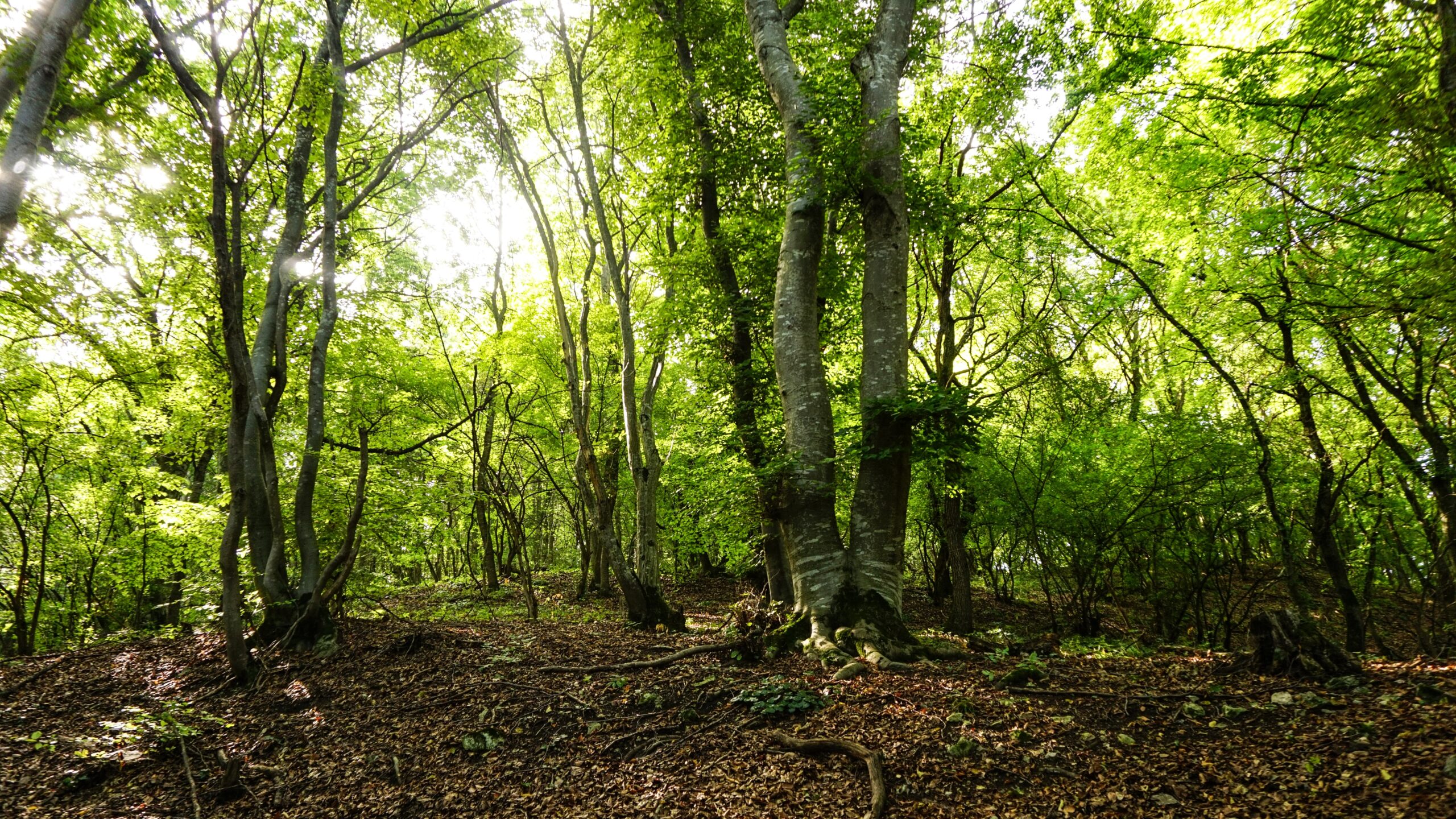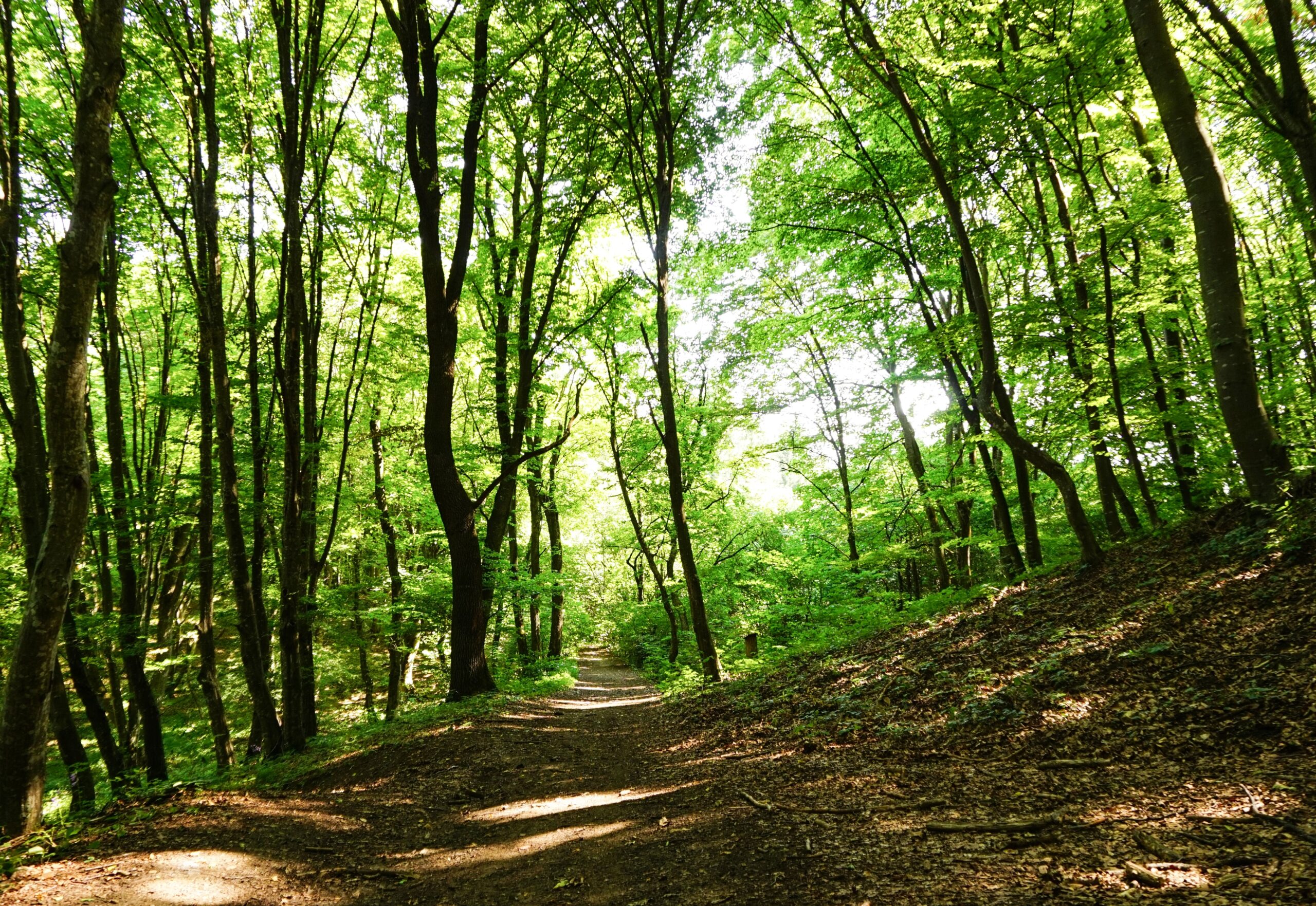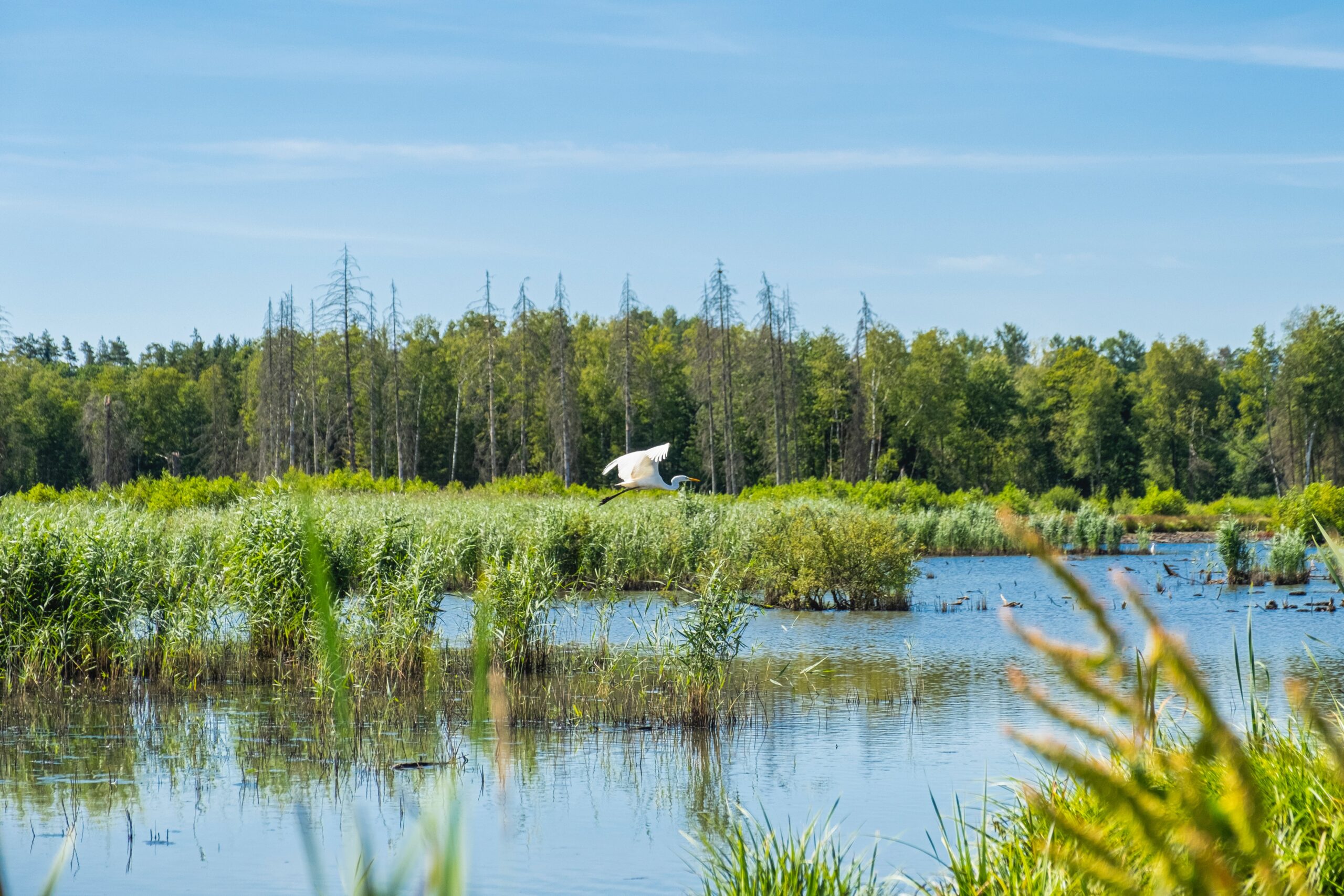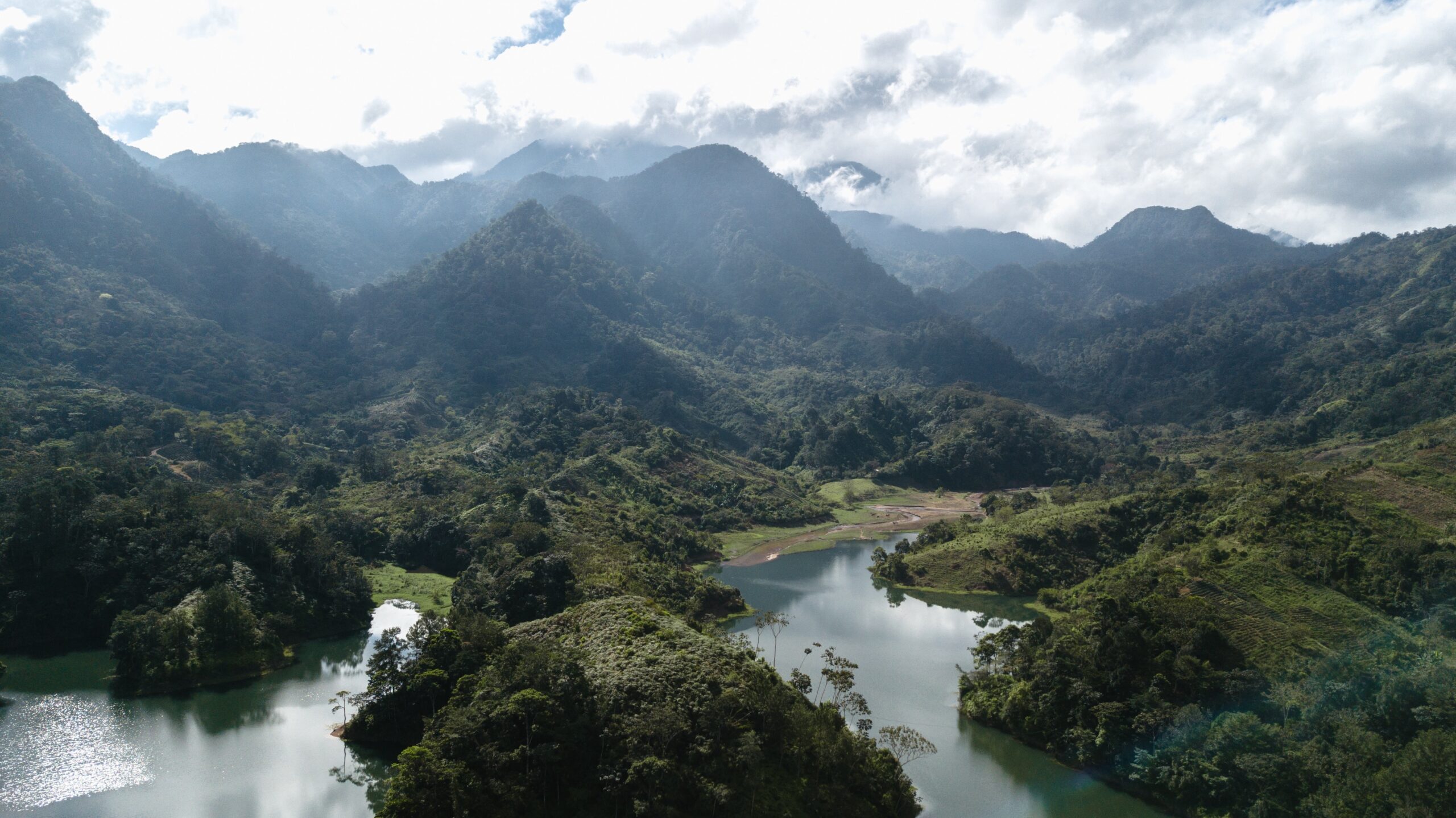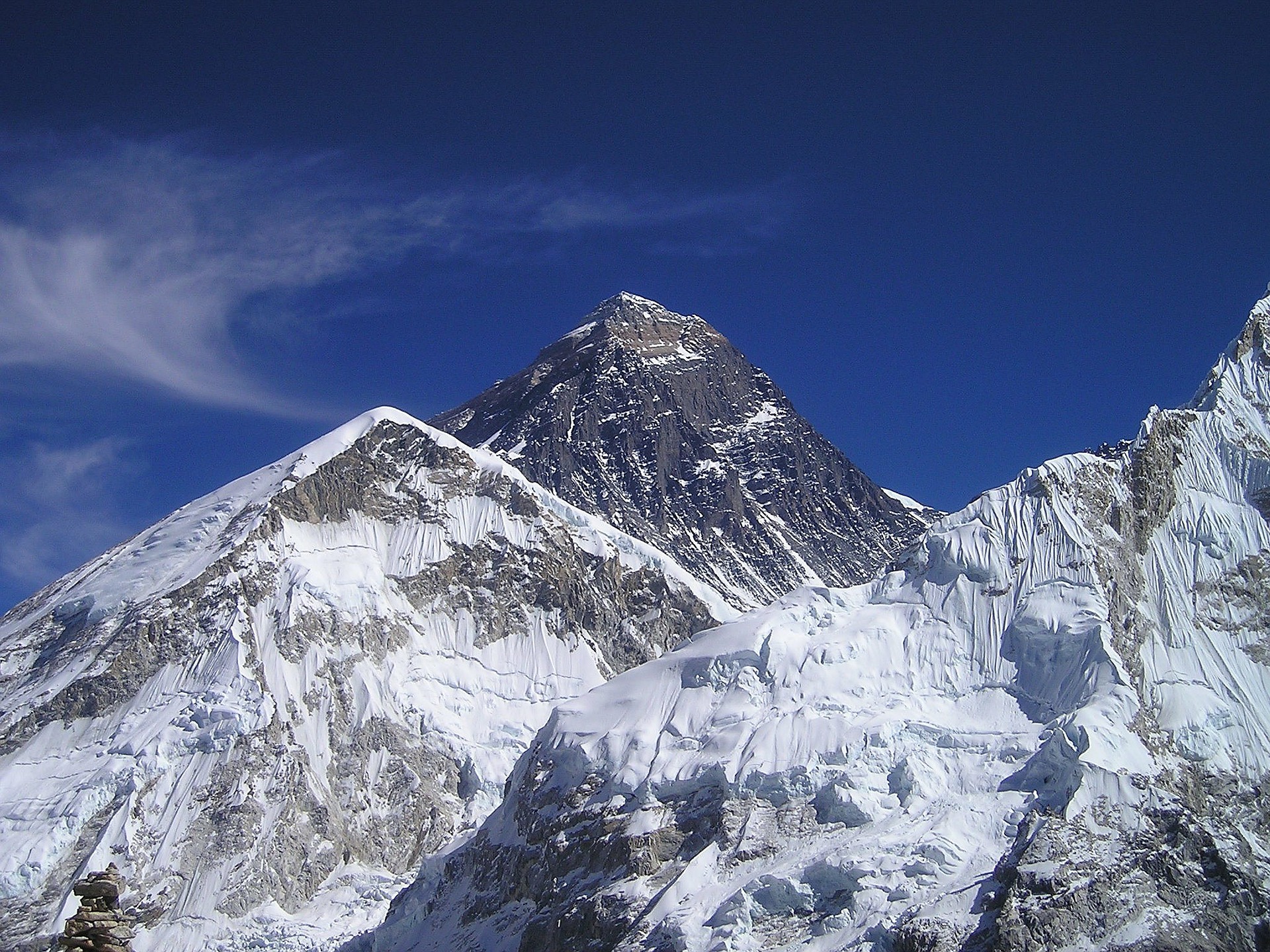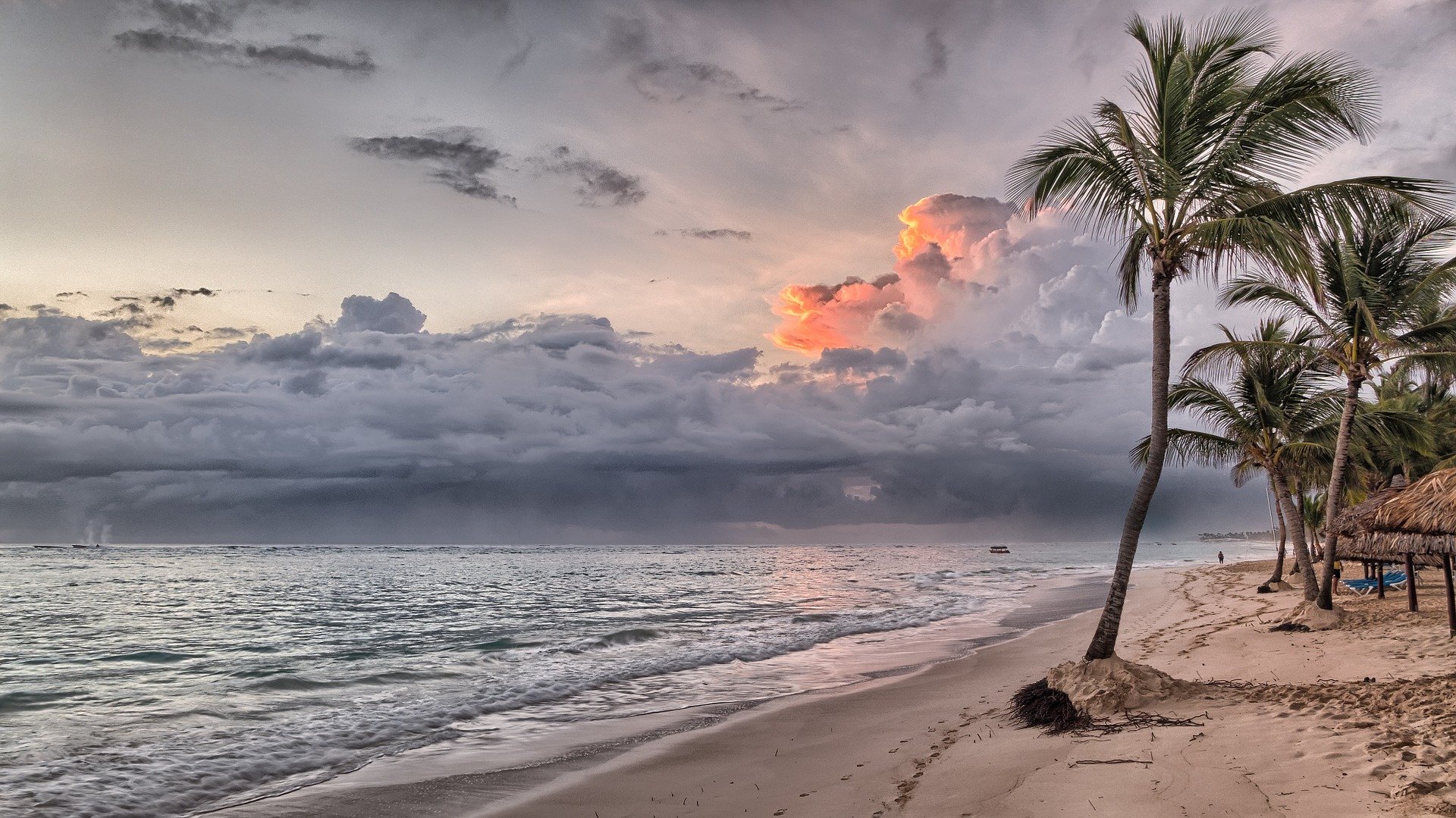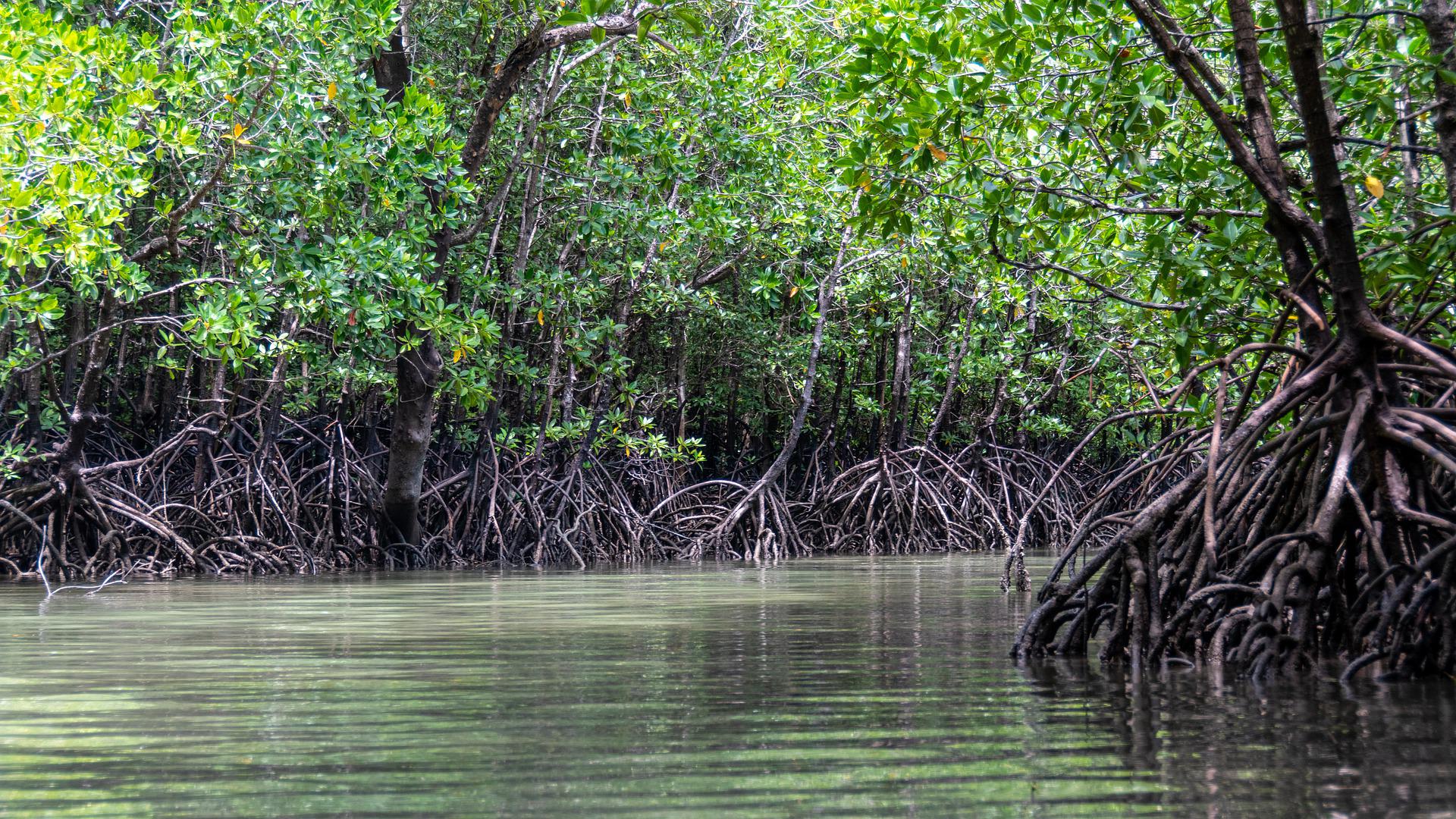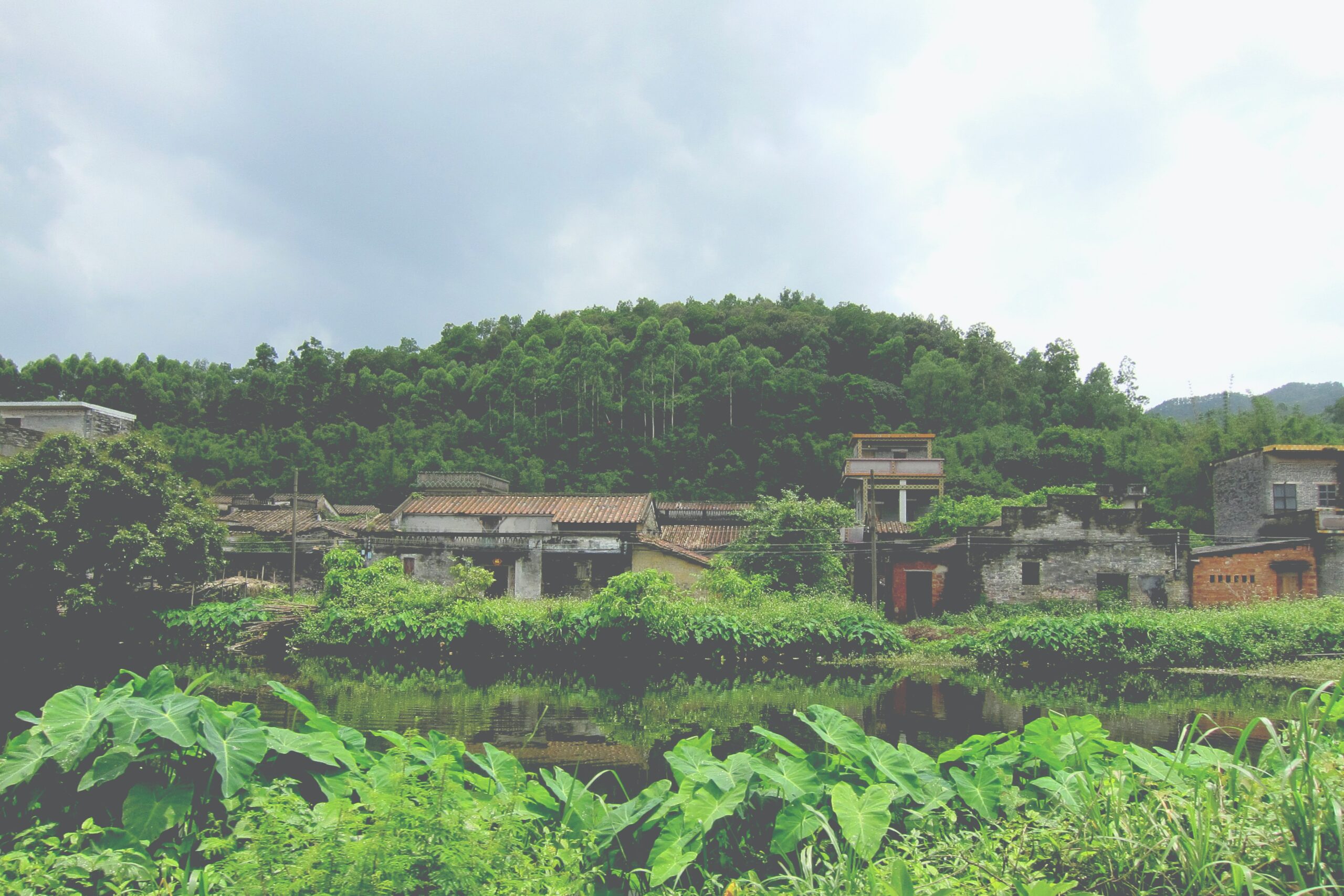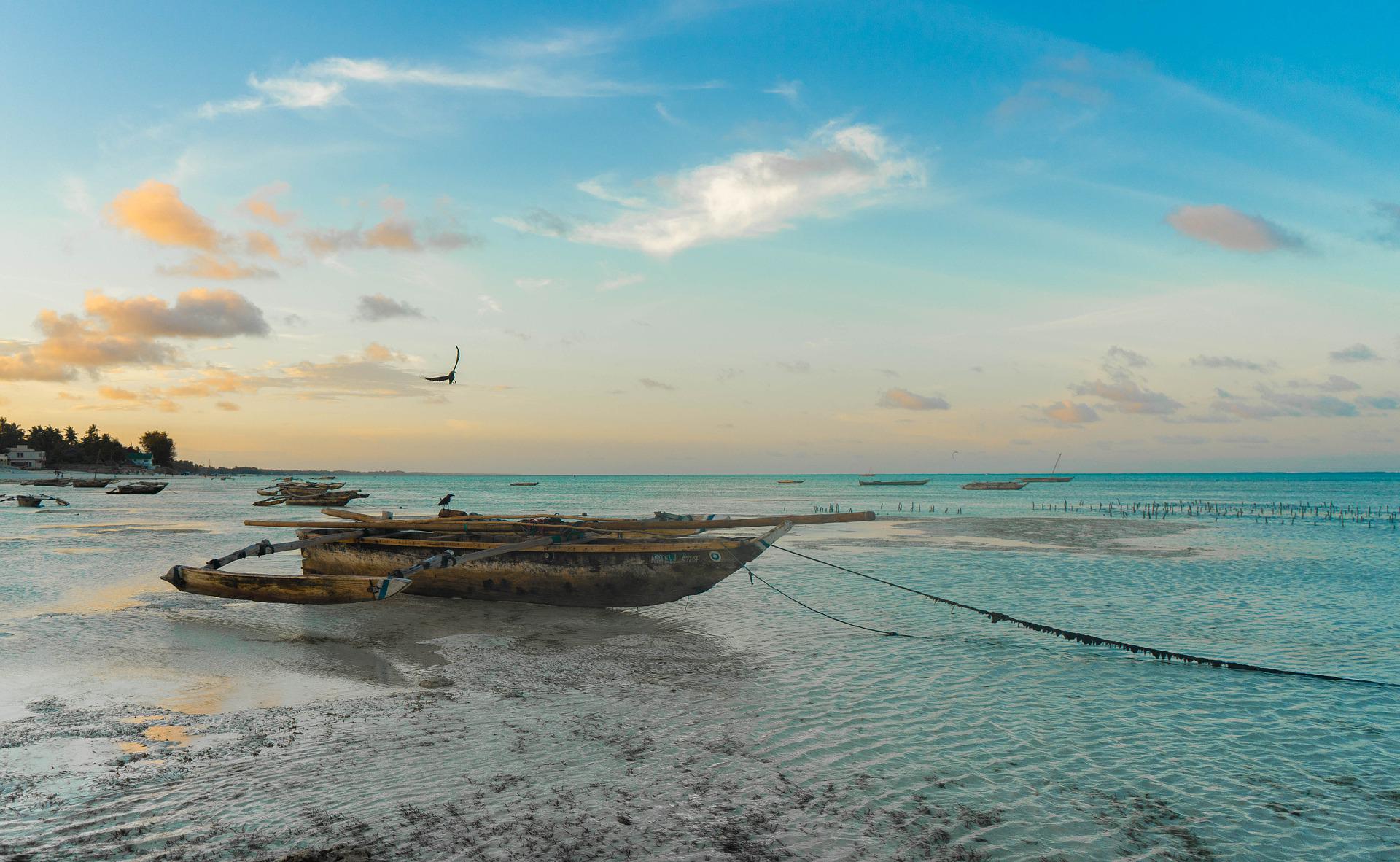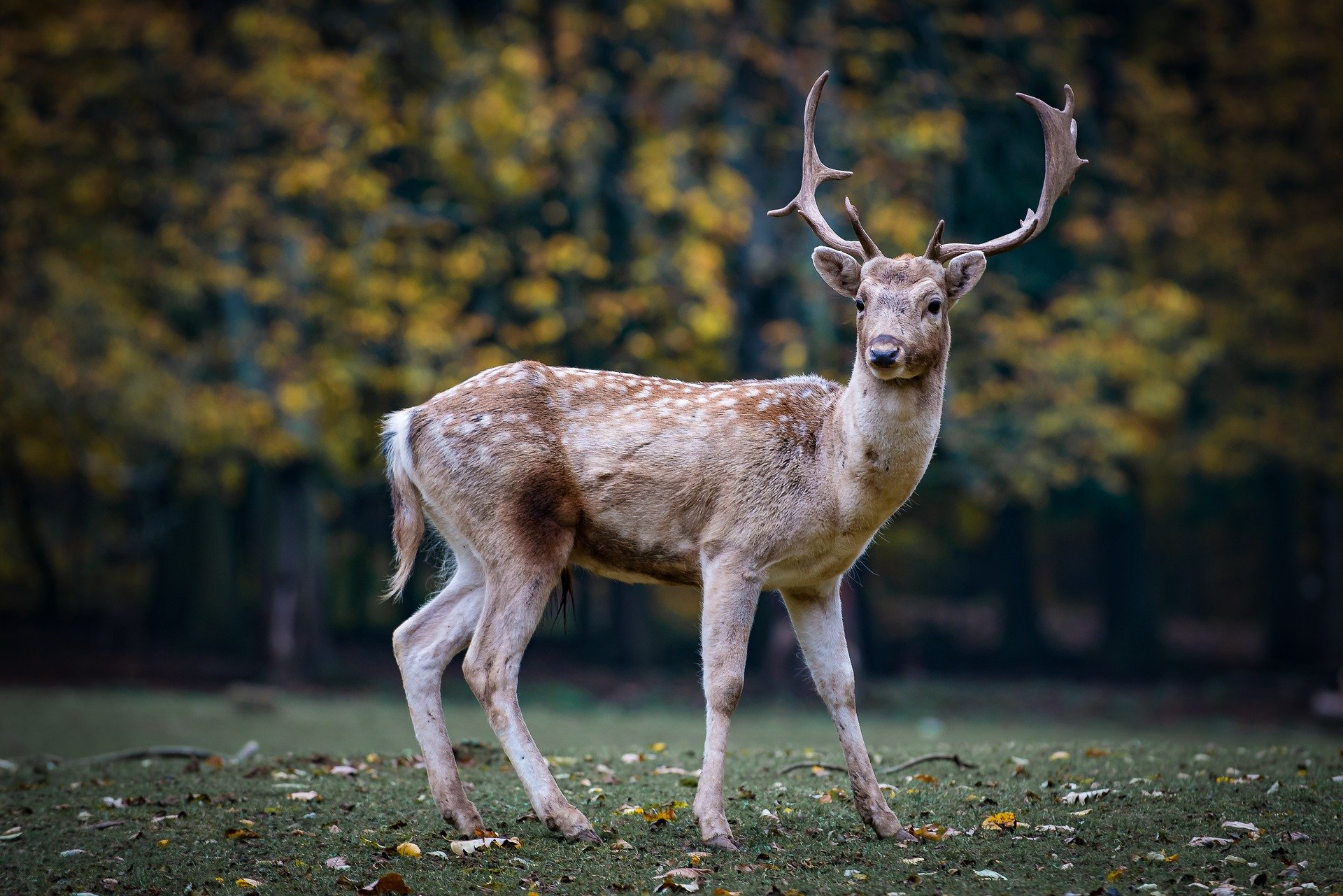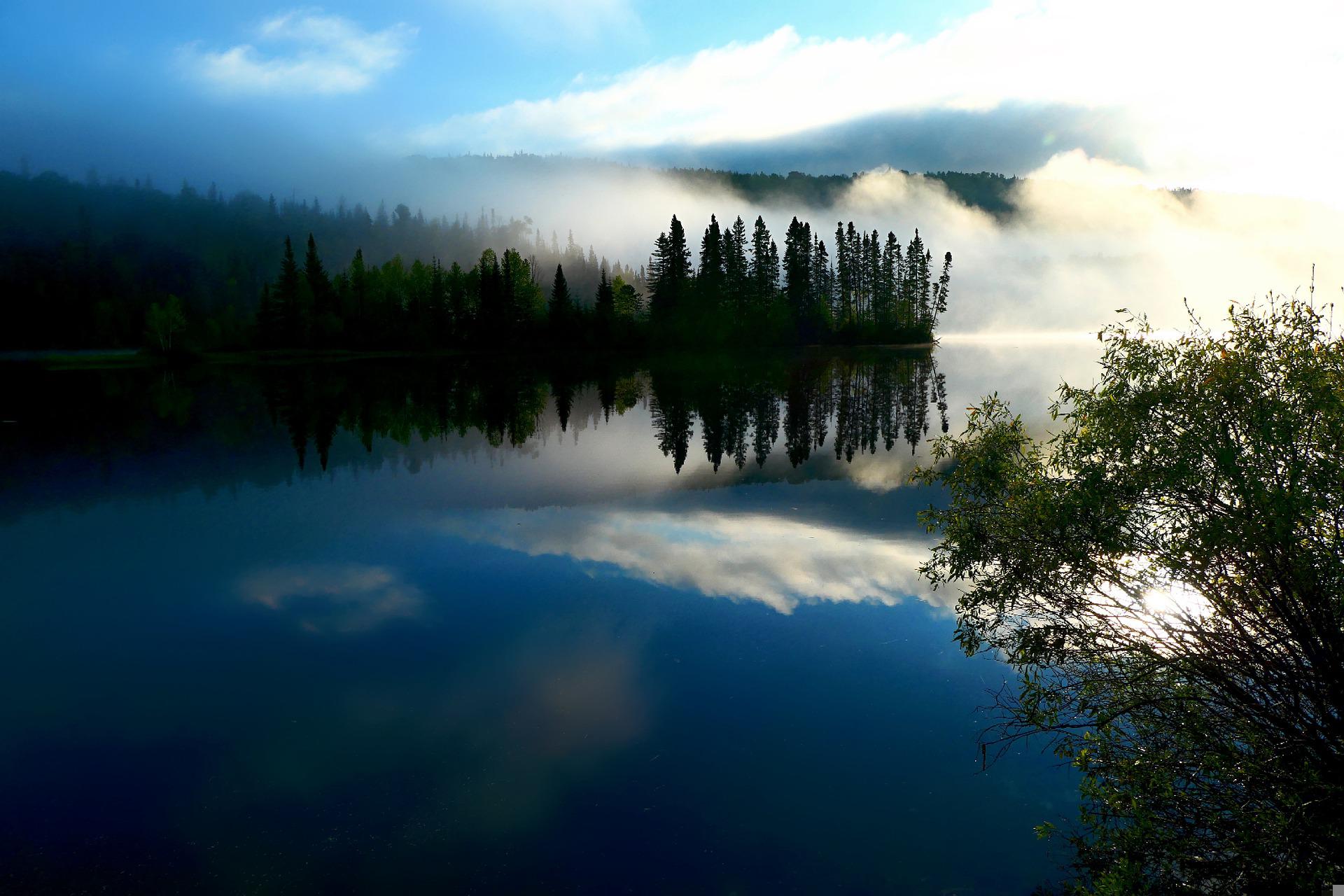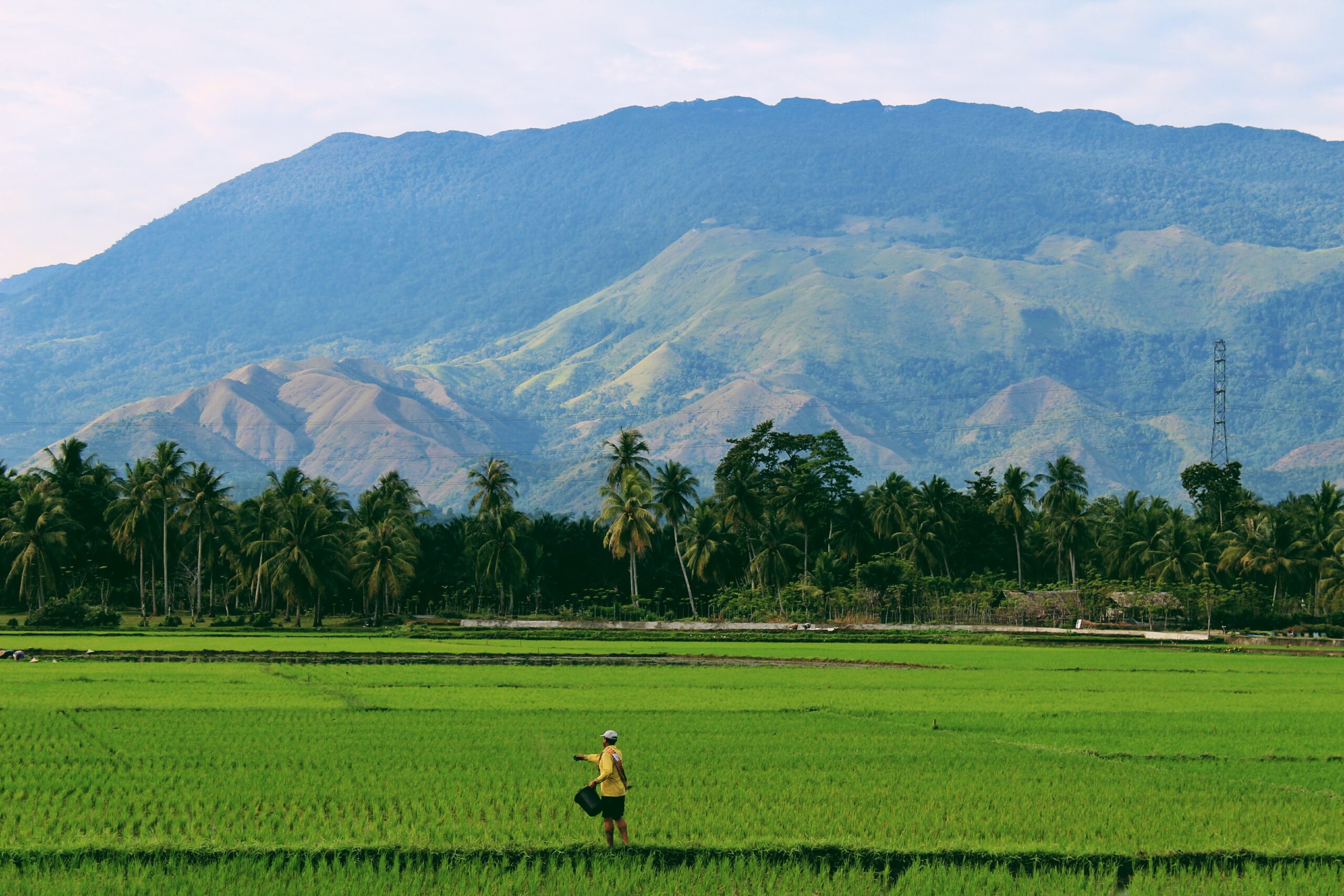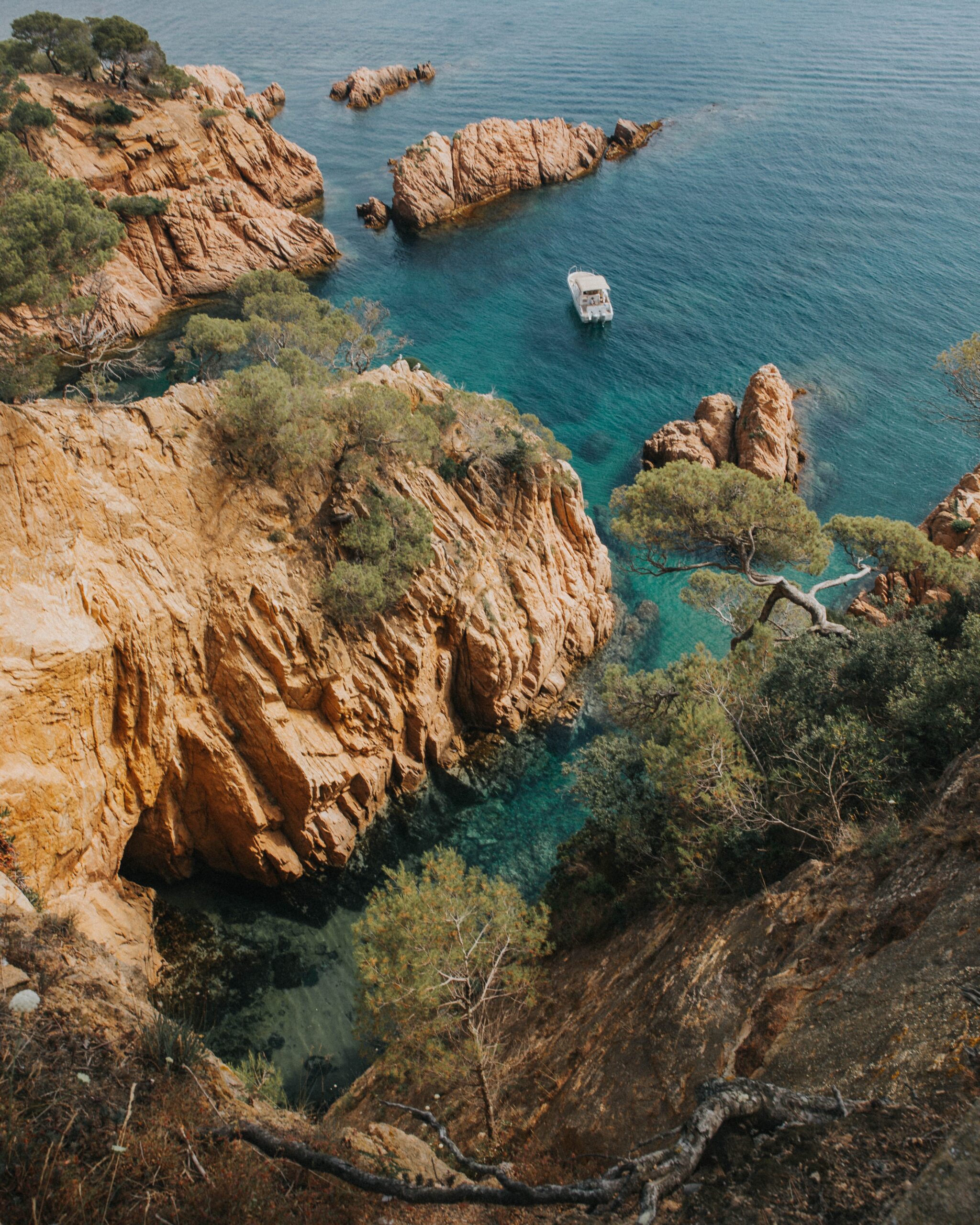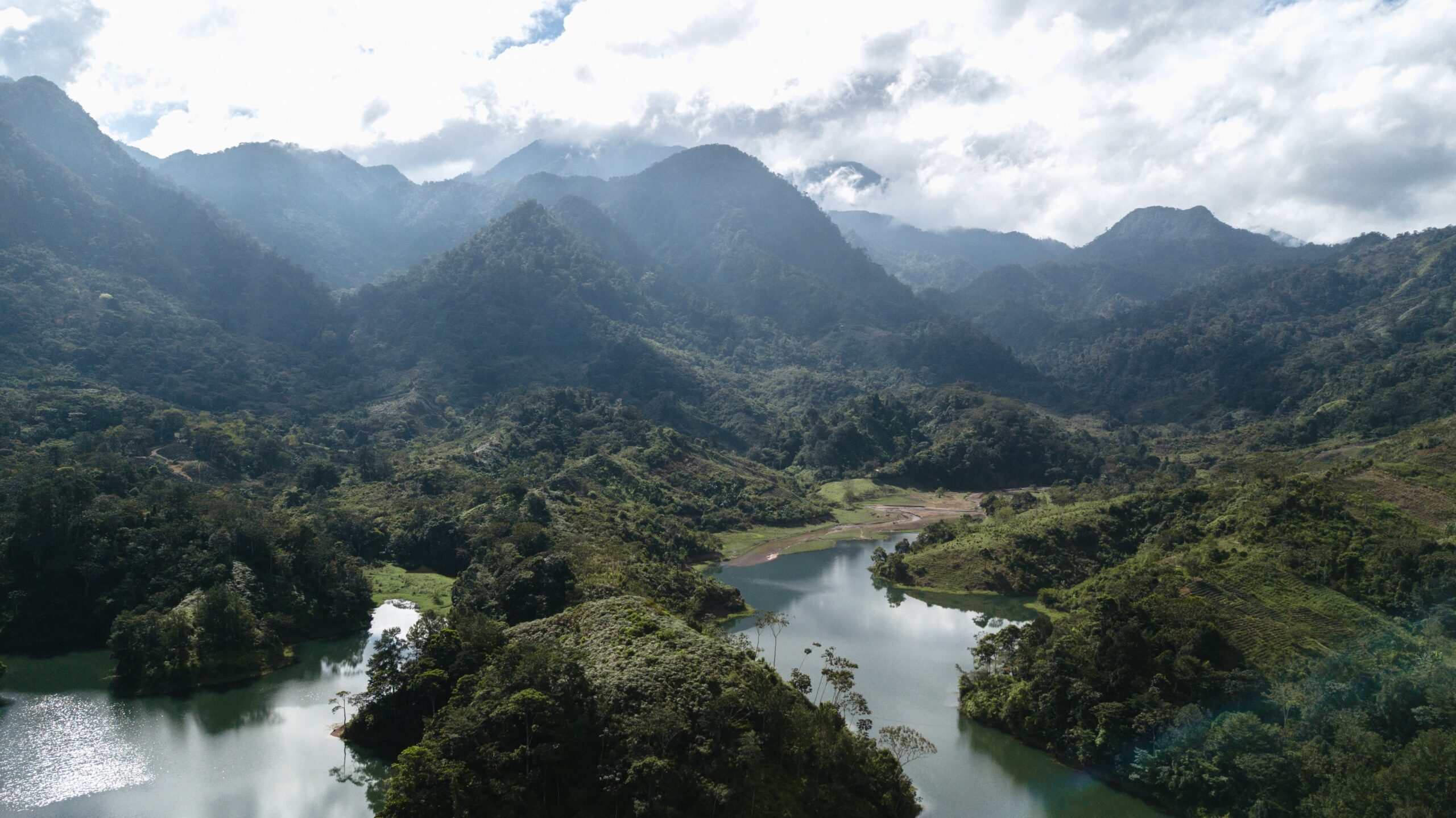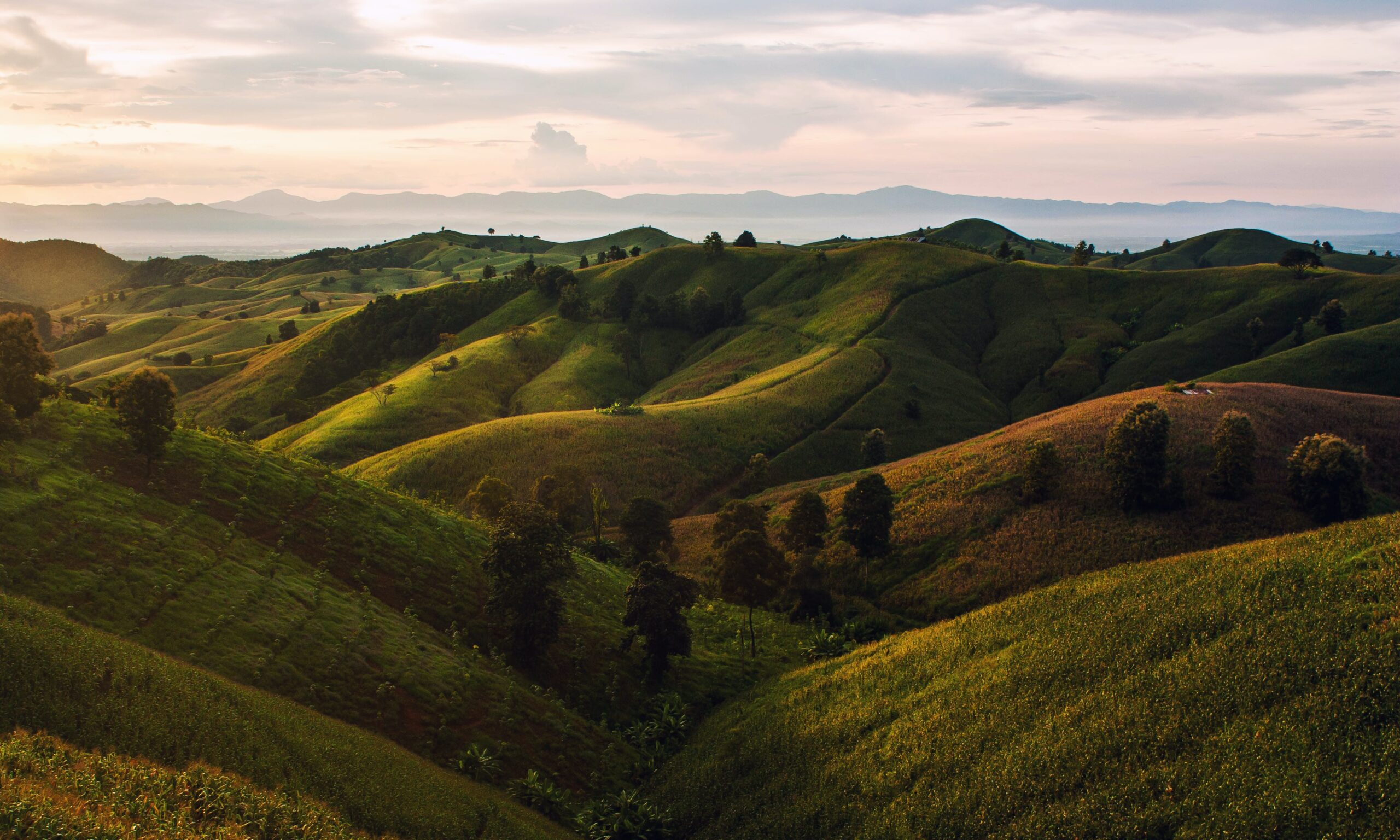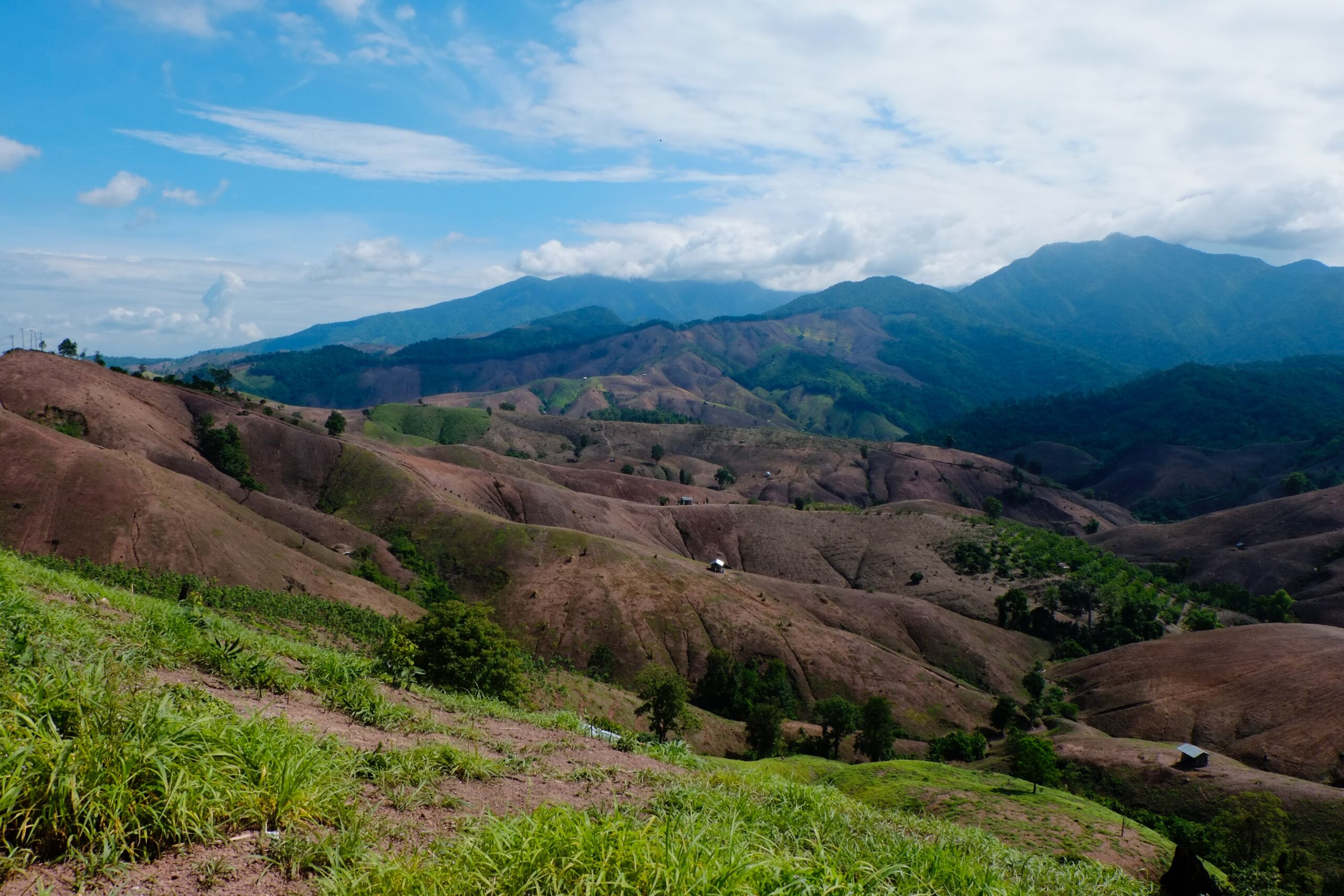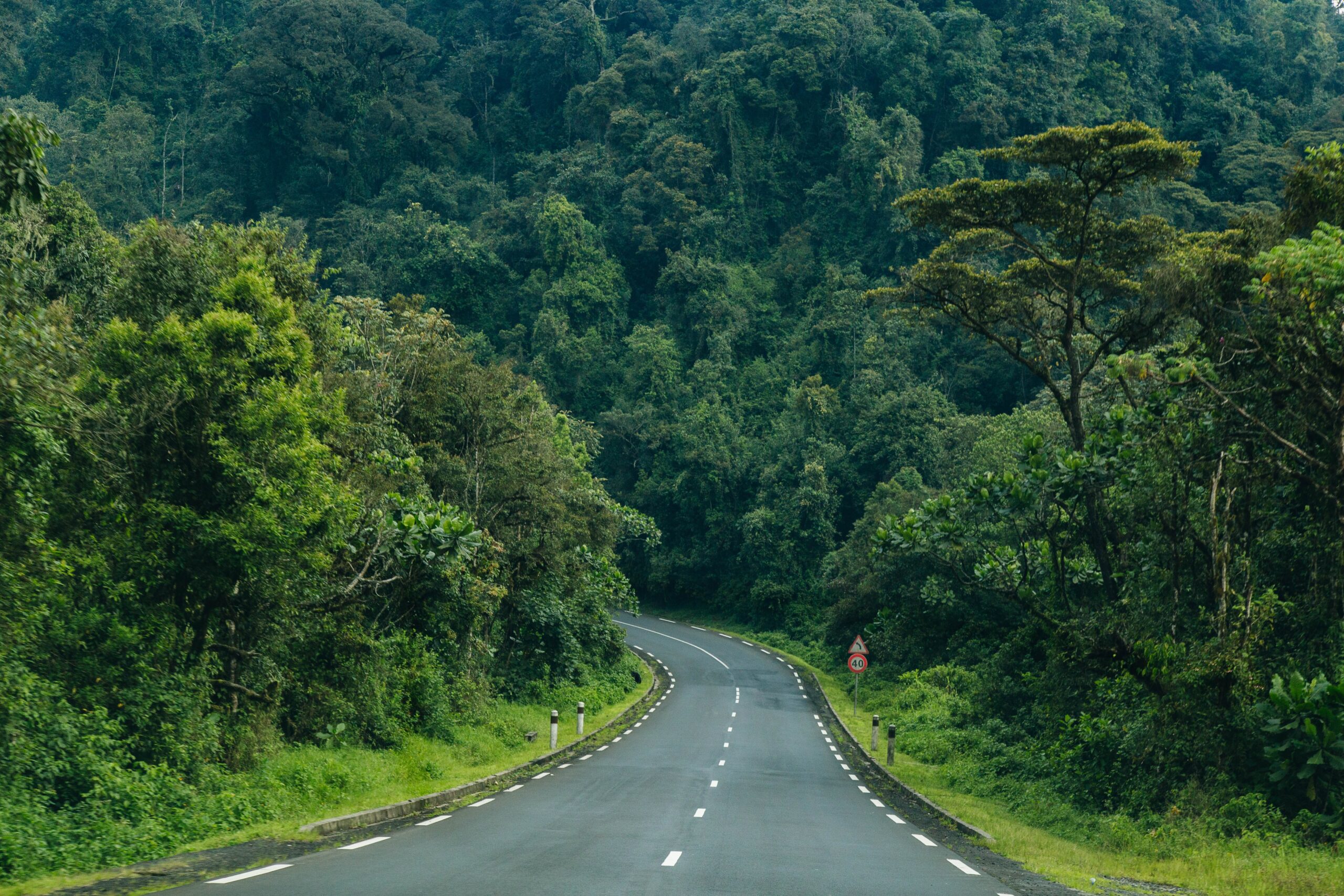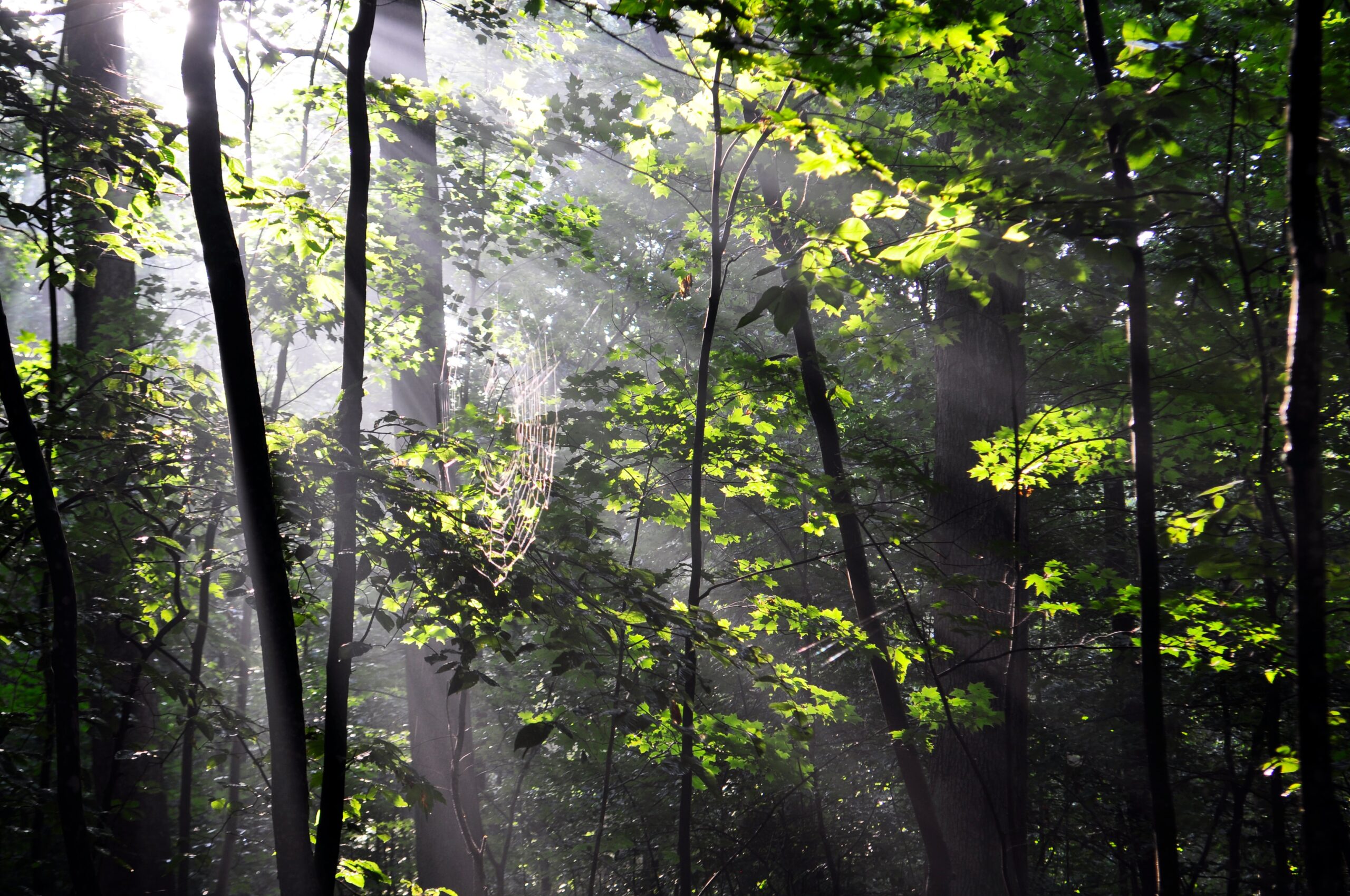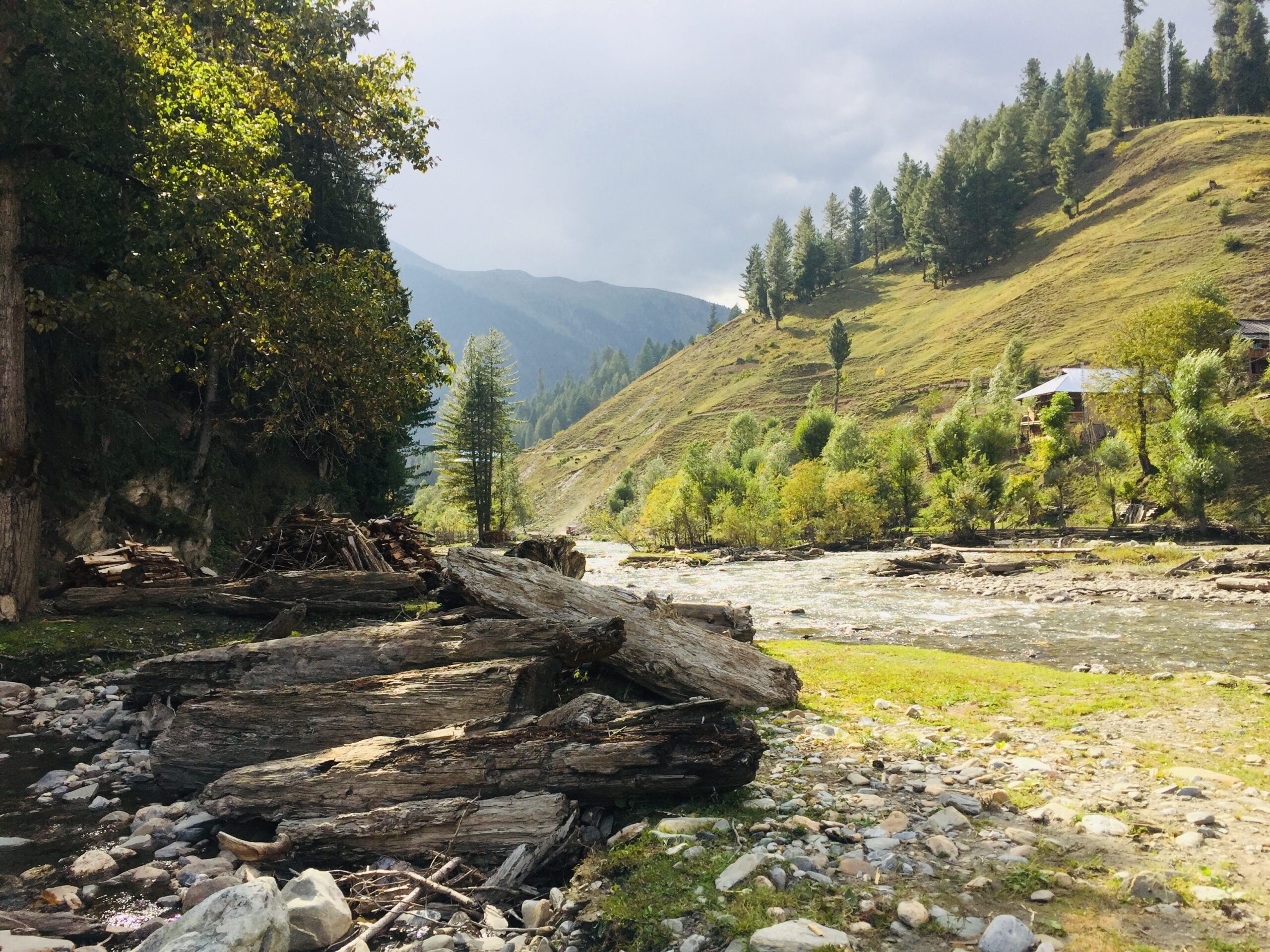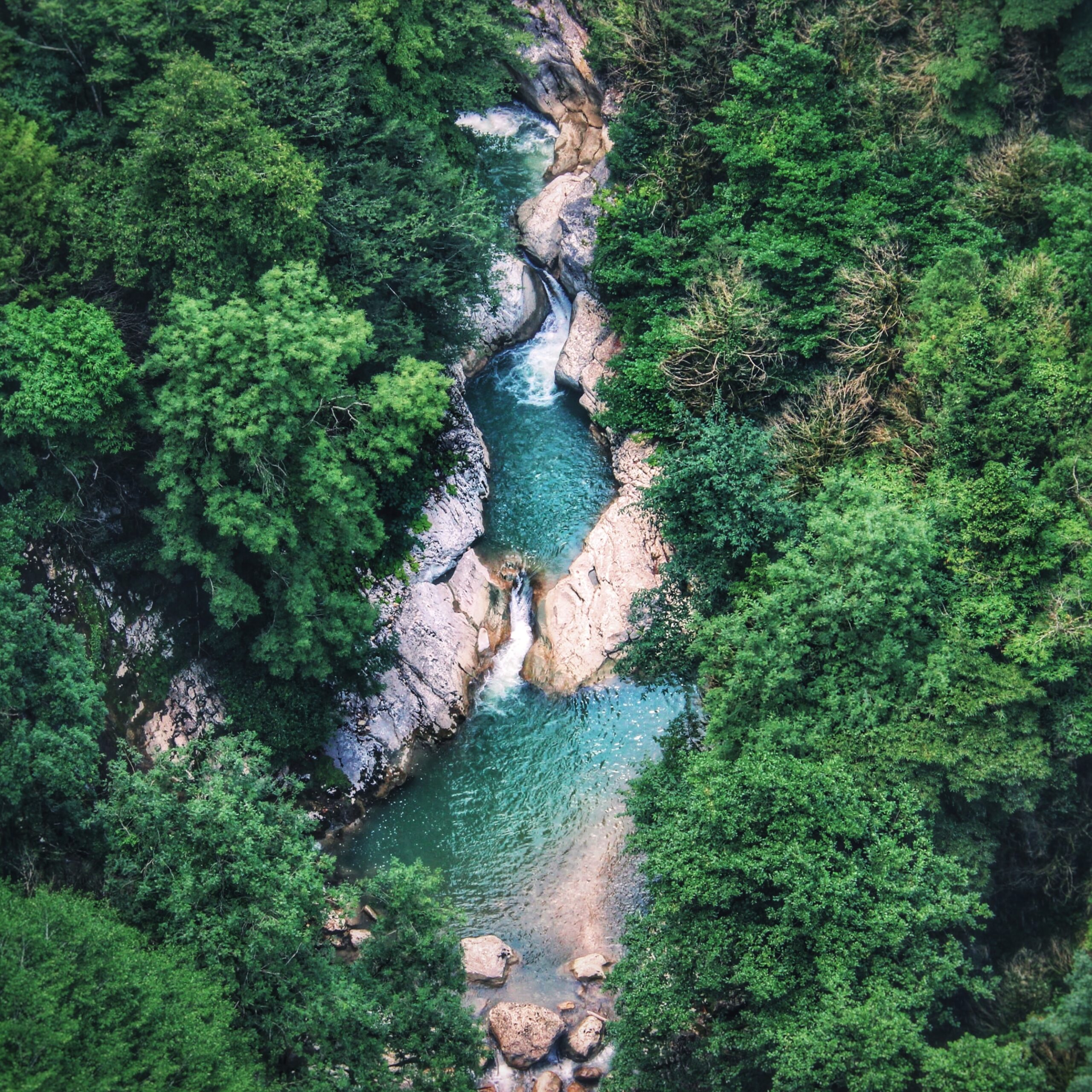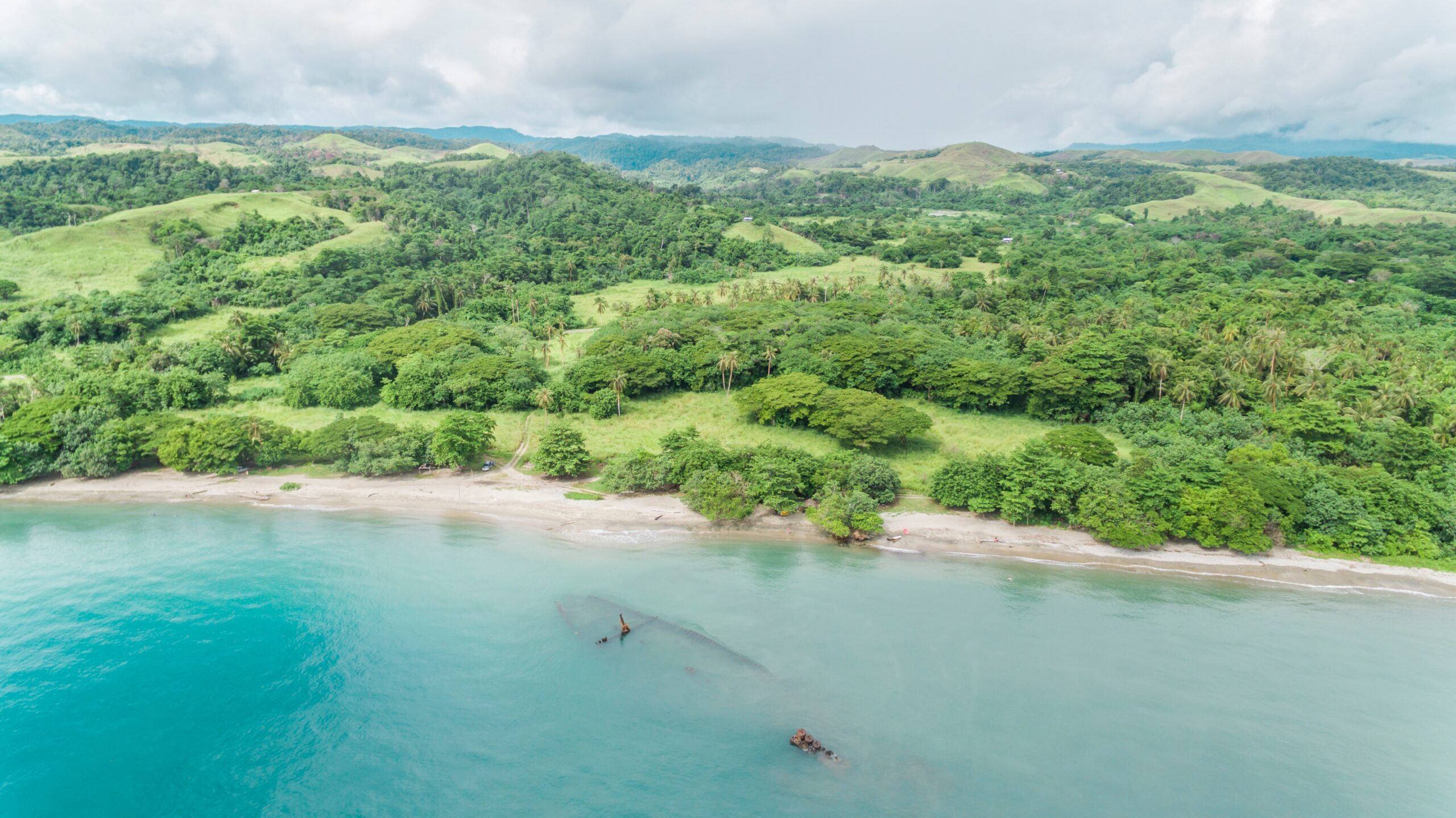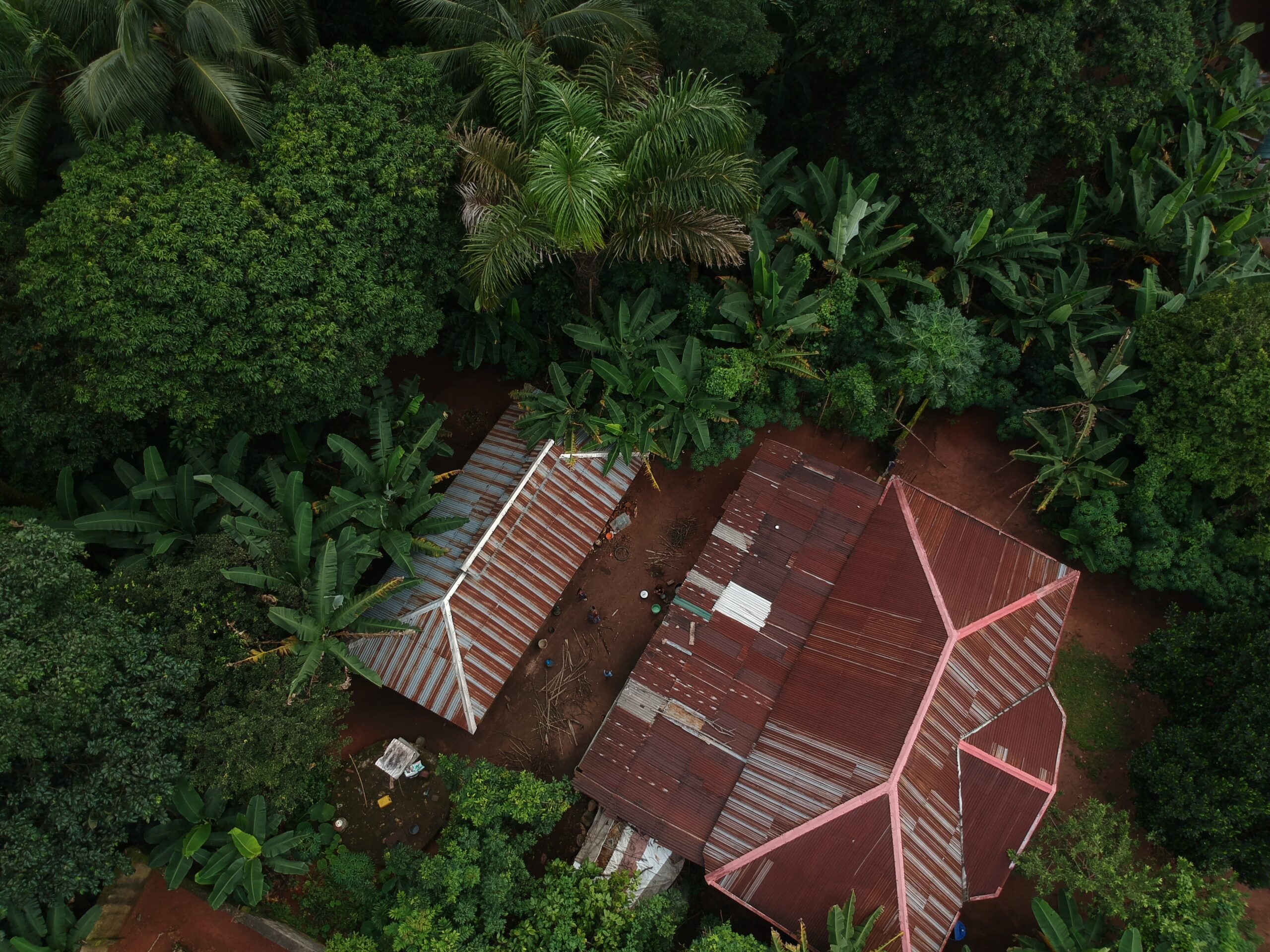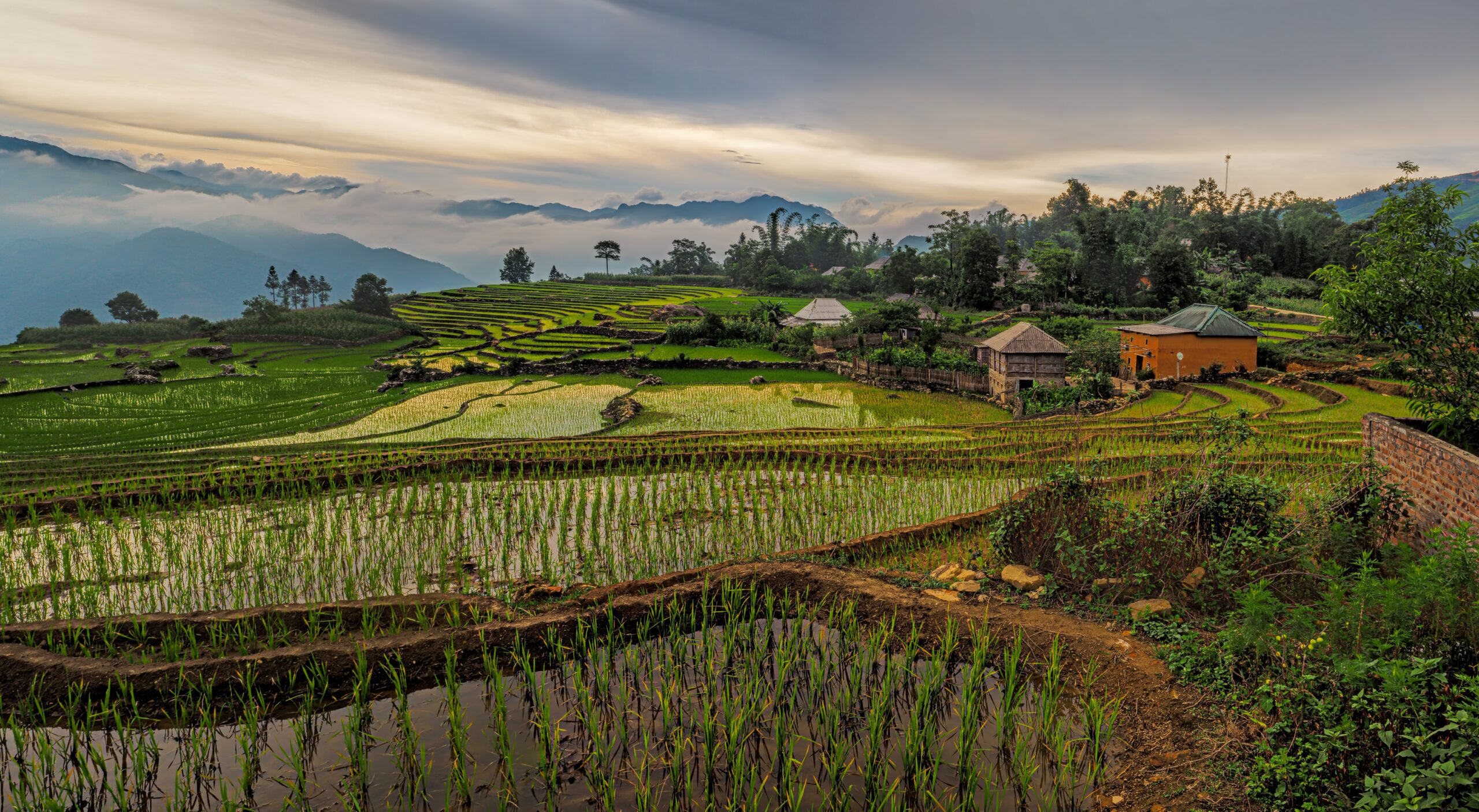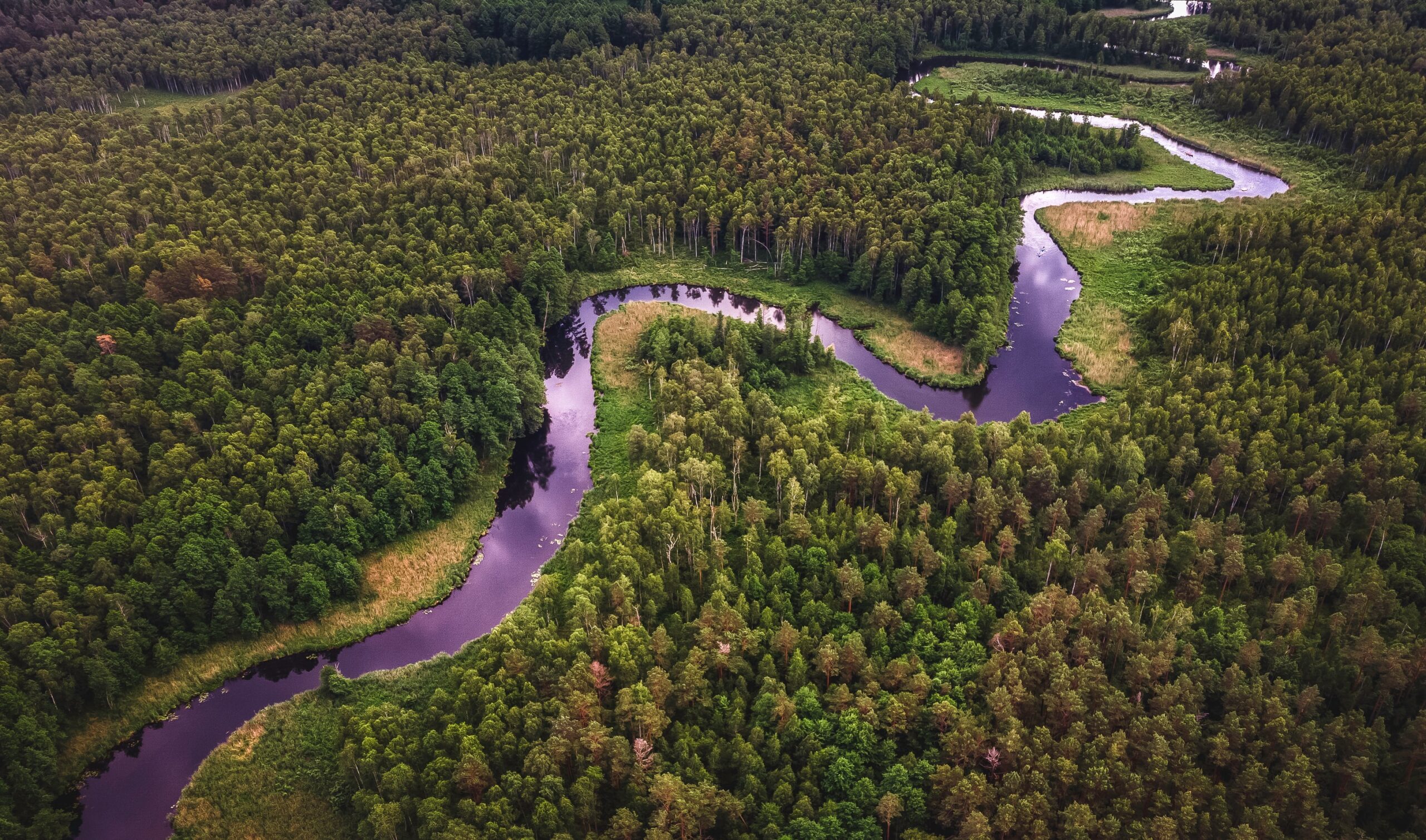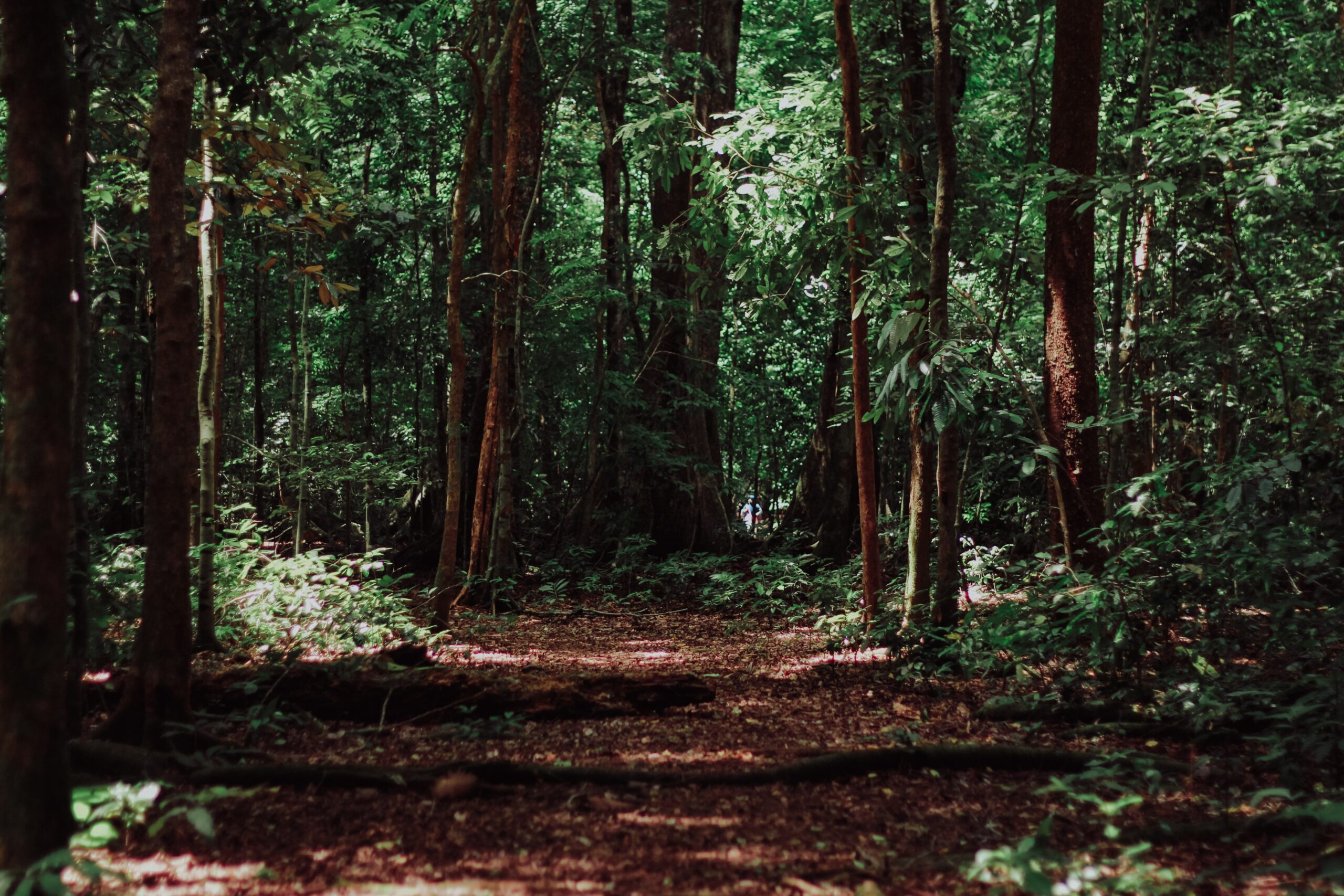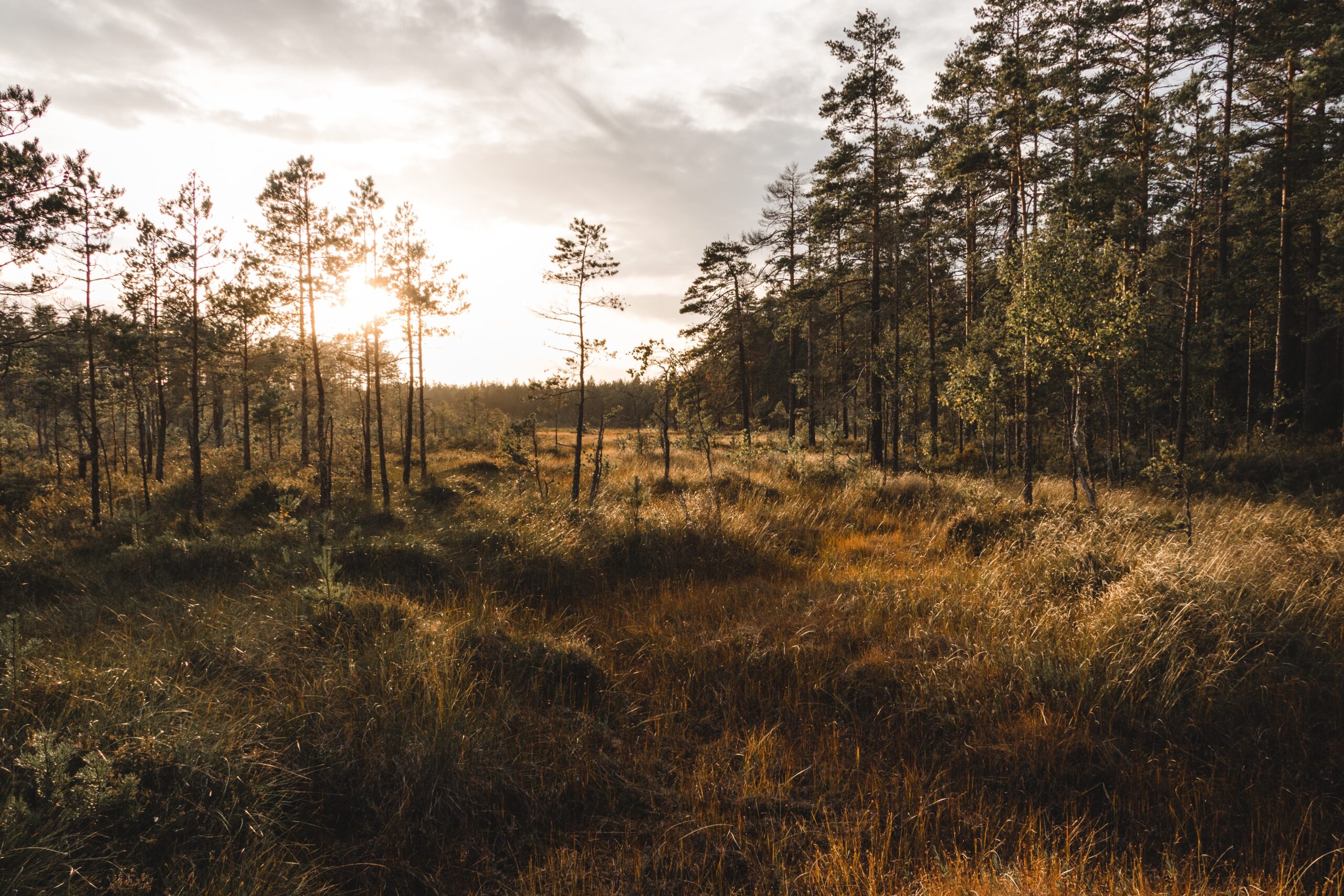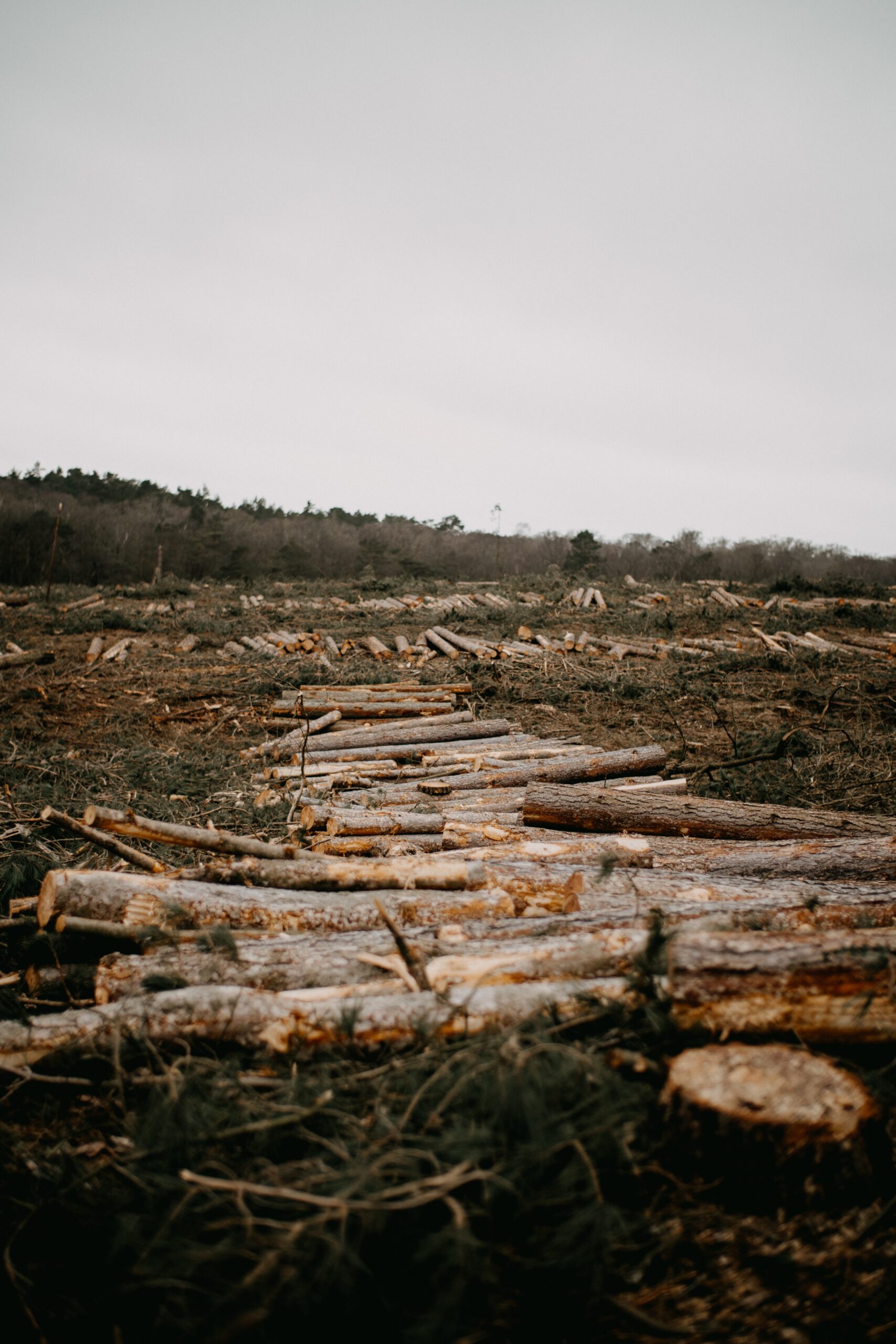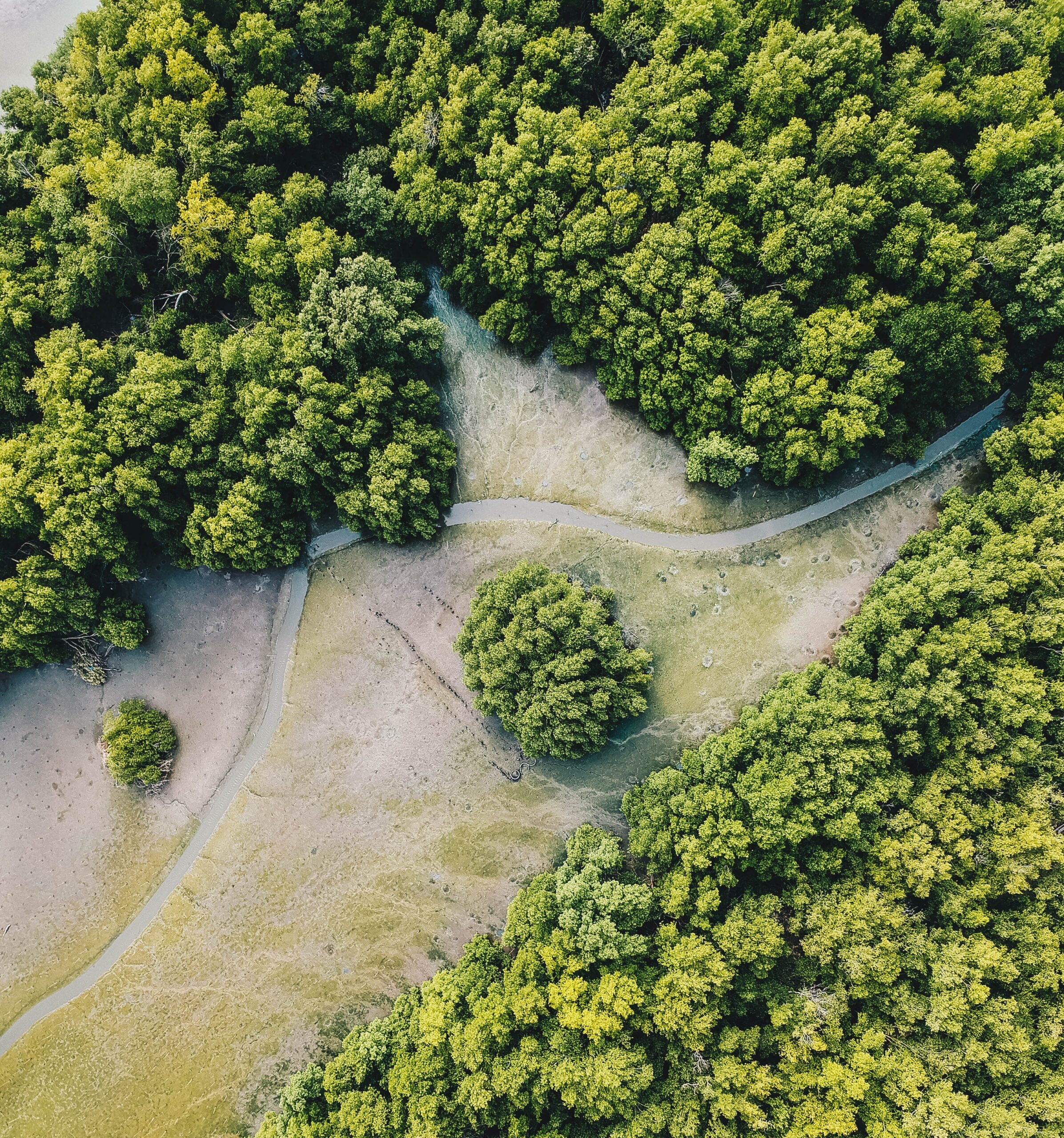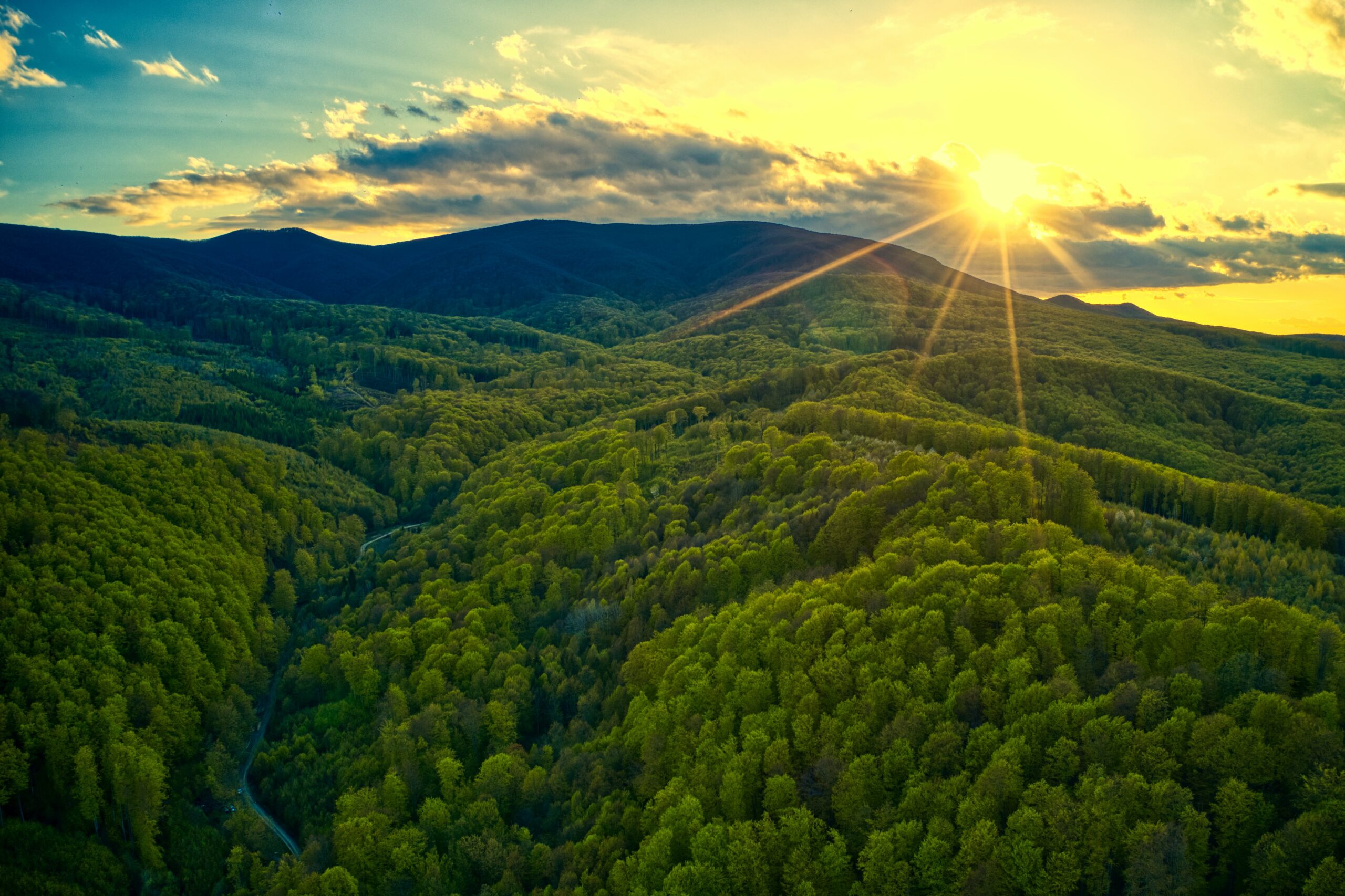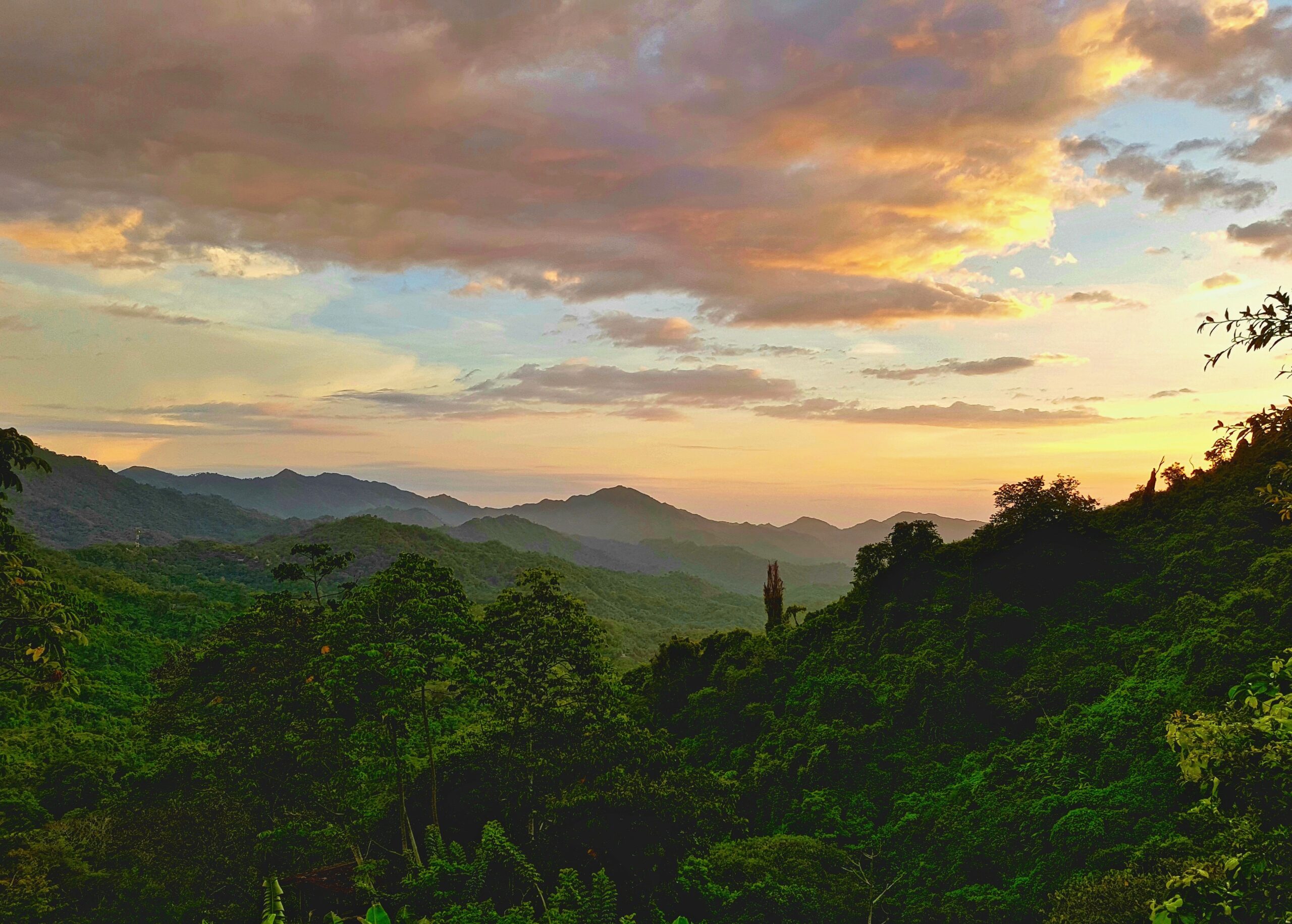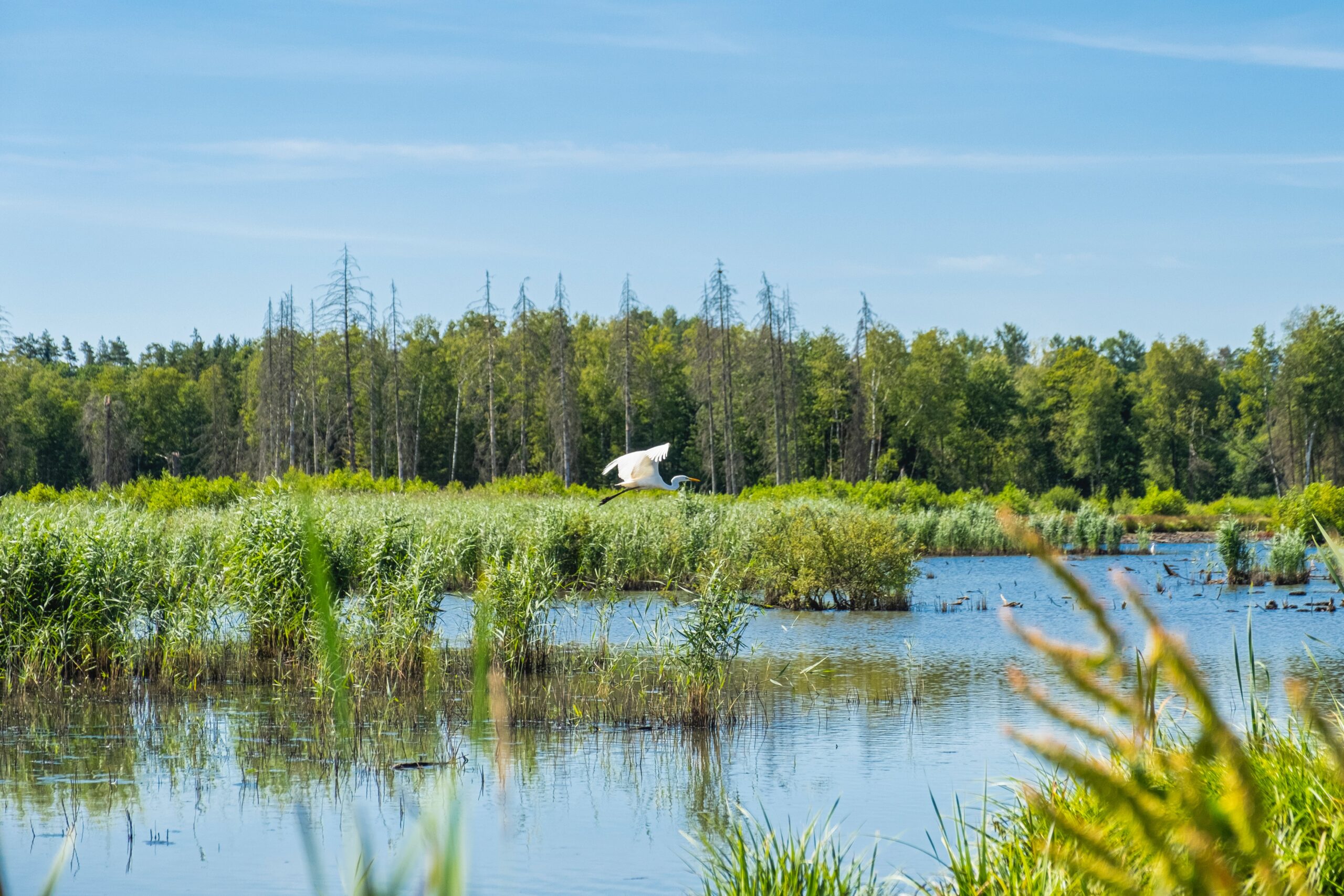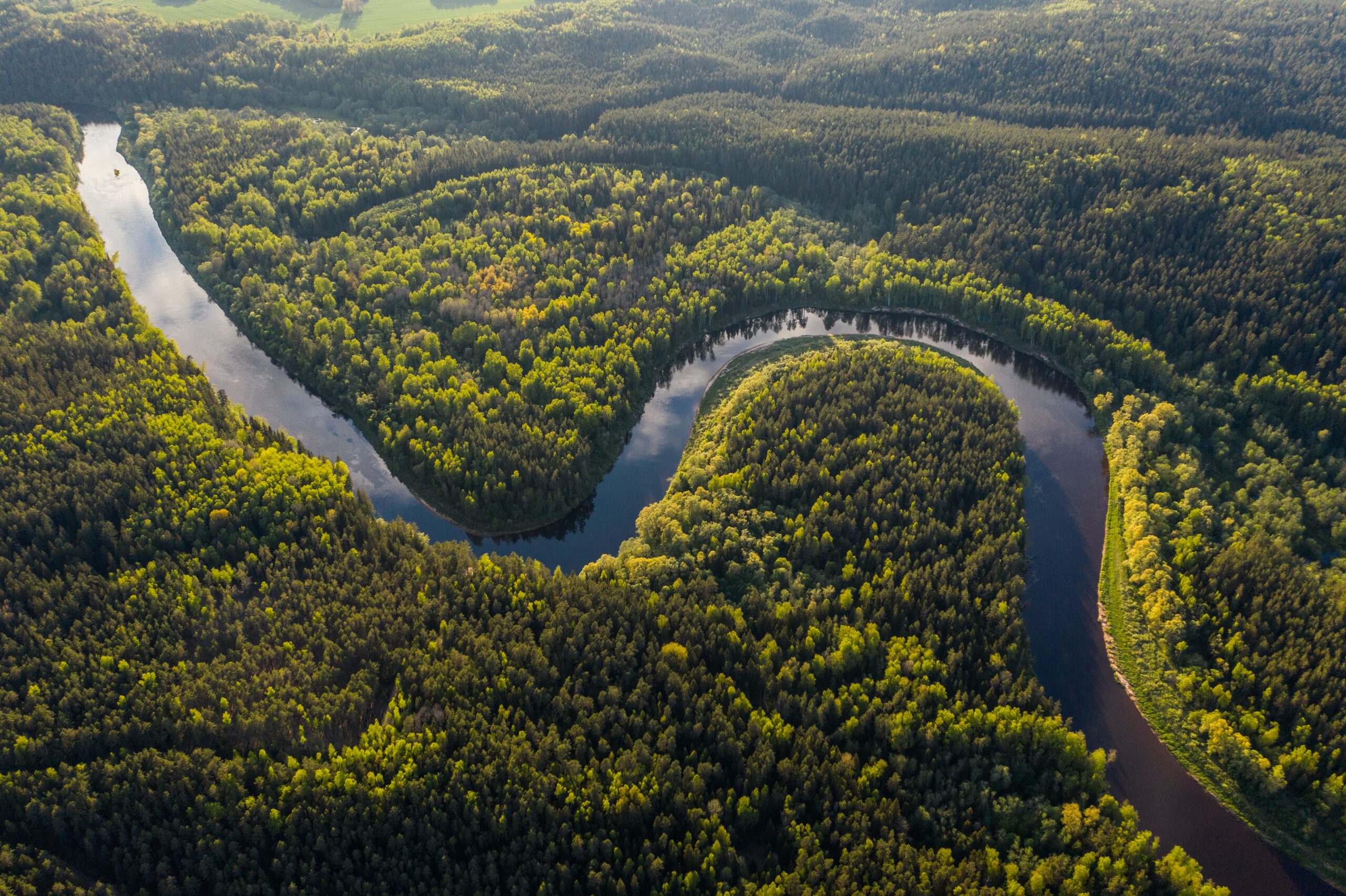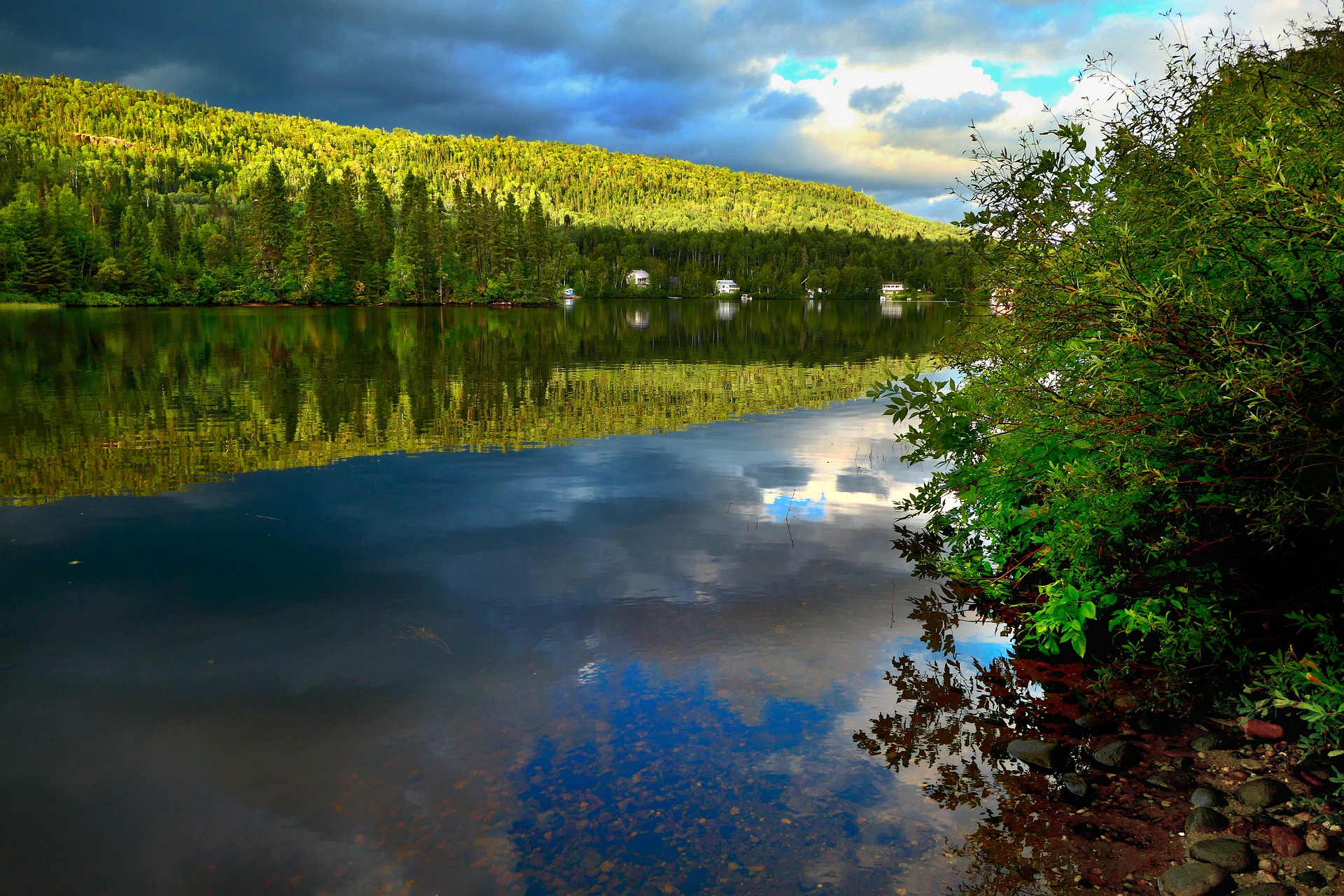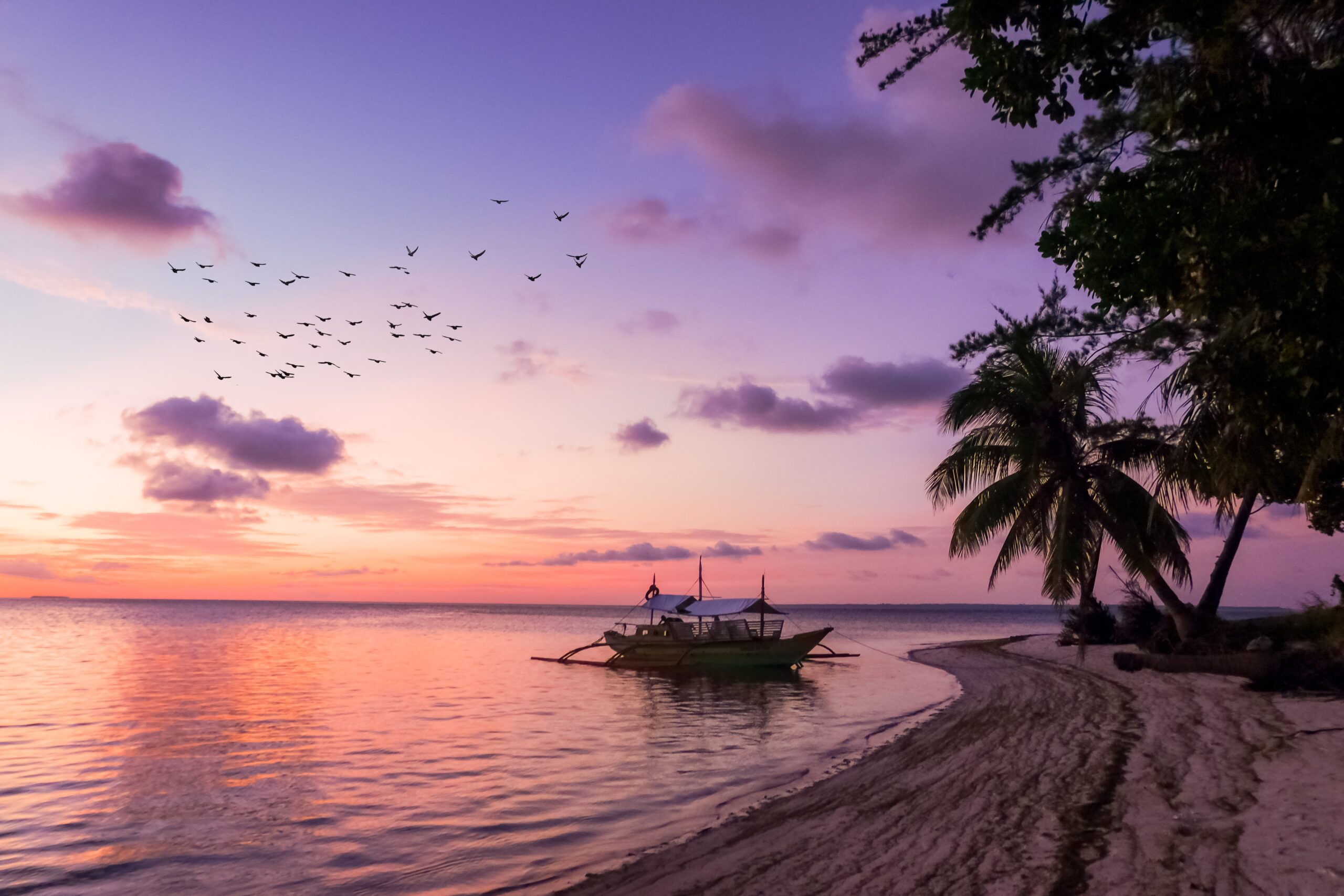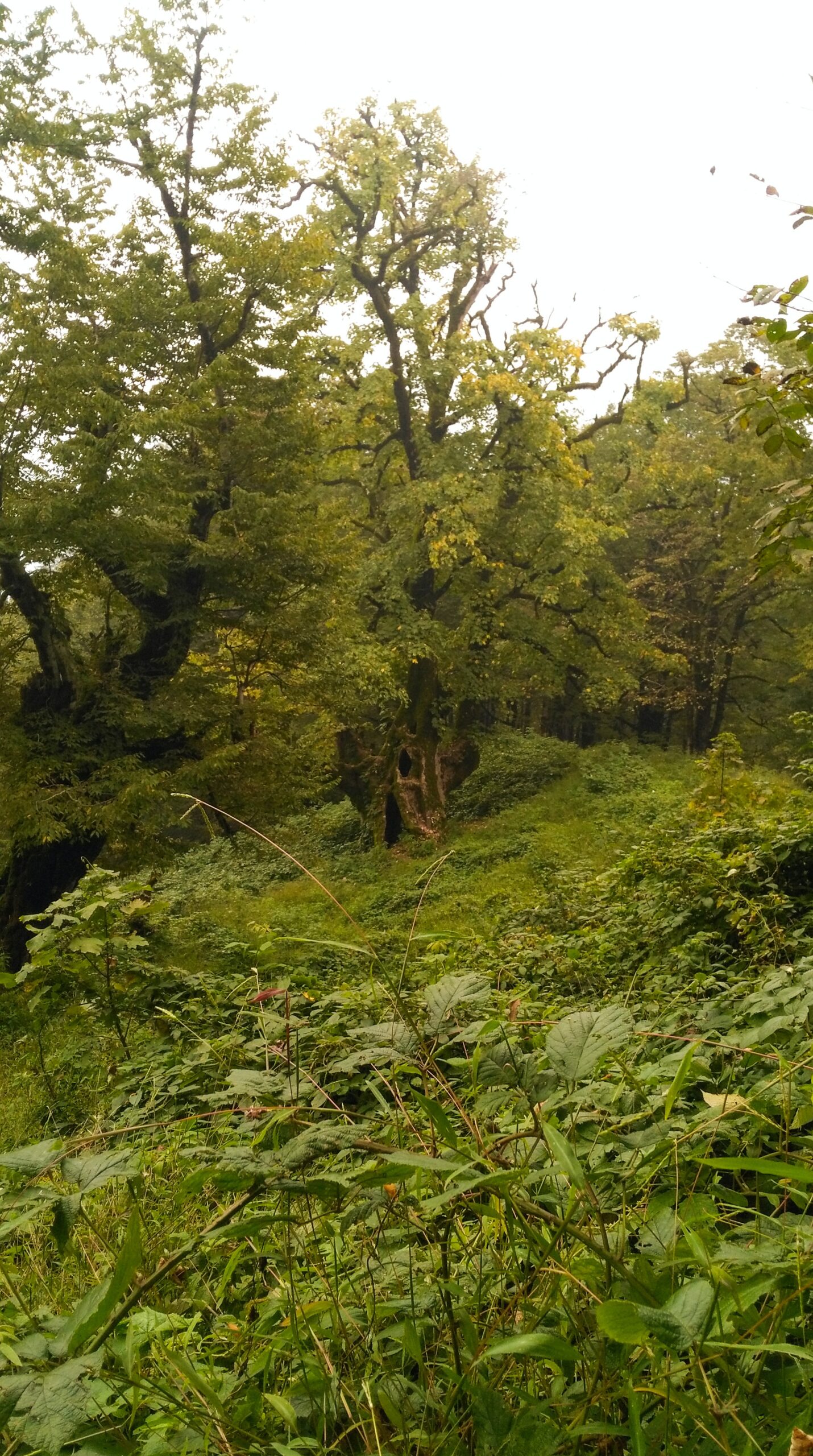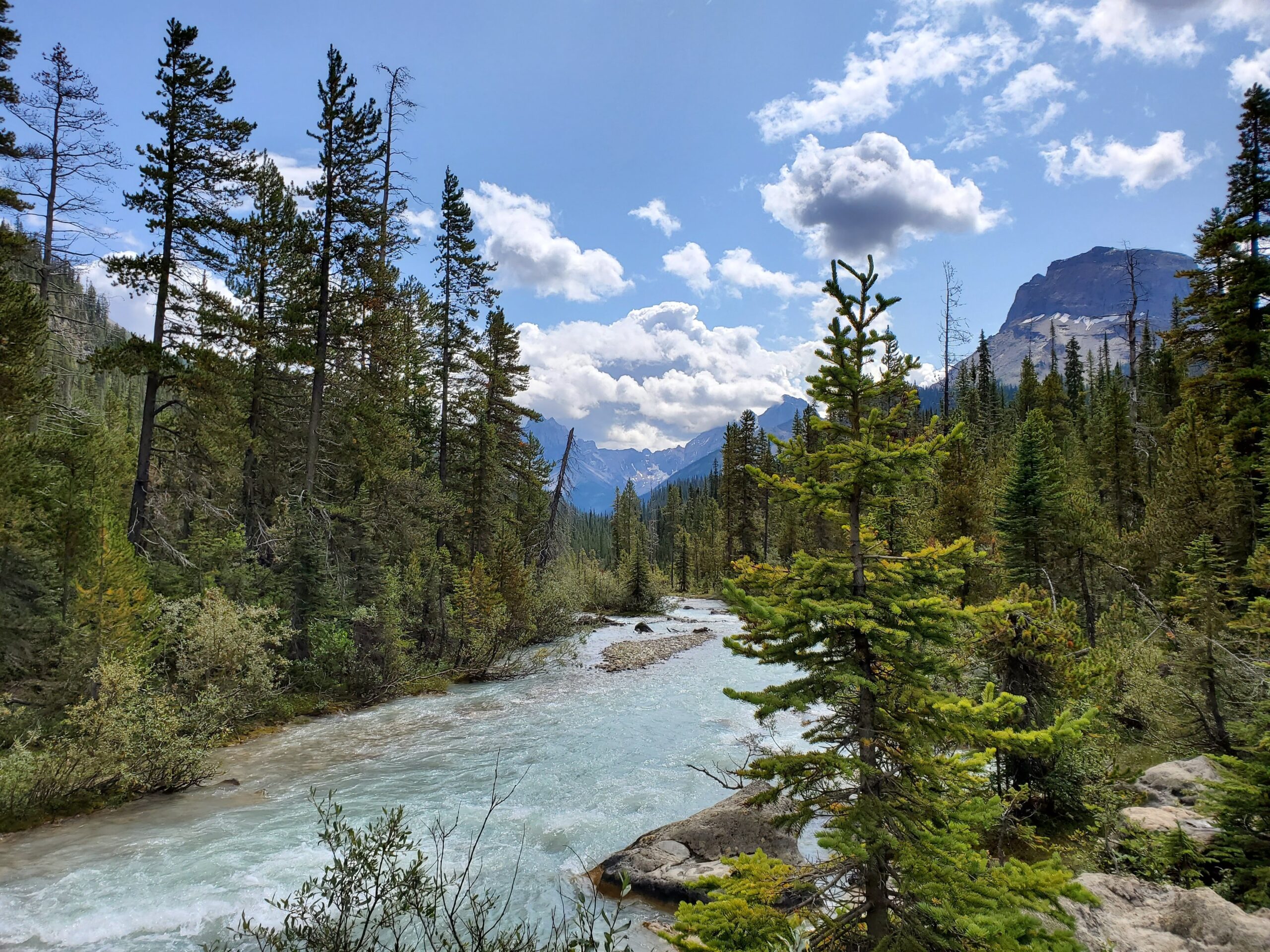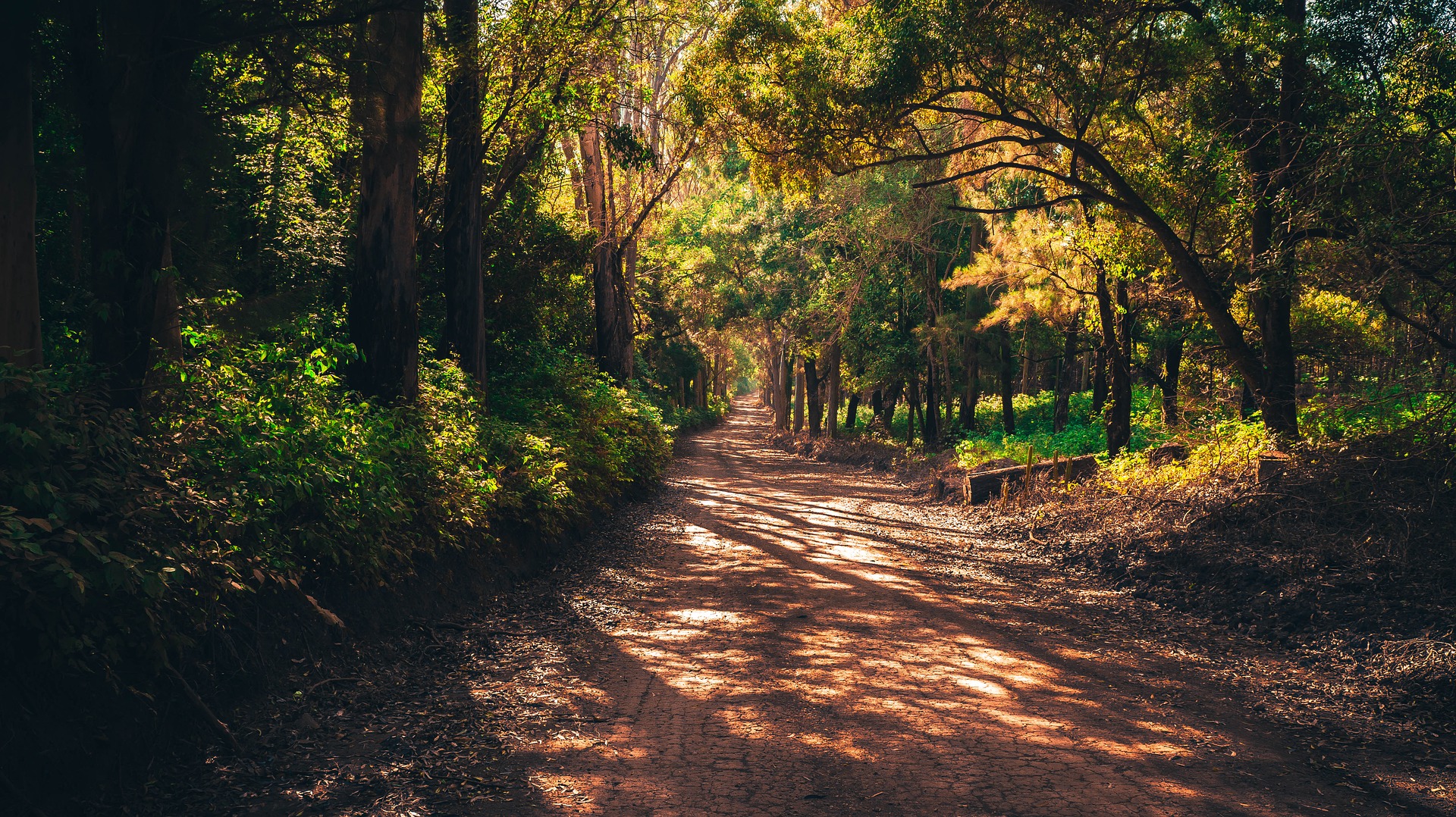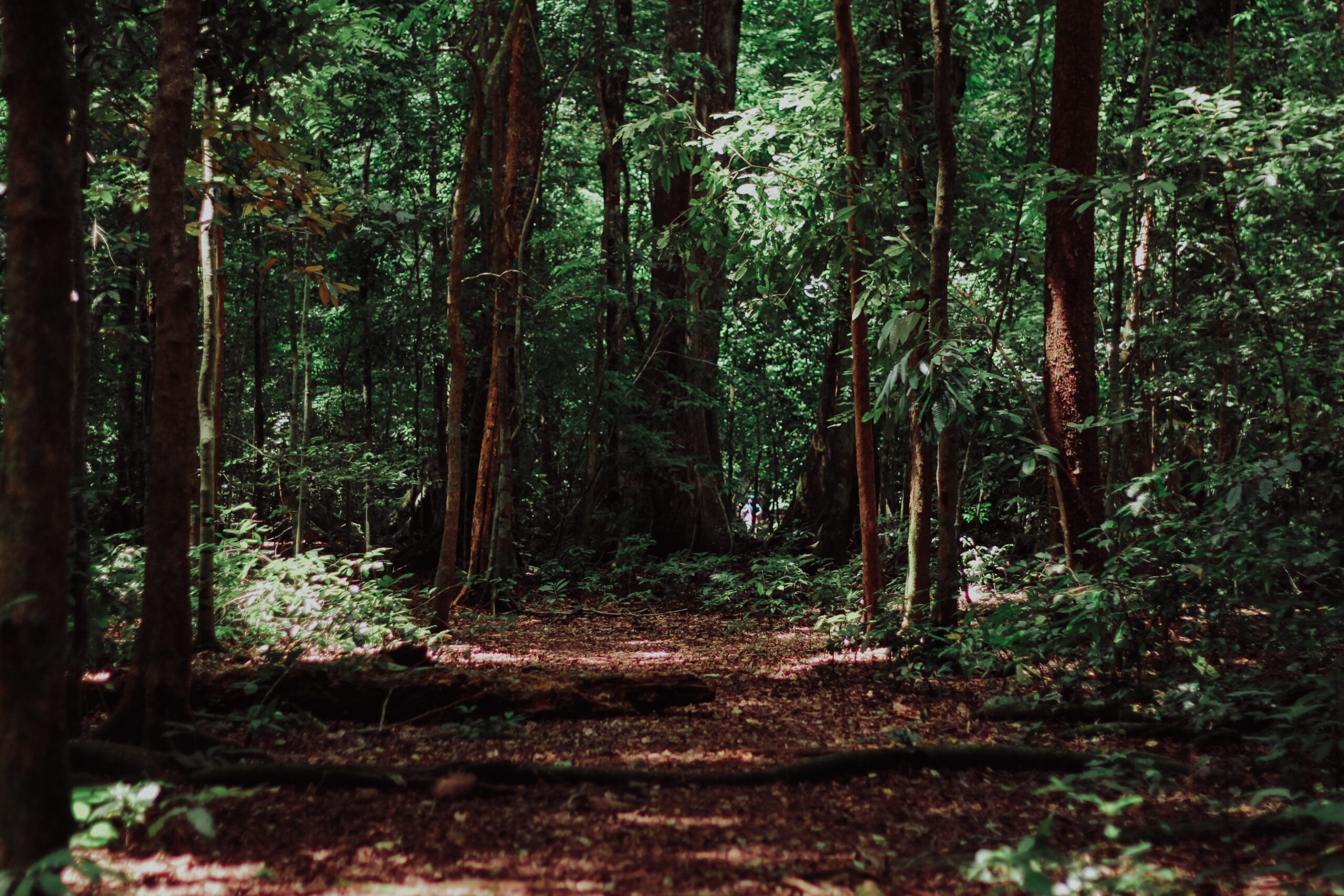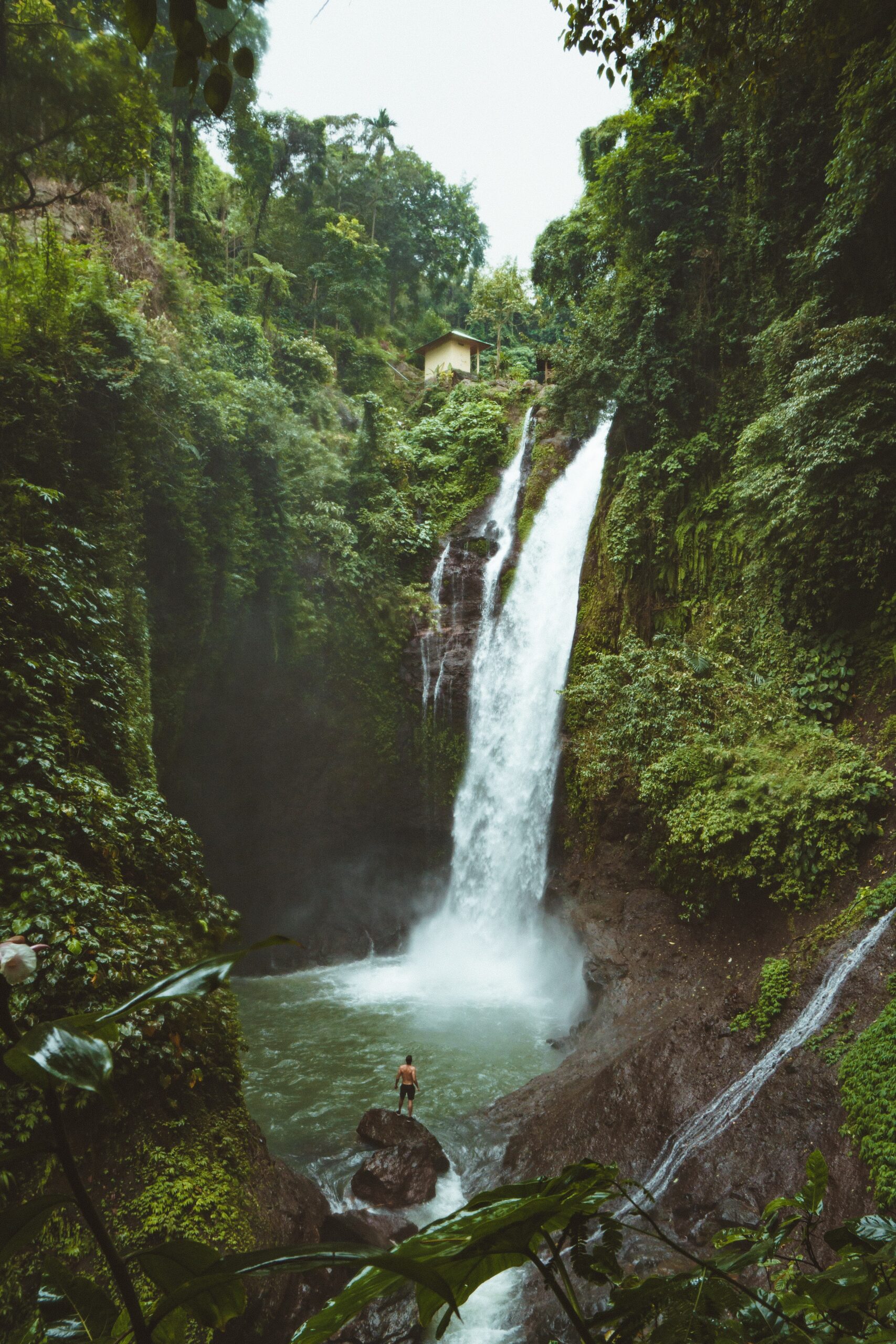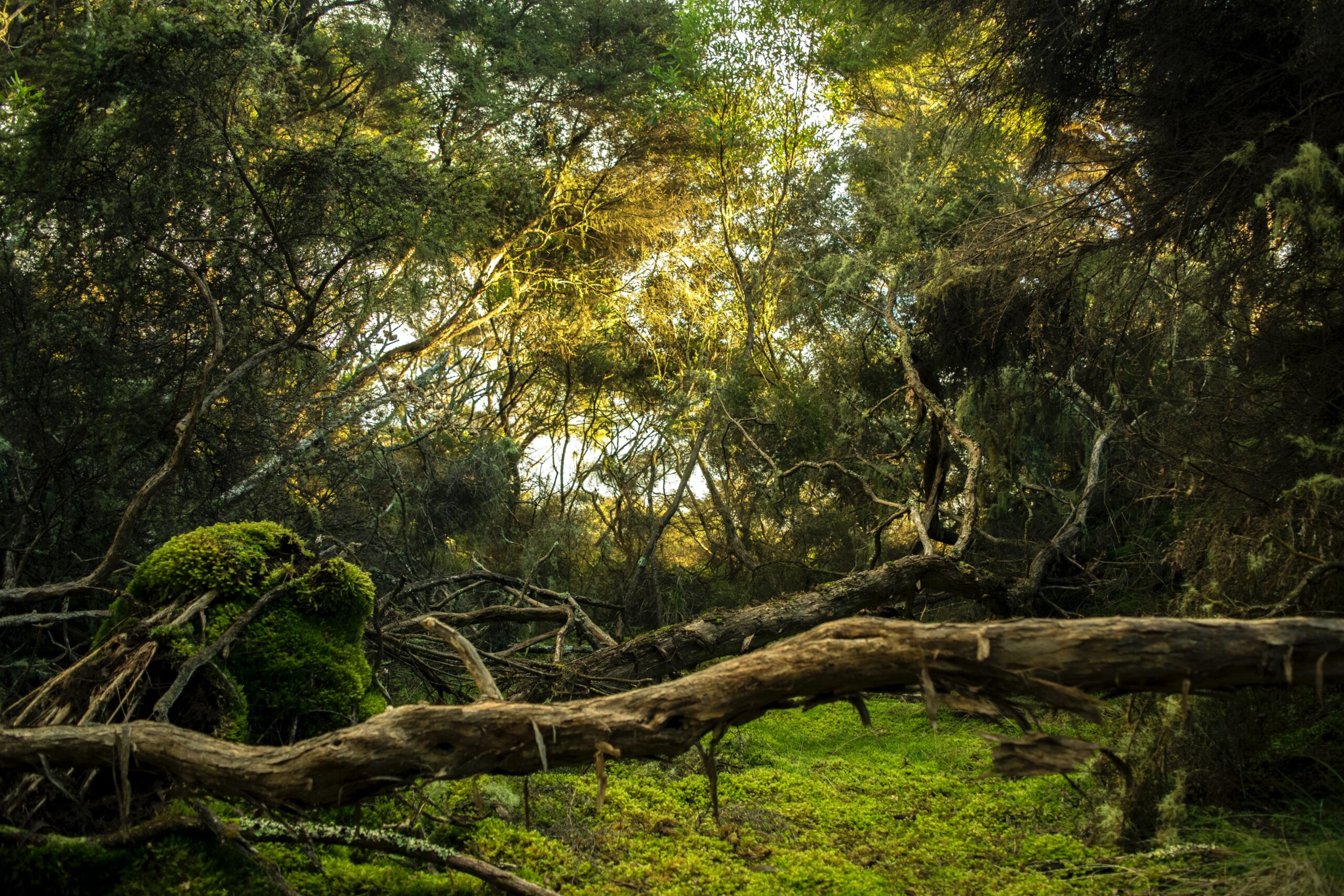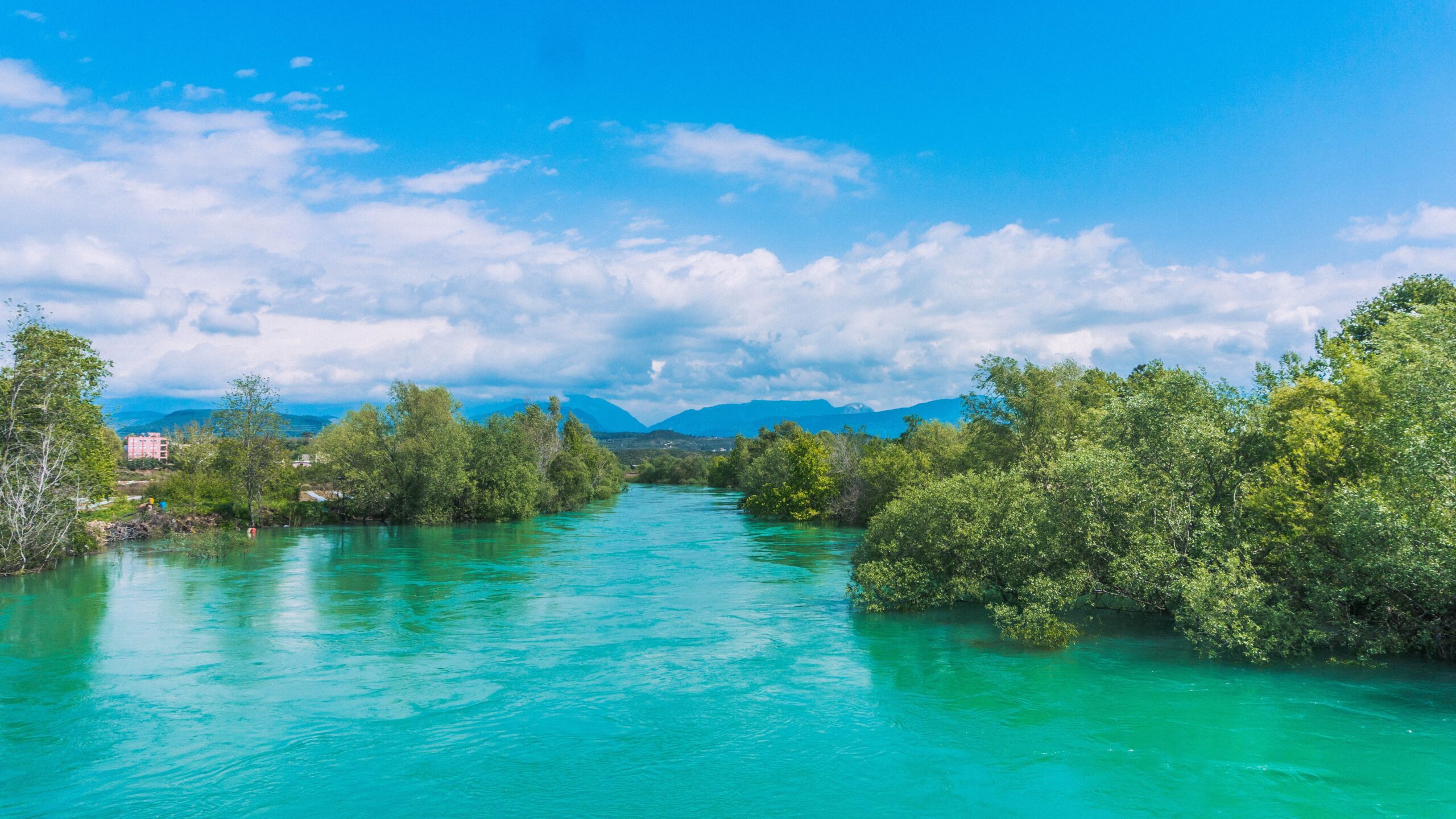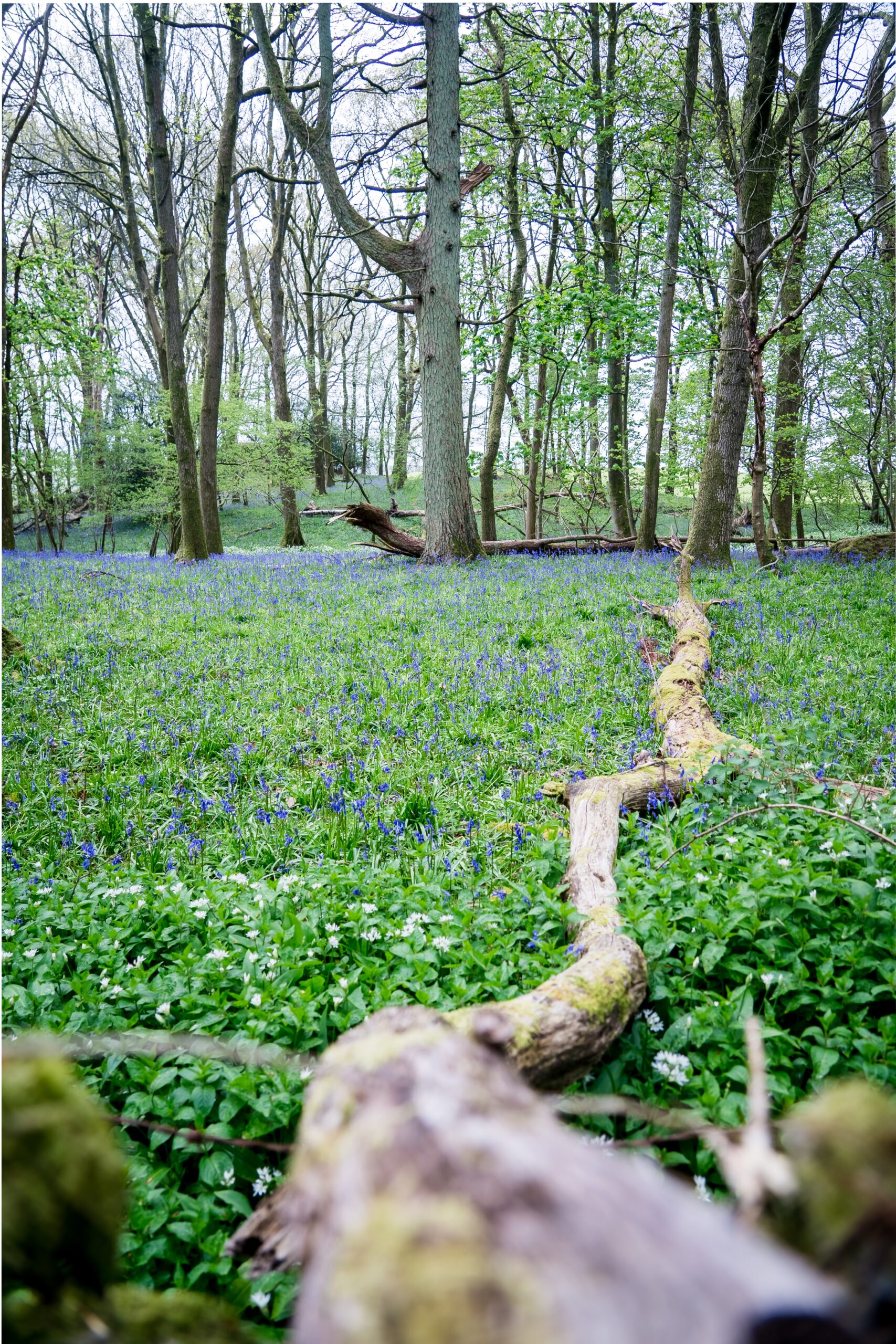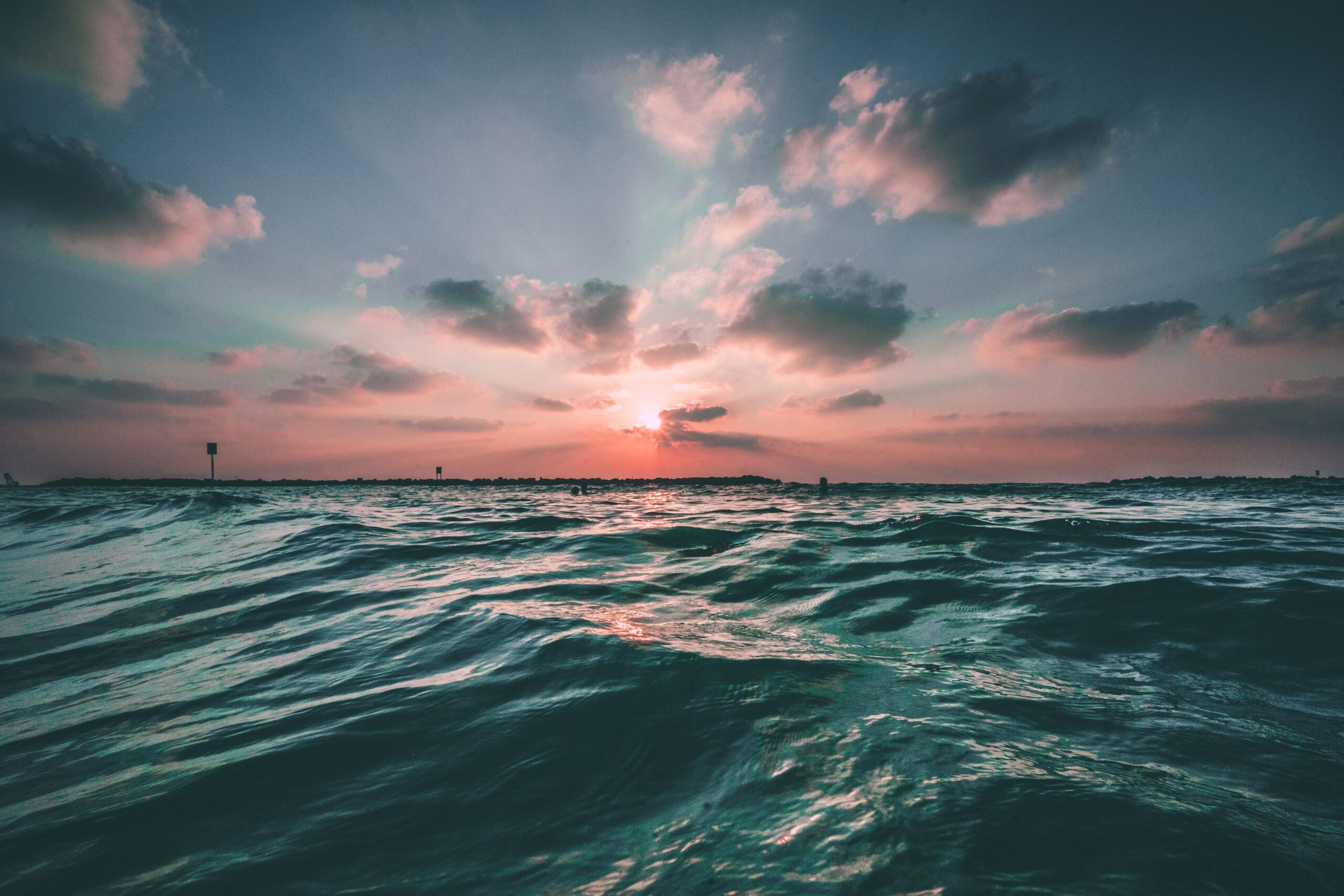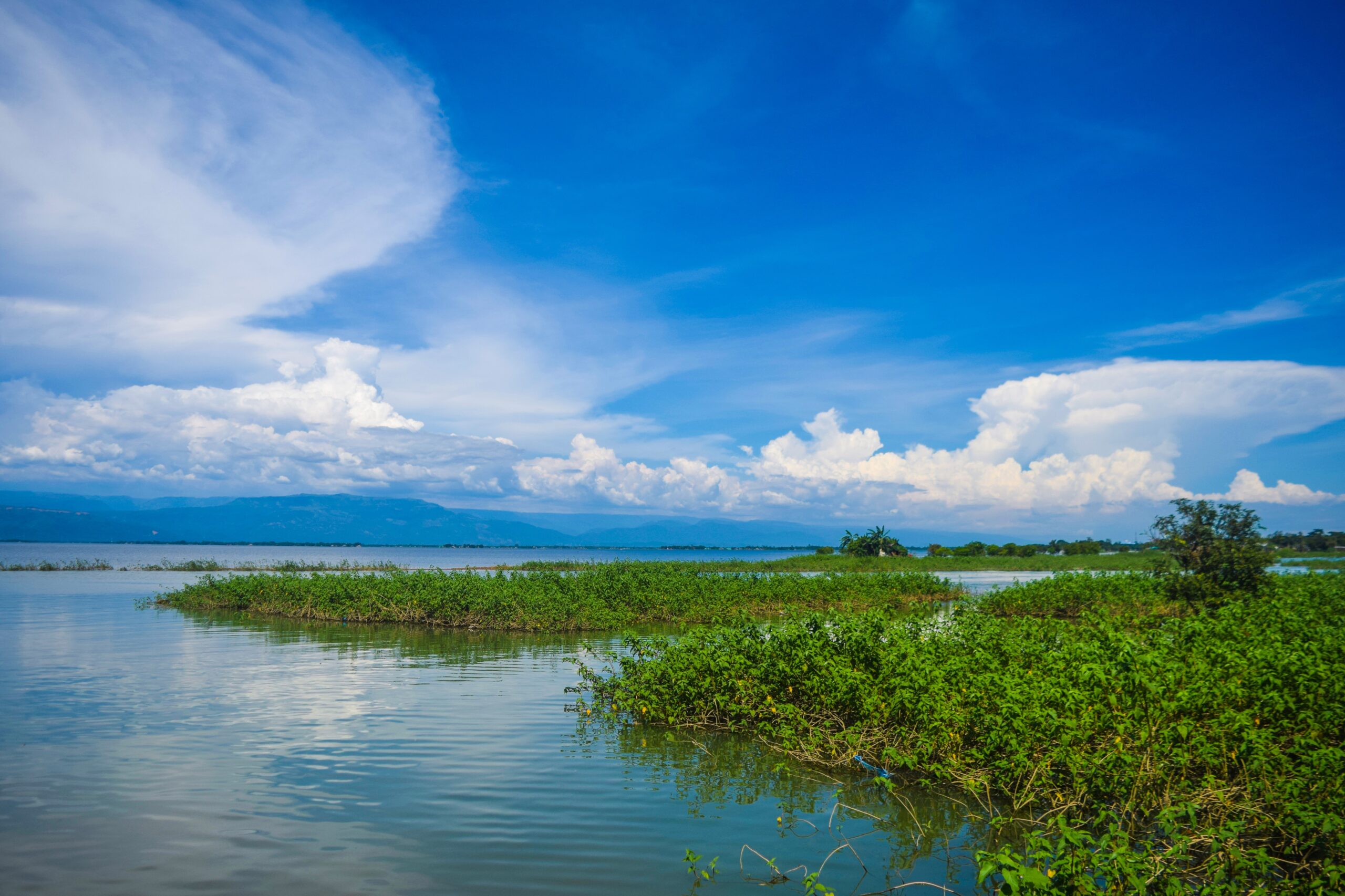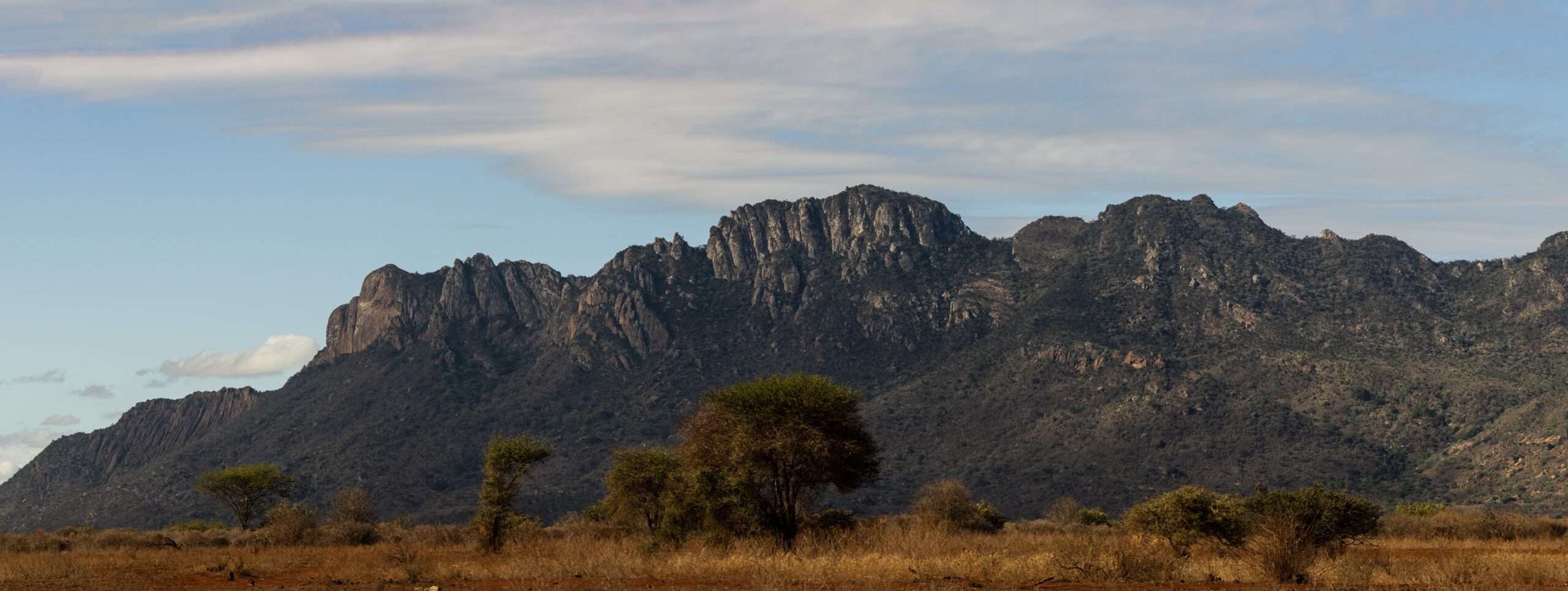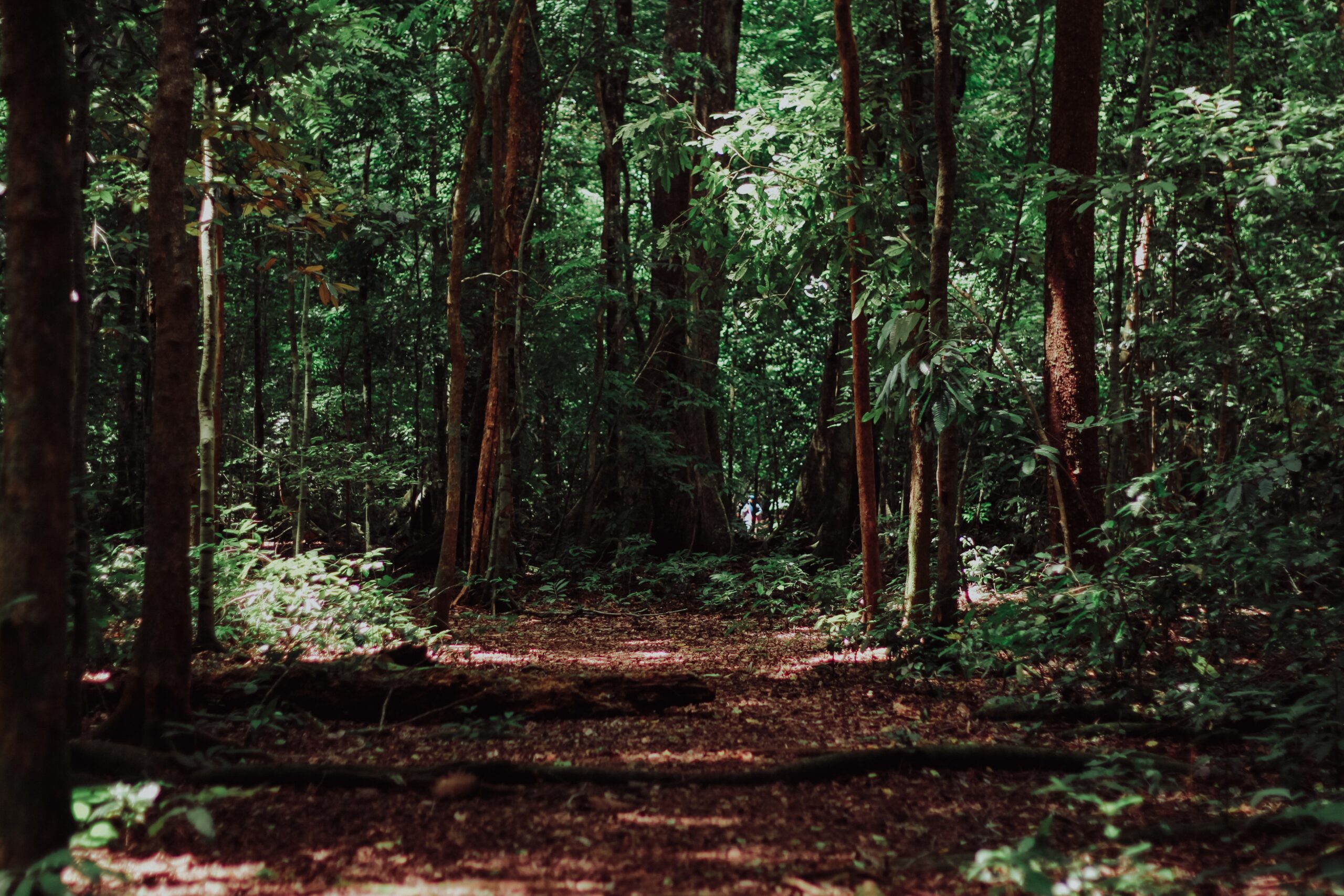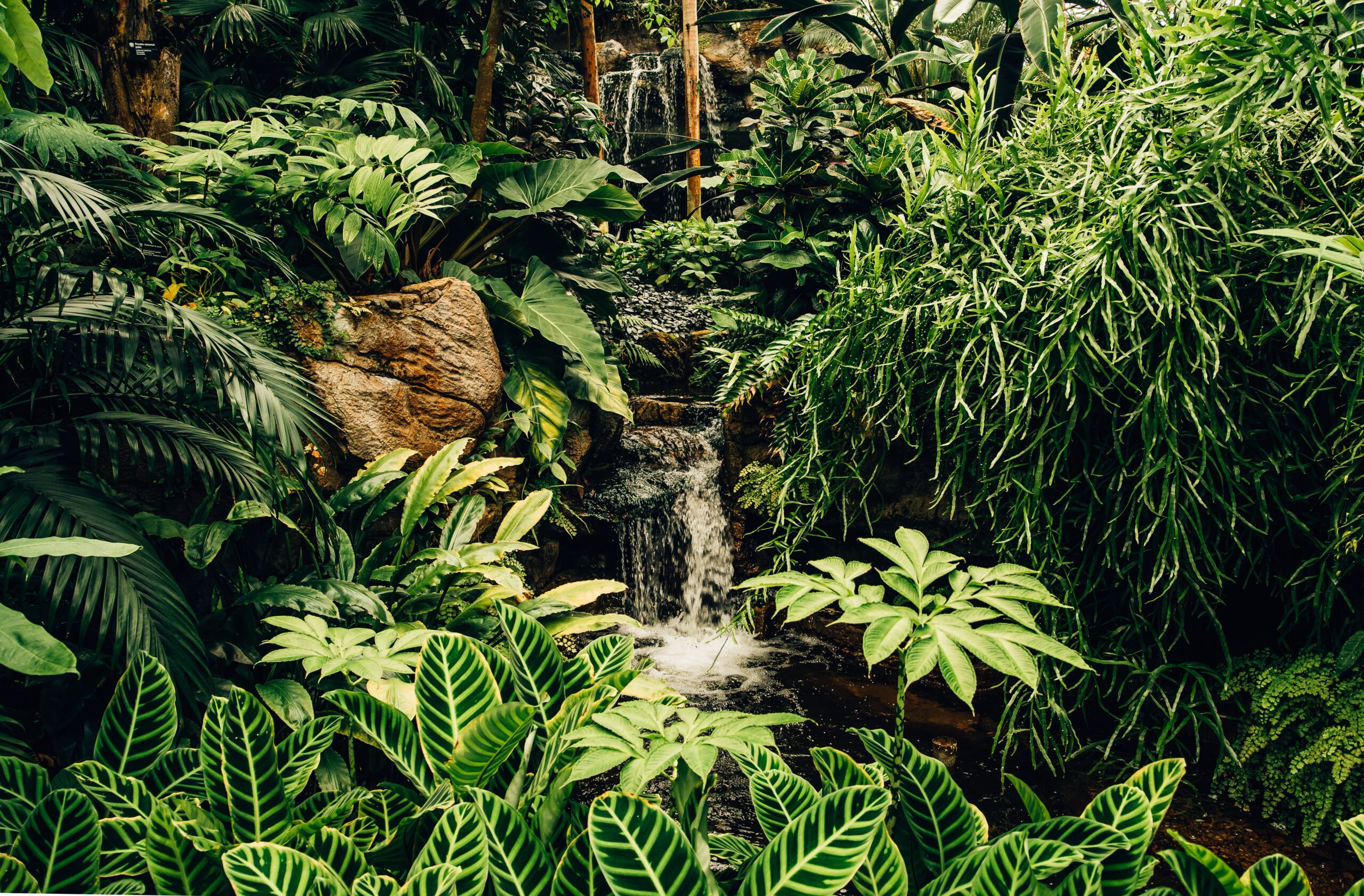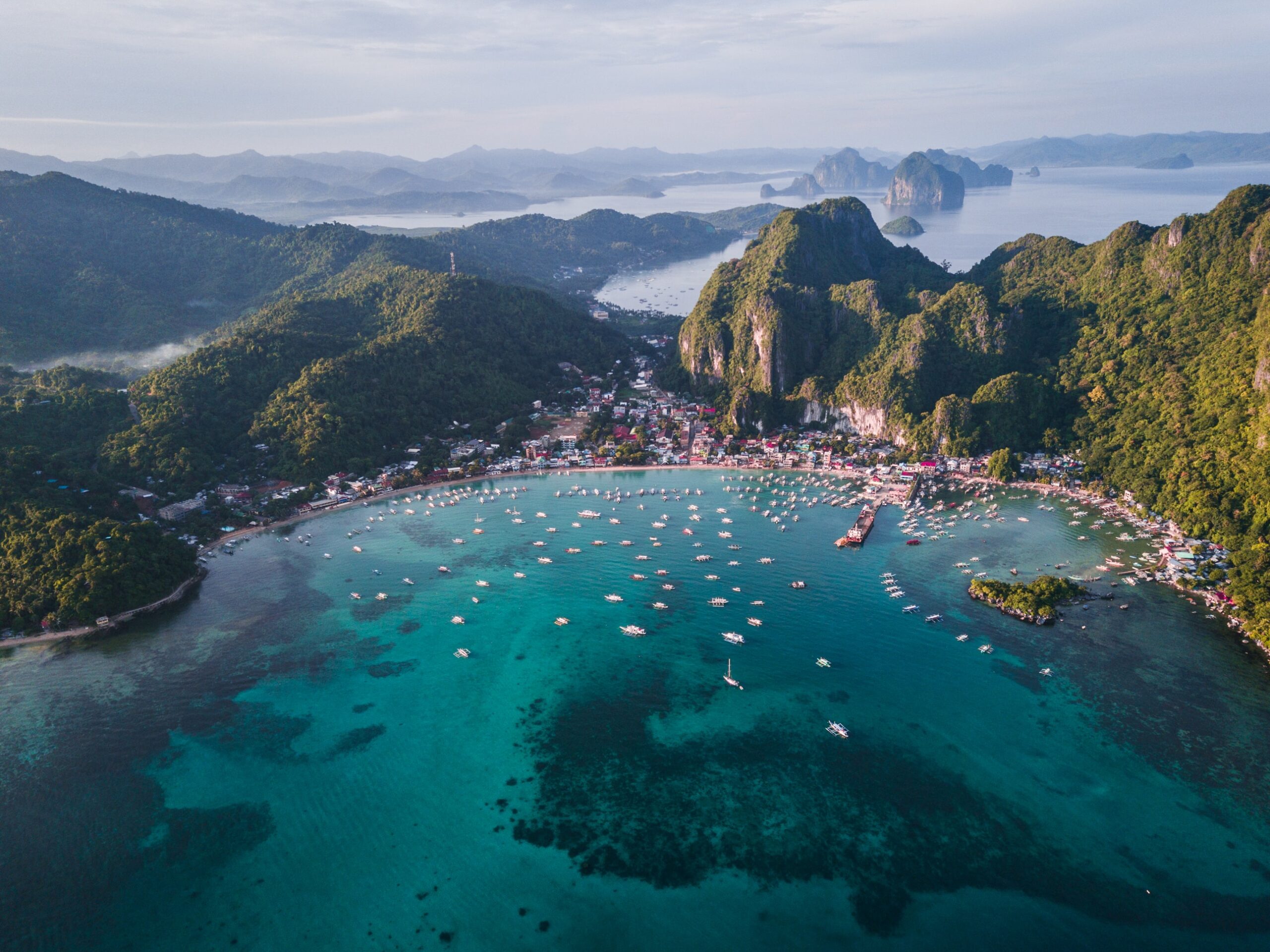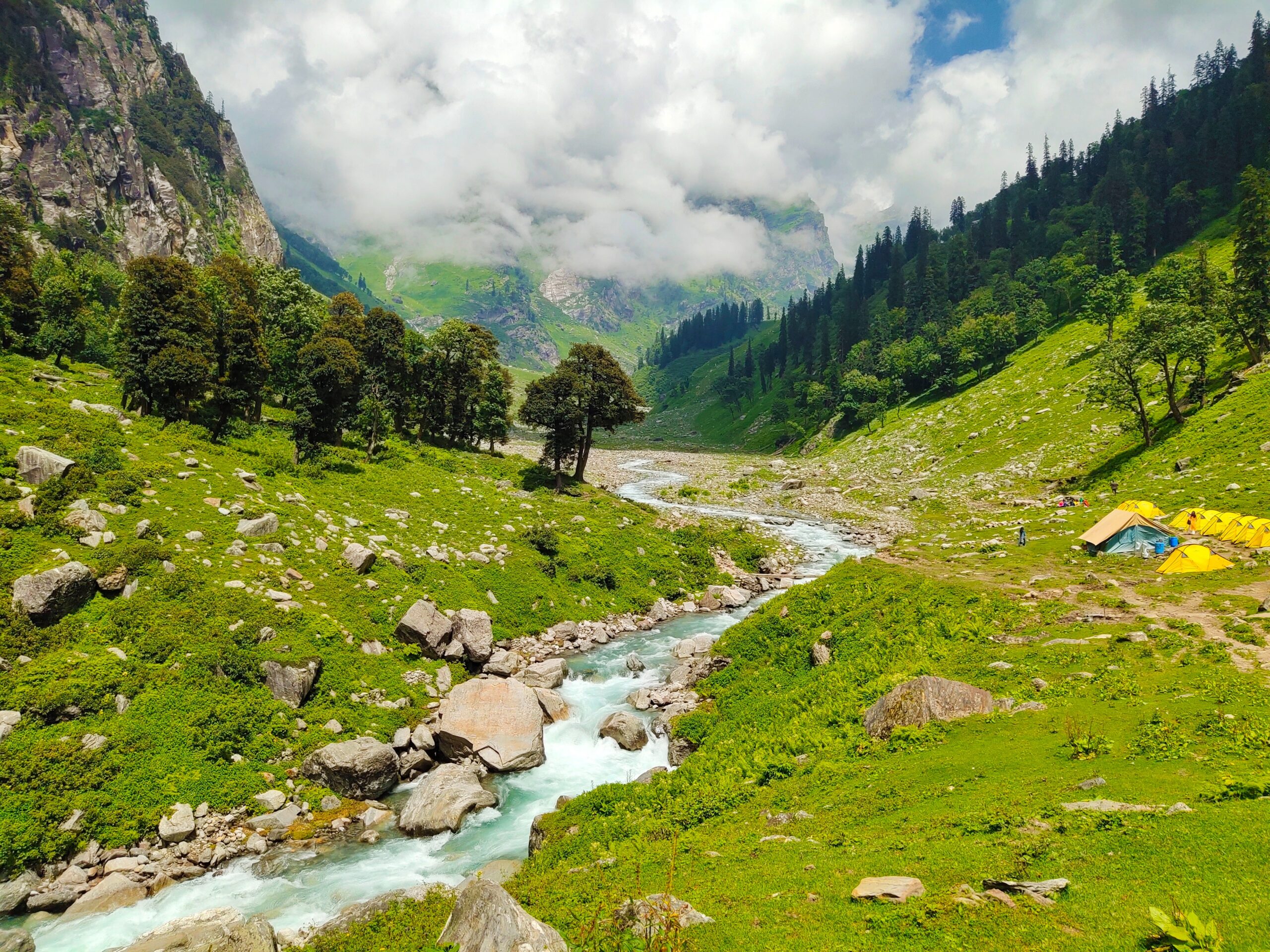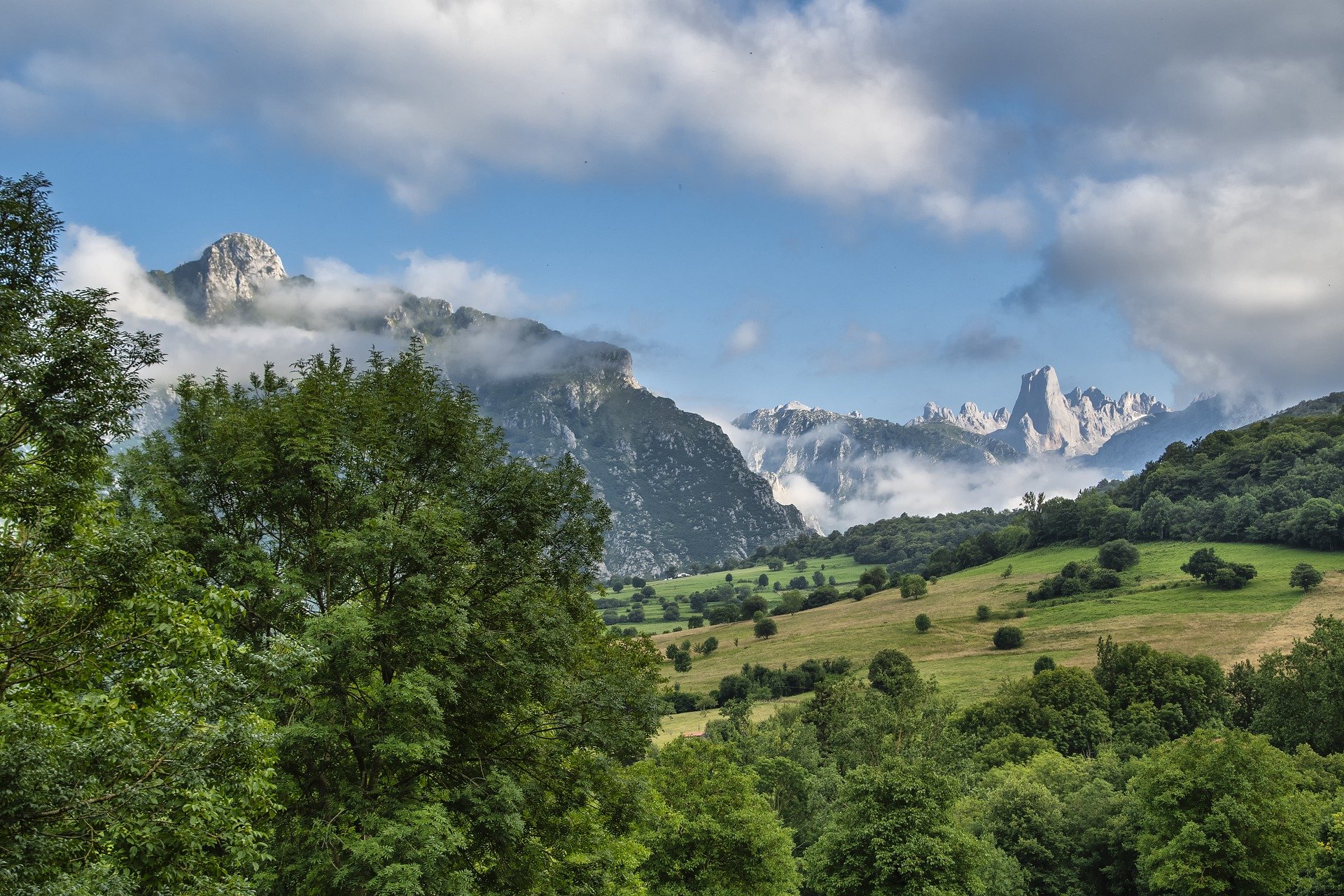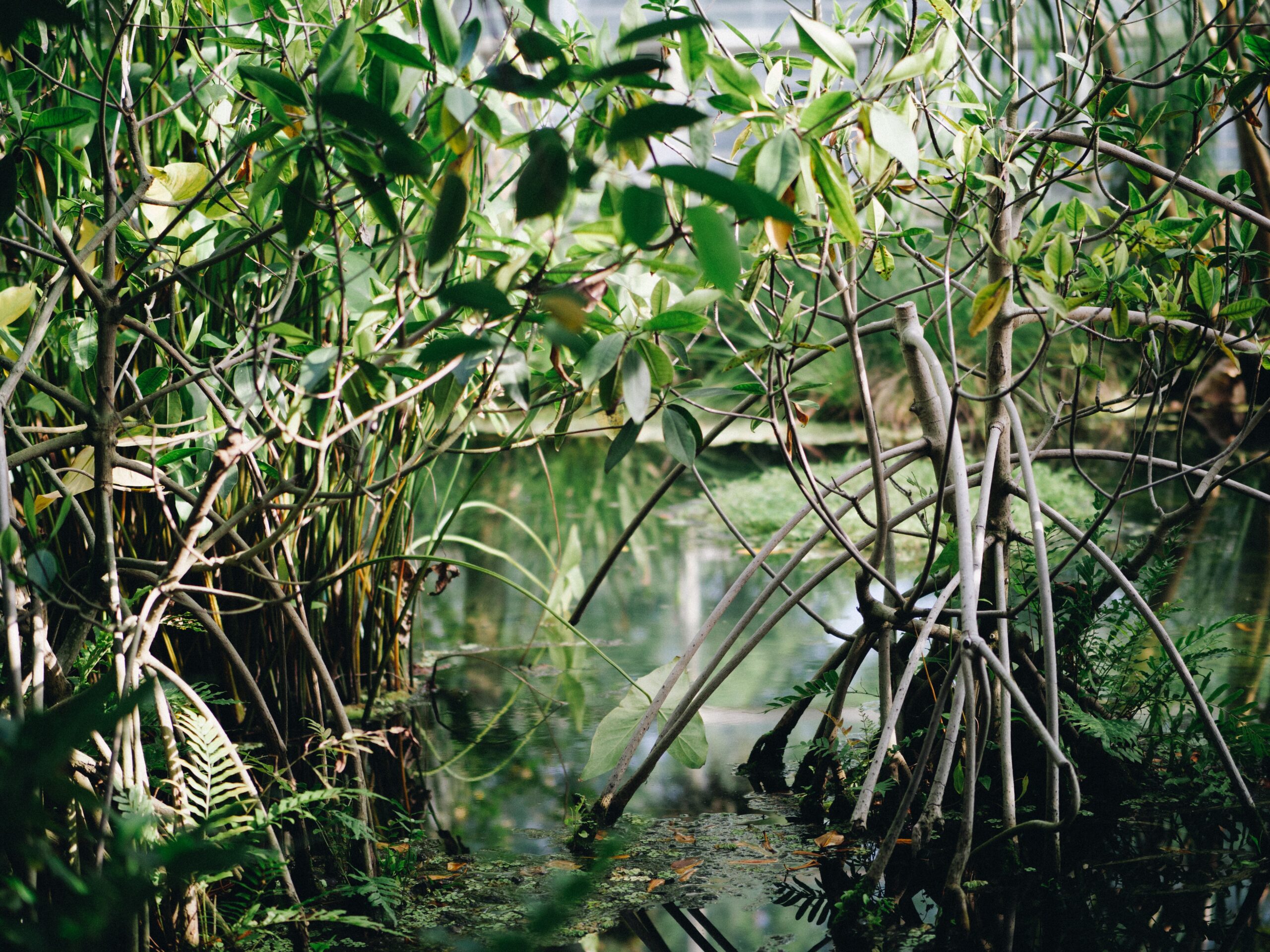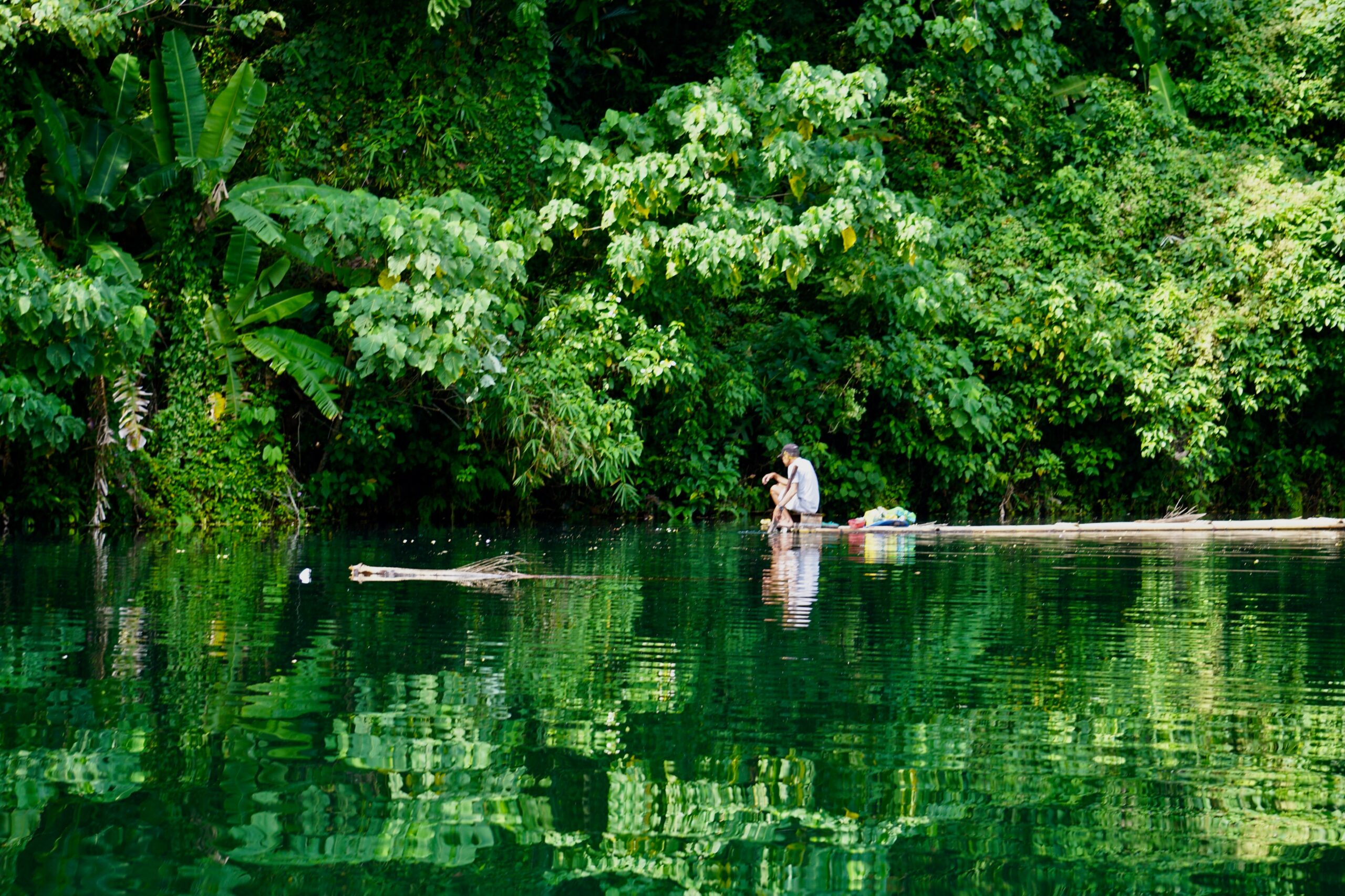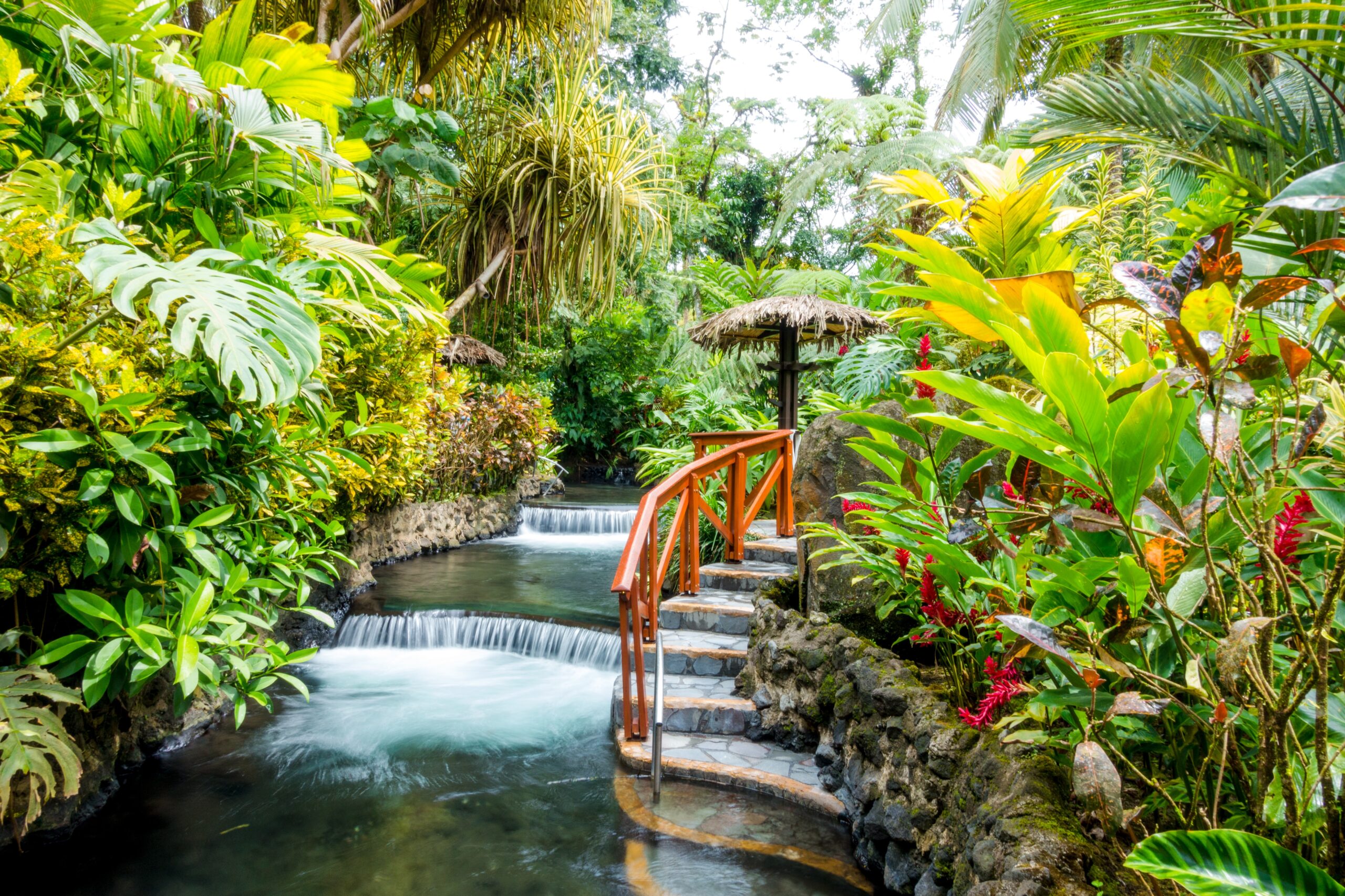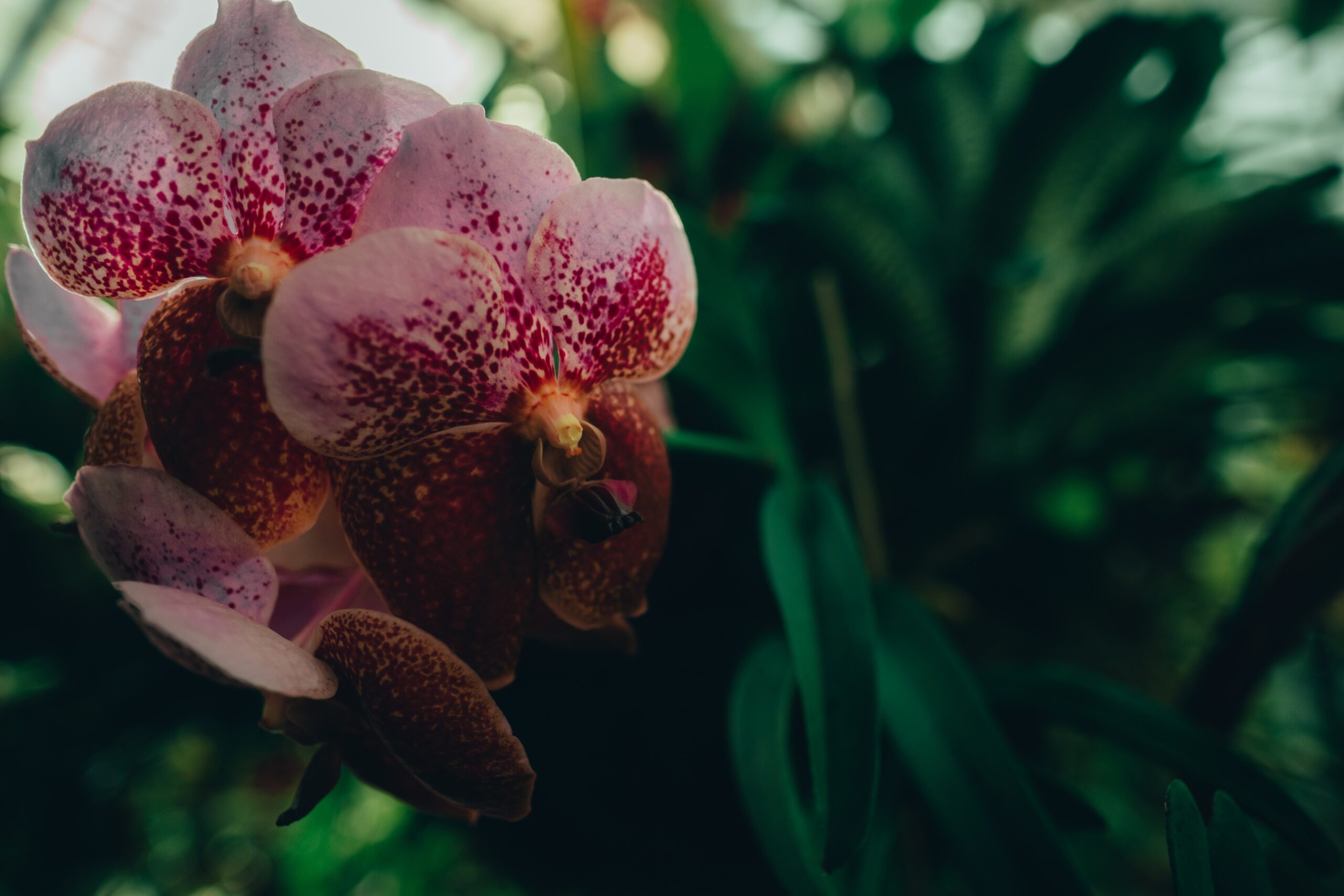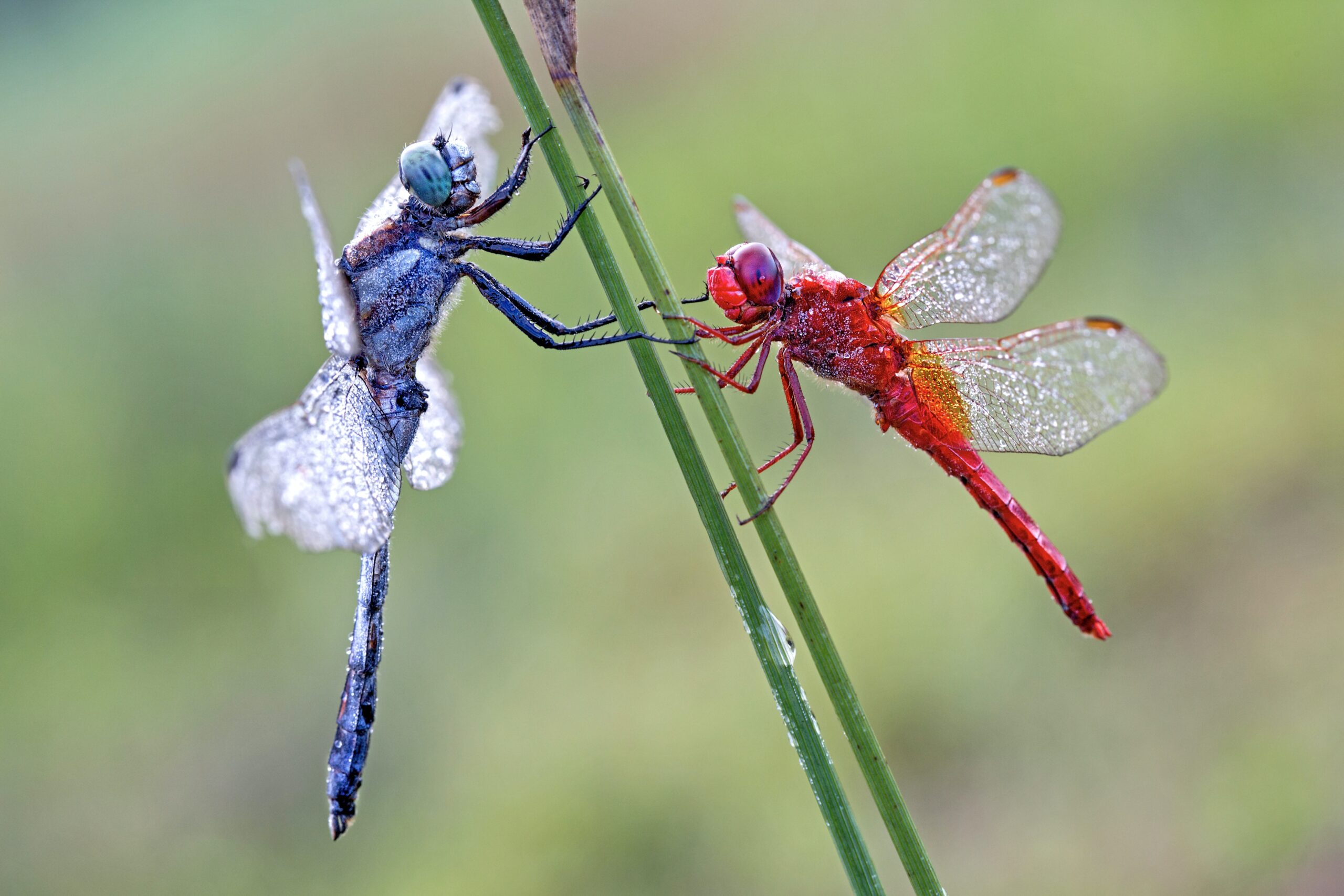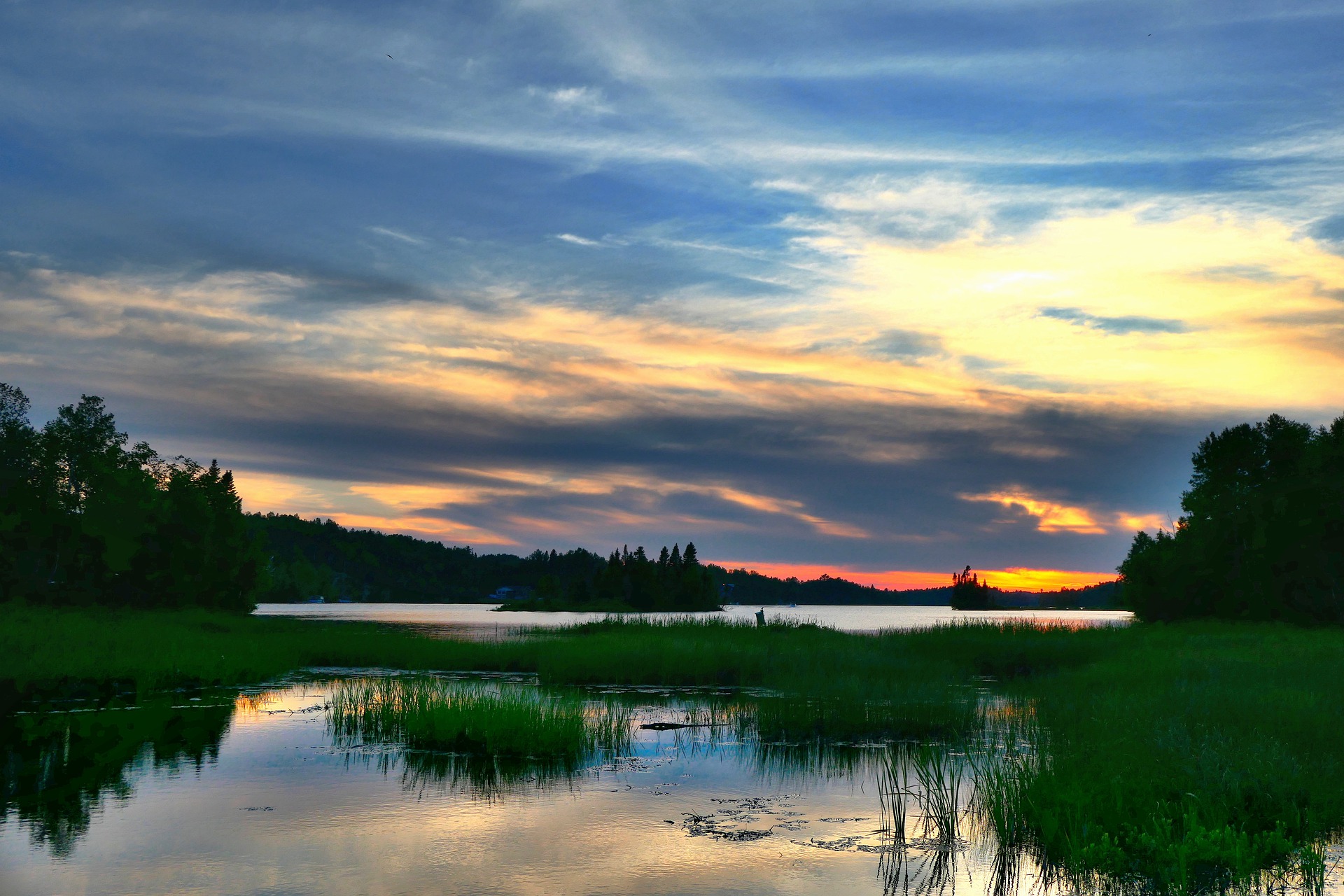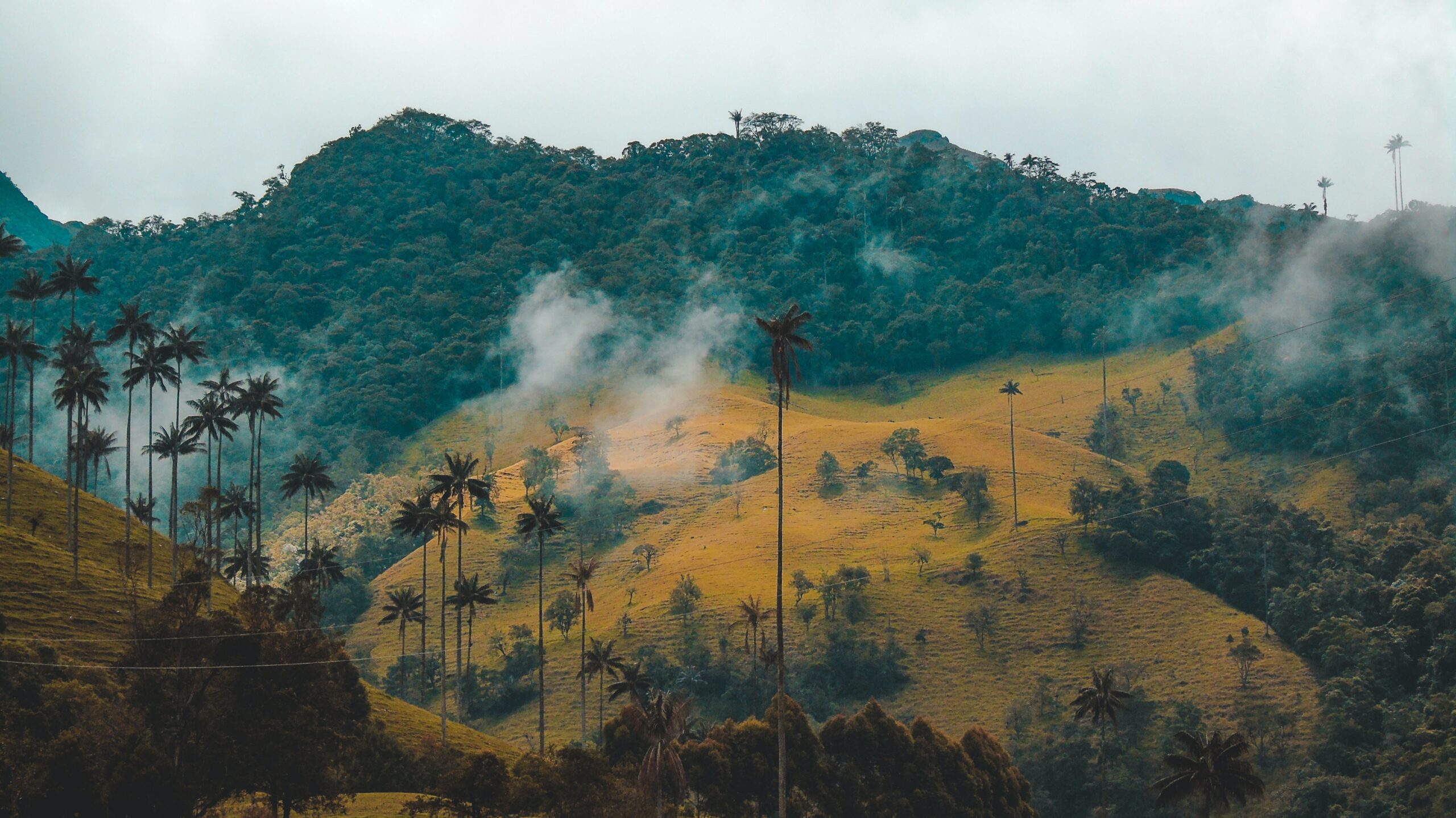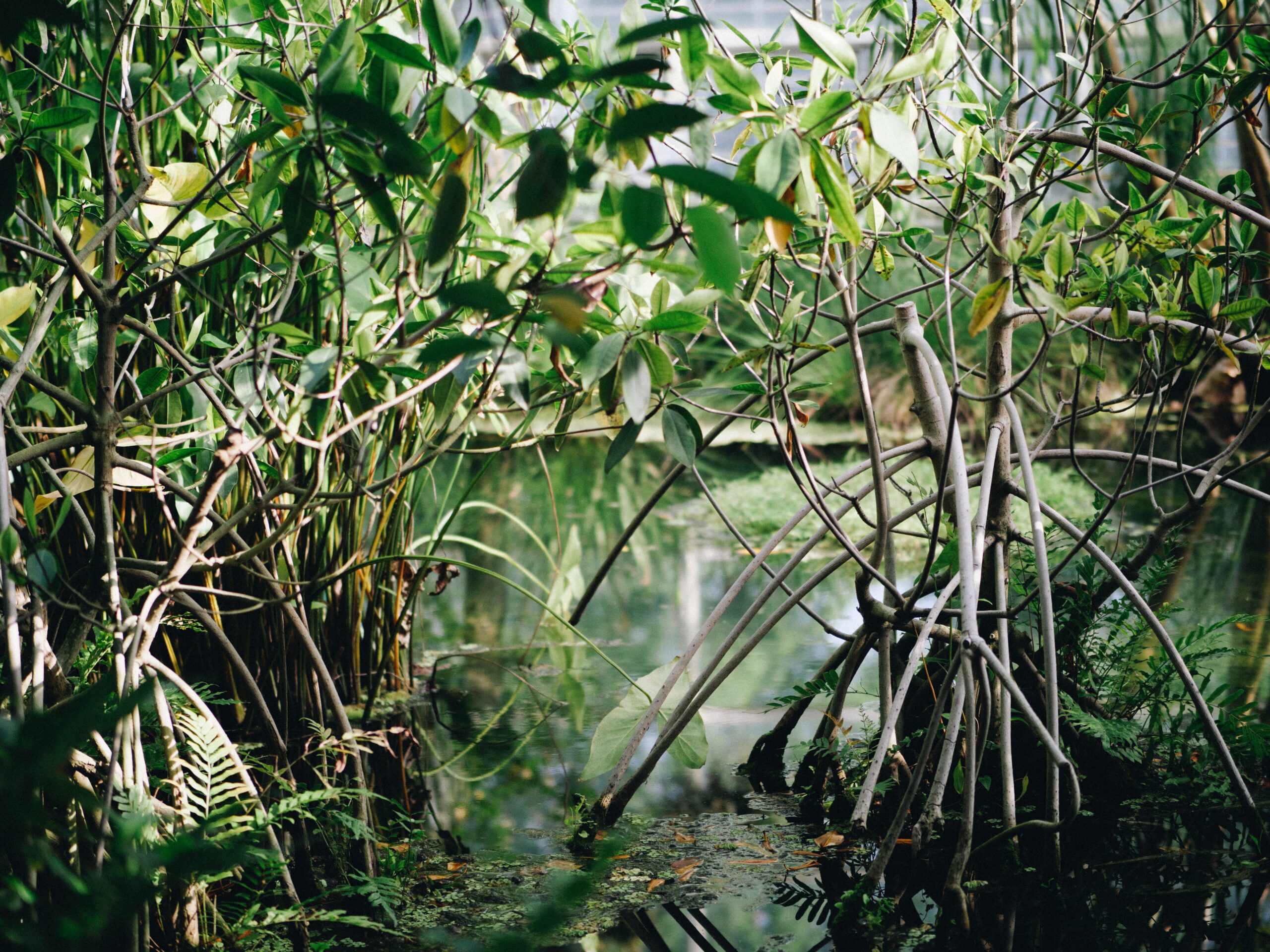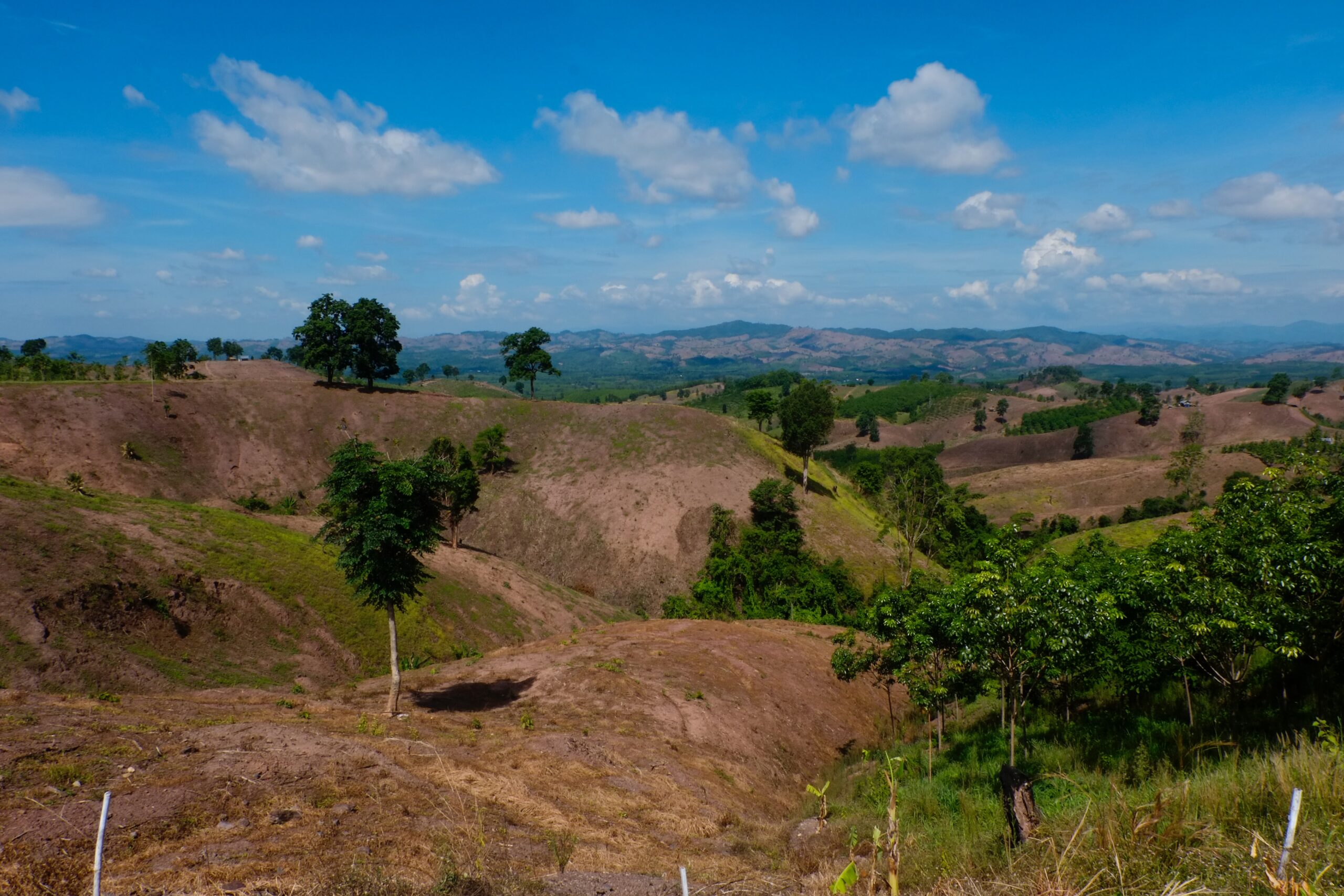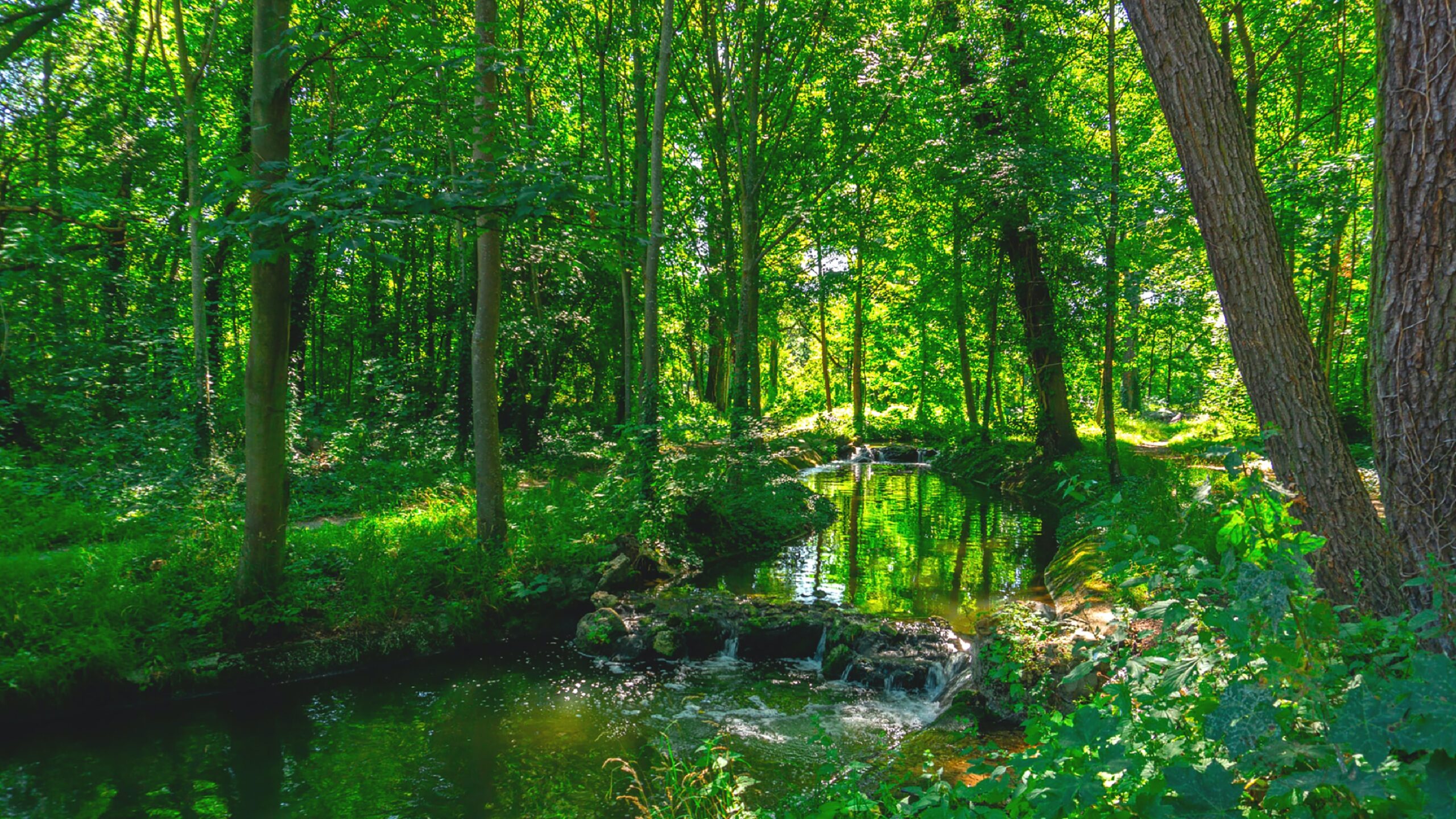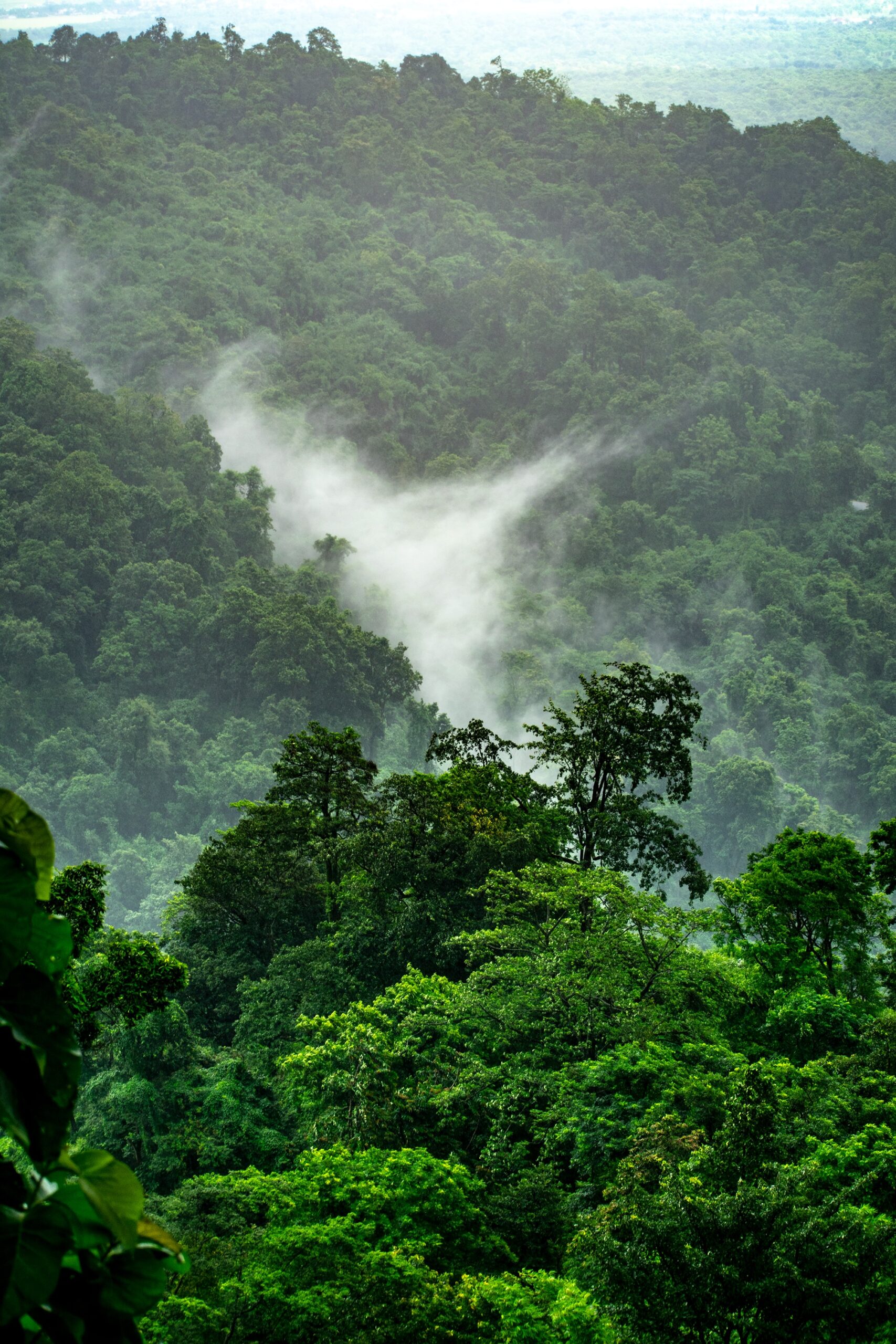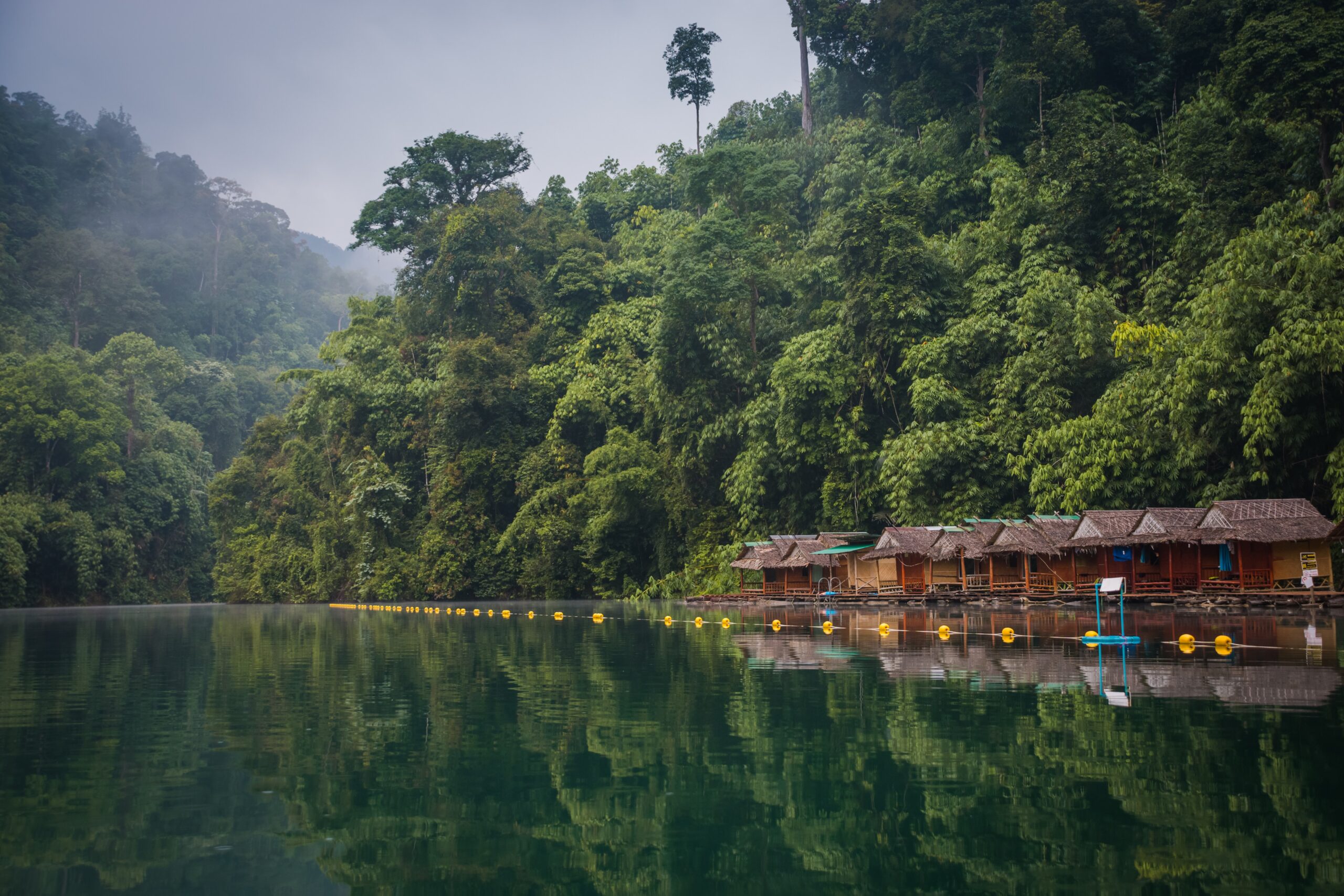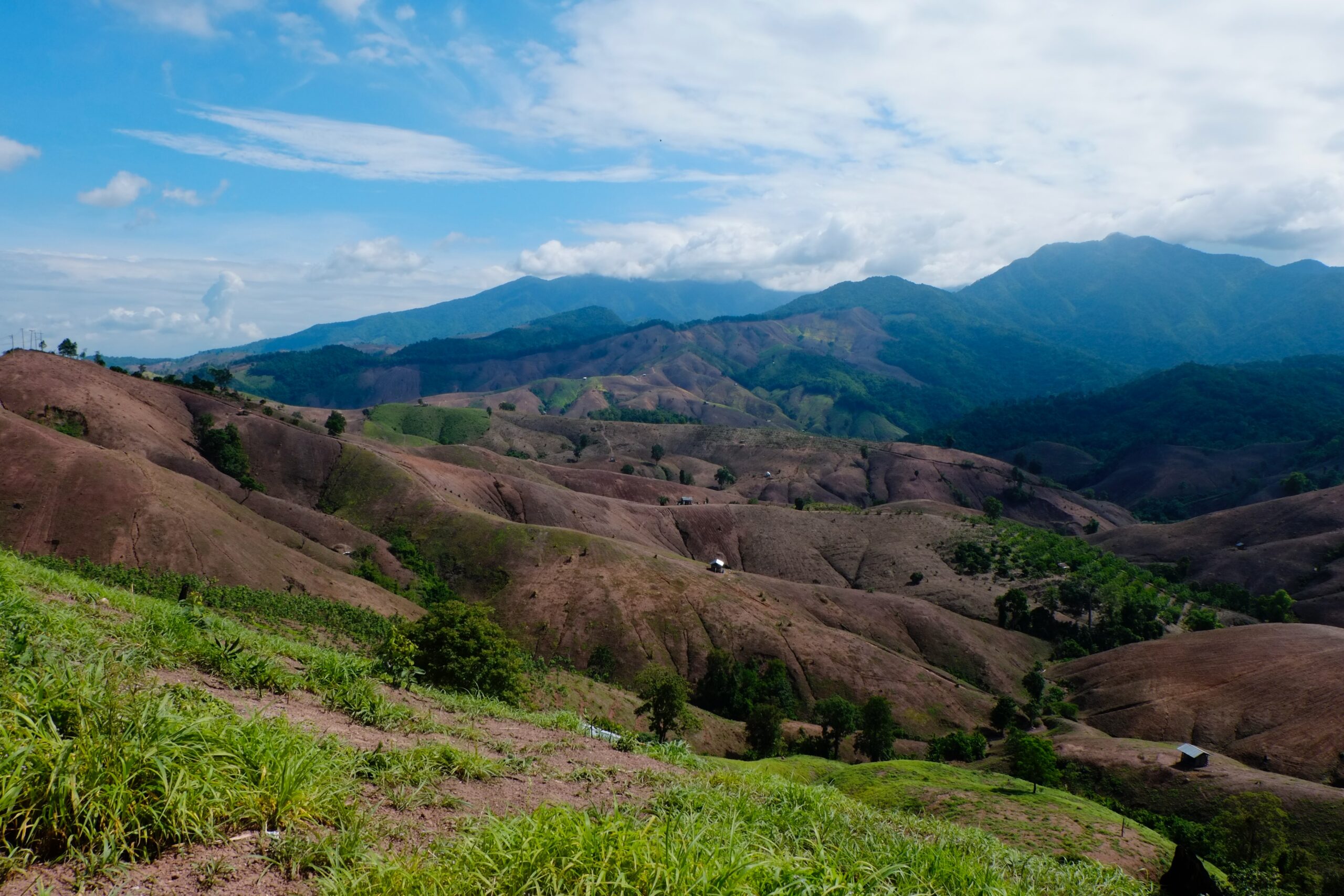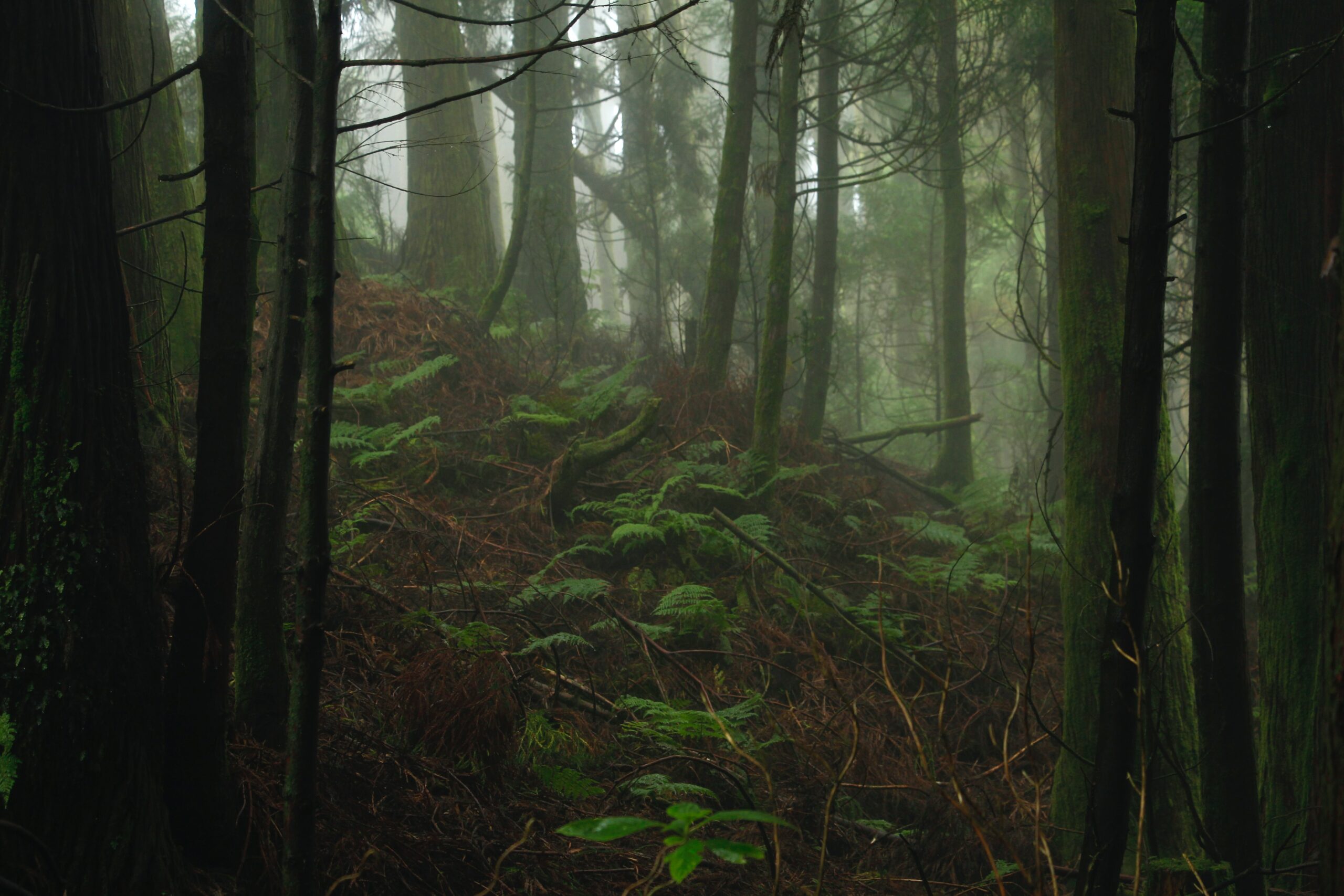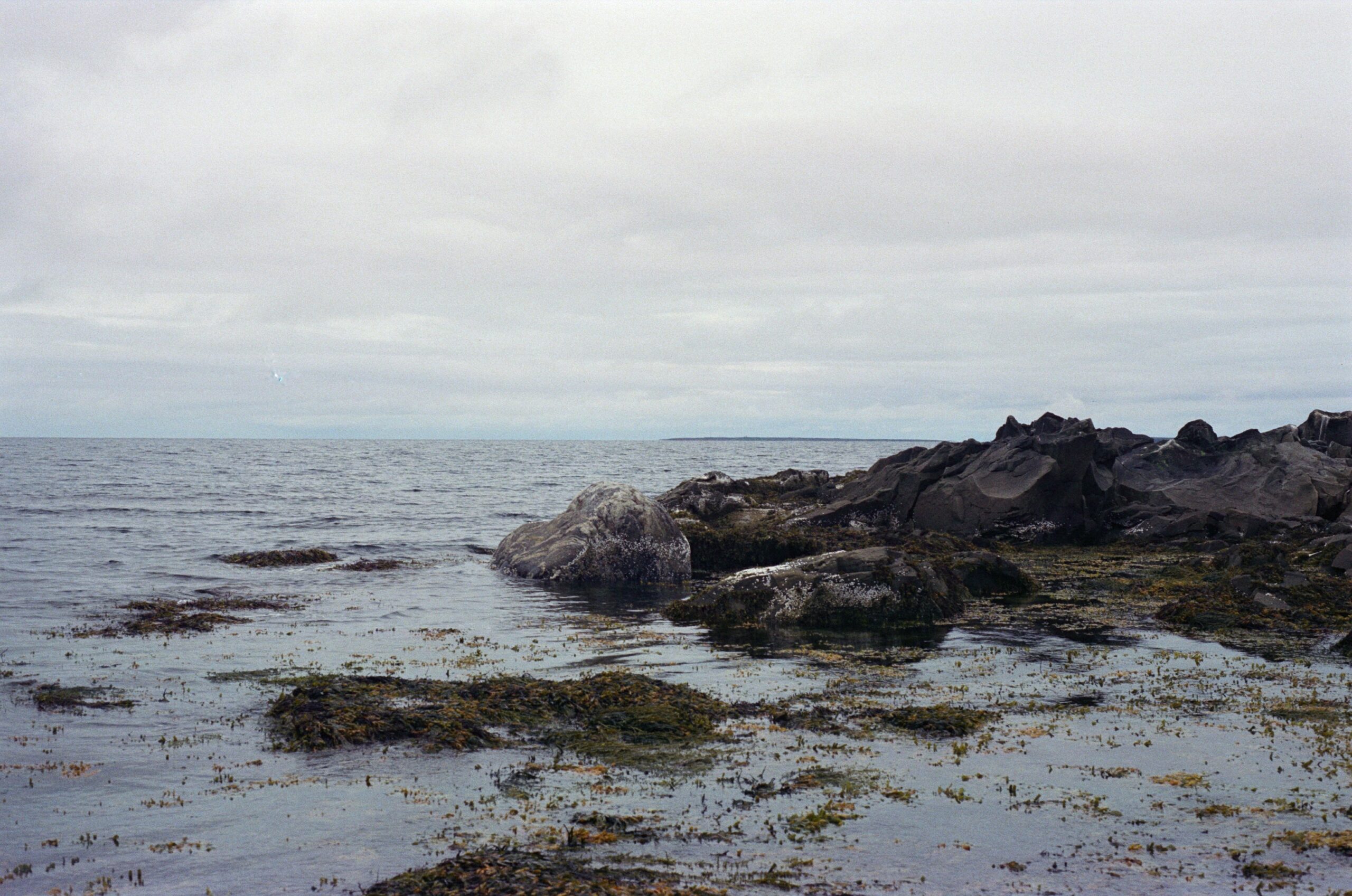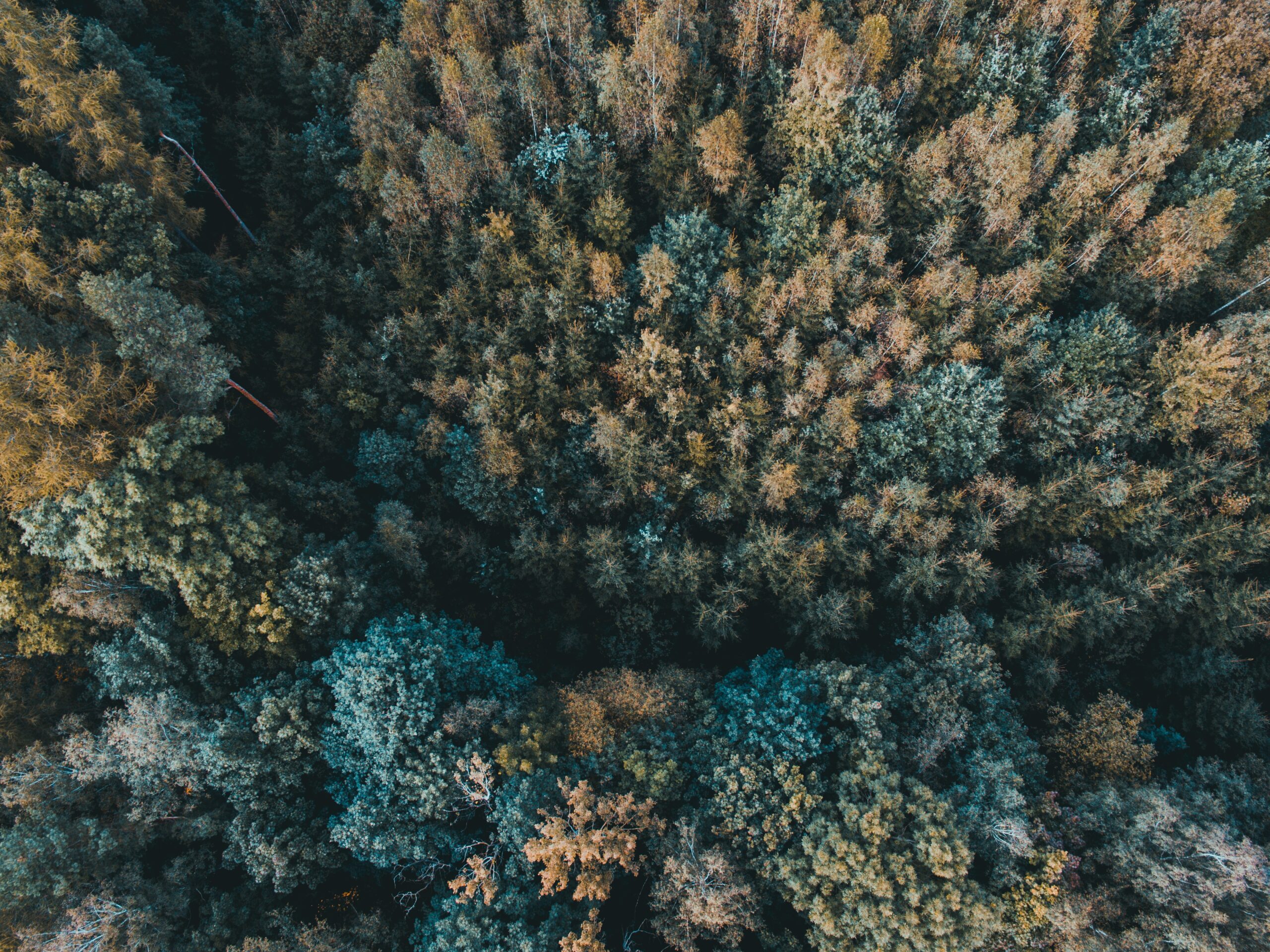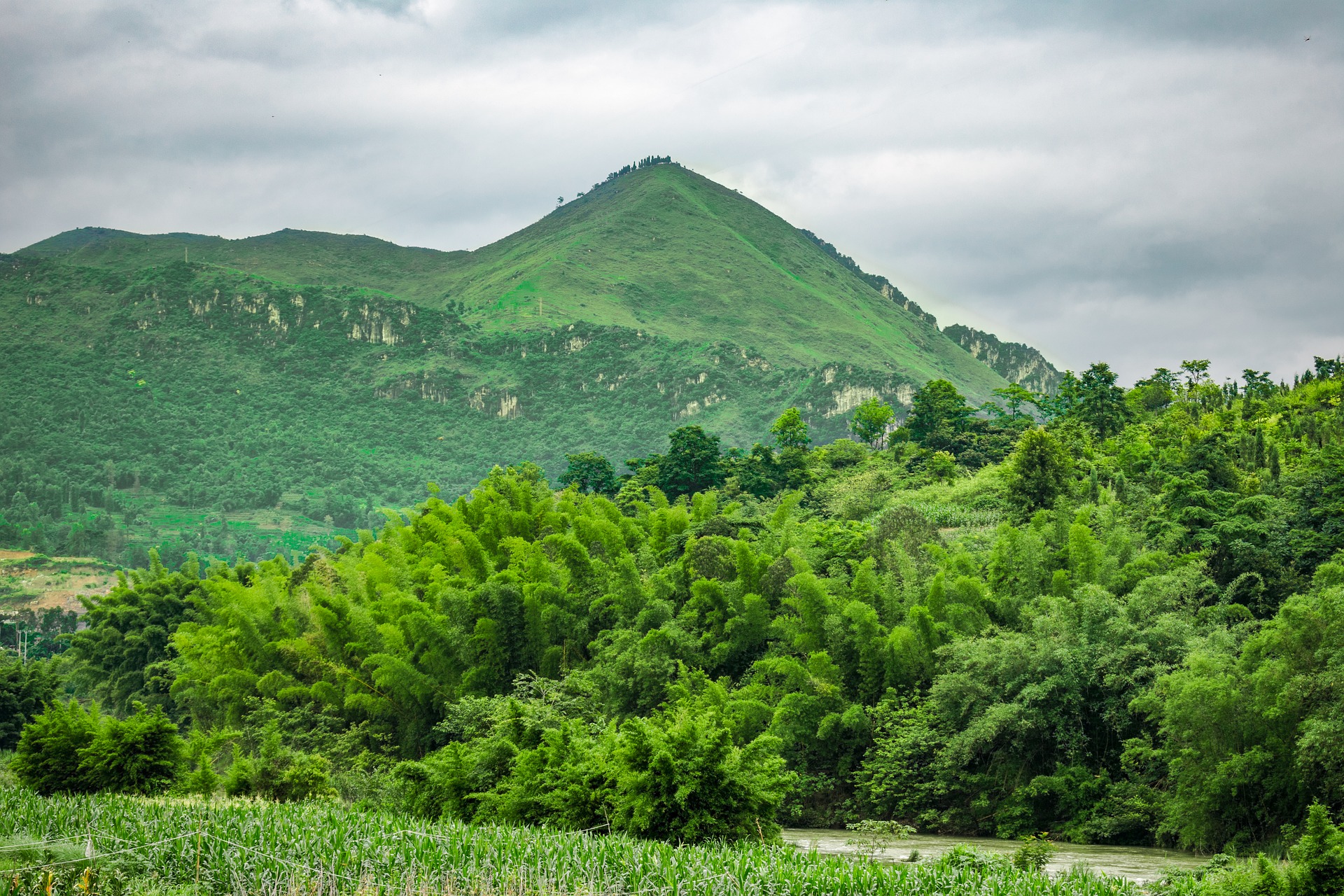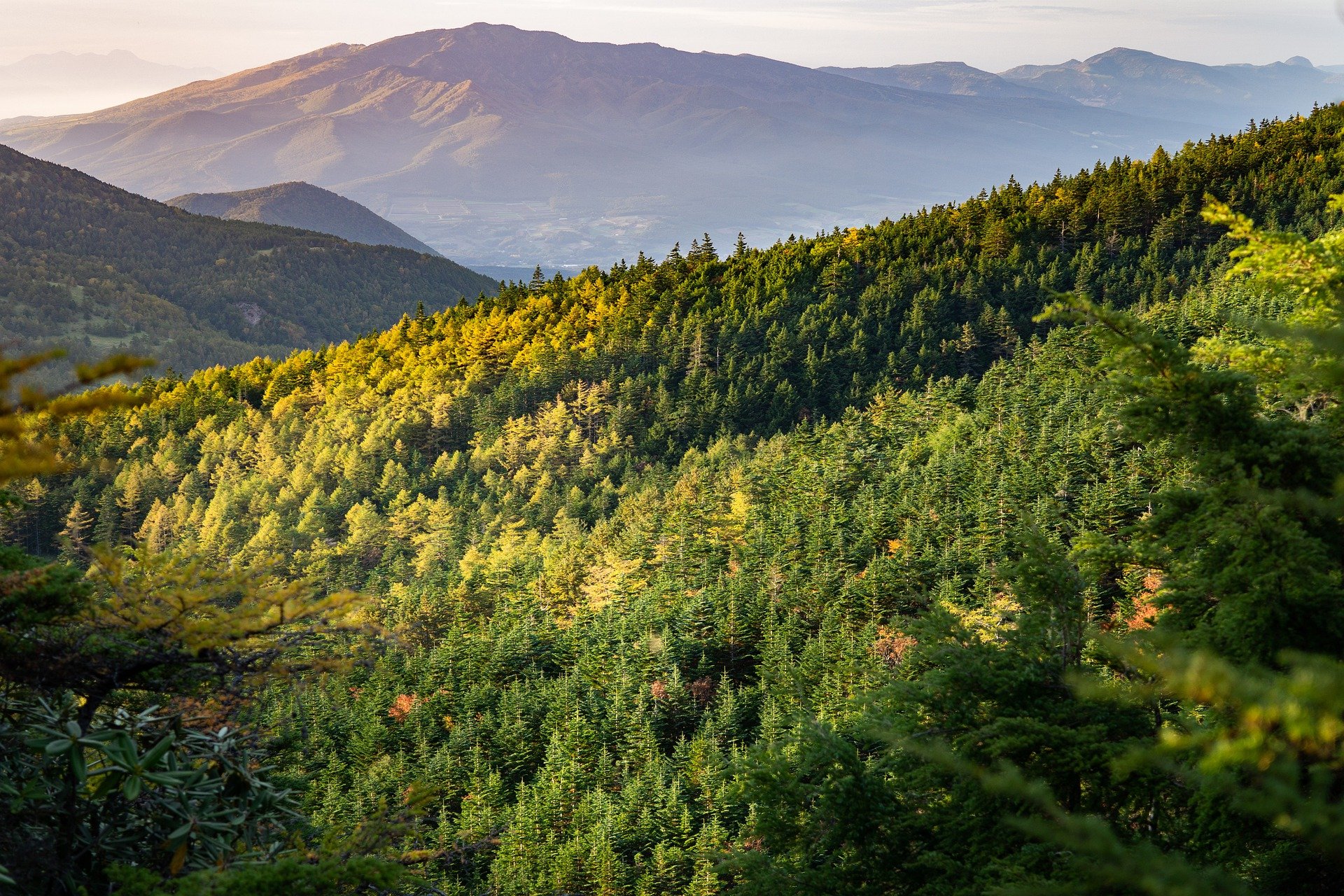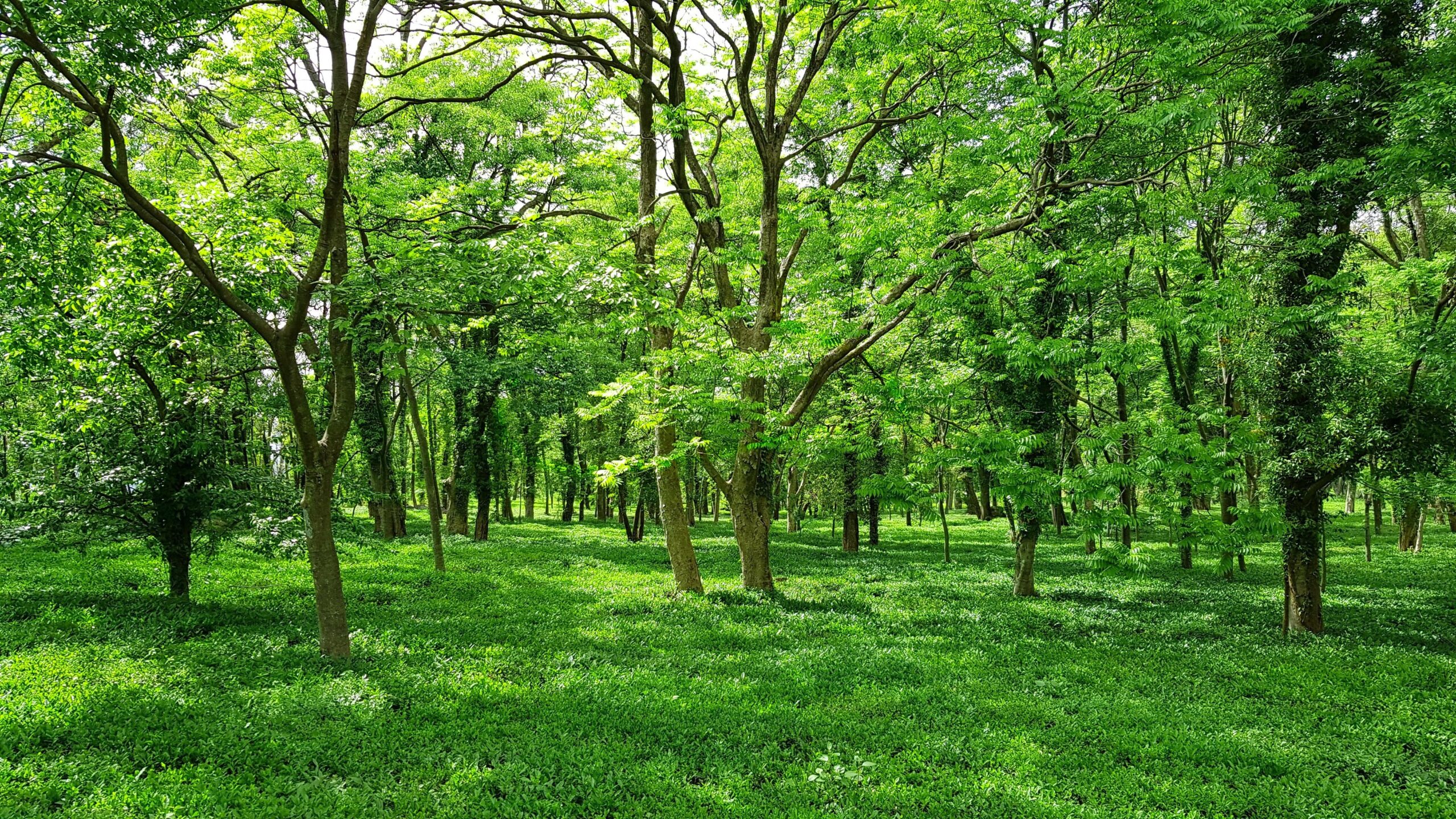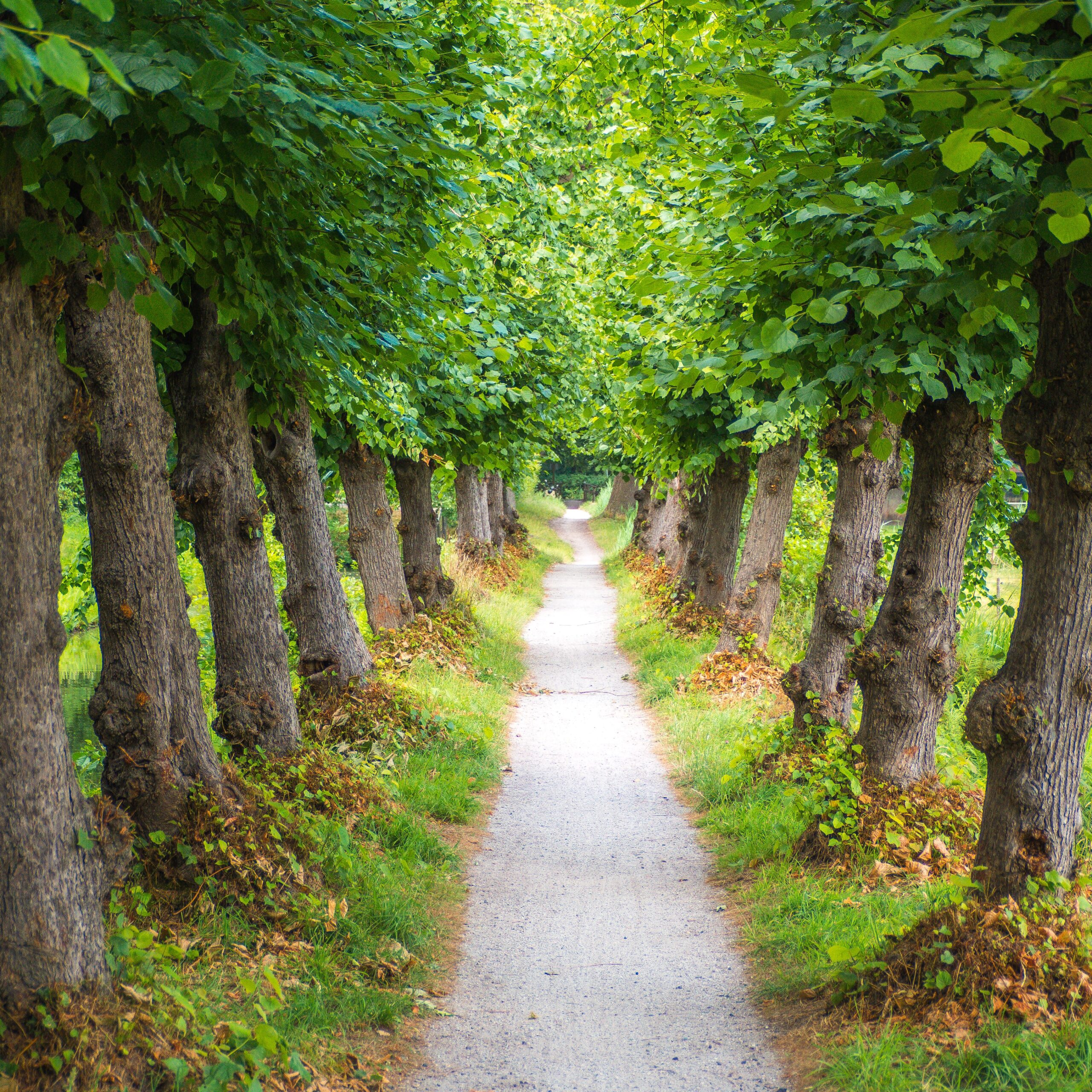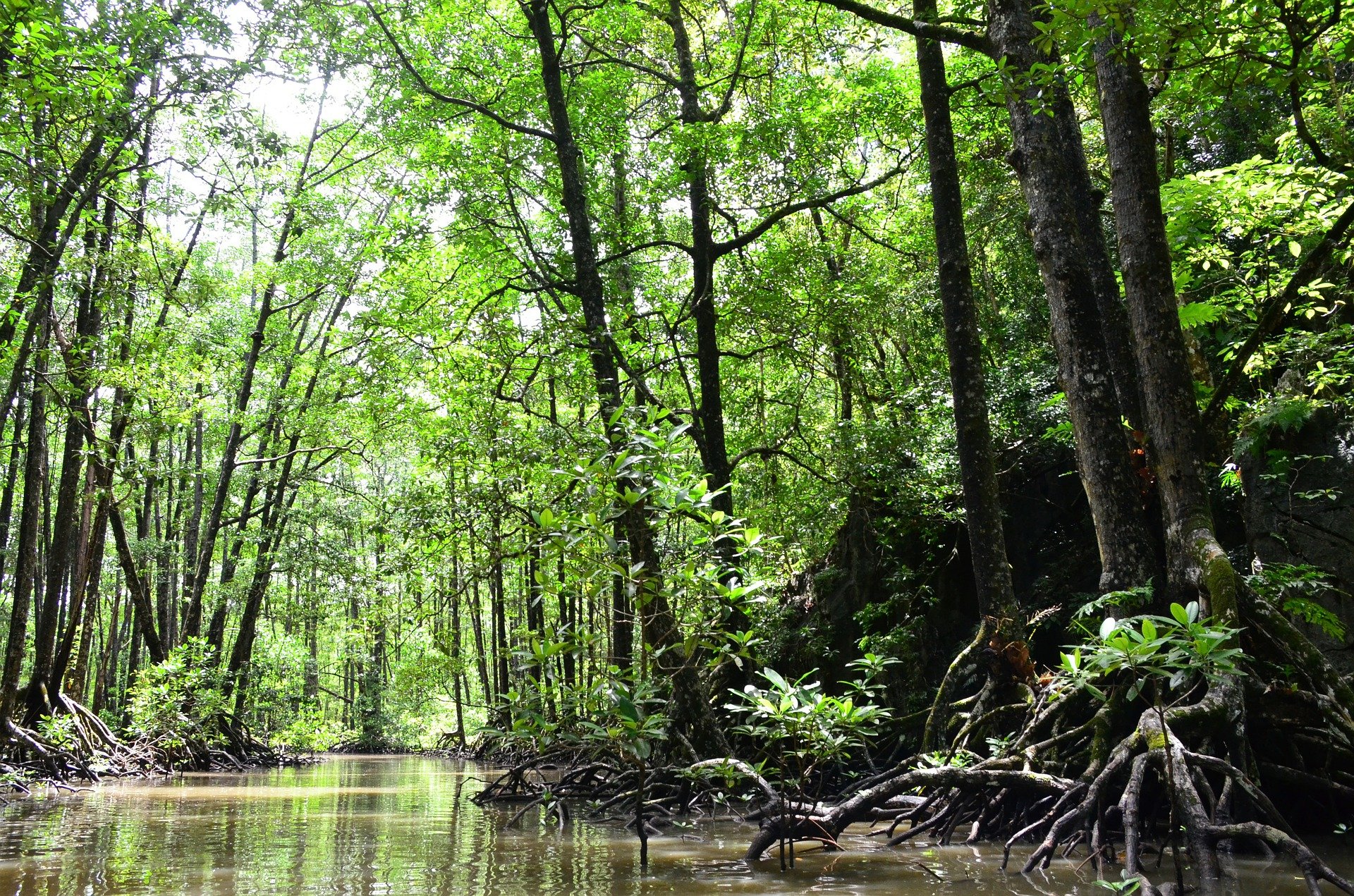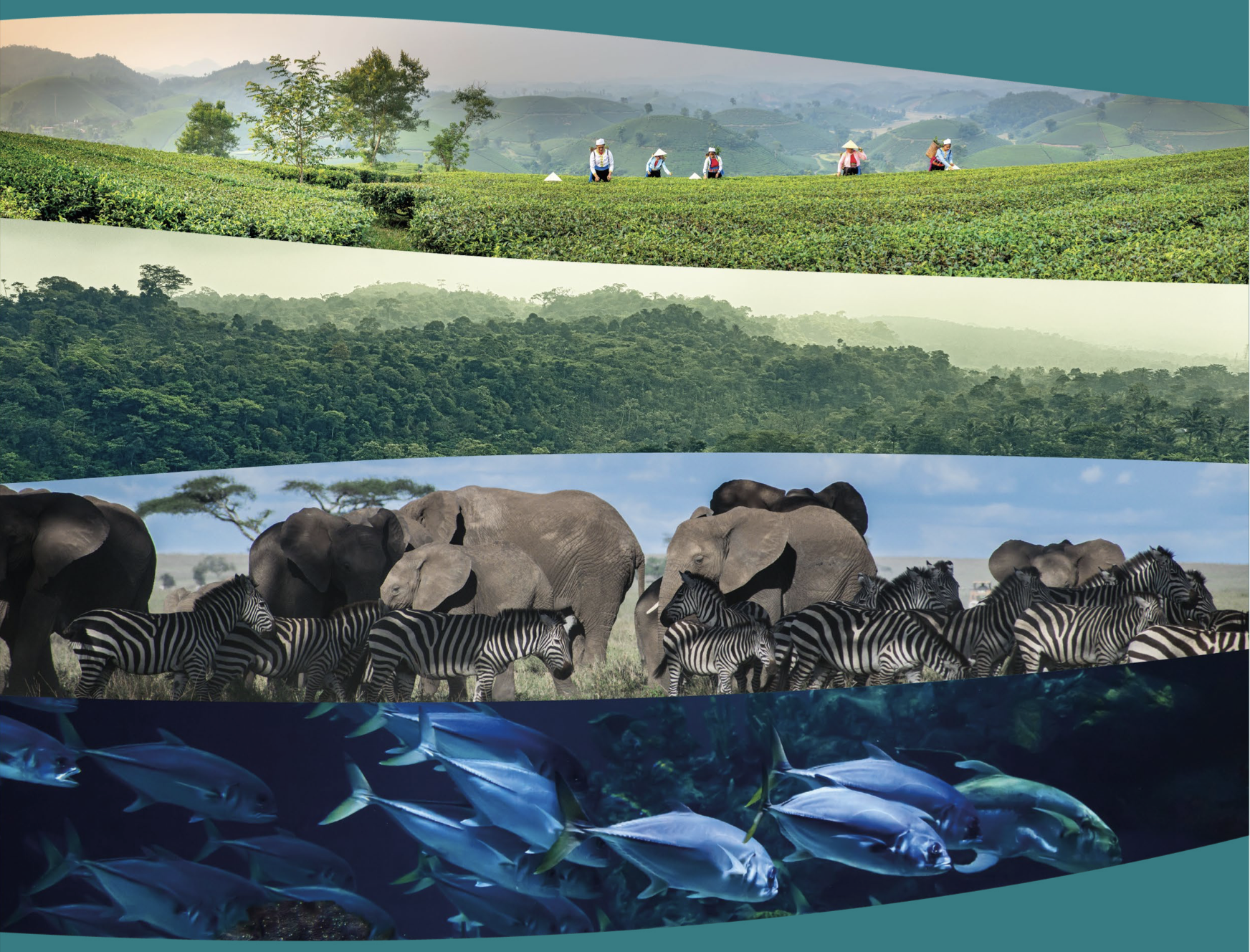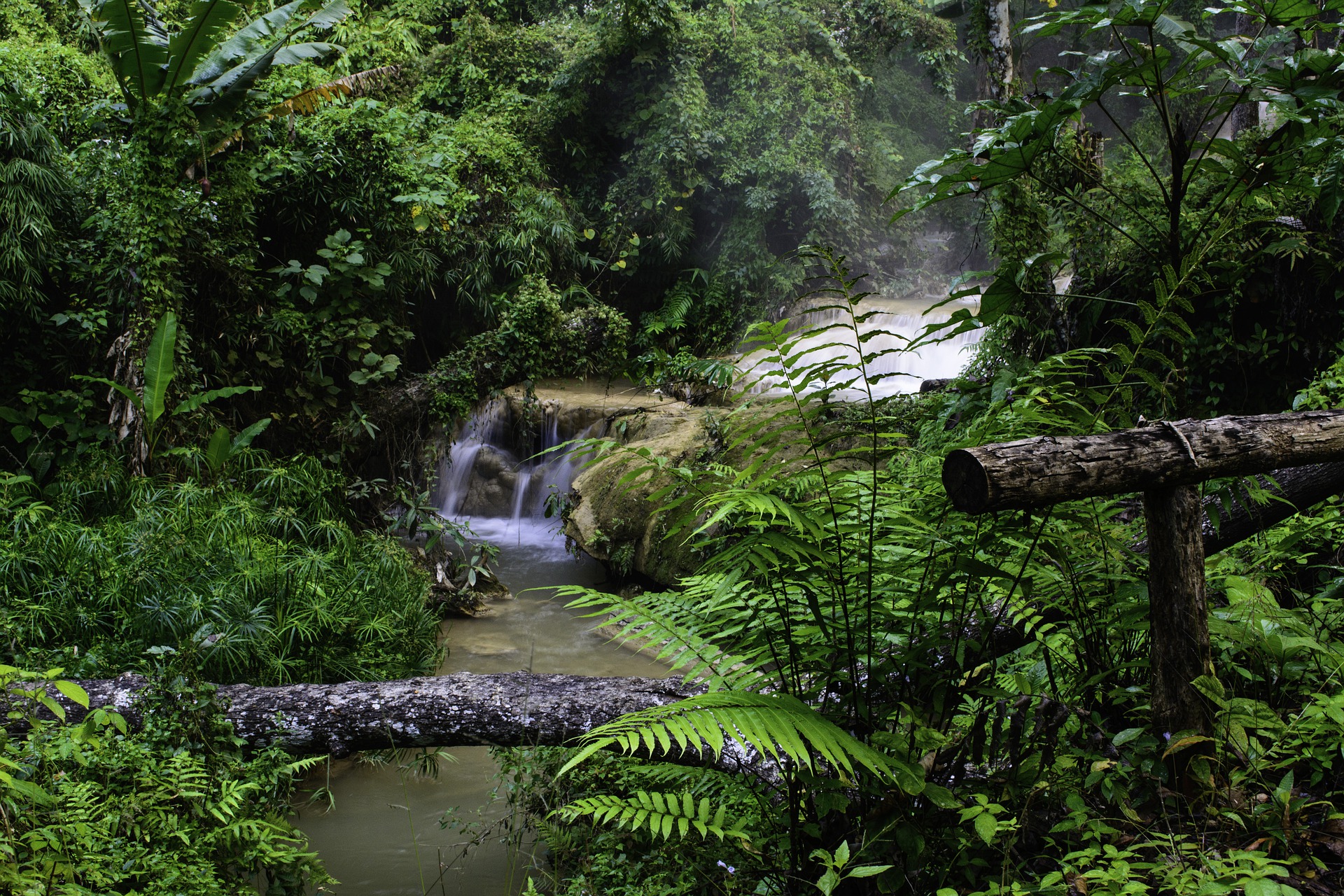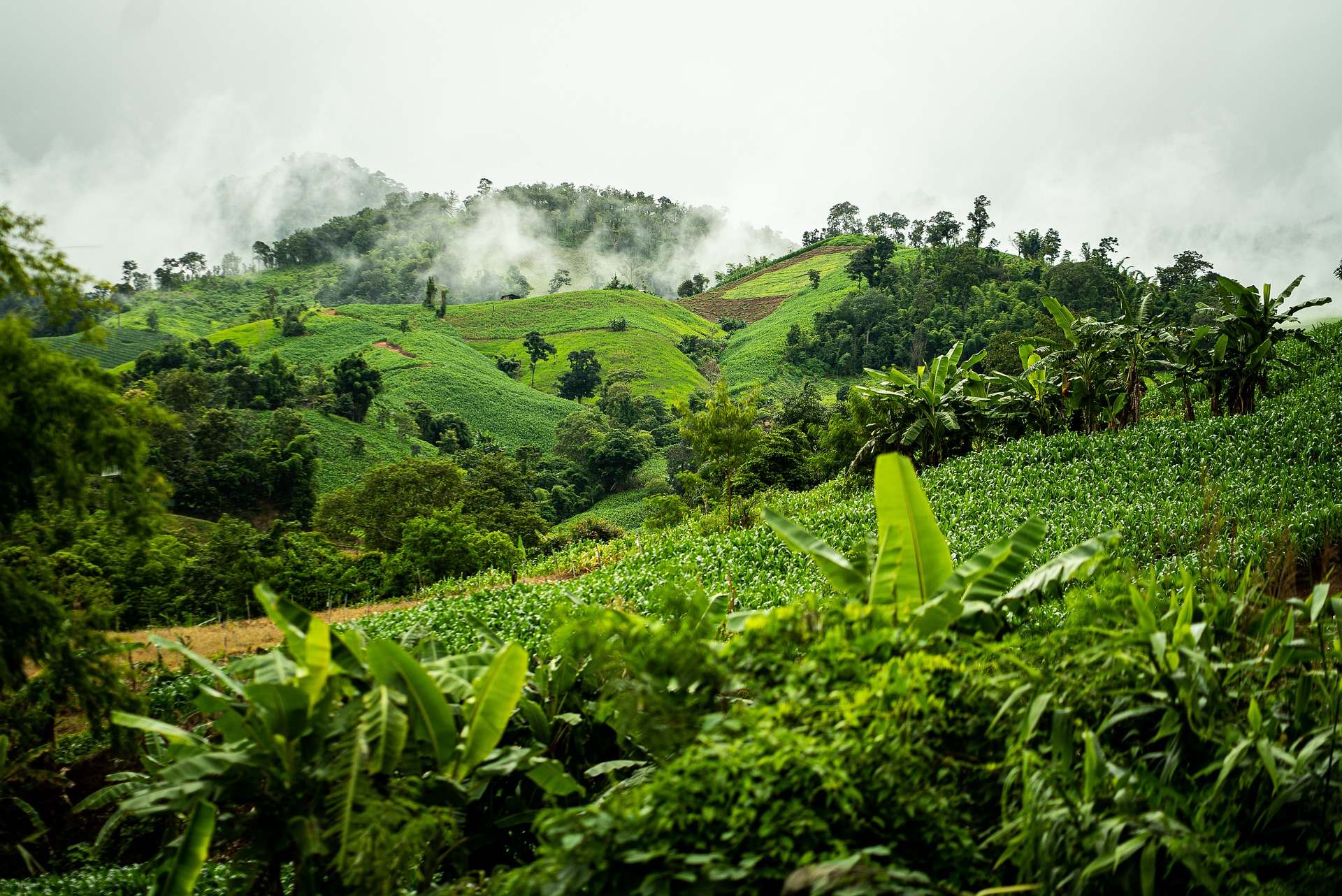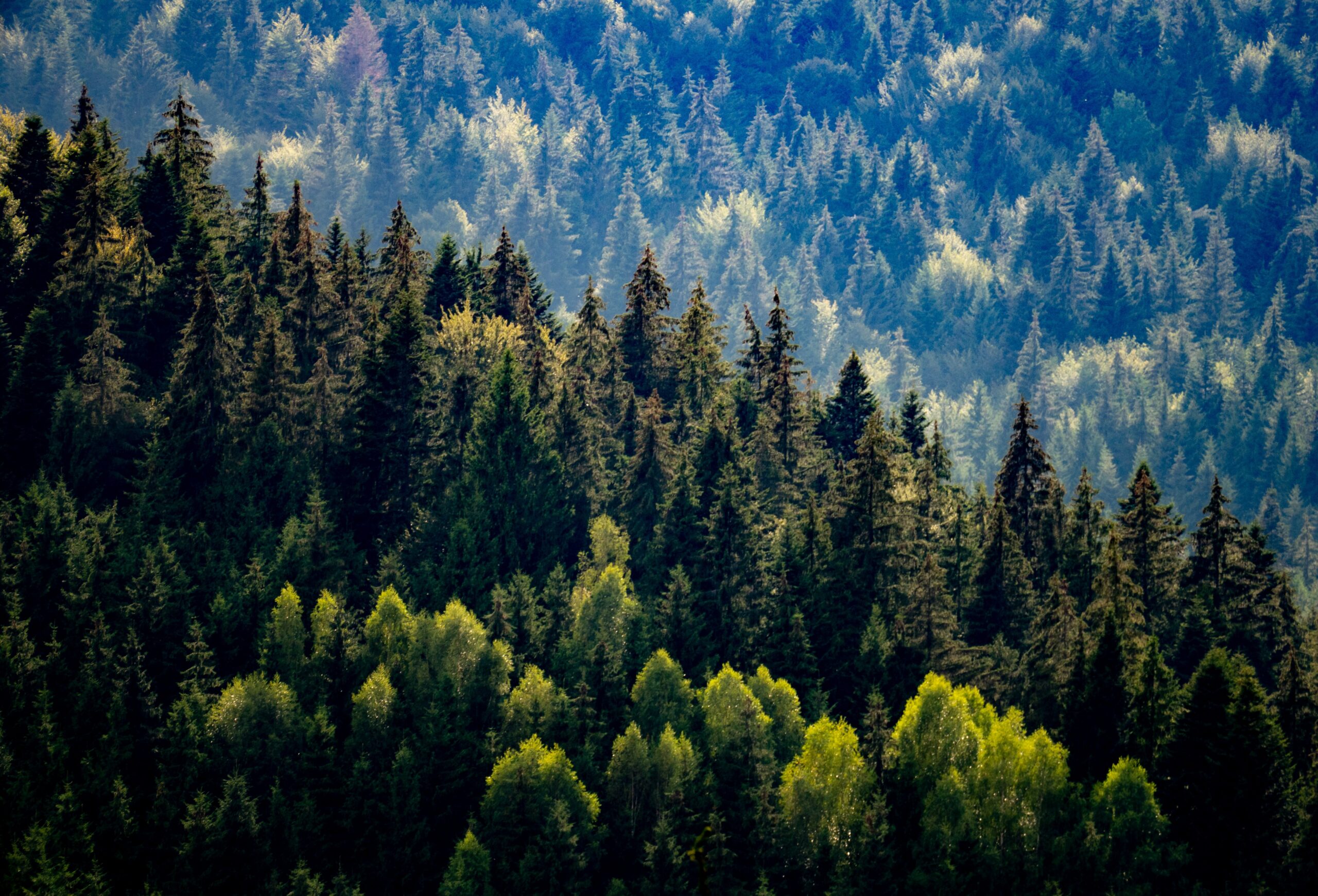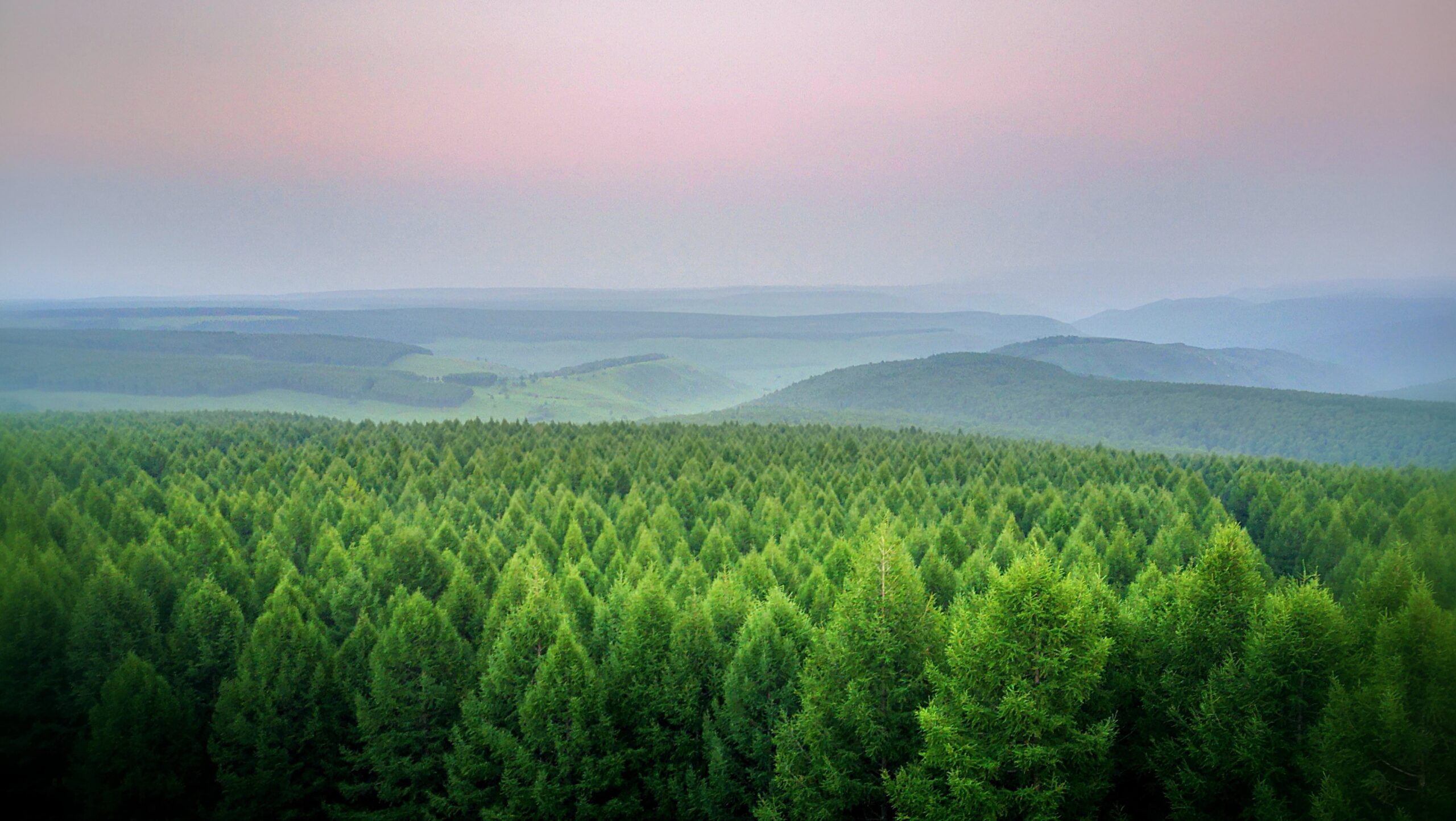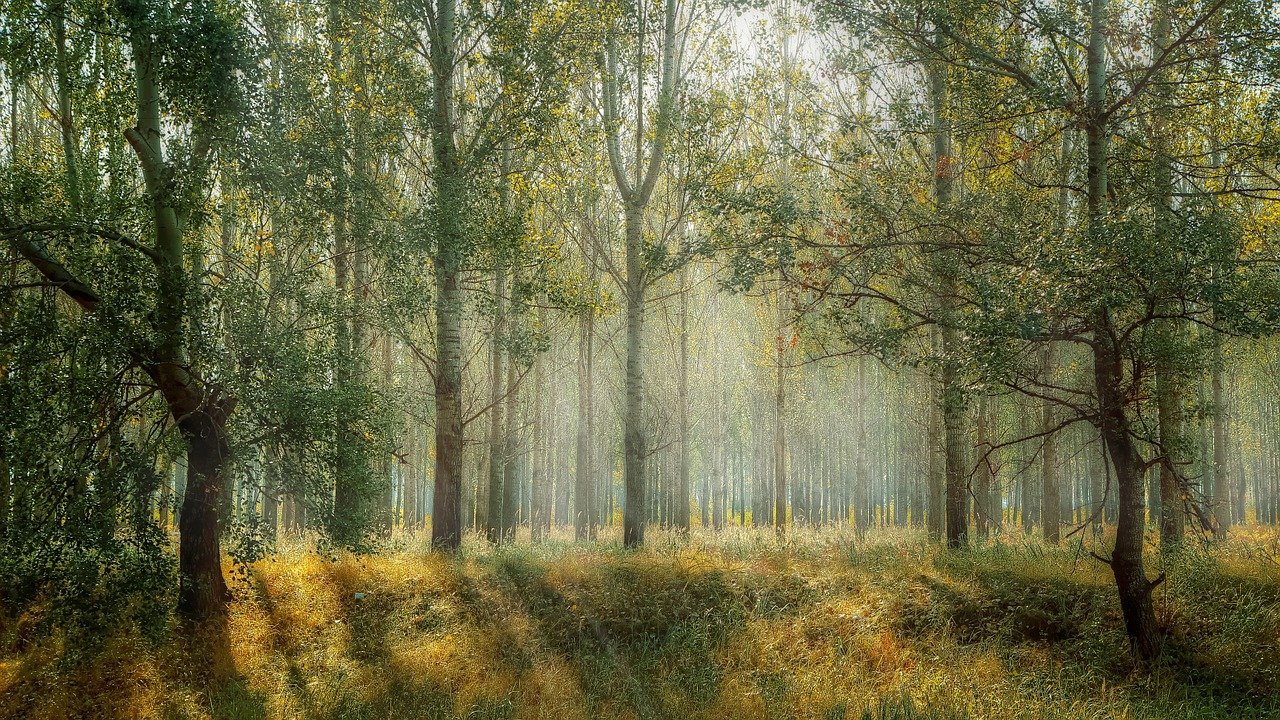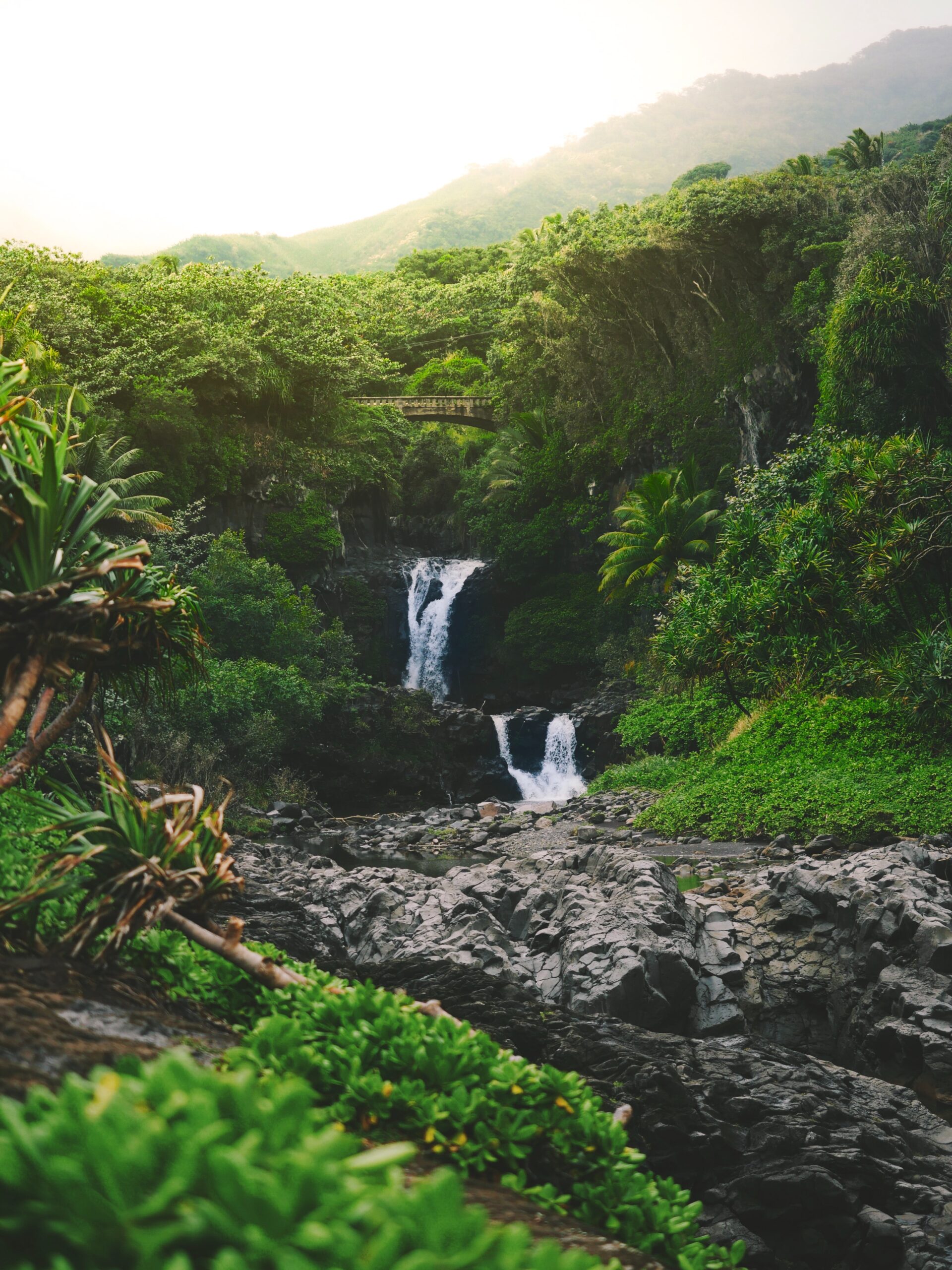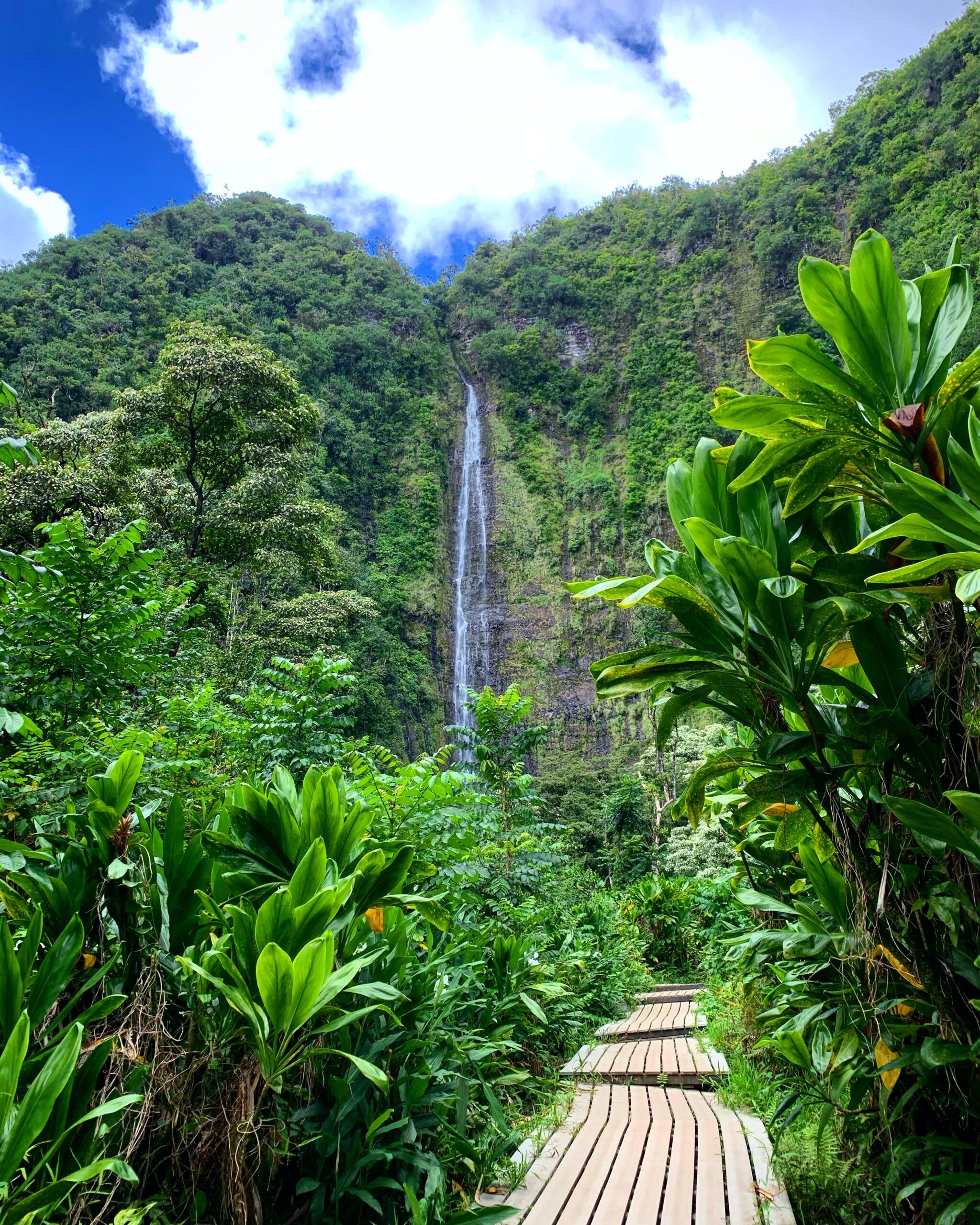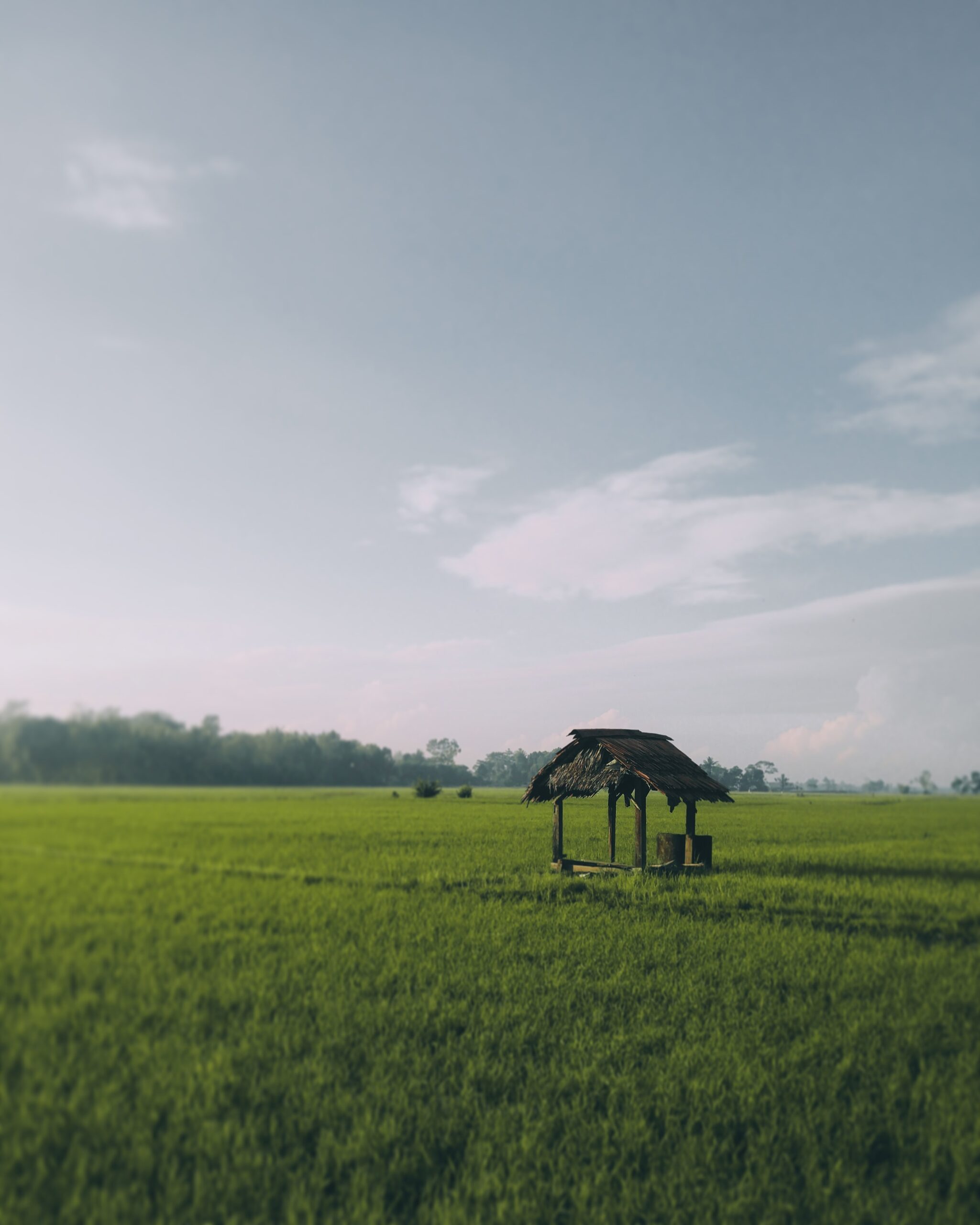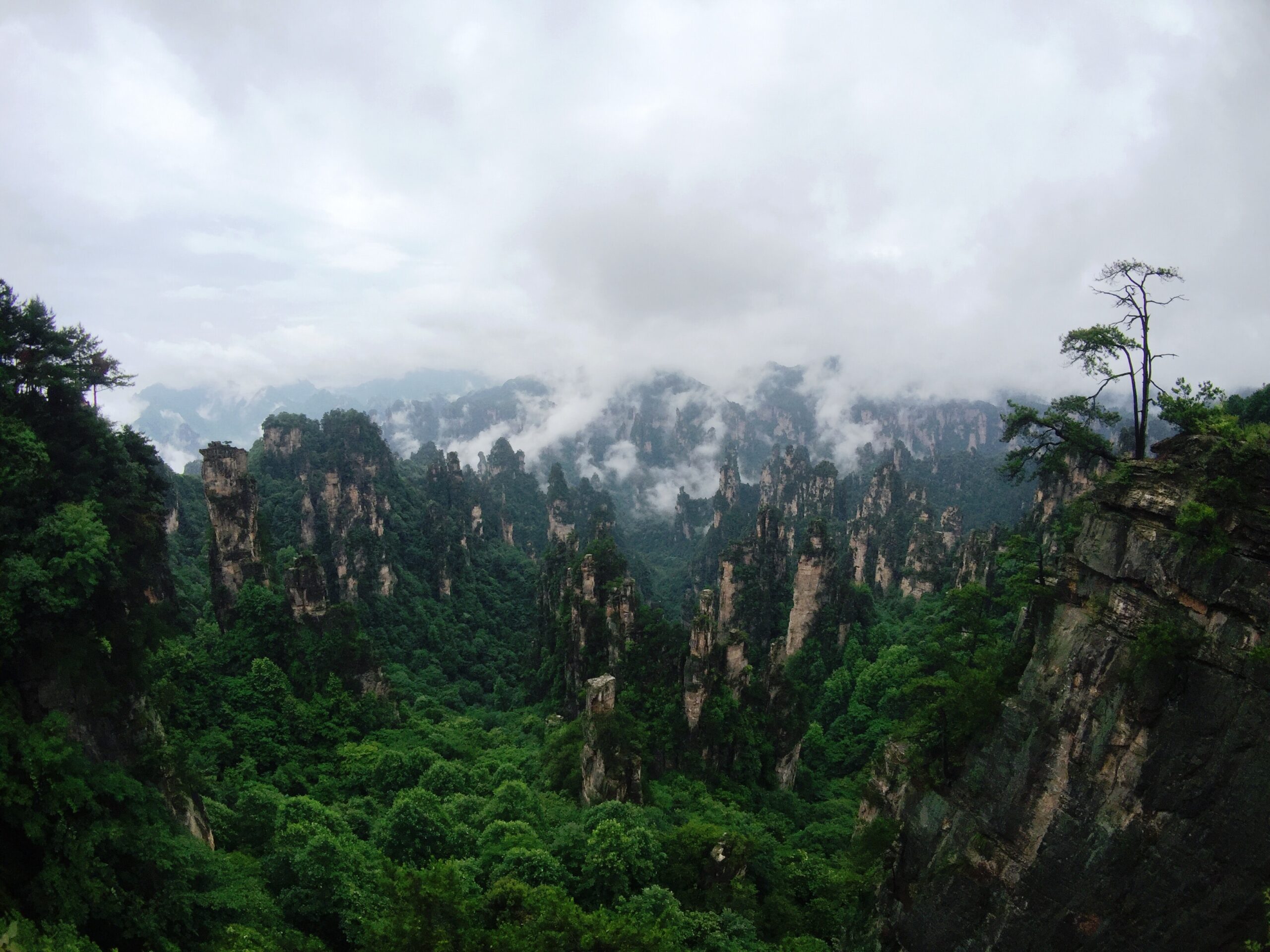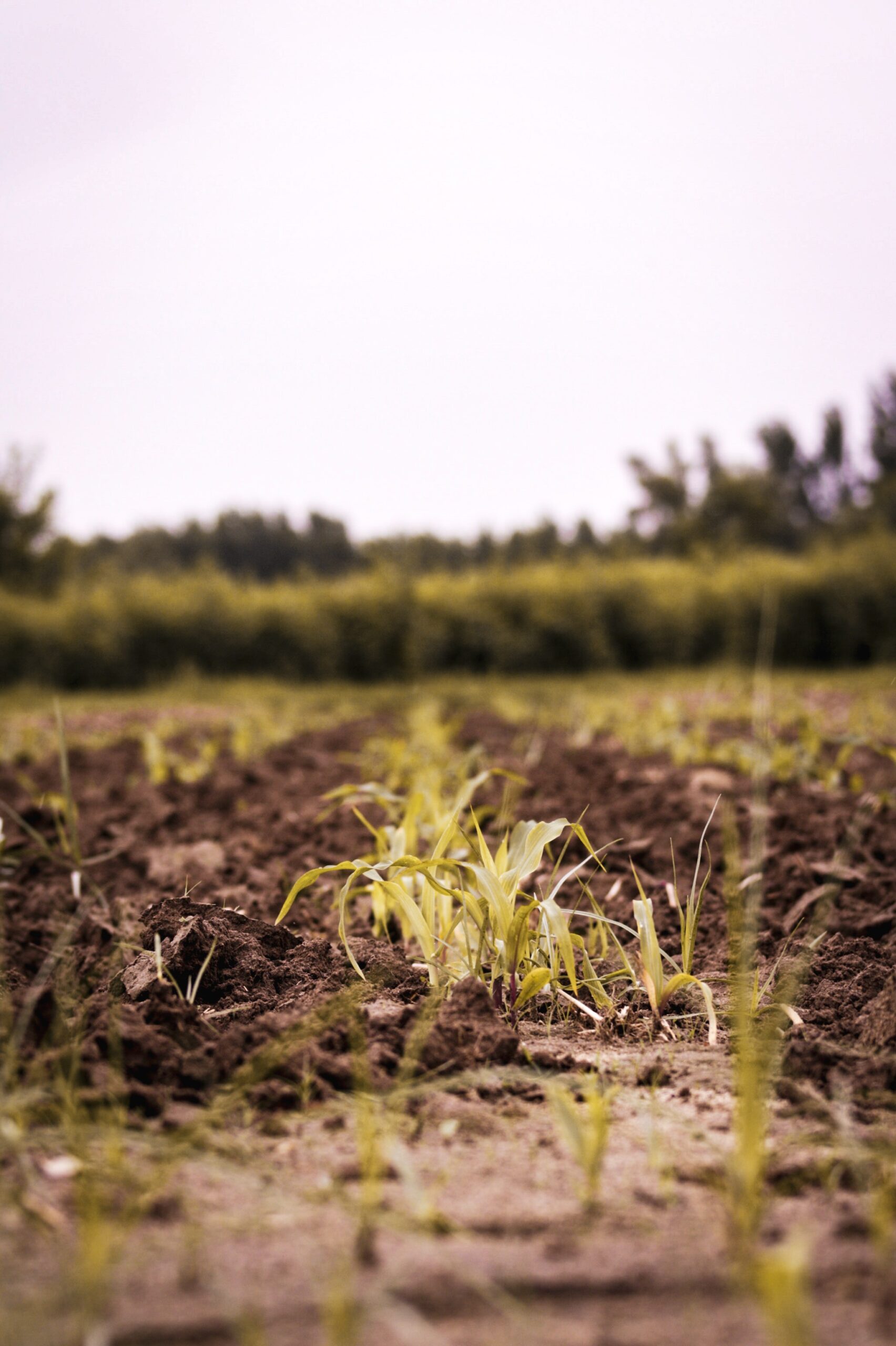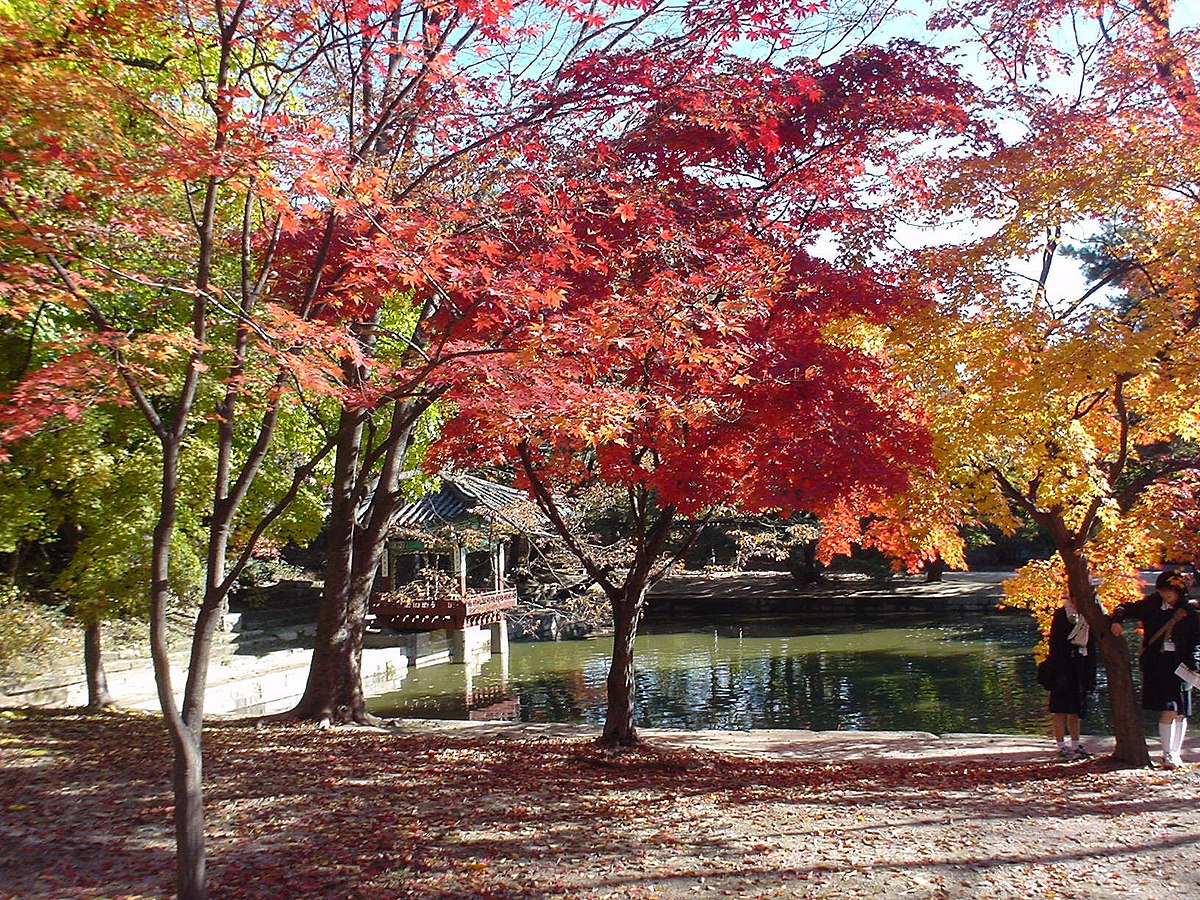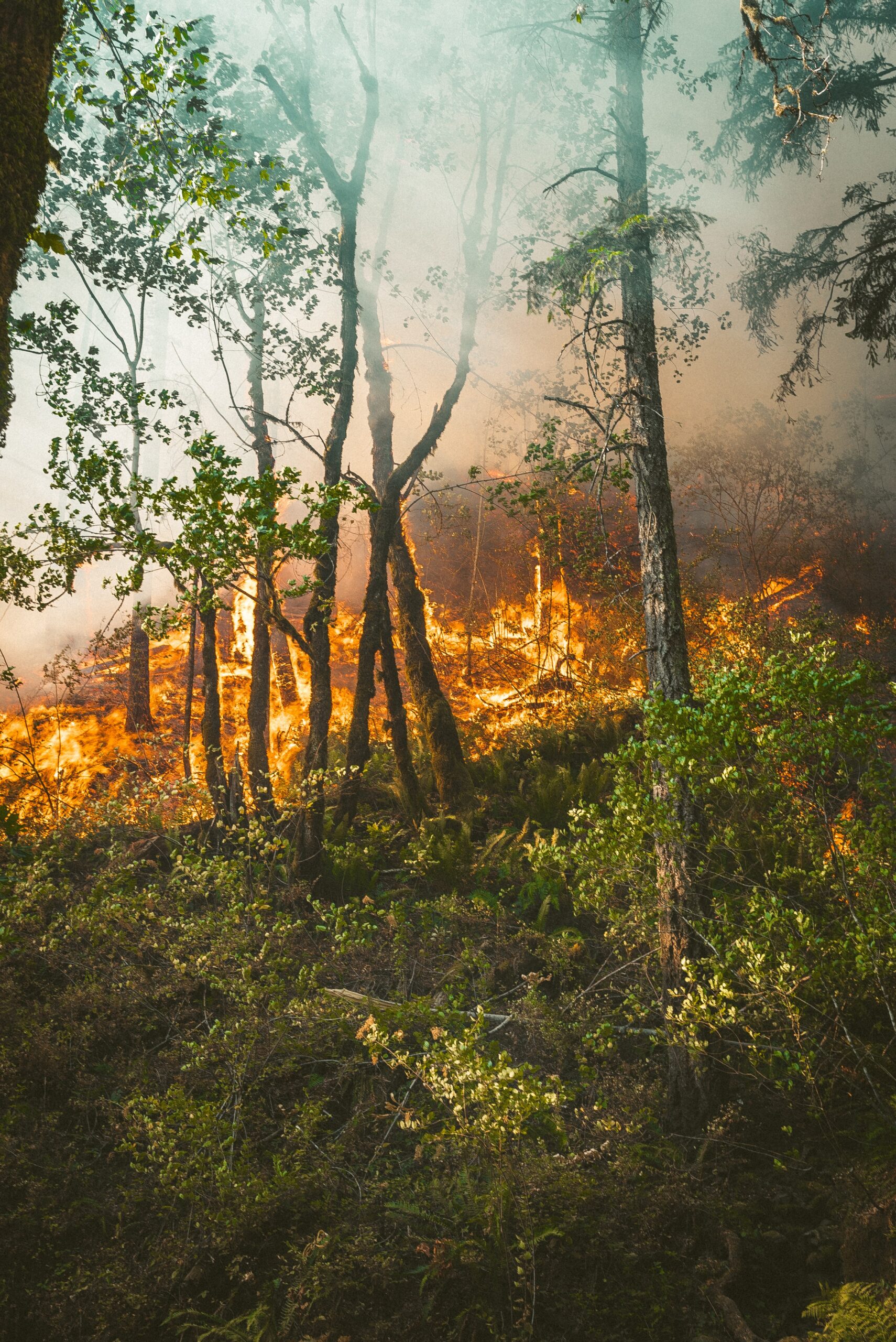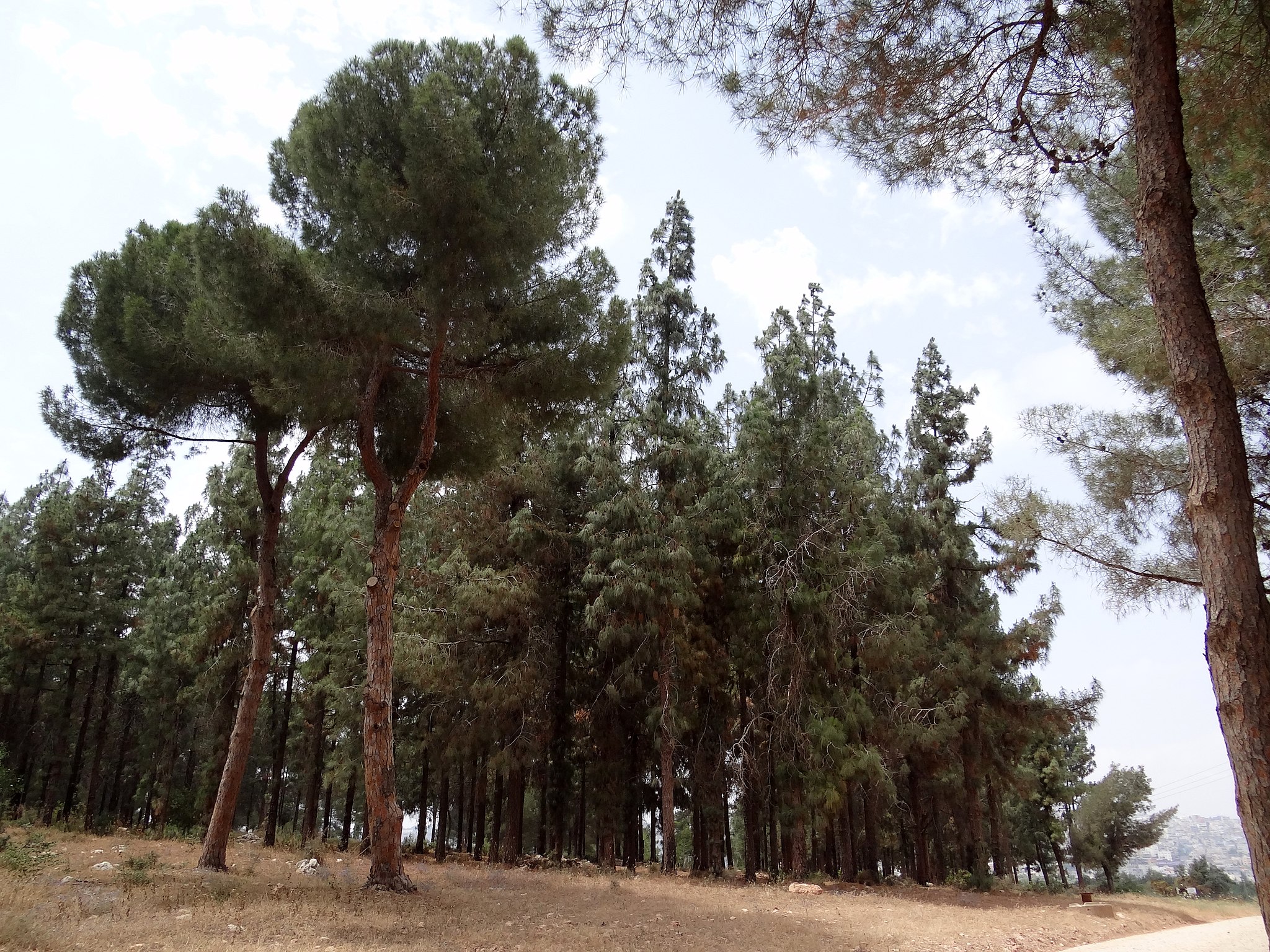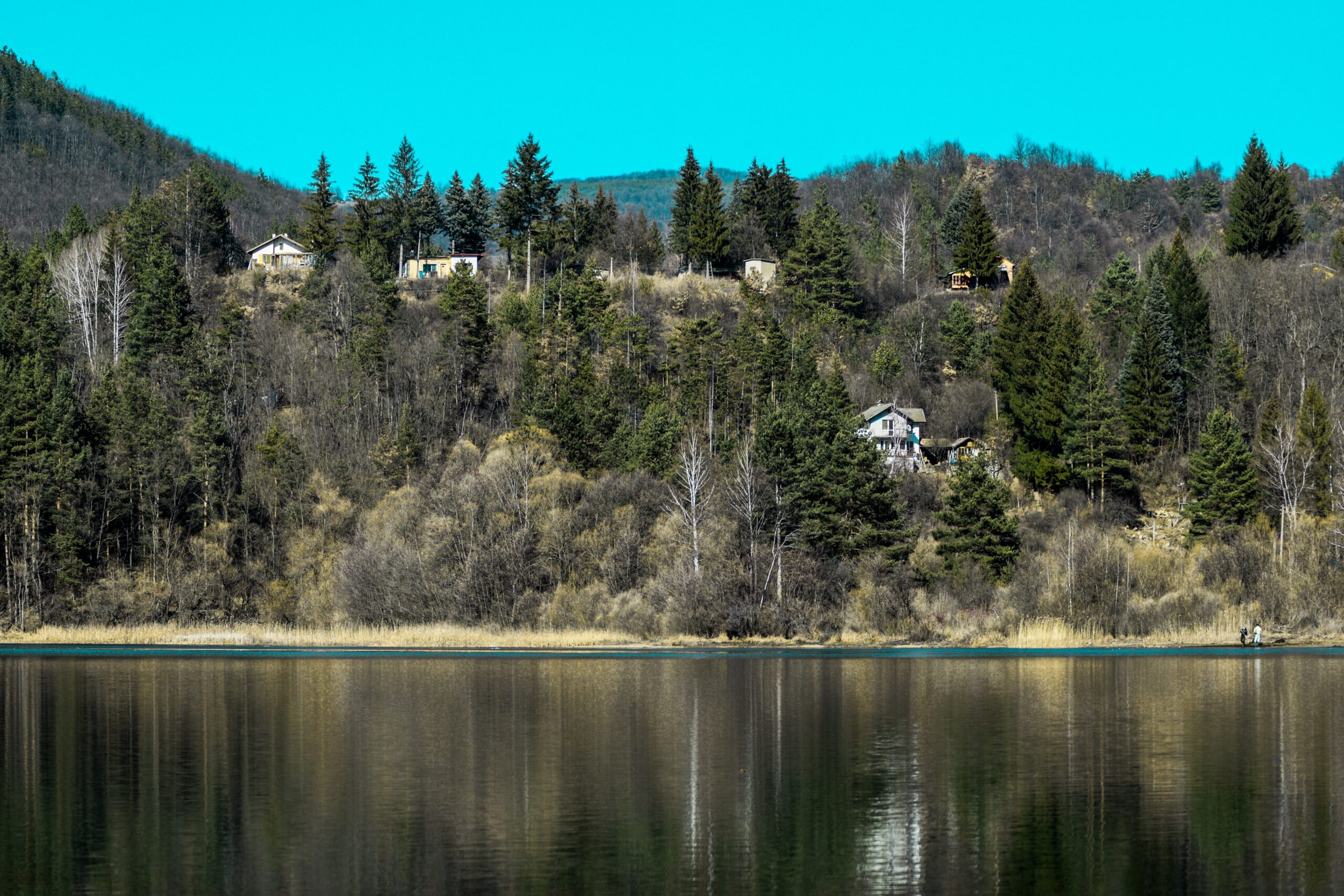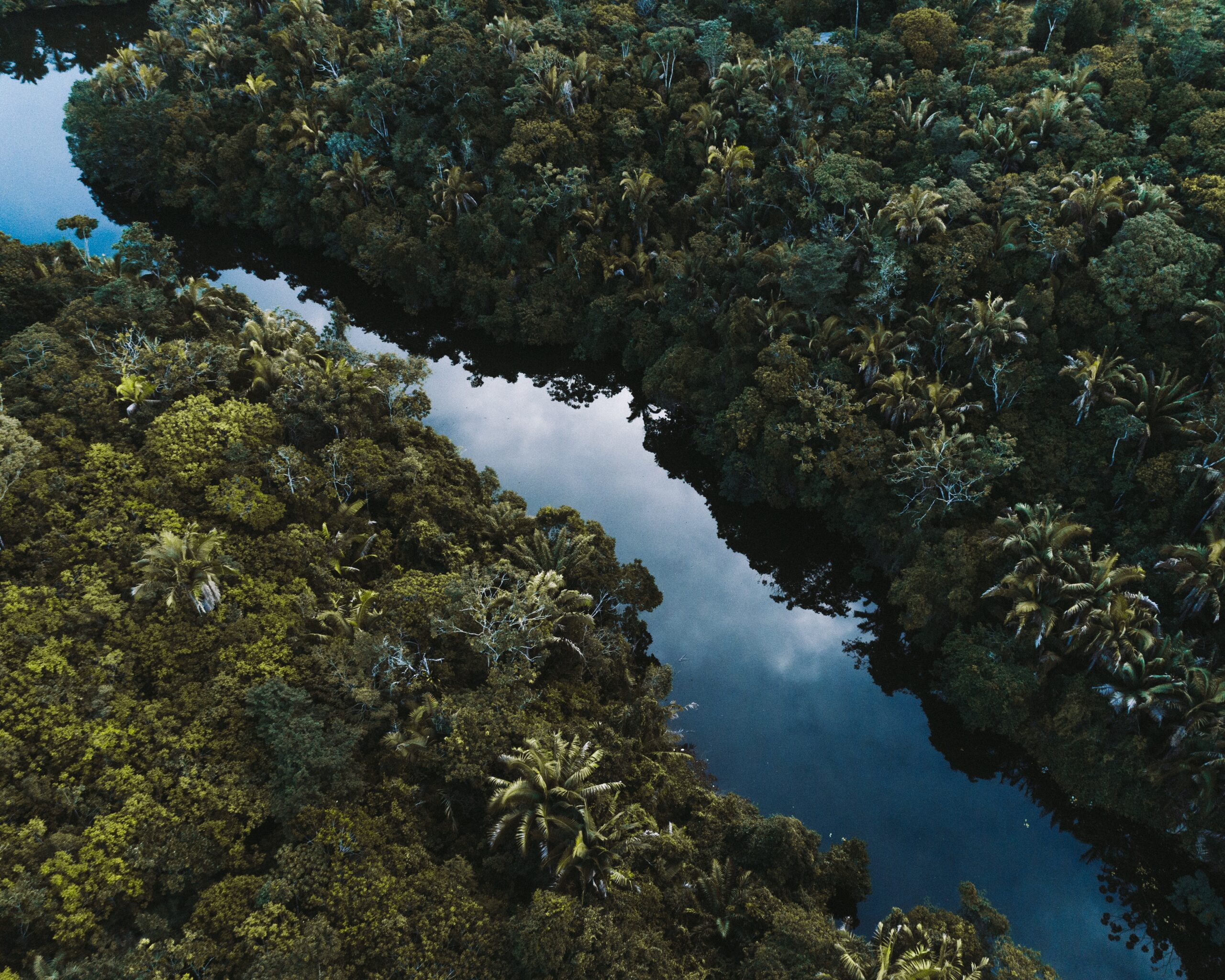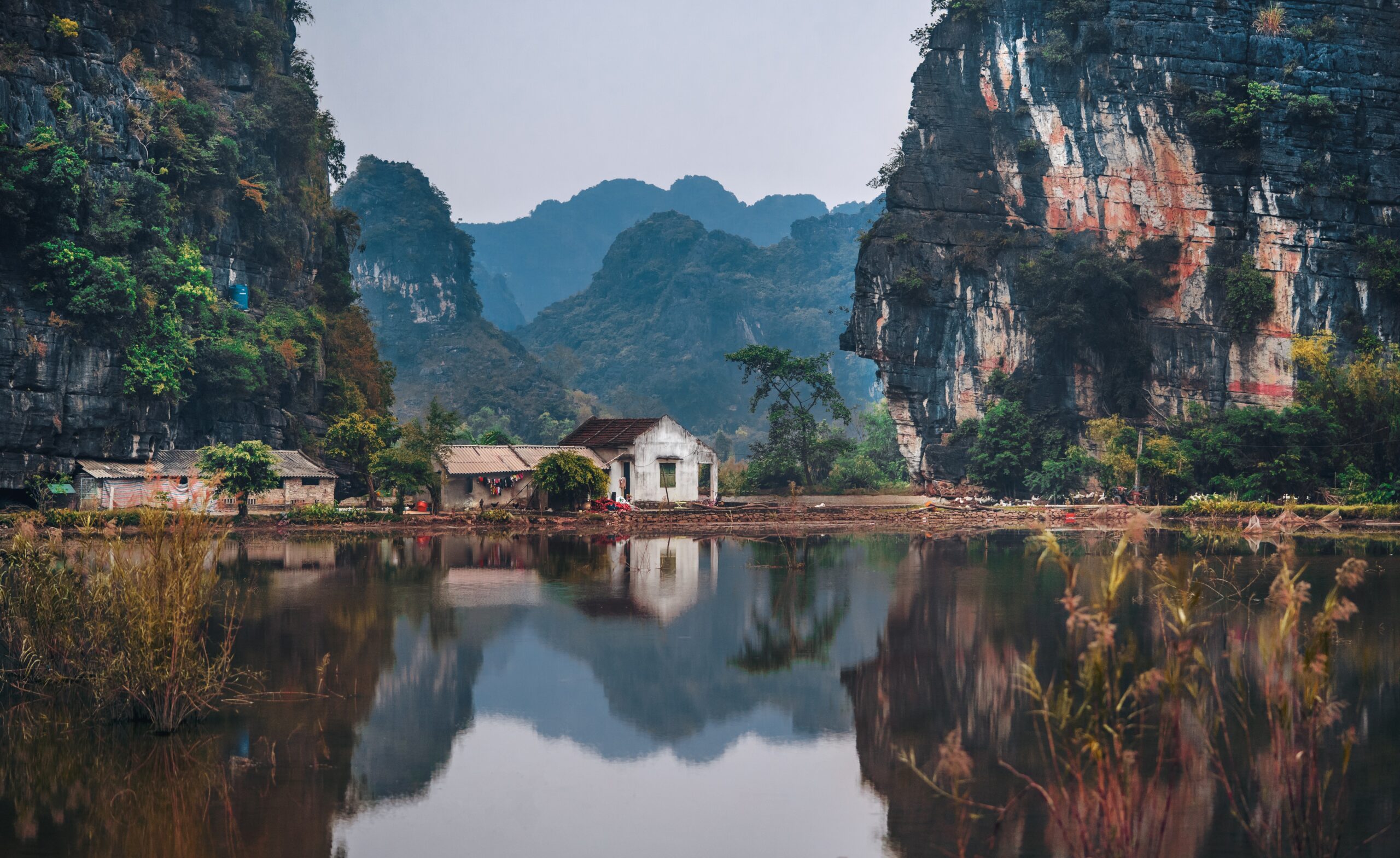
Thailand is one of the most biodiversity-rich countries in Southeast Asia. There is a wide variety of ecosystem and habitats including tropical rainforests, mangrove forests, deciduous forests, mountain ecosystems, marine/coastal areas, inland wetlands, and dry/semi-humid zones. The Gulf of Thailand, Andaman Sea and their interactions with the watersheds and major river basins provide various productive ecosystems necessary for the well-being of the Thai people.
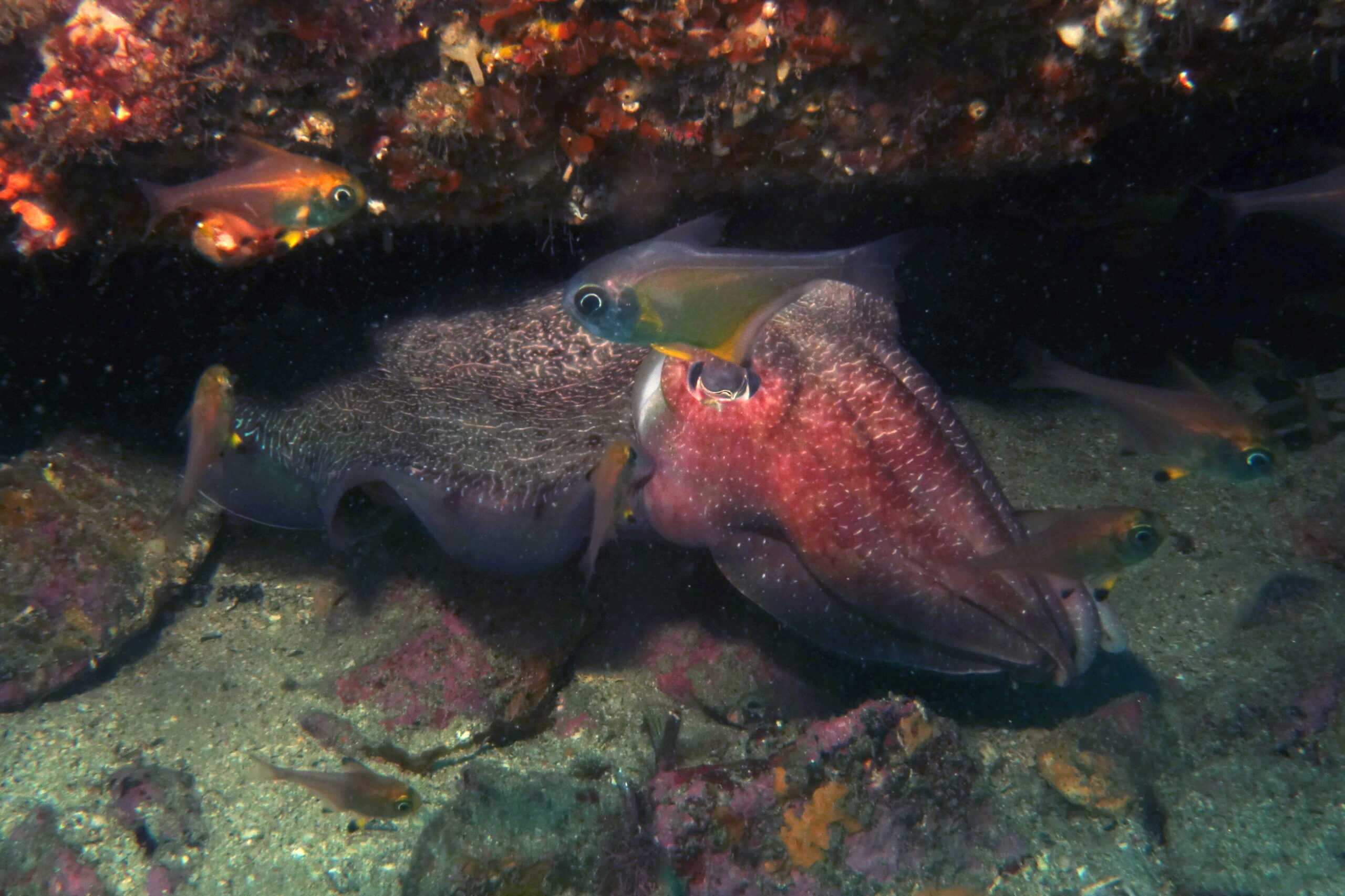
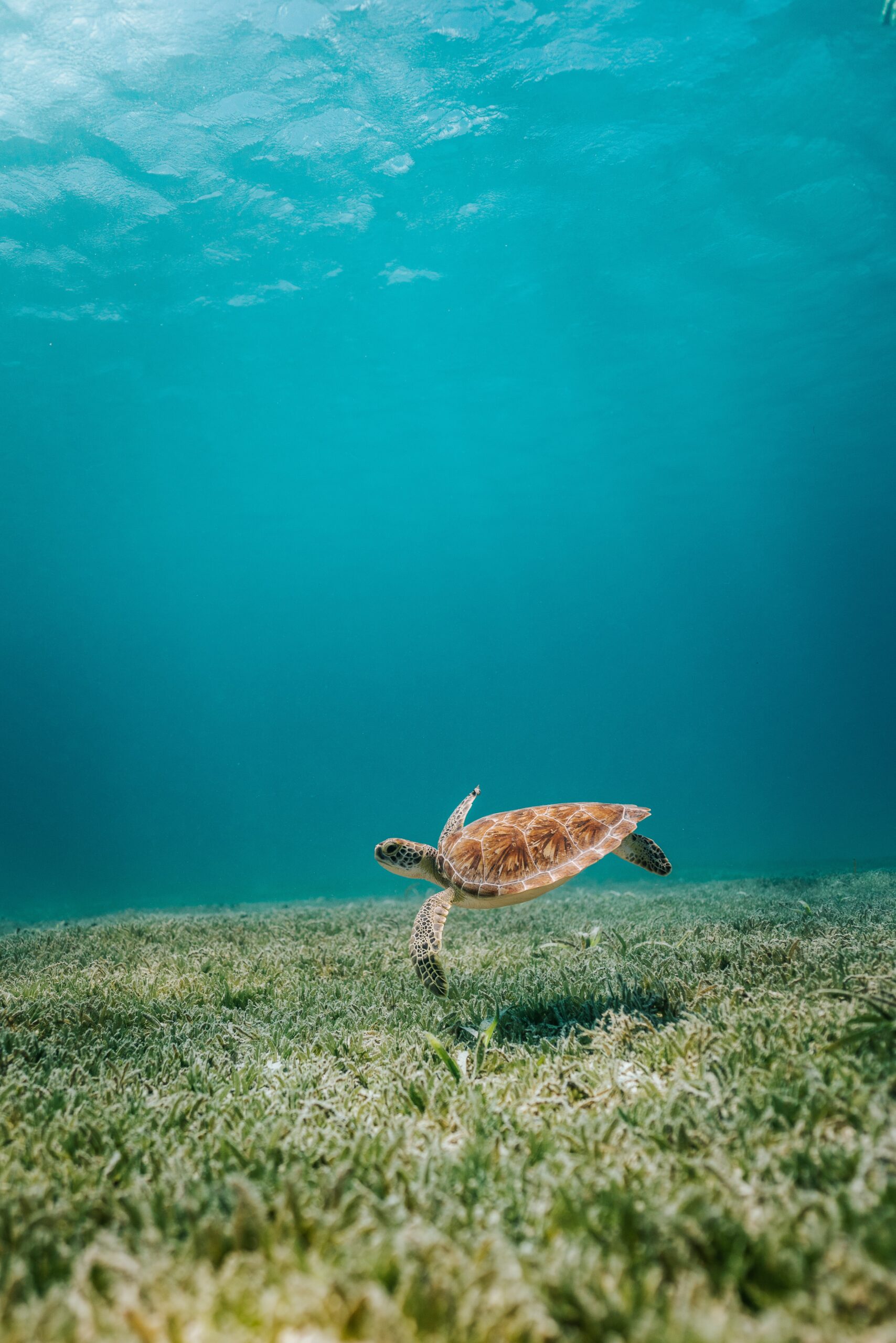
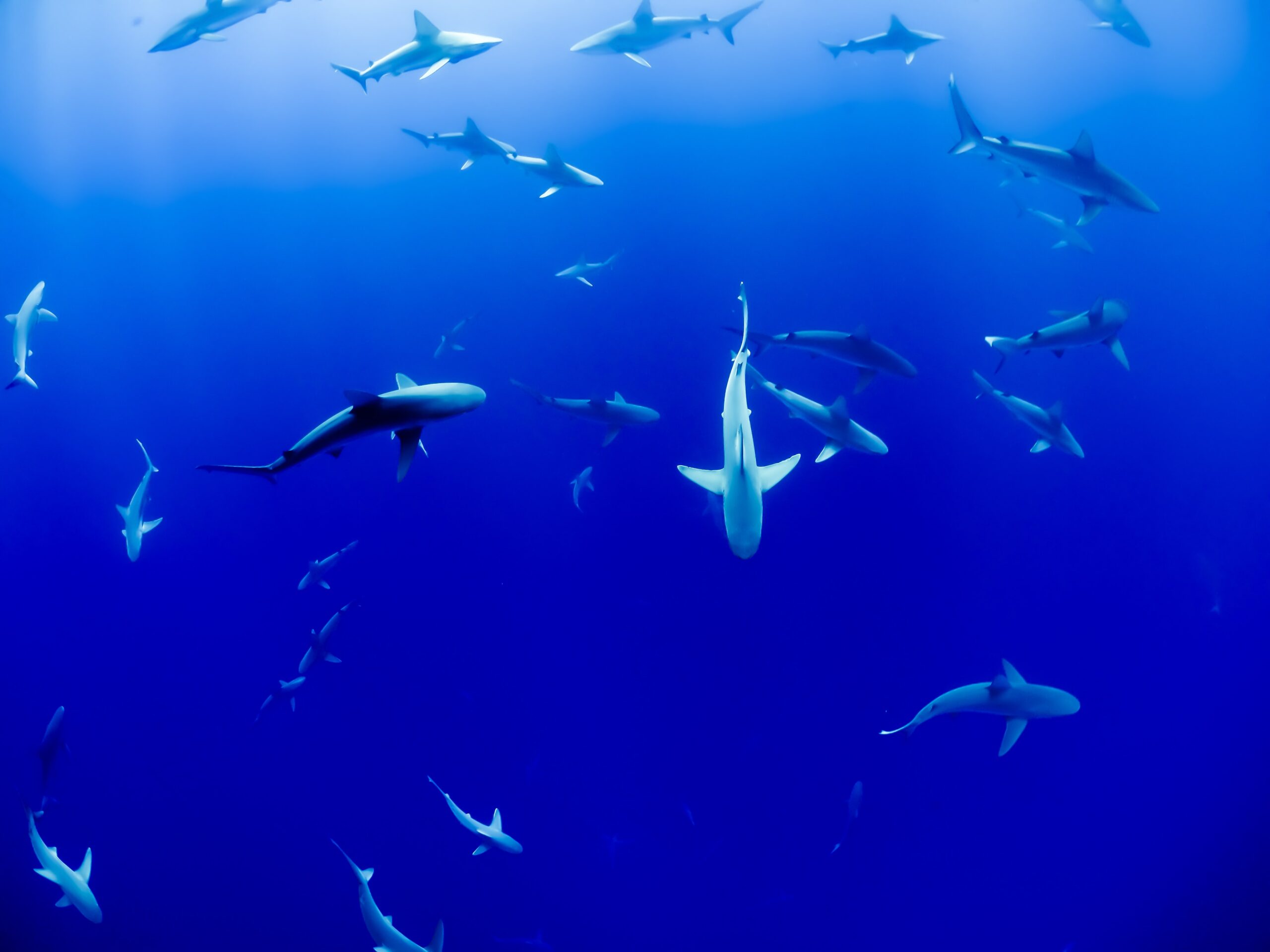
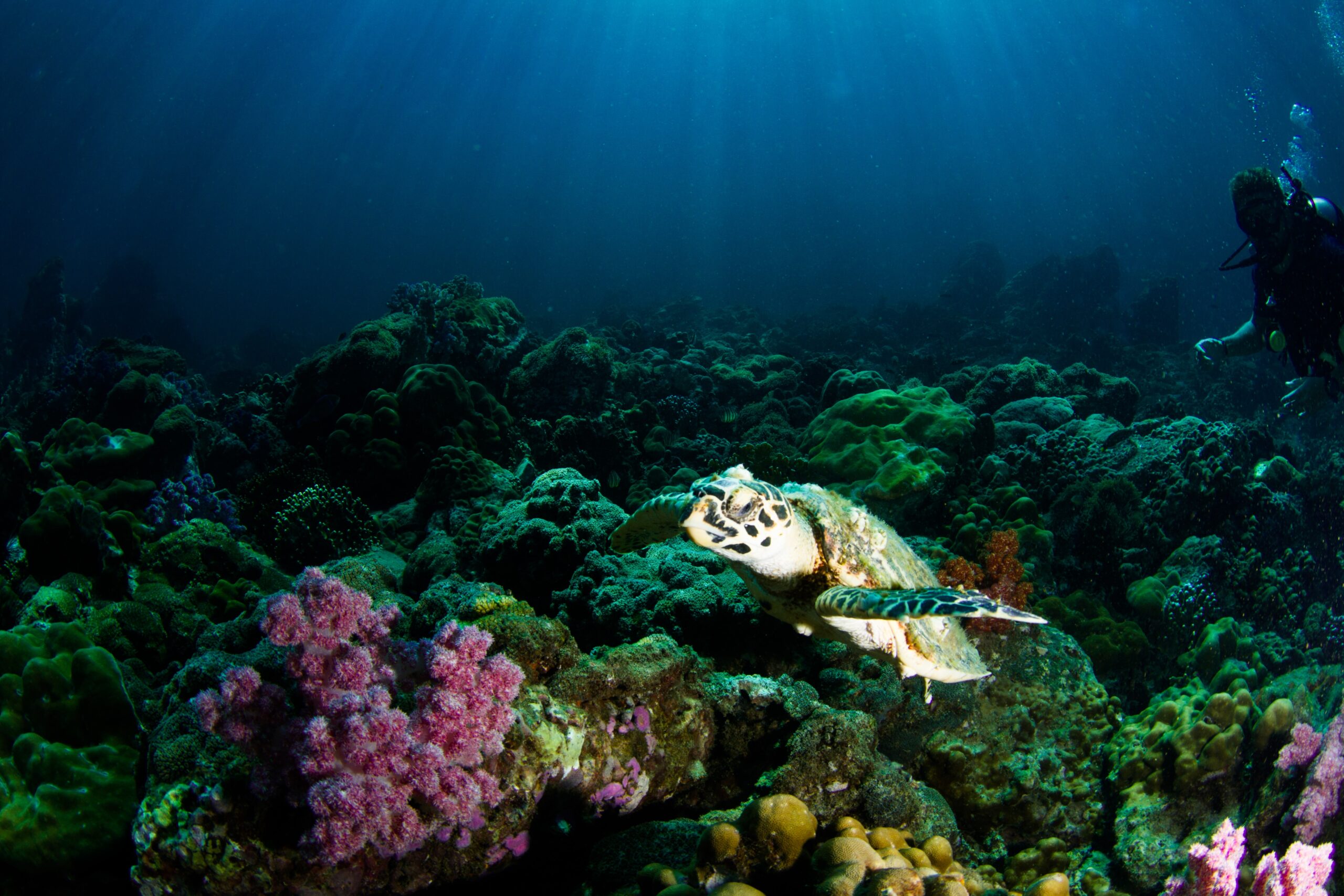
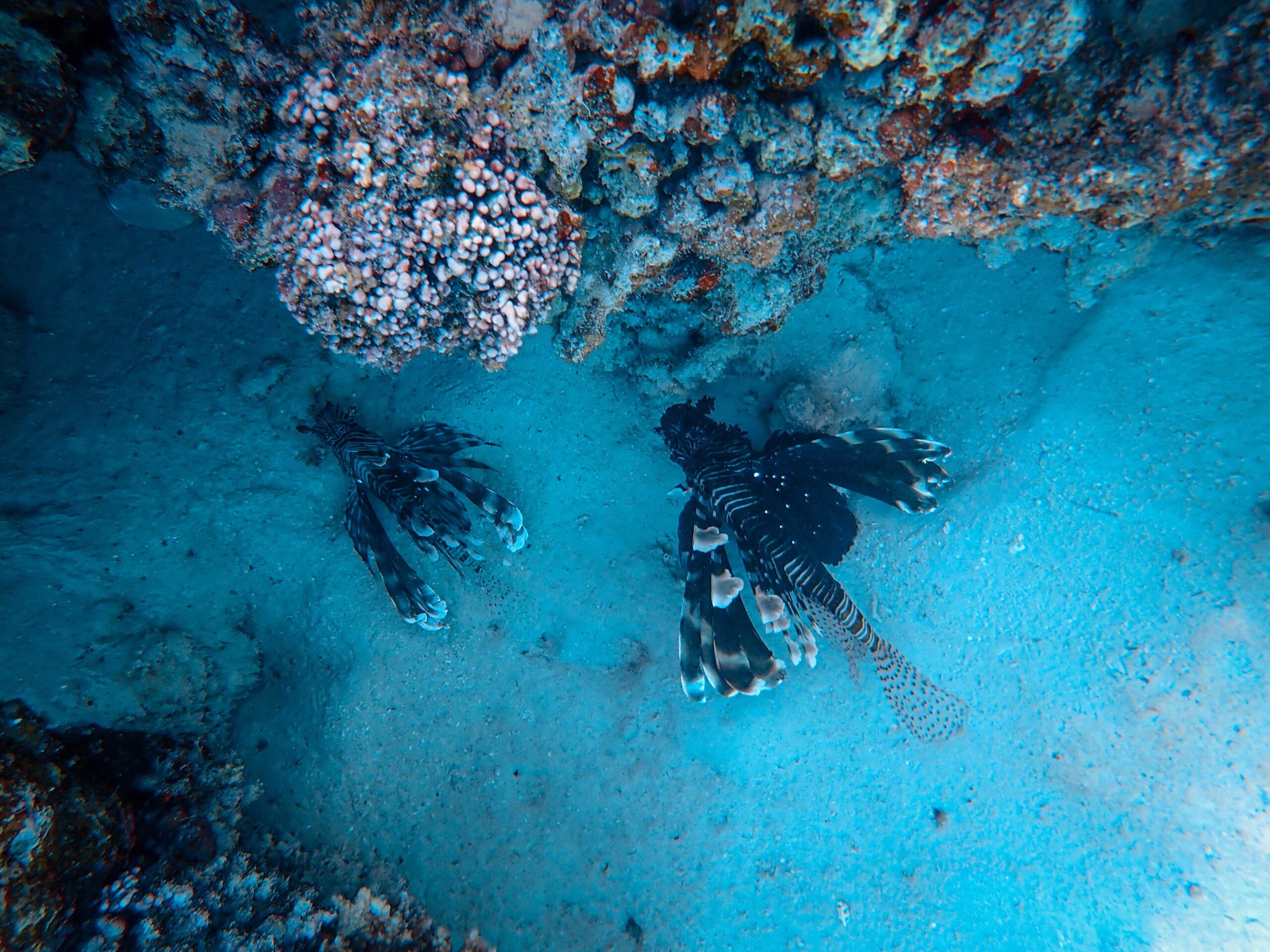
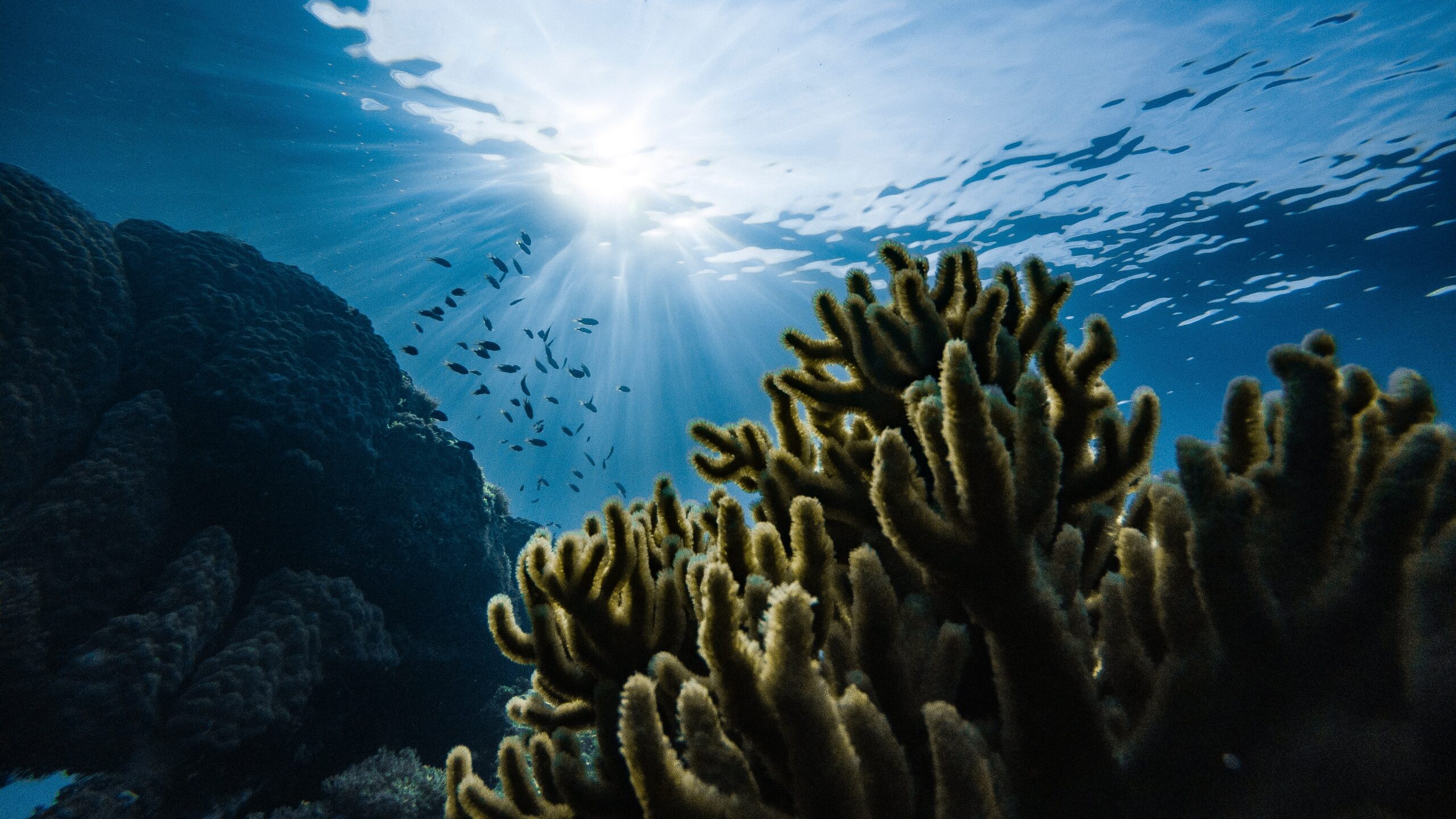
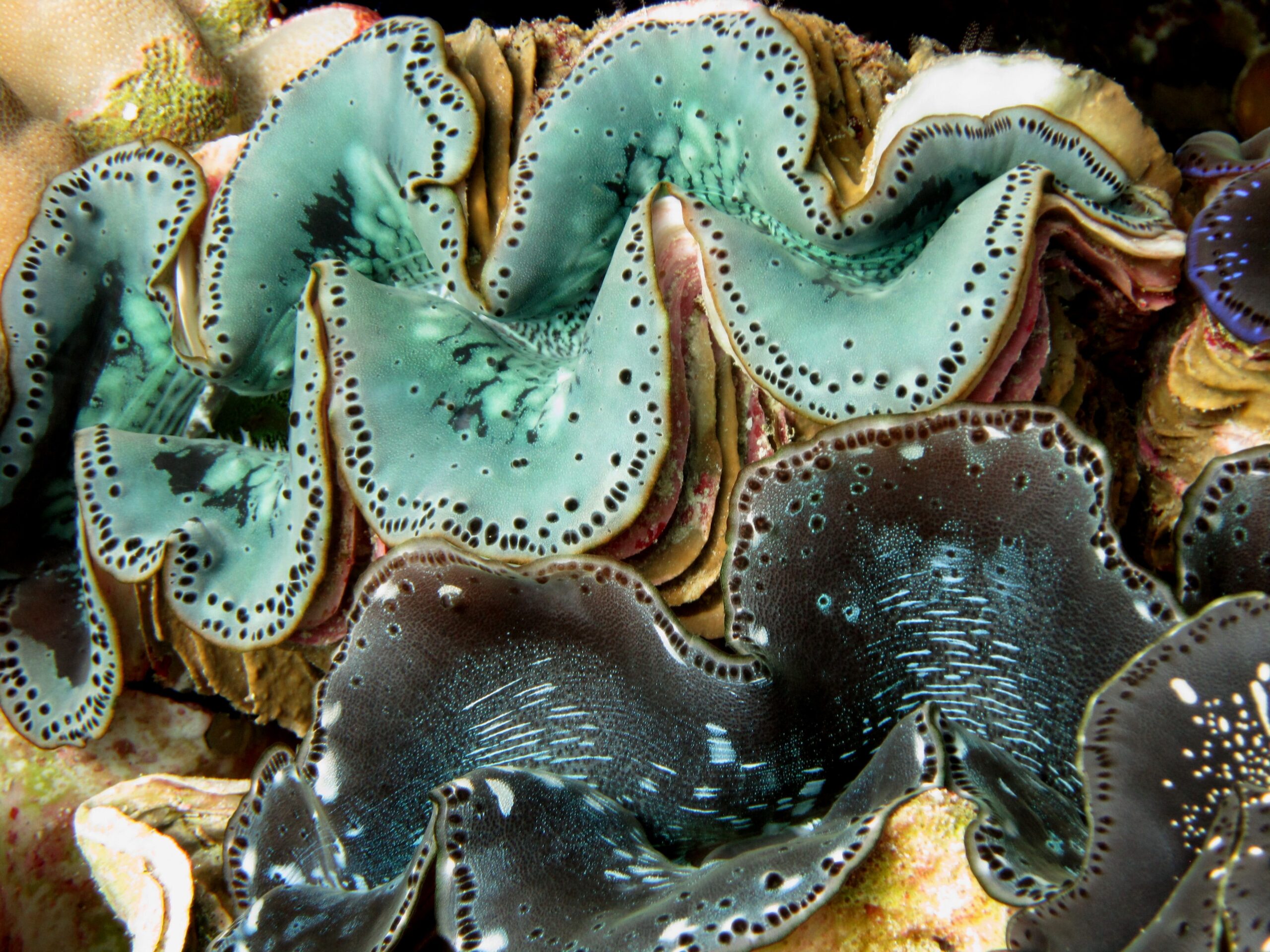
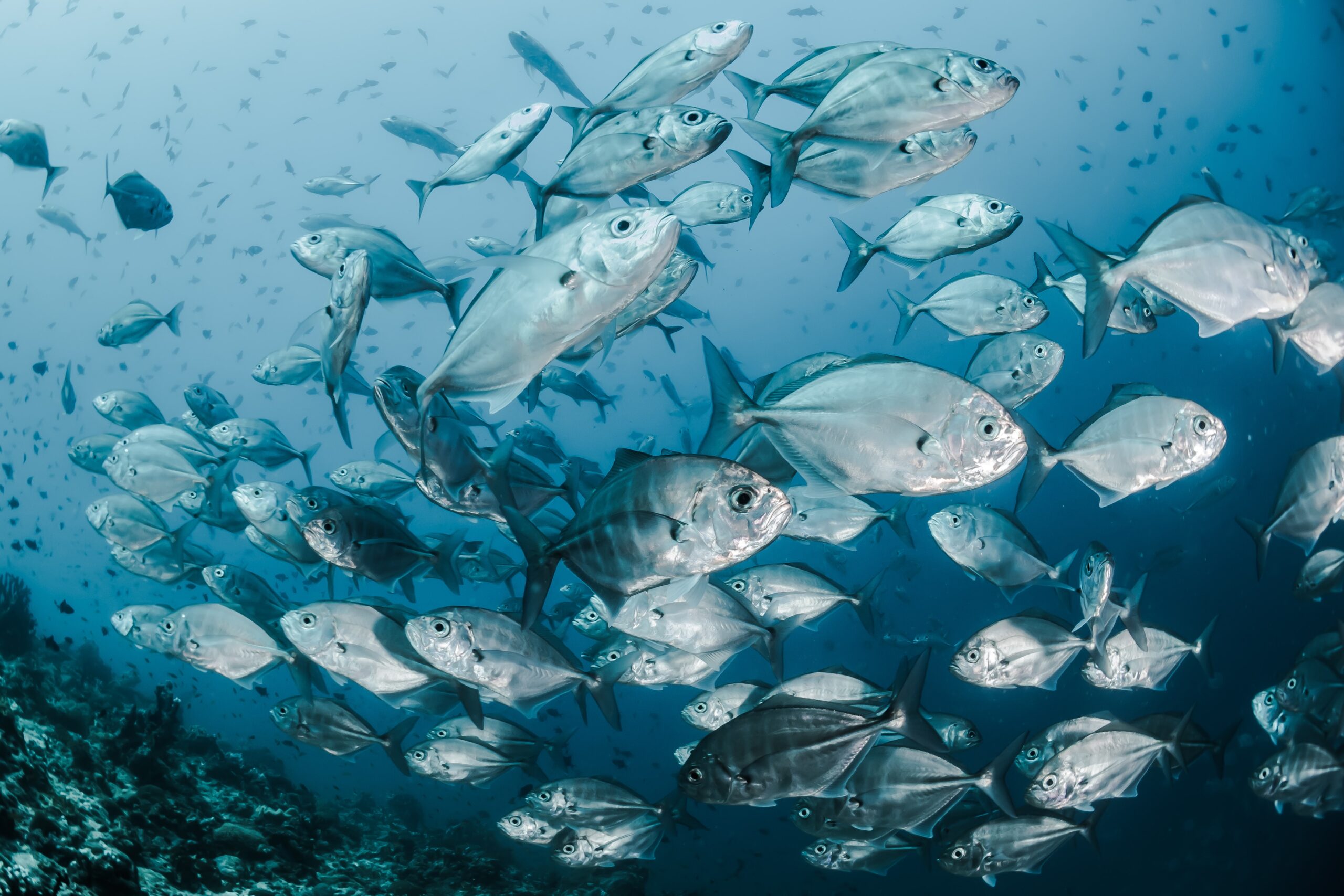
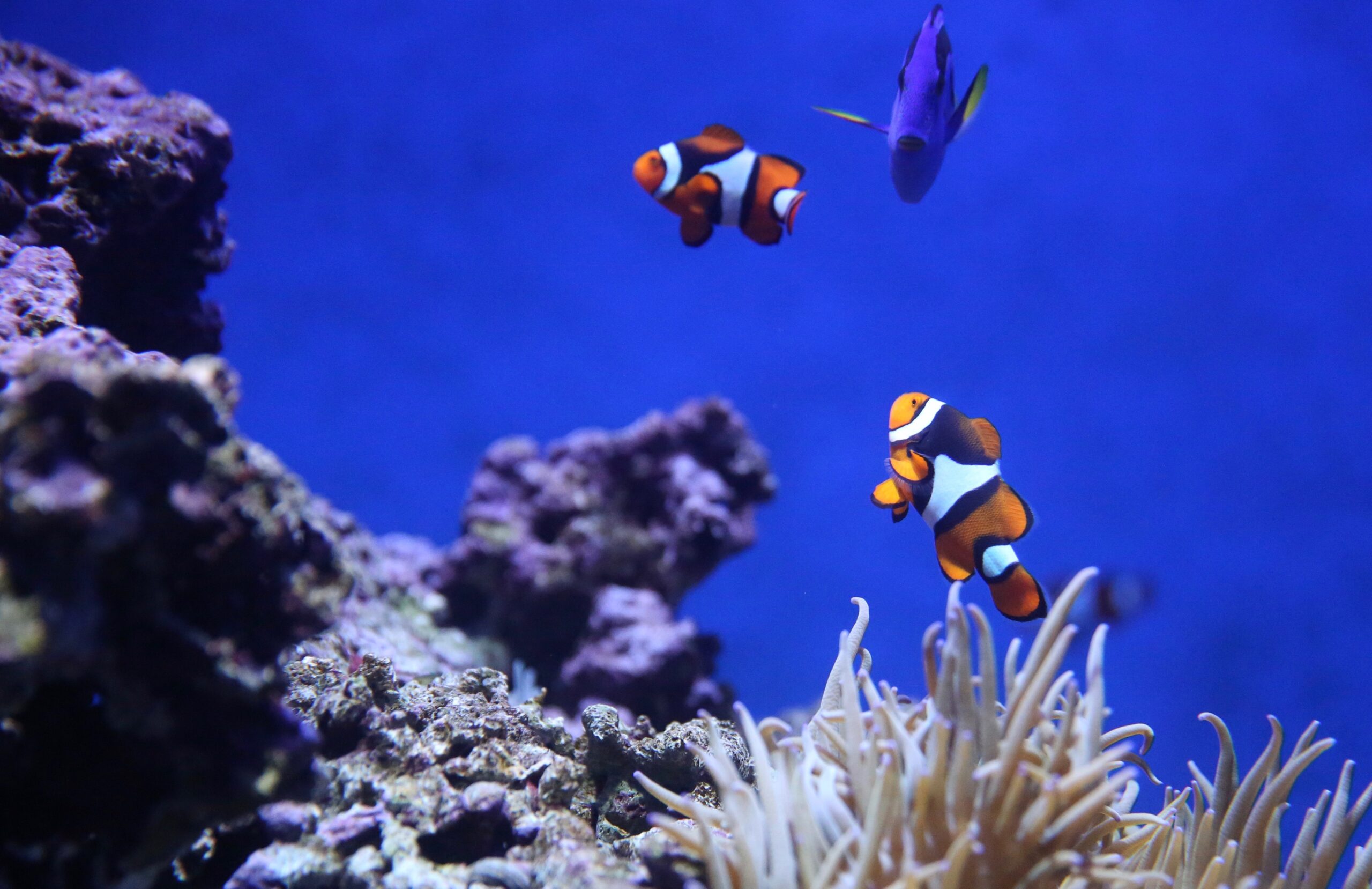
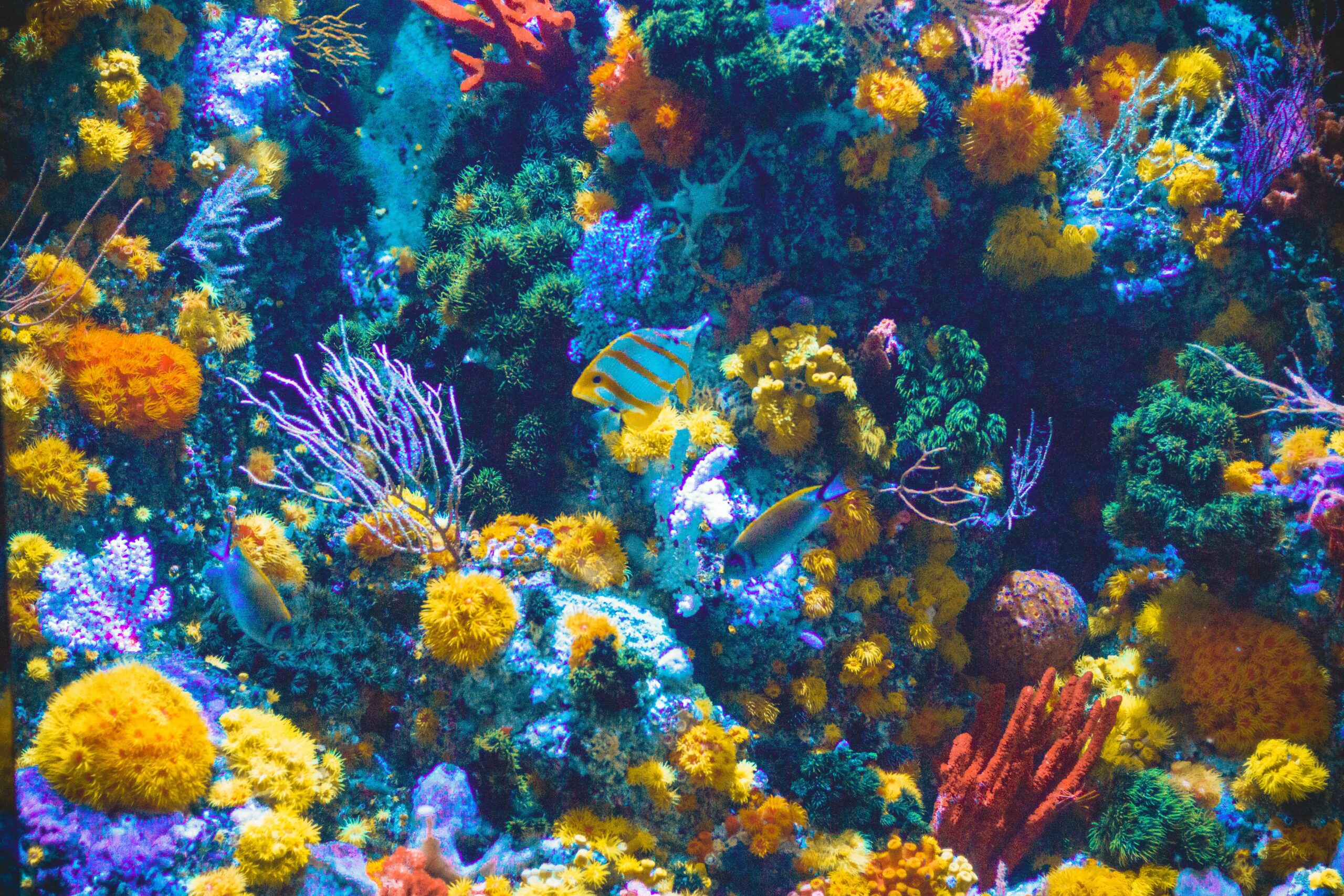
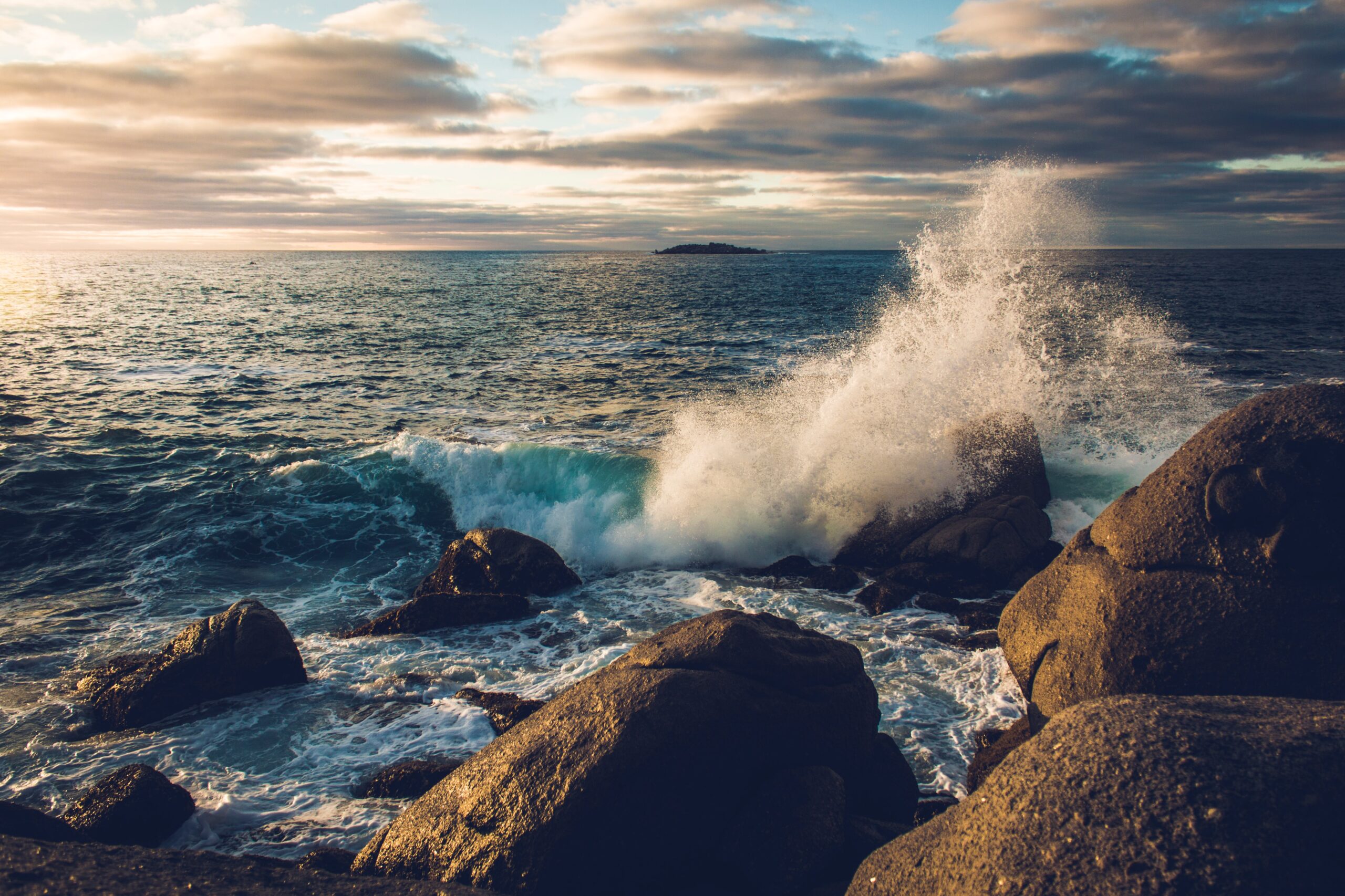
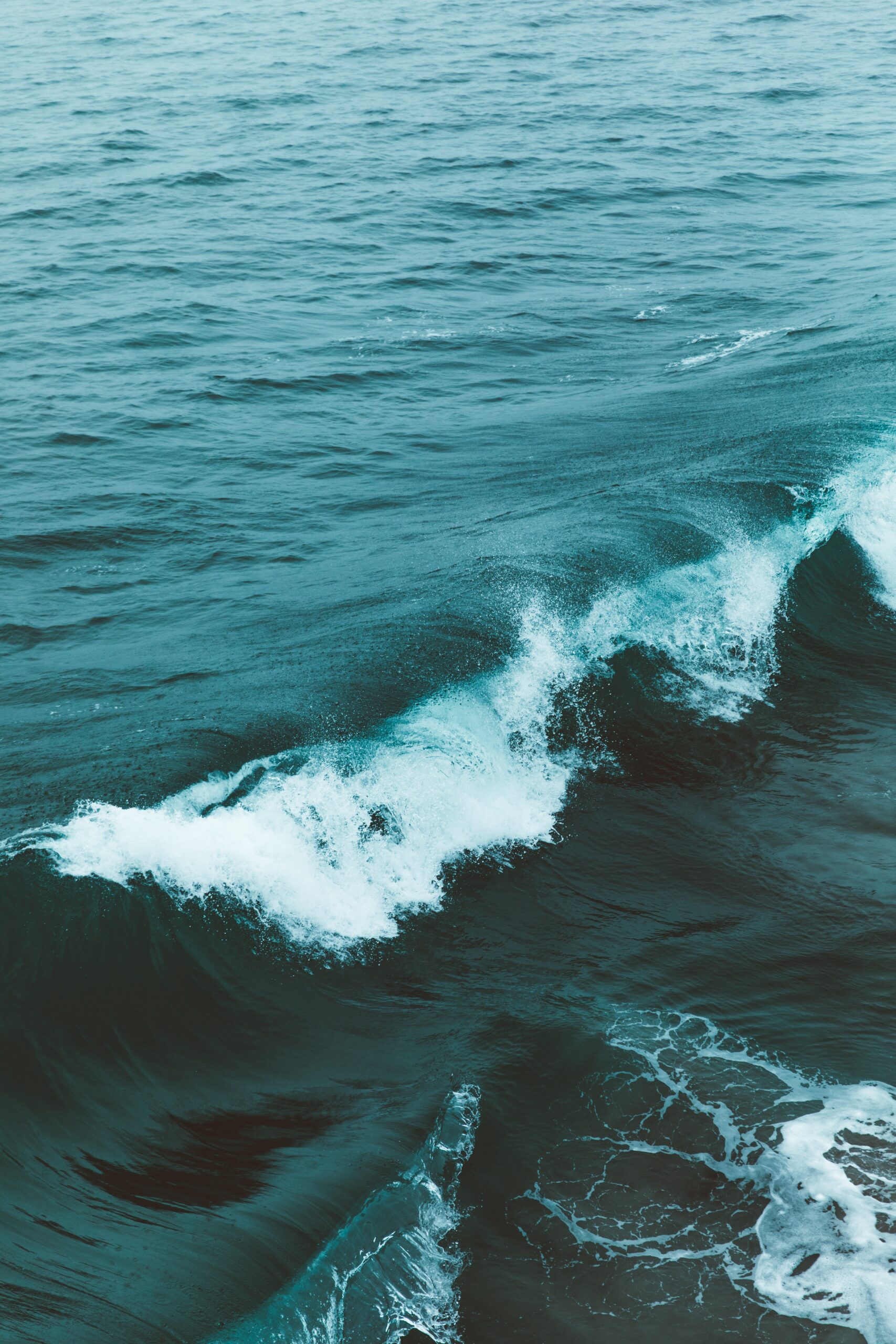
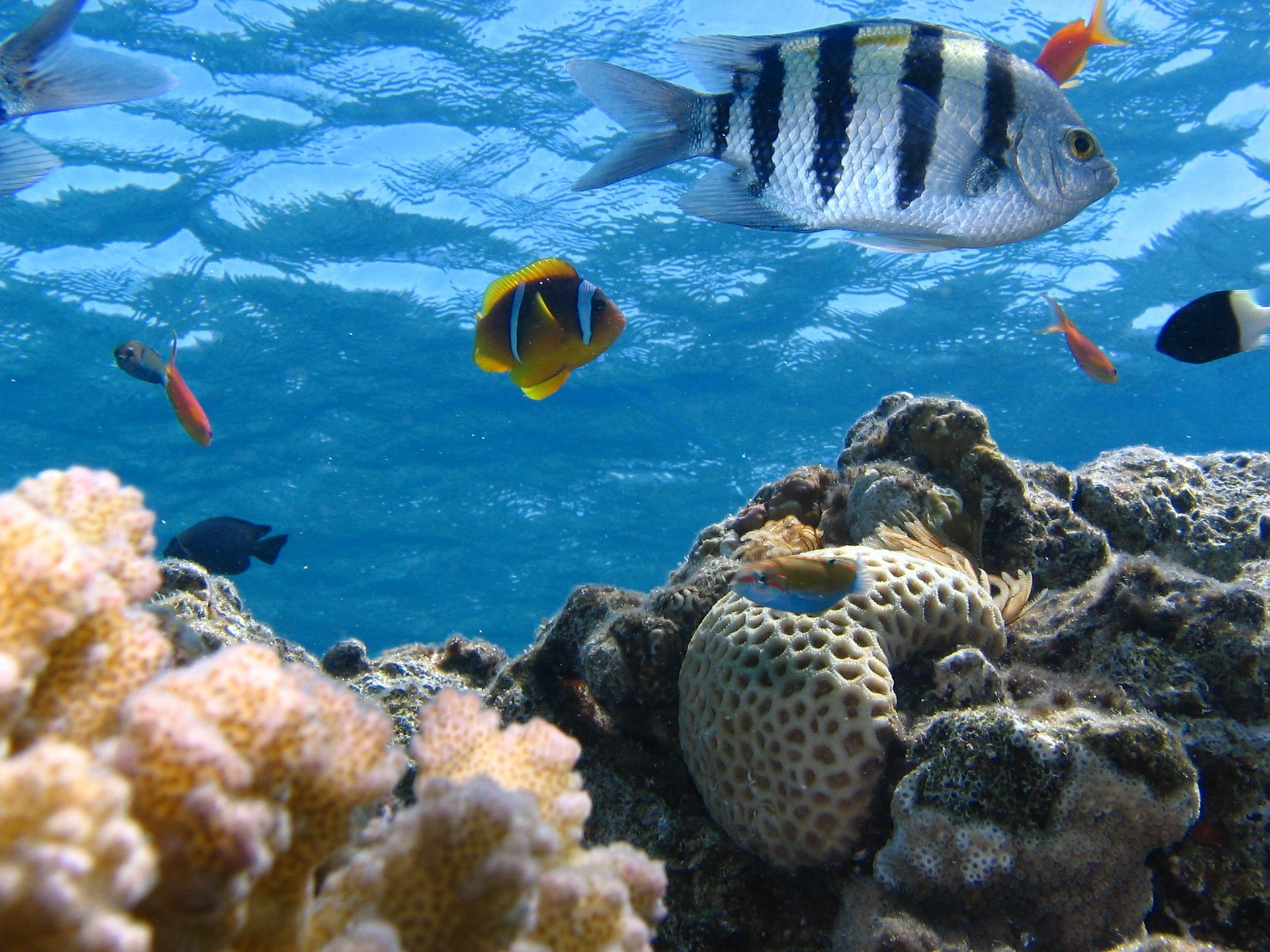
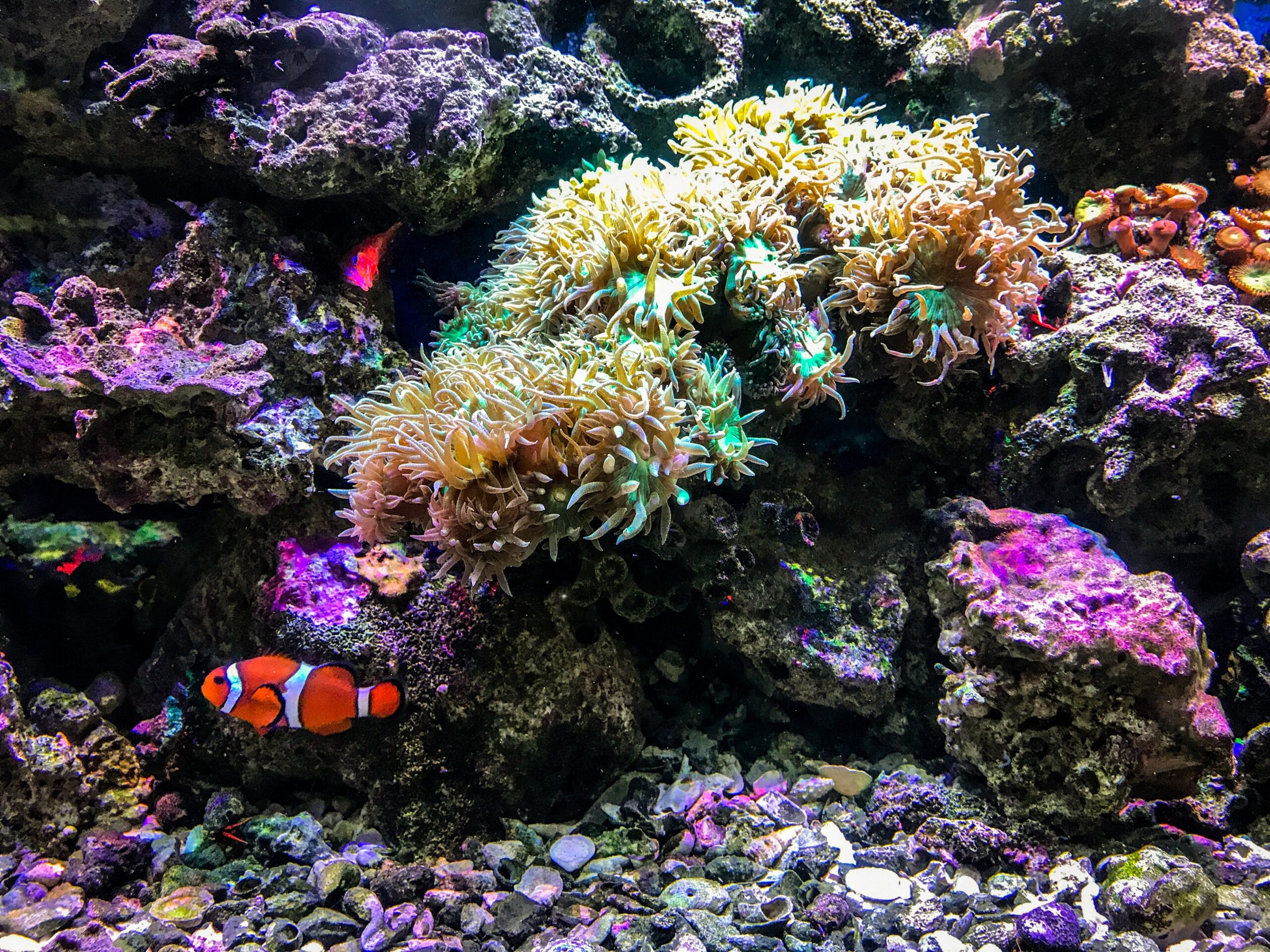
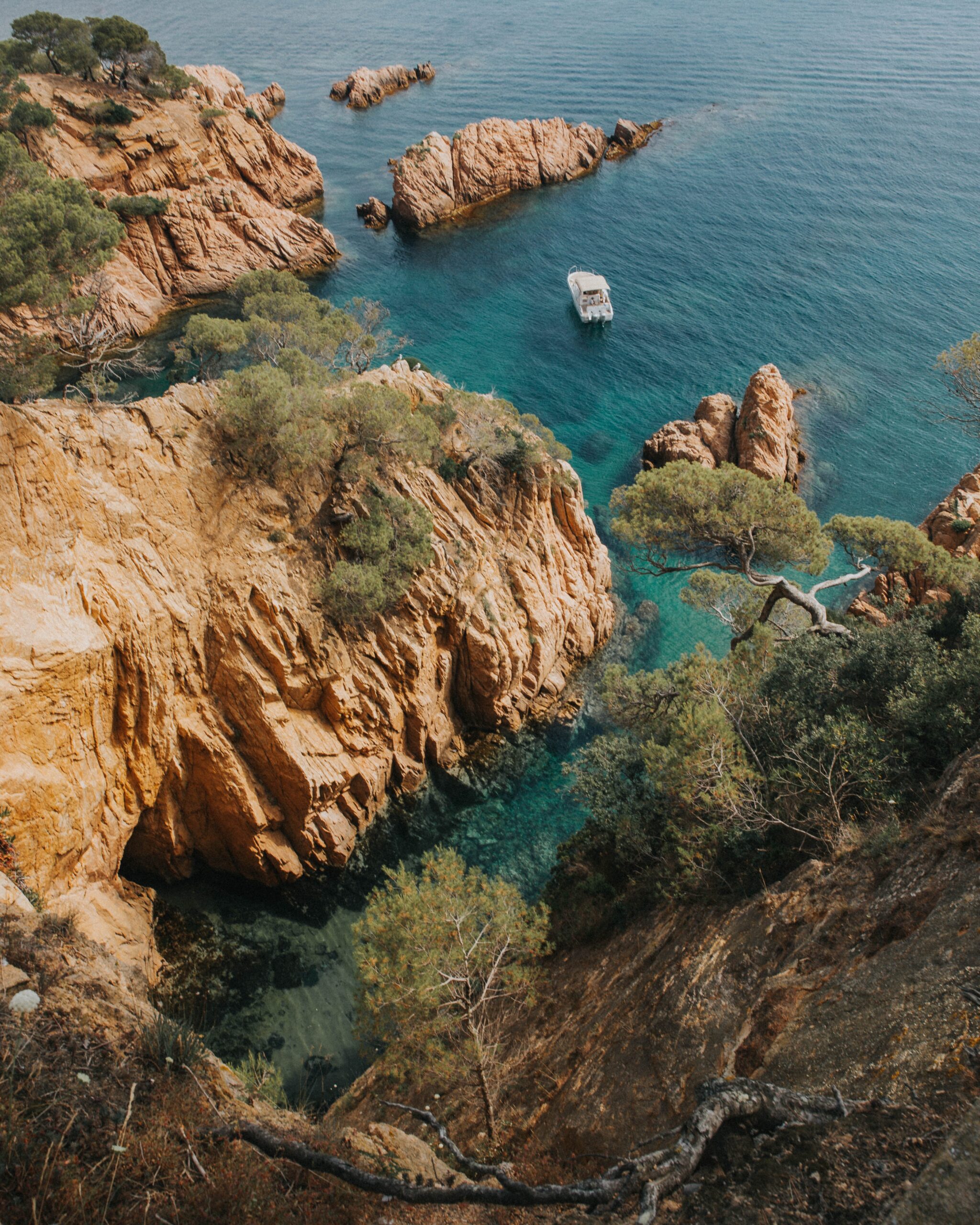
Thailand’s marine ecosystems are among the nation’s most valuable natural assets, underpinning biodiversity, economic prosperity, and societal well-being. Mangrove forests, seagrass beds, coral reefs, and estuaries provide essential services— from carbon sequestration and coastal protection to fisheries and tourism—and harbor endangered species like dugongs, sea turtles, and dolphins. In 2014, Thailand’s ocean economy, built on these ecosystems, was valued at Thai Baht (THB) 24 Trillion (T), underscoring their immense contribution to national economic and ecological security.