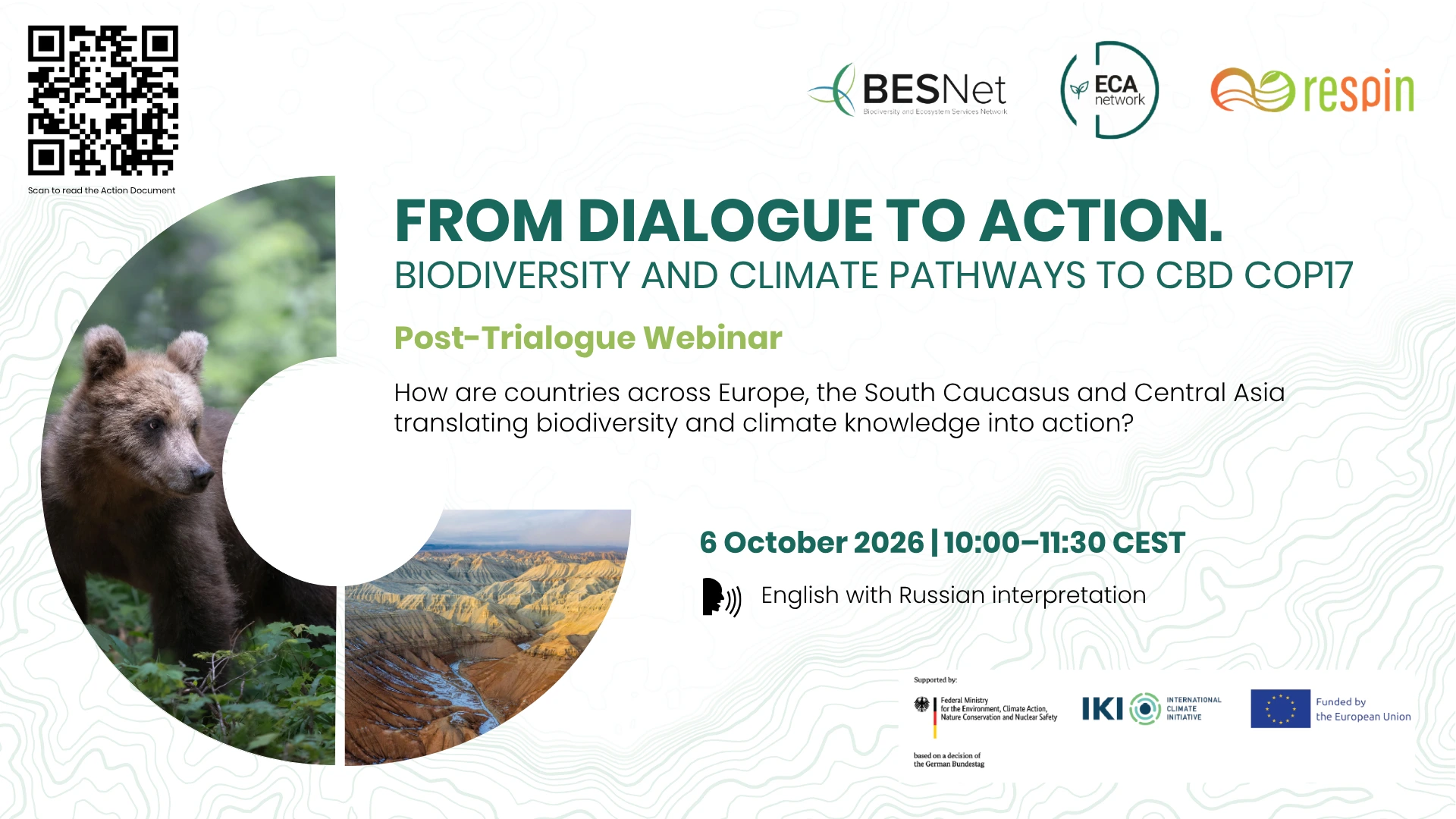
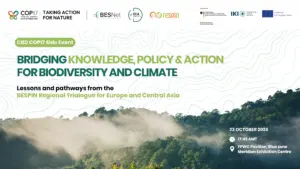
BES-Net, RESPIN and the ECA Network are organizing a side event at the seventeenth meeting of the Conference of the Parties to the Convention on Biological Diversity (COP17) in Yerevan, Armenia, on 23 October 2026. The session will share lessons from the BESPIN Regional Trialogue for Europe and Central Asia. It will look at how dialogue across science, policy and practice can turn biodiversity and climate knowledge into action.
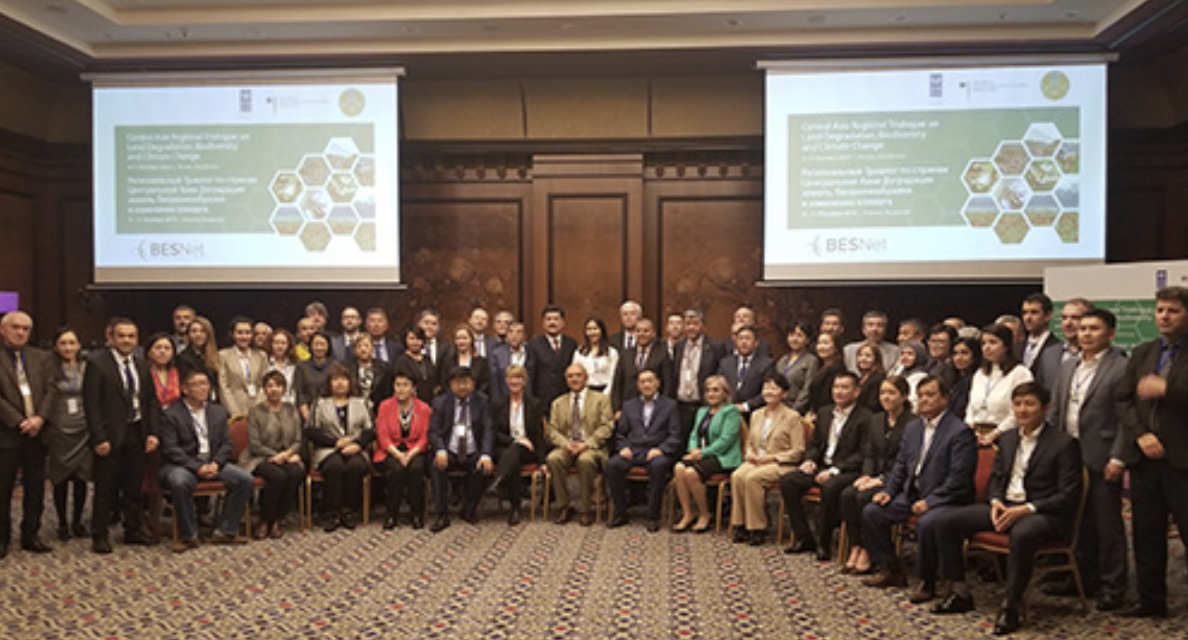
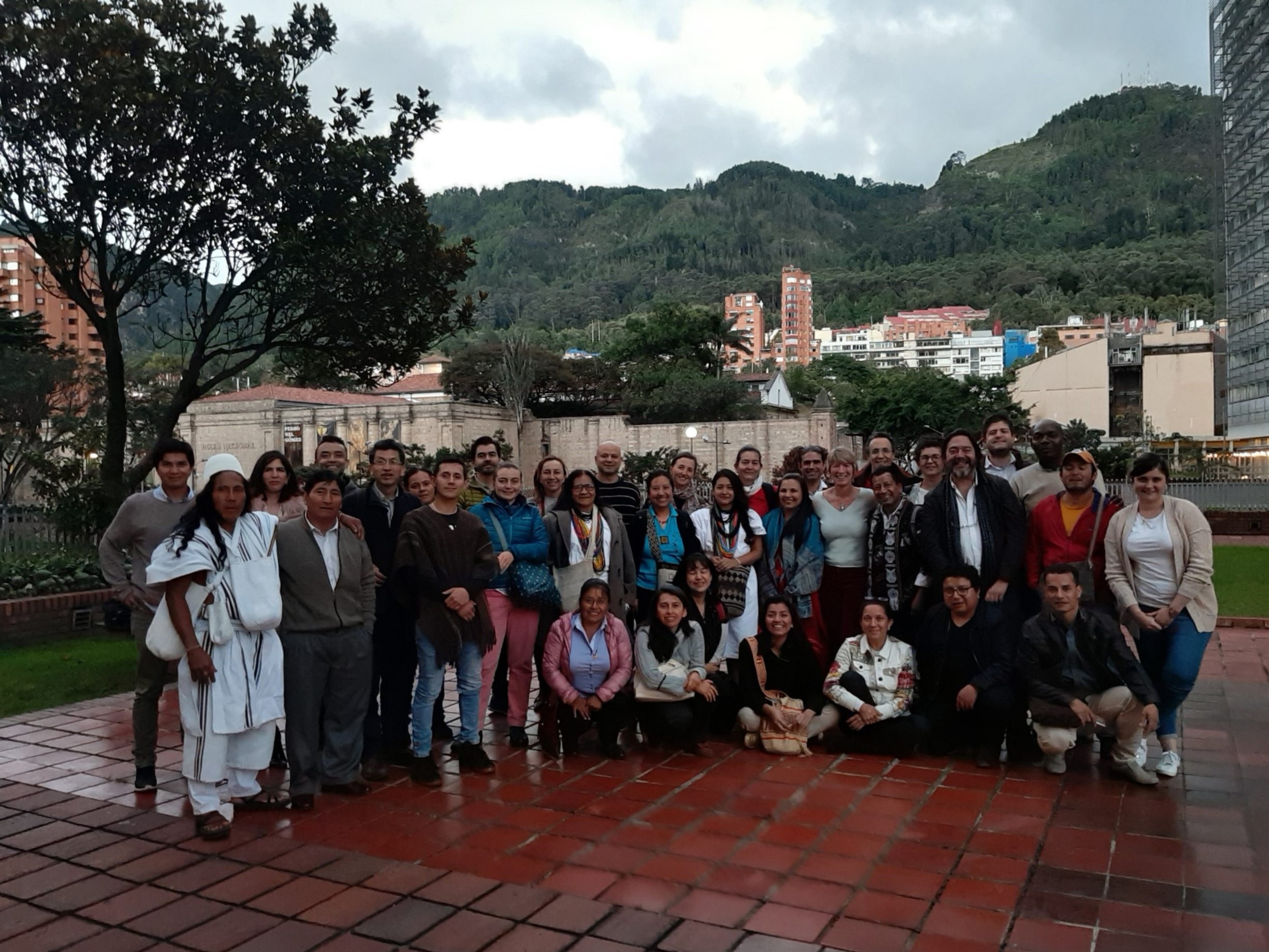
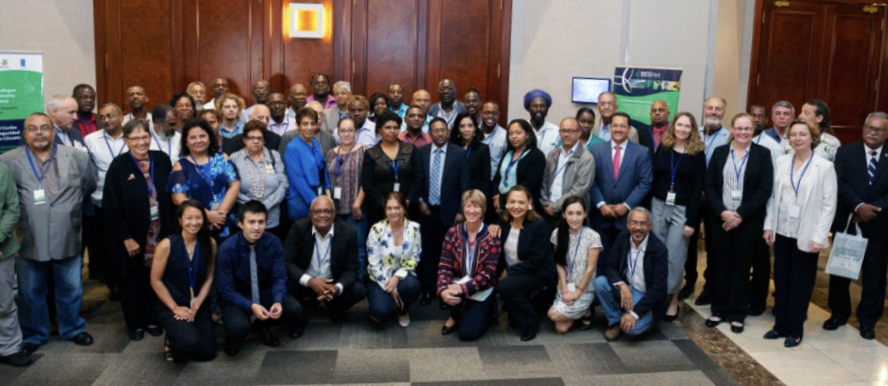
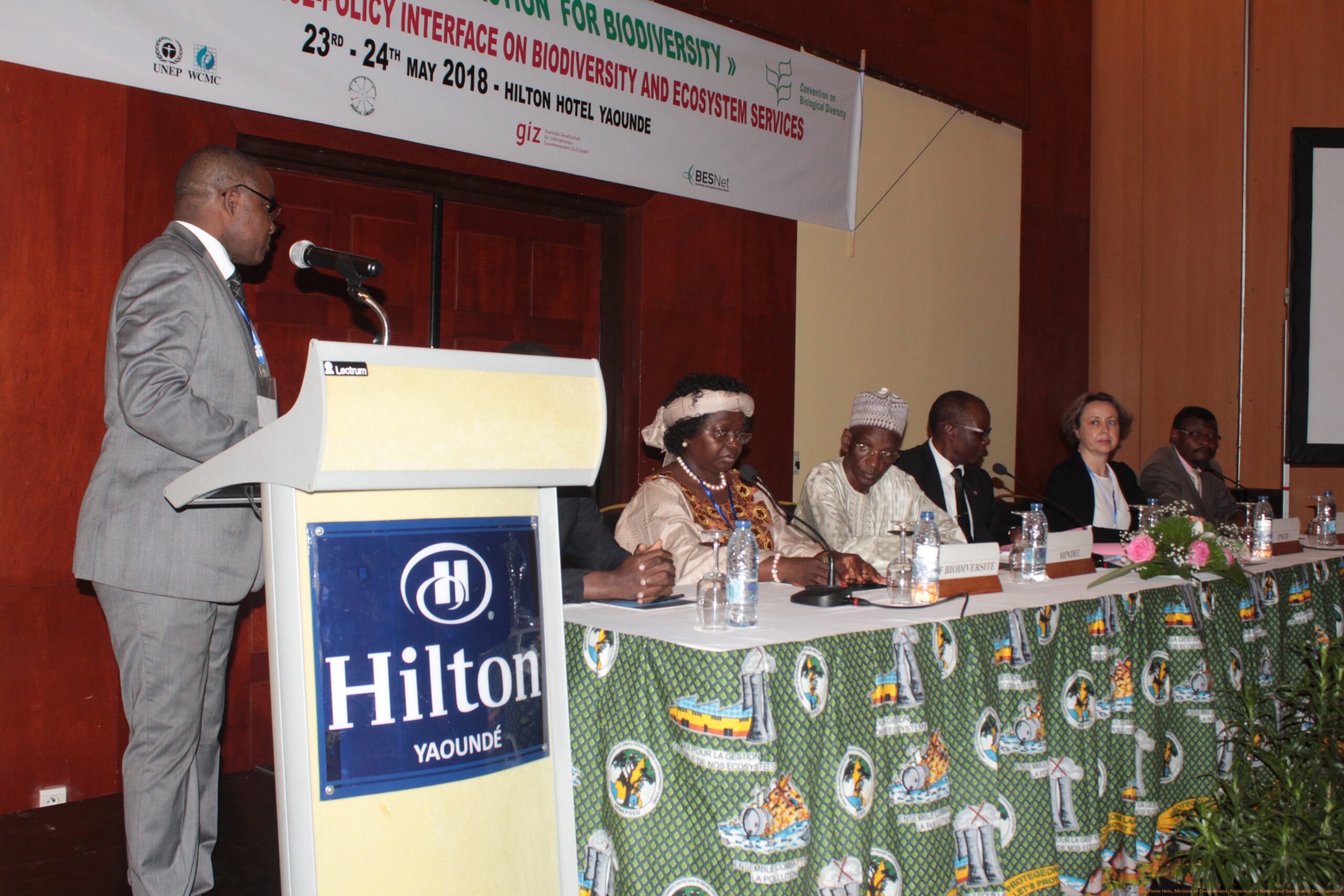
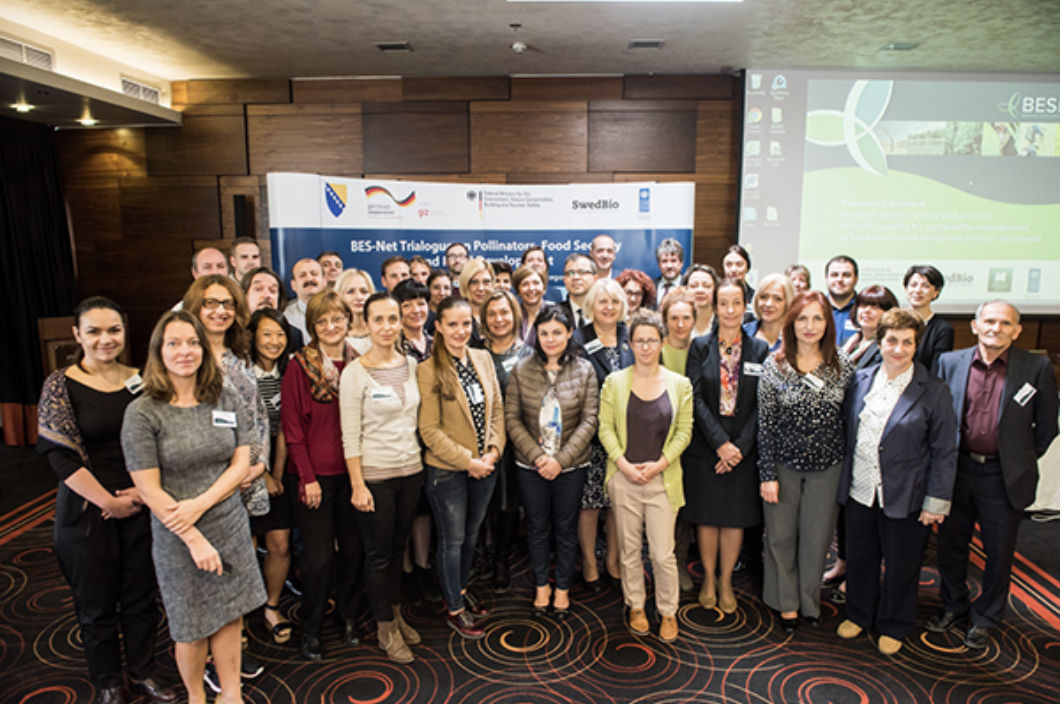
Biodiversity and climate policies are often developed by different ministries, funded separately and informed by different scientific communities. Yet challenges such as ecosystem restoration, water security and food systems call for coordinated action. The BESPIN Regional Trialogue was held in Skopje, North Macedonia, in May 2026. It brought together policymakers, scientists and practitioners from 12 countries across Europe, the South Caucasus and Central Asia. Together they explored how knowledge from the Intergovernmental Science-Policy Platform on Biodiversity and Ecosystem Services (IPBES) and the Intergovernmental Panel on Climate Change could be translated into practical action. BES-Net organized the Trialogue jointly with two partners: the REinforcing Science-Policy INterfaces for Integrated Biodiversity and Climate Knowledge and Policies (RESPIN) project and the Europe and Central Asia Network of Organisations Engaging in IPBES.
The Trialogue produced the BESPIN Action Document, available in English and Russian. It sets out regional pathways and country-level actions on:
- governance and science-policy coordination
- restoration and protected area management
- transboundary cooperation
- plural knowledge and community engagement
- data and knowledge-sharing
- finance, monitoring and accountability
The side event will draw on the Action Document and country experiences to ask what enables implementation once countries have the knowledge, targets and strategies in place. Discussion will centre on three questions:
- How can institutional and knowledge silos be broken?
- What does integrated implementation look like on the ground?
- What conditions allow promising actions to scale?
Panellists will also consider how combined approaches to biodiversity and climate can contribute to the interconnected targets of the Kunming-Montreal Global Biodiversity Framework.
The 75-minute session will include opening perspectives from each panellist, a moderated panel discussion, an audience poll and closing reflections.
Moderator: Axel Paulsch
Panellists:
- Belma Nahić, Bosnia and Herzegovina
- Alicia Pérez-Porro, CREAF, Catalonia
- Sona Kalantaryan, FPWC, Armenia
- Alexandra Mussina, Kazakhstan
- Nigel Crawhall, UNESCO LINKS